COS News
Research

“The basic premise is that AI can help us do better physics, and something that is less expected is that physics can also help us understand AI better,” said Northeastern professor James Halverson.
AI and physics have more in common than you might think.
News
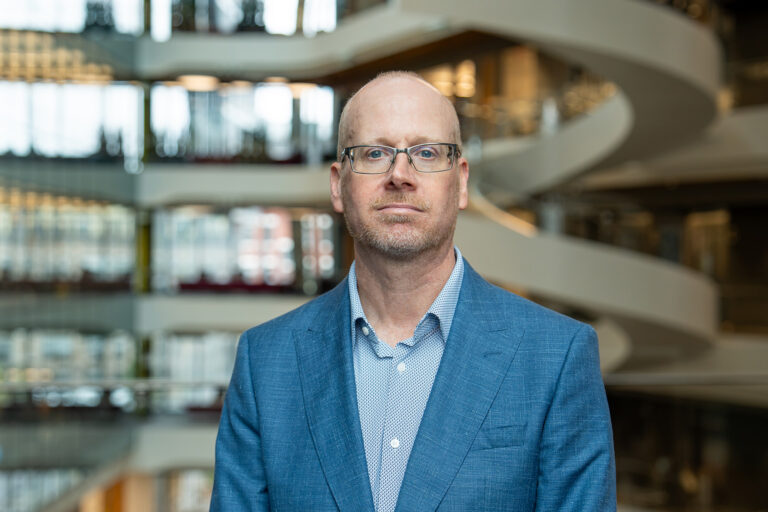
Mark Williams, Professor and Chair of the Department of Physics, will assume the role of Dean of the College of Science, effective July 1, 2026.
Mark C. Williams named Dean of the College of Science
Showing all results
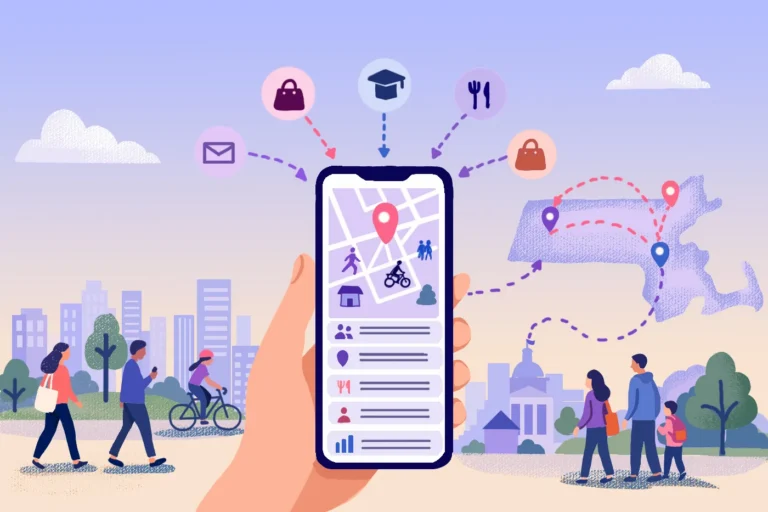
‘Giving back’ cellphone data so communities can plan
The goal of Professor Esteban
Moro's new research is to help communities better allocate resources, plan for events and more.
Biotechnology Graduate Builds Career in Finance
Meet Andrea Sorrentino, a Northeastern Toronto graduate whose biotechnology background helped open doors in the finance industry, proving that career paths are rarely linear.

Does an infant’s body fat relate to cognitive and motor development?
Researchers include assistant professor Laurel Gabard-Durnam are looking beyond a weight and length to inform an infant’s neurological development.
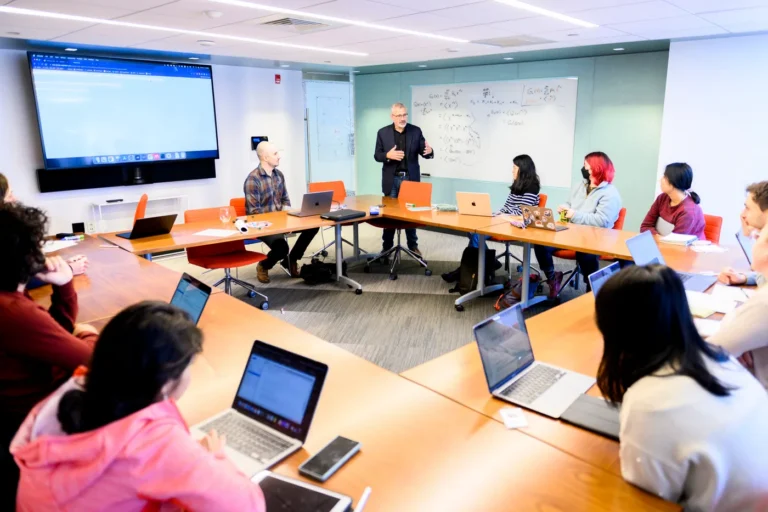
Network science research expands to four cities on two continents across Northeastern’s global network
Professor Alessandro Vespignani is leading the Network Science Institute in tackling some of the world’s most pressing issues, from predicting pandemics to understanding the impact of AI.
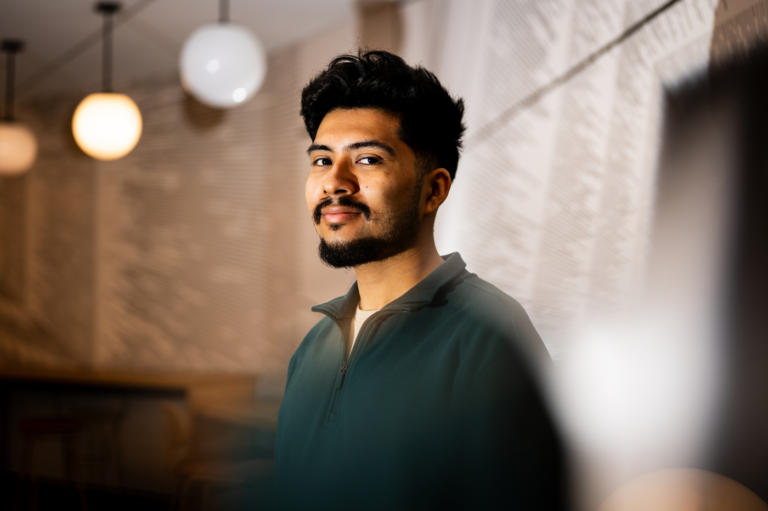
Northeastern doctoral student awarded Soros Fellowship to study intersection between physics and math
At Northeastern, Oswaldo Vazquez is studying quantum field theory, a framework used to study elementary particles.

Tick-related ER visits are higher than normal this year. Here’s how you can protect yourself and your family from Lyme disease
How to protect yourself and your family from Lyme disease, according to Assistant Professor Constantin Takacs.
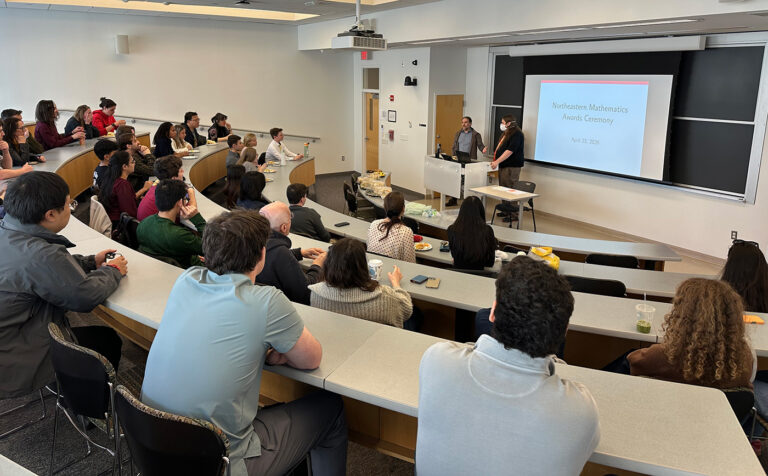
Northeastern Mathematics Department Honors Students and Faculty at 2026 Awards Ceremony
The Mathematics Department held its annual Awards Ceremony on April 23, 2026, recognizing students, faculty, and community members for their outstanding achievements over the past year. From academic excellence and research innovation to teaching, outreach, and service, the event highlighted the breadth of work shaping the department’s community. Awards were presented by Associate Teaching Professor Evan Dummit, chair of the...
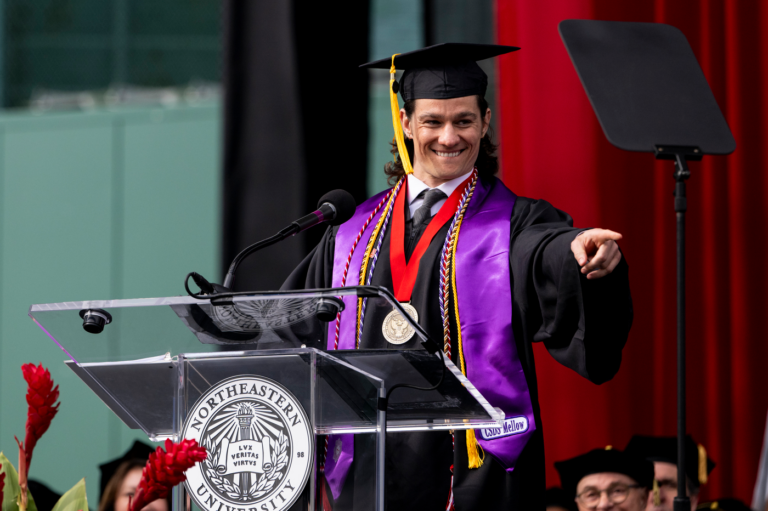
Northeastern undergraduate student speakers encourage bravery, open-mindedness
Evan Kenny, who graduated with a bachelor’s in behavioral neuroscience, encouraged fellow graduates to chase their desires.
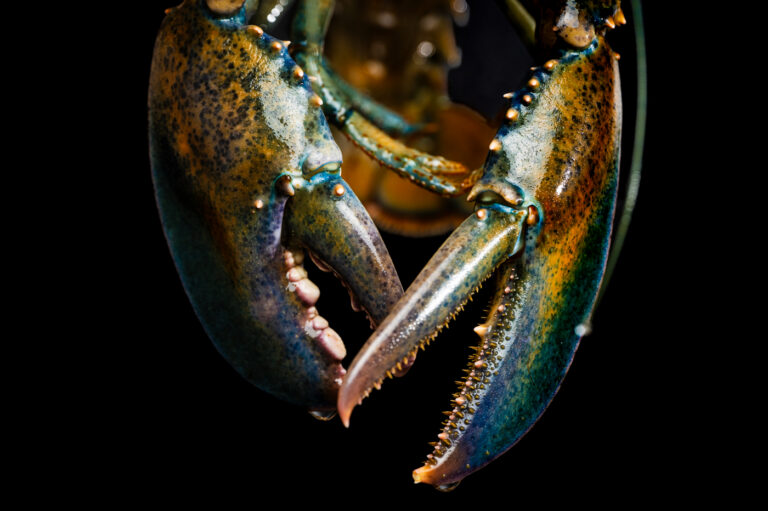
Northeastern’s Marine Science Center is the go-to place for lobster captains and fishmongers with rare colorful lobsters
A rare “cotton candy claws” lobster is latest crustacean donation.

Findings in toxic plants could help in the development of safer heart and cancer drugs
A new research published by post-doctoral researcher Menglong Xu and Professor Jing-Ke Weng have discovered a mammal-like hormonal pathway in plants such as foxglove that could help make heart and cancer drugs safer.
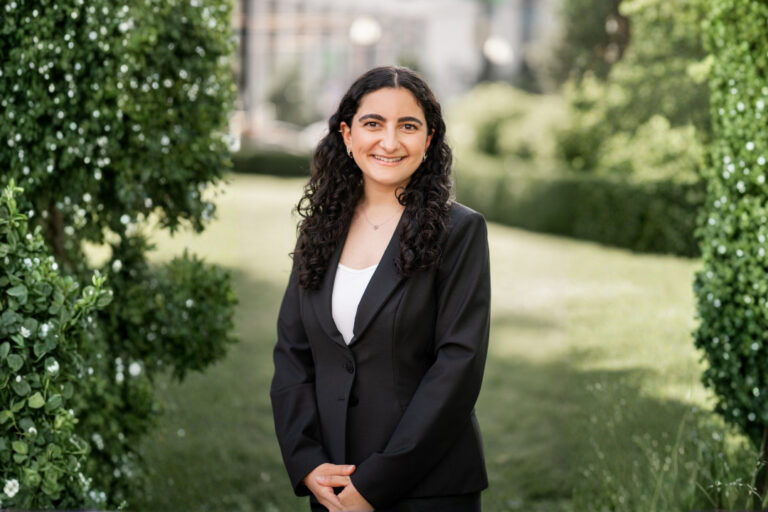
Driven by Purpose: Susanna Ovsepian’s Path to Medicine at Northeastern
From her earliest days at Northeastern University, Susanna Ovsepian was motivated by a desire to make an impact. As graduation approaches, she reflects on a journey defined by resilience, balance, and a deep commitment to others.

From Marine Biology to the Art Studio: Kai Godhwani’s Northeastern Story
“Being selected as a COS undergraduate student speaker is a huge honor. It's not only an opportunity to reflect on my own experience, but to represent a diverse and driven group of students who are all approaching science in their own unique way."