COS News
Research

“The basic premise is that AI can help us do better physics, and something that is less expected is that physics can also help us understand AI better,” said Northeastern professor James Halverson.
AI and physics have more in common than you might think.
Research
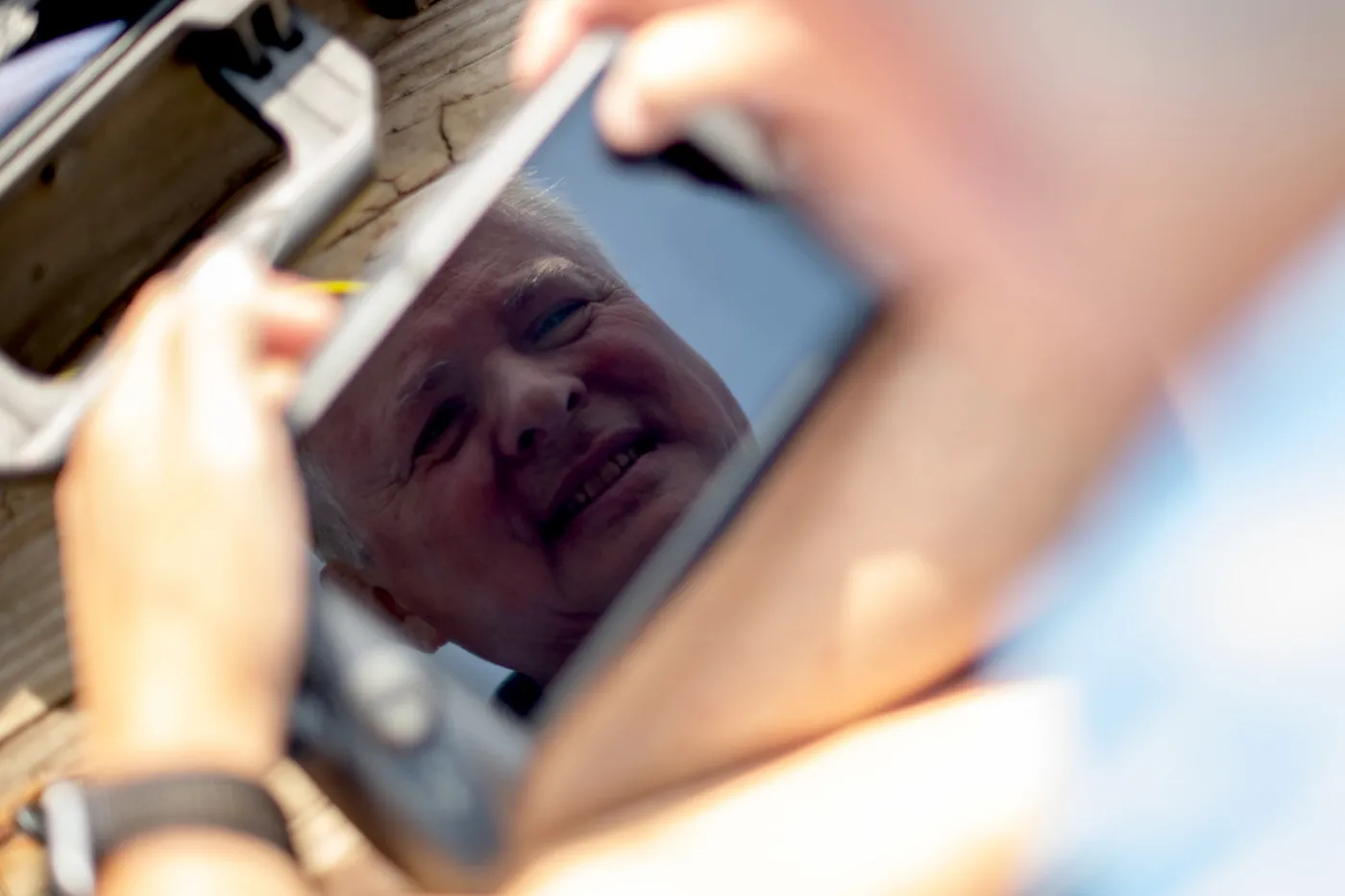
Formed by superheated glacial water from the last ice age, the hydrothermal vents Professor Mark Patterson studies have been bubbling beneath the fjord for centuries.
Professor receives Fulbright to explore one of the world’s most unique hydrothermal vents
Showing 308 results in News
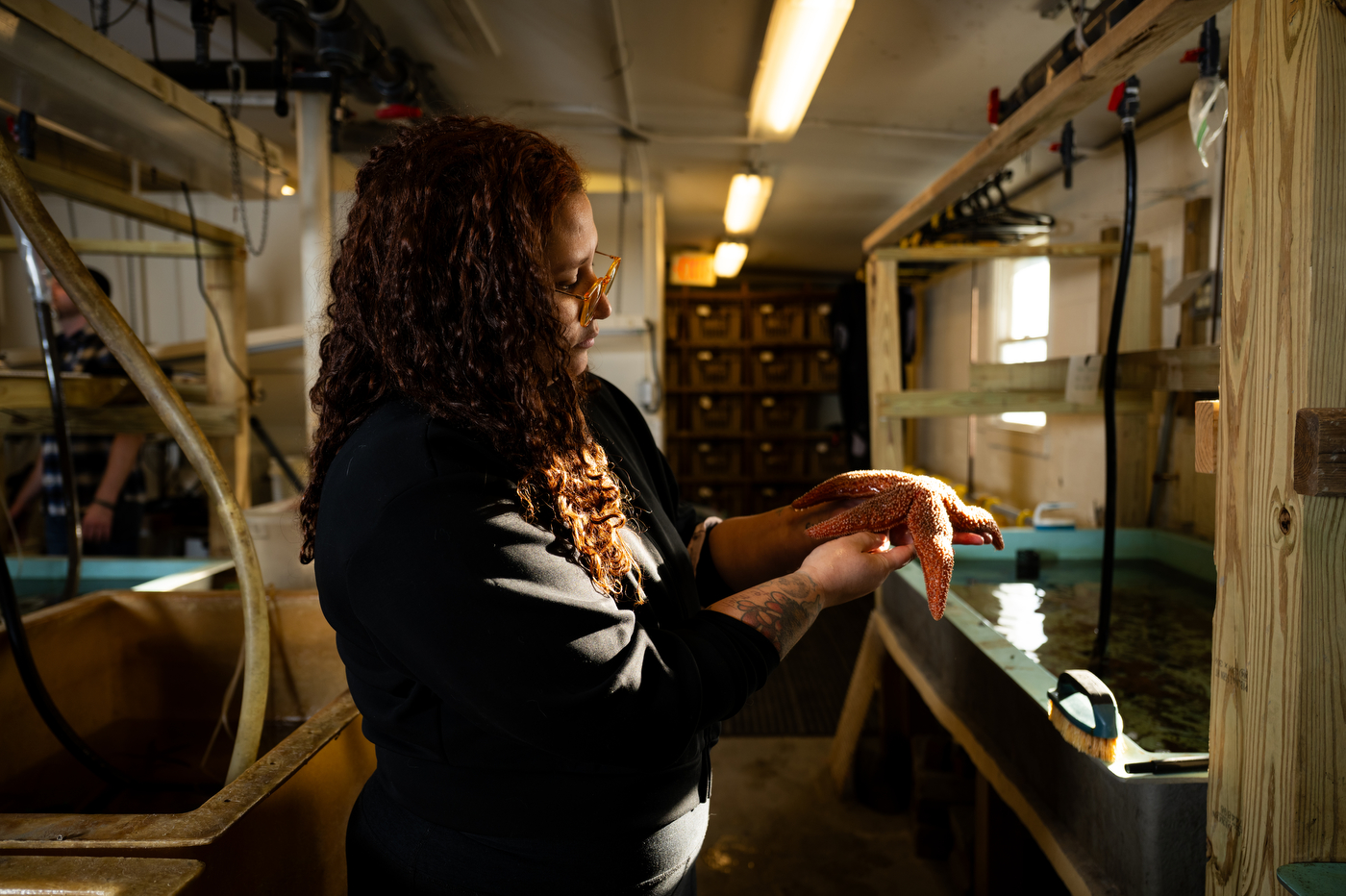
Starfish are dying from a mysterious disease. She hunts for answers
Angela Jones, a PhD candidate at Northeastern, is studying the devastating yet mysterious sea star wasting disease.
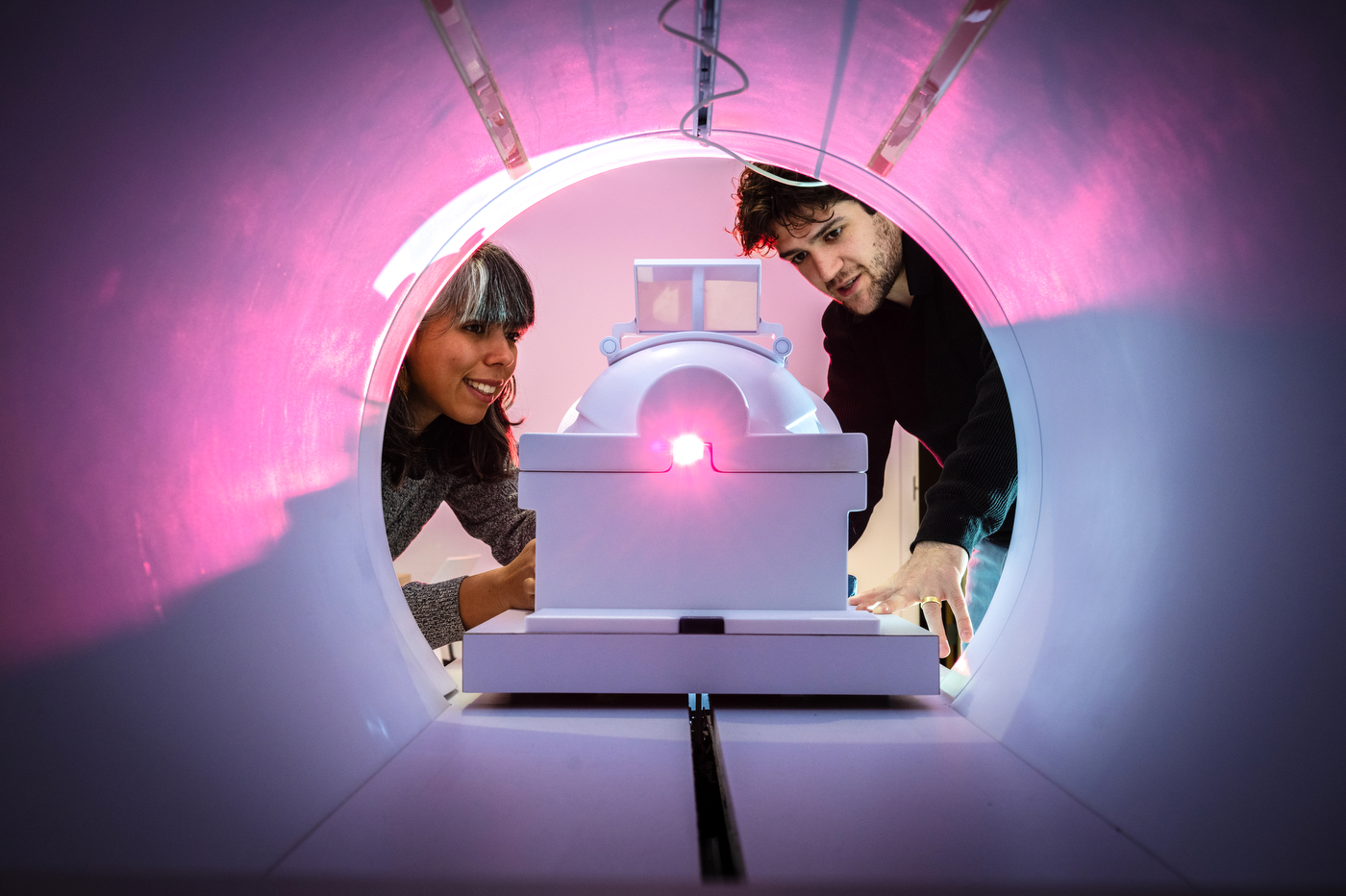
How a ‘caricature’ of a brain scan could lead to better treatment outcomes
New research by Stephanie Noble removes task based information from resting state MRI scans, improving individual diagnoses and predictions.
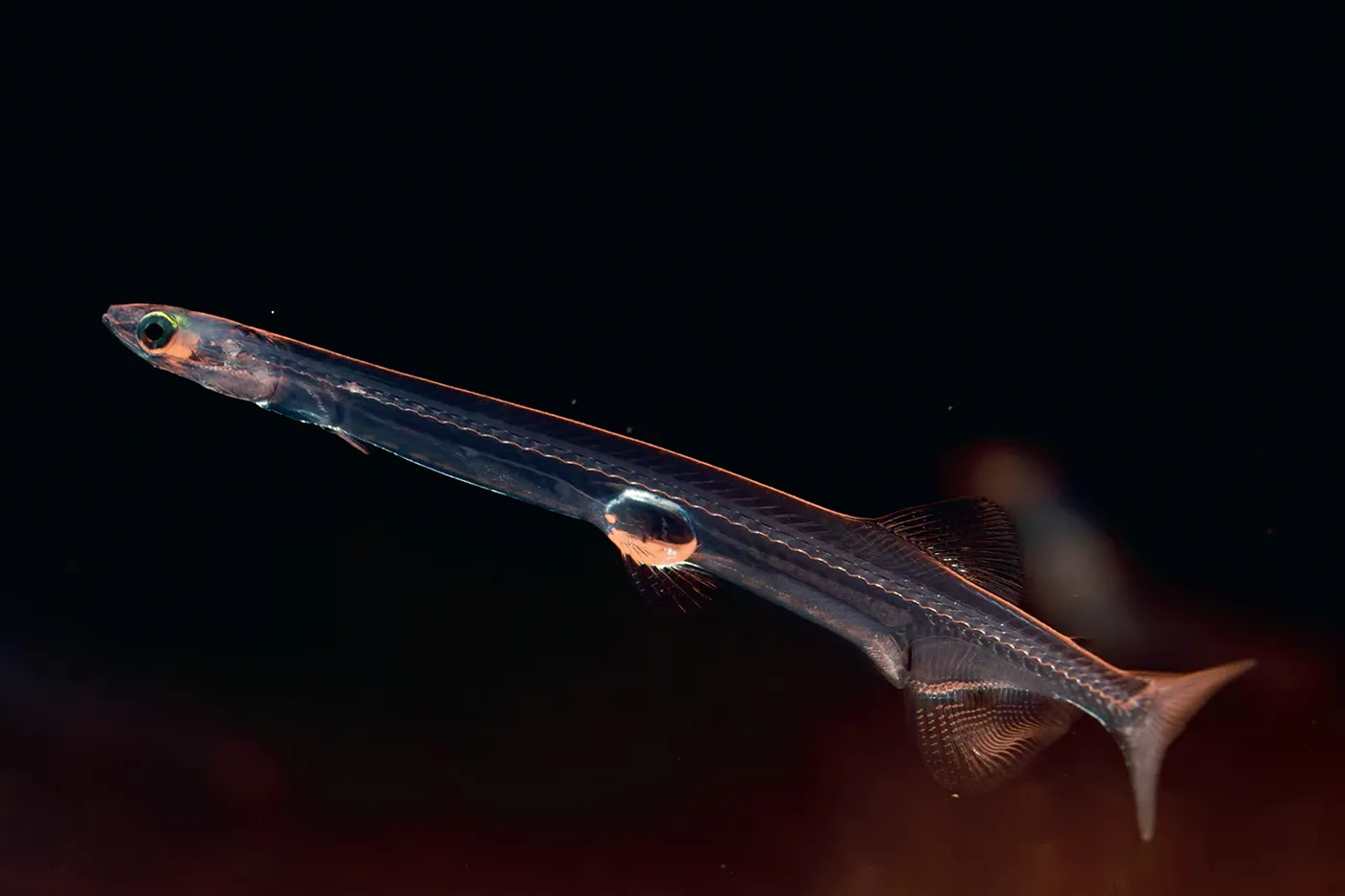
No red blood cells? No problem. Icefish, meet the Asian noodlefish
Professor Detrich thought he’d solved the mystery of the white-blooded icefishes that swim in Antarctic waters. Then he met the Asian noodlefish.

Design your own experiments in Northeastern’s Wet Lab Makerspace
Independent research shines at Northeastern’s Wet Lab Makerspace, where assistant professor Katia Zolotovsky points to hands-on seminars in microbial art, foundational lab skills, and the chance for students to design their own experiments.

Feel like your brain is a little sluggish? Try 10 minutes of exercise
New research demonstrates that just 10 minutes of exercise before starting class can improve executive function, making problem-solving and learning easier.

Playing pollution detective off Nahant Beach, a search for clues leads to a stunning bacterial count
A Northeastern University graduate student tested beaches near the Nahant campus to find local sources of pollution.
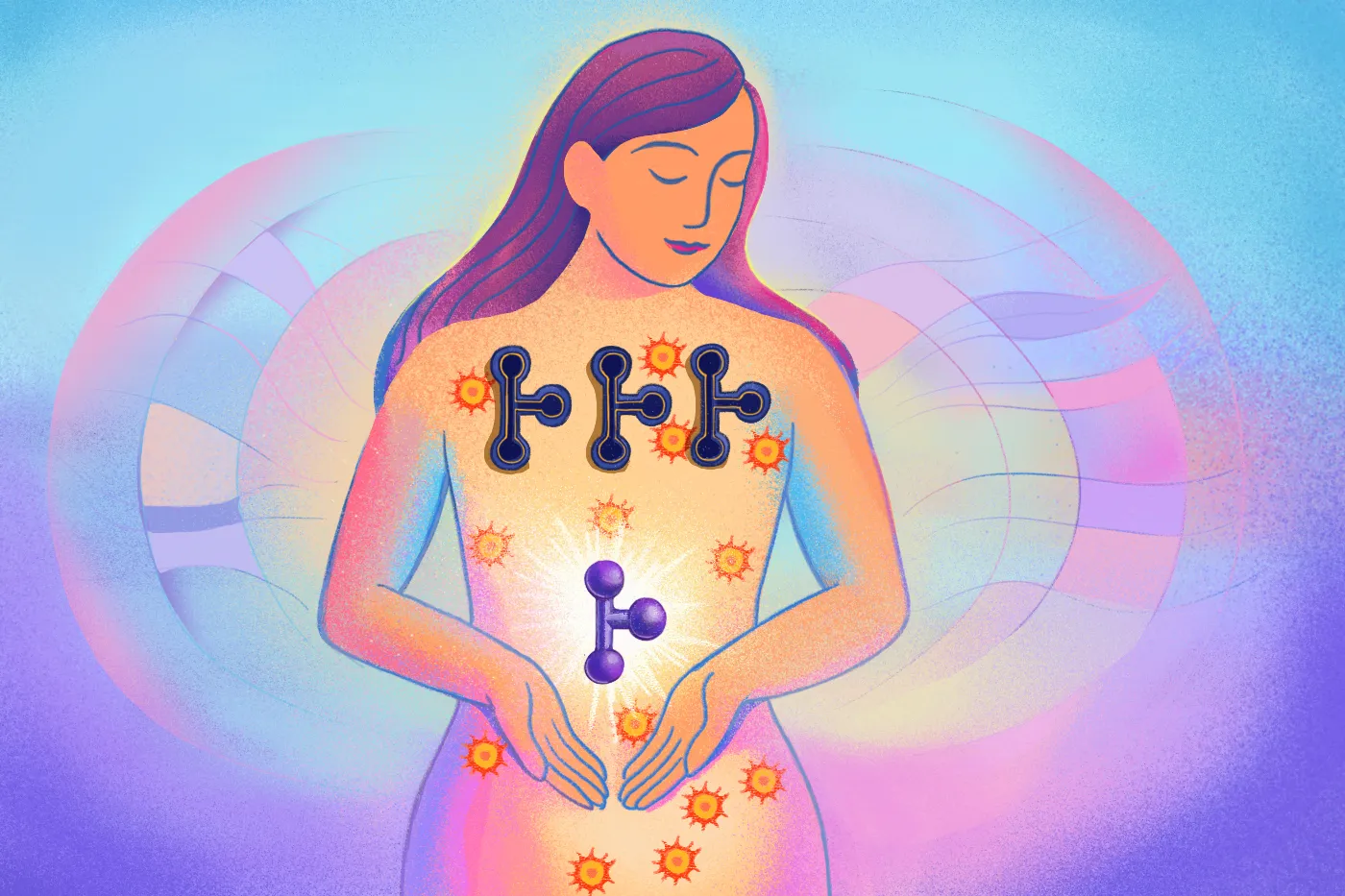
Your body is full of medicine — these researchers have finally discovered a way to synthesize it
Northeastern’s Center for Drug Discovery has discovered a way to synthesize cannabinoids endogenous to the human body, which have wide application to drug discovery and creation.
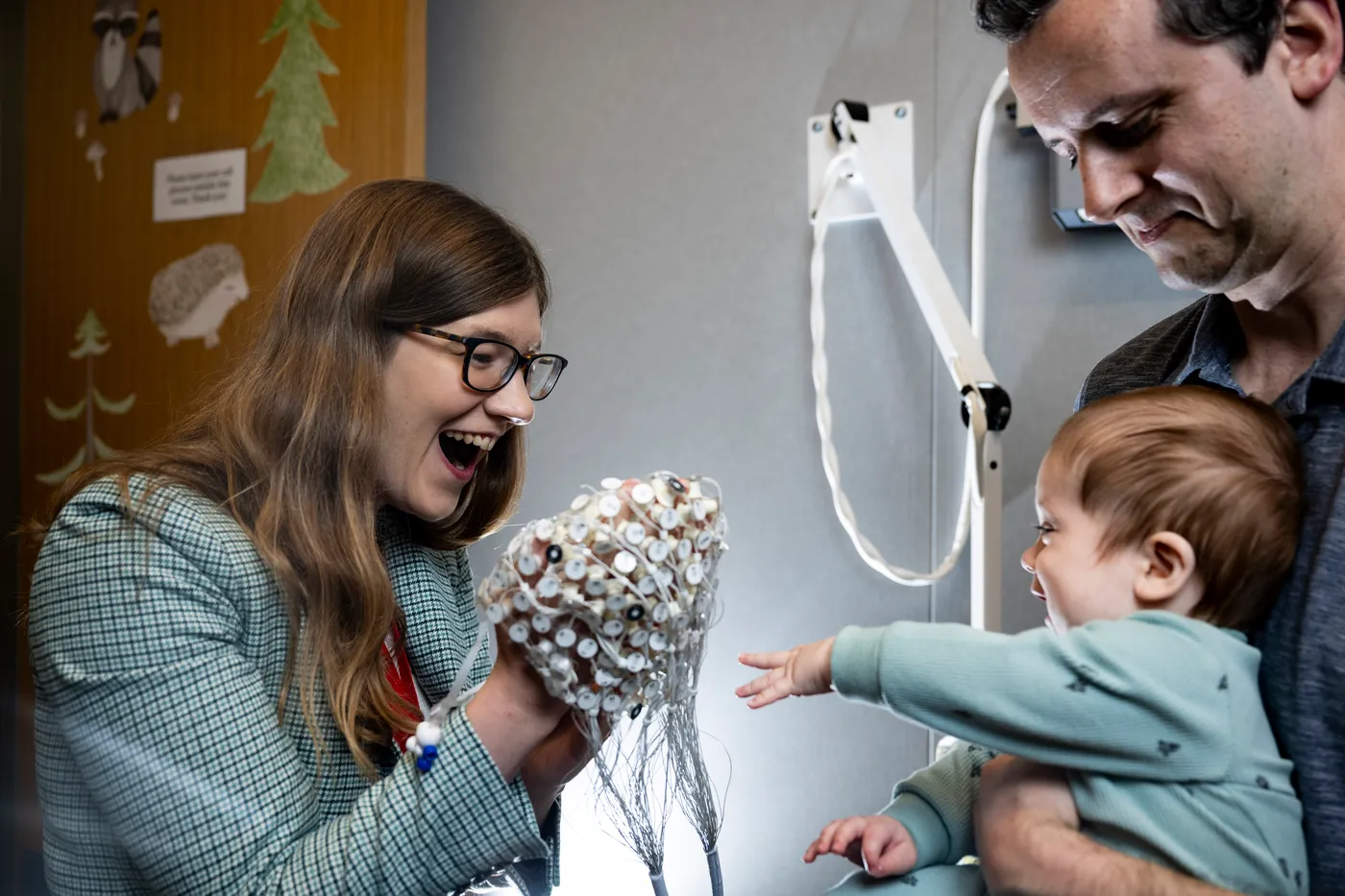
What can babies teach us about brain development?
Laurel Gabard-Durnam’s latest research used EEG to better understand how babies’ brains develop.

How local lobstermen could help save our coastal habitats
As fishery management practices struggle to keep up with warming waters, the insights of local lobstermen provide an invaluable understanding of changing dynamics, new research shows.

Twelve Northeastern scholars make ‘Highly Cited Researchers’ list
The faculty members were included in this year’s “Highly Cited Researchers” list, an annual compilation by the data analytics company Clarivate that recognizes scholars who rank among the top 1% of their field.
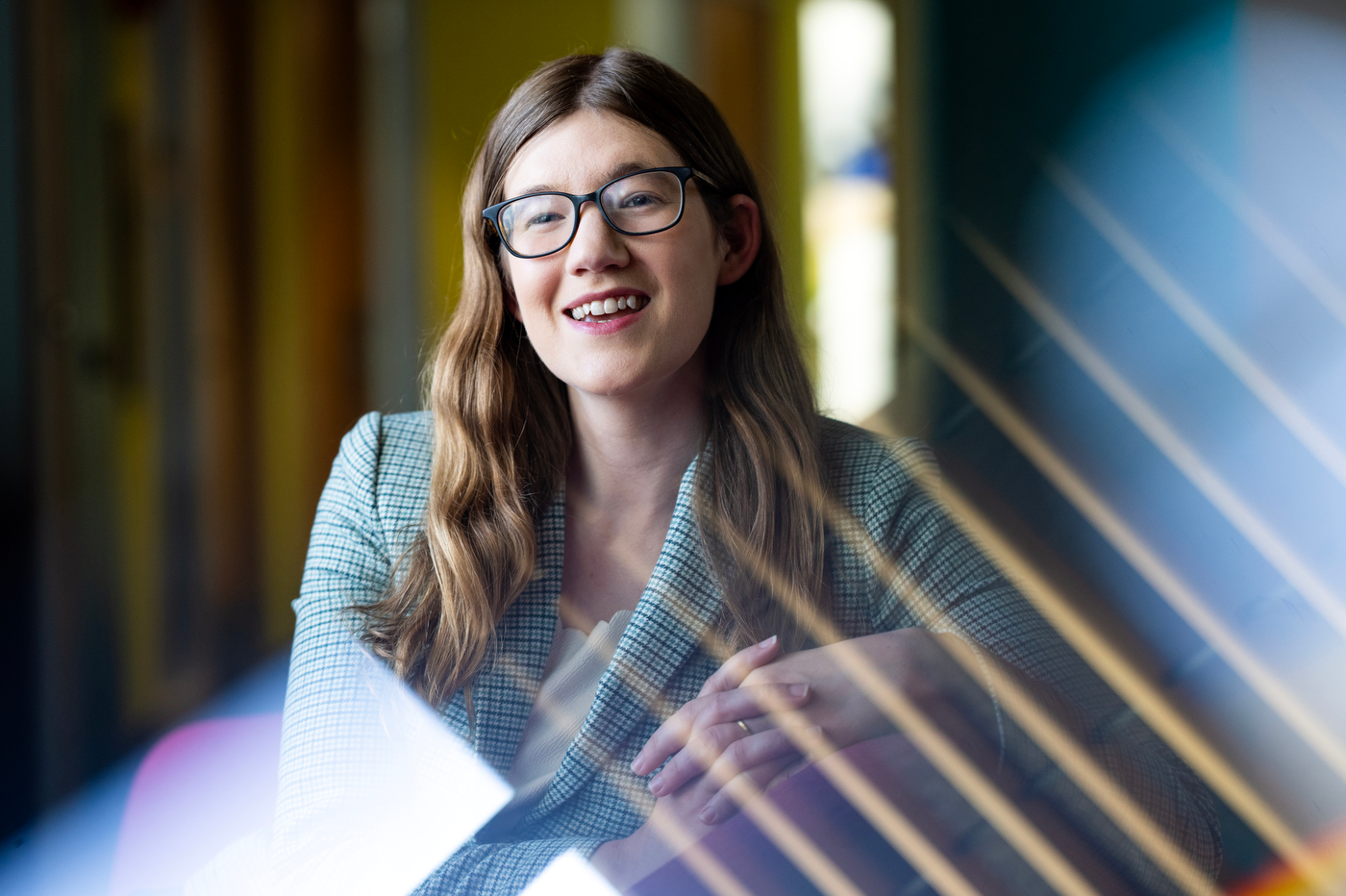
Northeastern University professor honored with prestigious American Psychological Association award
Laurel Gabard-Durnam, whose work focuses on brain plasticity and creating real-world tools, will receive the Boyd McCandless Award in August, 2026.
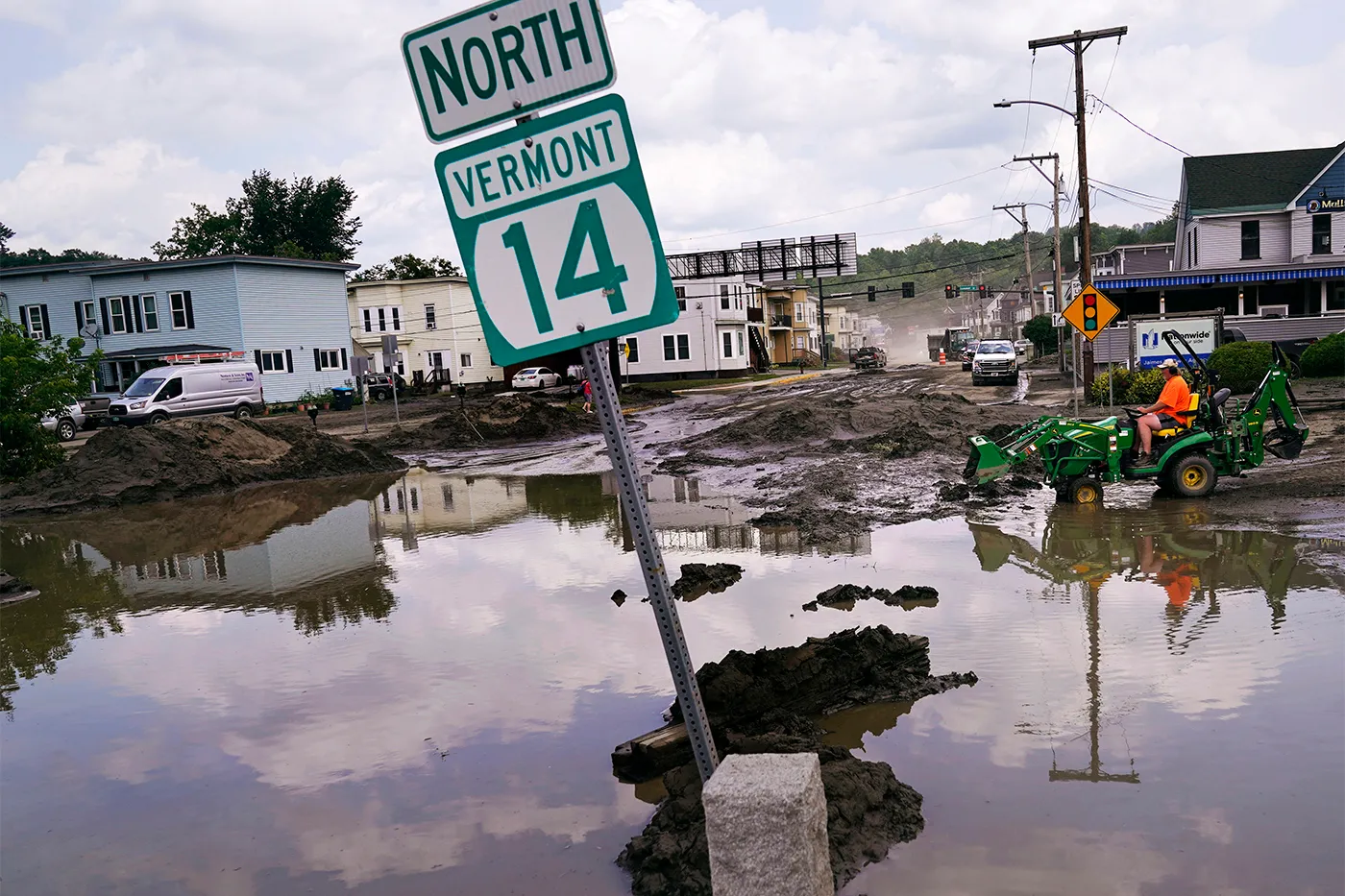
Breakthrough research uses machine learning to better predict New England floods
Researchers at Northeastern University used machine learning to aggregate nearly five decades of weather data to better understand the factors that lead to New England flooding.