COS News
Research
“The basic premise is that AI can help us do better physics, and something that is less expected is that physics can also help us understand AI better,” said Northeastern professor James Halverson.
AI and physics have more in common than you might think.
News
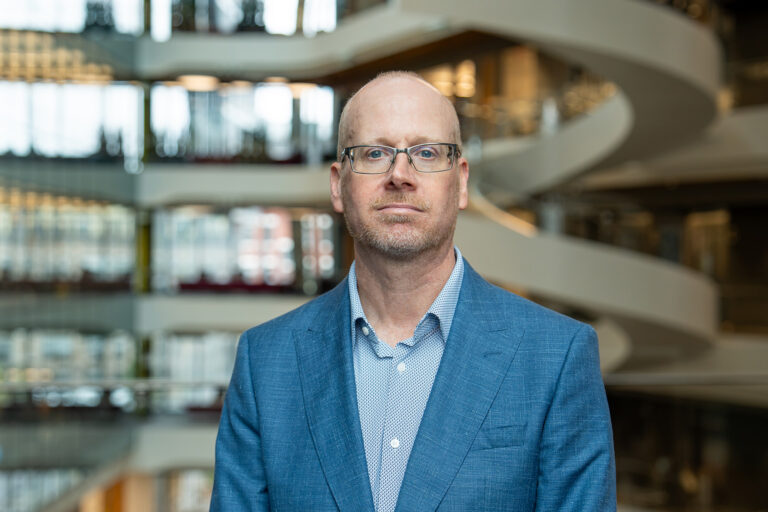
Mark Williams, Professor and Chair of the Department of Physics, will assume the role of Dean of the College of Science, effective July 1, 2026.
Mark C. Williams named Dean of the College of Science
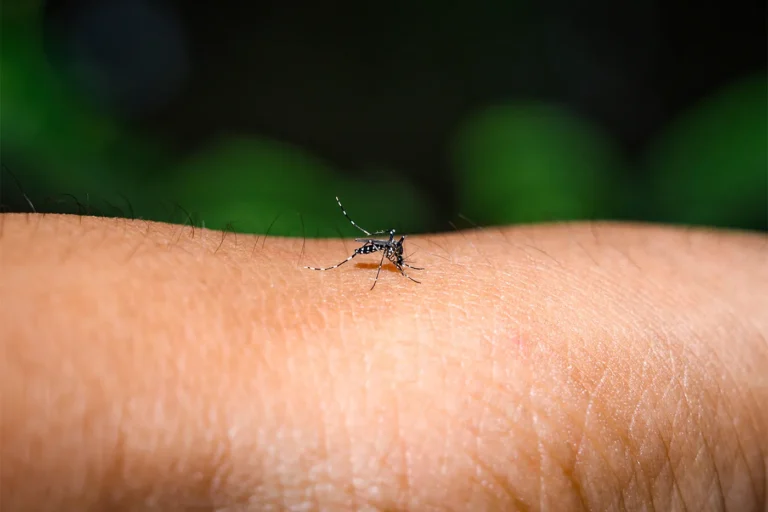
Researchers use machine learning to predict dengue fever with 80% accuracy
Northeastern University breakthrough gives public health officials a step up in preparing careworkers to handle spikes in the disease.
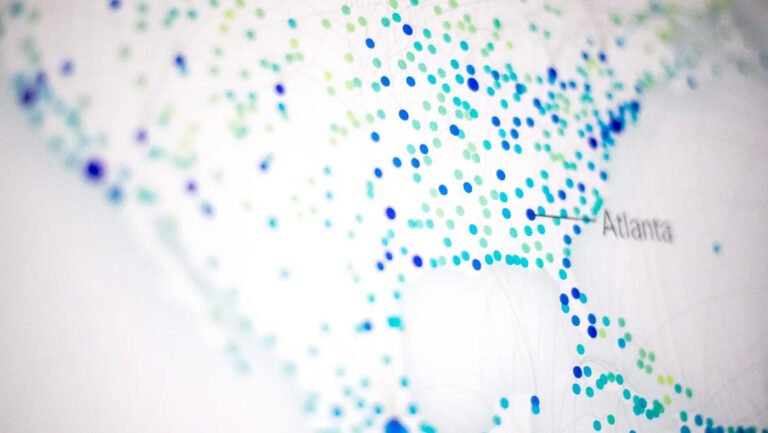
COVID data revolutionized disease projection models. Northeastern researchers explain what’s next
Scientists sometimes compare predicting the course of epidemics to forecasting the weather. But there’s a major difference — the impact of human behavior — says Alessandro Vespignani, director of Northeastern University’s Network Science Institute. Consider what happens during a downpour, he says. “If we all open an umbrella, it will rain anyway.” “In epidemics, if we...
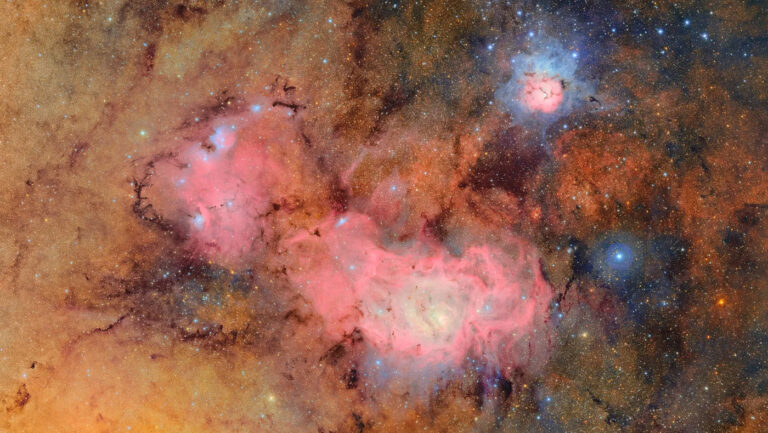
Northeastern expert says Rubin Observatory is a game-changer in detecting near-Earth asteroids and assisting in the planet’s defense
Northeastern University astrophysicist Jonathan C. Blazek knew to expect stunning views of galaxies when the new Vera C. Rubin Observatory in Chile released its first images of the night sky on June 23. And the sights were extraordinary. With a telescope as wide as a tennis court and the world’s largest digital camera, the observatory captured more than 10...
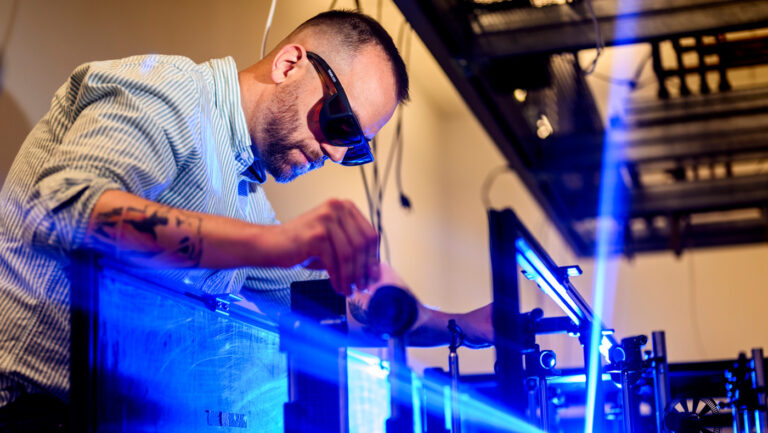
Northeastern discovery in quantum materials could make electronics 1,000 times faster
Researchers at Northeastern University have discovered how to change the electronic state of matter on demand, a breakthrough that could make electronics 1,000 times faster and more efficient. By switching from insulating to conducting and vice versa, the discovery creates the potential to replace silicon components in electronics with exponentially smaller and faster quantum materials. ...
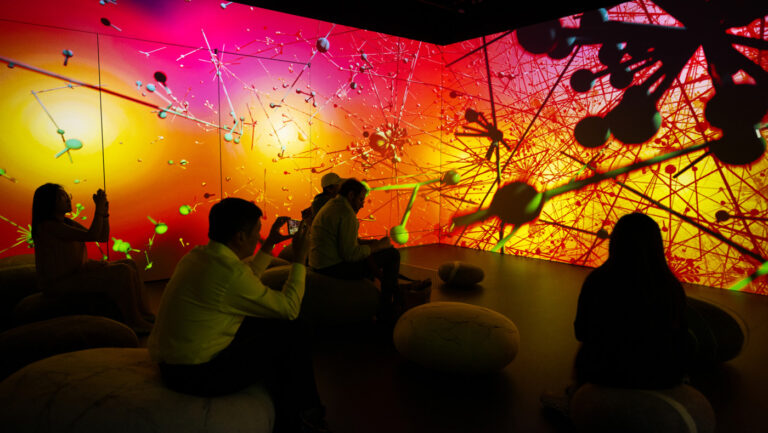
A Northeastern immersive art project visualizes how COVID misinformation spread on social media
To some, fake news may be a tweet, a Facebook post or a url on the dark web. To Northeastern University professor Albert-László Barabási and students in the Barabási lab, fake news is hundreds of small spheres bubbling up across the walls of a darkened room, in reds, oranges, then blues and pinks, while unintelligible whispers grow louder...
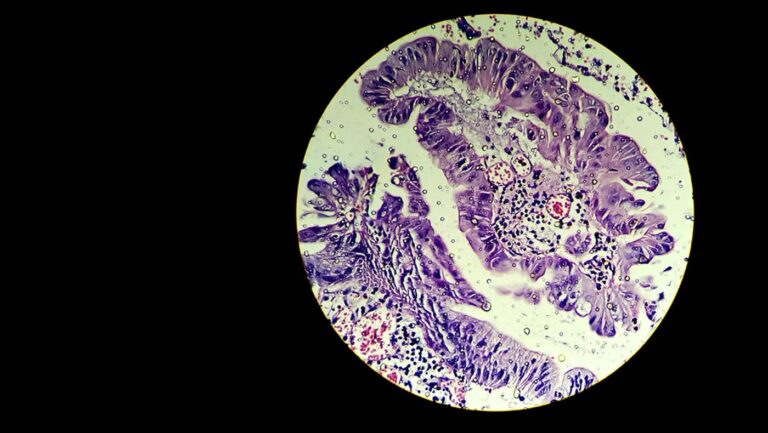
Northeastern researchers identify proteins receptive to treating ovarian cancer
Bryan Spring, associate professor of physics, along with colleagues has identified two proteins abundant on drug-resistant ovarian cancer cells that become receptive to chemotherapy when treated with light.
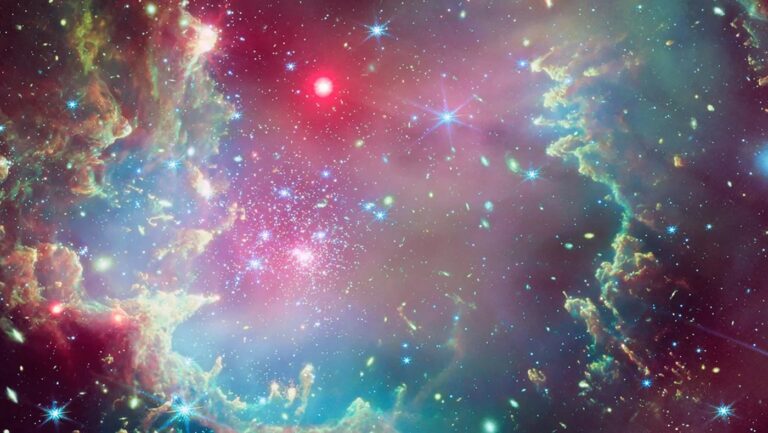
COSMOS-Web offers best glimpse of the deep universe yet, Northeastern researchers say
The COSMOS2025, an ongoing survey that makes use of NASA’s ultra-powerful James Webb Space Telescope, was released recently with work from two Northeastern researchers.
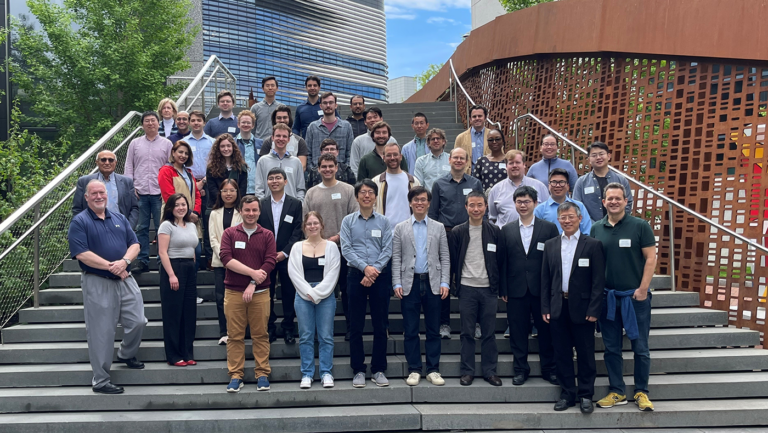
Northeastern’s Boston Campus Hosts Inaugural Magnetics Workshop
Northeastern University hosted the inaugural NU Cross-College Magnetics Center Workshop last week.
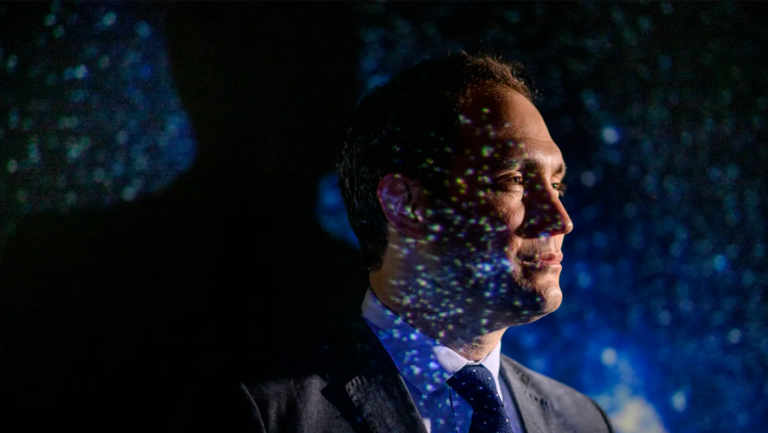
How a Northeastern astrophysicist fills in the blanks of the universe
Jonathan Blazek, assistant professor of physics and astrophysicist, is developing new ways to map and predict galaxies.
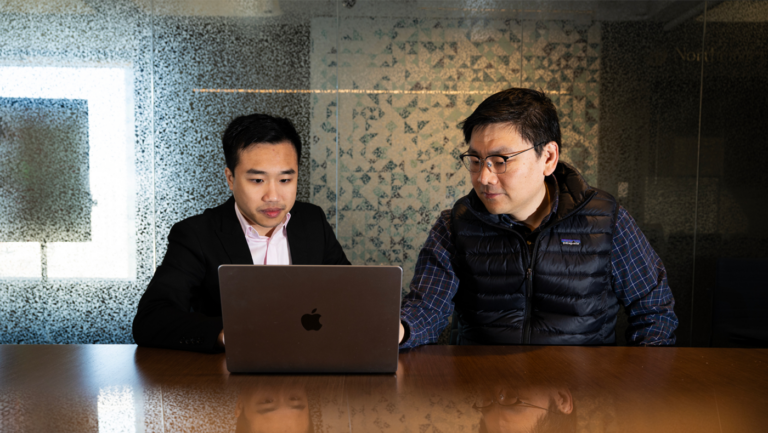
Living tissues may form like avalanches, Northeastern researchers say — a discovery that could aid new treatments
Anh Nguyen, Ph. D student, and Max Bi, associate professor of physics, have observed that when subjected to sufficient stress, tissues can “suddenly and dramatically rearrange themselves,” similar to how avalanches are formed in the wild.
Northeastern scientists help detect axion quasiparticles, offering new clues to dark matter
Arun Bansil, professor of physics, and two other Northeastern researchers, worked with an international group of scientist to successfully created laboratory conditions that allowed them to observe axion quasiparticles for the first time, bringing researchers closer to understanding dark matter.
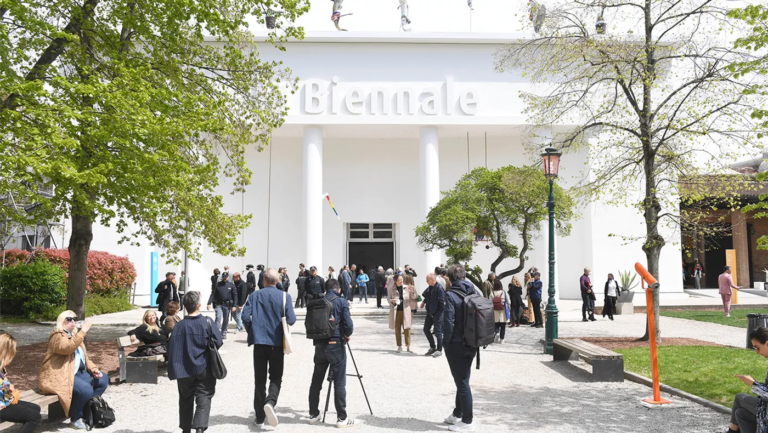
Northeastern University professors creating the largest and ‘most visible’ art project for 2025 Venice Biennale
Two northeastern labs, Barabási Lab and Paolo Ciuccarelli’s team, are working on a huge art installation for the Venice Biennale Archittetura 2025.