COS News
Research

“The basic premise is that AI can help us do better physics, and something that is less expected is that physics can also help us understand AI better,” said Northeastern professor James Halverson.
AI and physics have more in common than you might think.
News
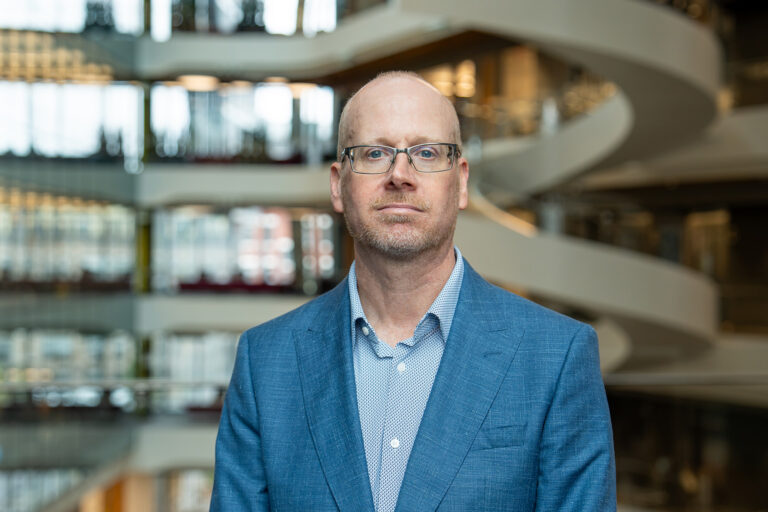
Mark Williams, Professor and Chair of the Department of Physics, will assume the role of Dean of the College of Science, effective July 1, 2026.
Mark C. Williams named Dean of the College of Science
Showing 37 results in Marine and Environmental Sciences , Research
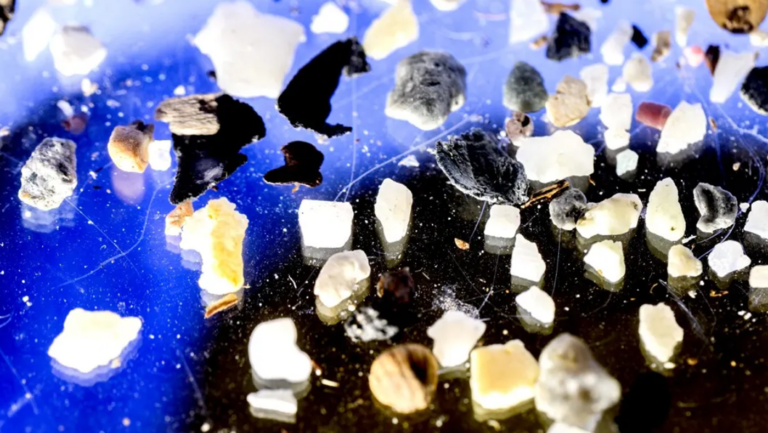
Plastics found to be abundant at deep-sea levels, new research reports
Aaron Stubbins, professor of marine and environmental sciences, and Northeastern researchers have discovered have uncovered a “light smog” of microplastics drifting below the surface of the world’s oceans.
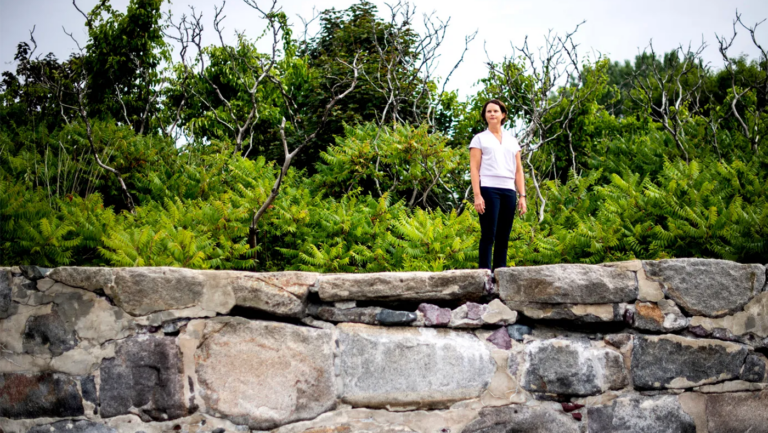
From eelgrass on the West Coast to salt marshes on the East Coast, Northeastern professor Randall Hughes shows expertise
Randall Hughes, Northeastern professor of marine and environmental sciences, has been recognized by the American Association for the Advancement of Science as a 2024 lifetime fellow.
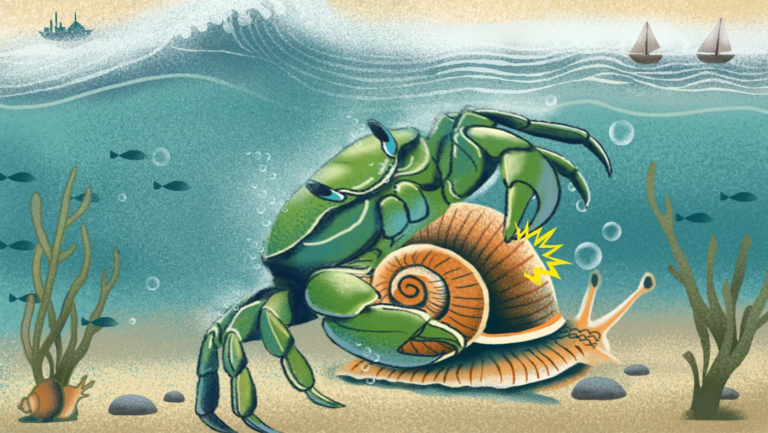
Shells of their former selves: How sea snails have adapted to invasive predators
Geoffrey Trussell, a professor at NU's Marine Science Center, has been studying the evolution of two species of sea snails off the coast of Maine since the 1990's. In short: the snails have grown thicker shells!
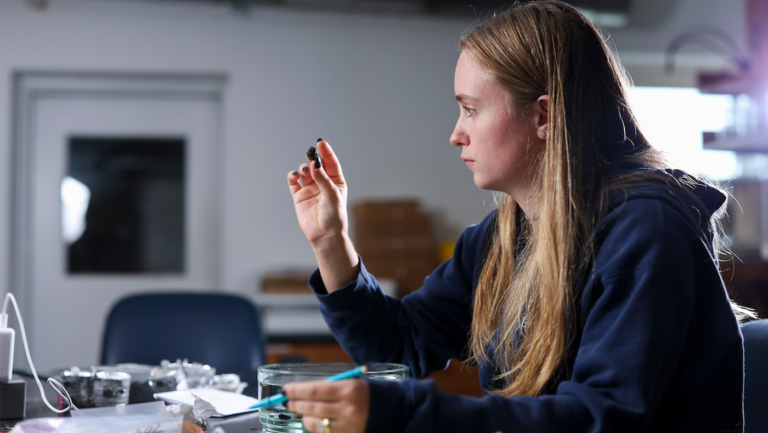
Scientists identify rapid evolution in marine species under predator invasion
A groundbreaking study by Geoffrey Trussell and James Corbett at Northeastern University, published in Science Advances, outlines one of the first examples of rapid evolution in a marine system in response to an invasive predator and warming oceans.
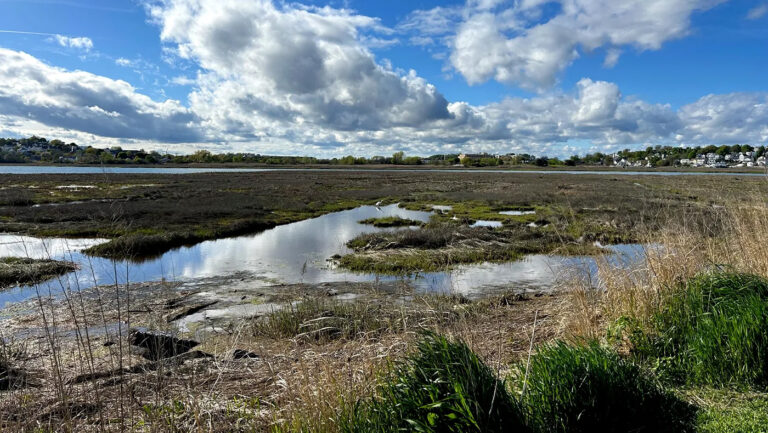
Protective salt marshes along coasts are in danger across the globe but it’s not too late to act, Northeastern researchers say
Salt marshes like Belle Isle in Boston provide vital ecosystem services, but sea-level rise threatens their future without urgent restoration efforts.
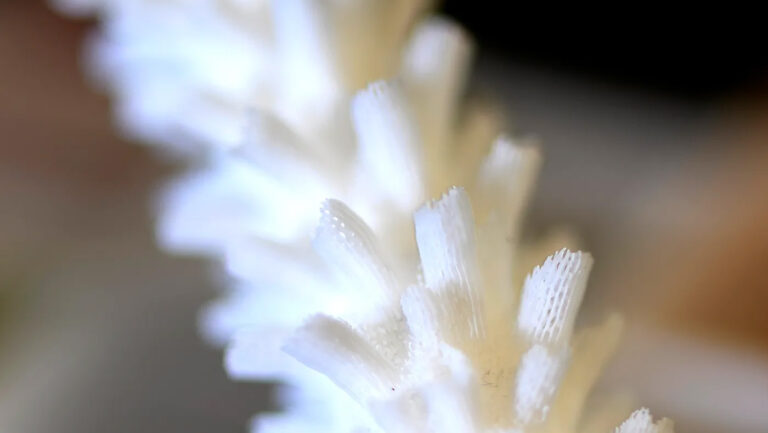
What’s killing corals? Northeastern professor uses machine learning to identify a suspected pathogen
Northeastern University professor Steven Vollmer says he and his team of researchers combined field work and tank experiments with machine learning models to narrow the list of most likely pathogens to a berry-shaped bacteria known as Cysteiniphilum litorale.
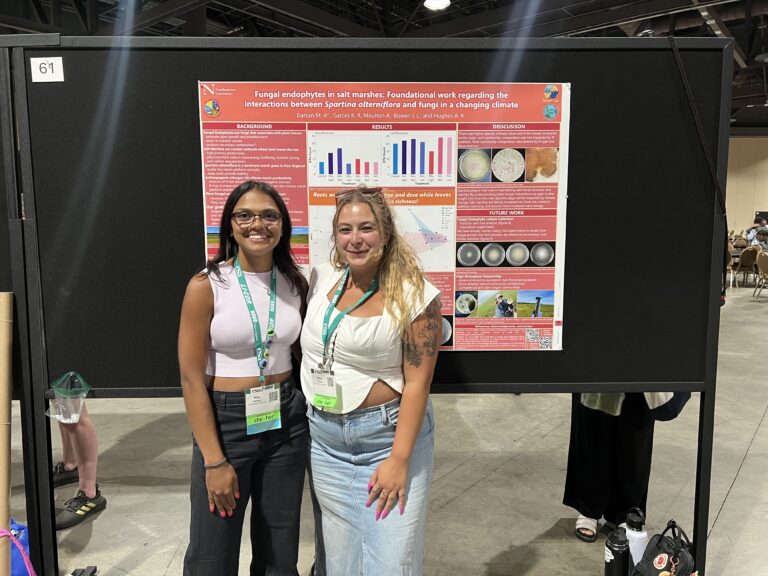
Empowering voices in ecology: Kylea Garces shares her experience at ESA’s Annual Meeting
Recently, Dr. Garces was awarded a Dean’s Postdoctoral Travel Award to attend and participate in the Ecological Society of America Annual Meeting. Read on as she shares her experience at the conference and how being actively involved in ESA has enhanced her educational and professional journey.
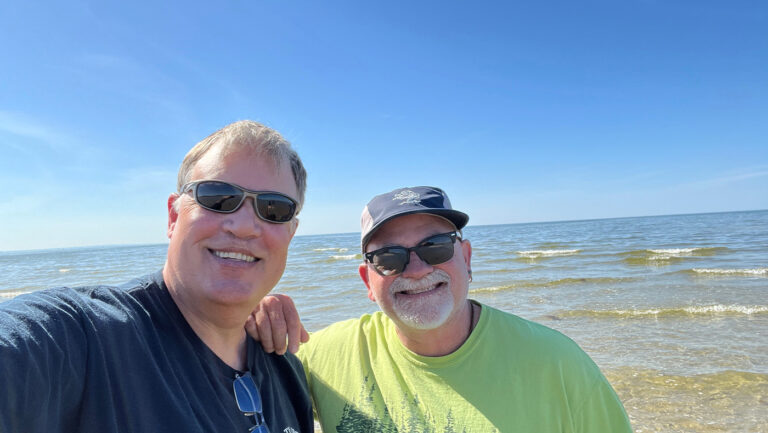
Cognitive Foundations of Environmental Science Education
Northeastern scientists launch new project funded by the NSF STEM Education Directorate (EDU) Education Core Research Program.

Unexploded ordnances still litter the seafloor worldwide. Northeastern engineers are trying to sniff them out.
Loretta Fernandez and her colleagues have been working on creating passive samplers that would allow them to locate old munitions by detecting degraded compounds in the water.
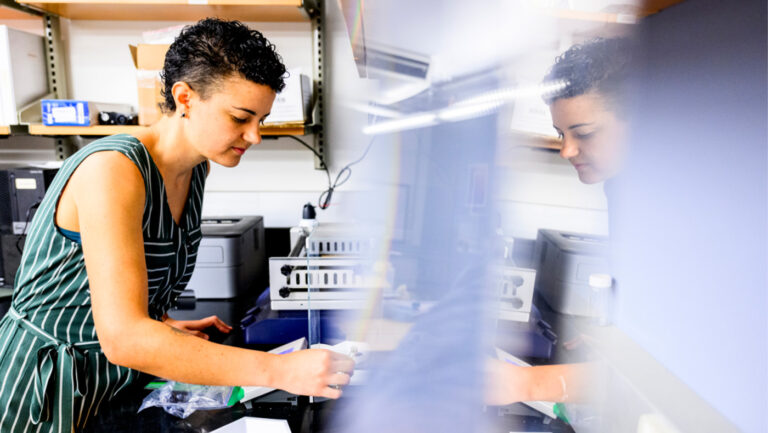
Northeastern research sheds light on low crop yields and their impact on small farms
In recently published research, Gabriela Garcia and her collaborators have developed a framework for how to understand alternate bearing.
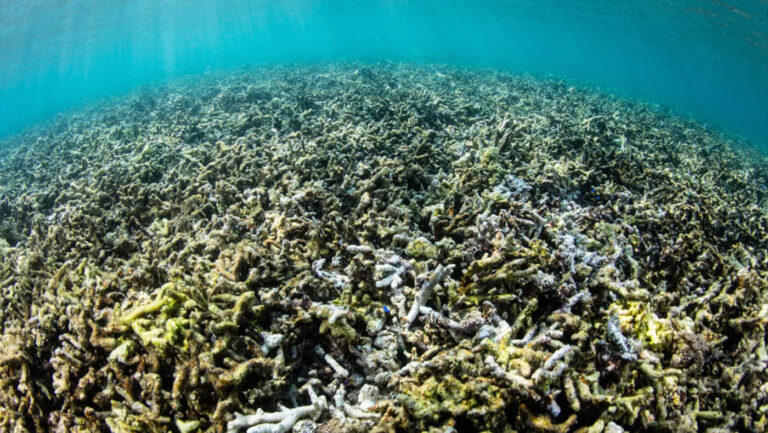
They’re living boulders on the ocean floor. Northeastern research explains the mysterious corallith
Mark Patterson, a professor at Northeastern University's Marine Science Center, studied hundreds of coralliths off the coast of the Florida Keys.

Can we make ‘citizen science’ better?
In a paper published this past spring, Northeastern University professor Damon Hall argues that ‘citizen science’ partnerships historically have been unbalanced, with researchers taking more from participating communities than they give back.