COS News
Research

“The basic premise is that AI can help us do better physics, and something that is less expected is that physics can also help us understand AI better,” said Northeastern professor James Halverson.
AI and physics have more in common than you might think.
Research
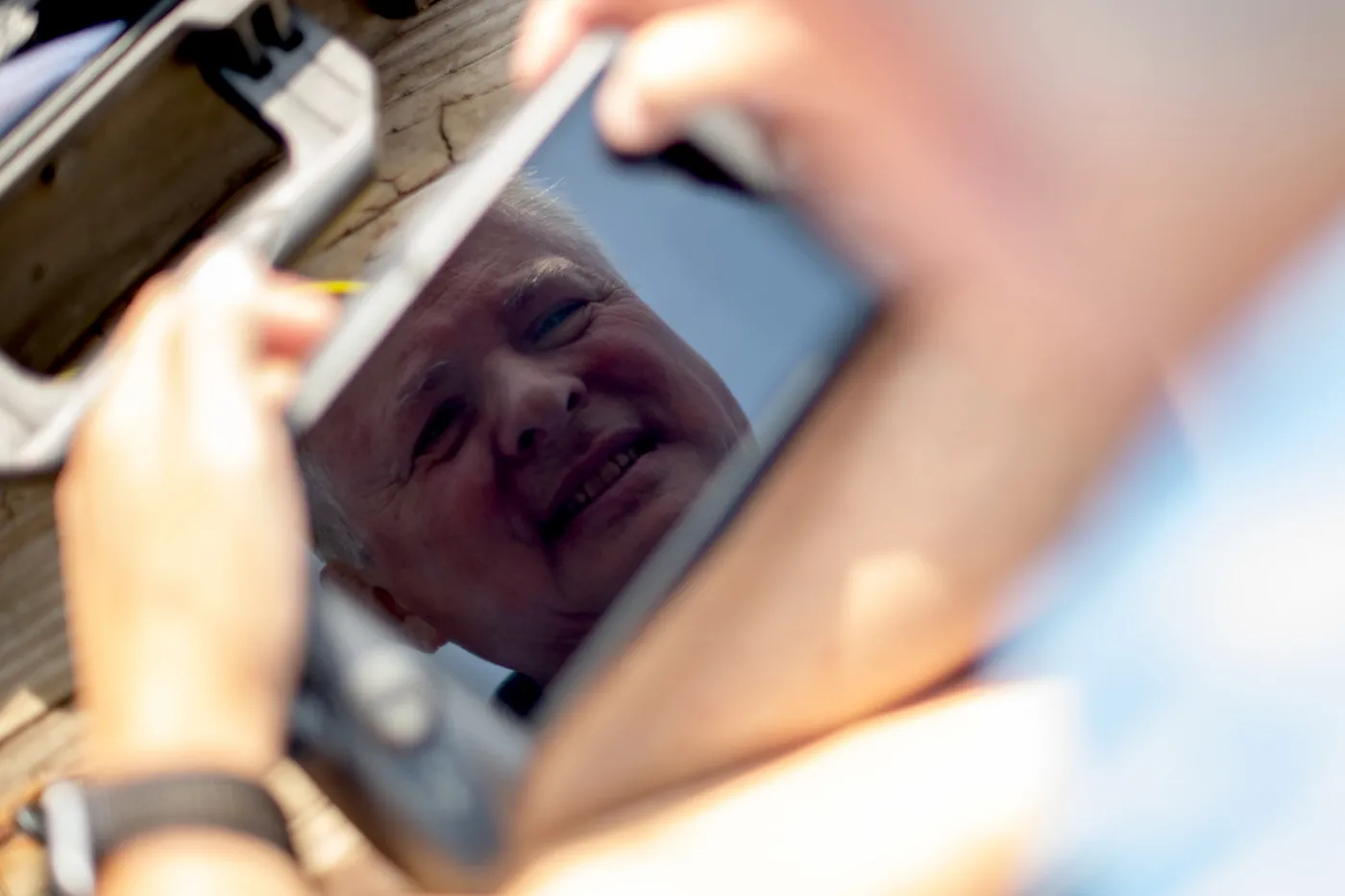
Formed by superheated glacial water from the last ice age, the hydrothermal vents Professor Mark Patterson studies have been bubbling beneath the fjord for centuries.
Professor receives Fulbright to explore one of the world’s most unique hydrothermal vents
Showing all results

What is a total lunar eclipse and how can you see the ‘Blood Worm Moon’? An astrophysicist explains
Northeastern assistant physics professor, Jacqueline McCleary, explains what an eclipse is and how to see that Blood Worm Moon this week.

Stand Up for Science
Let’s Stand Up for Science. And to do it, I want you (yes, you) to answer the question: ‘How have I benefitted from Science?” Give it a moment, and your answers will come tumbling in. They can start in the kitchen, where the coffee you just brewed and the cranberry bread you’re making for supper...
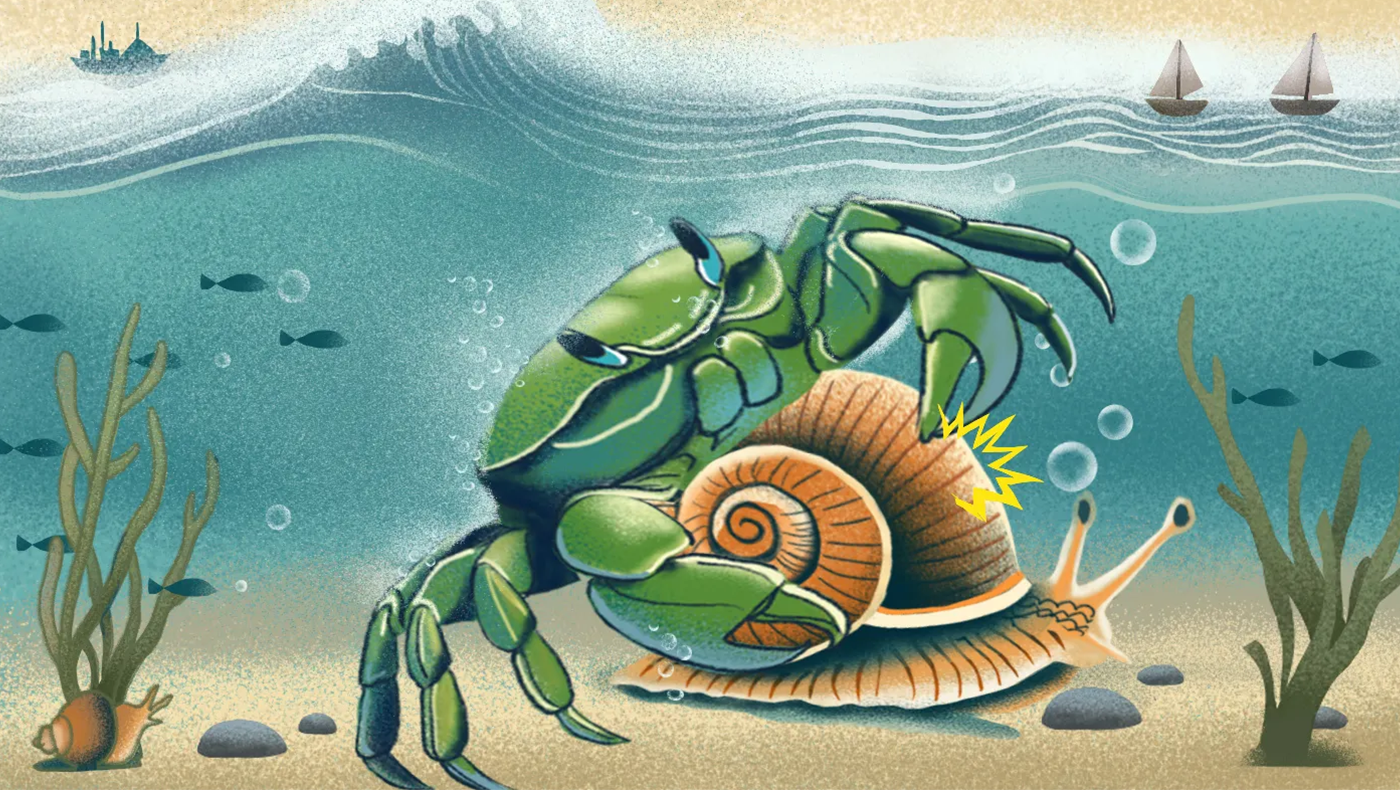
Shells of their former selves: How sea snails have adapted to invasive predators
Geoffrey Trussell, a professor at NU's Marine Science Center, has been studying the evolution of two species of sea snails off the coast of Maine since the 1990's. In short: the snails have grown thicker shells!

Squid are some of nature’s best camouflagers. Researchers have a new explanation for why
Research from Leila Deravi, associate professor of chemistry and chemical biology, has brought light to how squids use organs to help power their camouflage abilities.
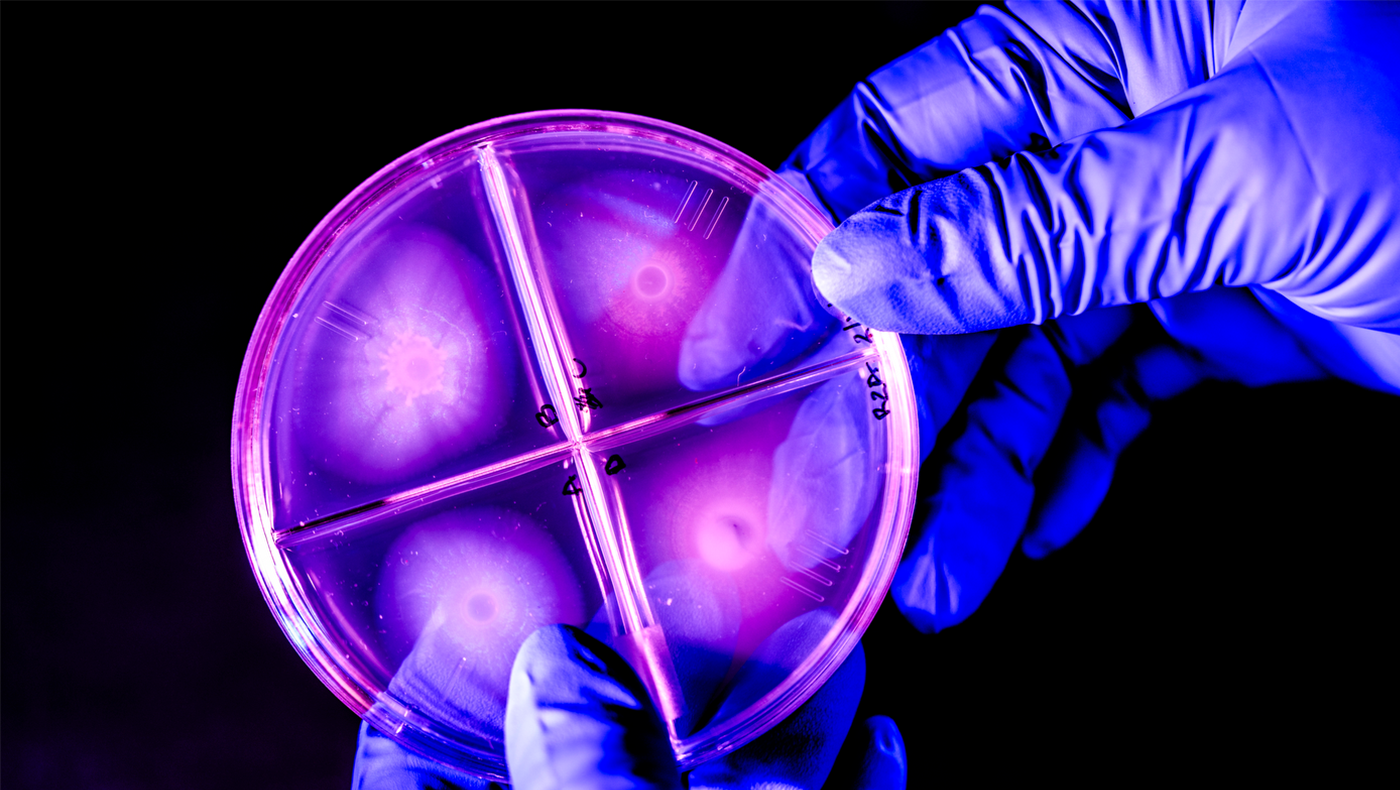
Patagonian ‘living rocks’ trace their origins to the beginning of life on Earth
Veronica Godoy-Carter, professor of Biology and Biochemistry, has sequenced the genome of a "living hill" or bacterial colony found in Patagonia.
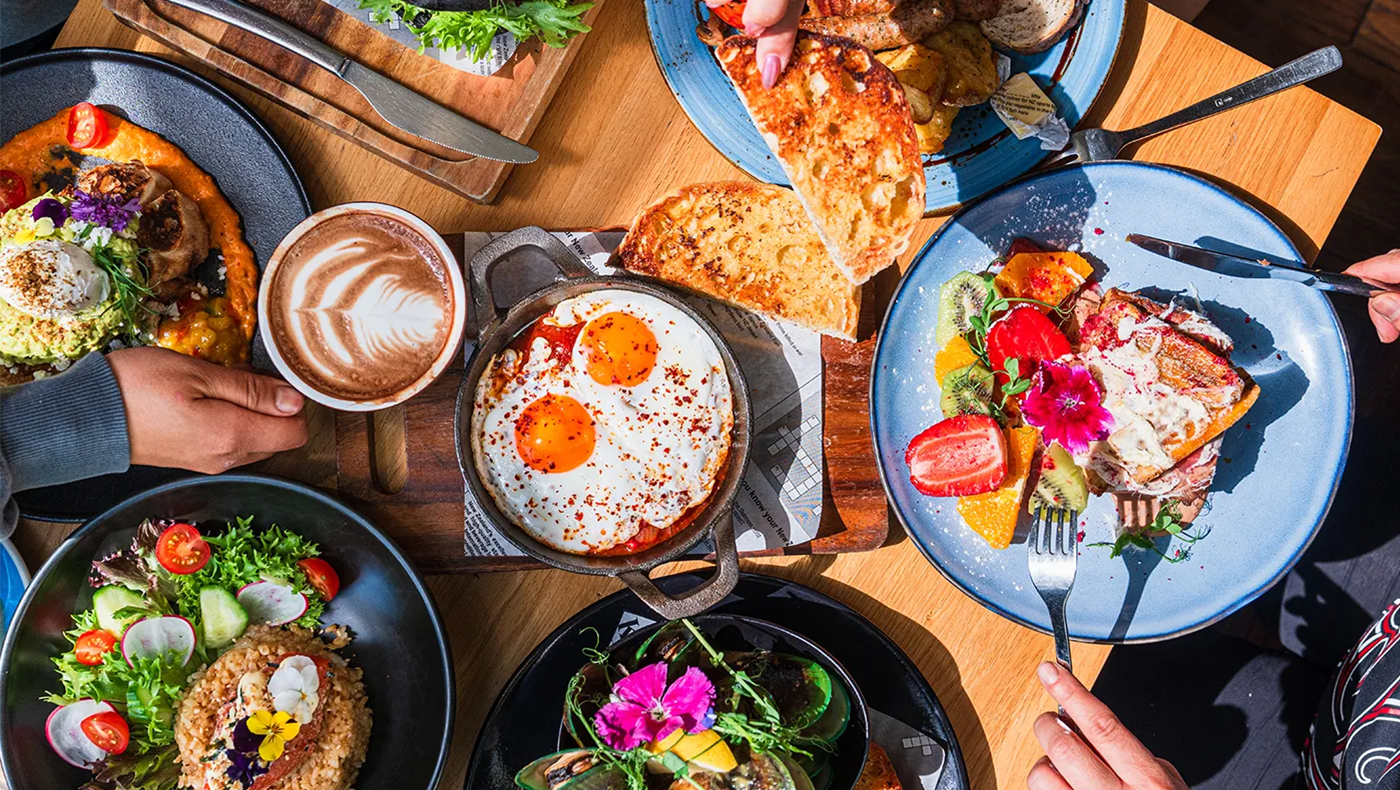
The ‘dark matter’ of nutrition: How AI and network science are transforming our understanding of food and health
Albert-László Barabási, physics professor, is advocating for a mass project combining AI, mass spectrometry and network medicine to map the chemical makeup of the foods we consume.
Friends
This week, I passed by a new construction, and maybe the smell of the concrete took me far back, to our friends, the Fishers. Marie and Terry Fisher lived way out in the dry highveld grassland near Johannesburg. Theirs was the only house for miles and they had a windmill. Terry was building their house, room by...

How a Northeastern science degree helped shape this energy CEO’s career in oil, gas and renewables
Steve Tedesco, COS alumni, is the CEO of Running Foxes Petroleum, a company that offers an alternative to finding locations for investors and companies to drill for oil.

Can you train your brain for better memory? This Northeastern study points to yes
Susanne Jaeggi, psychology professor, has new research that may help scientist understand how people's working memory can be improved.

Can psilocybin — the key ingredient in magic mushrooms — be the key to treating head injuries?
Craig Ferris, psychology professor, and colleagues have found that rats dosed with psilocybin after mild head injuries, were able to regain normal brain function.

Are we safe from the “city-killer” asteroid headed toward Earth in 2032?
Jacqueline McCleary, assistant professor of physics, weighs in on the so-called city-killer asteroid that seemed to be likely to hit Earth in 2032. McCleary explains that the increased odds are a normal part of the data process and not to worry!
Apple Cider Vinegar
This week, for required viewing, I might choose the Australian series Apple Cider Vinegar (Netflix), that has clear lessons for those dangerously acting on our health and biomedical research landscapes. The series is factually based and follows two young women on their quest for ‘natural’ cancer therapies. One of the main characters has cancer but is terrified...