COS News
Research
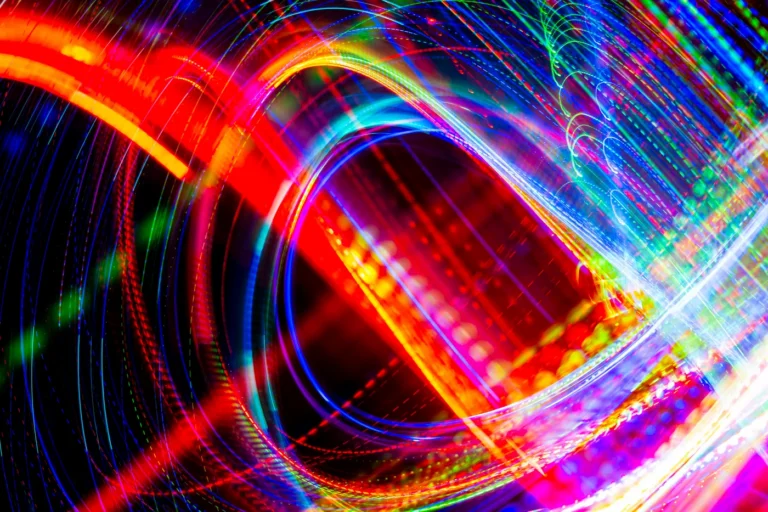
“The basic premise is that AI can help us do better physics, and something that is less expected is that physics can also help us understand AI better,” said Northeastern professor James Halverson.
AI and physics have more in common than you might think.
News
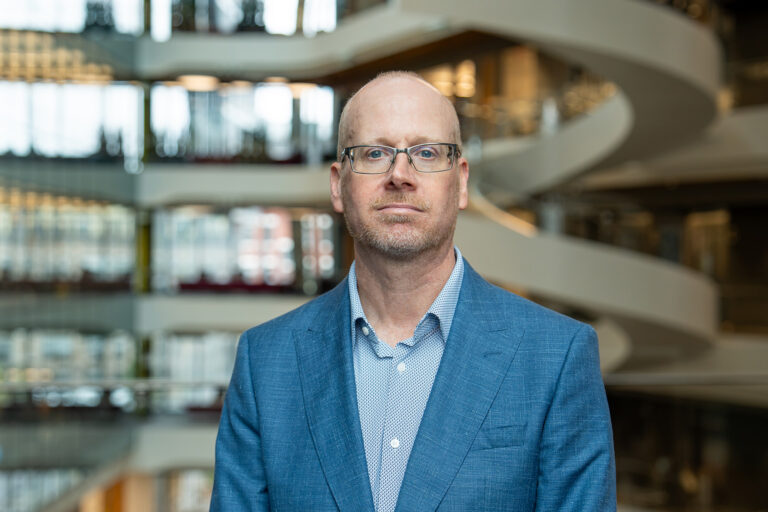
Mark Williams, Professor and Chair of the Department of Physics, will assume the role of Dean of the College of Science, effective July 1, 2026.
Mark C. Williams named Dean of the College of Science
Showing all results
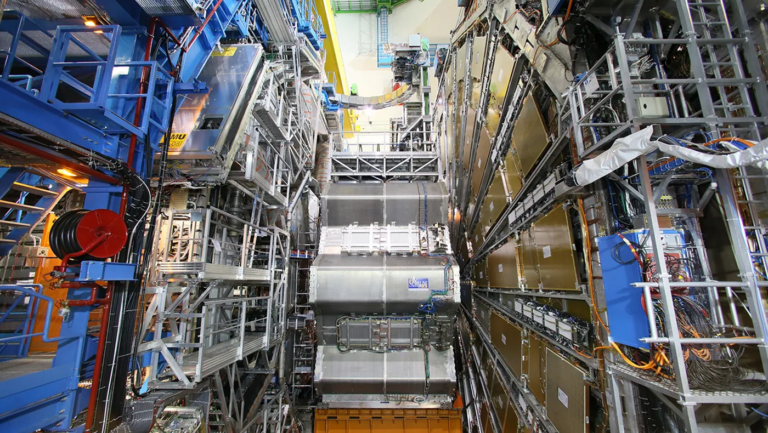
Northeastern physicists honored with Breakthrough Prize in Fundamental Physics for unveiling secrets of the universe
Several Northeastern physics professor, PhD student, and researchers, where recognized in the 2025 Breakthrough Prize in Fundamental Physics for their research into the fundamental nature of matter at CERN’s Large Hadron Collider.
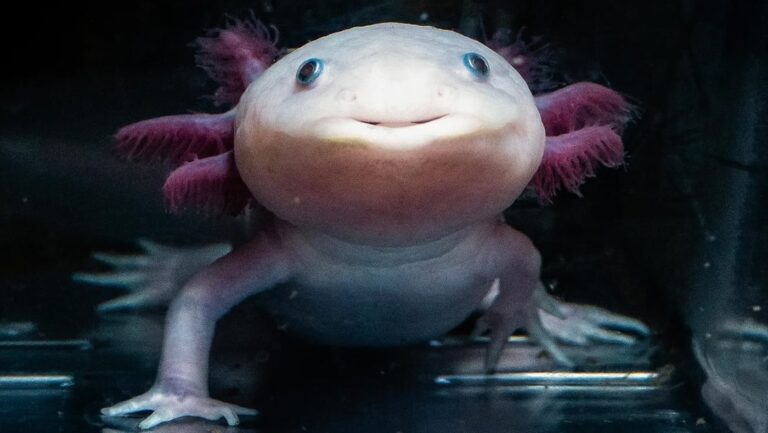
How do axolotls regenerate limbs and organs? This researcher has started to uncover the secret
New research by James Monaghan, professor of biology, shows that the key to axolotl limb regeneration is retinoic acid. Could this be the key to human limb regeneration in the future?
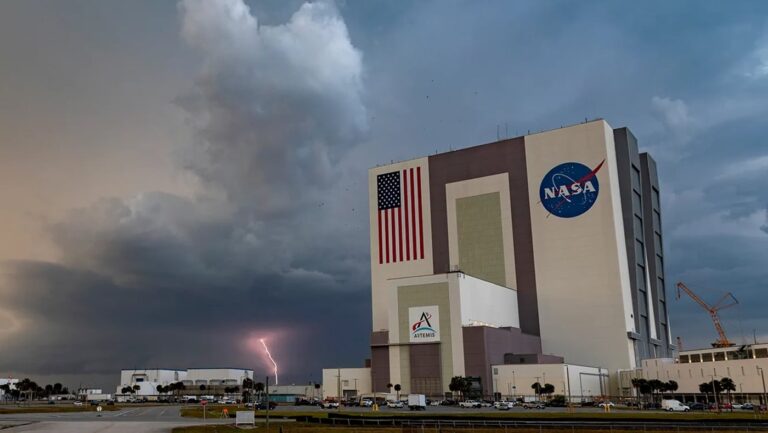
The proposed NASA budget cuts would decimate American science, an expert says
Trump is calling for a 25% slash to NASA's budget and according to Jacqueline McCleary, assistant professor of physics, the cuts will have a larger impact then proposed, including hurting America’s ability to maintain its position as a leader in tech and space exploration.

COSMOS-Web offers best glimpse of the deep universe yet, Northeastern researchers say
The COSMOS2025, an ongoing survey that makes use of NASA’s ultra-powerful James Webb Space Telescope, was released recently with work from two Northeastern researchers.

What are runnels, the man-made channels that help restore salt marshes?
Runnels, shallow man made channels, help keep salt marshes healthy according to Jennifer Bowen, professor of marine and environmental sciences, a task that is becoming harder as sea levels continue to rise.
Northeastern professor leads global study on why some people hear better in noisy spaces
Jonathan Peelle, associate professor of psychology, worked with other researchers on a study that shows that people’s ability to detect background sounds varies from person to person, and is influenced by the noise that came before the sounds.
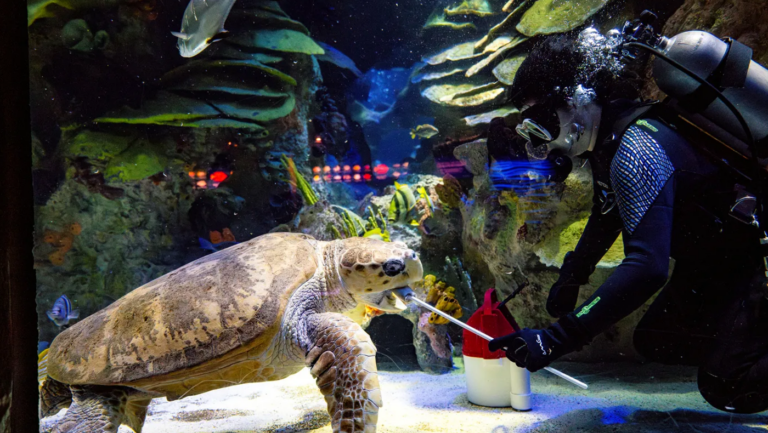
These Northeastern students befriend a 500-pound sea turtle and a 33-year-old penguin as co-ops at the New England Aquarium
Two Northeastern students, Elliot Tong and Noah Brown, are co-oping at the New England Aquarium. There they are learning about conservation and the daily caretaking of sea animals.
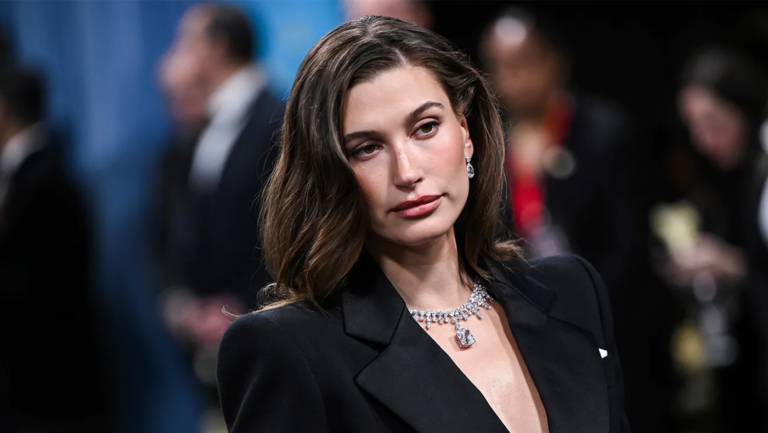
Why e.l.f. paid $1 billion for Hailey Bieber’s rhode beauty line. Spoiler: It’s not just about the skincare
Leila Deravi, associate professor of chemistry and chemical biology, weighs in on the reasoning behind e.l.f. buying Hailey Bieber's skin care company, rhode.

These graduates earned degrees 13 years apart but built a business partnership on a shared mission to improve mental health care
Two Northeastern alumni, who graduated 13 years apart, are teaming up to help patients manage their mental health using their biometric data.
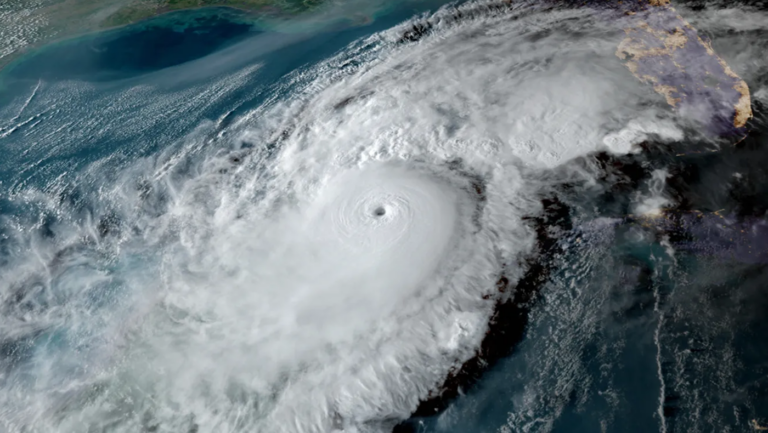
Should we add a Category 6 hurricane to the Saffir-Simpson scale? Experts weigh in
The National Oceanic and Atmospheric Administration is predicting an above-average Atlantic hurricane season, and two Northeastern professors are weighing in on whether or not the Saffir-Simpson scale (used to measure hurricanes) should be revamped.
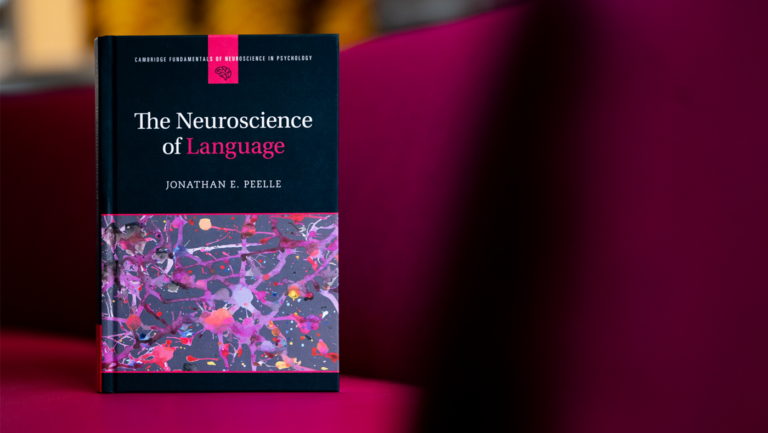
Right turn and right answer, how does the brain differentiate? Northeastern professor explains in new book
Jonathan Peelle, associate psychology professor, wrote a book, "The Neuroscience of Langue" exploring how the brain processes language and supports communication.
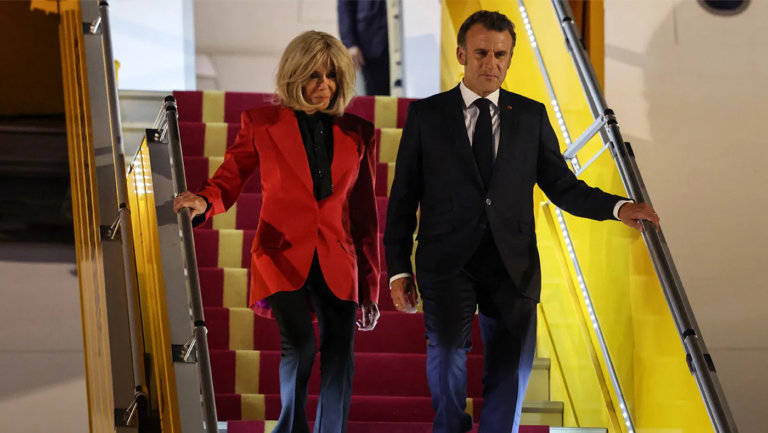
What happened between the Macrons on that plane? A Northeastern expert weighs in
Karen Quigley, psychology professor, weighs in on the clip of French President Emmanuel Macron being pushed in the face by Brigitte Macron.