COS News
Research
“The basic premise is that AI can help us do better physics, and something that is less expected is that physics can also help us understand AI better,” said Northeastern professor James Halverson.
AI and physics have more in common than you might think.
News
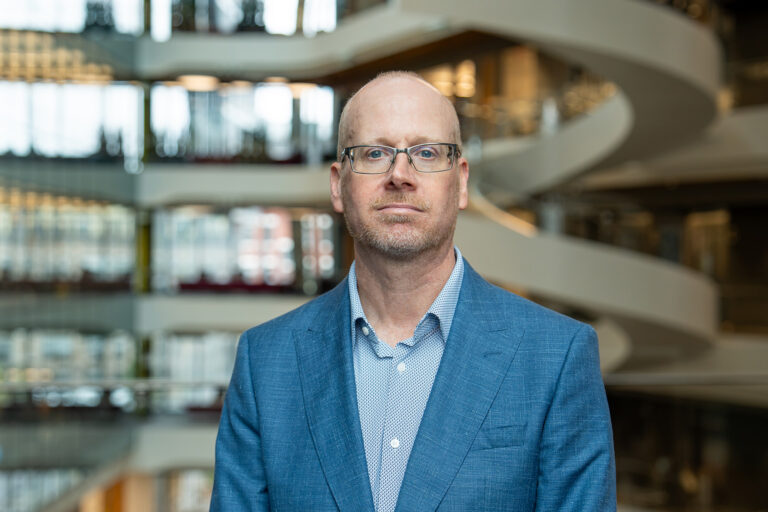
Mark Williams, Professor and Chair of the Department of Physics, will assume the role of Dean of the College of Science, effective July 1, 2026.
Mark C. Williams named Dean of the College of Science
Showing 250 results in Physics
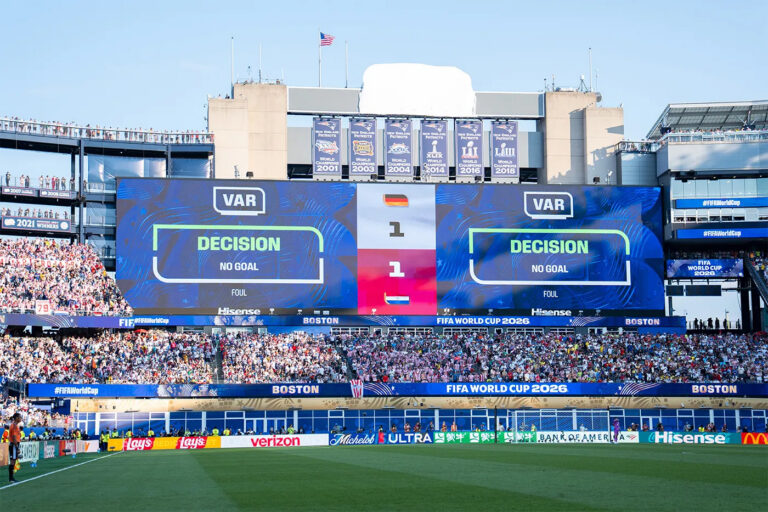
Is technology ‘ruining’ soccer? How advancements have changed the sport
The 2026 World Cup may be the most technologically advanced yet. From player avatars made with AI to video replays to confirm or challenge calls, soccer continues to see advances in technology that have changed the game.
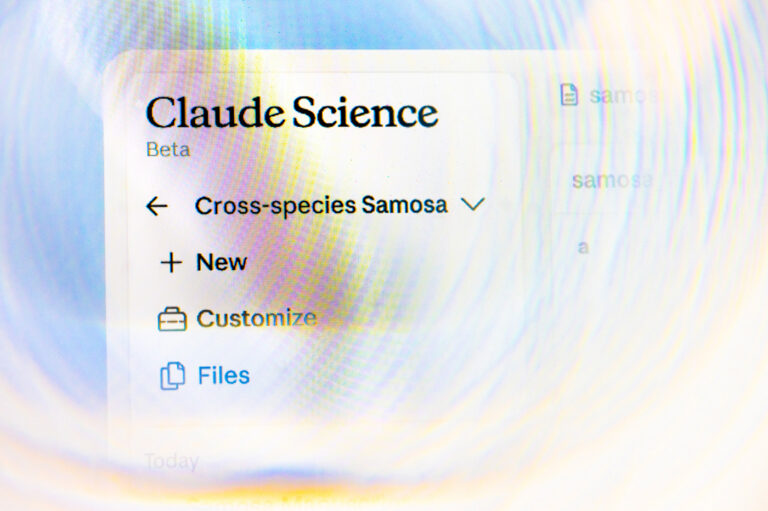
Researchers say Anthropic’s release of Claude Science will help speed up drug discovery
Northeastern scientists weigh in on Anthropic’s answer to GPT-Rosalind.

Study finds existing drugs could be repurposed for longevity by tapping network of aging-related genes
A study led by Northeastern researchers found that aging-related genes sit in a network associated with the “hallmarks of aging.” That network can be used to find existing drugs that reverse or speed up aging.
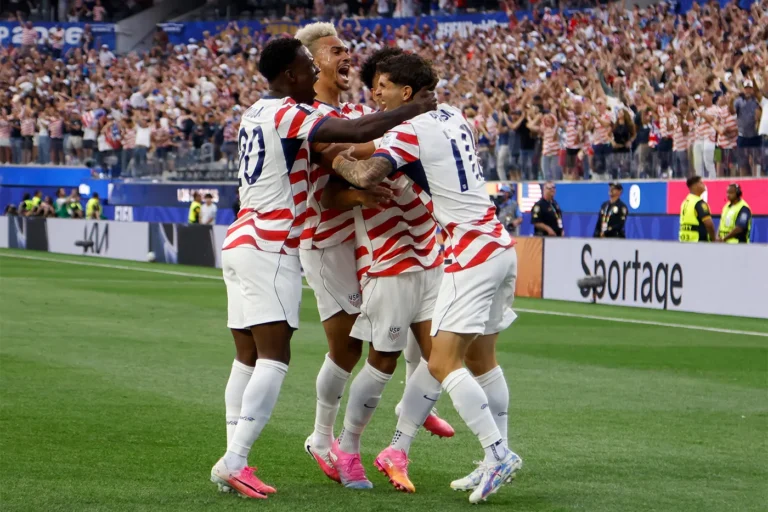
Key takeaways from the data of host countries’ first World Cup games
The U.S. and Mexico grabbed wins in their World Cup openers, while Canada played to a draw. Northeastern’s Brennan Klein breaks down what the data revealed.

Will World Cup water breaks have a big impact on team tactics?
FIFA’s hydration breaks at the World Cup are more than a safety measure. Assistant Teaching Professor Brennan Klein say they could shape team tactics.
Could the World Cup trigger the next pandemic? Scientists have mapped the risks
The World Cup brings together 48 teams from across the globe, but it also provides an opportunity for disease to spread. Professor Alessandro Vespignani developed a tool to help American cities prepare.
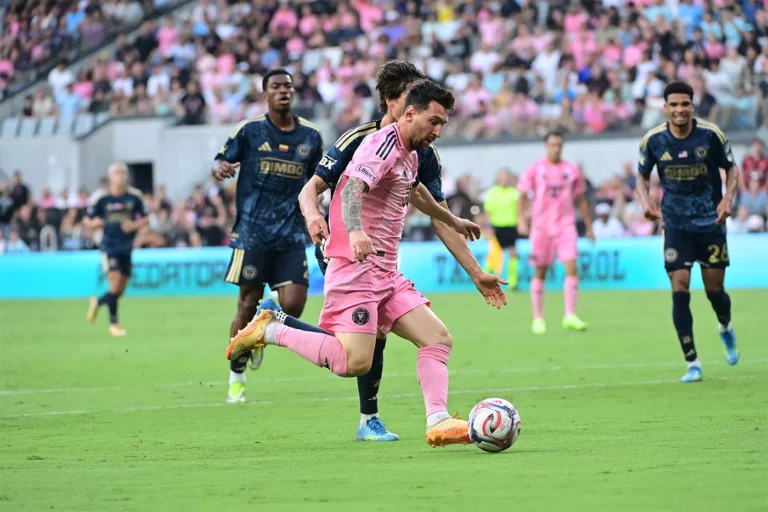
12 players to watch in the FIFA World Cup 2026, according to the data
Assistant teaching professor Brennan Klein analyzed a comprehensive dataset and compiled a list of key players.
AI and physics have more in common than you might think.
“The basic premise is that AI can help us do better physics, and something that is less expected is that physics can also help us understand AI better,” said Northeastern professor James Halverson.
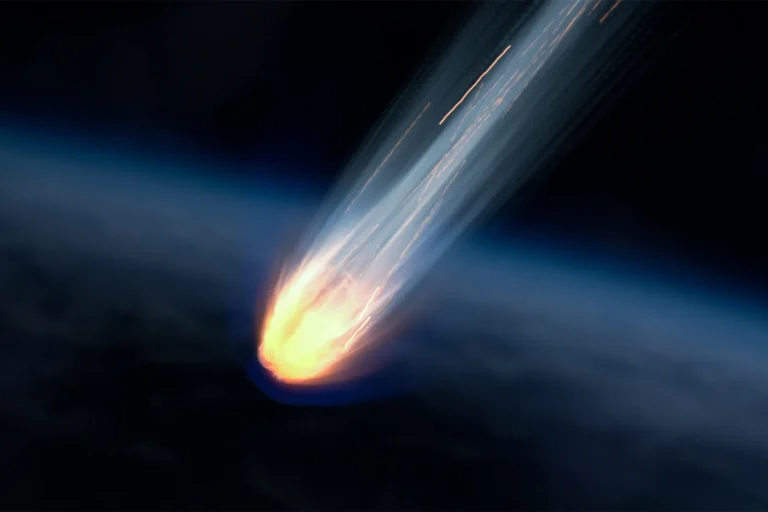
Meteors are ‘extremely common.’ What makes the one over New England ‘rare’?
Meteors happen all the time, but some are far rarer than others. Assistant Professor Jacqueline McCleary breaks down what happens when space rocks reach Earth.
What network science can tell us about the 2026 World Cup
Assistant Teaching Professor Brennan Klein offers a network science perspective on the 2026 FIFA World Cup.
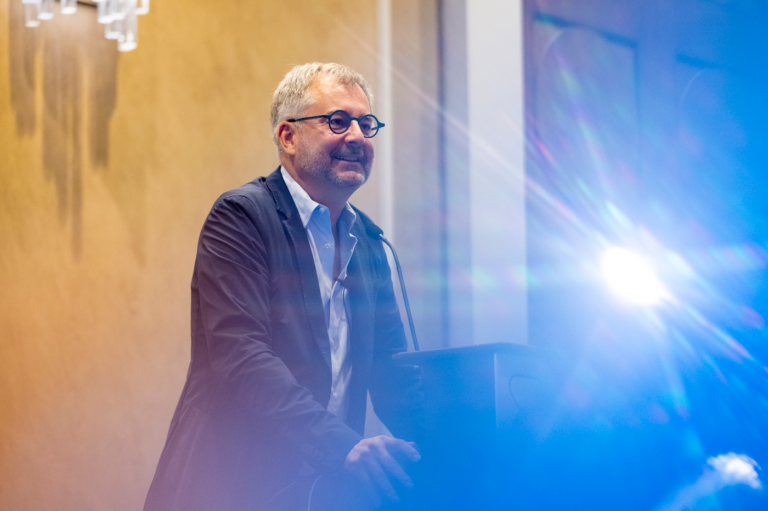
Networks are everywhere. These experts helped make them a science
During NetSci 2026, the flagship conference for network science, two of the field’s most influential figures, Albert-László Barabási and Réka Albert, break down how far it has come and why it’s more important than ever.
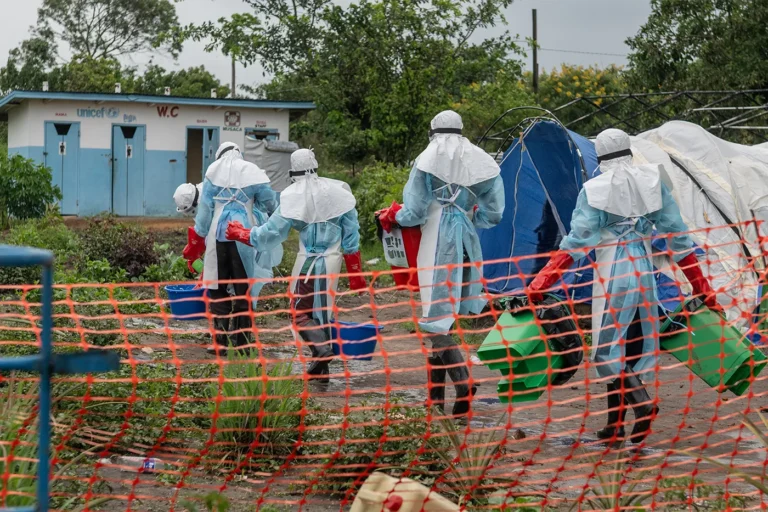
How Northeastern is helping to try and contain the Ebola outbreak
“We don’t do work on the ground… but we provide the intelligence to the people responding to the emergency,” said Alessandro Vespignani, director of the Network Science Institute.