COS News
Research

“The basic premise is that AI can help us do better physics, and something that is less expected is that physics can also help us understand AI better,” said Northeastern professor James Halverson.
AI and physics have more in common than you might think.
News
Mark Williams, Professor and Chair of the Department of Physics, will assume the role of Dean of the College of Science, effective July 1, 2026.
Mark C. Williams named Dean of the College of Science
Showing 232 results in Marine and Environmental Sciences
Northeastern researcher explains why climate models and observational data disagree
Assistant professor Chengfei He's findings are reported in the journal Nature Communications.
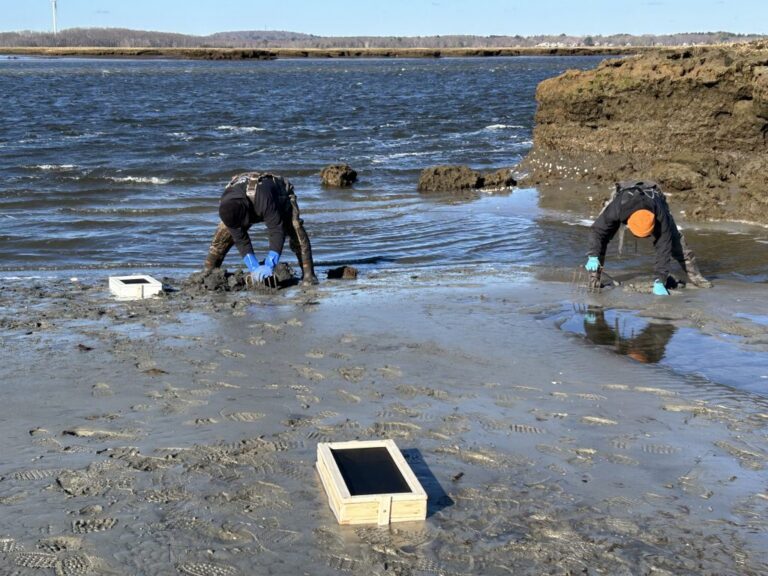
Northeastern CSI Researchers Recognized in $1.6 Million WHOI Sea Grant Award
Professor Jennifer Bowen has received WHOI Sea Grant funding to investigate bacterial contamination threatening Massachusetts soft-shell clam harvests.
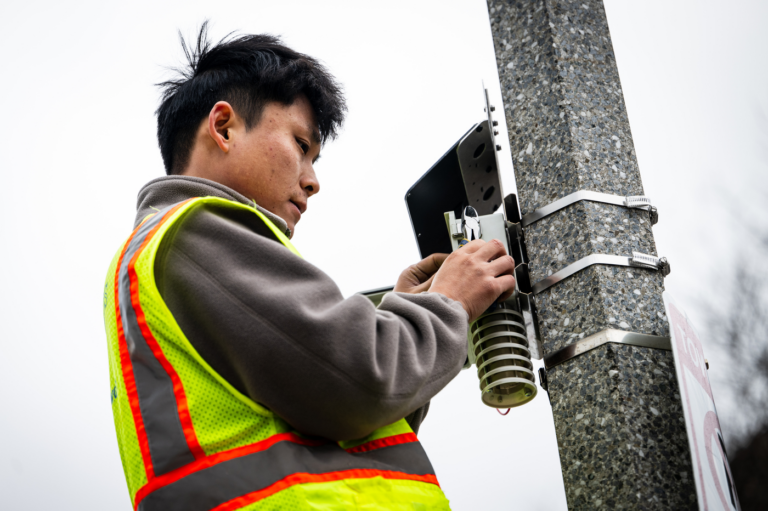
These Boston neighborhoods have heat and noise problems. This sensor project is helping address it
Amy Mueller, professor of civil and environmental engineering at Northeastern, says the sensors are measuring heat and noise across neighborhoods.

From co-op to CEO, this grad student aims to speed up climate change solutions
Northeastern’s Jenna Woods studied the mineral olivine on an undergraduate co-op. Now she heads a company that aims to make it part of the global climate change solution.
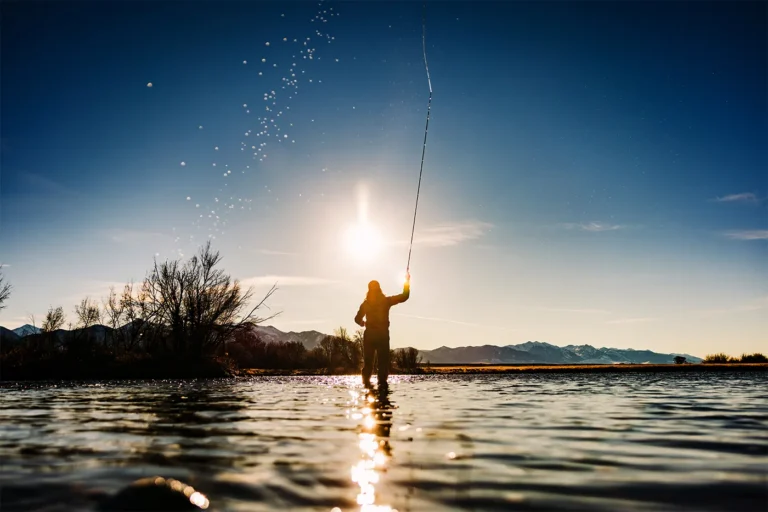
Nature report links wildlife trends to human well-being
Professor Brian Helmuth and Professor John Coley lead research chapter on the human connection to nature and its importance for the future of the planet.
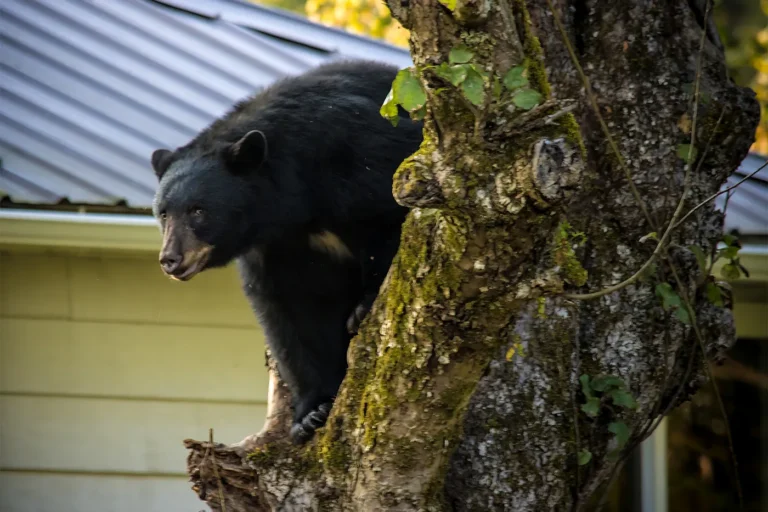
Spotted a bear lately? You’re not alone — why sightings are on the rise
Bear populations are increasing—and so are unusual encounters from Massachusetts to Japan, Assistant Professor Gabriela Garcia explains.
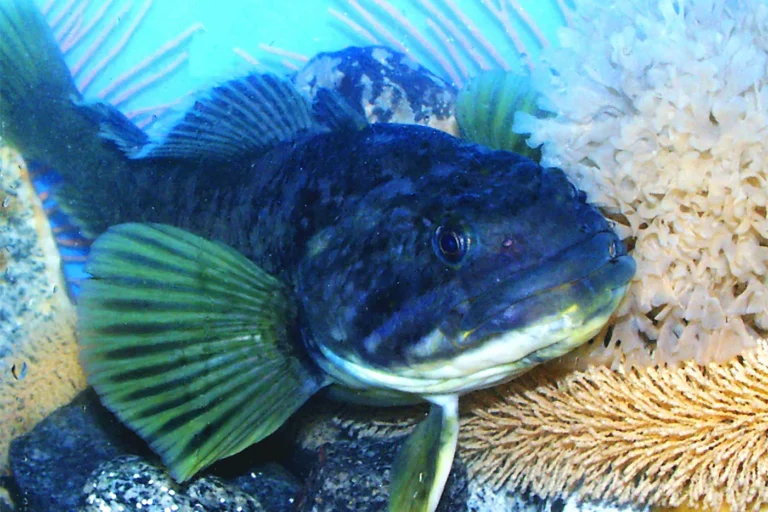
Warming Antarctic waters come with a cost for the normally ‘robust’ rockcod
Researcher H. William Detrich investigated the potential impact of warming waters in the Southern Ocean on a common species of fish. What he found could be catastrophic for fish populations in the region.
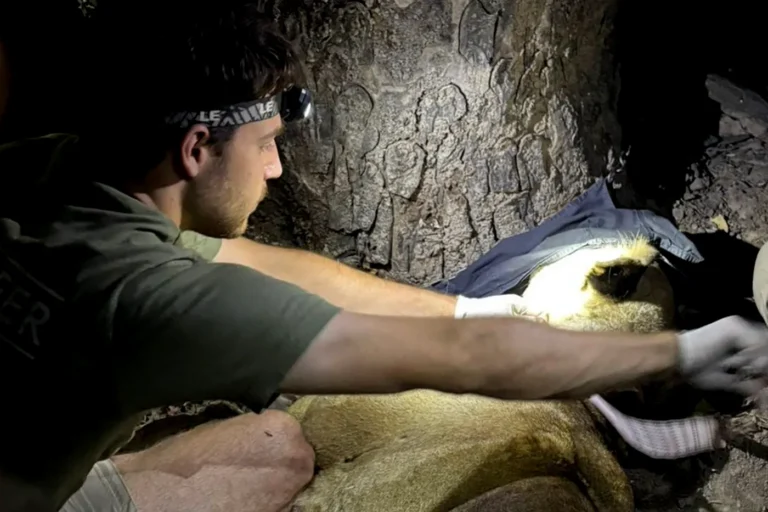
Co-op brings student up close and personal with a lioness
Ryan Sewell completed a co-op at Lilongwe Wildlife Trust, which works to protect Malawi’s wildlife from threats such as deforestation, poaching and the pet trade.
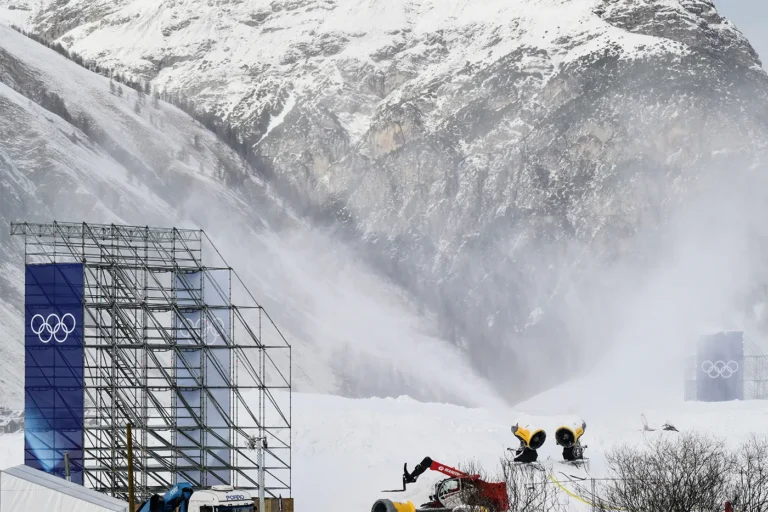
Will the Winter Olympics run out of snow?
Because of climate change, organizers will have to be careful about future venues and host events at locations of various altitudes, professor Samuel Muñoz say.
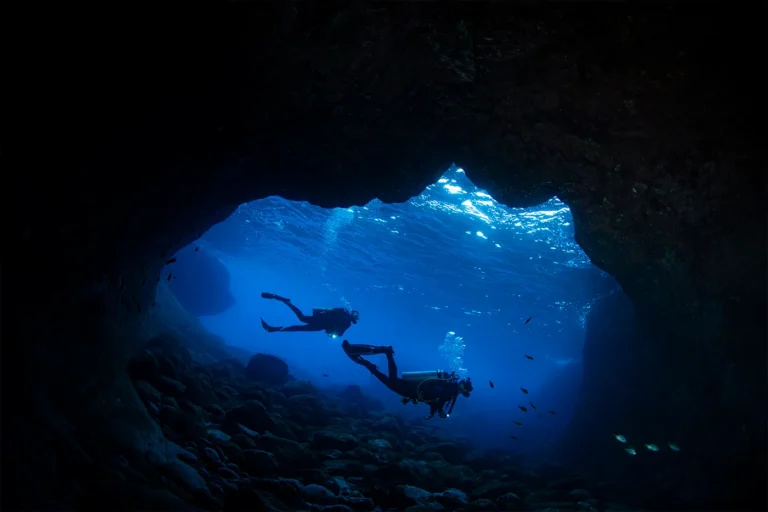
How living and working under the sea fills aquanauts with wonder and awe. The phenomenon is called the “underview effect.”
Professor Brian Helmuth studies how living underwater can create a mind-blowing effect similar to what astronauts experience in space.
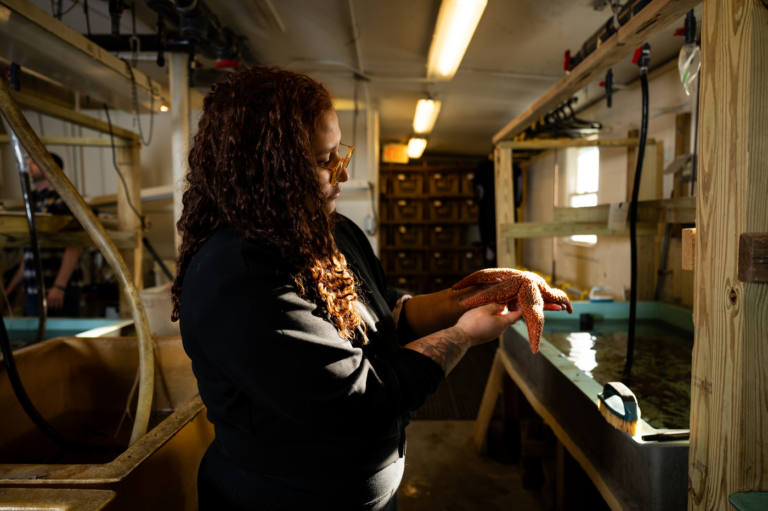
Starfish are dying from a mysterious disease. She hunts for answers
Angela Jones, a PhD candidate at Northeastern, is studying the devastating yet mysterious sea star wasting disease.
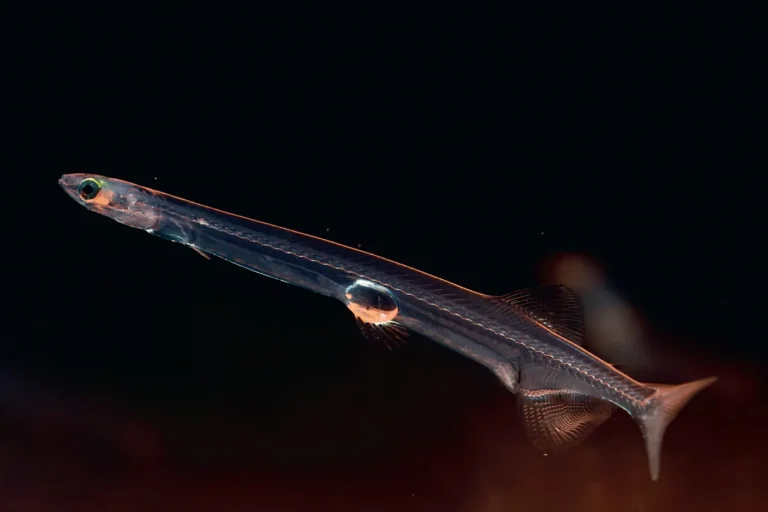
No red blood cells? No problem. Icefish, meet the Asian noodlefish
Professor Detrich thought he’d solved the mystery of the white-blooded icefishes that swim in Antarctic waters. Then he met the Asian noodlefish.