COS News
Research

“The basic premise is that AI can help us do better physics, and something that is less expected is that physics can also help us understand AI better,” said Northeastern professor James Halverson.
AI and physics have more in common than you might think.
Research
Formed by superheated glacial water from the last ice age, the hydrothermal vents Professor Mark Patterson studies have been bubbling beneath the fjord for centuries.
Professor receives Fulbright to explore one of the world’s most unique hydrothermal vents
Showing 224 results in Marine and Environmental Sciences
To Predict Our Future Climate, They’re Digging Into The Mud Of The Past
Samuel Muñoz searches for answers about what future warming climates in an unusual place- ancient mud layers.

‘To Benefit the Earth and Those Upon It.’ Announcing the 2020 Muckenhoupt Scholarship Winners.
Congratulations to Allison Noble and Haley Bayne, this year’s recipients of the Dr. Carl Muckenhoupt Scholarship!
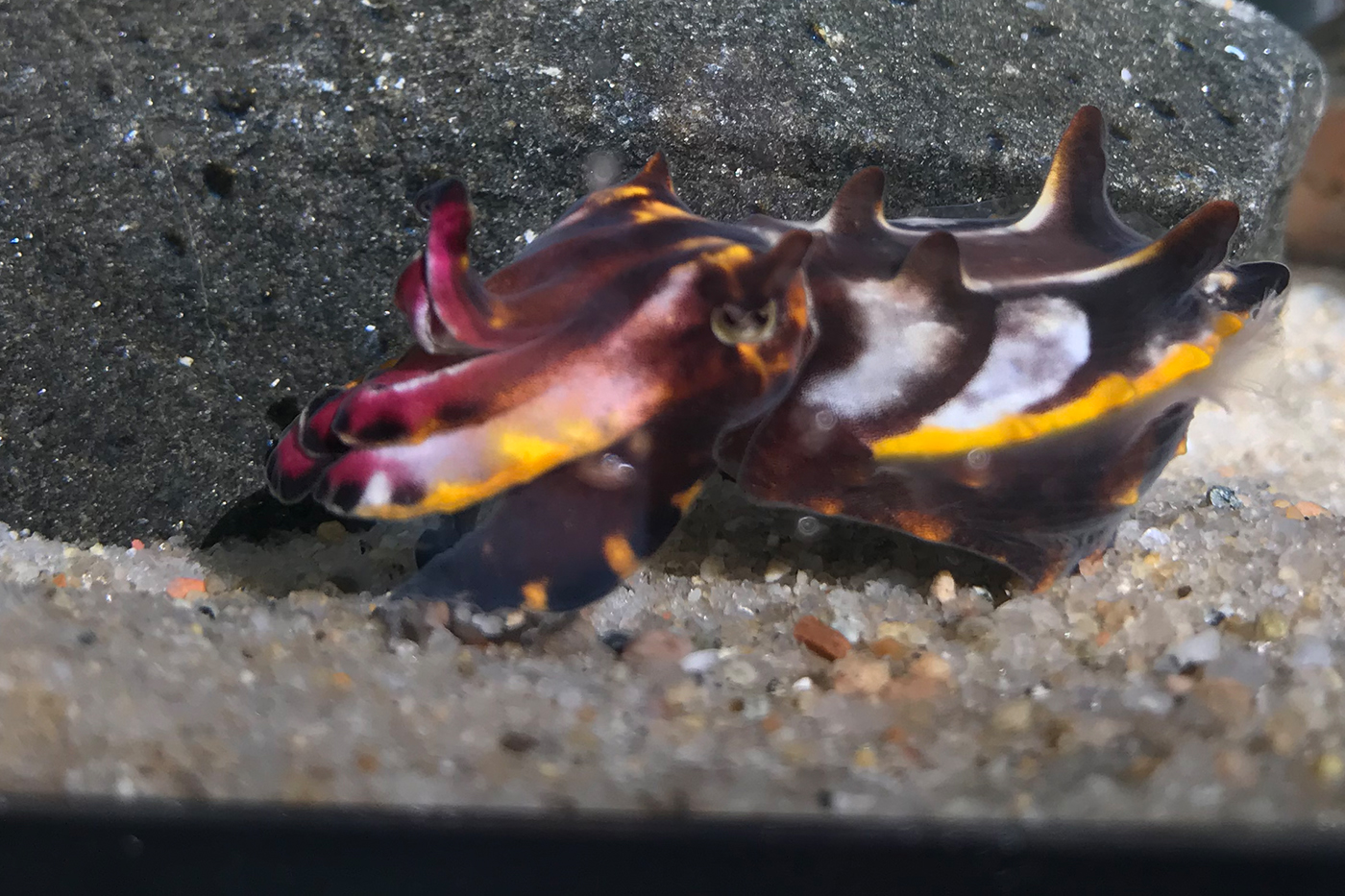
Co-op and COVID: Working at the Marine Biological Laboratory
A look at Fall 2020 Co-op Liana Greenberg-Nielsen experience working with cephalopods in Woods Hole.
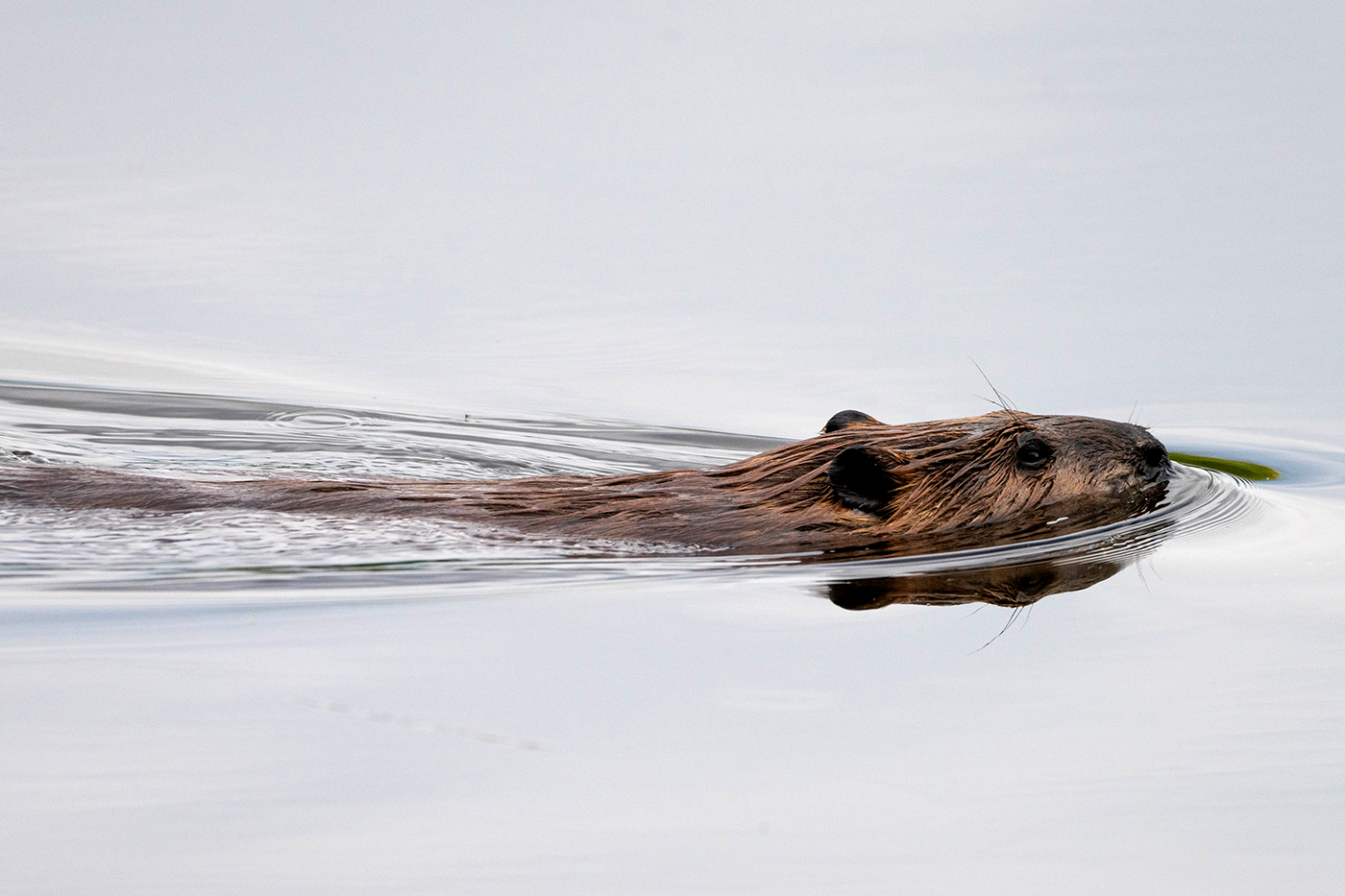
They’re Cute. They’re Furry. And They’re the Unsung Heroes of Wildfire Protection Efforts.
Professor Benjamin Dittbrenner researchers wetlands, and the important ecological roles they have. But one wetland animal in particular has caught his eye for the work its doing to engineer itself a home- and a healthier ecosystem.
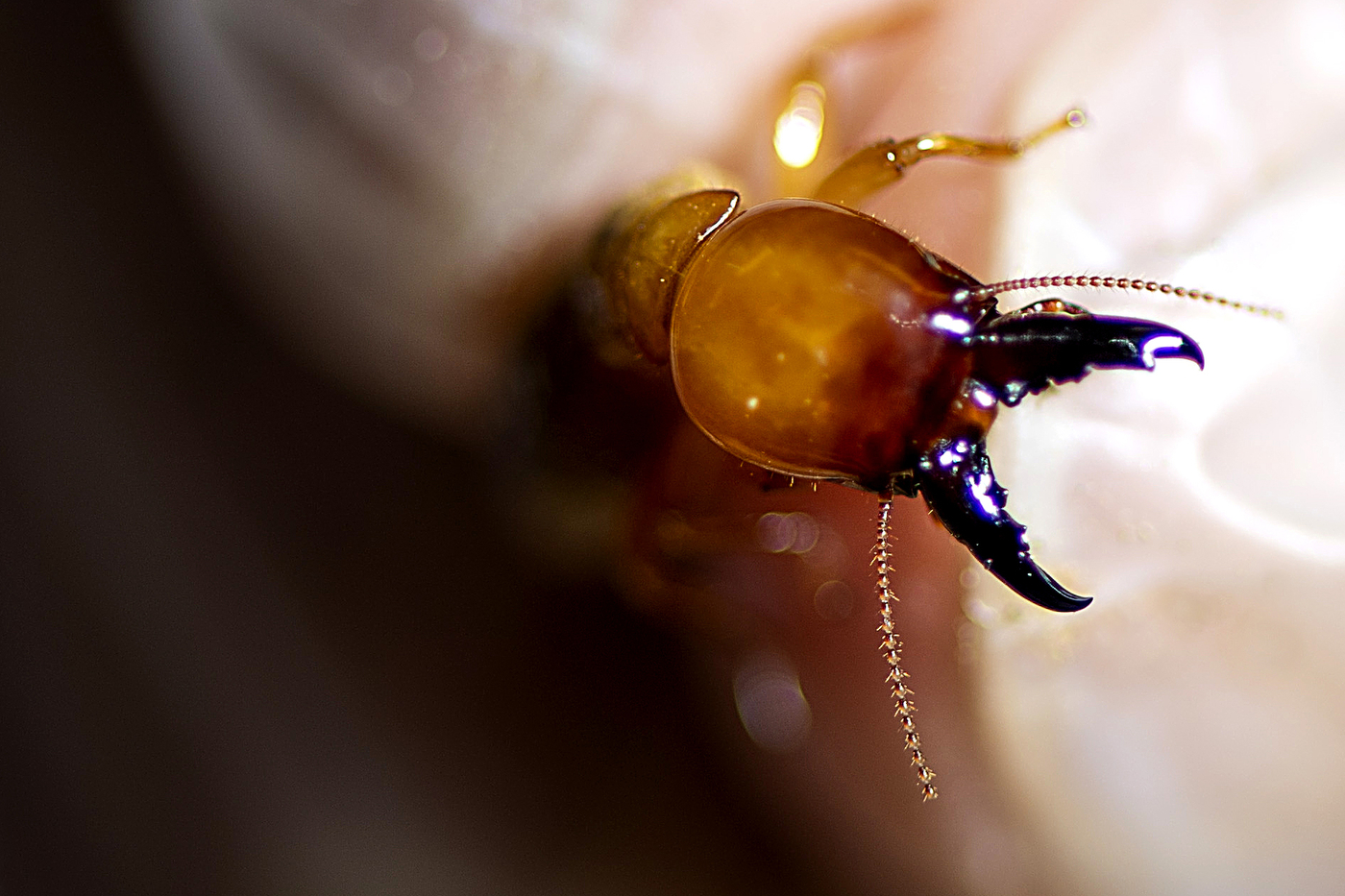
What Can Ants and Termites Teach Us about Fighting Disease?
Associate Professor Rebecca Rosengaus shares the bizarre ways social insects have evolved to survive disease and how this may help humans survive them better too.
Shipworms Have No Problem with Bacteria Getting in Their Cells. Studying Them Might Help Explain Why Humans Do.
Caenorhabditis elegans, a transparent, microscopic worm, has evolved a way to take advantage of protection provided by nearby bacteria. This response could provide clues as to how humans coordinate our own cellular defense systems.
Our Drinking Water Was Always Full Of Microbes. Are The Wrong Ones Thriving In The Pandemic?
Zooming in where only a microscope can see, Northeastern researchers are trying to determine how the lifestyle changes caused by COVID-19 might be helping harmful bacteria grow in our drinking water.
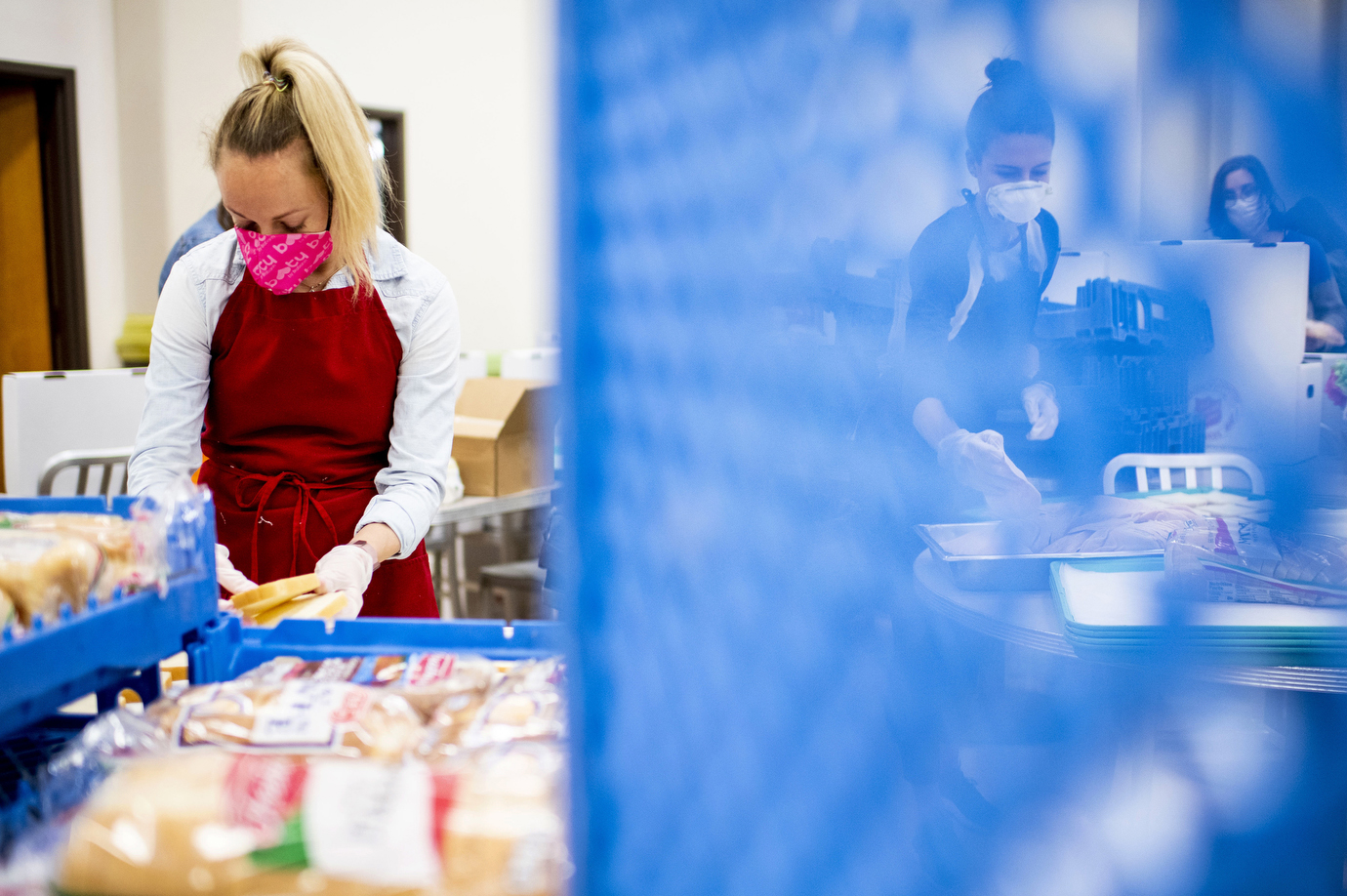
This Soup Kitchen Needed Help. The Marine Science Center Faculty Delivered.
When the COVID-19 pandemic forced My Brother’s Table, the largest soup kitchen on Massachusetts’ North Shore, to change how it serves guests, the community at Northeastern’s Marine Science Center took note, and stepped up.
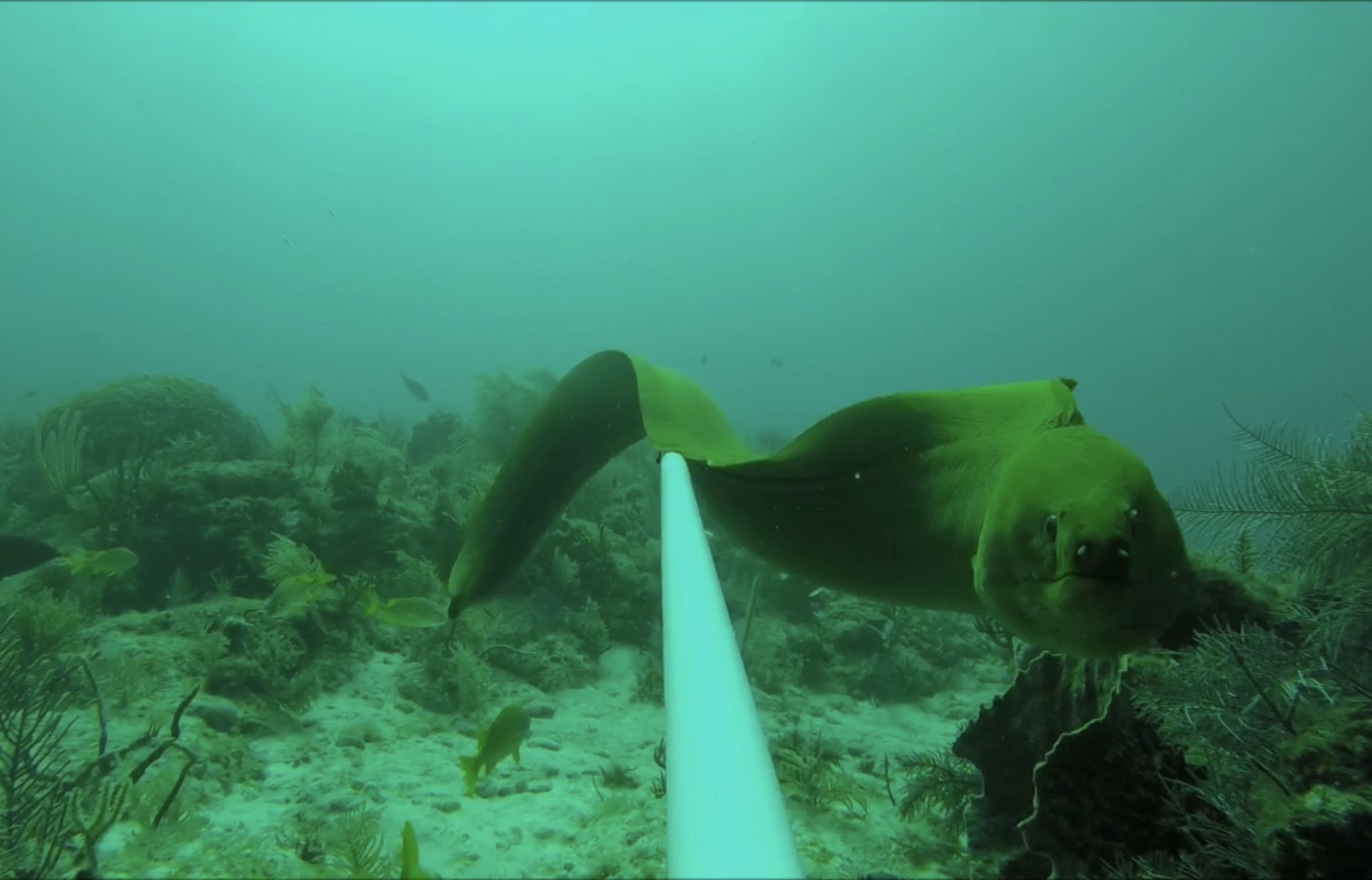
Three Seas students take a closer look at marine predators and their prey
A Three Seas Program alumni takes a closer look at fear and its effect on ocean prey.
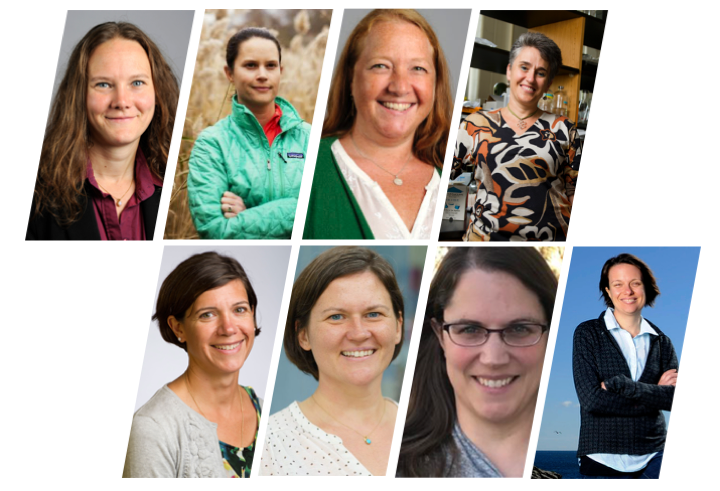
Women in Science: Water Stewards
Part 3: The Marine Science Center is highlighting faculty who are advancing scientific knowledge and removing barriers for the next generation of women in STEM.
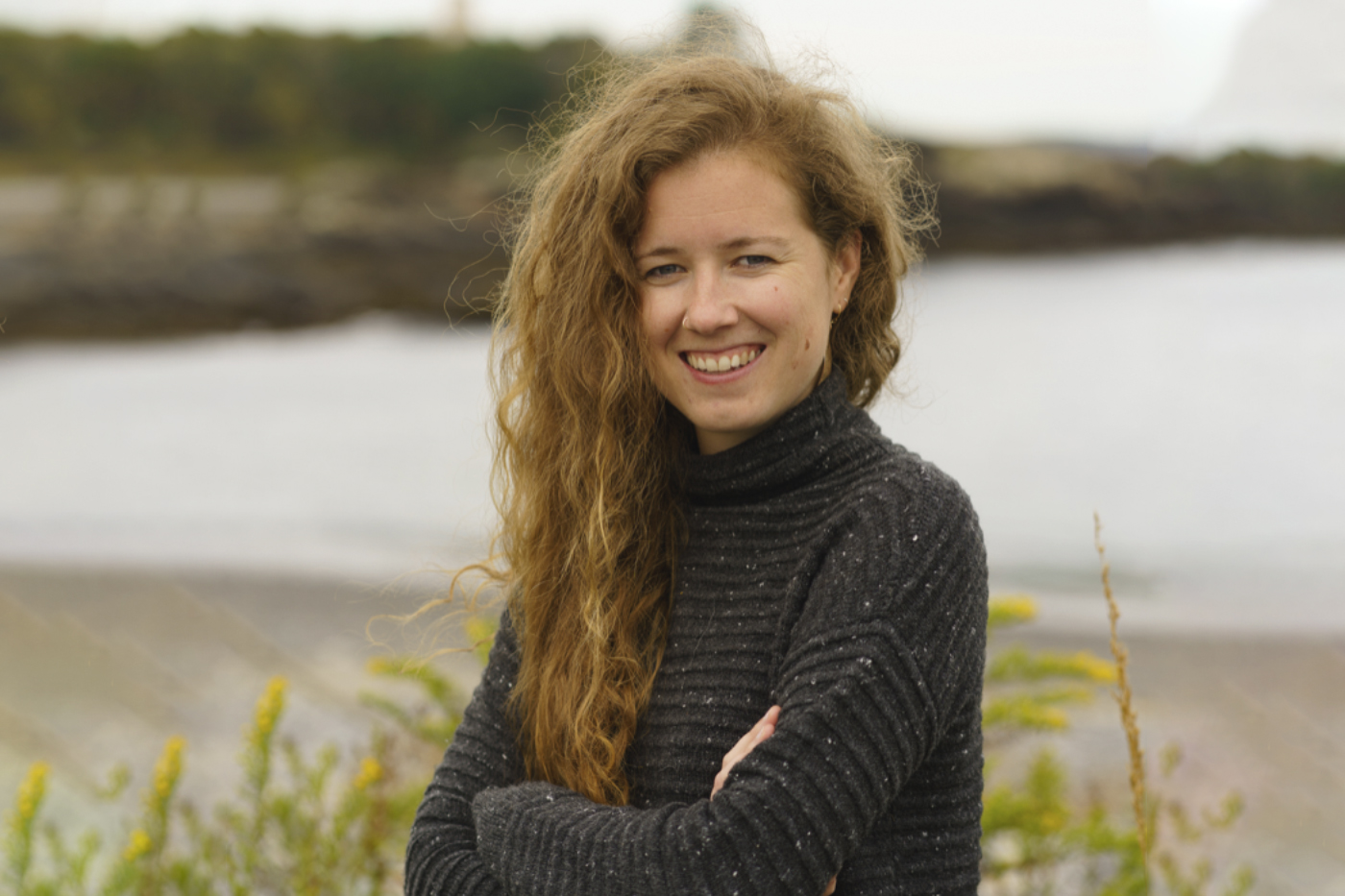
Sara Schaal Wins the Dean’s Award for Graduate Student Excellence in Teaching
Providing an innovative educational experience for our community of learners is a central focus of the Department of Marine and Environmental Sciences, so we are proud to congratulate this year’s College of Science Dean’s Award for Graduate Student Excellence in Teaching, Sara Schaal.
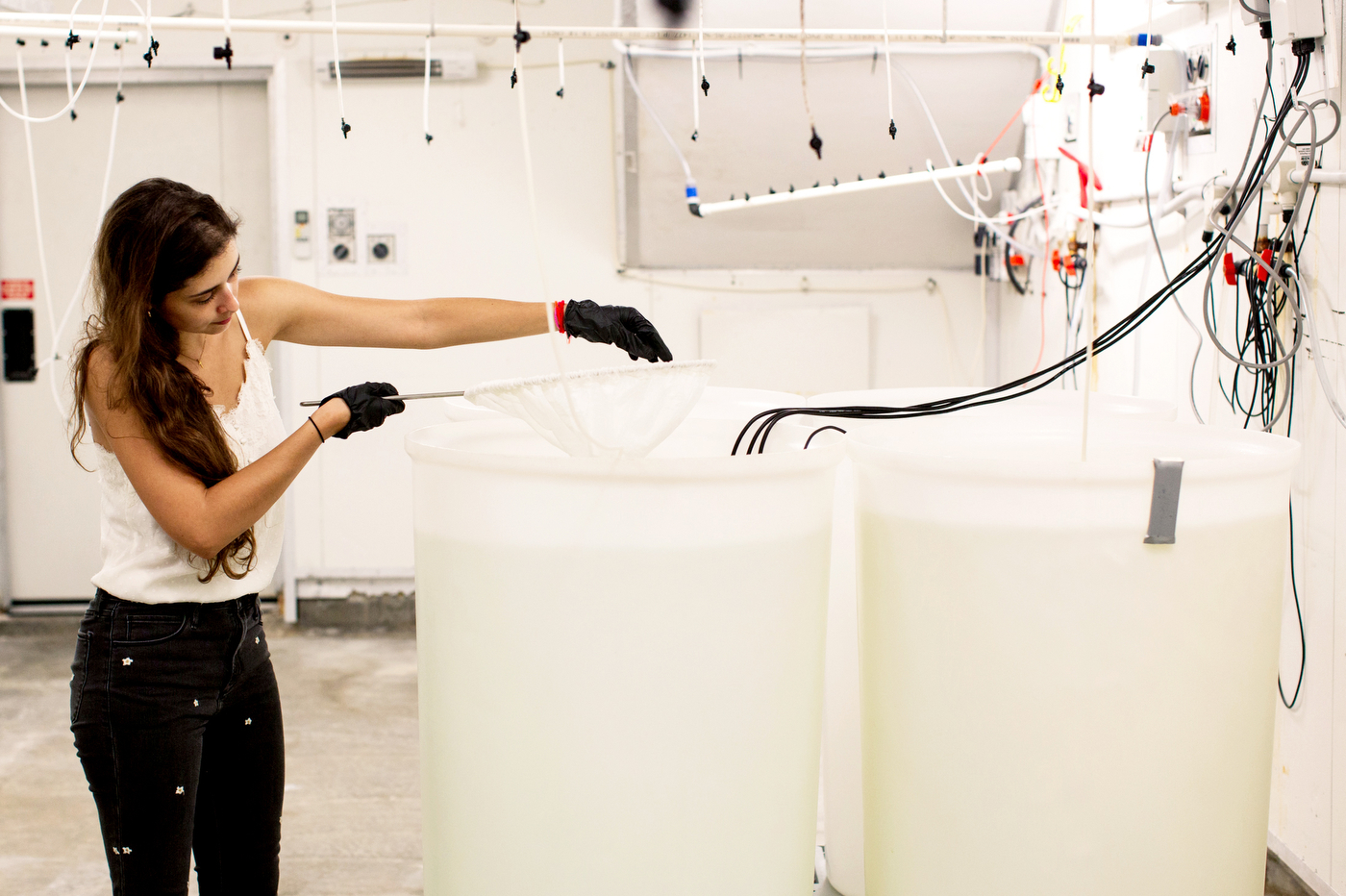
A 10,000-mile Journey for Microbes
MELBOURNE, Australia—Andrea Unzueta-Martinez, a doctoral candidate at Northeastern’s Marine Science Center, moved to the United States to be a dancer but chose science instead. She spent three months at the Port Stephens Fisheries Institute in Australia raising oyster larvae.