COS News
Research

“The basic premise is that AI can help us do better physics, and something that is less expected is that physics can also help us understand AI better,” said Northeastern professor James Halverson.
AI and physics have more in common than you might think.
News
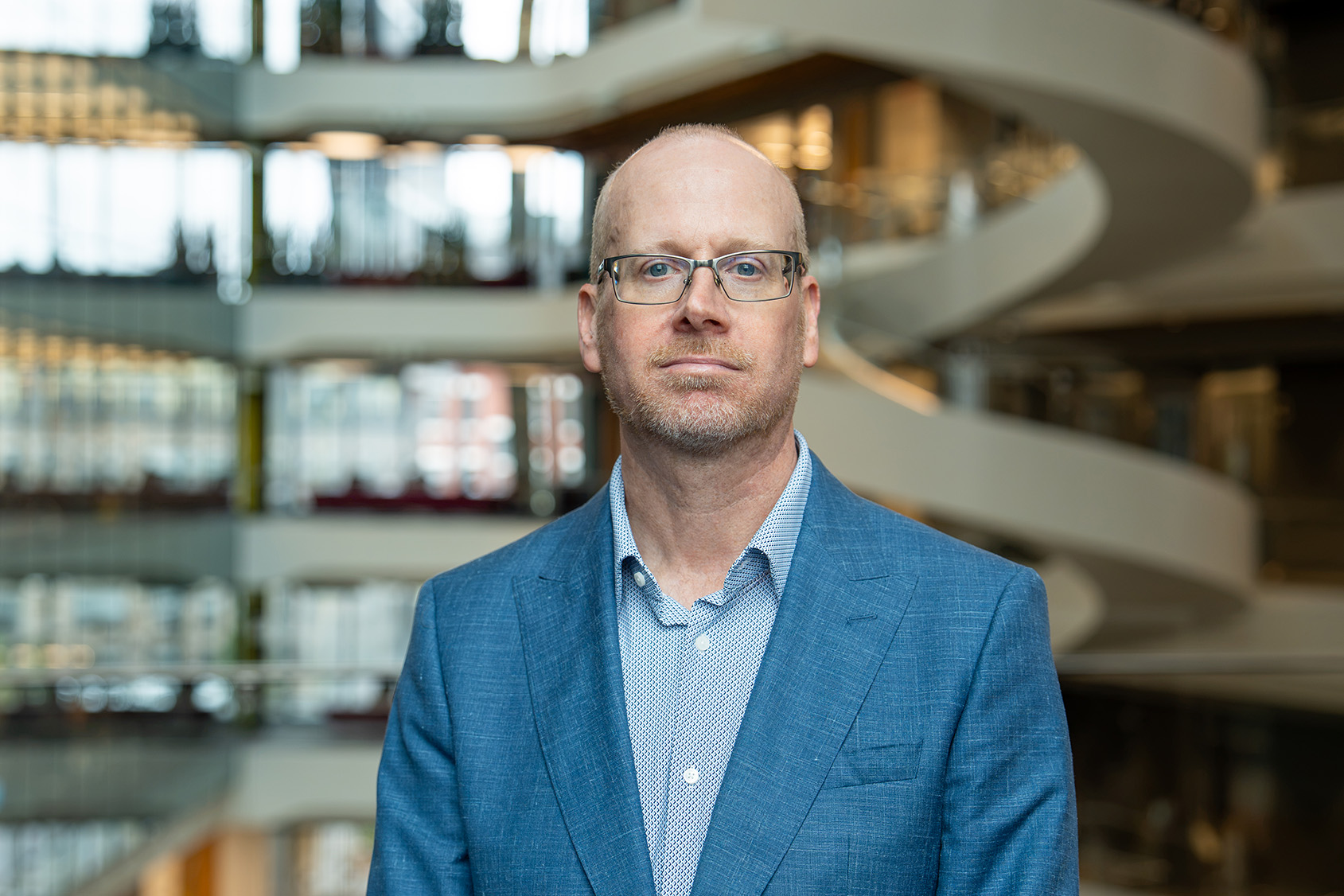
Mark Williams, Professor and Chair of the Department of Physics, will assume the role of Dean of the College of Science, effective July 1, 2026.
Mark C. Williams named Dean of the College of Science
Showing 229 results in Marine and Environmental Sciences
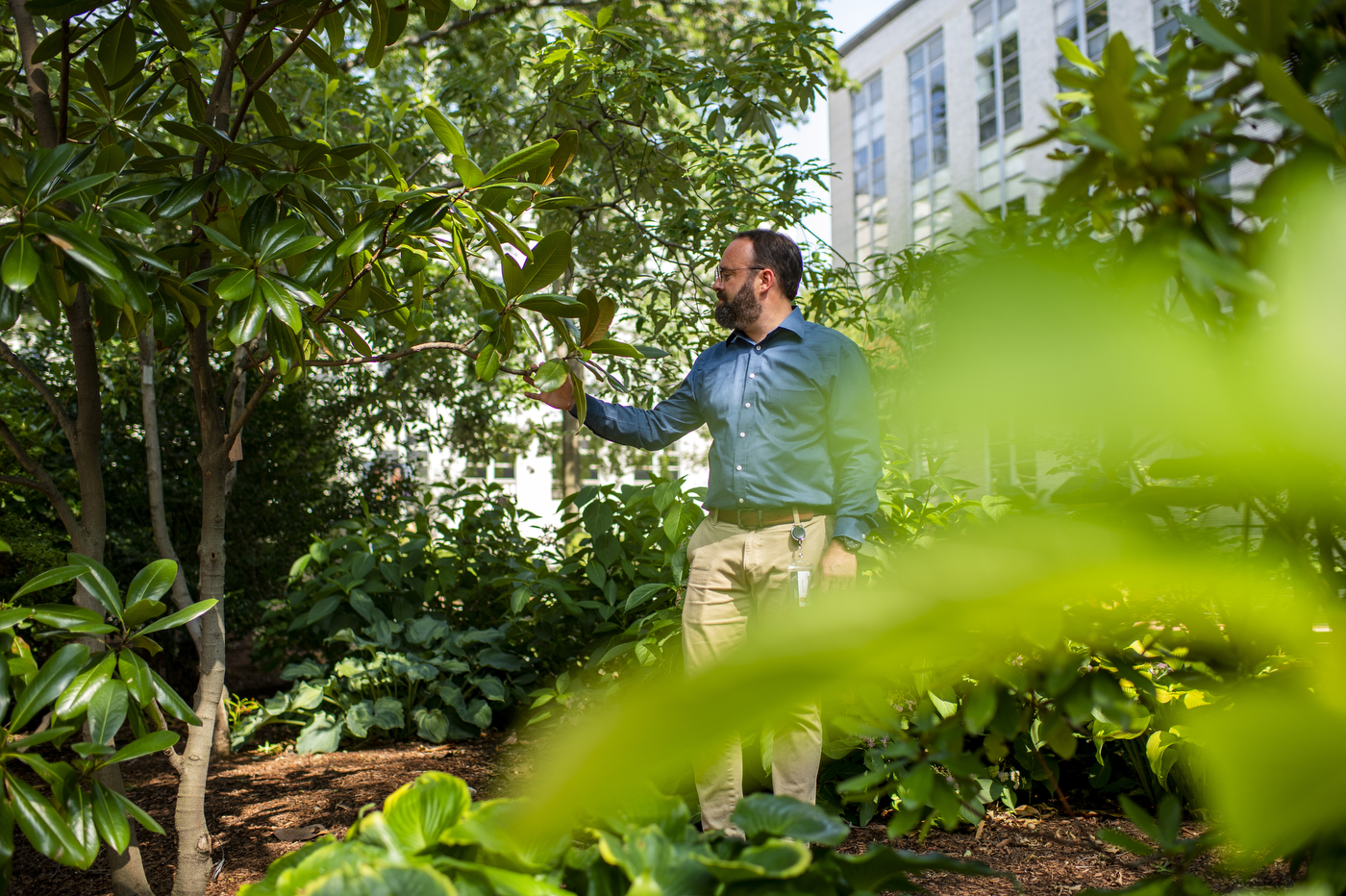
He cultivates the campus’s ‘urban forest’ with an eye on the future.
It is a sticky, tropical day in August, making the Boston campus feel like an open-air blast furnace. Good thing Northeastern has nearly 1,500 trees to absorb some of the heat, or it could feel a lot worse, says Stephen Schneider, the university’s new chief arborist. “One of the more beneficial aspects of this urban...
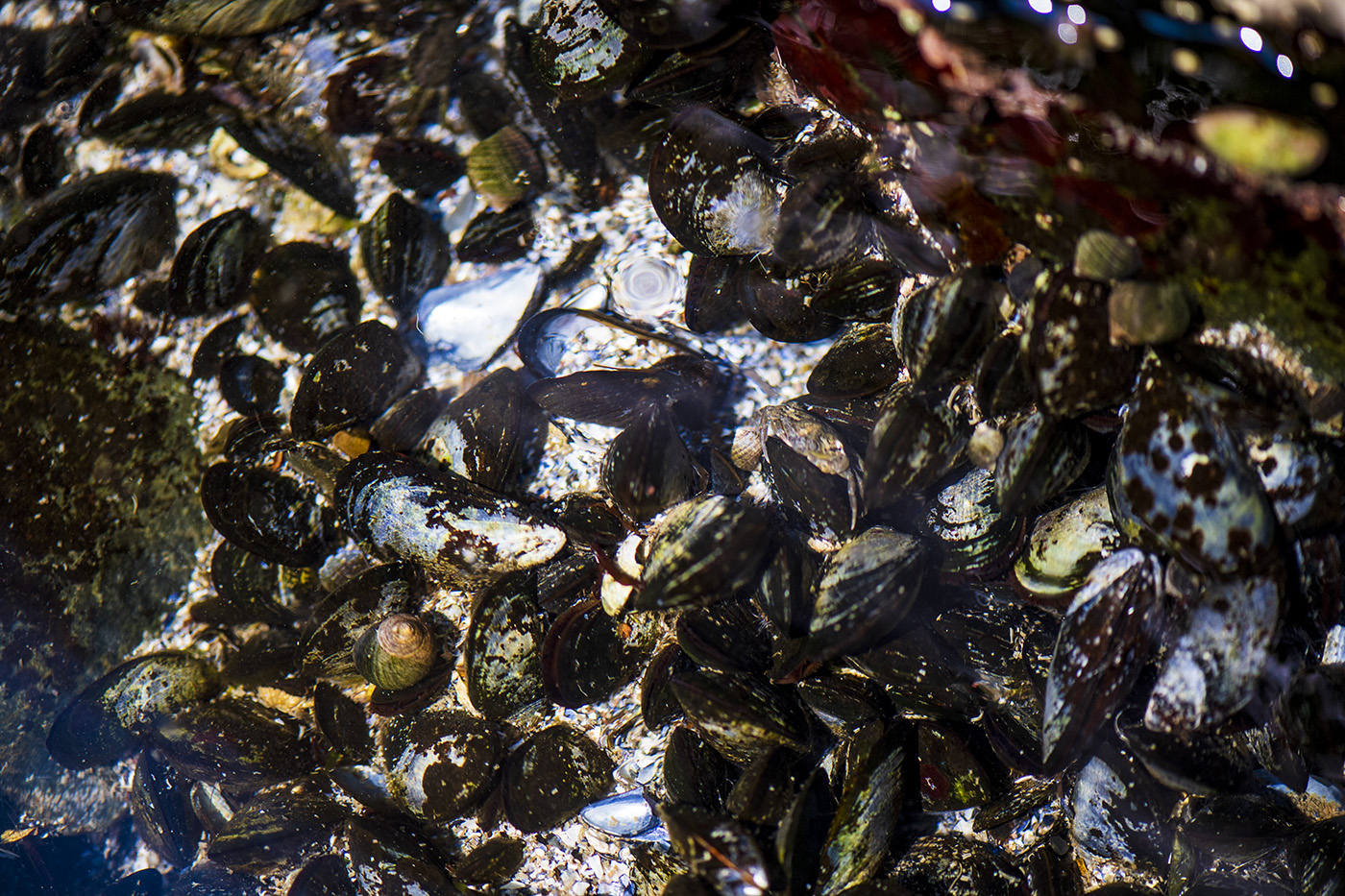
If we don’t halt climate change, the world’s oceans may never be the same.
The vast majority of the world’s oceans may never be the same if humanity doesn’t curb our carbon emissions. As much as 95% of the climates in the surface ocean that exist today could completely disappear within 80 years, according to new research led by Katie Lotterhos, associate professor of marine and environmental sciences at...
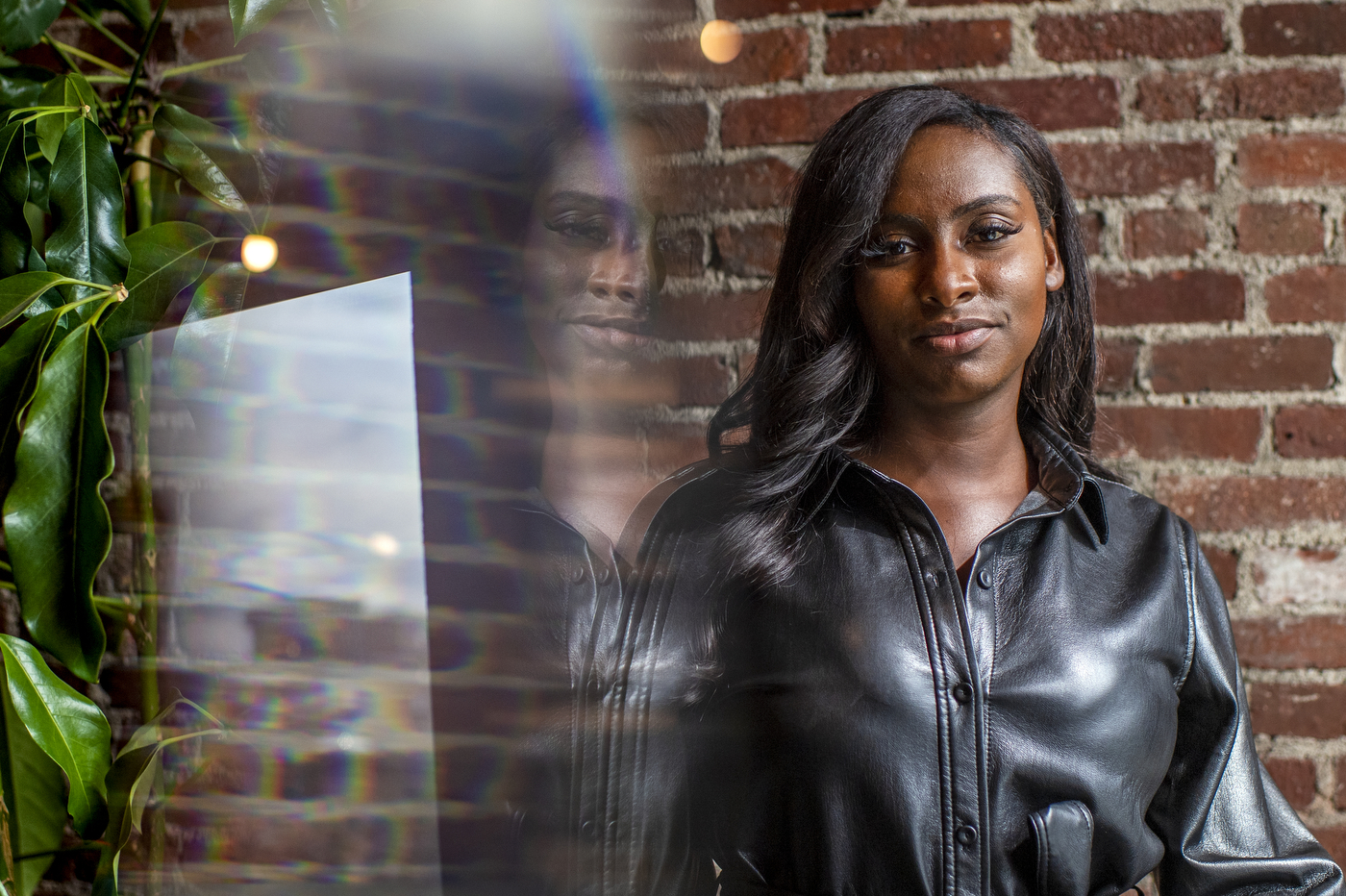
How the natural pigments in marine life inspired a beauty products startup
Camille Martin, PhD and assistant professor of Chemistry, Leila Deravi, developed Seaspire Skincare, a beauty product line drawn from marine ecosystems.
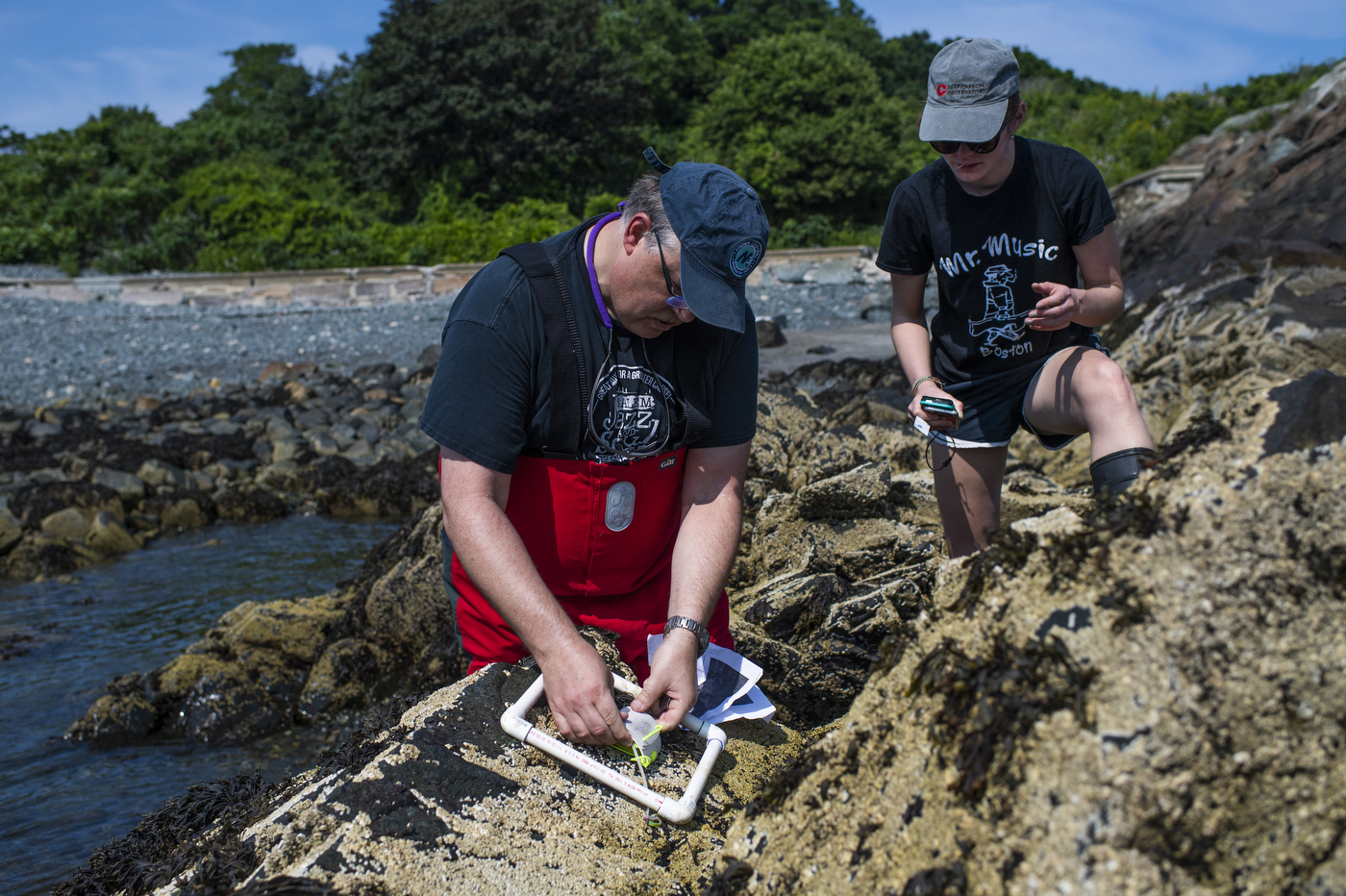
When a heatwave comes, this scientist takes a shellfish’s perspective
Brian Helmuth, marine science and public policy professor at Northeastern, and his team built "robomussels" and other temperature loggers in an effort to find refugia for the mussels dying as a result of record-setting heatwaves.
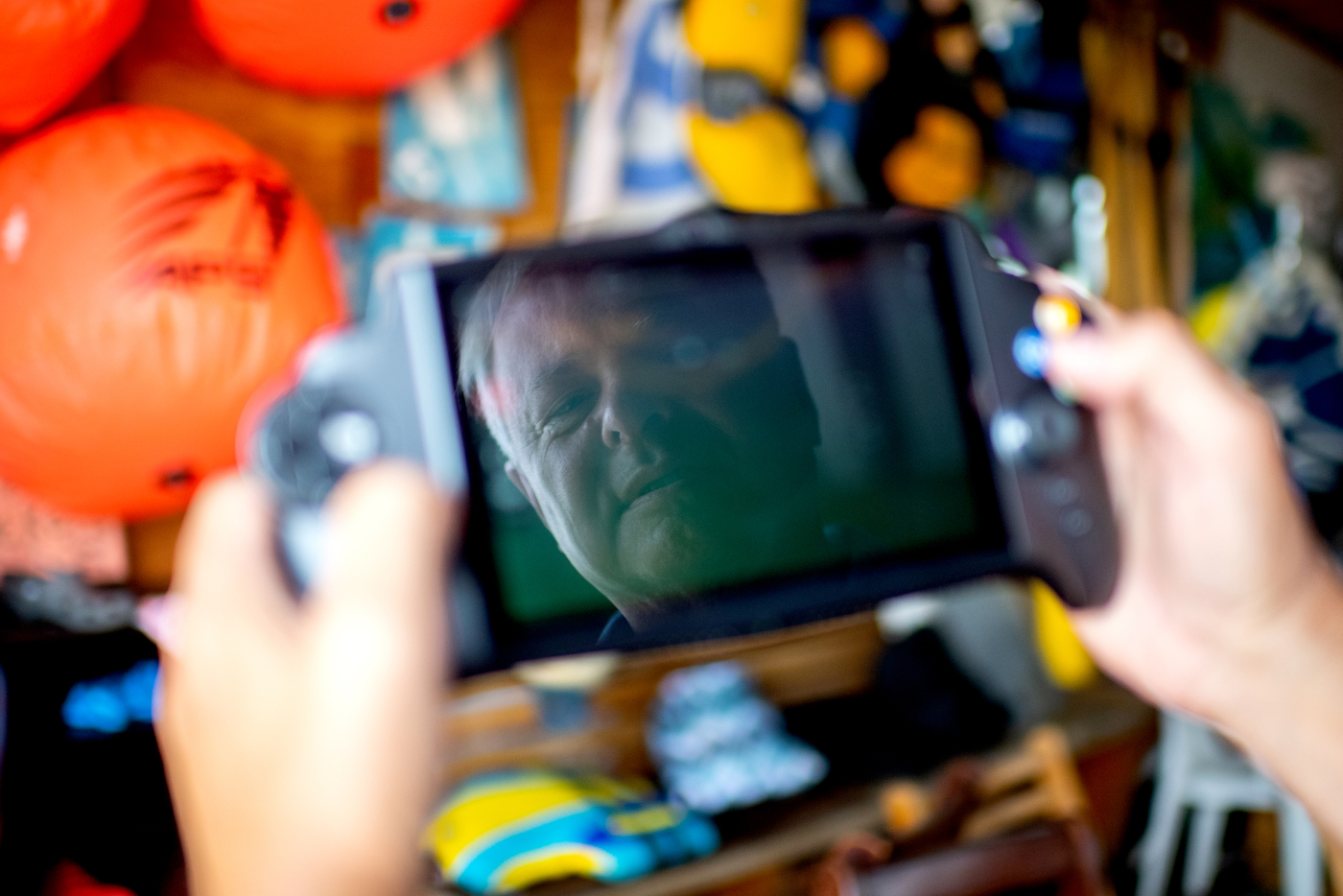
This robot is going to map uncharted kelp forests in the Arctic–and the impact of climate change
Professor of marine and environmental sciences at Northeastern, Mark Patterson, receives the Fulbright U.S. scholar award to further his research mapping uncharted kelp forests in the Canadian Arctic.
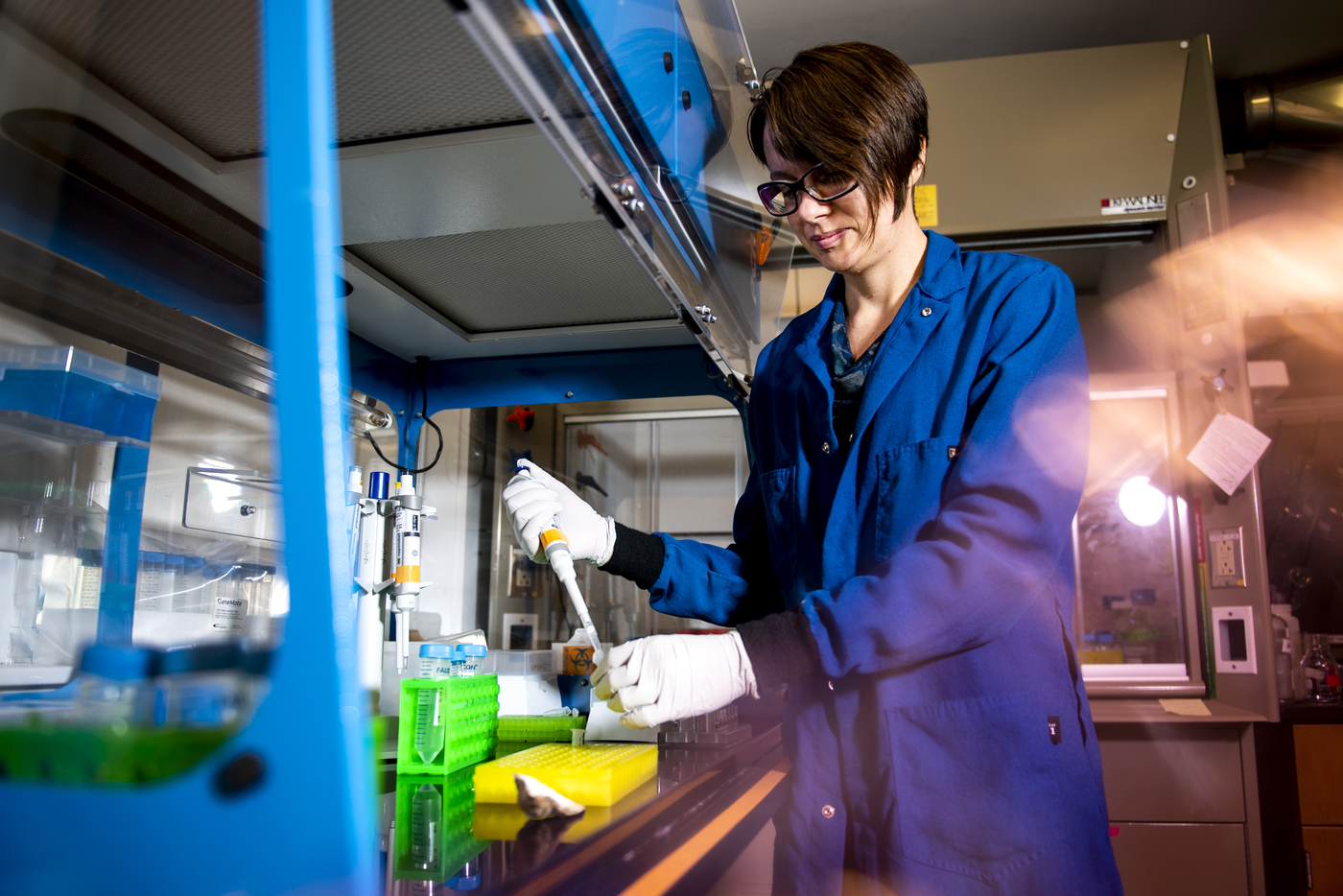
What would make oysters better? This scientist is figuring it out.
Katie Lotterhos, associate professor of marine and environmental sciences, recently received two prestigious awards: a CAREER award from the National Science Foundation, and a Fulbright scholarship.
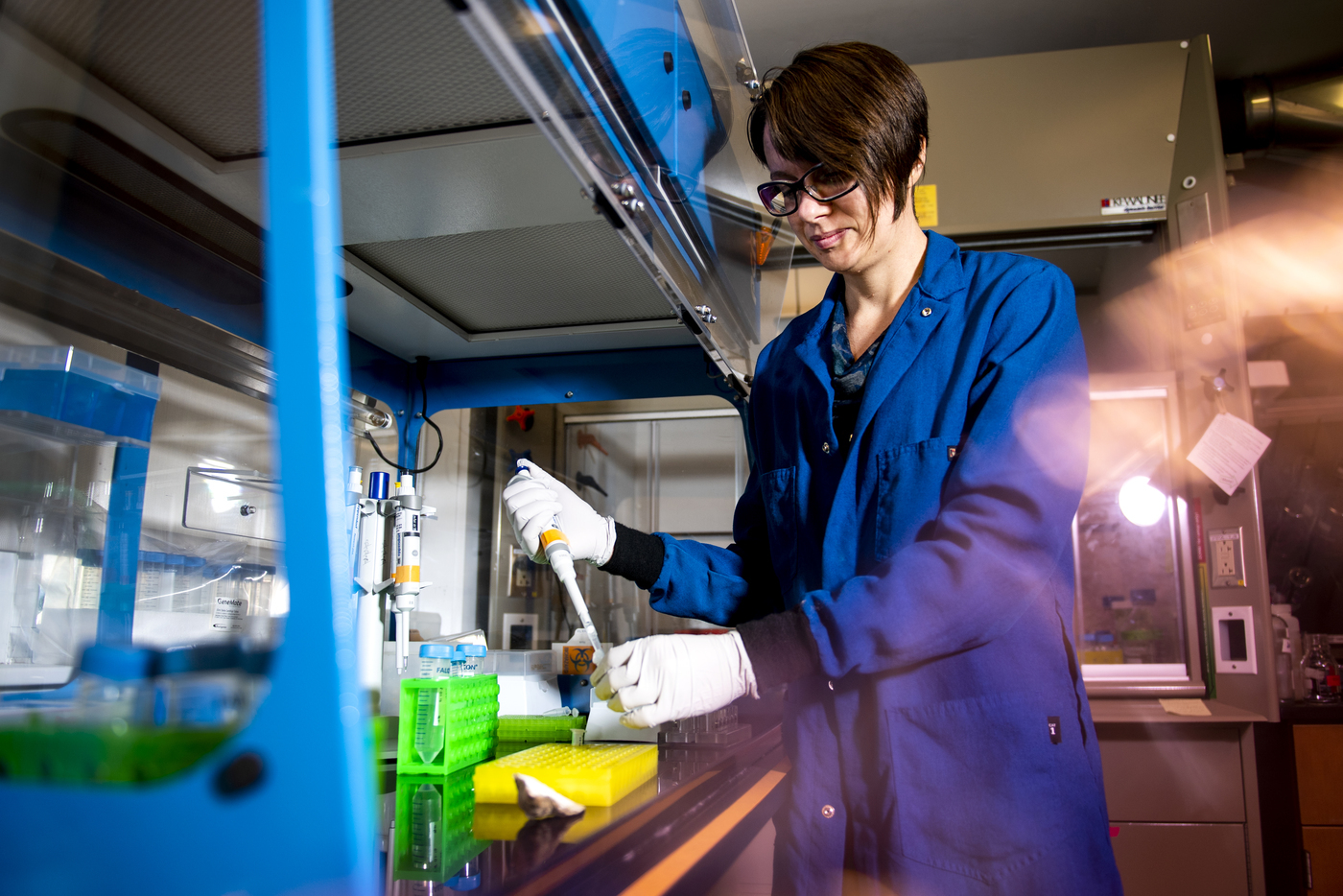
What would make oysters better? This scientist is figuring it out.
Katie Lotterhos receives two prestigious awards for her work breeding oysters in the hopes of restoring marine populations.
Meet the Three Seas alumni making waves in their fields
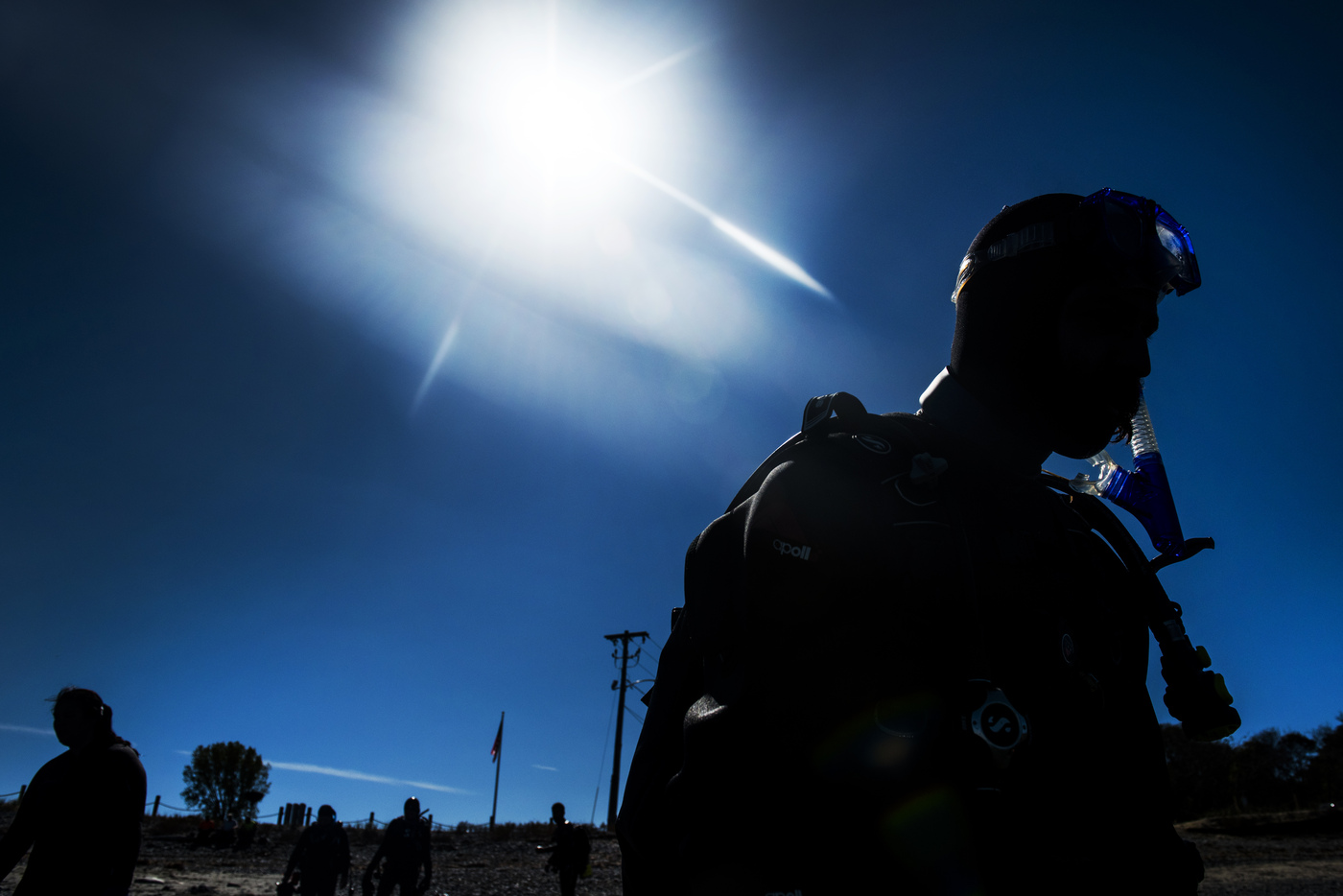
Graduates of Three Seas pursue various careers in environmental consulting, non-profit work, state and federal government, outreach and education, and scientific research support.
Did a legendary trout really ride the rails from California to Missouri?
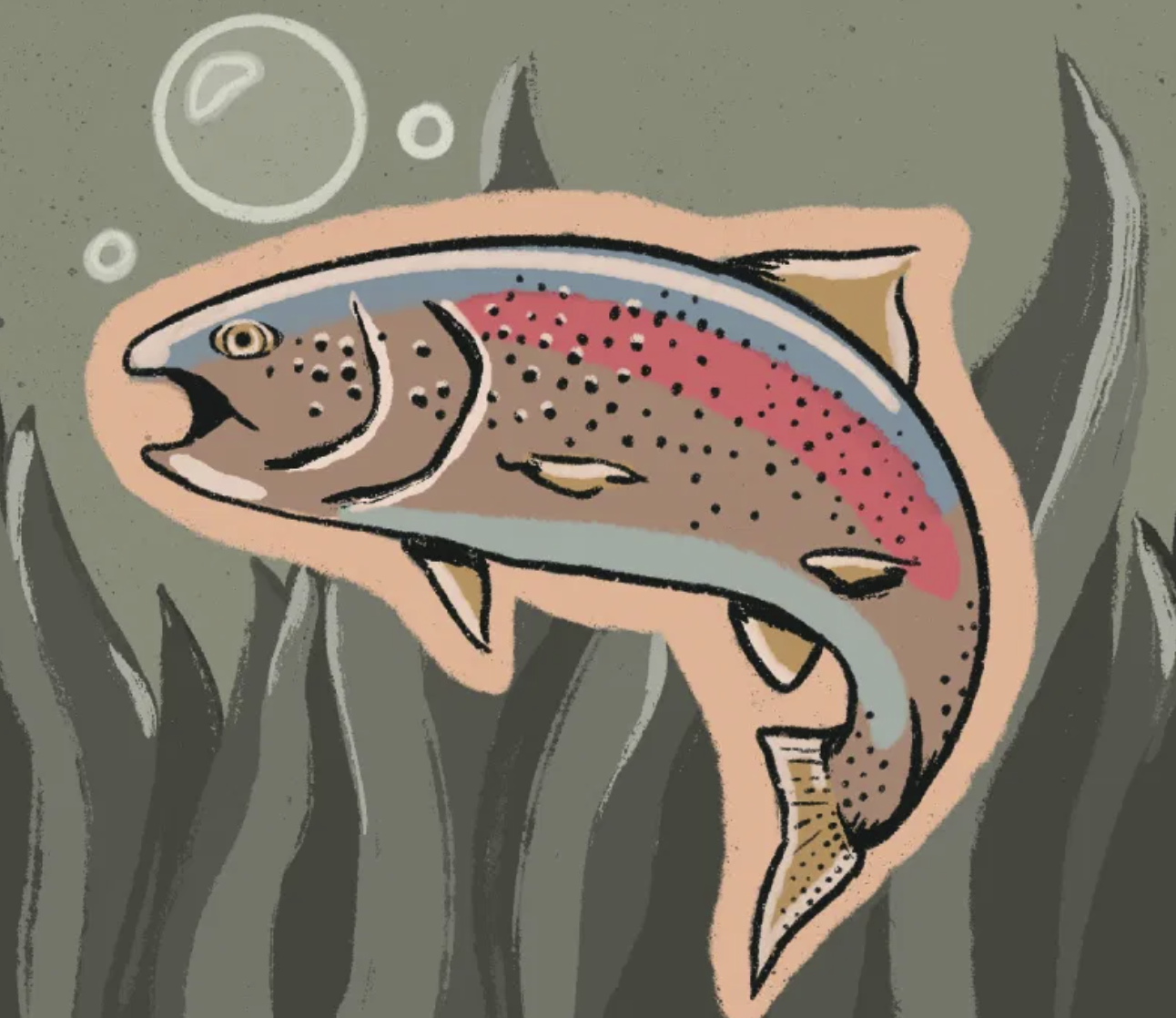
Crane Creek flows right to left in front of me, spring-fed and uncommonly clear and cool, slicing through trees that line both banks. Shallow and thin, it runs 25 miles through thick forests in southwest Missouri, at some points no farther across than a fishing pole is long. You could walk across it and never...
Mark Patterson Receives Fulbright U.S. Scholar Award to Canada
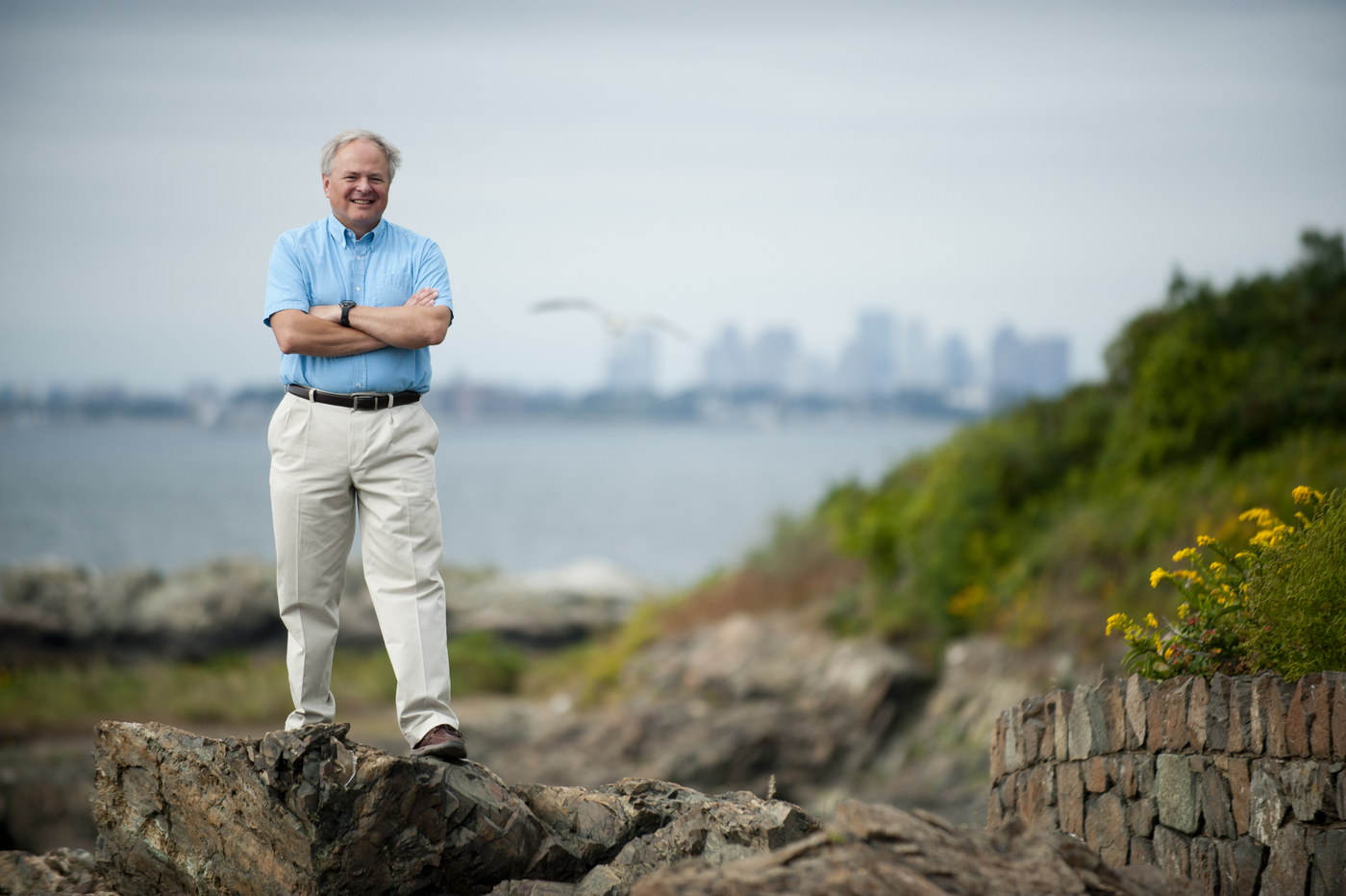
Mark Patterson has received a Fulbright U.S. Scholar Program award to Canada as the Research Chair on Advancing Transdisciplinary Research on the Changing North at the Université Laval, Québec.
How termites deal with disease provides insights in the era of COVID-19
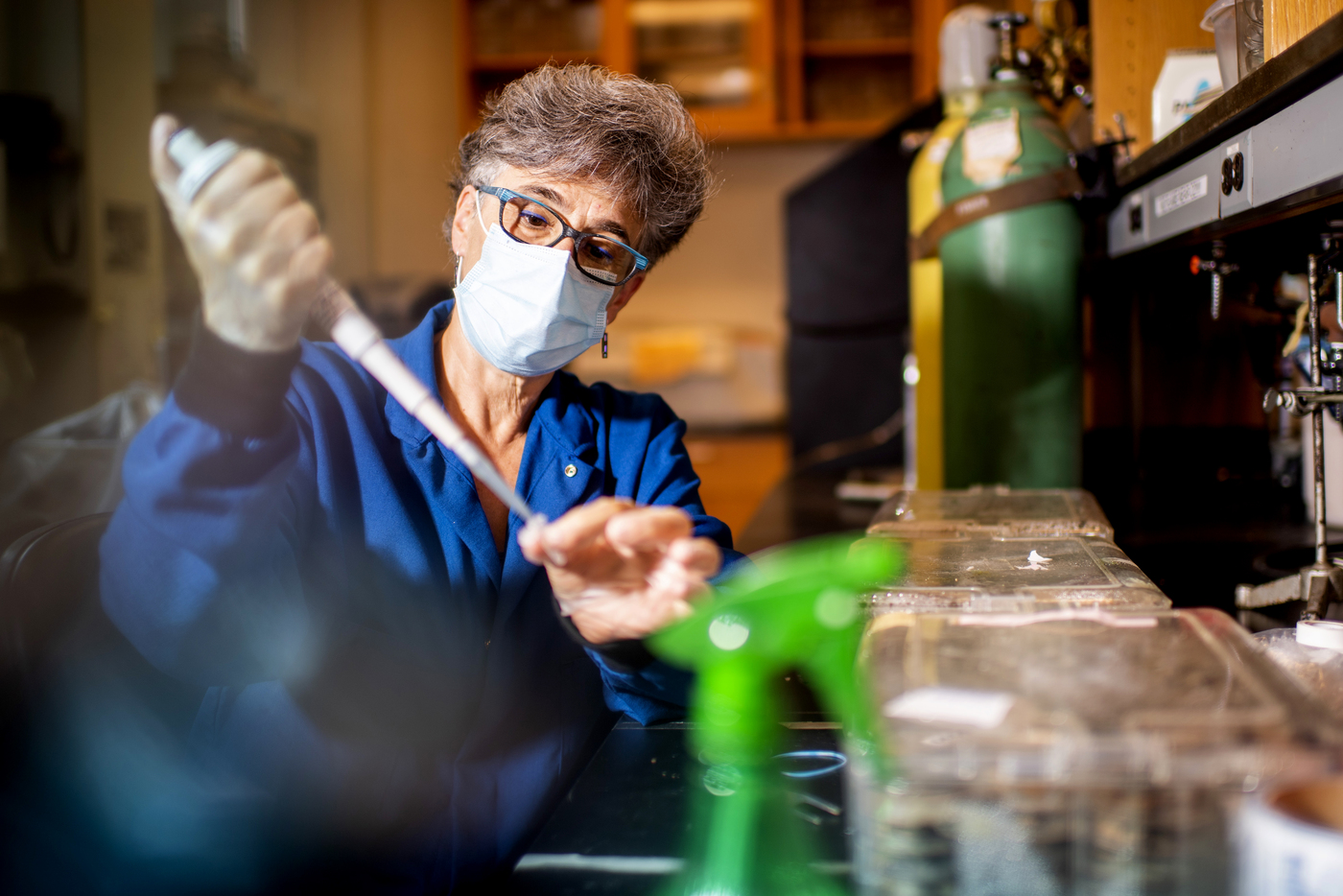
Rebeca Rosengaus, an associate professor and behavioral ecologist at Northeastern, explores the social behavior of termites, including how they care for their colony and communicate when they’re infected, fascinating evolutionary adaptations that are especially relevant during the COVID-19 pandemic. Learn more on News@Northeastern. Photo by Matthew Modoono/Northeastern University.
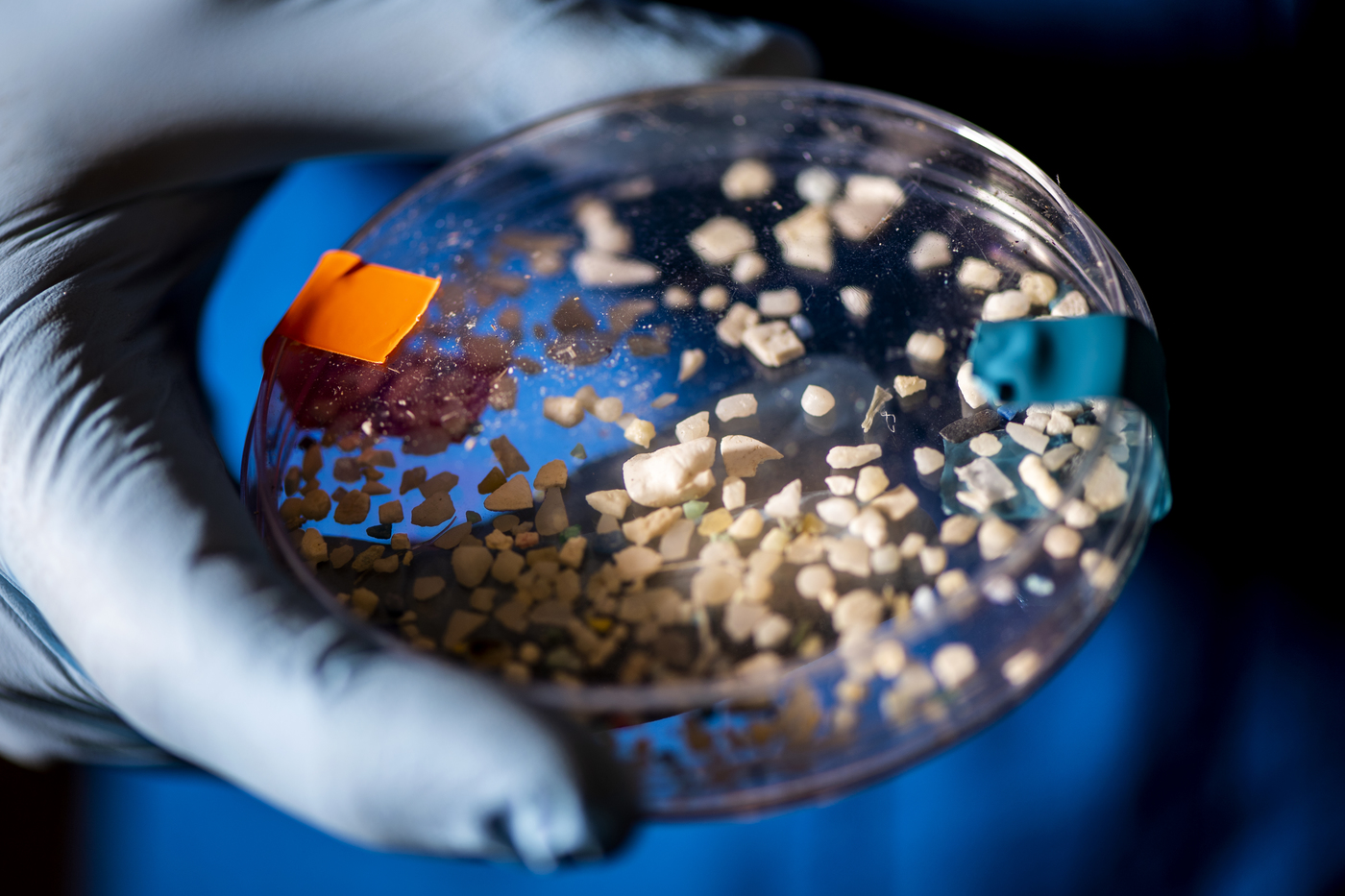
Our plastic pollution problem may have more significant consequences than we think
Plastics are everywhere - and that's a problem. New research published in Science finds that plastics may be altering the Earth’s carbon cycle and our ability to monitor it.