COS News
News

A new report from a group of Northeastern researchers explores across disciplines how biotech can ensure safe, sustainable life beyond Earth.
The key to international space cooperation is developments in biotechnology, Northeastern researchers say
News

The NeuroPRISM lab, led by assistant psychology professor Stephanie Noble, makes tools that pave the way for reliable and reproducible neuroimaging of the brain.
Precise maps of the brain’s deepest corners are made possible through tools developed by these Northeastern researchers
Showing 216 results in Physics

COS Connects: What are quantum materials anyways?
Hear from Professor Paul Stevenson and colleagues to learn about how physicists are researching ways to further understand quantum materials and their potential benefits. Our researchers will help deconstruct the complexity of quantum science and explain the potential advancements and impact on daily lives.
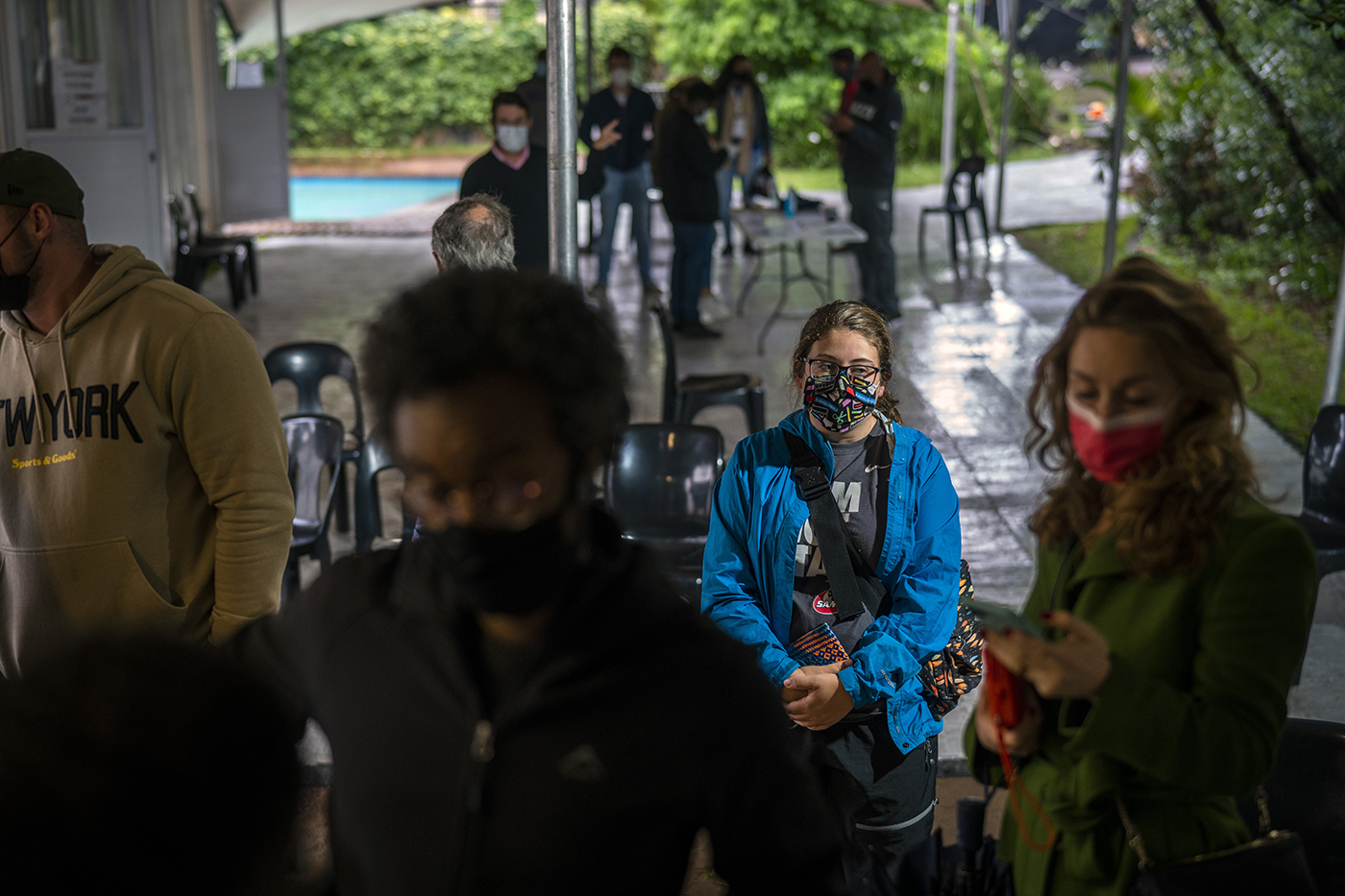
When will we know more about the omicron variant?
A new Covid-19 variant, Omicron has been detected in South Africa.

Covid-19 isn’t a ghost just yet. But it may be getting there.
The specter of the coronavirus loomed large at this time last year. Cases were beginning to rise heading into the winter, and a massive surge was still ahead. With no vaccines yet available to provide immunity to the virus, Halloween was a subdued affair, making COVID-19 the only ghoul in town. But this year, Halloween […]

He predicted the widespread Covid-19 pandemic early on. Now he’s being knighted by the Italian government.
Alessandro Vespignani is knighted by the Italian government for his contributions to advancing cooperation between Italy and the United States during the pandemic.
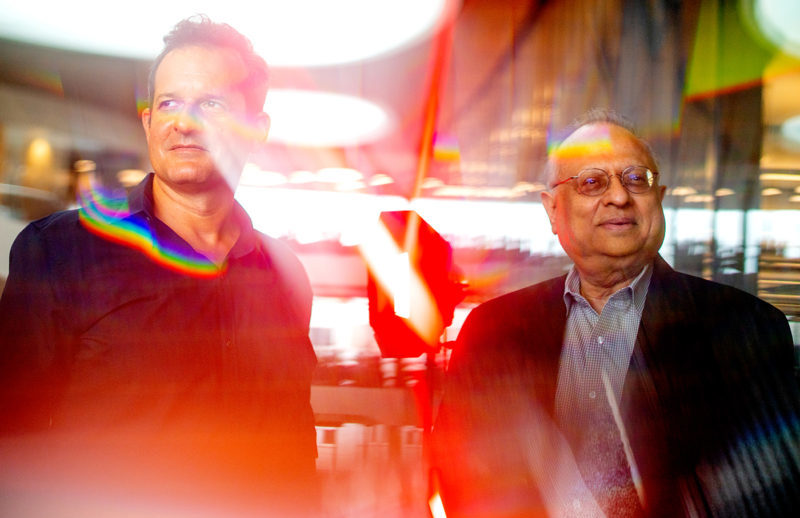
Using this billion-dollar laser, physicists hope to probe the quantum world for new discoveries
Say you’re an aspiring physicist, probing the quantum world to gain insight into the fundamental nature of reality. There are two ways to go about your scientific odyssey, but both involve very expensive machinery. One way is to smash a bunch of atoms together, revealing their subatomic guts; another is to toss them under a […]
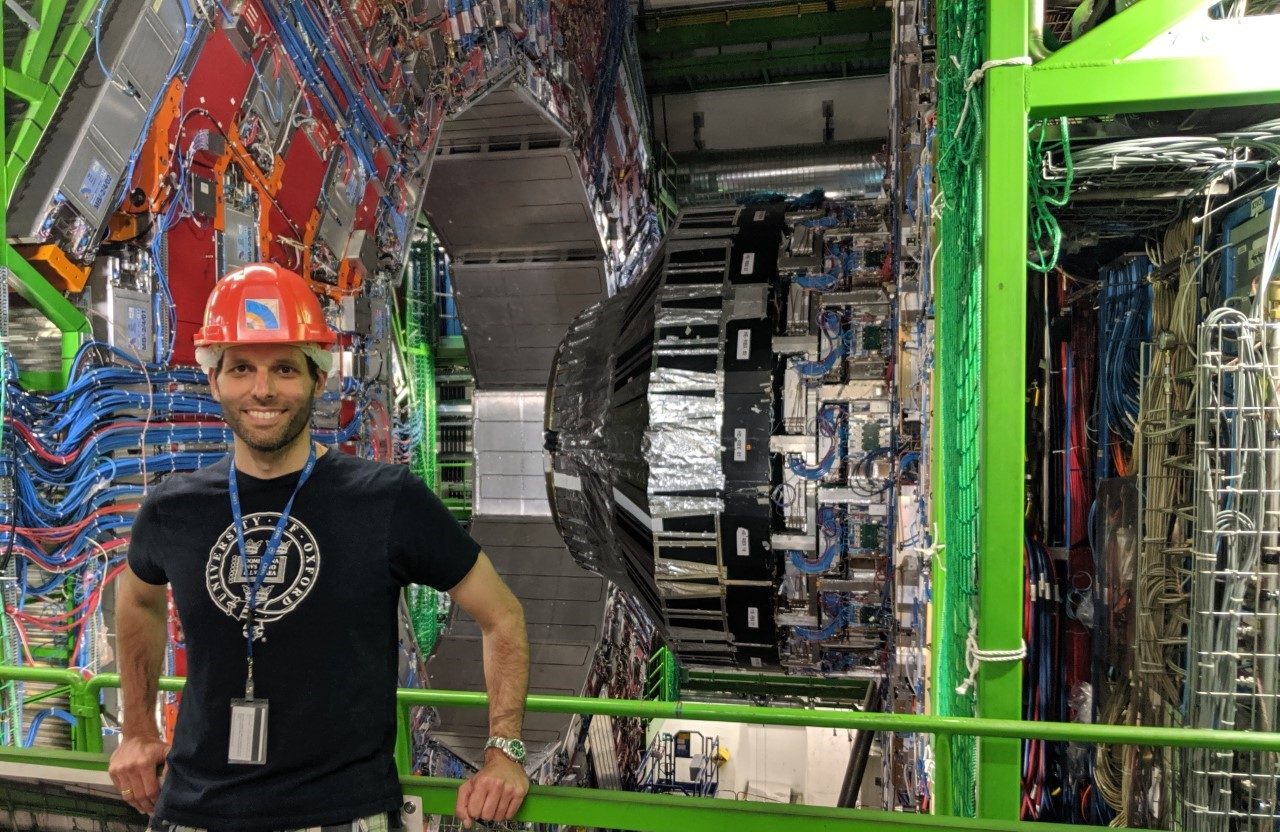
Meet our new College of Science faculty: Fabian Ruehle
Introducing new College of Science faculty, Fabian Ruehle.
‘Holy grail discovery’ in solid-state physics could usher in new technologies
There are many mysteries still to unravel in the world of quantum mechanics, but scientists at Northeastern believe they’ve made a “holy grail” discovery that could help pave the way for the next generation of electronic devices. Their findings, published recently in Nature, center mostly on the discovery of a so-called topological axion insulator, a […]
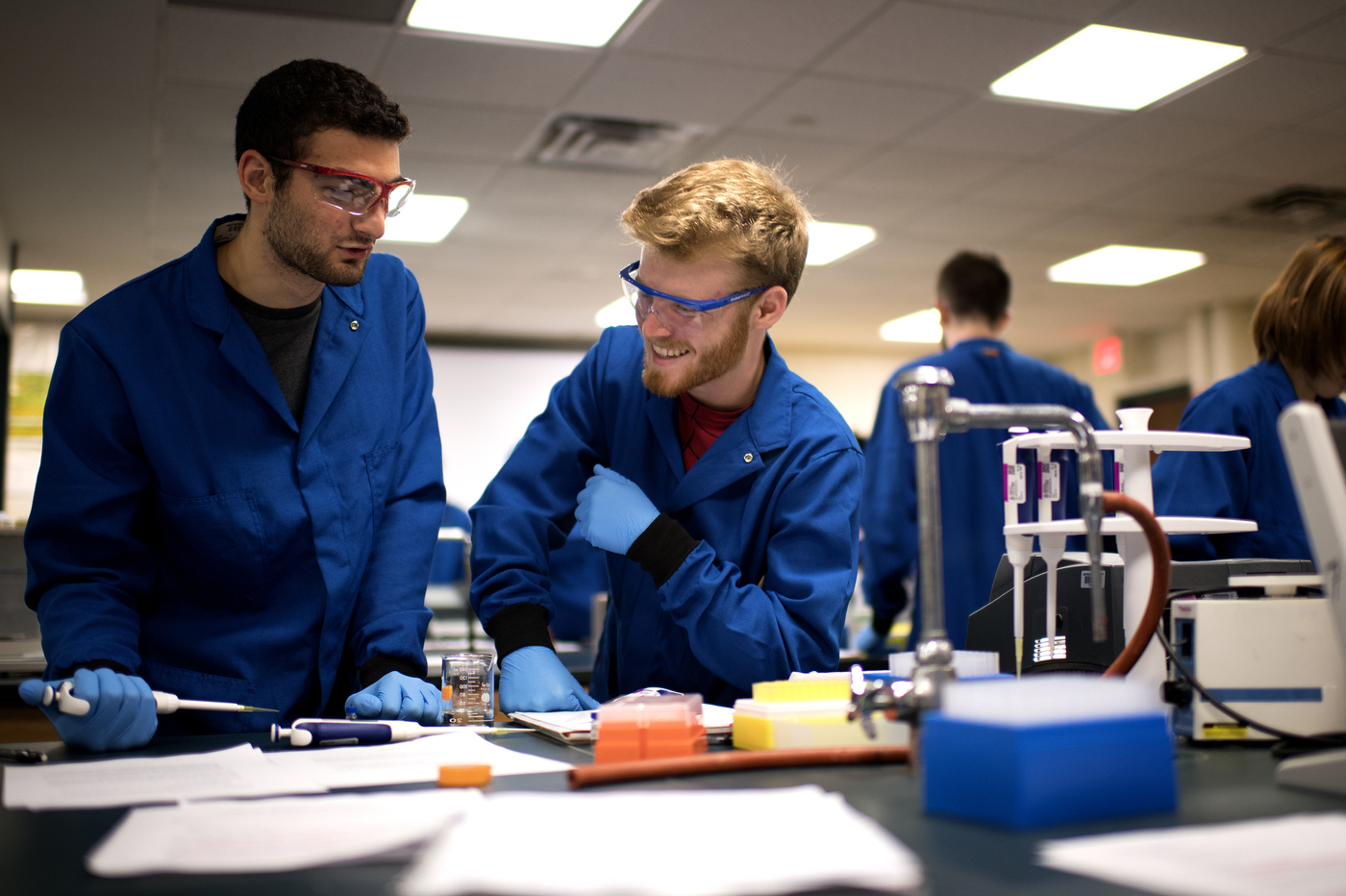
College of Science Connects: Research at the Frontier – Theoretical Condensed Matter & Biological Physics
Alessandro Vespignani, Sternberg Family Distinguished Professor of Physics, presents his research as part of the Northeastern Office of Alumni Relations College of Science Connects series.
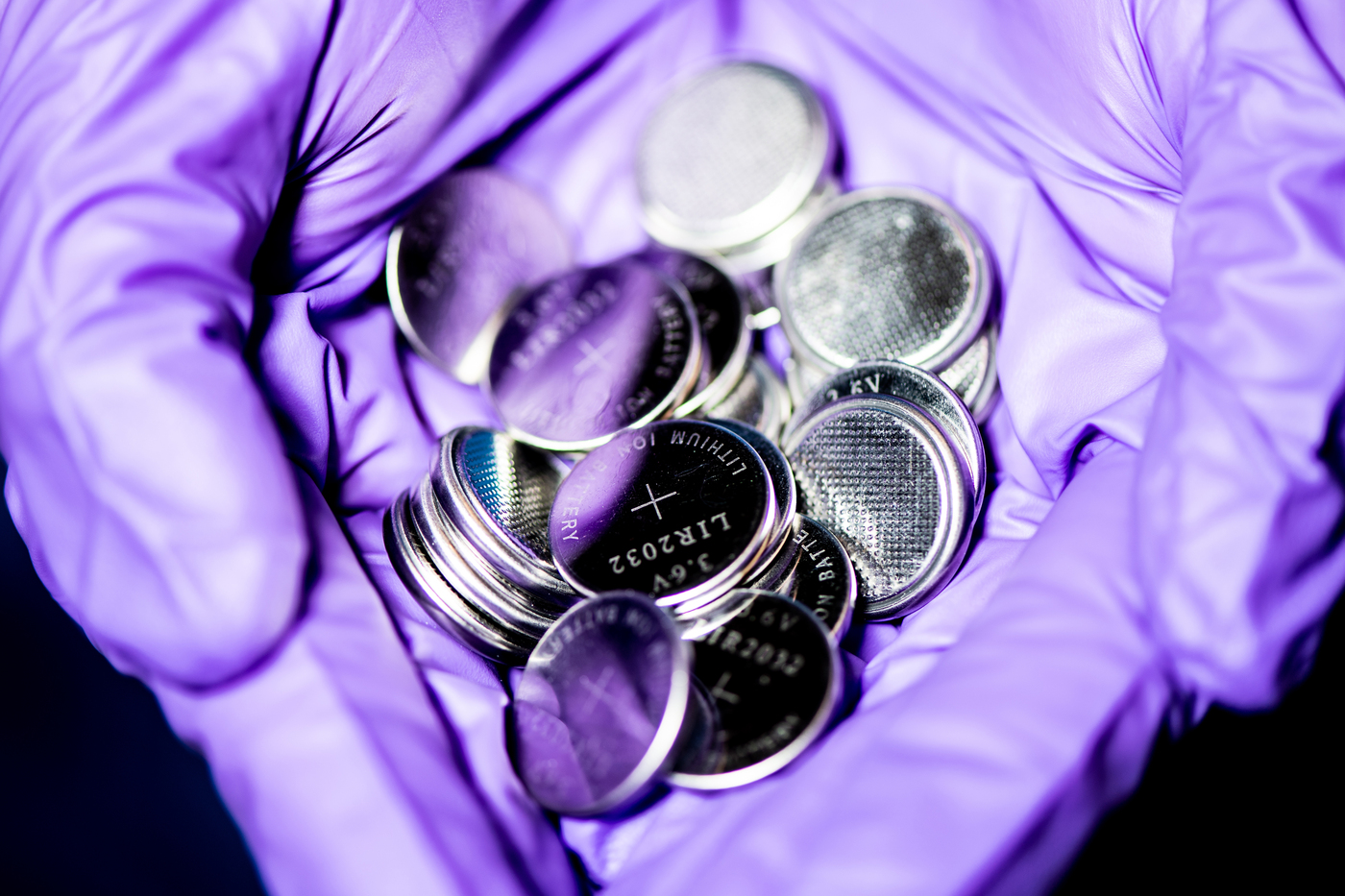
What goes on inside the battery of your iPhone?
Research conducted by Arun Bansil, university distinguished professor of physics, and other institutions, seeks to "see" how atomic and subatomic particles inside lithium-ion batteries behave.

When can we say that the COVID-19 pandemic is over?
The rapid decline in coronavirus infection rates in the U.S. might make it feel like the end of the pandemic is upon us. It’s not yet. But the point at which we do consider it over may be confusing—and personal. AP Photo/Kathy Willens
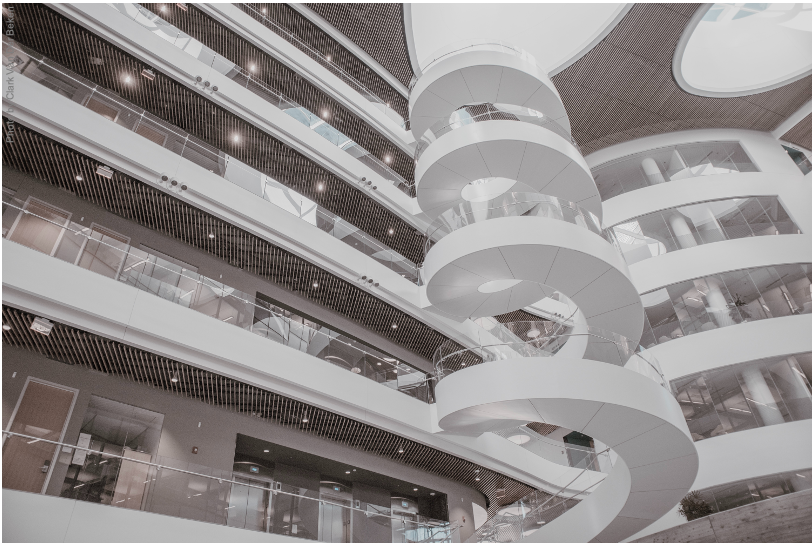
Solving Quantum Riddles: Dr. Sijia Dong is Using Machine-Learning to Overcome Challenges in Quantum Chemical Computation
Complex chemistry, Machine learning, and quantum mechanics are fields that take strong computers and a lot of time to understand. Dr. Sijia Dong is simplifying that process by uniting the three.
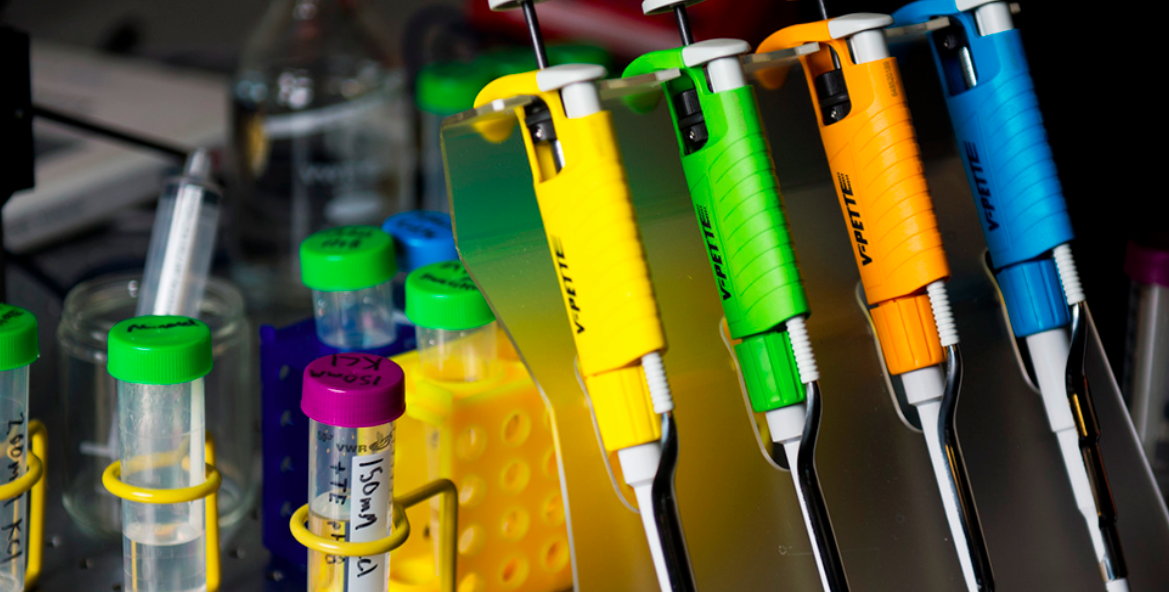
College of Science Connects: Research at the Frontier – Experimental Biological Physics
Hazel Sive, Dean of the College of Science, talks to Meni Wanunu, Associate Professor of Physics, on his expertise in experimental biological physics researching biosystems at the nanoscale. Dr. Wanunu’s lab is developing novel techniques that probe how small molecular changes affect the global properties of macromolecules and biomolecules.