COS News
Research

“The basic premise is that AI can help us do better physics, and something that is less expected is that physics can also help us understand AI better,” said Northeastern professor James Halverson.
AI and physics have more in common than you might think.
News
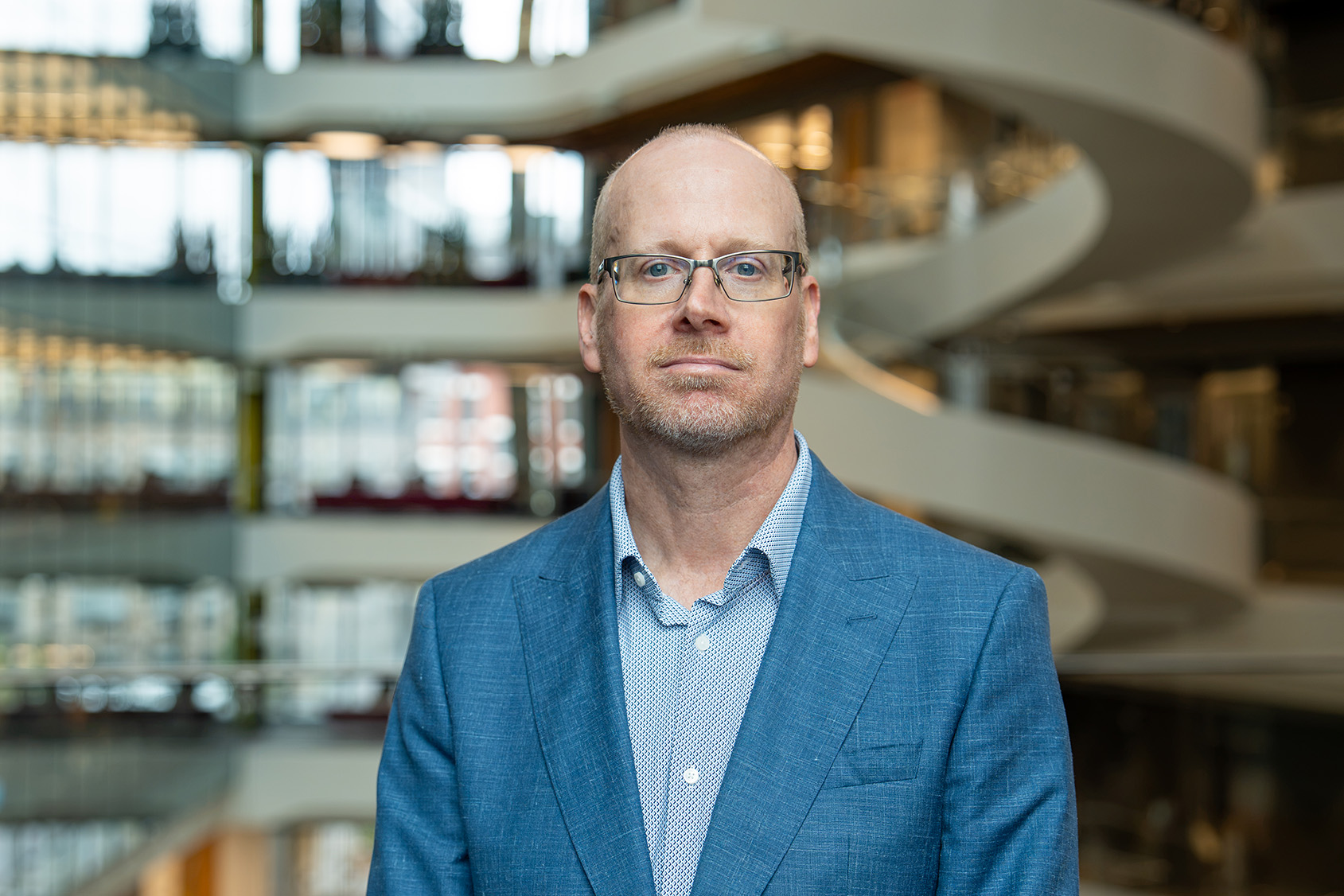
Mark Williams, Professor and Chair of the Department of Physics, will assume the role of Dean of the College of Science, effective July 1, 2026.
Mark C. Williams named Dean of the College of Science
Showing all results

Meet Neptune, the rare blue lobster donated to Northeastern’s Marine Science Center in Nahant
Research suggests only one in two million lobsters is blue, like this rare animal caught by a lobster boat captain and donated to Northeastern.
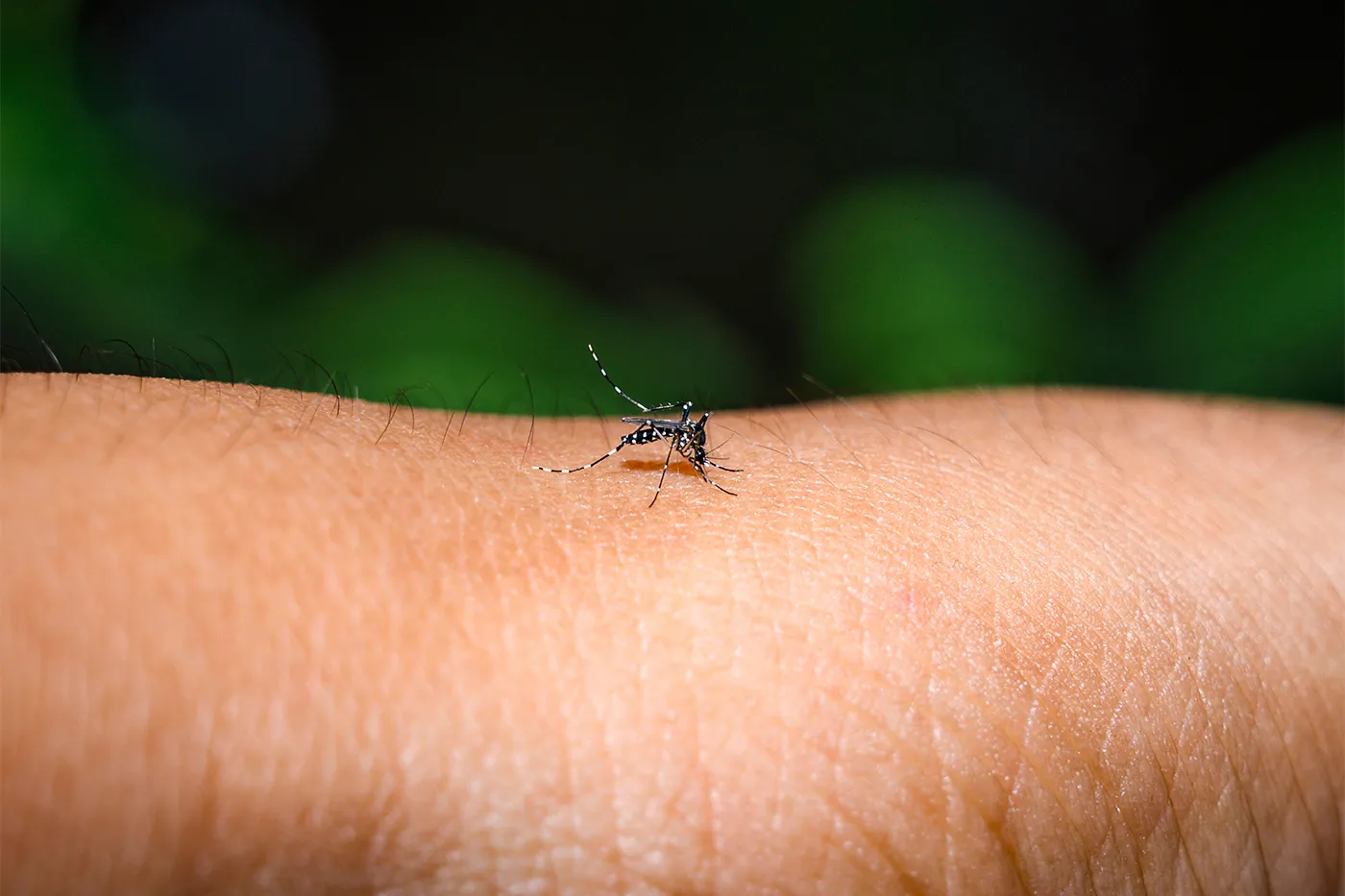
Researchers use machine learning to predict dengue fever with 80% accuracy
Northeastern University breakthrough gives public health officials a step up in preparing careworkers to handle spikes in the disease.
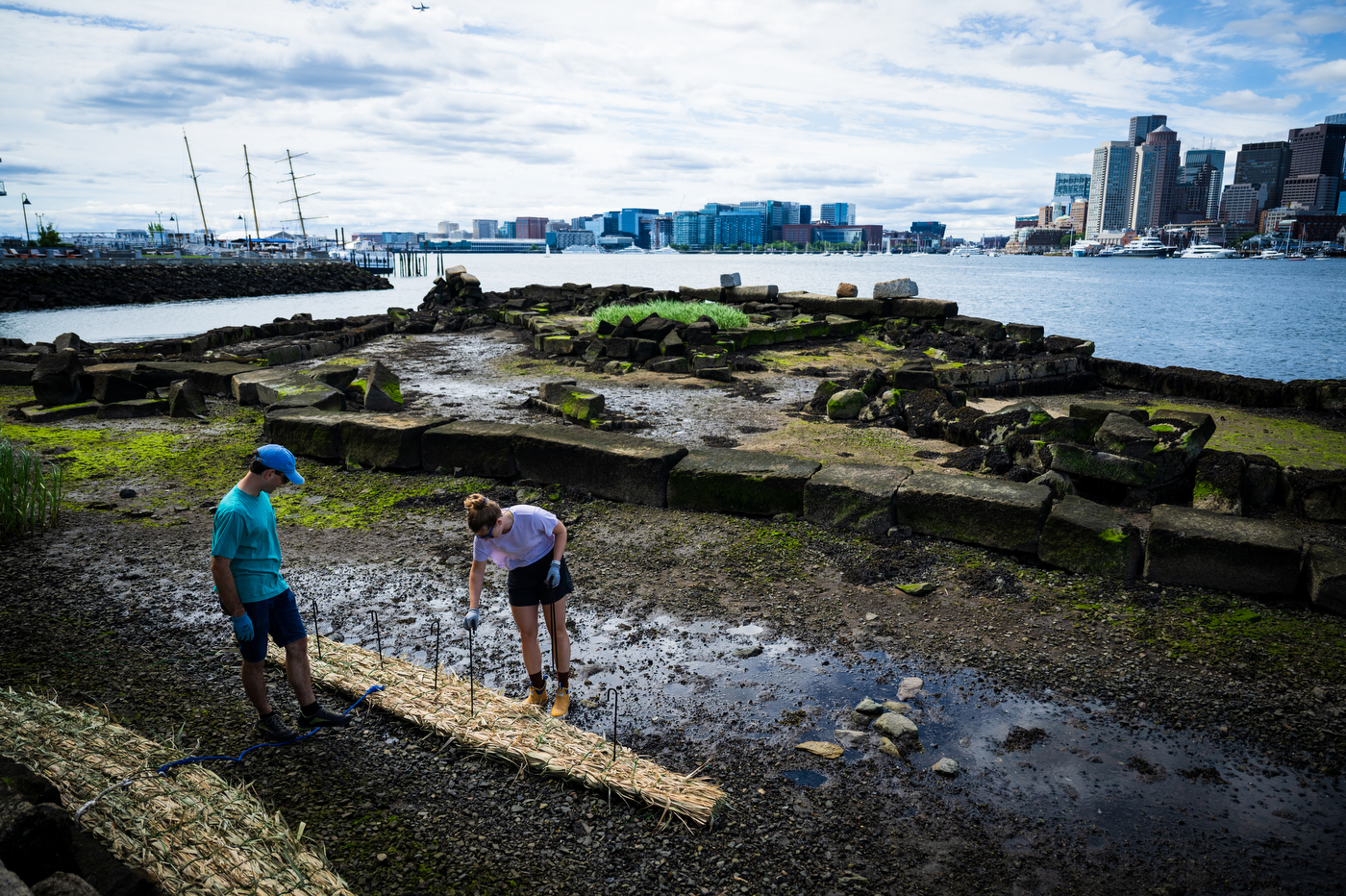
Using invasive wetland grasses, Northeastern grads adopt a green approach to stop erosion
Kayla Sklar and Anja Clark, Northeastern alumni, work with Emerald Tutu lead Gabriel Cira to grow native wetlands grasses on beds formed from invasive species.

What is a ‘black moon’ — and what makes it so rare? An astrophysicist breaks it all down.
A ‘black moon’ is not an official astronomical term, and it does not refer to anything unusual from a physical perspective, says Northeastern University astrophysicist Jonathan Blazek.
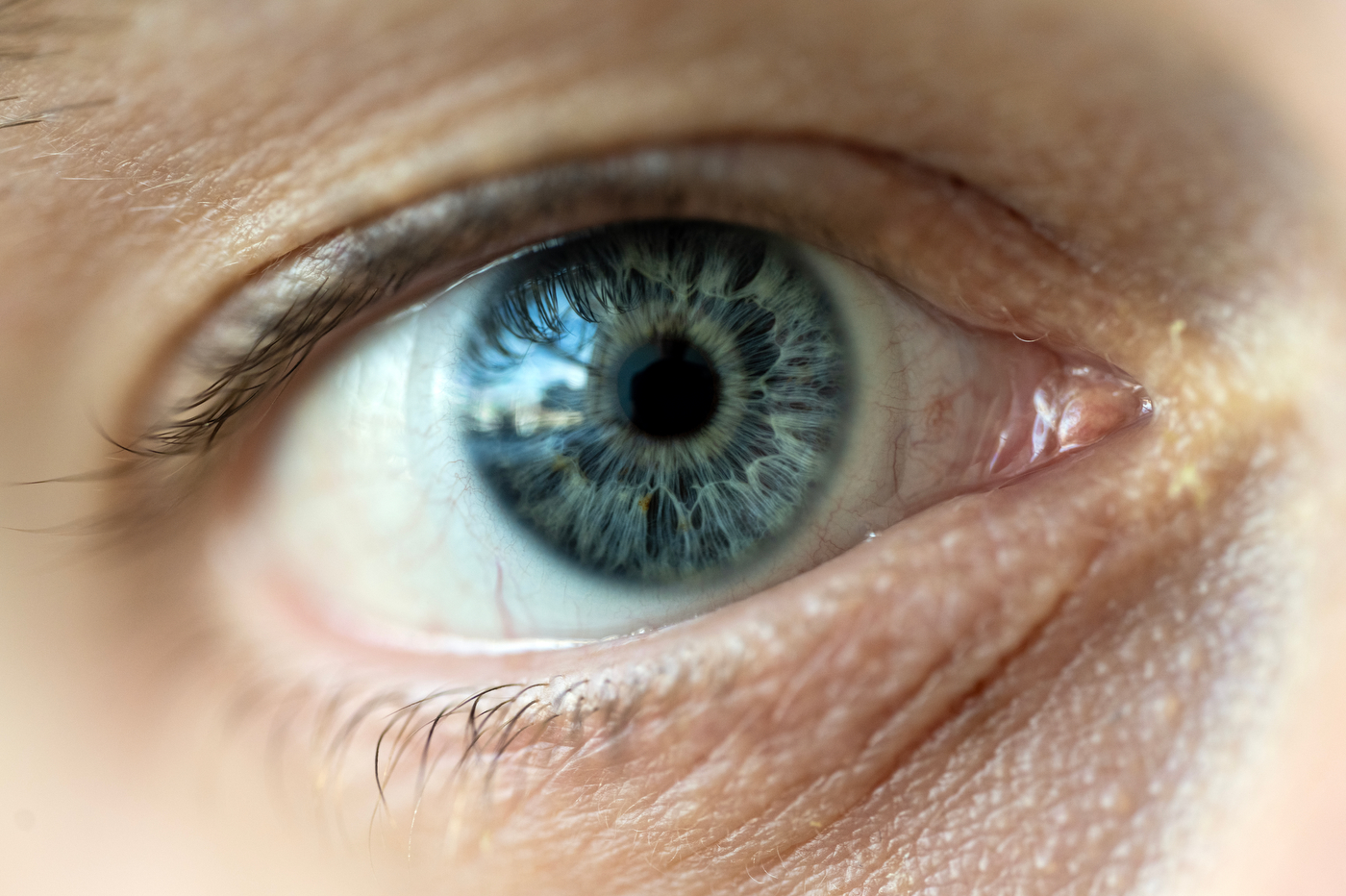
Millions of people have macular degeneration. Could this training model help restore their sight?
Psychology professor Aaron Seitz says training people on how to use their peripheral vision can compensate for central vision problems.

Scientists make major breakthrough that rewrites the understanding of plant evolution
Northeastern researchers led by Dr. Jing-Ke Weng trace the evolutionary history of moonseed, capable of a chemical reaction previously thought to be impossible for plants. What they found could have implications for designing new drugs.
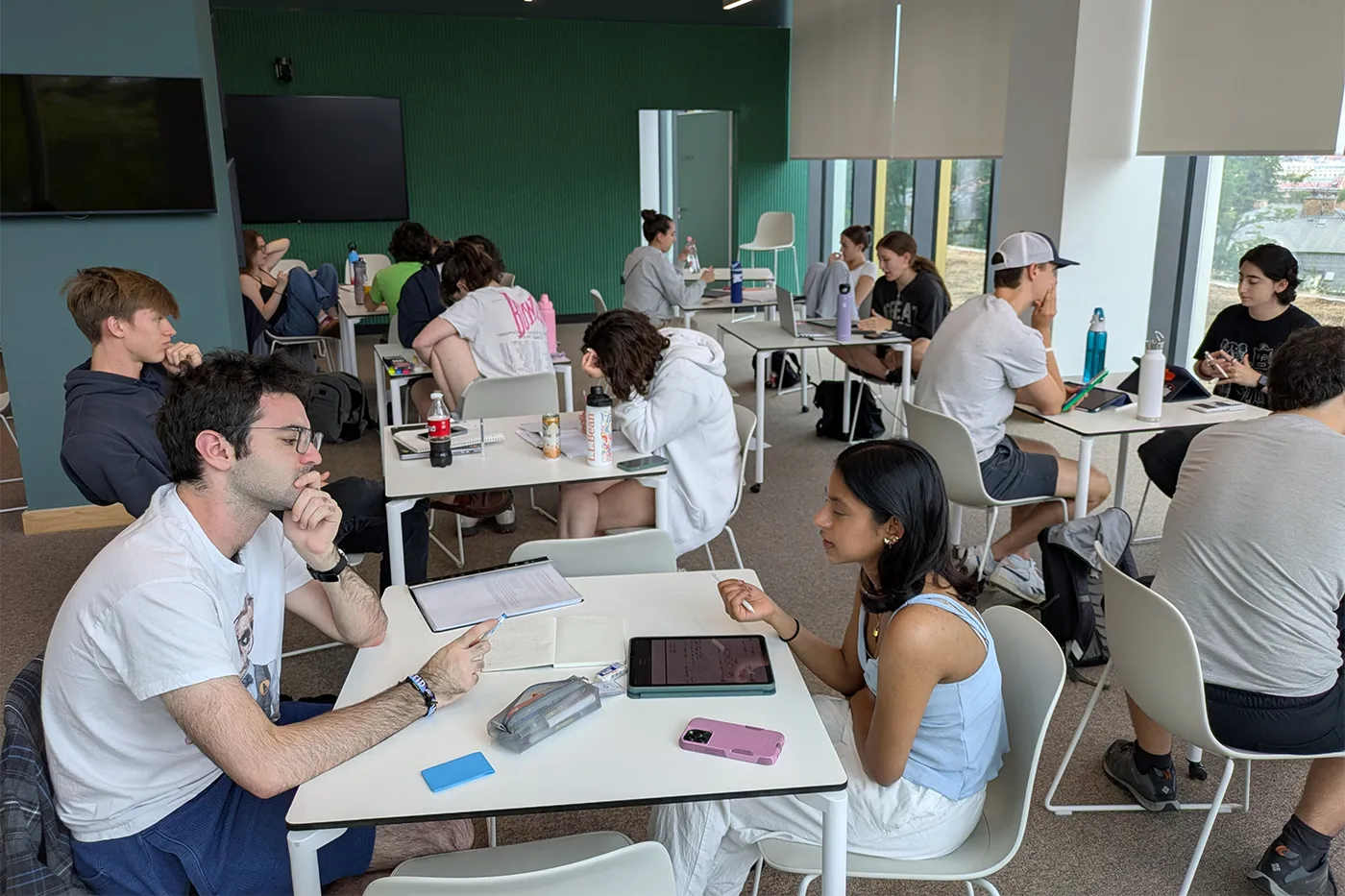
Northeastern students tackle math challenges in Budapest with problem-solving skills
During the Dialogue of Civilizations in Budapest, Hungary, led by professor Gabor Lippner, students work on problems that look nothing like typical mathematical exercises.
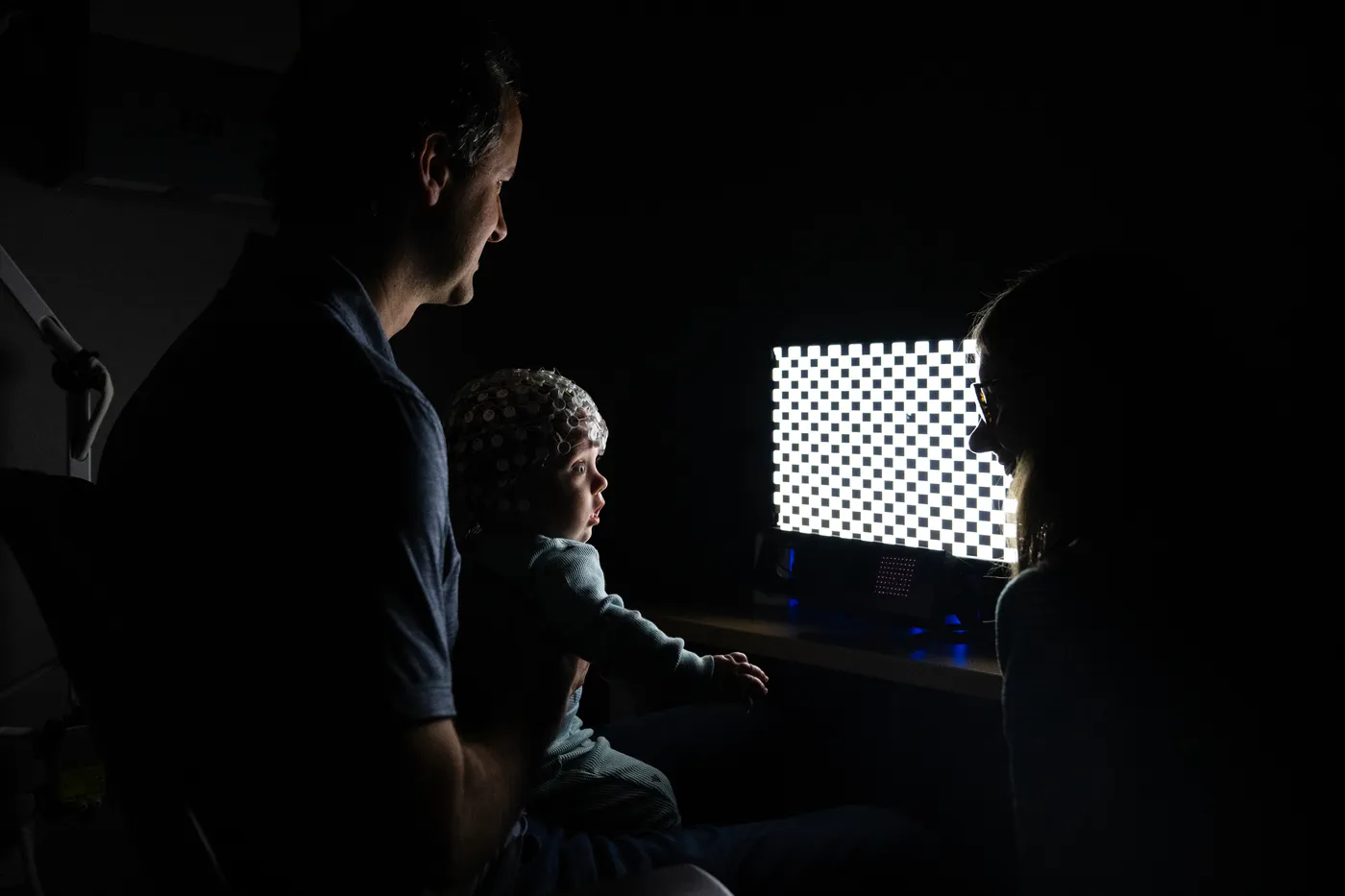
Northeastern research finds infant anesthesia may speed up brain development
Northeastern research from Assistant Professor Laurel Gabard-Durnam finds babies exposed to general anesthesia in very early infancy showed accelerated brain development.

What are phthalates and should you avoid them?
A lot of personal care products are advertising themselves as phthalate-free. Associate Professor Leila Deravi explains what this means.
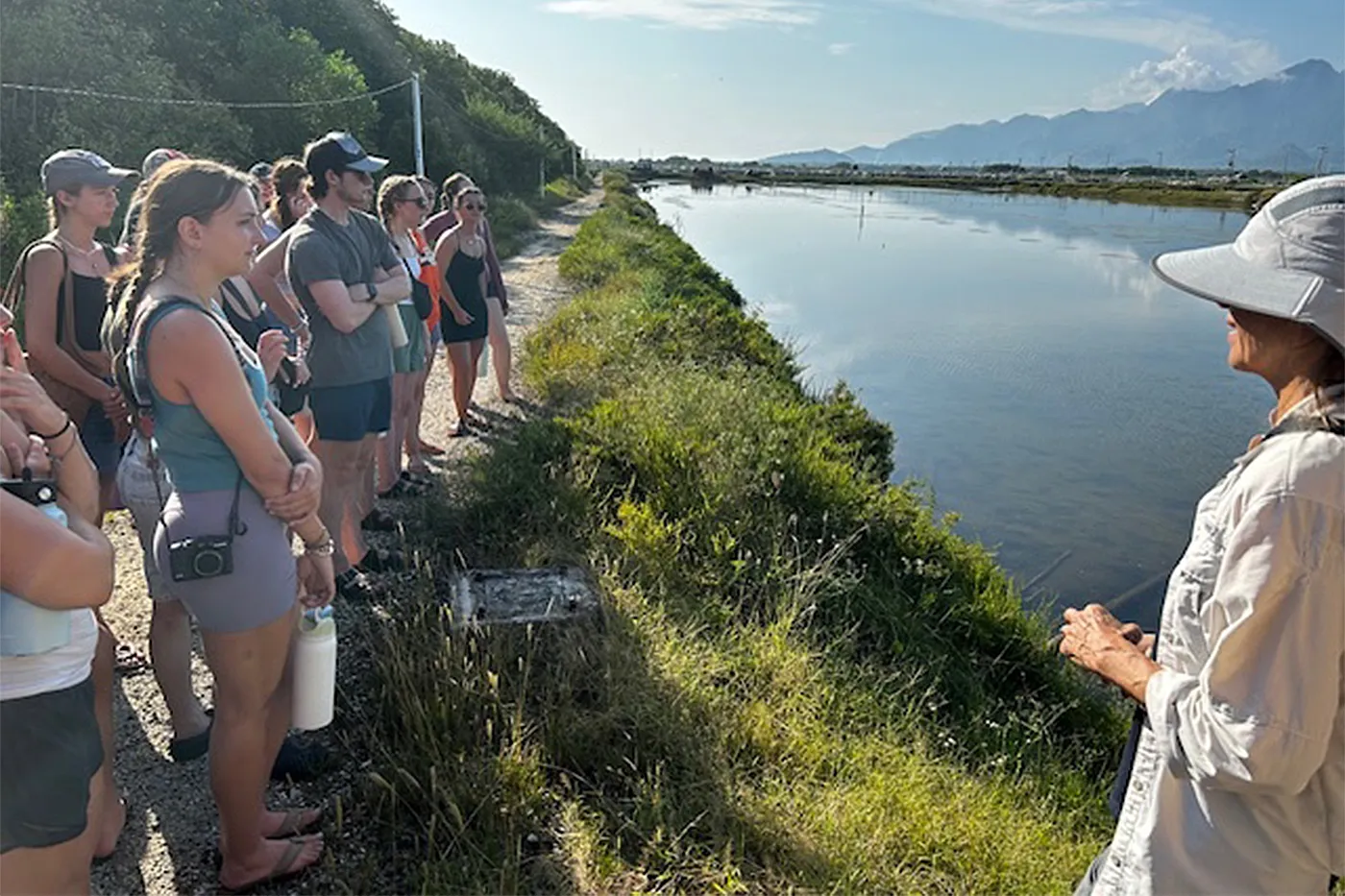
In Bali, Northeastern students see resilience and innovation at the heart of climate change adaptation
Students studied the unequal ways that climate change is effecting island nations like Bali, one of more than 17,000 islands in Indonesia’s archipelago.

What if sensors could spot plant stress in real time? These Northeastern researchers made it happen
Researchers at the Kostas Research Institute in Burlington developed sensors that will change color to indicate issues with a plant’s health.
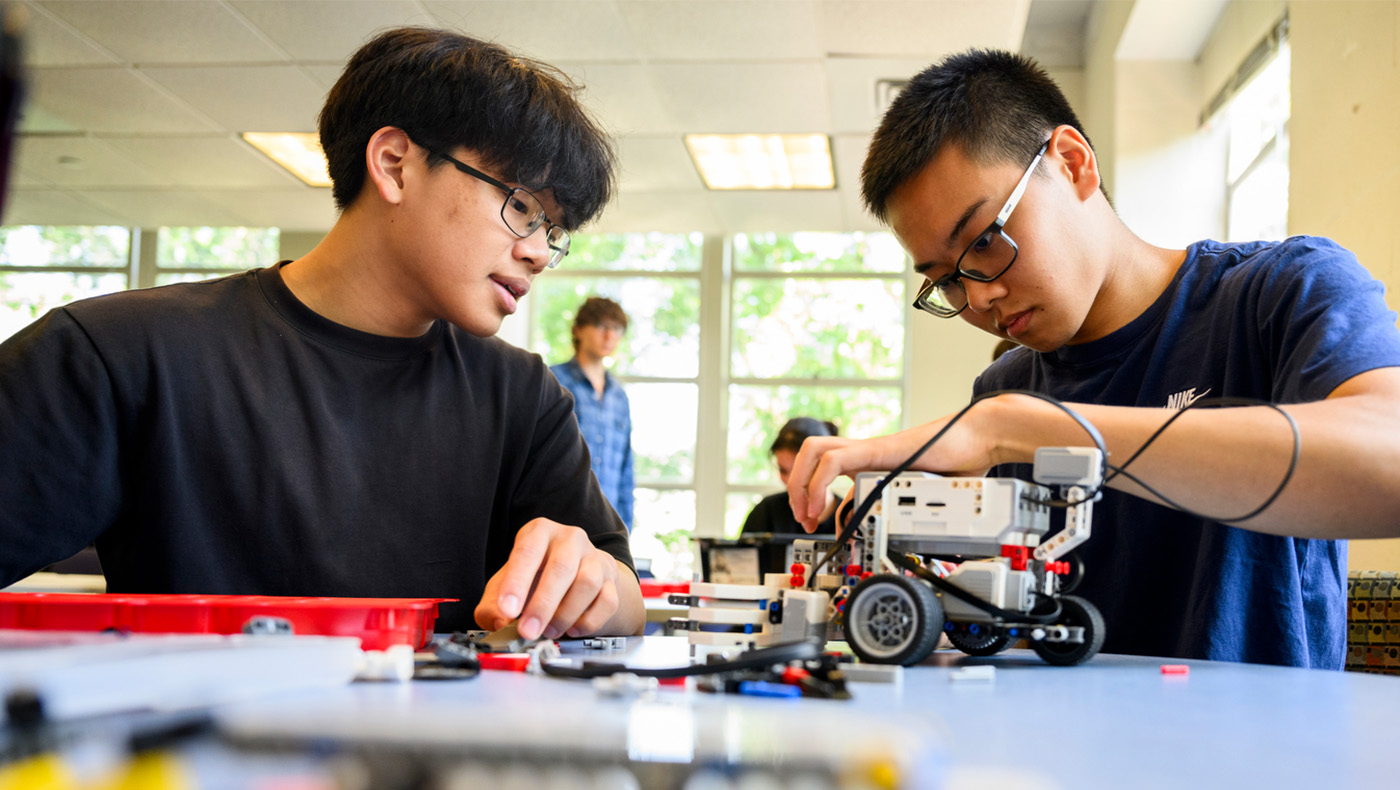
From Lego robots to forensic analysis, Northeastern gives Boston high school students a crash course in calculus and STEM
The Bridge to Calculus Program has been a smashing success, and over the past few years it has expanded. It now offers courses in physics, biology, chemistry and more.