Belonging and Engagement
In the Northeastern University College of Science, we embrace a culture of respect and belonging, where each person is valued and empowered with opportunities and resources that support their education and career. We commit to supporting a community across the demographic of society, where everyone belongs.
The College of Science supports a culture where each person feels they belong, regardless of race, color, religion, religious creed, genetic information, sex, gender, gender identity, sexual orientation, age, national origin, ancestry, veteran or disability status. We celebrate the diversity of our community, and we seek to create a space where everyone belongs to further excellence. We commit to being a College where members act with respect, trust, collaboration, and communication, and where inappropriate behavior is reported and acted on without fear of retaliation.
We are diverse College where everyone belongs.
- Cultivate a Culture of Respect and Collaboration
- Build a College that is Representative of Society
- Foster a Connected Community
Join INVEST! A new Junior Faculty Program
Faculty positions—postdoc not required
Our innovative INVEST program is a new approach to faculty hiring. If you are completing your PhD or at an early stage of your postdoctoral training, you may be interested in this accelerated pathway to tenure-track faculty appointments.
COS Facts and Figures
80%
of faculty, staff, and student respondents
in the COS collegewide survey reported they felt respected by colleagues and peers
16
COS faculty, staff, and students
trained in Mental Health First Aid in Fall 2020
25+
years of commitment
from the Department of Mathematics who sponsor the Bridge to Calculus Program for Boston Public Schools.
20+
student organizations in the College of Science
85%
of student respondents
to the COS collegewide survey reported feeling included in discussions and activities in the classroom
80%
of COS members
who responded to the COS collegewide survey agree that our community is accepting of different ideas
12
student representatives
on the Belonging and Engagement Committee
Find available resources and support for the COS Community
Bridge to Science
Bridge to Science
(Biology, Chemistry and Chemical Biology, Mathematics, and Physics)
Bridge to Science at Northeastern University is a transformative initiative that expands interest in and access to science education for Boston Public Schools (BPS) students. By equipping students with analytical thinking, problem-solving skills, and hands-on experiences in mathematics, chemistry, physics, and biology, the program removes barriers to science learning. Building on the success of Bridge to Calculus, Bridge to Science integrates engaging science curricula to create an engaging framework for exploration, mentorship, and professional development. With support from BPS teachers, Northeastern faculty, and student mentors, the program strengthens college readiness, builds confidence in scientific discovery, and prepares students for science-focused education and careers.
BEACHES
BEACHES: Bridging Each Applicants Chances for Higher Education Success
(Marine and Environmental Sciences)
Despite improvements in gender diversity in the geosciences in the last 40 years, ethnic and racial diversity has remained stagnant at the PhD level. Thus, efforts to increase diversity at the undergraduate level have not translated to the graduate level; additional programs are needed that specifically target the transition from undergraduate to graduate school. The BEACHES bridge workshop invites underrepresented minority and first-generation college students who are interested in graduate programs in marine and environmental science to spend three days at Northeastern, where we discuss career opportunities requiring graduate degrees in these fields, work with students to hone their graduate school applications, and prepare them for the application process. In the process, we pair participants with both faculty and peer mentors involved in the program. Because a single mentor is unlikely to meet all of a students’ needs, establishing these tiered mentoring networks is critical to continued student success. The goals of BEACHES are to increase the likelihood that students who participate in the program will apply to graduate school, and to enhance the probability that they will be accepted into a graduate program. We anticipate that a small portion of BEACHES students will apply to and attend Northeastern University for their graduate degrees, helping to increase representation in our graduate programs.
NU-SCI
NU-SCI: Northeastern University Skills and Capacity for Inclusion
(Biology and Chemistry and Chemical Biology)
Chemistry professor Mary Jo Ondrechen and Biology professor Wendy Smith are leading the Northeastern University Skills and Capacity for Inclusion (NU-SCI) project that focuses on training faculty on inclusive teaching and mentoring skills to include non-traditional students in the science majors and in the process of scientific discovery. Funded by the Howard Hughes Medical Institute (HHMI), NU-SCI aims to increase interest and success in the sciences for students who are underrepresented on the basis of their race/ethnicity as well as first-generation college students, using Northeastern’s renowned experiential learning approach as an educational foundation to the program. The project holds teaching circles to further faculty education, promotes course design and content to create a more inclusive environment, develops strategies for more effective instruction and mentoring of nontraditional students, and offers monthly gatherings for students in the Foundation Year Program that welcome, engage, and foster the success of nontraditional students. “First-generation students and Black, Indigenous, students of color are underrepresented in our science majors and we need to do a better job of including the whole talent pool,” said Ondrechen. “Improvements in curricula and in teaching and mentoring practices will create a better learning experience for all students.” Northeastern joins 23 other institutions across the country who were funded by the first round of HHMI’s 2017 Inclusive Excellence Initiative—a program aimed at helping increase capacity of colleges and universities to effectively engage all students so they can be successful in science, especially non-traditional students and undergraduates who enter four year institutions through nontraditional pathways.
Want to contribute to the COS culture of respect?
Send us your suggestions and ideas.
Recent News
-
News
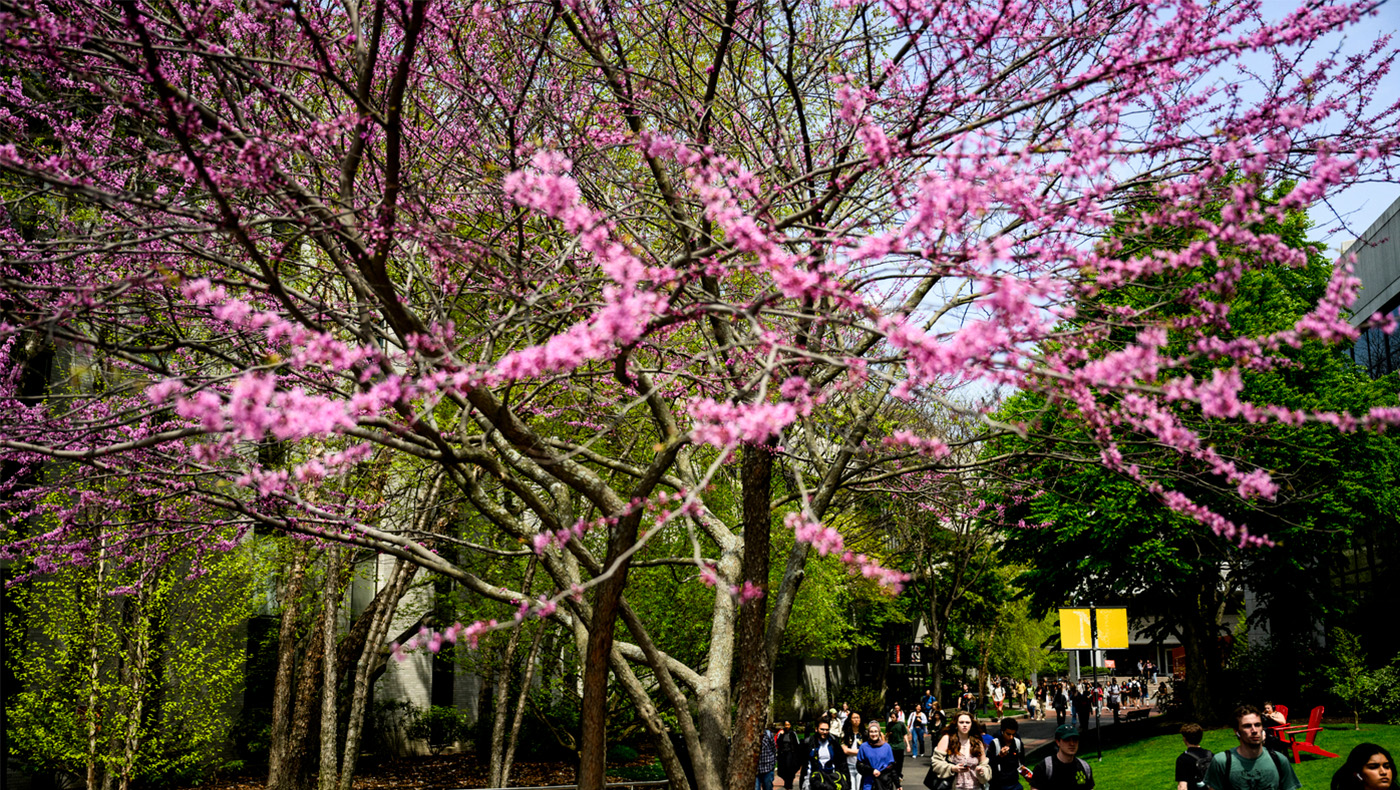
Meet the 2024 Advancing Women in Science Scholars
The Advancing Women in Science Scholarship (AWS) demonstrates the commitment of the College of Science to increase the representation and advancement of women in science majors and careers. Eligible candidates include full-time undergraduate women enrolled in the college. As part of the Advancing Women in Science community, scholarship recipients participate in quarterly meetings with a cohort of fellow awardees focused on professional development and mentoring skills. -
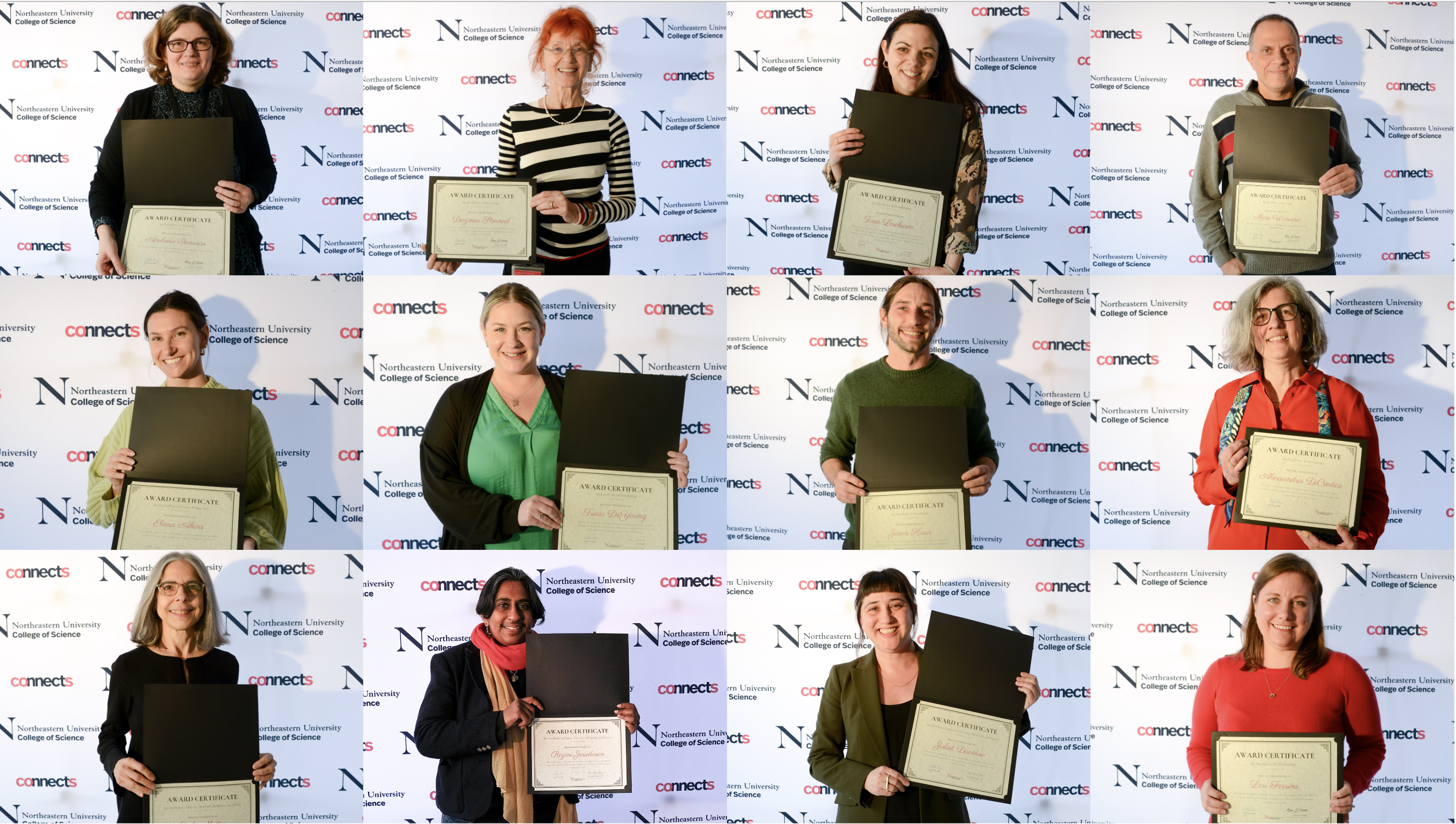
Celebrating College of Science Faculty and Staff Excellence
The College of Science Awards was celebrated on April 27, 2023. Faculty and Staff were recognized for their dedication to the growth and overall success of the college. -
Research
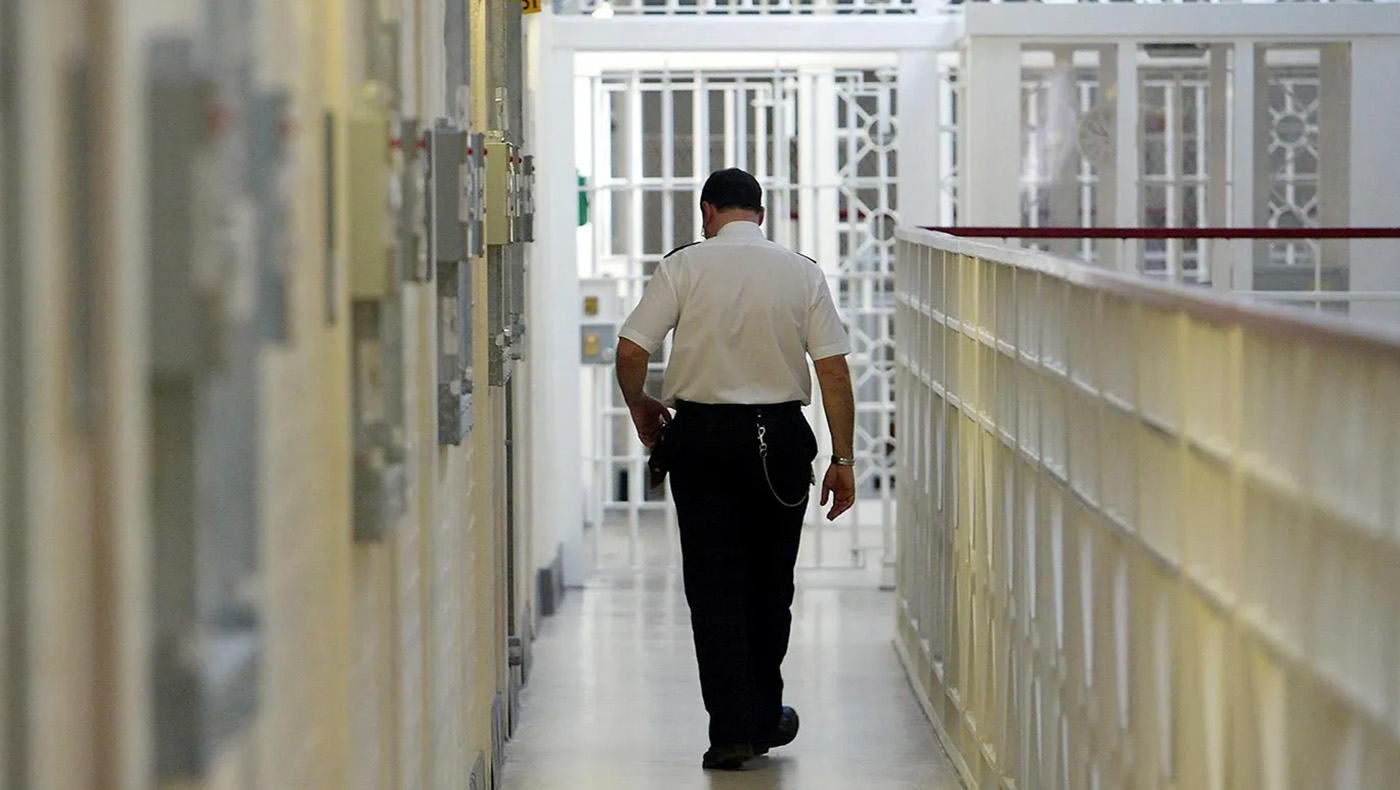
COVID-19 prison releases exposed inequities
In the decade leading up to 2020, racial inequity in U.S. incarceration was trending down––until the COVID-19 pandemic hit. -
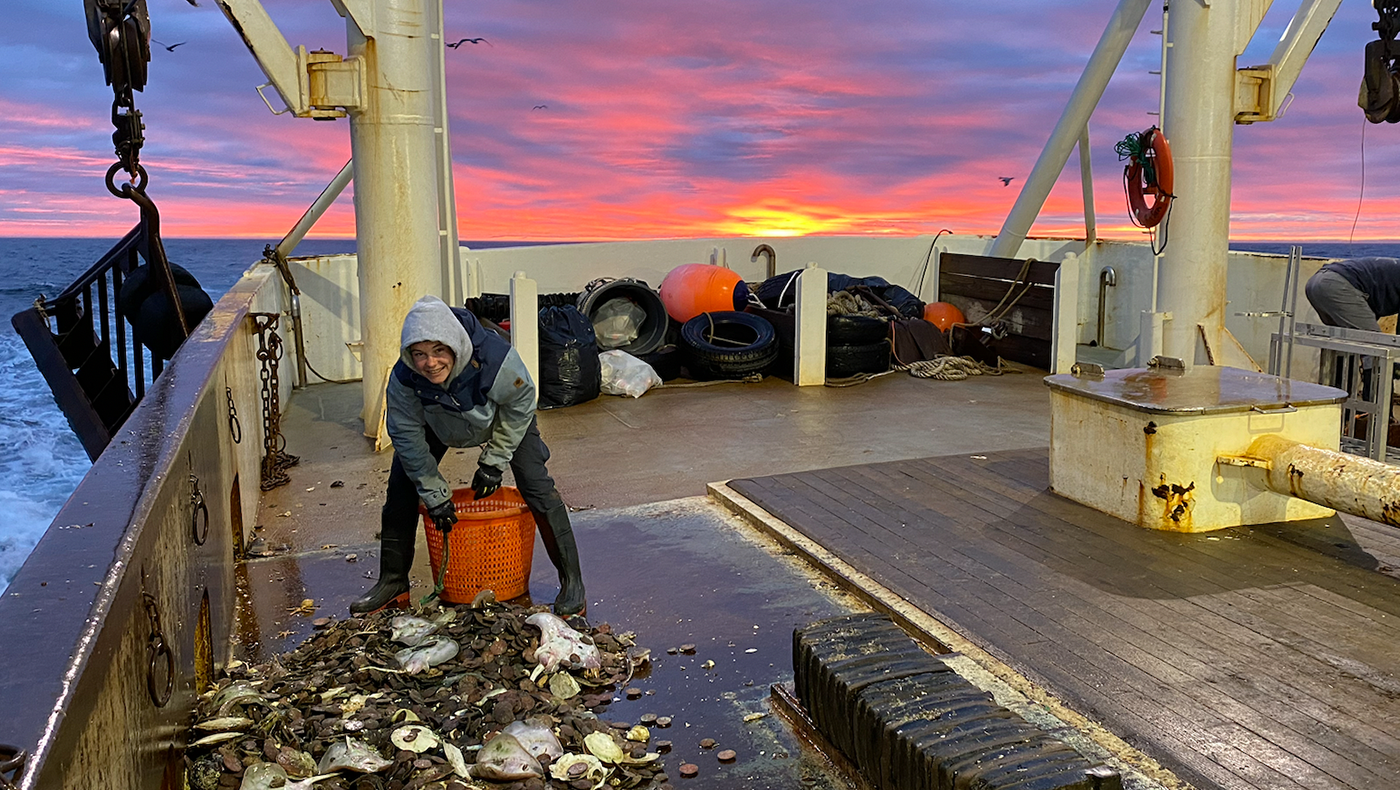
#YouAreWelcomeHere – A Safe Space For All
The You Are Welcome Here (YAWH) campaign is an initiative to display acceptance and support for LGBTQIA+ members of the Marine and Environmental Sciences (MES) community. -
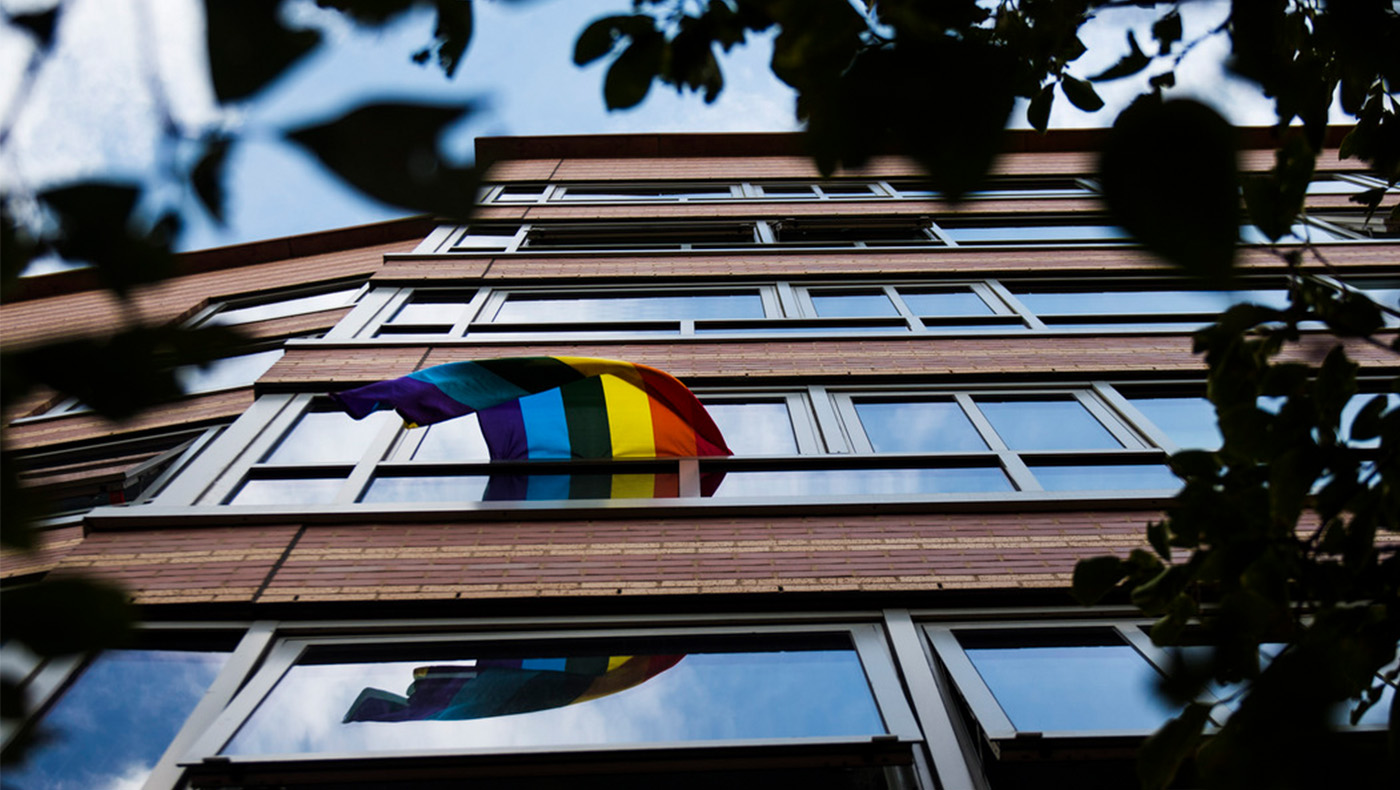
Celebrate LGBTQIA+ People in STEM Day and Transgender Awareness Week with a Q&A
Last Friday, November 18th, was LGBTQIA+ People in STEM Day, leading to this week’s celebration of Transgender Awareness Week. We sat down with four COS members within the LGBTQIA+ People in STEM community, Naomi Trevino, Jasmyn Genchev, Savannah Swinea, and Dylan Titmuss, for a Q&A on their experience, inspirations, and resources for members of the LGBTQIA+ community in and out of the classroom.