A new La Niña has developed this fall and will persist into winter, according to federal weather forecasters.
What this will mean for snowy and stormy conditions varies by region, says Northeastern University professor Samuel Munoz.
“During La Niña winters, the western U.S. and upper Midwest tend to be cooler and wetter than average,” he says. “The southeastern U.S. tends to be drier and warmer than average.”
The National Weather Service’s Climate Prediction Center says La Niña conditions emerged in September and are likely to extend through December and into February.
This could mean good news for skiers in some parts of the U.S., with the emphasis on “could.”
Read more at Northeastern Global News
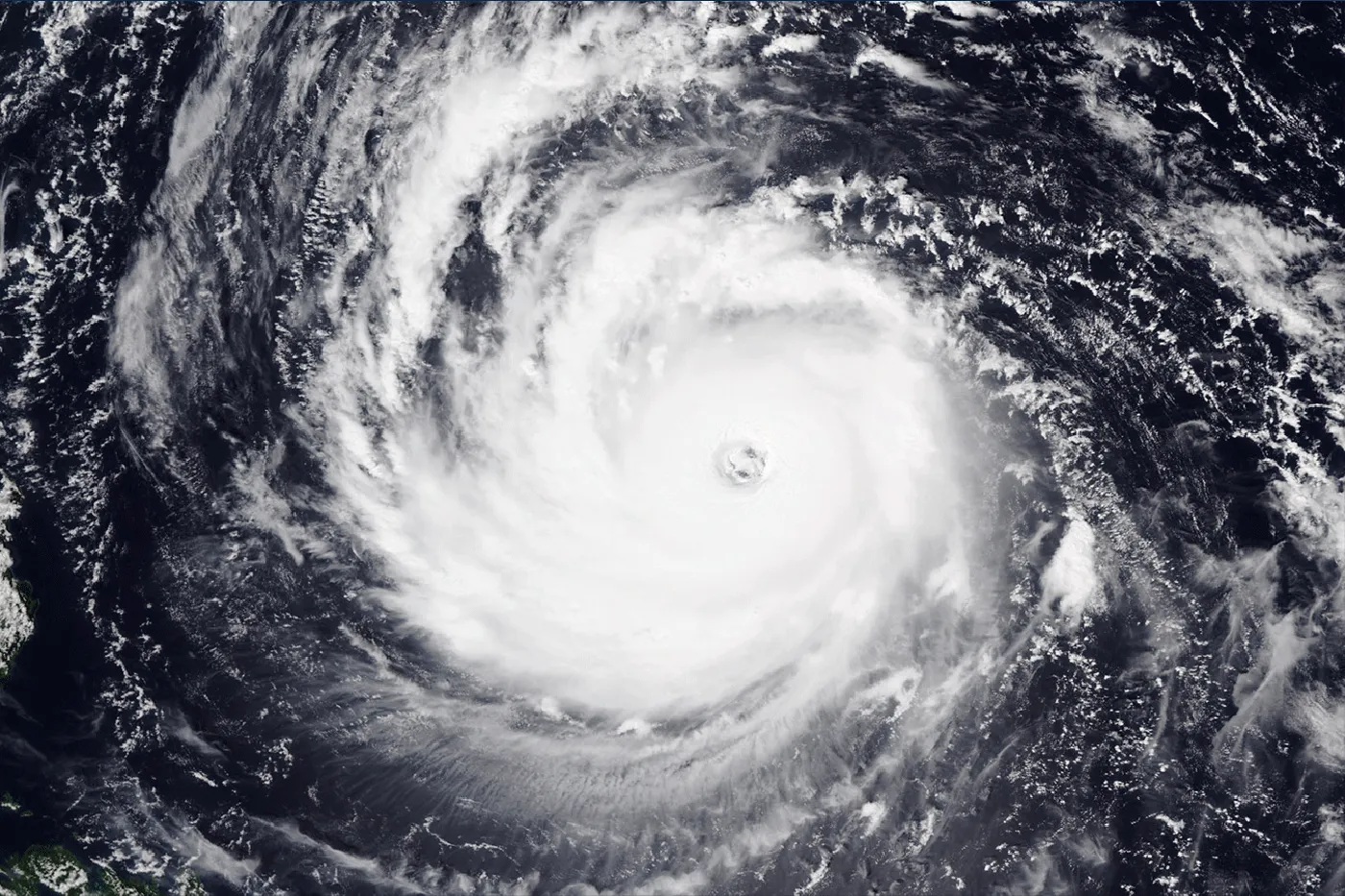
Photo by AOML Communications to Oceans Influence on Climate & Weather, Physical Oceanography/ NOAA