Some broadly required reading might be The Long Way to a Small Angry Planet, (a pointer from my daughter). There would need to be an abridged version for children, but that’s easy and they would love it. According to the Guardian, the book is “a quietly profound, humane tour de force that tackles politics and gender issues with refreshing optimism”. It’s a view of the future that gives wide perspective, in context of the myriad species that it turns out live all over our galaxy. There is the Galactic Commons, the overarching governing body, bringing together species who need to work together. Each species has achieved space travel, there is lots of high tech or lower-cobbled-together tech, many cultures, divergent biology, and variable temperaments. The Aeluons may be the top species: sophisticated and attractive (of the slinky lizard type). Humans are in the mix, known for destroying their planet, needing to move elsewhere (Mars, for example), and contributing to galactic upkeep by boring wormhole tunnels across time and space. There is concerted education around respect for cultural differences and languages across species, acknowledged as essential to maintain peace. There is the question of whether AIs have species-hood. And there is the profound point across all, that friendship, respect, support and even love across species is what counts, and what carries everyone through some really turbulent times.
The Long Way echoes who we are as a college, with a culture of respect and support, where everyone is valued for their contribution, and everyone belongs. We may not work across species, but we certainly work across cultures and identities. Northeastern University College of Science membership includes thousands of wonderful students to whose success we are committed. We need to pay attention that every student is recognized and knows they count. Every COS educator or student-facing staff member has the important opportunity to recognize and encourage every student. This is ‘inclusive teaching’: with the key elements being resources that every student can access, and where every student is recognized as an important participant. As an educator, where many of your students come from different countries, cultures or ethnicities, and have different abilities, you may feel uncomfortable trying to connect with each. If that sounds like you, I’d urge you to take part in an inclusive teaching workshop in your department, or at Northeastern, or explore online resources. Your students will be more successful when you recognize and encourage each individual person you teach.
In our Community Meeting on Monday, you shared concerns and some great ideas. Listening sessions are a way we can support our strong COS Community, and Associate Dean Tara Duffy will apprise you of opportunities. In a series of meetings this week Associate Dean Erin Cram and I listened and discussed with faculty members possible changes to research grants.
Our work building the Good Power of Science is of ever greater importance. Teaching Boston Public School students that science is awesome and will open a vast set of careers for them as members of the workforce. Educating the next generation of exceptional health professionals, researchers, educators, professors, leaders in biopharma, lawyers, and so much more across our Global University. Focusing on our crucial research in the College of Science, across disciplines and the world, to develop new cures, new energy sources, new ways to heal our planet, new ways even, to travel across the galaxy. Thank you for building the Good Power of Science. Thank you for belonging to our Northeastern University College of Science Community.
Required Reading
Recent Events
-
Oct 19
-
Oct 20Marine and Environmental Sciences
MES Seminar: Dr. Melissa Cronin, University of Massachusetts at Dartmouth
October 20, 2026, 12:00 pm -
Oct 21Chemistry and Chemical Biology
CCB Colloquium Series: Dr. Douglas Weibel, University of Wisconsin–Madison
October 21, 2026, 12:00 pm -
Oct 26
Recent Articles
-
News
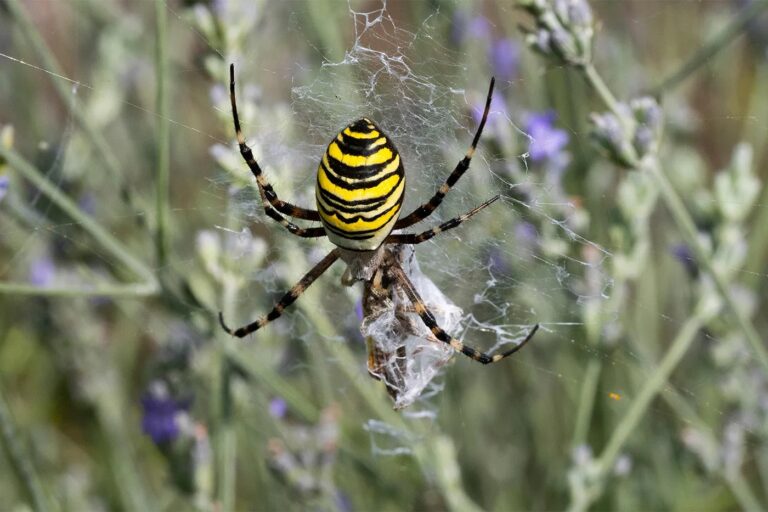
A spider in disguise puts the travel habits of wildlife in the spotlight
Wendy the wasp spider has turned up in a new neighborhood in northern England. Northeastern experts explain what sends animals packing, how climate change factors in and why newcomers don’t always get a warm welcome. -
Co-op
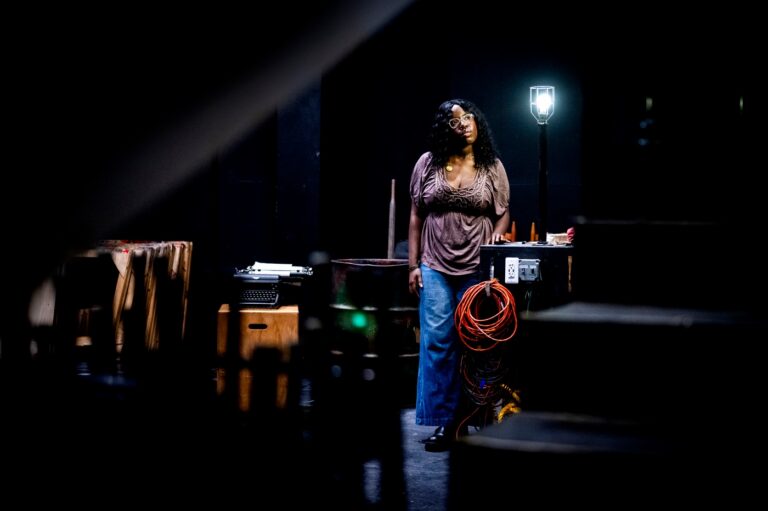
The student combining theater and psychology to support homeless youth in the Bay Area
While the arts alone cannot solve homelessness, Northeastern student Rachel Oppong said they provide a place for people to be seen as more than their circumstances. -
News
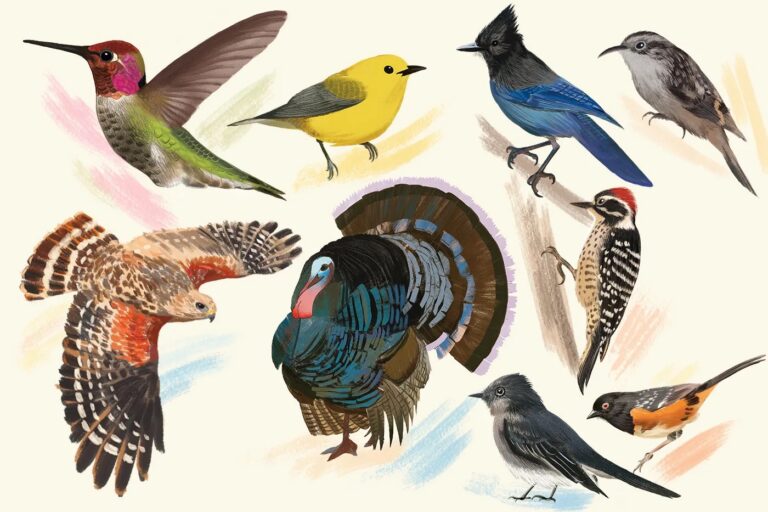
The sights and sounds of Northeastern Oakland’s resident bird species
Learn about 10 of the most unique bird species on Northeastern’s Oakland campus and listen to the songs that make up its natural soundtrack. -
News
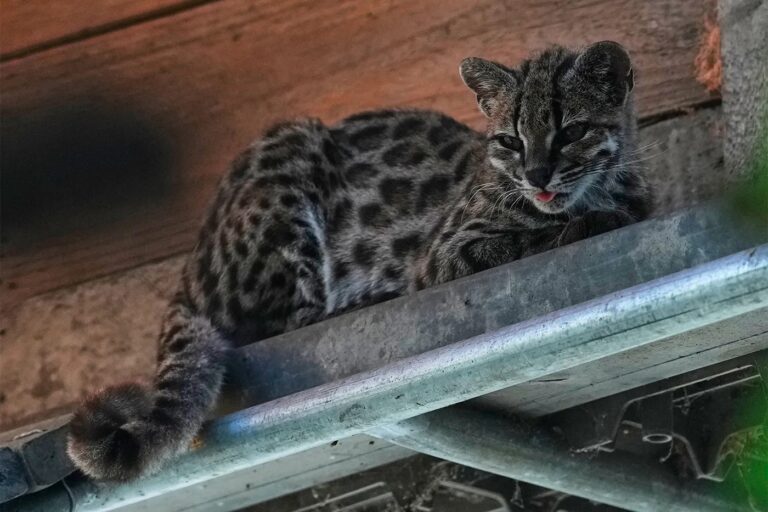
This cat is new to science. What does it take to identify a species?
A miniature leopard look-alike with no interest in domestic life helped put a new wild cat species on the scientific map. The tilcayo’s story offers a glimpse into how species are discovered and protected. -
Co-op
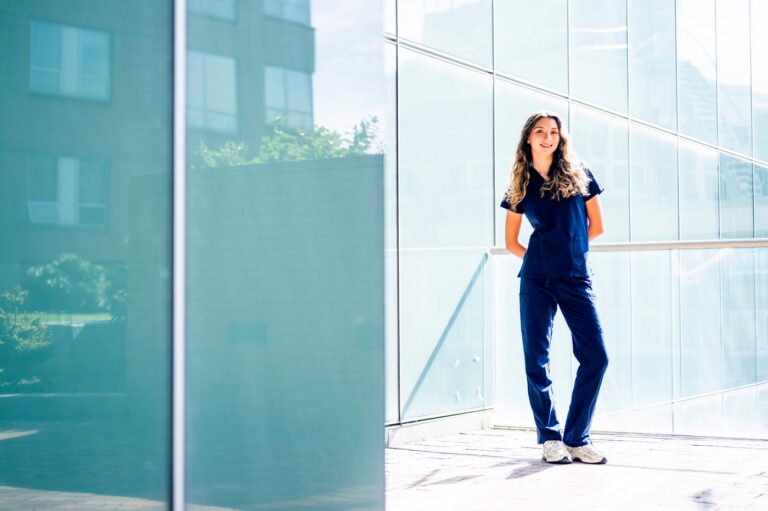
A grandfather’s struggle leads Northeastern student to a co-op studying neurodegenerative prion disease.
Sophie “Sofi” Gandsas helped coordinate three studies of neurodegenerative prion disease at Massachusetts General Hospital during her co-op. -
Research
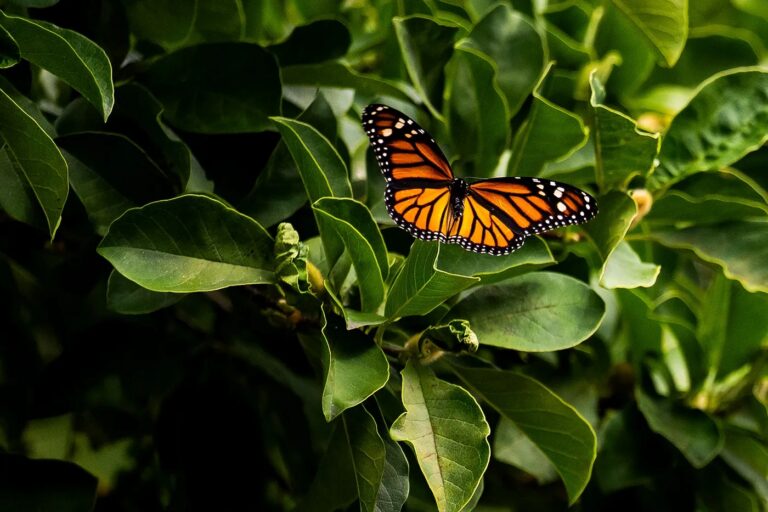
Monarch butterflies face possible extinction without more care to preserve their habitats
America’s favorite bug is fluttering to Mexico for the winter -
News
College of Science welcomes new faculty
We are delighted to welcome our newest faculty members with primary appointments in the College of Science. This exceptional group of scholars and educators spans our campuses across the university system, including Boston, Burlington, New York City, and Oakland, and brings deep expertise across the natural, mathematical, and behavioral sciences, along with a shared commitment... -
Research
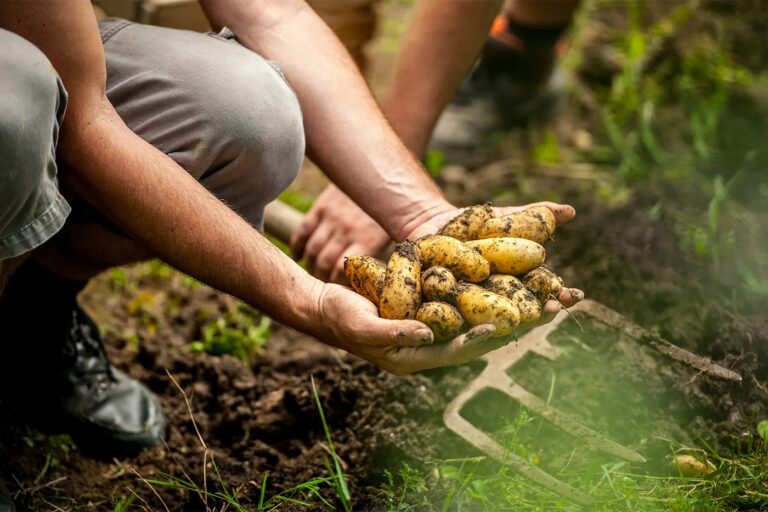
Scientists dig into the potato’s potential to fight gut inflammation
There’s more beneath the skin of a potato than starch. A Northeastern researcher is studying whether a tiny peptide derived from it could offer a new way to treat Crohn’s disease and ulcerative colitis. -
News
“Super” El Niño will bring topsy-turvy weather to much of the globe
Weather anomaly could be mightiest on record.
Sign up for CONNECTS.
The College of Science newsletter delivered straight to your inbox.
"*" indicates required fields