COS News
Research
“The basic premise is that AI can help us do better physics, and something that is less expected is that physics can also help us understand AI better,” said Northeastern professor James Halverson.
AI and physics have more in common than you might think.
News
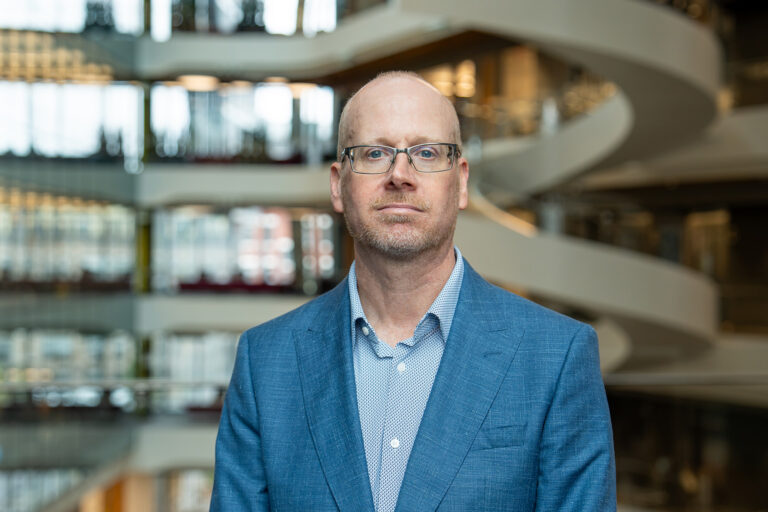
Mark Williams, Professor and Chair of the Department of Physics, will assume the role of Dean of the College of Science, effective July 1, 2026.
Mark C. Williams named Dean of the College of Science
Showing 250 results in Physics

Announcing the 2024 TIER 1 Award Recipients
Twenty-nine interdisciplinary teams—ten include College of Science faculty members—have been selected to receive 2024 TIER 1 Awards, three of which are Mentored Awards. The TIER 1 Seed Grant/Proof of Concept Awards Program is supported by the colleges and the Senior Vice Provost for Research. This competitive program encourages individual faculty members to form multidisciplinary teams...
Northeastern researchers pull back the quantum curtain
Northeastern researchers have made what they describe as a groundbreaking discovery in the field of quantum mechanics.
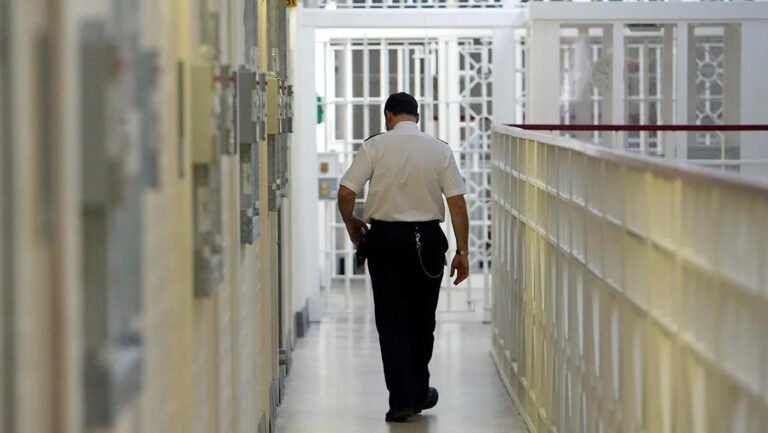
COVID-19 prison releases exposed inequities
In the decade leading up to 2020, racial inequity in U.S. incarceration was trending down––until the COVID-19 pandemic hit.
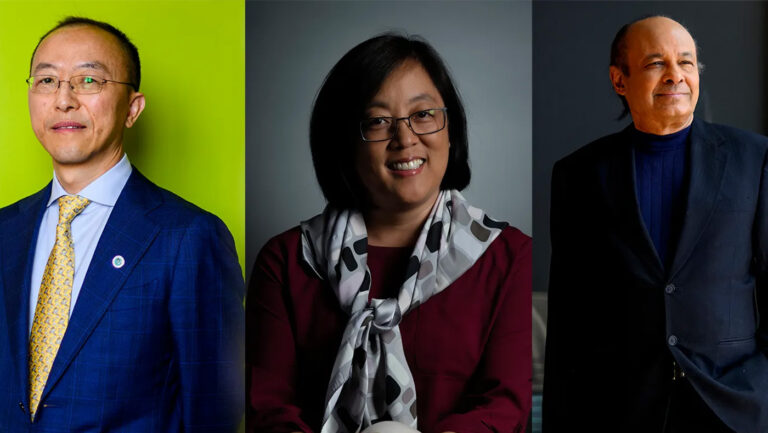
Three Northeastern professors elected fellows
Guohao Dai, Aileen Huang-Saad and Srinivas Sridhar have been elected to the AIMBE College of Fellows, which draws from the upper 2% of medical and biological engineers.
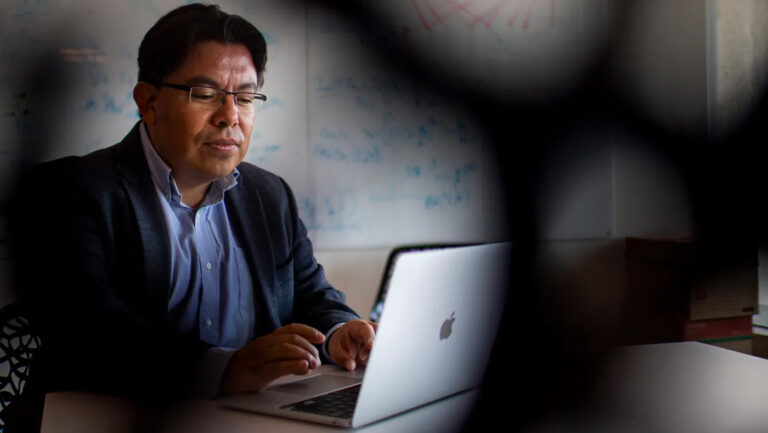
Is the US ready for another pandemic?
Is the U.S. ready for another pandemic?
It’s a question members of Congress convened last week to tackle. And one of Northeastern’s own machine learning experts, Mauricio Santillana, a professor of physics and network science, was on Capitol Hill to help shed light on U.S. preparedness from the standpoint of how to levy big data to create better predictive models.
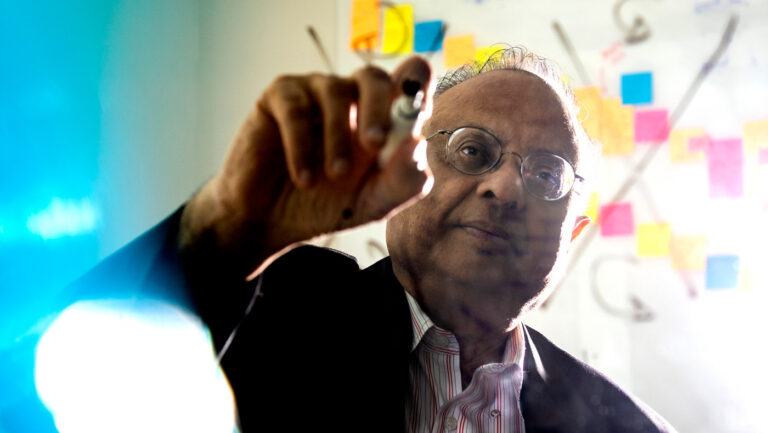
‘We don’t have any theory for this.’ Breakthrough discovery in materials science challenges current understanding of photoemission
What exactly is light—and what is it made of? It’s an age-old question that dates back to antiquity, and one of the most important investigations undertaken by scientists looking to understand the nature of reality.
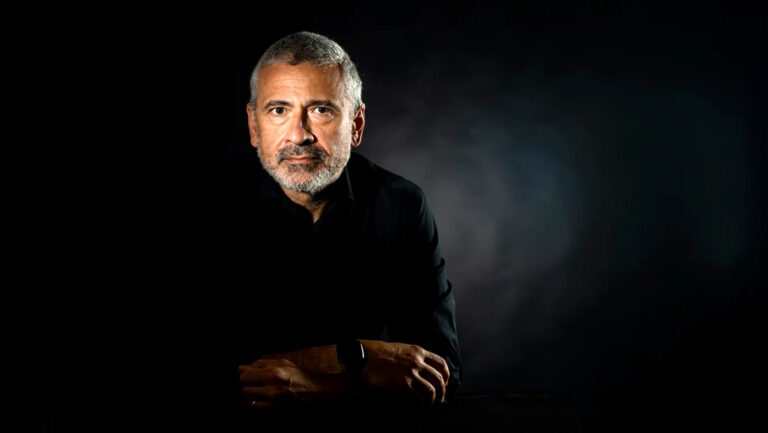
Northeastern professors Kevin Fu, Alessandro Vespignani and Yun Raymond Fu honored by American Association for the Advancement of Science
Alessandro Vespignani, director of the Network Science Institute and Sternberg Family Distinguished Professor at Northeastern, has been elected as a Fellow to the American Association for the Advancement of Science.
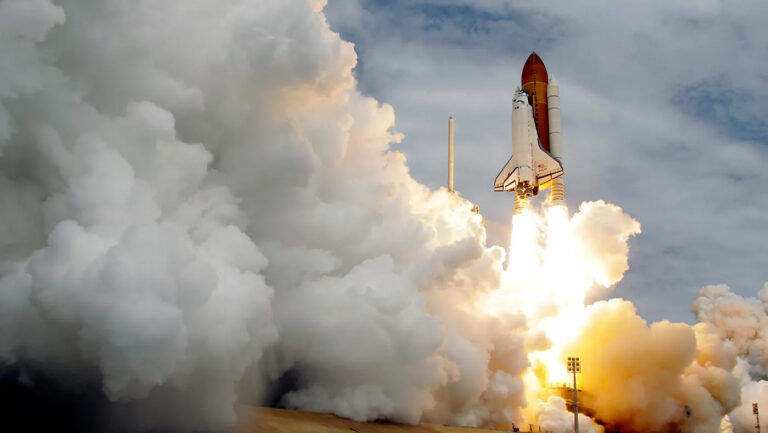
‘I really look at Northeastern as a turning point in my life.’ How a co-op launched Joseph Heyman to NASA’s Hall of Honor
Joseph S. Heyman’s association with NASA began as a Northeastern student in 1964, two years after President John F. Kennedy committed the U.S. to landing a man on the moon.
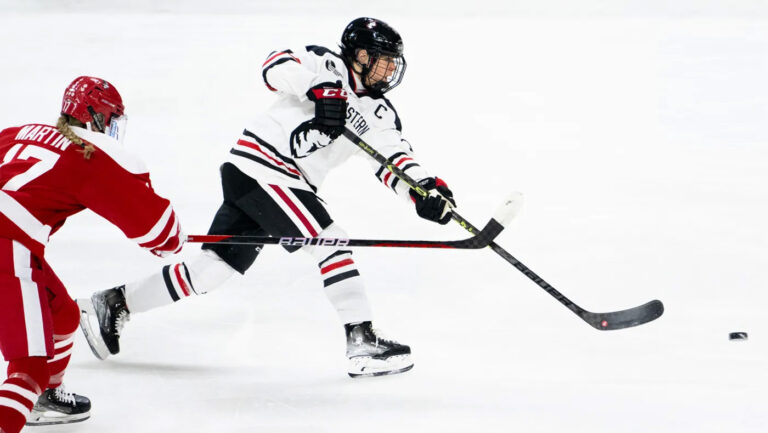
Hockey physics: What are the forces responsible for a good slap shot? Naturally, we asked a physicist
Hockey fans everywhere love a good slap shot. It is one of the most widely used tools in the game, responsible for some of the sport’s most memorable moments.
It’s a skill perfected by all the top goal-scorers, including Northeastern’s Aidan McDonough and Alina Mueller, who lead their teams into their respective Beanpot finals. The men face Harvard at 7:30 p.m. Monday at TD Garden, while the women play at Boston College at 7:30 p.m. Tuesday.
Can ‘digital traces’ from internet searches and social media predict outbreaks of COVID-19?
Your Google searches and Twitter accounts alert marketers about what items you might like to purchase—could they also serve as an early warning system when COVID-19 levels are about to take off?
A team of scientists including Northeastern University machine learning expert Mauricio Santillana says internet users’ “digital traces” can be adopted to alert public health officials to sharp increases in COVID-19 at the county level one to six weeks ahead of a major outbreak.
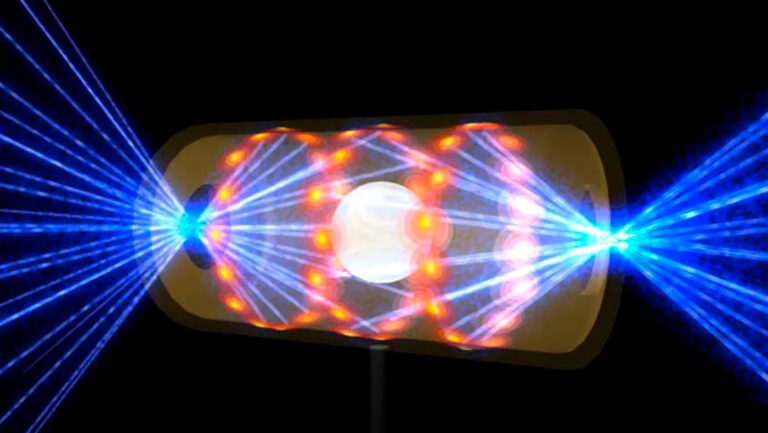
The US achieved a major nuclear fusion breakthrough–but obstacles remain. Here’s why fusion power may still be decades out of reach
The U.S. Department of Energy on Tuesday announced that a national lab in California made a “major scientific breakthrough”—namely, that it produced a nuclear fusion reaction that resulted in a net energy gain, a condition known as “ignition.”

The layers of science behind every World Cup kick
Northeastern professors Dagmar Sternad and Arun Bansil break down the physics and neuroscience behind World Cup soccer ball kicks.