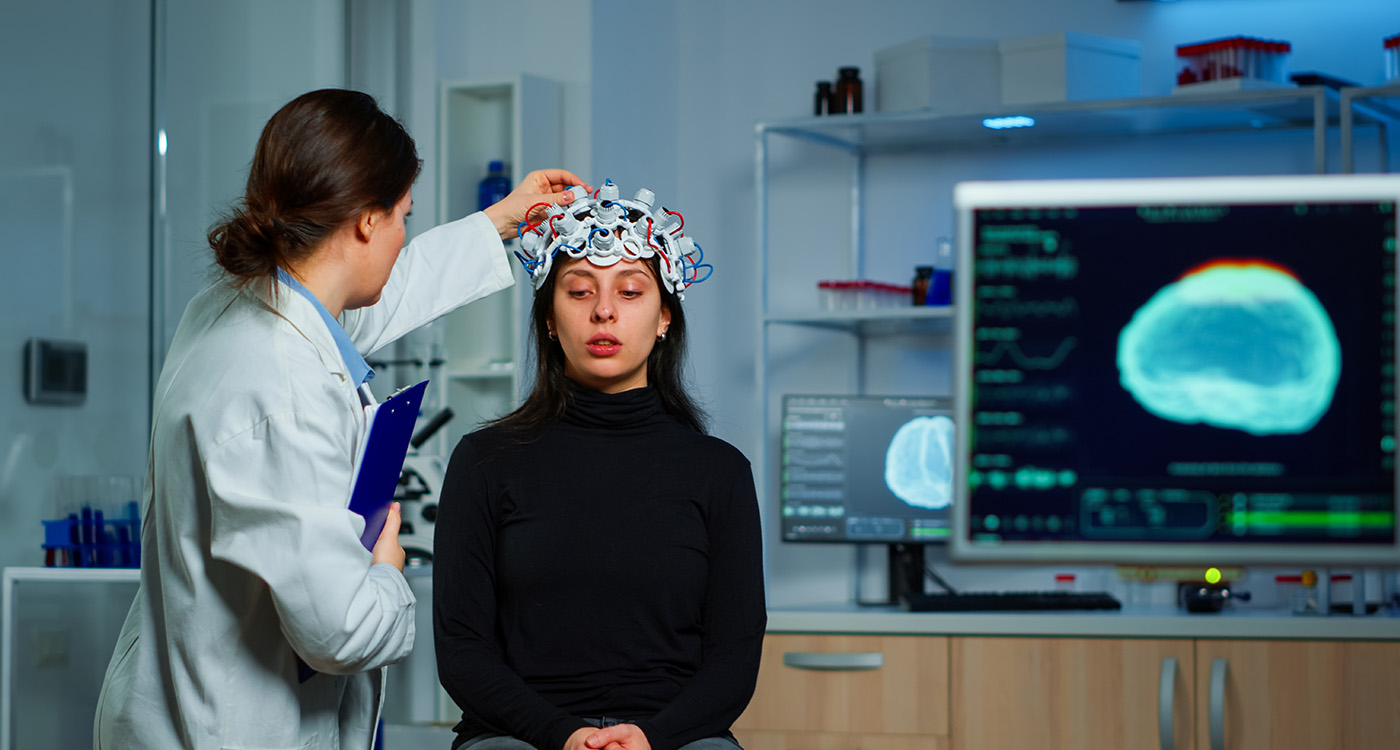
Neuroimaging and Computational Methods
Neuroimaging and computational methods research uses advanced imaging technologies and mathematical models to study brain structure and function. Our expert faculty are leading the way, employing techniques like fMRI, EEG, and machine learning to analyze neural activity and connectivity. Working across this field that integrates neuroscience, engineering, and data science, they map brain networks and advance our understanding of cognition, behavior, and disorders.
Members
-
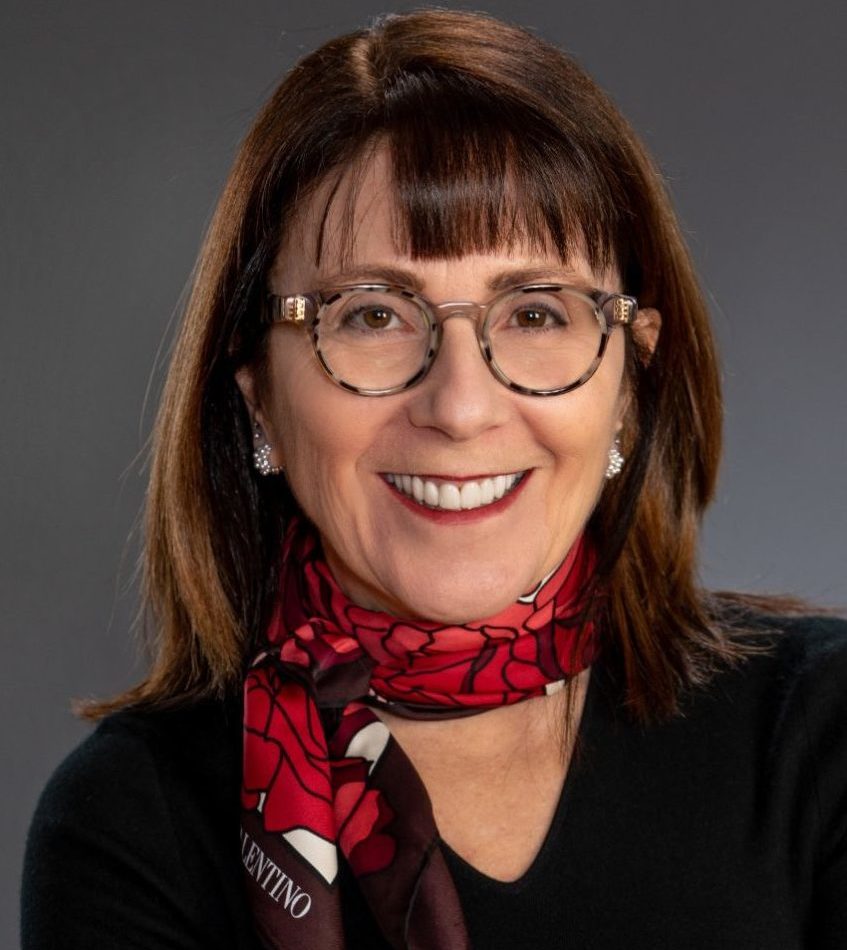
Dr. Barrett develops systems-level brain and body models unifying human affect, emotion, cognition, and action, drawing on psychology, neuroscience, physiology, philosophy, linguistics, biology, computer science, and engineering.
-

Dr. Berent’s research explores human nature through the capacity for language, using phonology as a case study to examine whether it is constrained by abstract universal principles shared across speech and sign modalities.
-
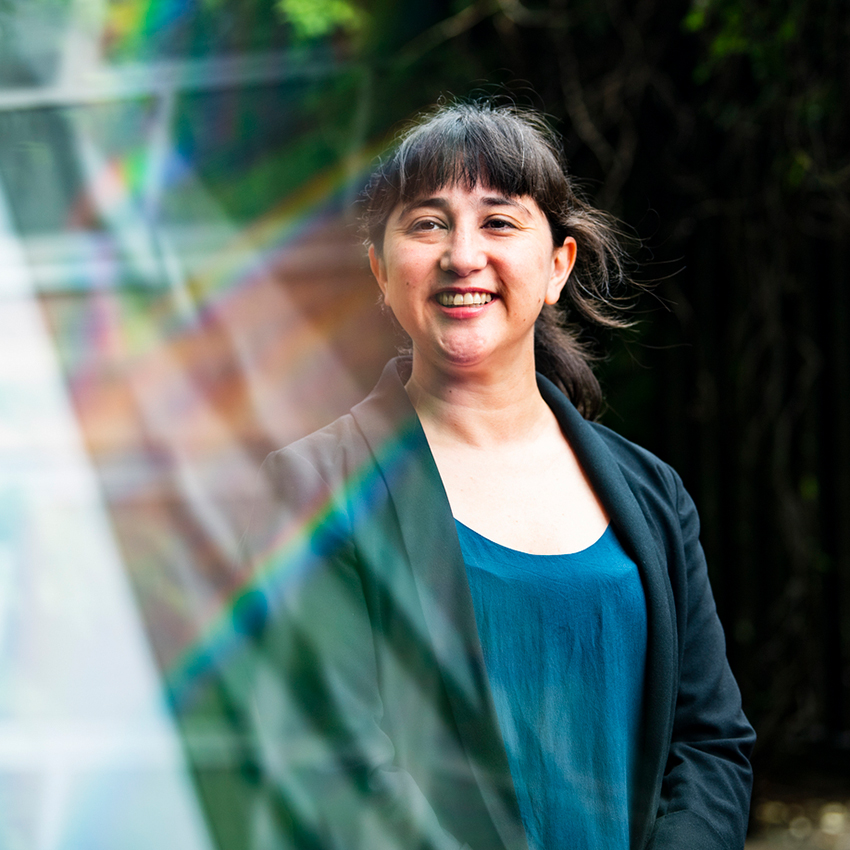
Dr. Davidow’s research bridges psychology, neuroscience, and computer science to investigate how different types of learning change across development in children, adolescents, and adults, influencing memory, decision-making, and goals.
-

Dr. Ferris studies developmental behavioral neuroscience and disease progression in psychiatric and neurological disorders, focusing on brain plasticity and how early emotional and environmental risk factors alter social and cognitive behaviors.
-

Dr. Gabard-Durnam studies how environments and neuroplasticity interact to shape brain and behavior development, aiming to understand the mechanisms driving healthy, resilient, or maladaptive outcomes.
-
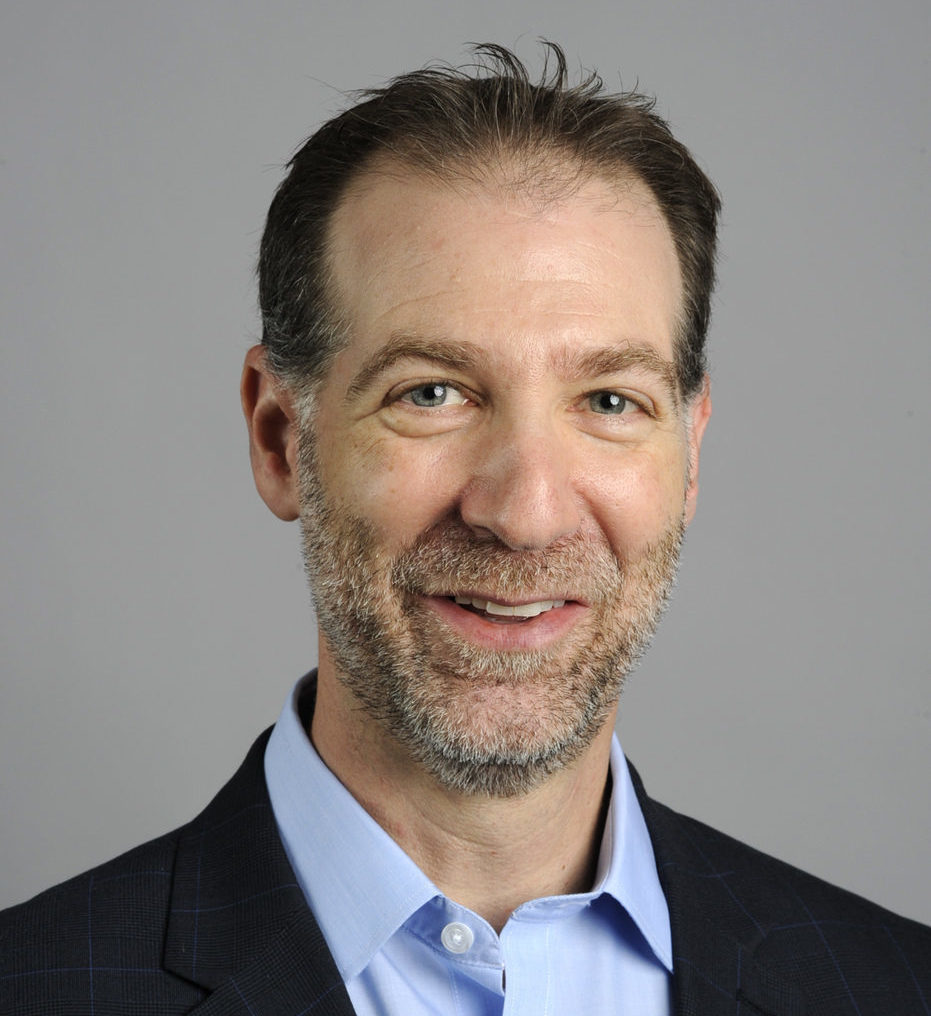
Dr. Hillman investigates cognitive and brain health across the lifespan in children, young adults, and older adults, using neuroimaging tools like MRI/fMRI, EEG/ERPs, and eye-tracking to determine how lifestyle factors influence cognition and understand the underlying mechanisms.
-
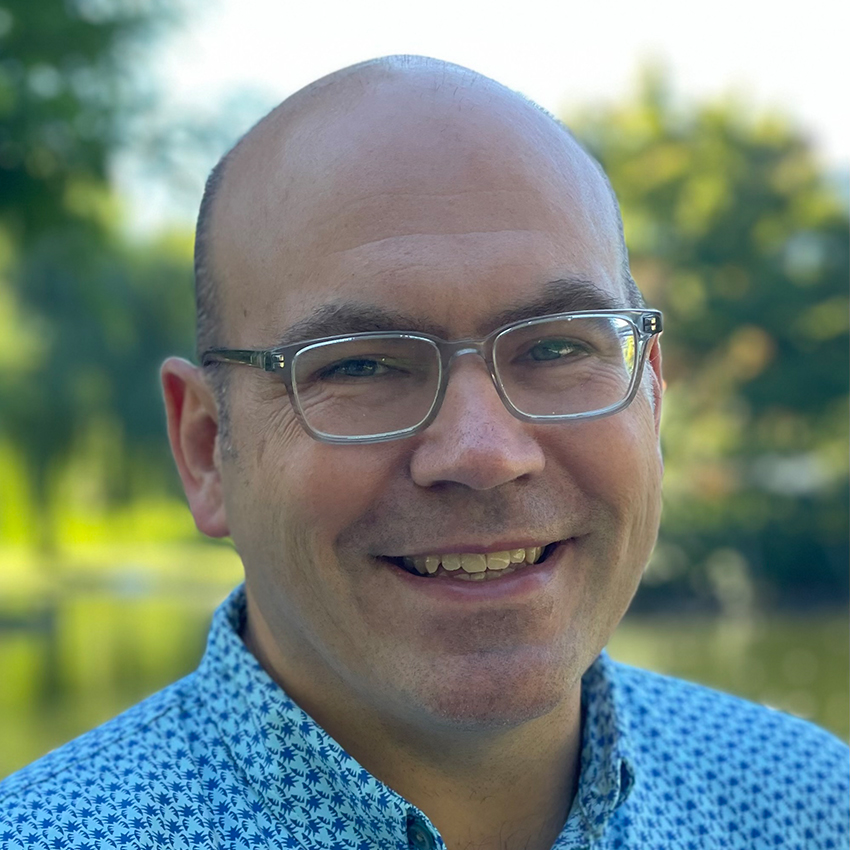
Dr. Peelle’s research is centered on the psychological and neural basis for human communication, particularly in the interaction between sensory and cognitive, and social factors.
-

Dr. Noble works at the intersection of data science, neuroscience, and open science to create tools that facilitate more precise human neuroscience inference and prediction.
-

Dr. Qi studies the neurobiological organization of language in the brain, how it develops and is disrupted in neurodevelopmental disorders, and how this knowledge can enhance language learning and intervention.
-
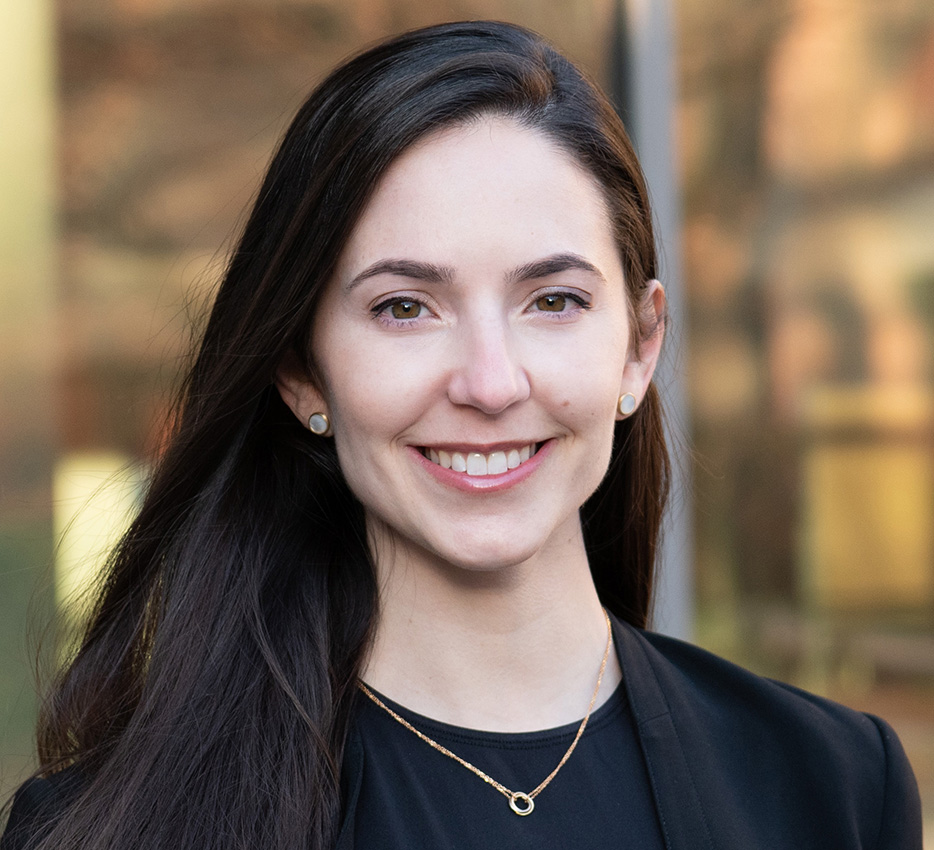
Dr. Rodman bridges developmental cognitive neuroscience and clinical science to examine how teens’ social experiences interact with brain development to increase adolescent mental health risk, aiming to improve adolescent wellbeing.
-
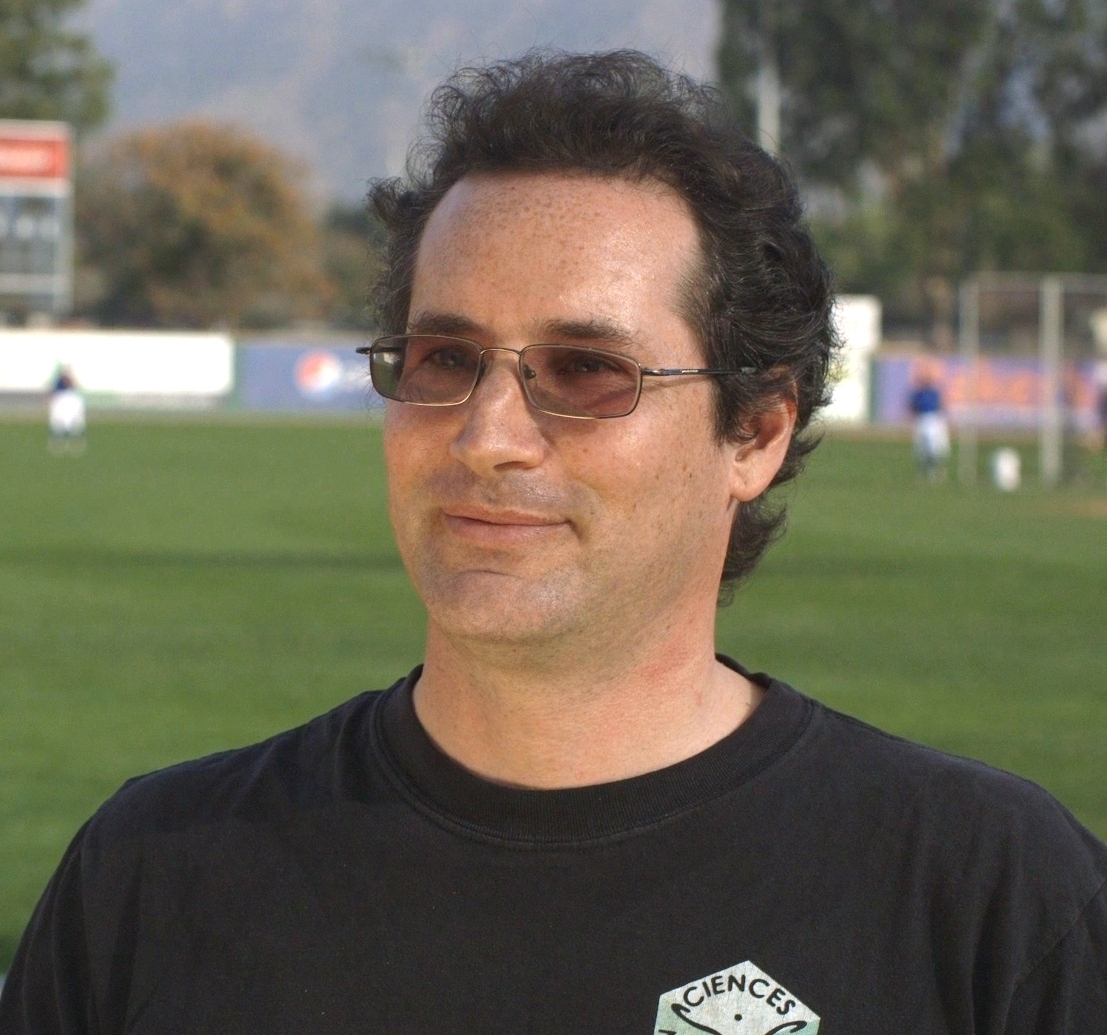
Dr. Seitz studies perception, learning, and multisensory processing using diverse methodologies to create accessible tools and personalized training that improve cognitive performance in underserved populations.
-

Dr. Theriault studies the brain as a self-regulating system, focusing on the metabolic costs of information encoding and their implications for mental health and the interpretation of functional neuroimaging research.
Related Institutes and Centers
-
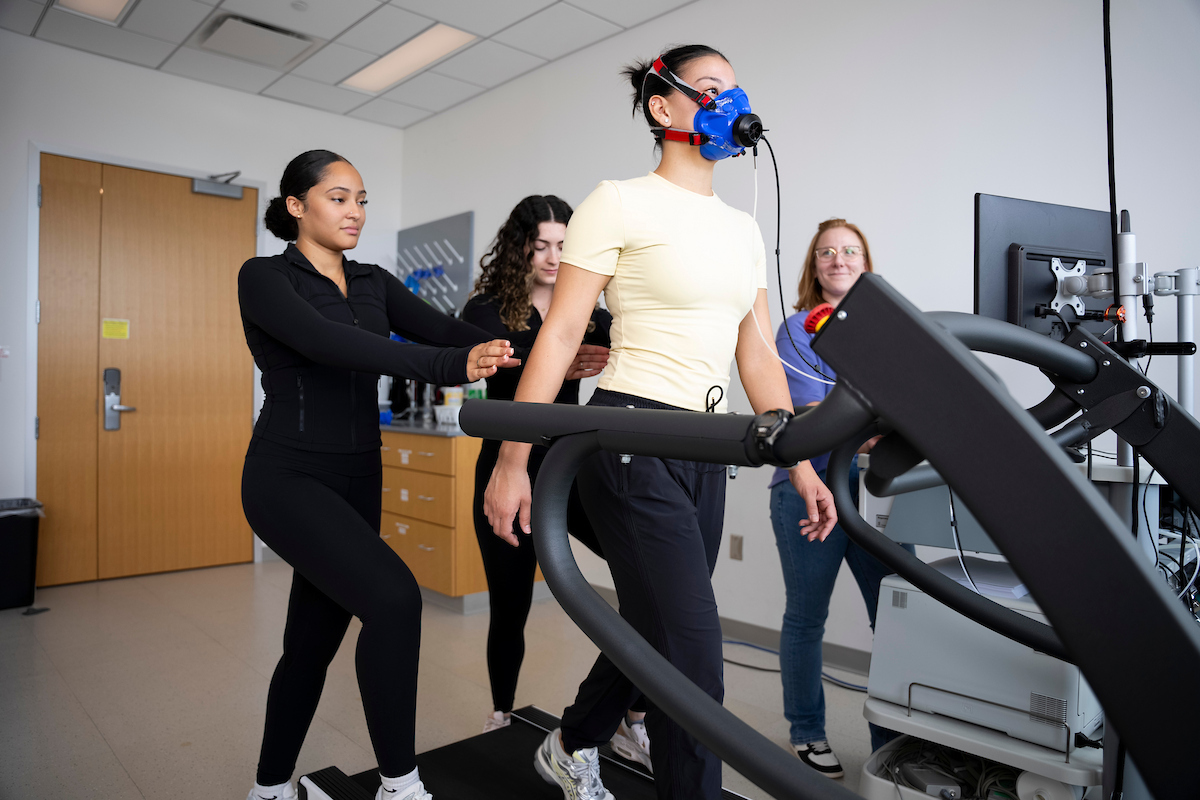
The Institute for Cognitive and Brain Health investigates how lifestyle choices and health behaviors–such as physical activity and diet–and their physiological effects, including fitness and adiposity, influence brain and cognition.
-

The Brain Game Center for Mental Fitness and Well-being designs interactive experiences for diverse populations to transform how we think about mental fitness and well-being.
-

The Center for Translational NeuroImaging advances brain research using advanced MRI to study neurodegenerative diseases, examine how substances affect brain chemistry and behavior, and investigate repeated head injuries including concussions and CTE.
Interested in working with us?
In the news
-
Research
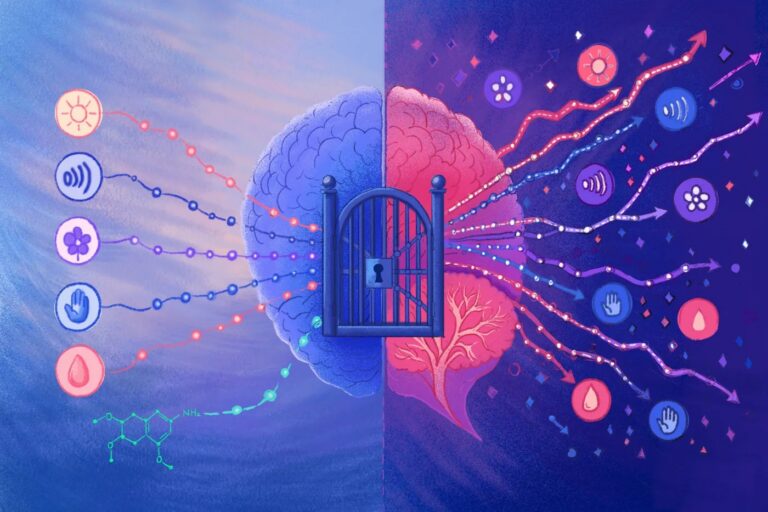
One of the oldest psychedelics meets modern brain imaging
Mescaline is a naturally occurring chemical found in cacti, mainly peyote cacti, that are located in the Southwest United States and Mexico. -
Research
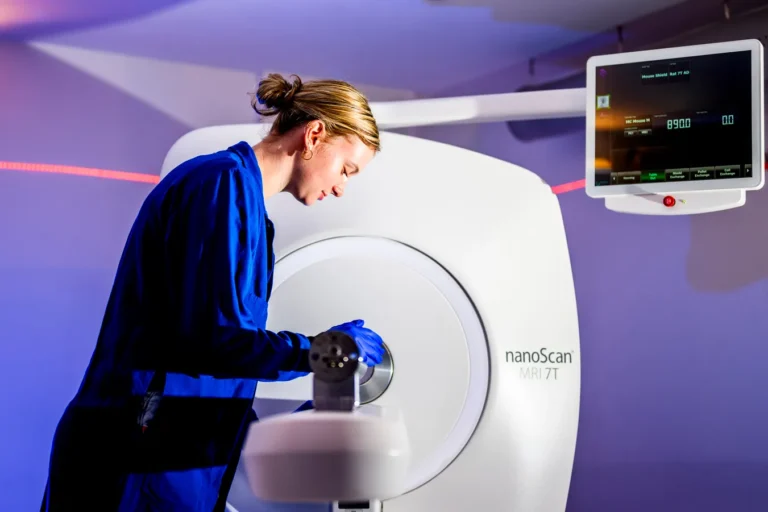
Next gen scanner could unlock new treatments for brain injuries
The Center for Translational Neuroimaging recently obtained a Mediso nanoScan 7T PET/MRI scanner, the first of its kind in the United States. -
Research

Does an infant’s body fat relate to cognitive and motor development?
Researchers include assistant professor Laurel Gabard-Durnam are looking beyond a weight and length to inform an infant’s neurological development. -
Research
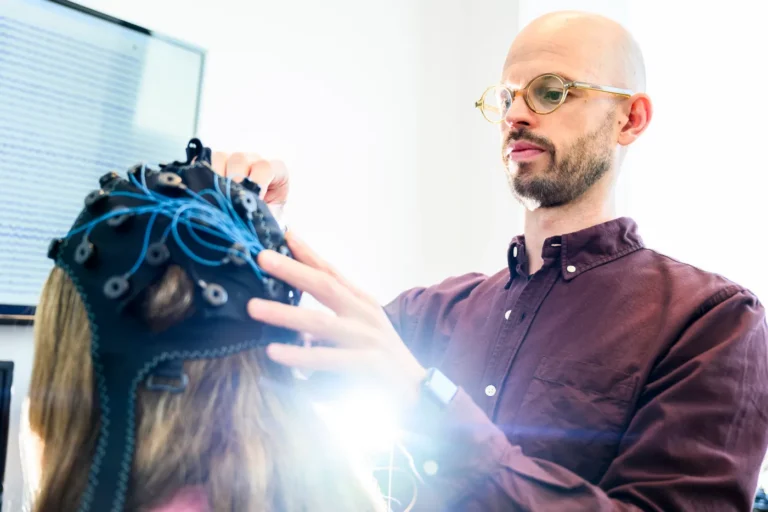
Being inactive isn’t good for anyone. This research got people with a traumatic brain injury moving
The effects of a traumatic brain injury can worsen with physical inactivity. Professor Charles Hillman has studied how to change this. -
Research
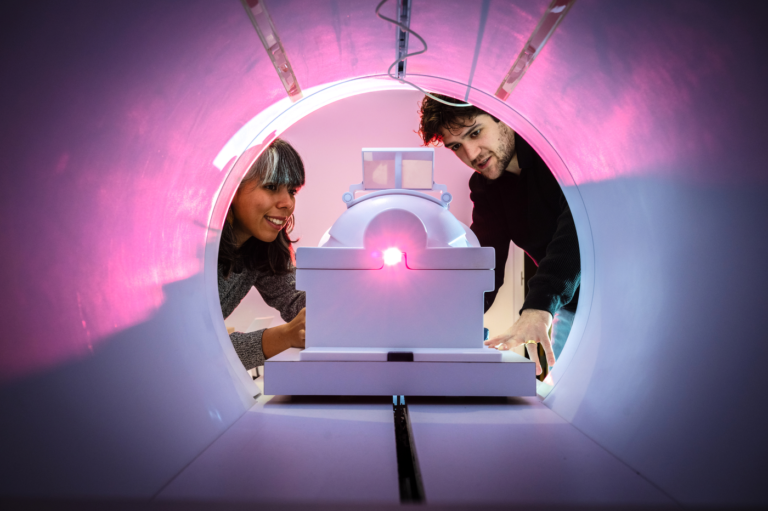
How a ‘caricature’ of a brain scan could lead to better treatment outcomes
New research by Stephanie Noble removes task based information from resting state MRI scans, improving individual diagnoses and predictions.