Emotion and Affective Neuroscience
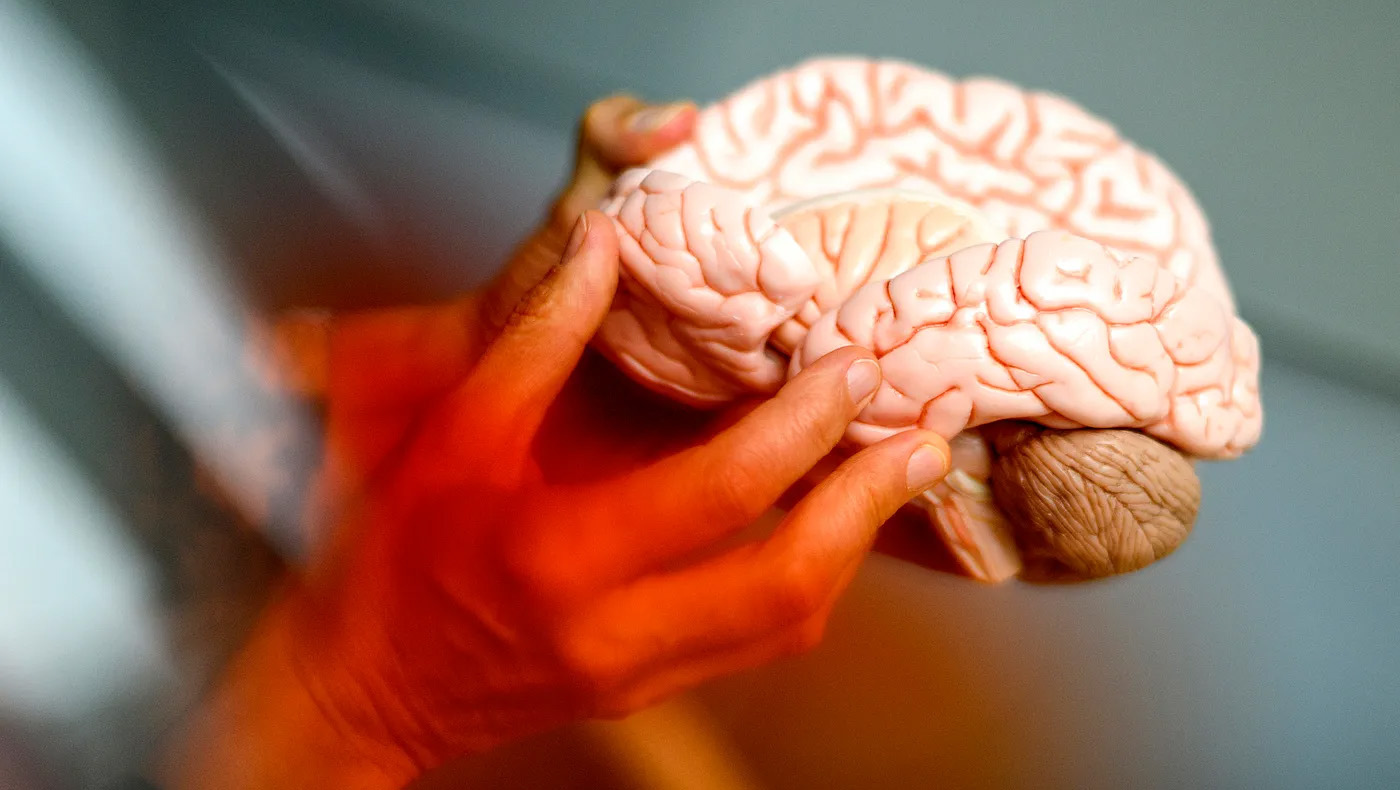
Emotion and affective neuroscience investigates the neural mechanisms underlying feelings, mood, and emotional processing. Our expert faculty are studying how the brain generates, regulates, and responds to emotions and examining regions like the amygdala and prefrontal cortex. Their work advances understanding of mental health disorders, emotional regulation, stress responses, and the connection between emotion and cognition.
Members
-

Dr. Barrett develops systems-level brain and body models unifying human affect, emotion, cognition, and action, drawing on psychology, neuroscience, physiology, philosophy, linguistics, biology, computer science, and engineering.
-

Iris Berent’s research explores human nature through the capacity for language, using phonology as a case study to examine whether it is constrained by abstract universal principles shared across speech and sign modalities.
-
Dr. DeSteno studies how affective states impact decision-making and behavior, using a multilevel, multiprocess approach to examine the psychological functions, phenomenologies, and consequences associated with distinct emotional states.
-
Dr. Davidow’s research bridges psychology, neuroscience, and computer science to investigate how different types of learning change across development in children, adolescents, and adults, influencing memory, decision-making, and goals.
-
Stacy Marsella
Dr. Marsella’s multidisciplinary research centers on computational modeling of human cognition, emotion, and social behavior, with applications in health interventions, social skills training, and planning operations.
-

Dr. Quigley studies how bodily regulation and sensory signals from the body help the brain create feelings, examining individual and situational variation in affective experience and its relationship to behavior, cognition, and health.
-
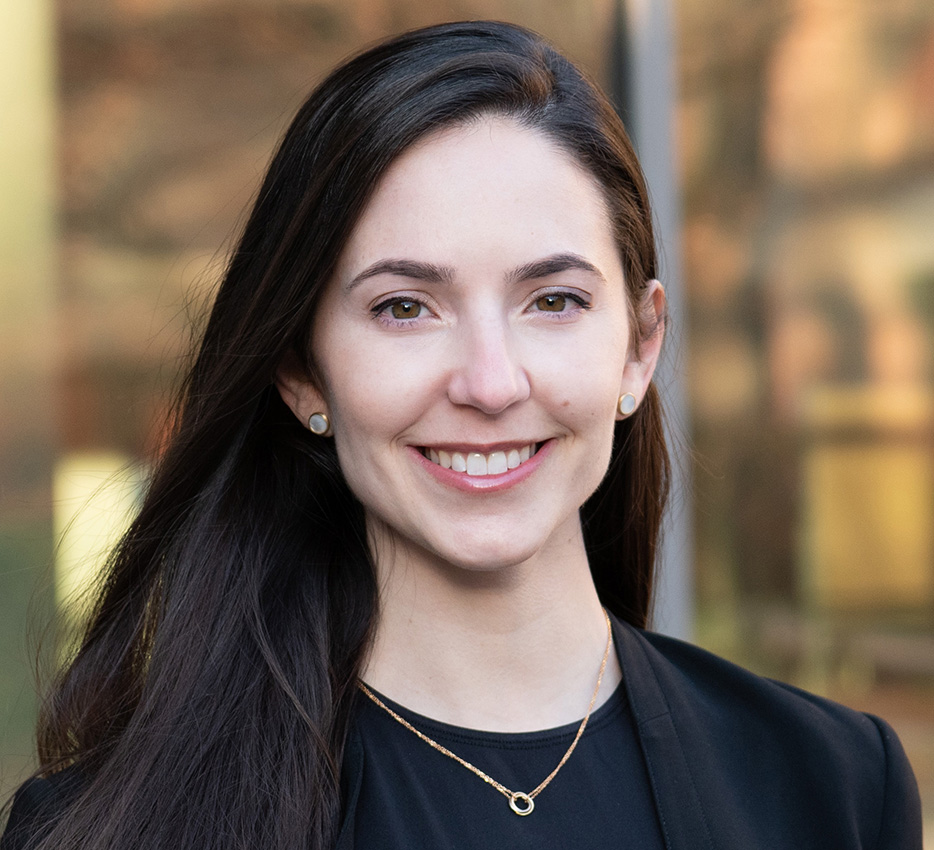
Dr. Rodman bridges developmental cognitive neuroscience and clinical science to examine how teens’ social experiences interact with brain development to increase adolescent mental health risk, aiming to improve adolescent wellbeing.
-

Dr. Shansky’s research focuses on the neural connections between the medial prefrontal cortex and the amygdala, and sex differences in how this circuit processes fear and responds to stress.
-

Dr. Theriault studies the brain as a self-regulating system, focusing on the metabolic costs of information encoding and their implications for mental health and the interpretation of functional neuroimaging research.
Related Institutes and Centers
-

The Center for Translational NeuroImaging advances brain research using advanced MRI to study neurodegenerative diseases, examine how substances affect brain chemistry and behavior, and investigate repeated head injuries including concussions and CTE.
Interested in working with us?
In the news
-
Research
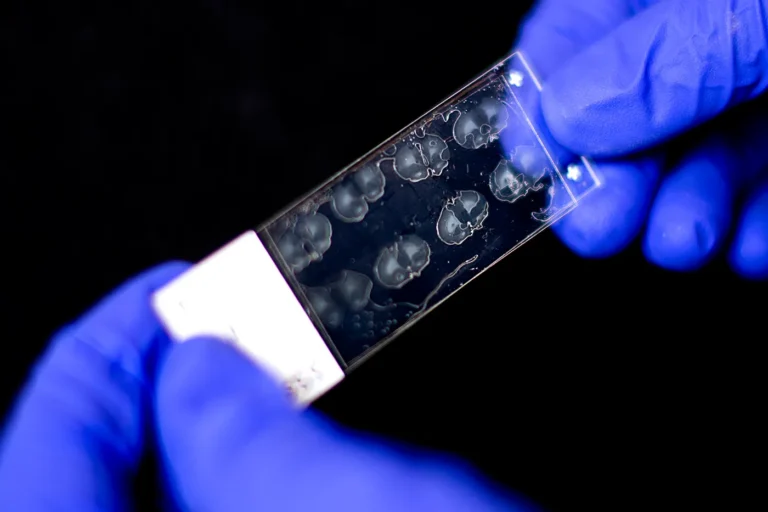
Pregnant? Researchers discover that it may decrease your ‘fear memory’
Professor Rebecca Shansky has discovered that chemical changes in the pregnant brain can soften subjects’ fear memories. -
Research

Where are the women? Researchers are on a quest for more representation in medical research
Despite constituting half the population, female subjects are still underrepresented in medical trials. At Northeastern University, a cohort of researchers including Professor Rebecca Shansky is trying to close that gender gap. -
Research

‘Digital phenotyping’ project studying social media’s effects on adolescents expands to include character development
In her research, Rodman studies social media’s effects on adolescents as they mature, and especially how they respond in stressful circumstances. In the Character Virtue Development program, Rodman identified an overlap: an interest in the overall well-being of adolescents. -
Research
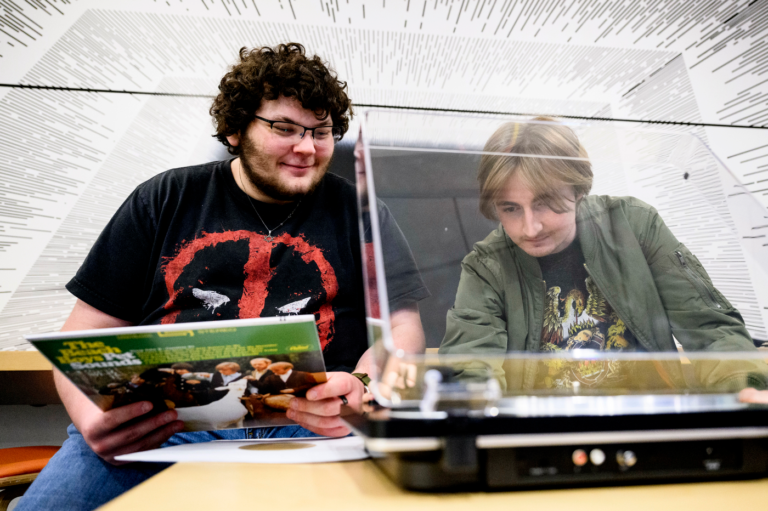
Why we remain attached to the music of our youth
Juliet Davidow, assistant psychology professor, argues that the social rewards when listening and experiencing music in our younger days helps ‘encode’ it onto our memories.