
Behavior and Decision-making
Behavior and decision-making research examines how individuals and groups process information, evaluate options, and make choices. Our faculty are leading the way, studying the cognitive biases, emotional influences, risk assessment, and social factors that shape behavior. Working across this interdisciplinary field integrating psychology, neuroscience, and economics, they advance our understanding of judgment, improve decision quality, and inform policy, business, and health interventions.
Members
-

Dr. Barrett develops systems-level brain and body models unifying human affect, emotion, cognition, and action, drawing on psychology, neuroscience, physiology, philosophy, linguistics, biology, computer science, and engineering.
-

Dr. Coley studies the basic cognitive processes underlying how people organize and use knowledge, how these processes develop over time, and how culture and experience shape knowledge organization and use.
-

Dr. Davidow’s research bridges psychology, neuroscience, and computer science to investigate how different types of learning change across development in children, adolescents, and adults, influencing memory, decision-making, and goals.
-
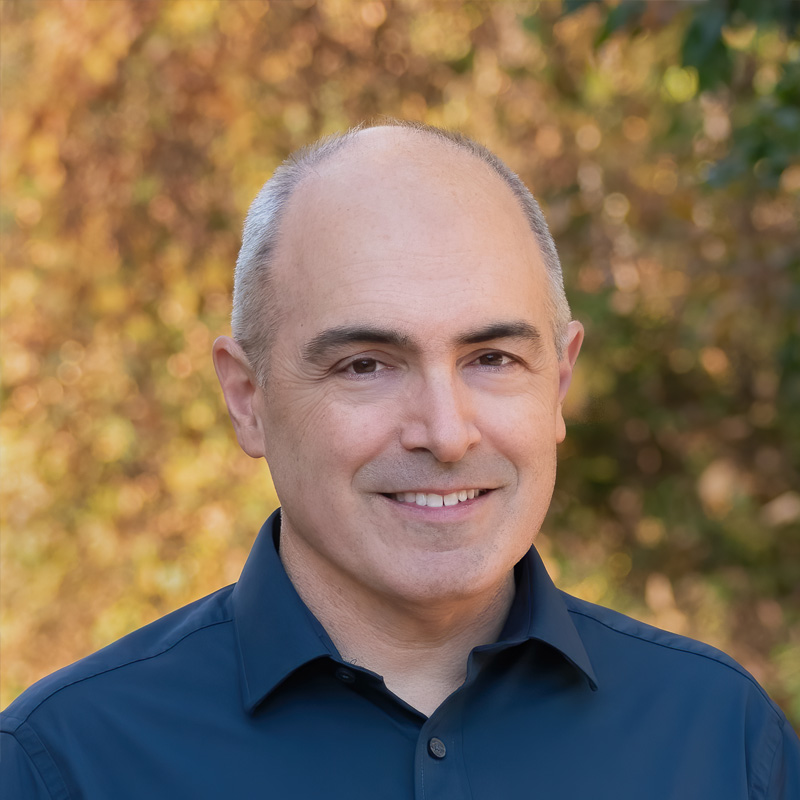
Dr. DeSteno studies how affective states impact decision-making and behavior, using a multilevel, multiprocess approach to examine the psychological functions, phenomenologies, and consequences associated with distinct emotional states.
-
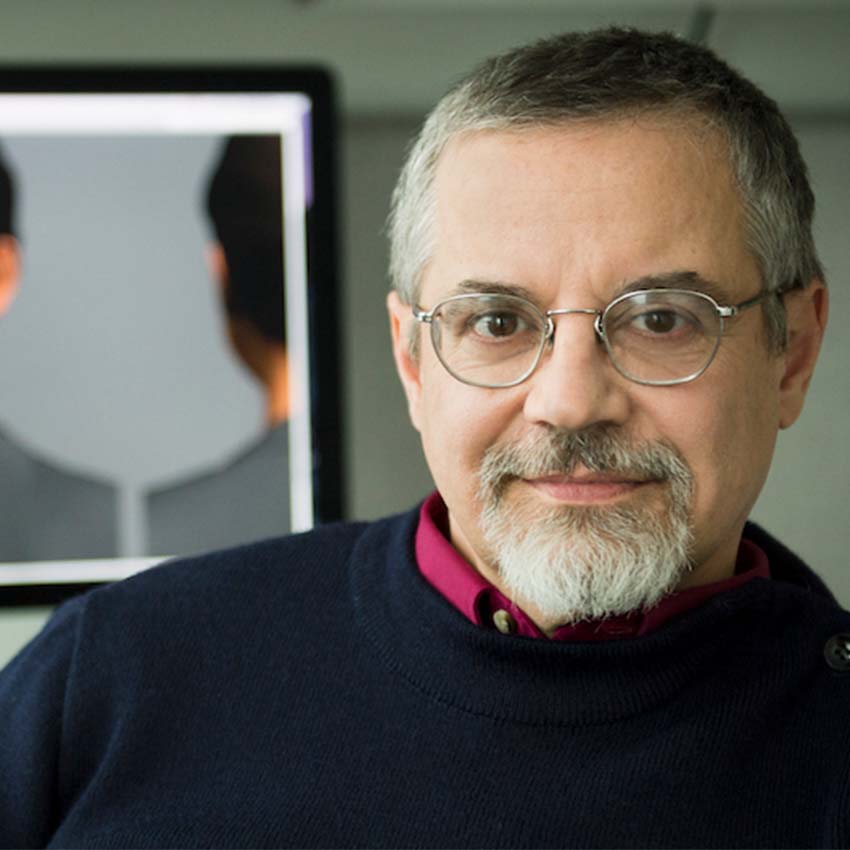
Dr. Marsella’s multidisciplinary research centers on computational modeling of human cognition, emotion, and social behavior, with applications in health interventions, social skills training, and planning operations.
-

Dr. Padilla combines cognitive, neural, and computer sciences to study how people process data visualizations and how those visualizations can communicate more accurately and effectively.
-

Karen Quigley studies how bodily regulation and sensory signals from the body help the brain create feelings, examining individual and situational variation in affective experience and its relationship to behavior, cognition, and health.
-

Dr. Rodman bridges developmental cognitive neuroscience and clinical science to examine how teens’ social experiences interact with brain development to increase adolescent mental health risk, aiming to improve adolescent wellbeing.
-
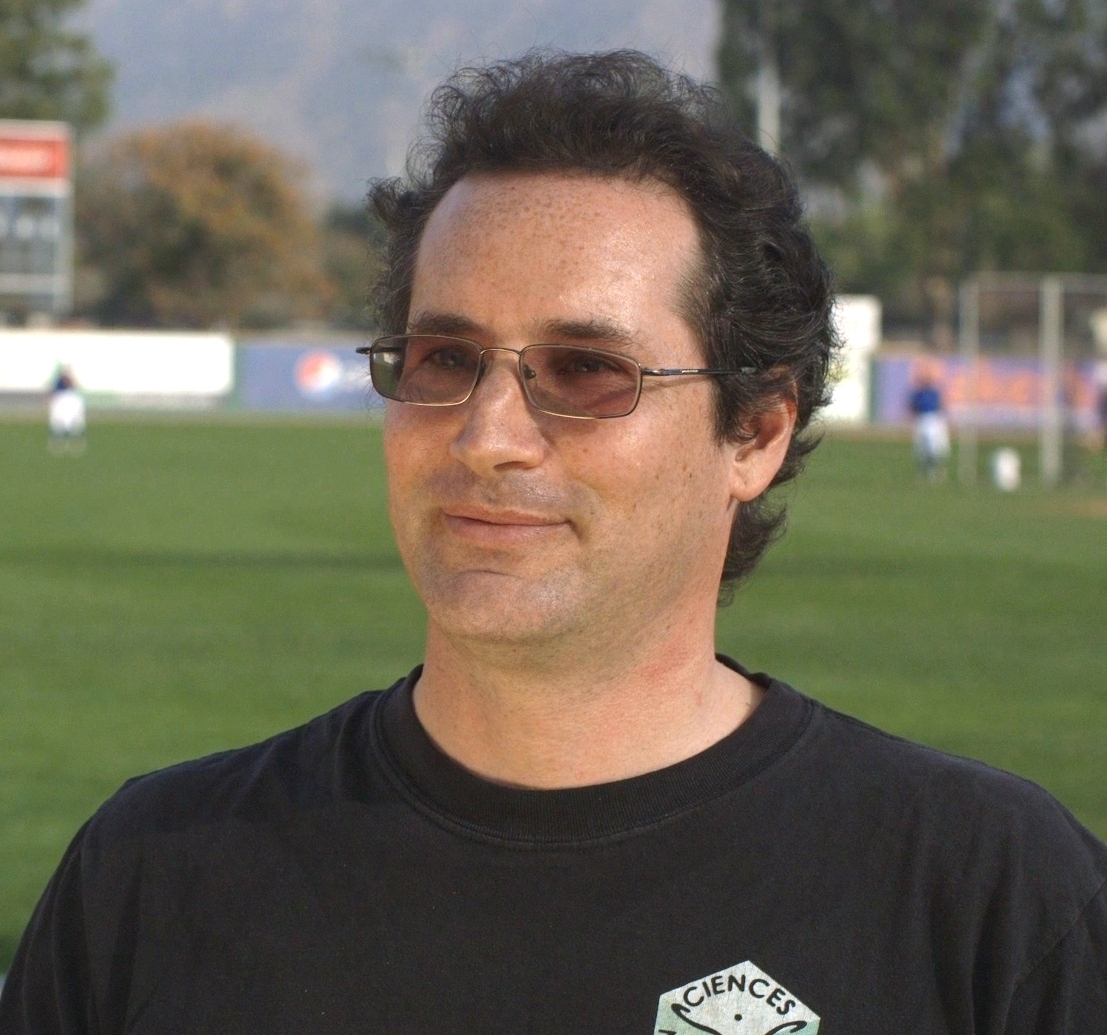
Dr. Seitz studies perception, learning, and multisensory processing using diverse methodologies to create accessible tools and personalized training that improve cognitive performance in underserved populations.
-

Dr. Swire-Thompson’s research examines what drives belief in inaccurate information, why people share misinformation online, and how corrections can be designed to maximize impact.
Related Institutes and Centers
-

The Brain Game Center for Mental Fitness and Well-being designs interactive experiences for diverse populations to transform how we think about mental fitness and well-being.
Interested in working with us?
In the news
-
Research

Nature report links wildlife trends to human well-being
Professor Brian Helmuth and Professor John Coley lead research chapter on the human connection to nature and its importance for the future of the planet. -
Research

How teens make decisions: Juliet Davidow’s research sheds light on motivation and the adolescent mind
Juliet Davidow, assistant psychology professor, has been awarded a National Science Foundation CAREER Award to explore how motivated learning develops during this critical period of life. -
News

Loneliness is an epidemic. Social risk-taking offers an opportunity to make connections
Assistant professor Alexandra Rodman emphasizes that Wellness Week encourages “social risk-taking” and connecting with others in person. -
Research
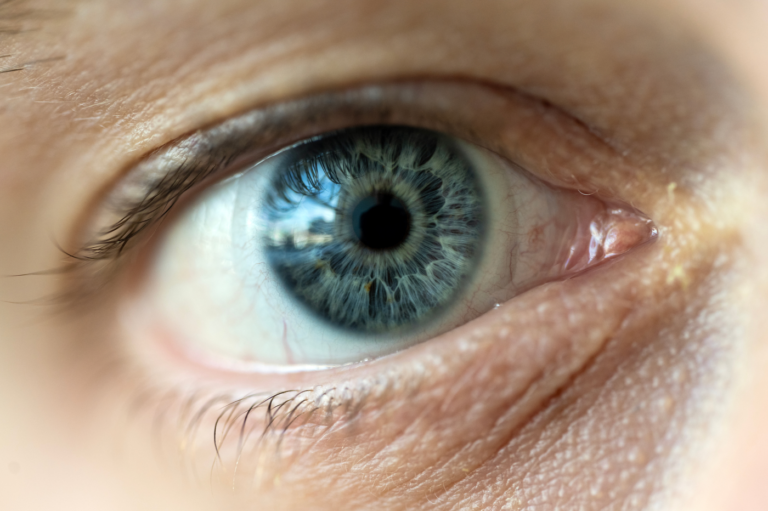
Millions of people have macular degeneration. Could this training model help restore their sight?
Psychology professor Aaron Seitz says training people on how to use their peripheral vision can compensate for central vision problems. -
Research

Is all learning ‘incidental’? Northeastern professor says that we ‘trick’ our brains into learning
When was the last time you sat down and tried to learn something? How did you approach it? Did you make flashcards for hard-to-remember terms and concepts, ask a friend to quiz you on the subject or simply jump into the deep end with a new project? New research from Northeastern University psychology professor Aaron Seitz suggests that…