COS News
Research

“The basic premise is that AI can help us do better physics, and something that is less expected is that physics can also help us understand AI better,” said Northeastern professor James Halverson.
AI and physics have more in common than you might think.
News
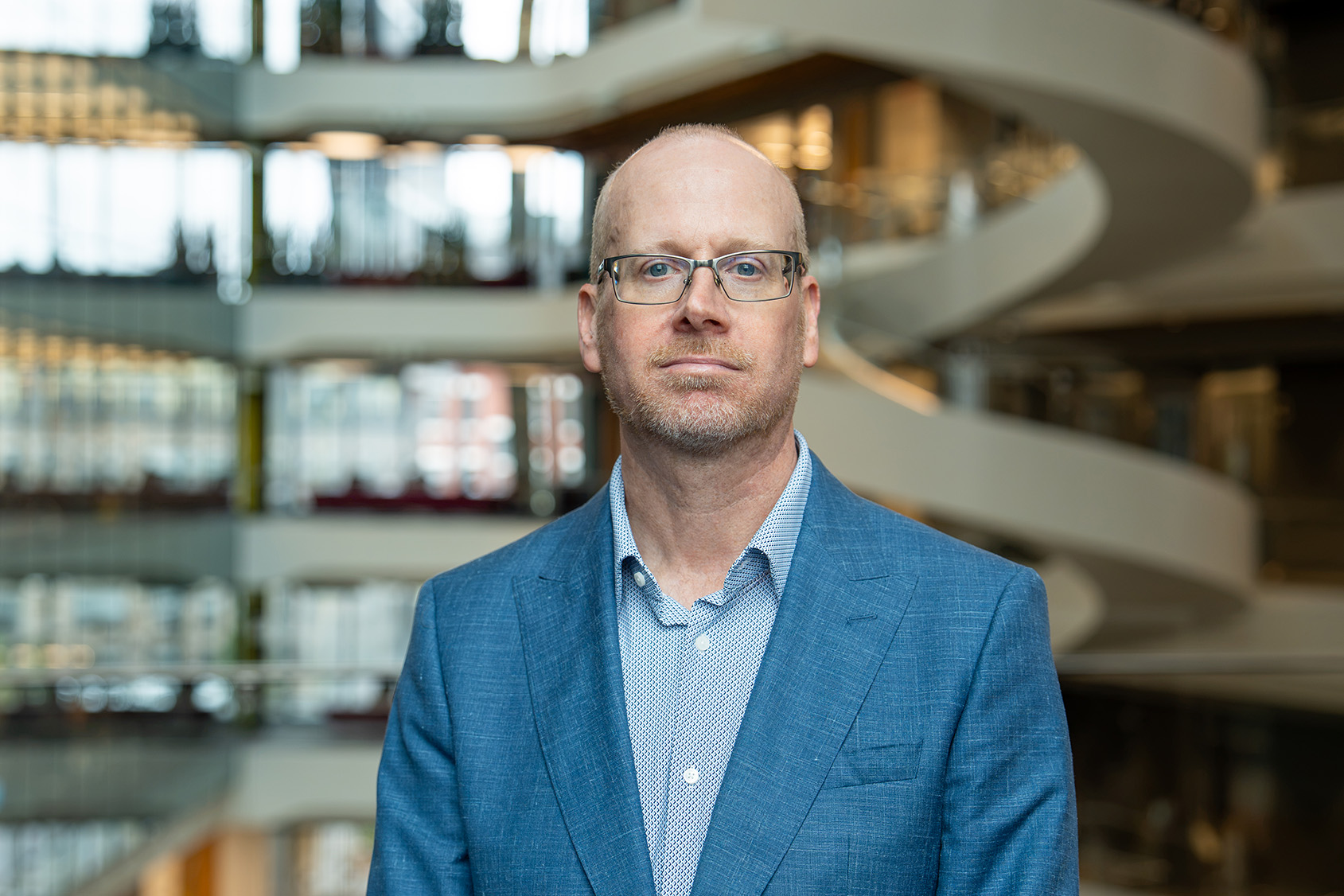
Mark Williams, Professor and Chair of the Department of Physics, will assume the role of Dean of the College of Science, effective July 1, 2026.
Mark C. Williams named Dean of the College of Science
Showing all results

Two Northeastern Leaders Receive Lifetime Fellowships for Exceptional Contributions to Their Fields
Geoffrey Trussell joins university president and COS colleagues in AAAS fellowship honor.
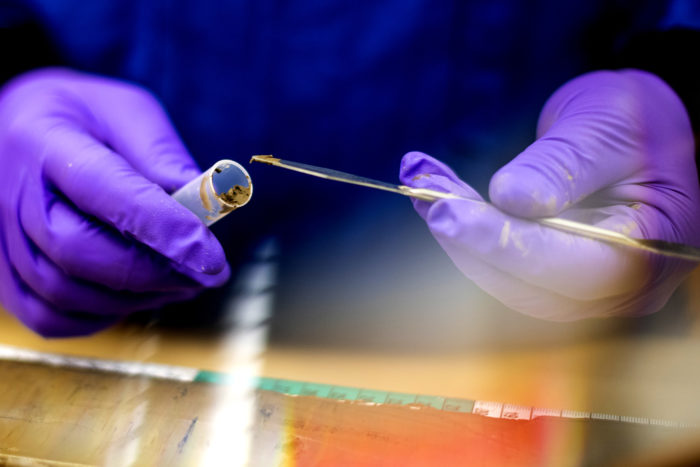
To Predict Our Future Climate, They’re Digging Into The Mud Of The Past
Samuel Muñoz searches for answers about what future warming climates in an unusual place- ancient mud layers.
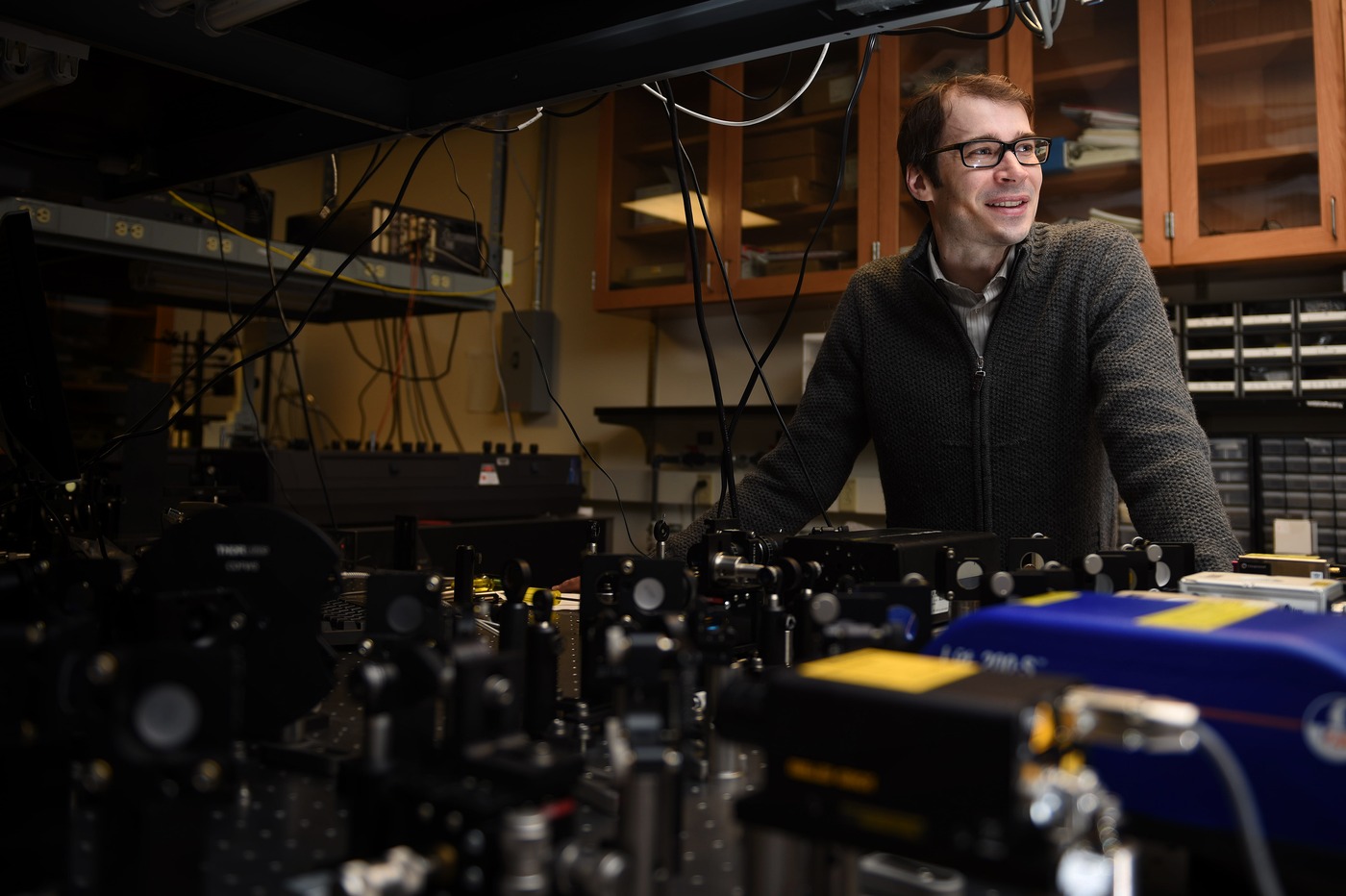
Cellaria Inc. Partners with Researchers at Northeastern University to Advance New Photomedicine Therapies for Key Cancers
Partnering with Cellaria, Northeastern's Spring lab has been awarded a grant of $3.2 M for cancer therapy research, based around Dr. Bryan Spring's focus on antibody-photosensitizers.
Cuttlefish and Co-ops: A Conversation with Marine Biology Major Gwendolyn McManus
Marine Biology student Gwendolyn McManus chatted with our team recently about her work as a co-op at Marine Biological Laboratory, her recent publication, and her current projects.
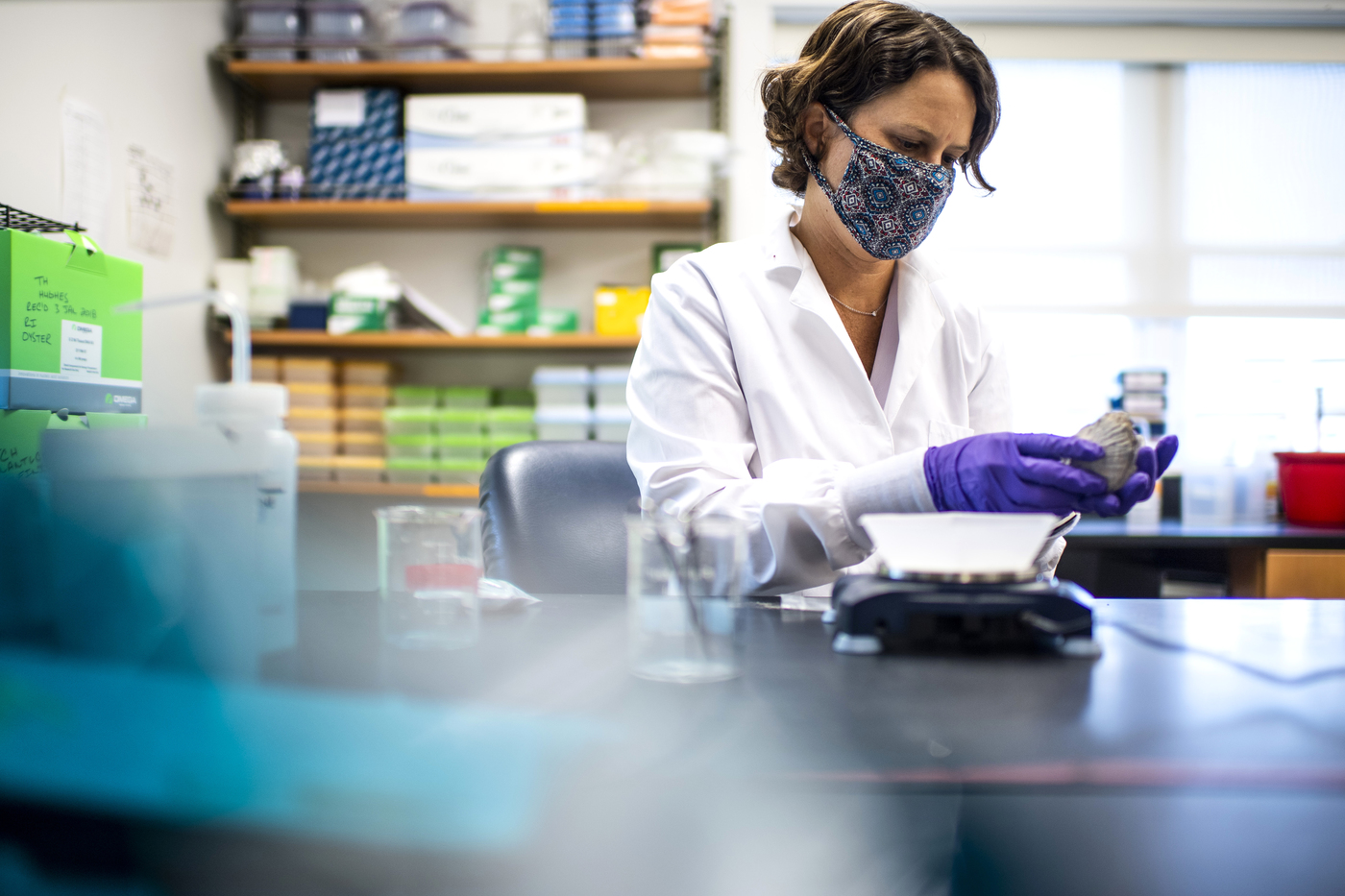
Mapping Black Mangroves Along the Gulf: MSC Researchers Receive Grant to Grow Coastal Resilience
Thanks to a grant from the National Academies Gulf Research Program, Randall Hughes and Steven Scyphers will embark on a research project to examine range expansion of the black mangrove in the northern Gulf of Mexico.
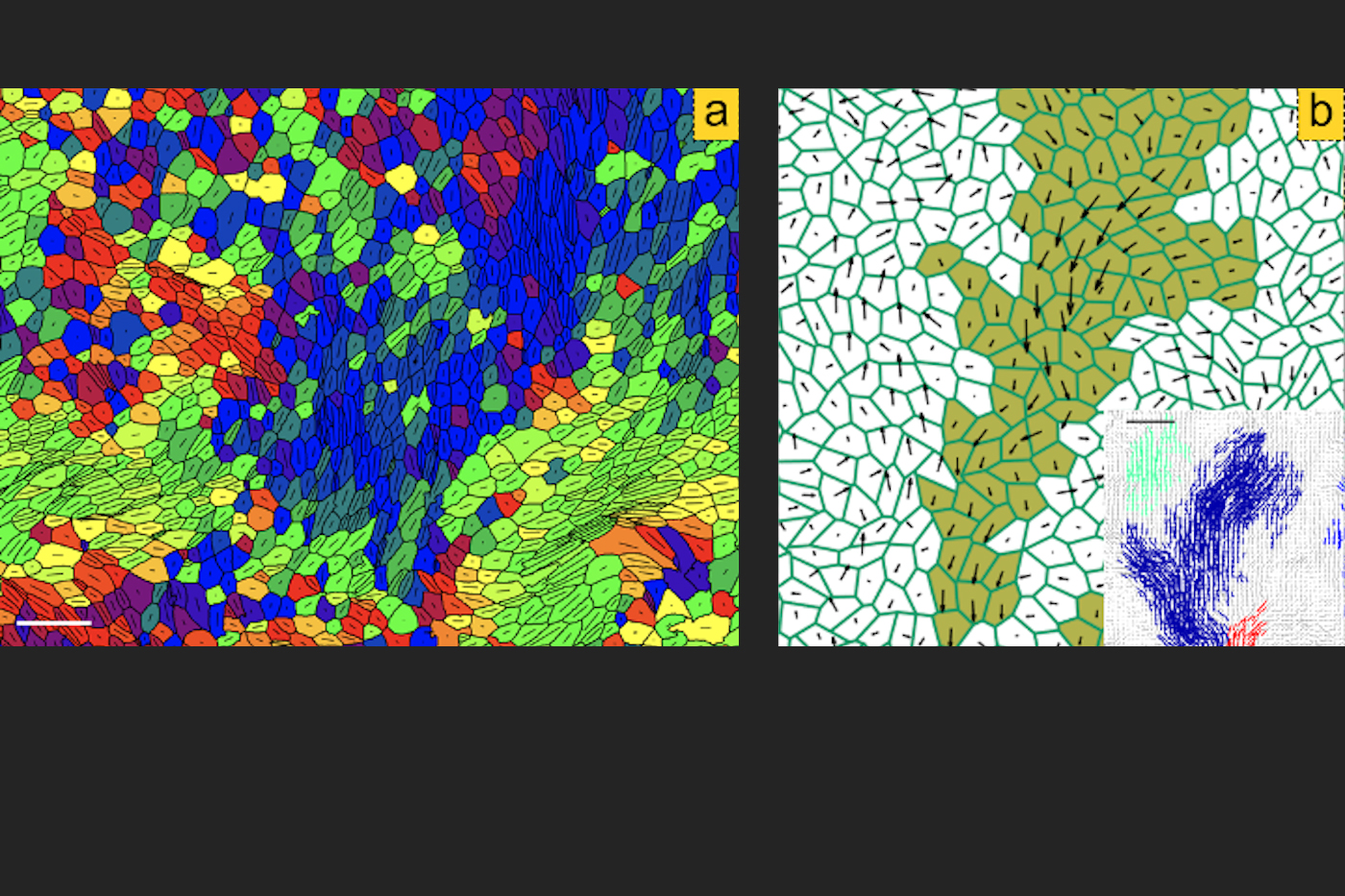
Getting Under Your Skin: How a Interdisciplinary Team of Scientists Came Together to Study Epithelial Cells
A duo of Northeastern physicists team up with Harvard biologists to accomplish something neither group could on their own. Find out how physics can revolutionize the biological sciences, and what it means for physics in return.
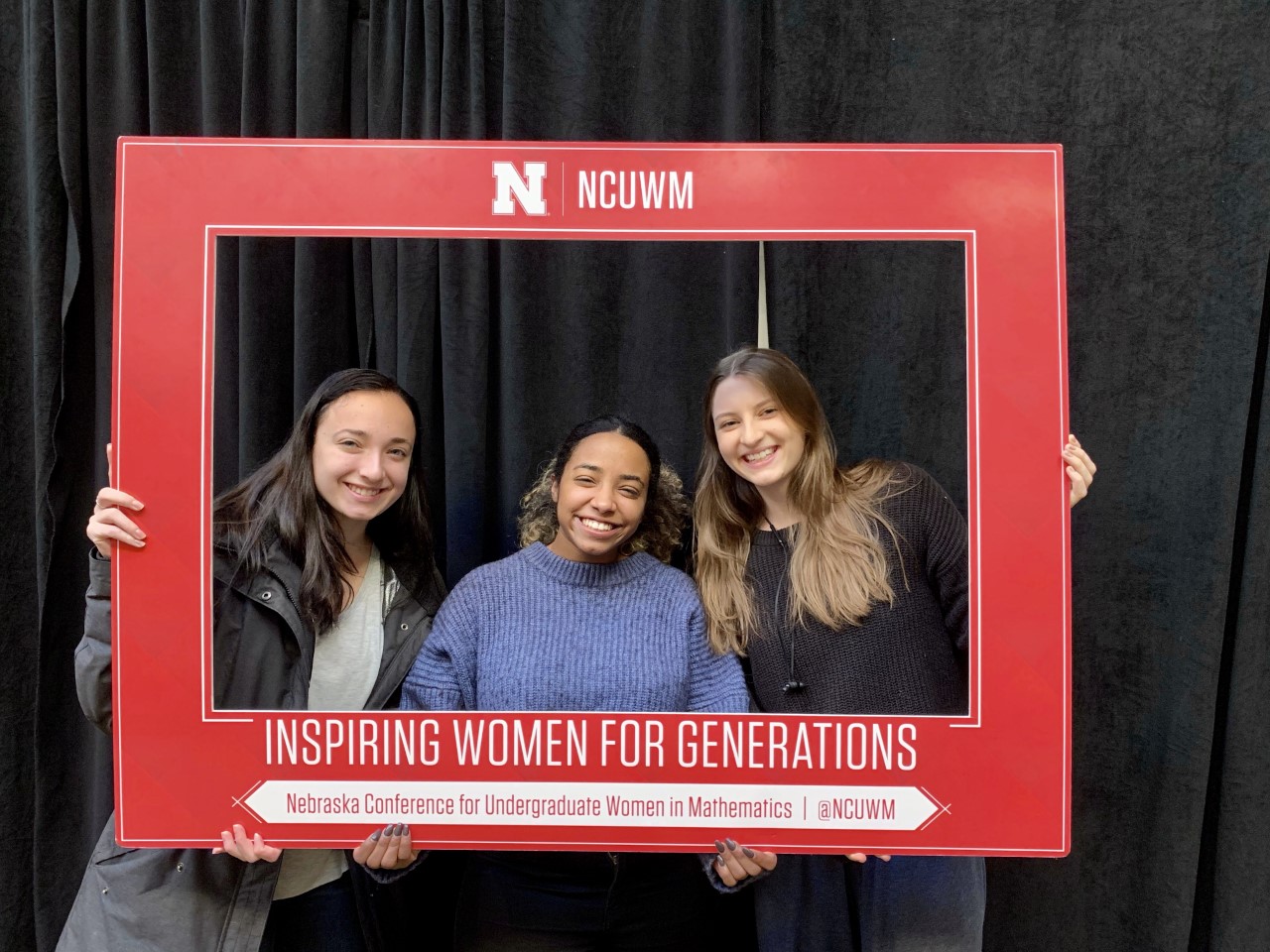
Student Profile: Zoe Daunt, Mathematics Major
Read the impact one student has had on gender equality within mathematics at Northeastern
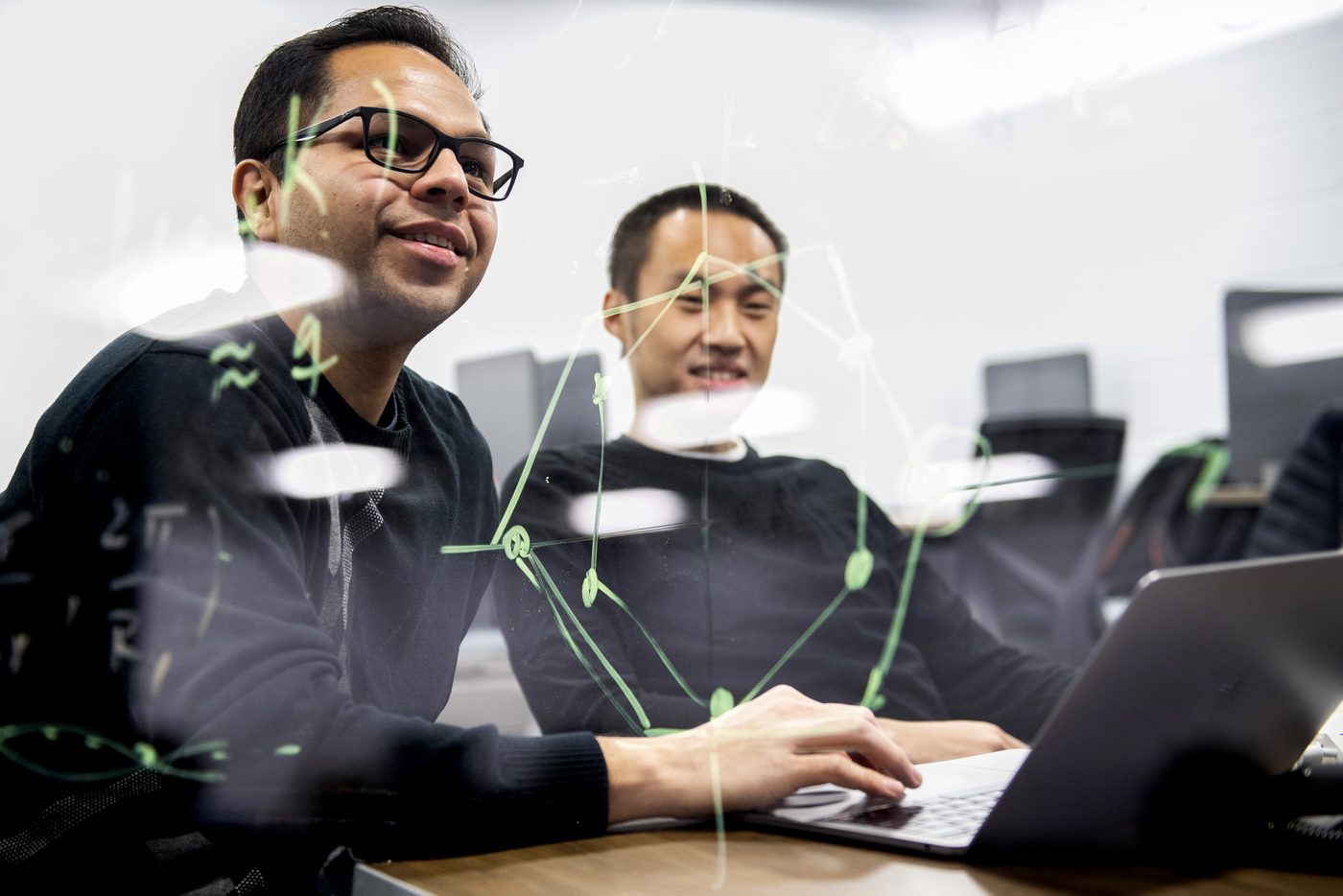
Is Math Really the Language of Nature? This Physicist is on a Quest to Find Out.
Growing up in a small Mexican town, Martin Rodriguez-Vega, a postdoctoral research associate in physics, felt disconnected from anything scientific. Now, as he studies the exotic properties of quantum materials, Rodriguez Vega finds that one of the most important parts of being a physicist is the bonds he’s formed with budding and accomplished scientists alike.
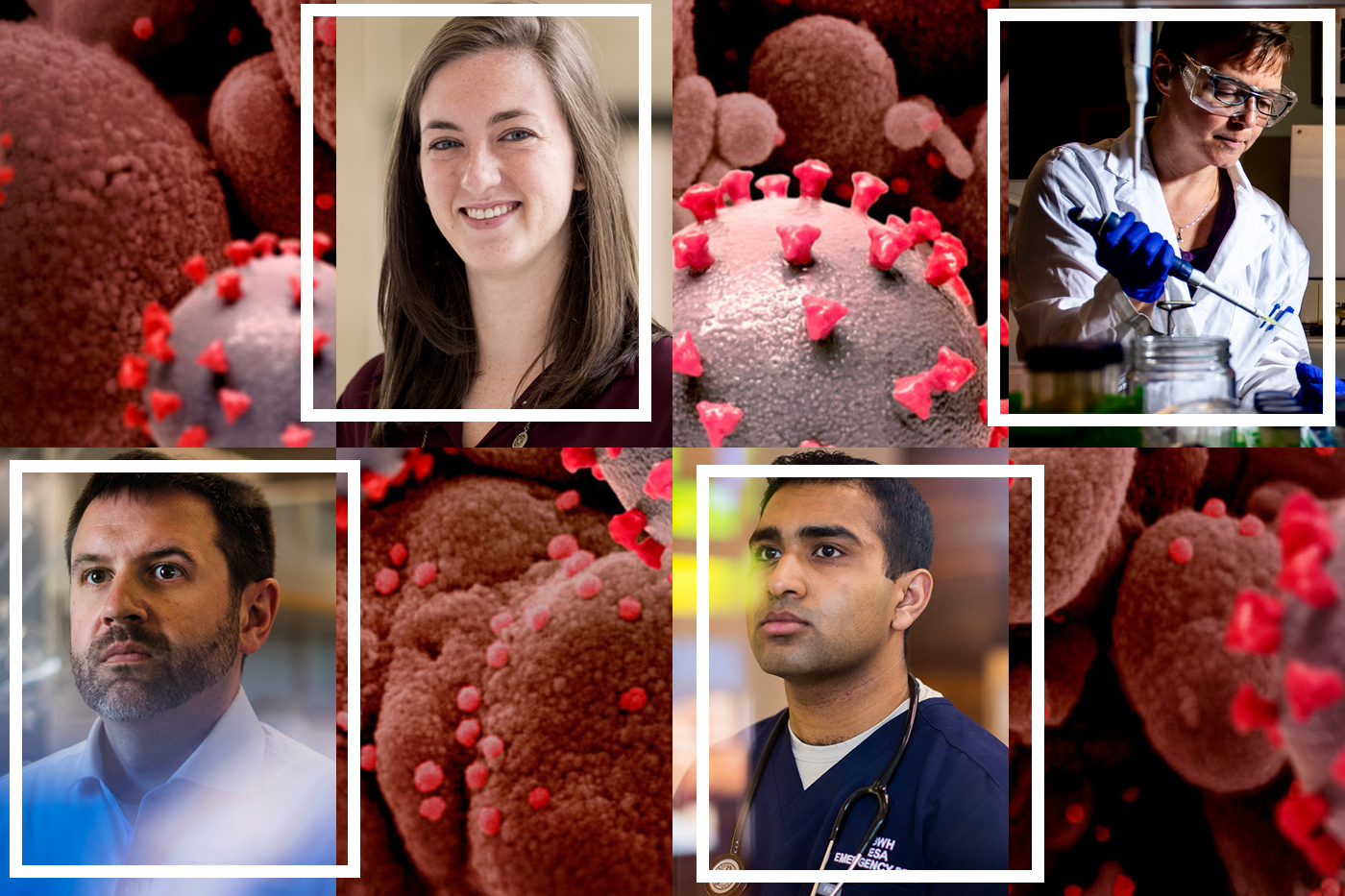
The Sum Total: A Collection of COVID-19 Stories Across COS
When COVID-19 emerged as global threat, it demanded action. The Northeastern College of Science heard the call. Read the stories of the COS community doing their part to fight the pandemic.
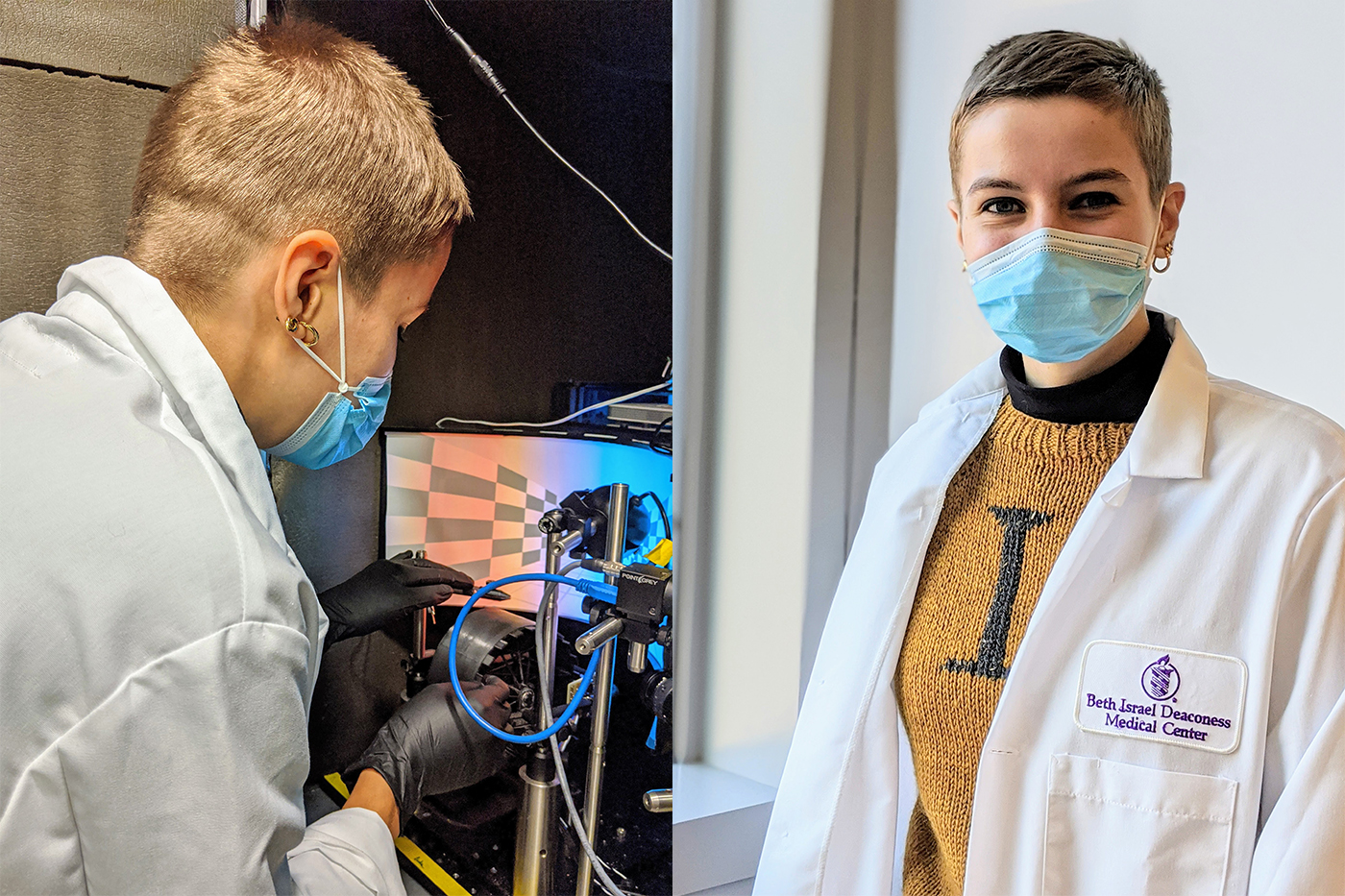
Co-op and COVID: Working at Beth Israel Deaconess Medical Center
Leilani is a fourth year behavioral neuroscience major at Northeastern, currently on her first co-op at Beth Israel. She was hired to be an assistant during behavior studies of mice, but like many students her co-op experience has been dramatically changed by the pandemic. We reached out to her to see what her experience is like, and how it is different from what she expected.

‘To Benefit the Earth and Those Upon It.’ Announcing the 2020 Muckenhoupt Scholarship Winners.
Congratulations to Allison Noble and Haley Bayne, this year’s recipients of the Dr. Carl Muckenhoupt Scholarship!
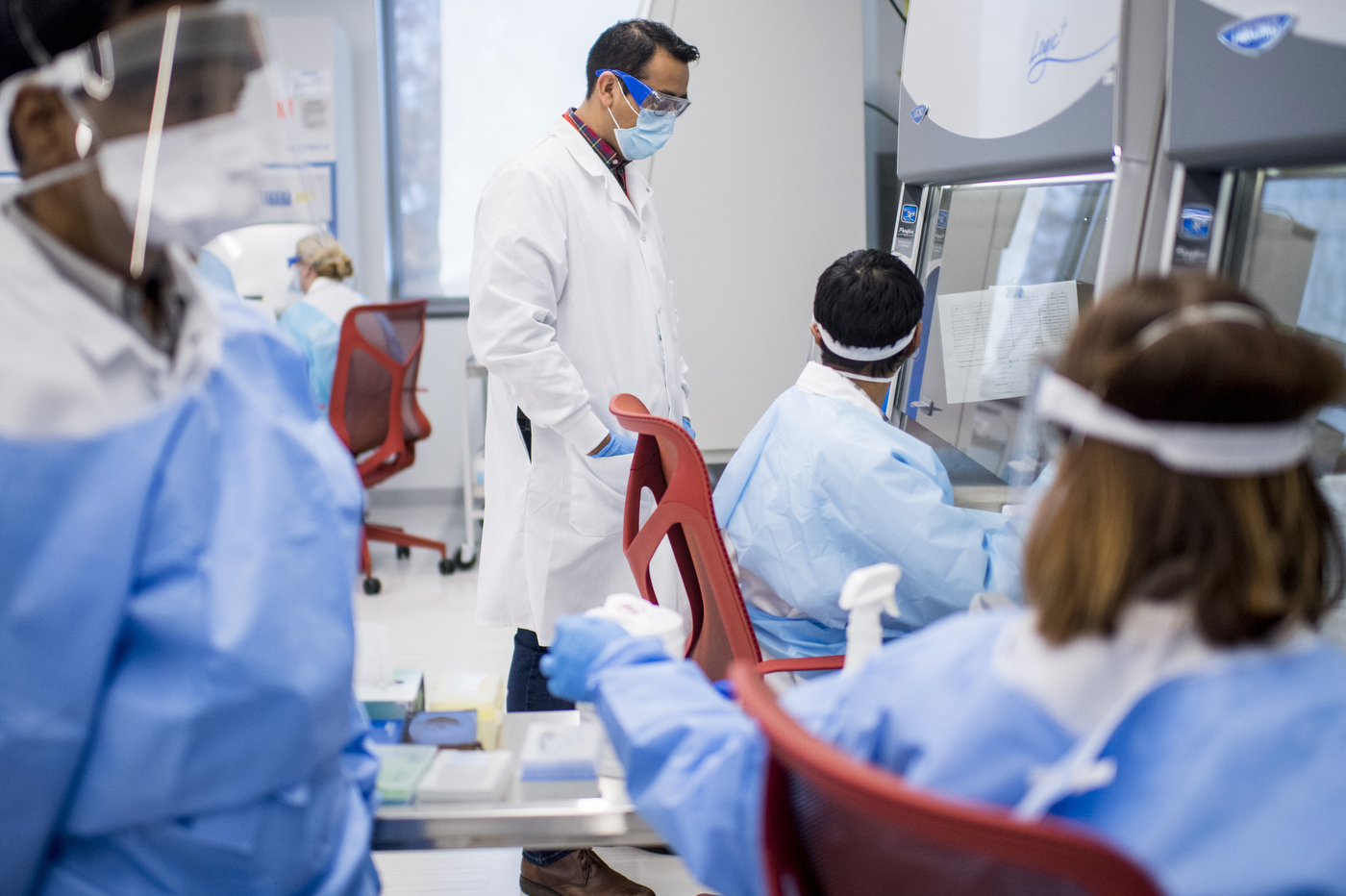
In the Trenches at Northeastern’s Coronavirus Testing Center by Day, Hitting the Books at Night
This grad student is part of the process keeping COVID tests- and northeastern- running smoothly. It's a lot to tack on when you're still a full time student.