COS News
News

A new report from a group of Northeastern researchers explores across disciplines how biotech can ensure safe, sustainable life beyond Earth.
The key to international space cooperation is developments in biotechnology, Northeastern researchers say
News

The NeuroPRISM lab, led by assistant psychology professor Stephanie Noble, makes tools that pave the way for reliable and reproducible neuroimaging of the brain.
Precise maps of the brain’s deepest corners are made possible through tools developed by these Northeastern researchers
Showing all results
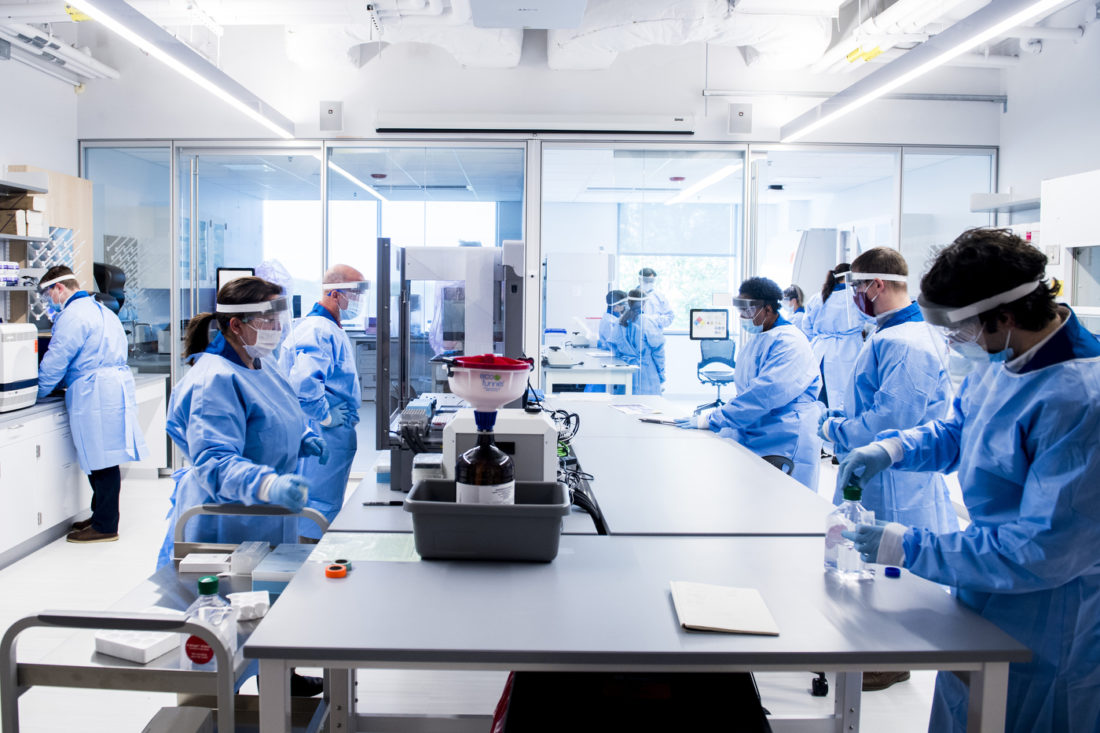
Northeastern’s Life Sciences Testing Center Secures Certifications to Process the University’s Coronavirus Tests
A brand new coronavirus testing facility on Northeastern’s Innovation Campus in Burlington, Massachusetts, will help the university’s efforts to keep its community and surrounding neighborhoods safe with extensive testing of students, faculty, and staff.
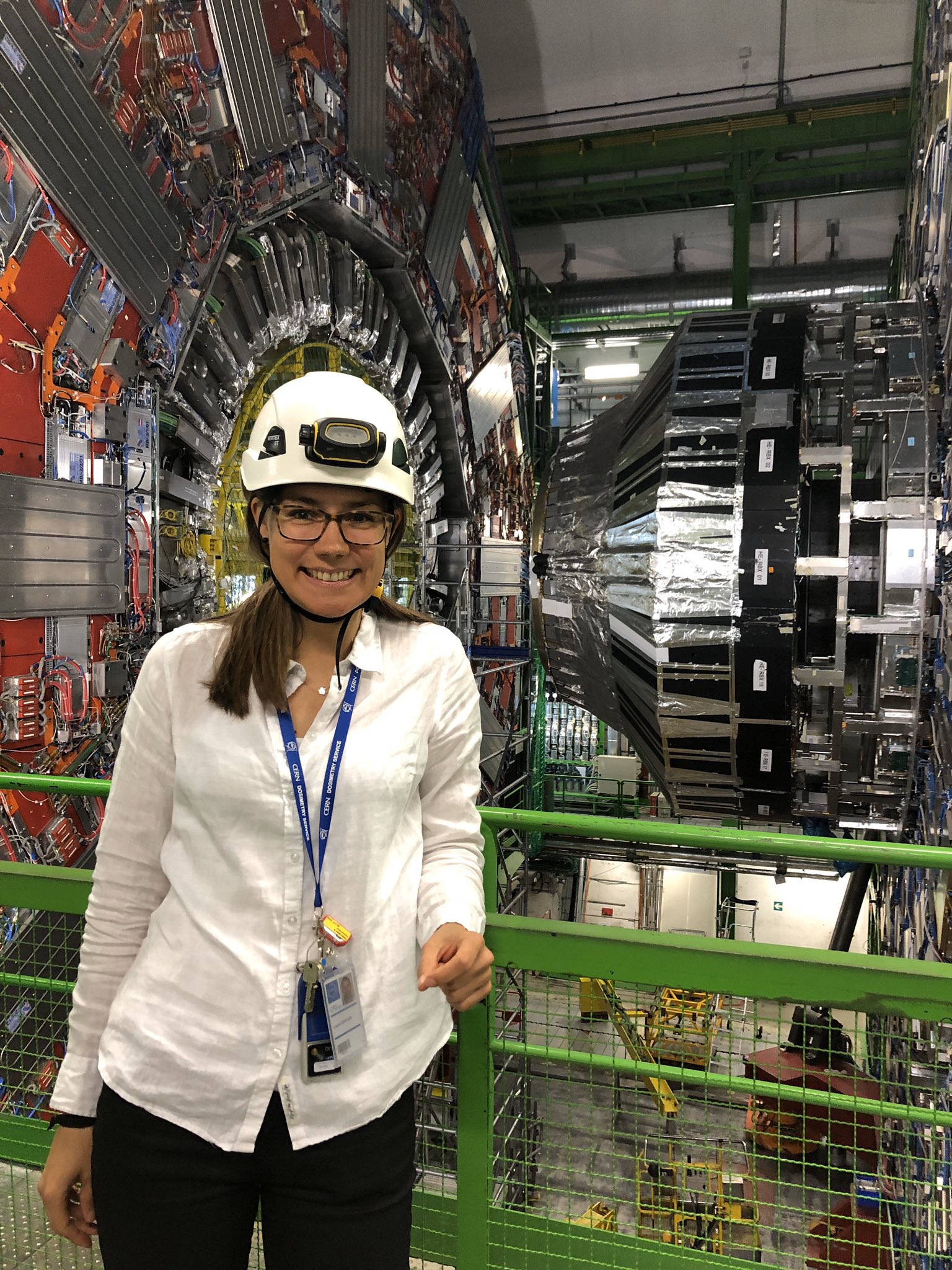
Louise Skinnari Wins Department of Energy Physics Grant
Physics Professor Louise Skinnari and her lab were recently awarded a multi-year grant from the United States Department of Energy. We caught up with her to discuss her experience at CERN, the transformative affect of funding on research, and her time at Northeastern. You have just received a DOE grant awarded in the field of “high...
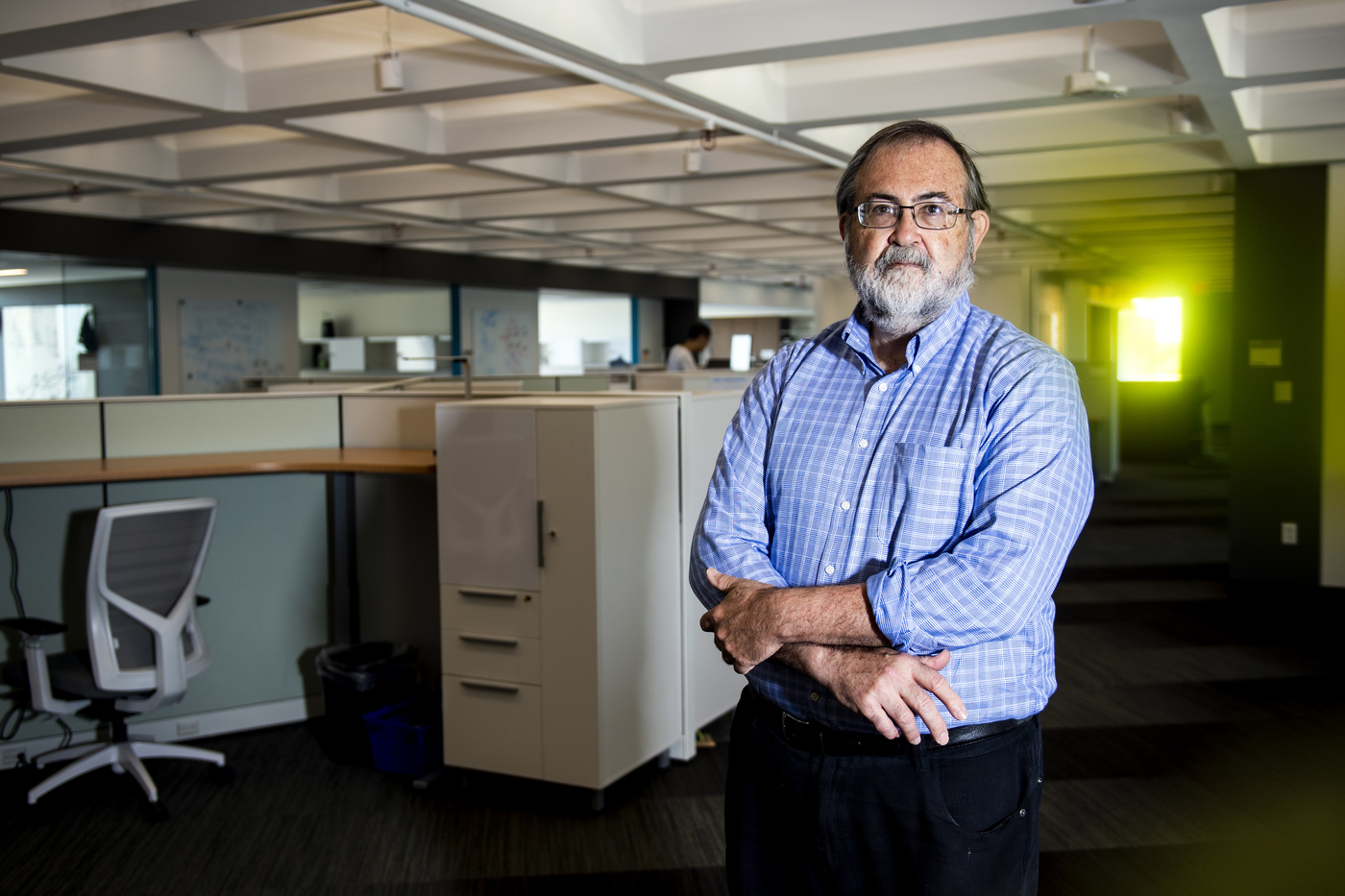
NSF’s Physics Frontier Center, The Center for Theoretical Biological Physics, expands to Northeastern
Northeastern will become the newest expansion for the Physics Frontiers Center program, under the direction of University Distinguished Professor of Physics and Bioengineering, Dr. Herbert Levine.
Shipworms Have No Problem with Bacteria Getting in Their Cells. Studying Them Might Help Explain Why Humans Do.
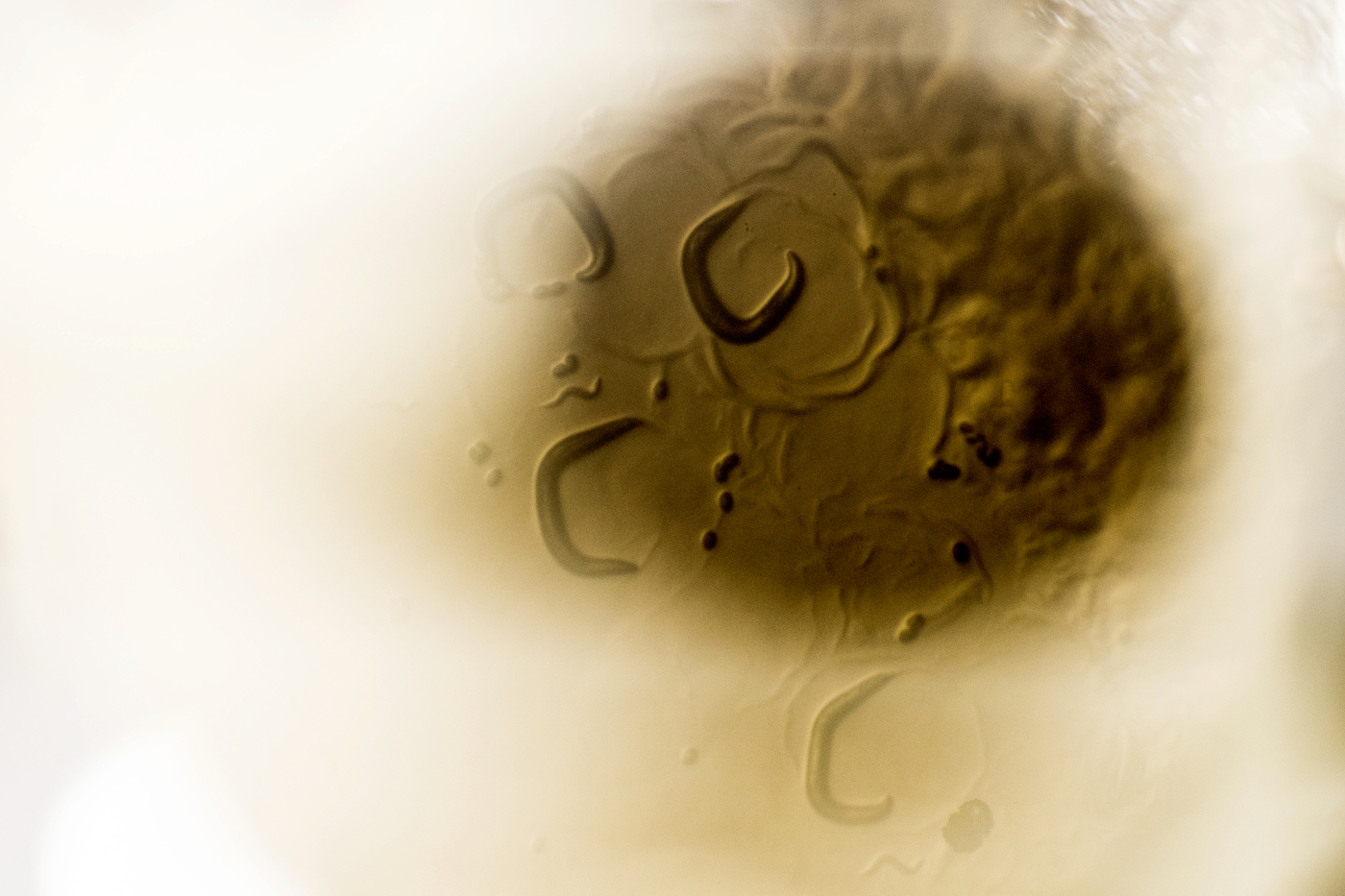
Caenorhabditis elegans, a transparent, microscopic worm, has evolved a way to take advantage of protection provided by nearby bacteria. This response could provide clues as to how humans coordinate our own cellular defense systems.
How a Freeloading Worm Might Help Us Live Healthier, Longer Lives
Caenorhabditis elegans, a transparent, microscopic worm, has evolved a way to take advantage of protection provided by nearby bacteria. This response could provide clues as to how humans coordinate our own cellular defense systems.
MIT-Wits Program continues to thrive
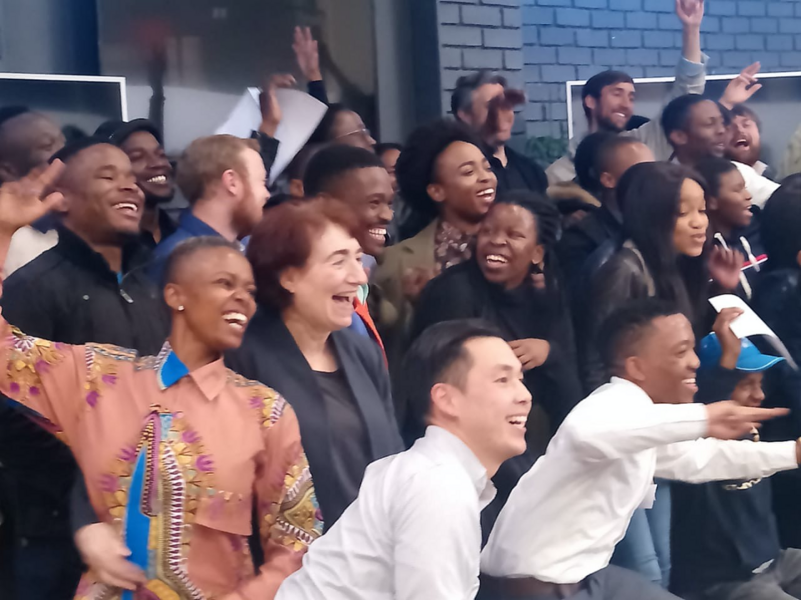
Now in its seventh year, the MIT-Wits Program is one of MIT’s most active in Africa. Whether through MIT International Science and Technology Initiatives (MISTI)-organized student opportunities and faculty seed funds, visiting professors, or its array of edX courses, the relationship is as strong as ever. Known fondly known as Wits (and pronounced “Vits”), the...
Scientists Still Don’t Have All the Answers about the Coronavirus–and That’s a Sign of Progress
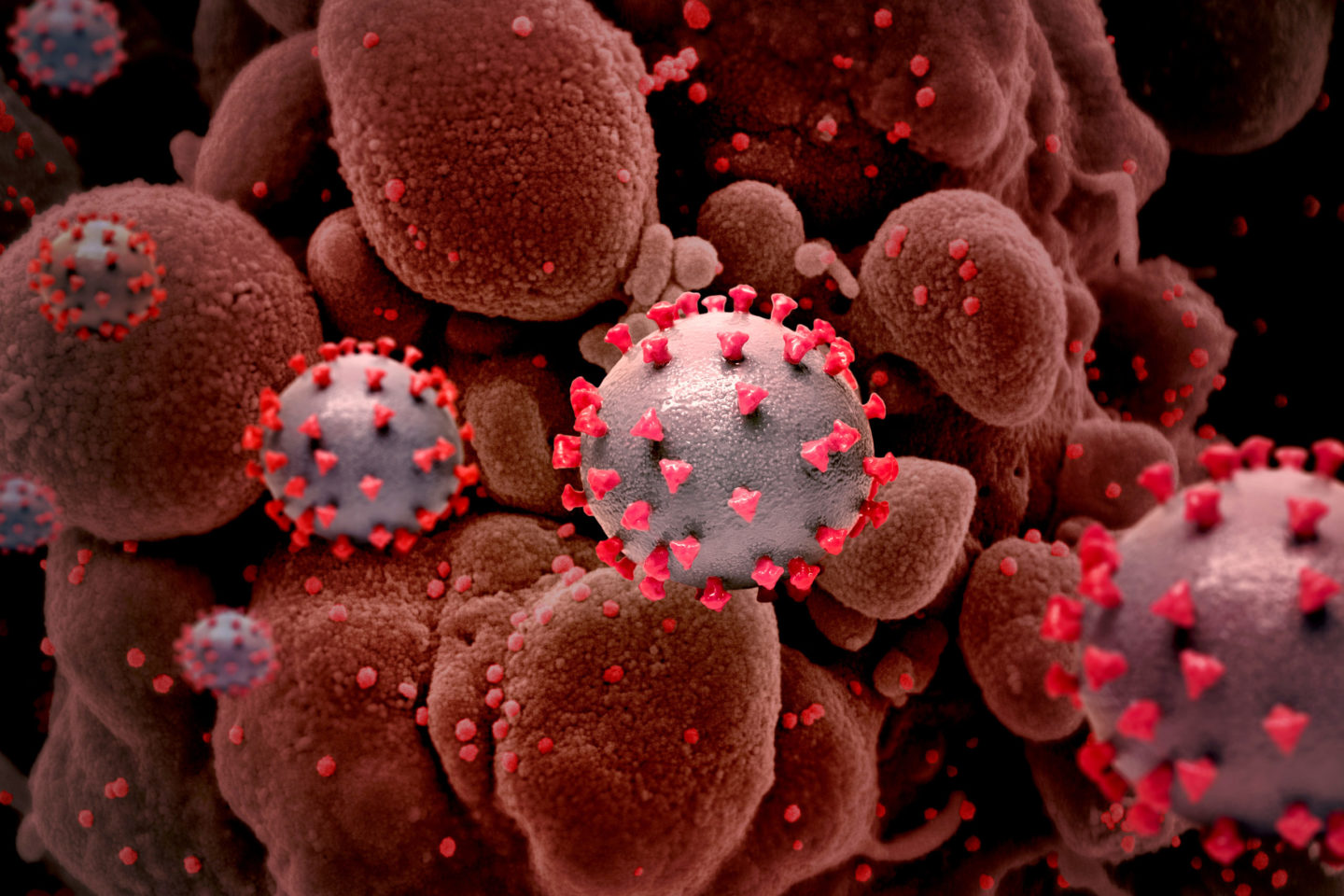
Continuous talk about Covid-19 and how best to stop it proves that we're learning and adapting to it.
They’re Planning to Build a New Space Station… at the Bottom of the Ocean
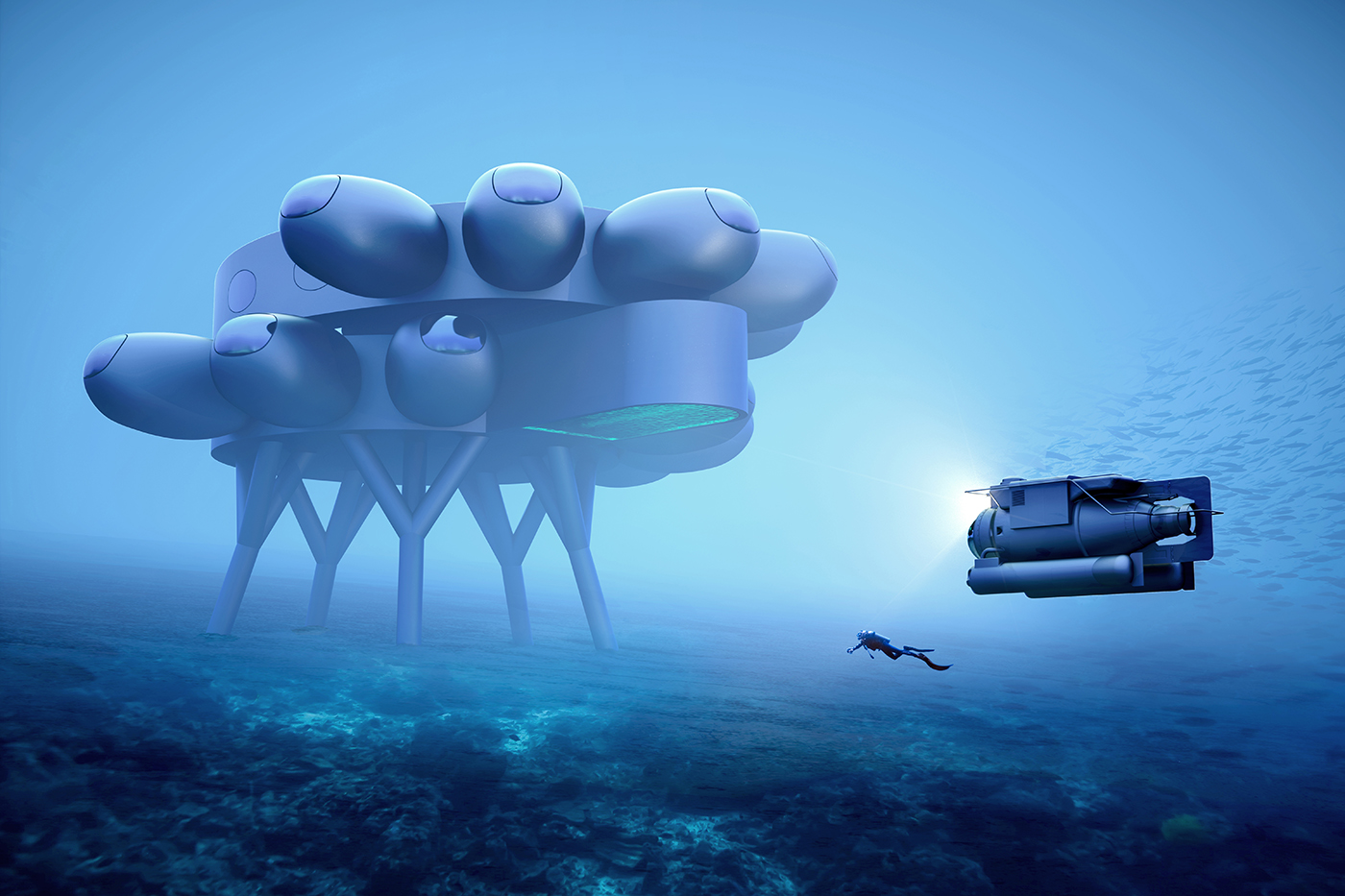
The underwater research station will allow scientists and engineers to live, work, and conduct long-term experiments under the sea. Rendering by Yves Béhar, courtesy of Fabien Cousteau Ocean Learning Center.
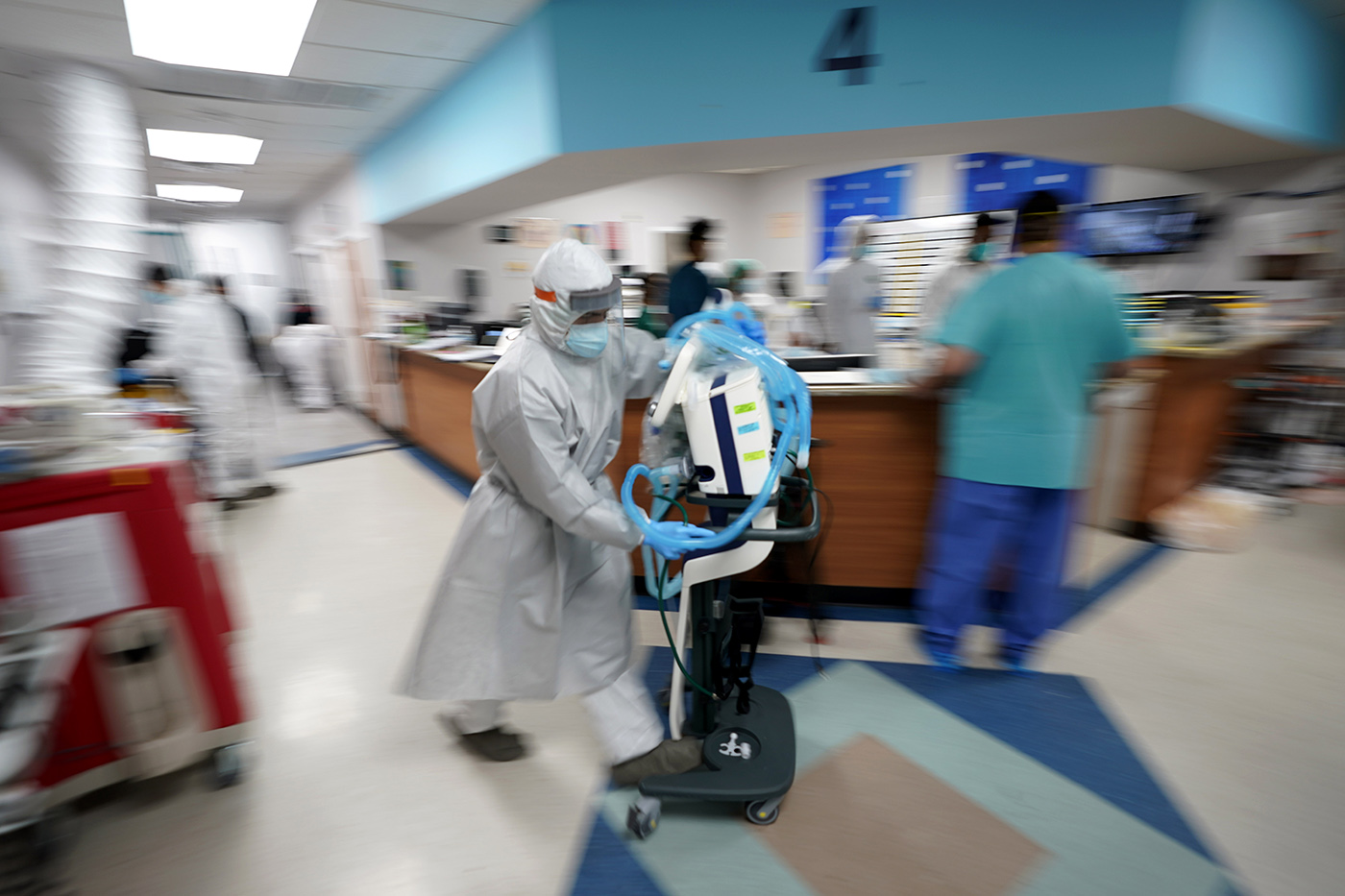
The CDC Is No Longer in Control of Covid-19 Hospitalization Data. Here’s What That Means.
Under a new federal mandate, the COVID-19 data that U.S. hospitals had been sending directly to the Centers for Disease Control and prevention are now being sent to a different central database, using a system run by a private technology firm. The change raised concerns among public health experts, who warned the new directive might be a...
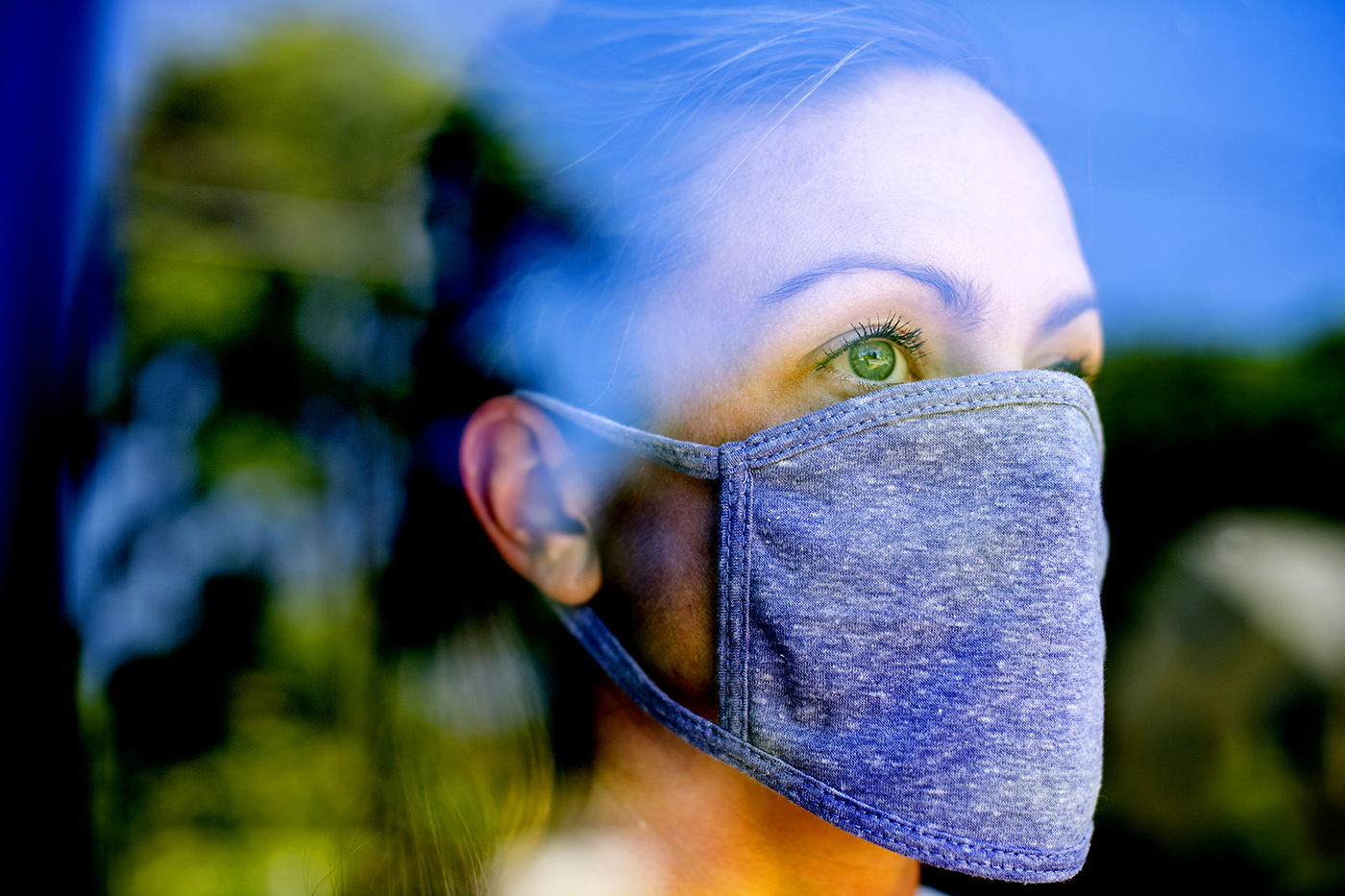
Covid-19 Misconceptions Are Hard To Fight. Cognitive Psychology Might Help.
There are plenty of misconceptions about COVID-19, the disease caused by the SARS-CoV-2 coronavirus. And that’s especially true during a time when false information about the disease, the virus, and possible treatments is so hard to counteract. Different misconceptions about the coronavirus—about how it gets transmitted, and how it leads to COVID-19 complications, for example—can result from a limited...
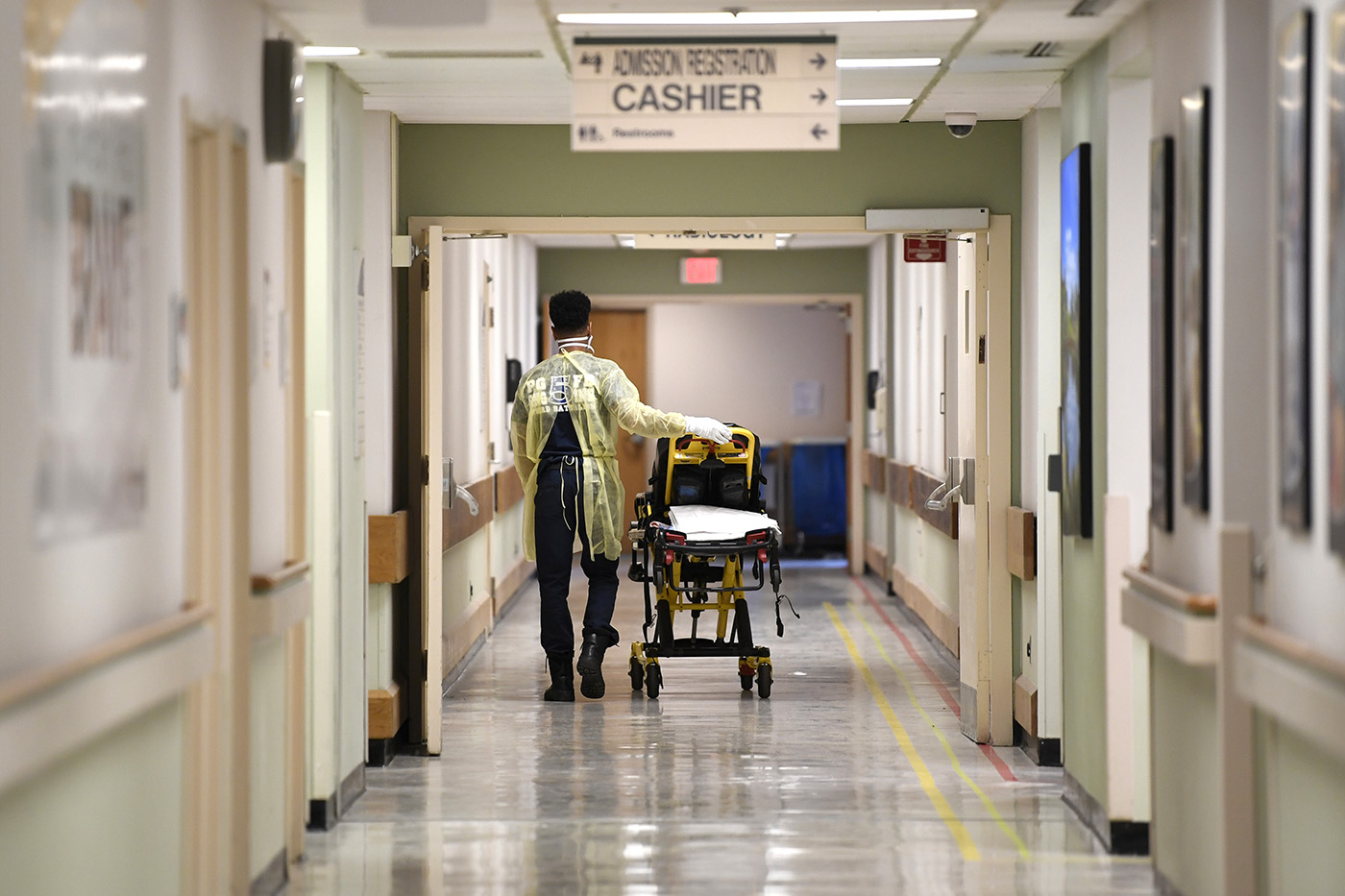
Disease Surveillance Leaves out the Communities That Need It Most
As the current COVID-19 crisis has made abundantly clear, public health agencies need reliable, up-to-date information to effectively address evolving health problems at local, state, and federal levels. Many agencies in the U.S. are looking to disease surveillance systems that incorporate hospital records and internet-sourced data to predict where and when the worst outbreaks will...
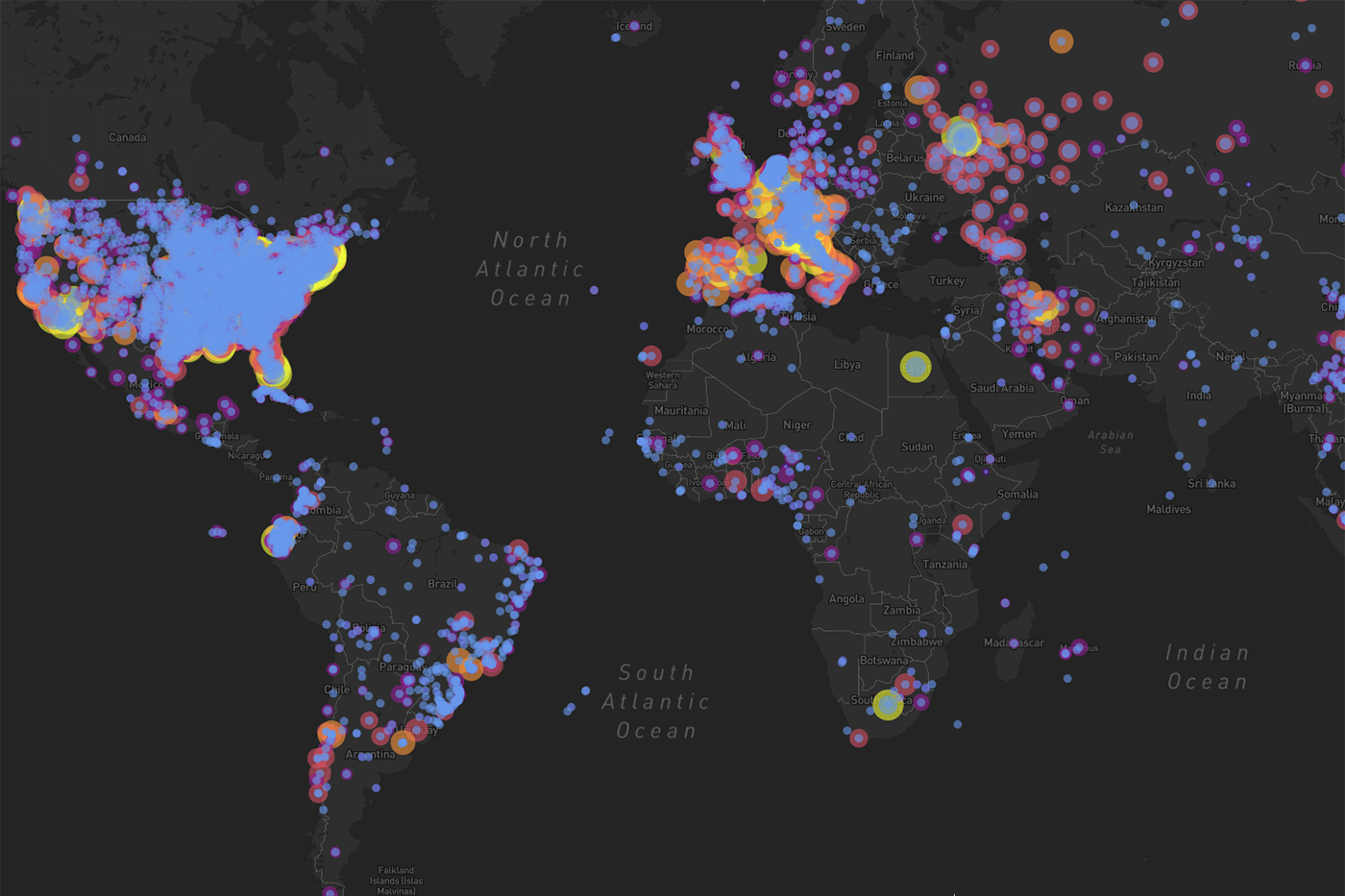
‘We Find Ourselves Asking Scientists to Do More than Simply Study the Virus’
We find ourselves asking scientists to do more than simply study the virus,” said Mark Patterson, associate dean for research and graduate affairs in Northeastern’s College of Science, in a conversation streamed on Facebook Live. “In state houses, in cable news interviews, and on social media, they’re translating their data into insights, recommendations, and even advocacy.” Patterson spoke...