COS News
Research

“The basic premise is that AI can help us do better physics, and something that is less expected is that physics can also help us understand AI better,” said Northeastern professor James Halverson.
AI and physics have more in common than you might think.
News
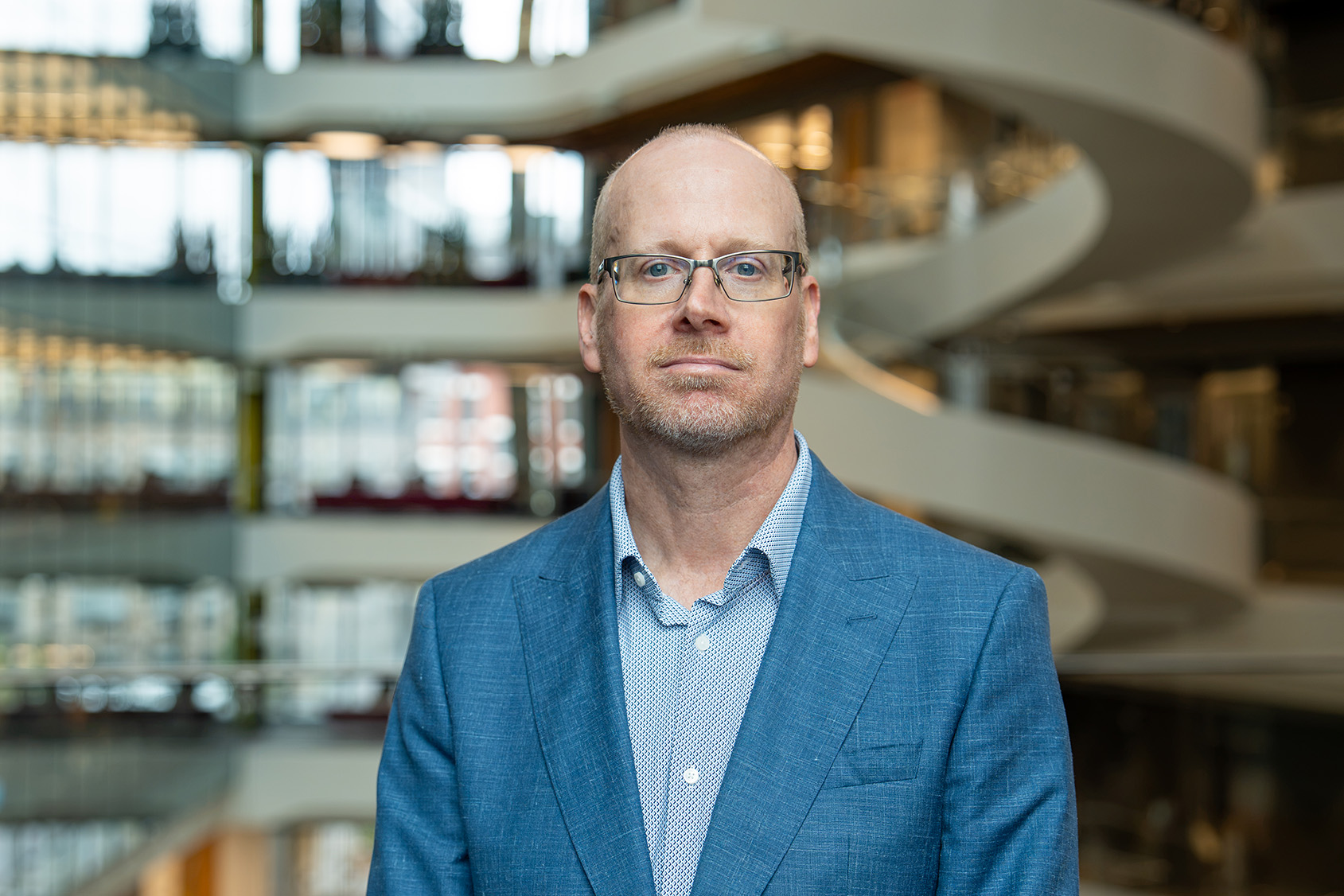
Mark Williams, Professor and Chair of the Department of Physics, will assume the role of Dean of the College of Science, effective July 1, 2026.
Mark C. Williams named Dean of the College of Science
Showing 228 results in Marine and Environmental Sciences
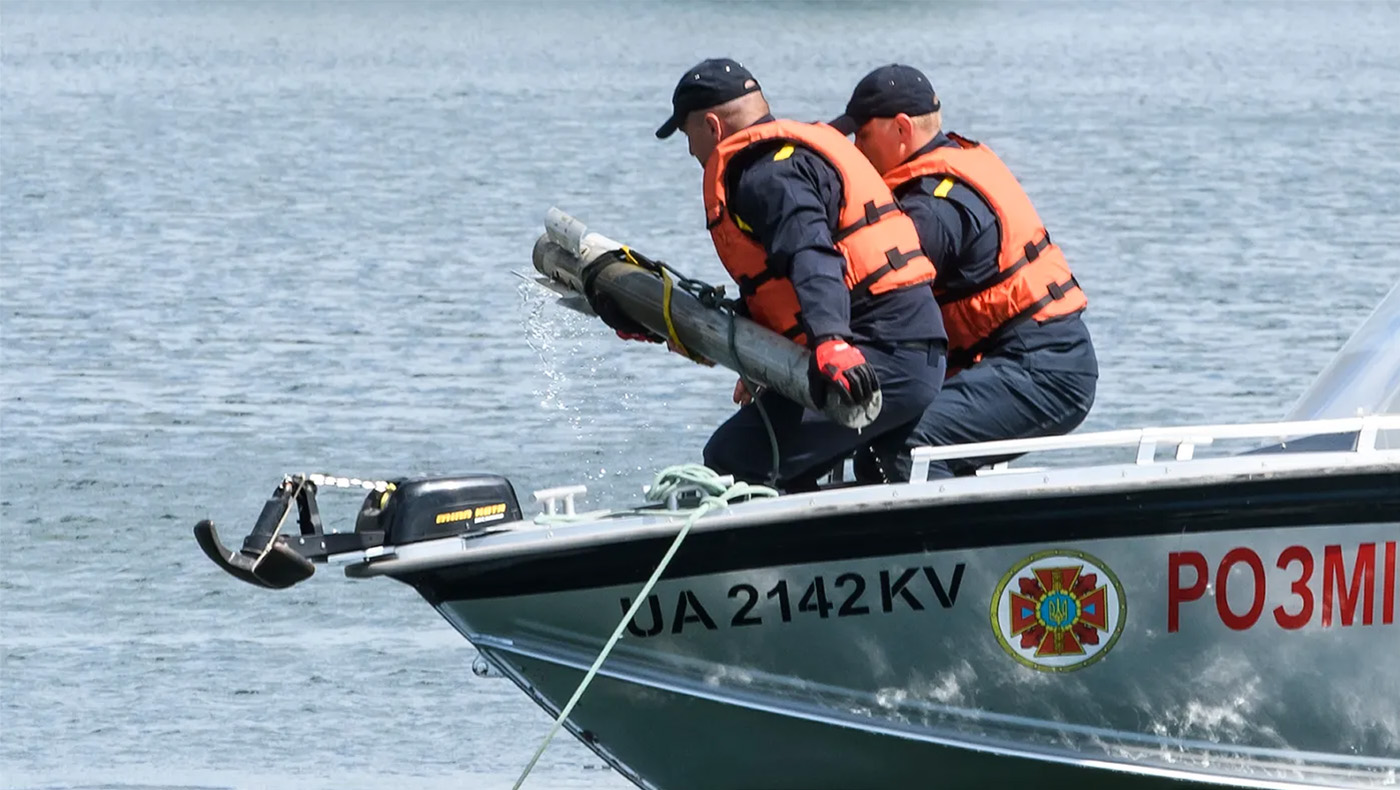
Why unexploded ordnances pose physical — and environmental — risks
Two unexploded ordnance were fished out of the Charles River in Needham, Massachusetts, this week. A sweep of the river by the state police bomb squad and a marine dive team didn’t turn up any more munitions. Beyond the obvious safety risks, the old weapons and ammunition left underwater also present environmental risks, a Northeastern...
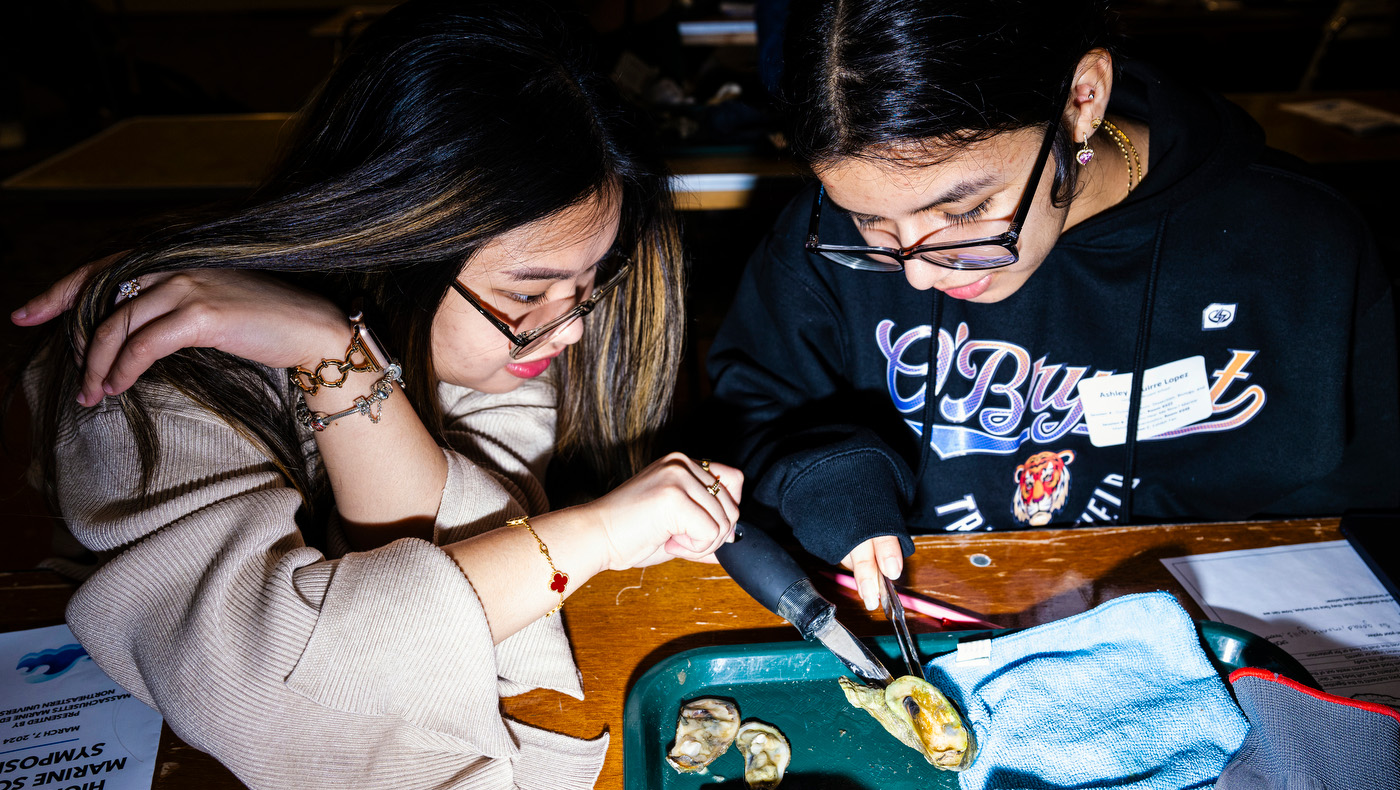
Students dissect oysters and squid, learn about coastal ecology during the annual high school symposium at Northeastern
Students from a dozen area schools measured oysters, dissected squid and learned why plastic is called “ocean smog” during the annual High School Marine Science Symposium at Curry Student Center on Northeastern’s Boston campus. The 250 students got a chance to talk with fledgling and experienced scientists during the event, which was sponsored by Northeastern...
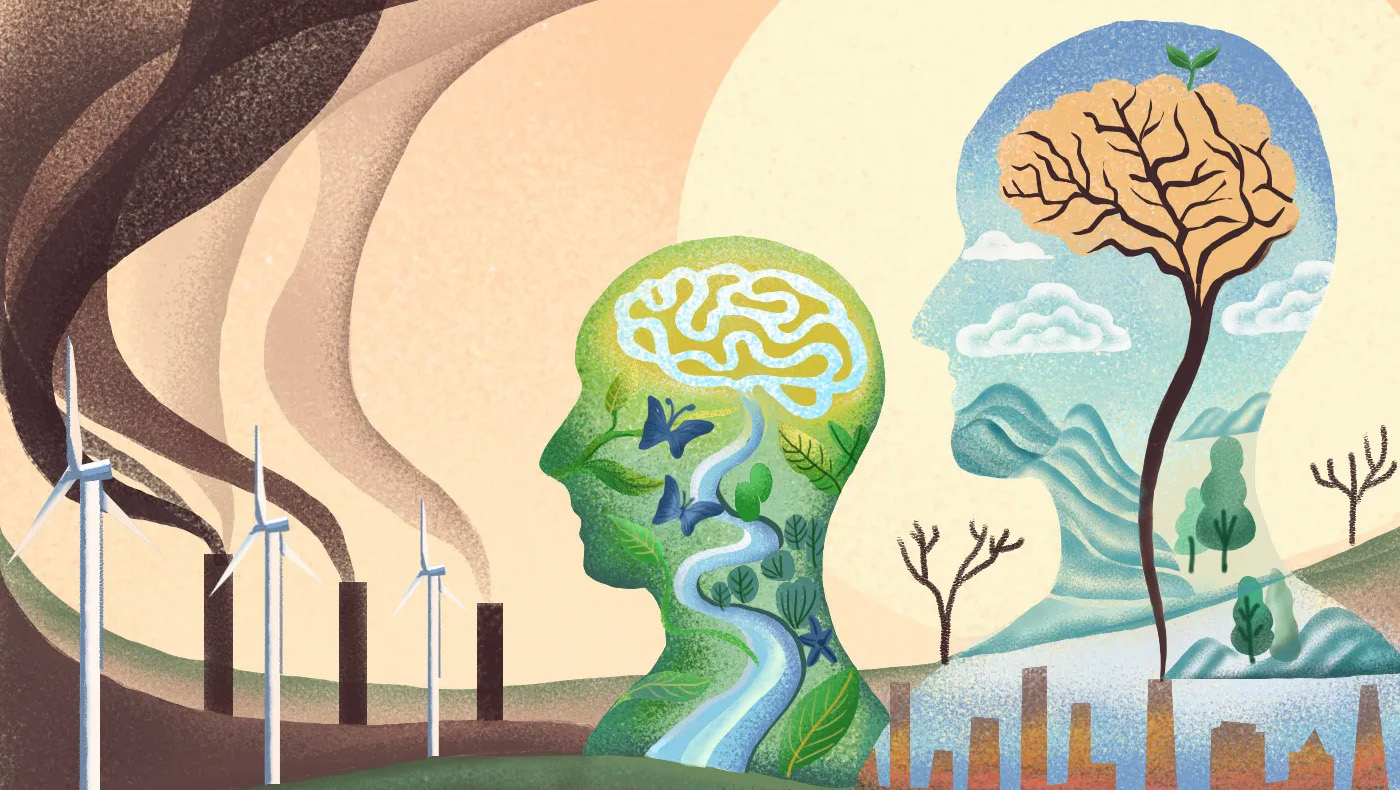
We can’t combat climate change without changing minds. This psychology class explores how.
A new offering for the spring 2024 semester, PSYC-4660 is a seminar in cognition, a subset of psychology that covers how people encode, represent and process information from the environment in the brain, according to Coley, a psychology professor with a dual appointment in environmental science. Humans & Nature zeros in on how those things...
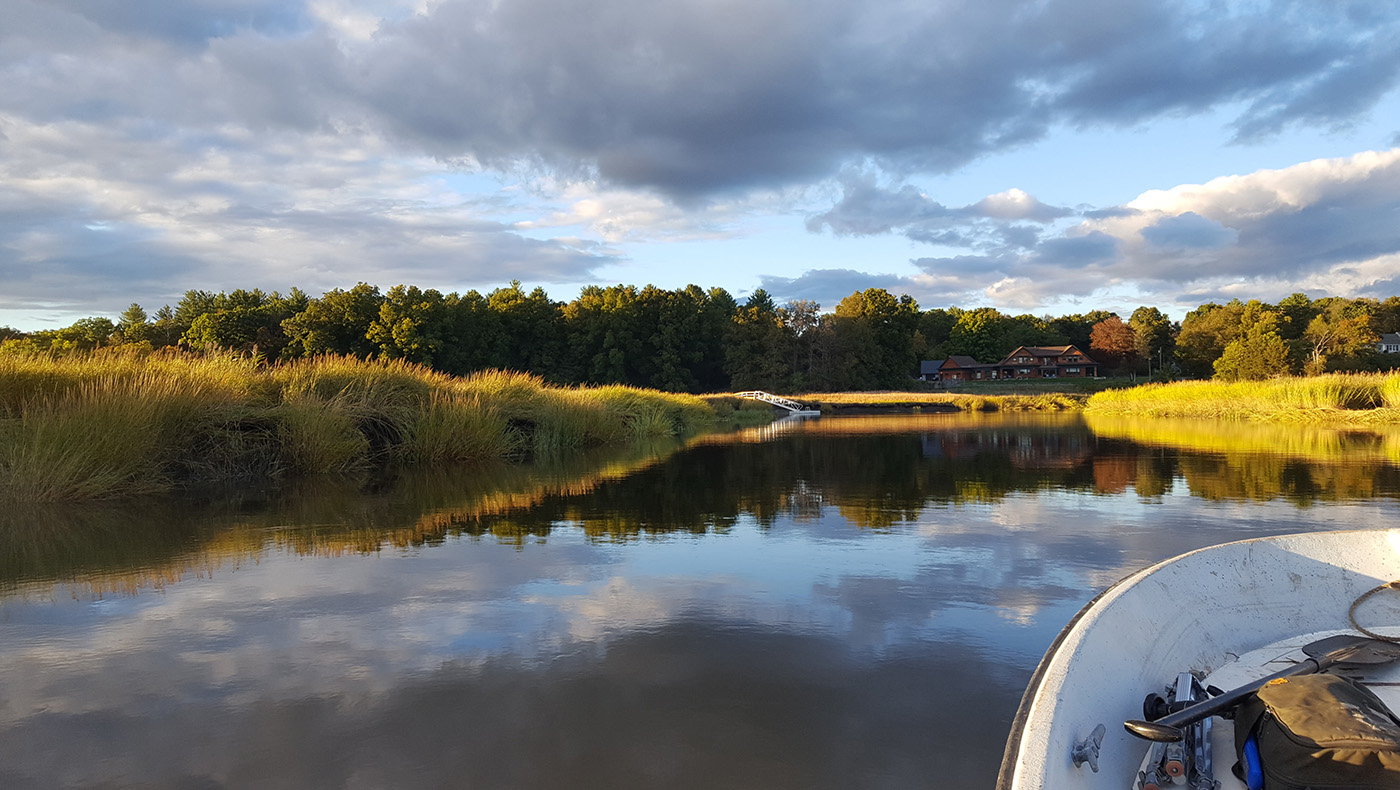
Bowen to explore microbial activities in new $8.4M coastal marsh project
Dr. Bowen's work in this collaborative project focuses on using tools from molecular biology to understand how the diverse metabolisms of microbes affect the ecosystem services provided by marshes.
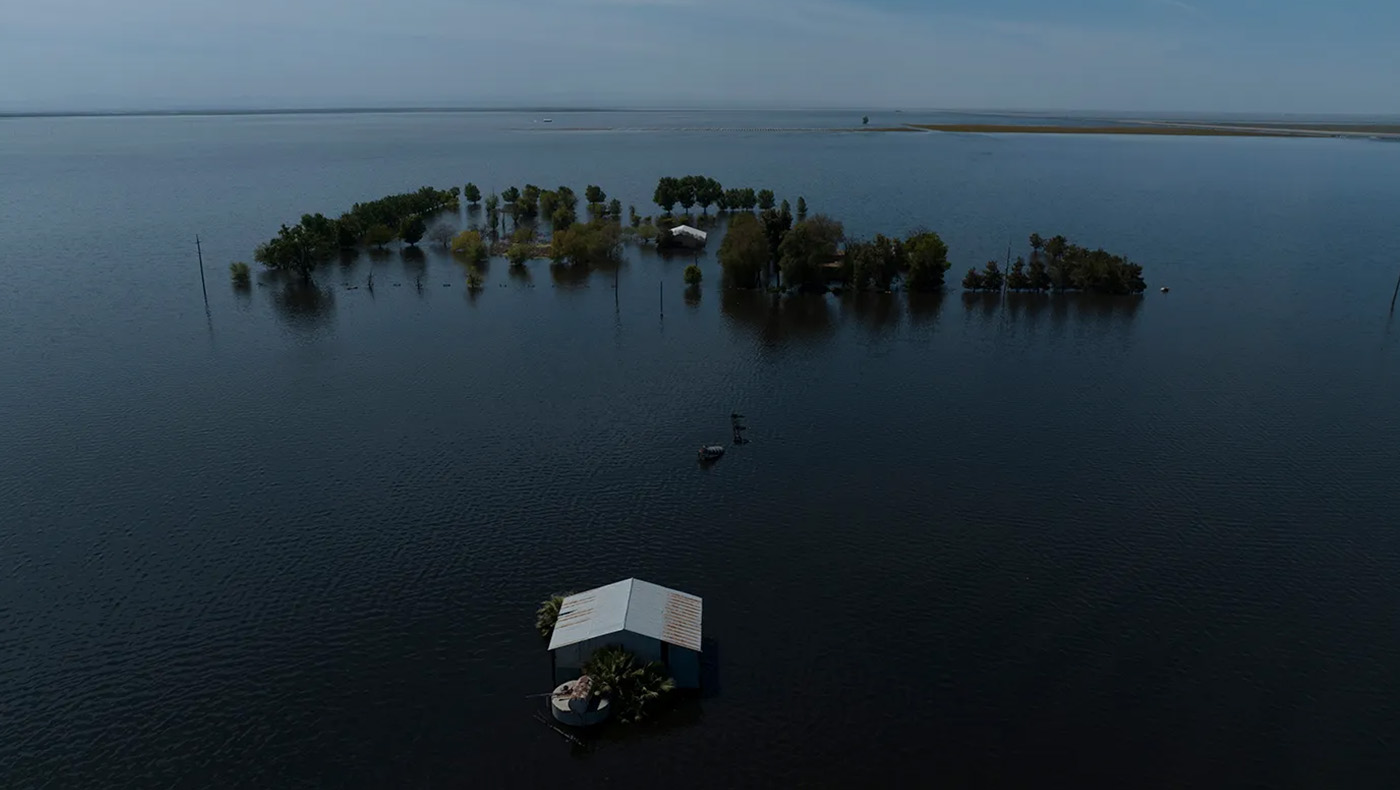
The largest body of water west of the Mississippi disappeared 130 years ago — now it’s back
The San Joaquin Valley of California, despite supplying a significant percentage of the country’s food, is nevertheless a dry, arid place. Fresno, at the heart of the valley, receives just over 10 inches of rain a year on average, according to the National Weather Service, and sometimes as little as 3. And yet, until the...
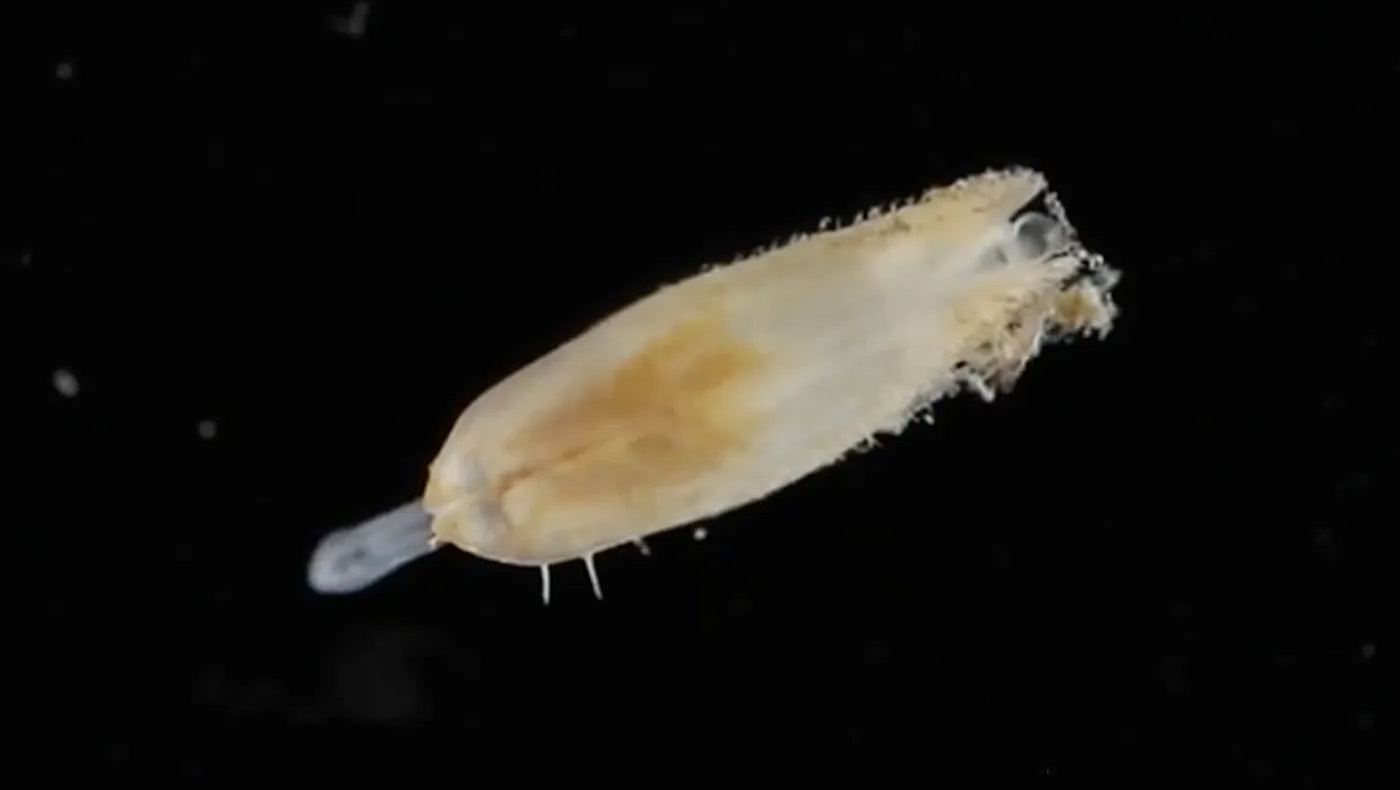
New species of mussel that lives in an ancient undersea forest discovered by Northeastern marine scientist
A Northeastern marine scientist has discovered a new species of tiny mollusk that lives in an ancient, submerged cypress grove called the Alabama Undersea Forest. Dan Distel, research professor at Northeastern’s Marine Science Center, says the bivalve written up in the journal Deep Sea Research represents a new genus and species of mussel and offers...
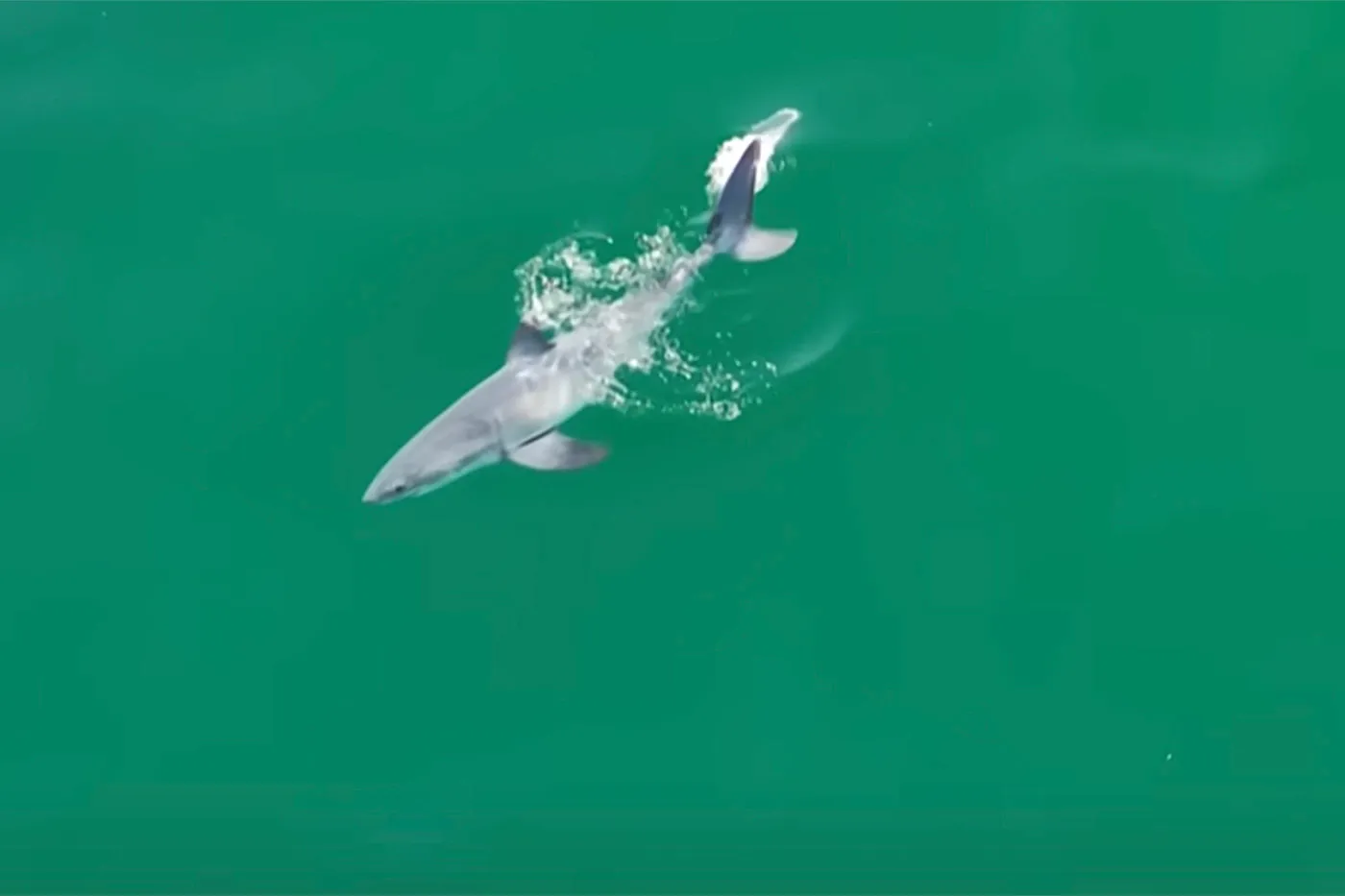
Was a baby great white shark caught on camera for the first time? Northeastern expert explains why it could be major discovery
What is believed to be a live newborn great white shark has been spotted on camera for the first time ever, potentially providing marine biologists with the best look yet at where the apex predator may give birth. Dan Distel, Northeastern professor of marine and environmental sciences, says the discovery could play a role in...
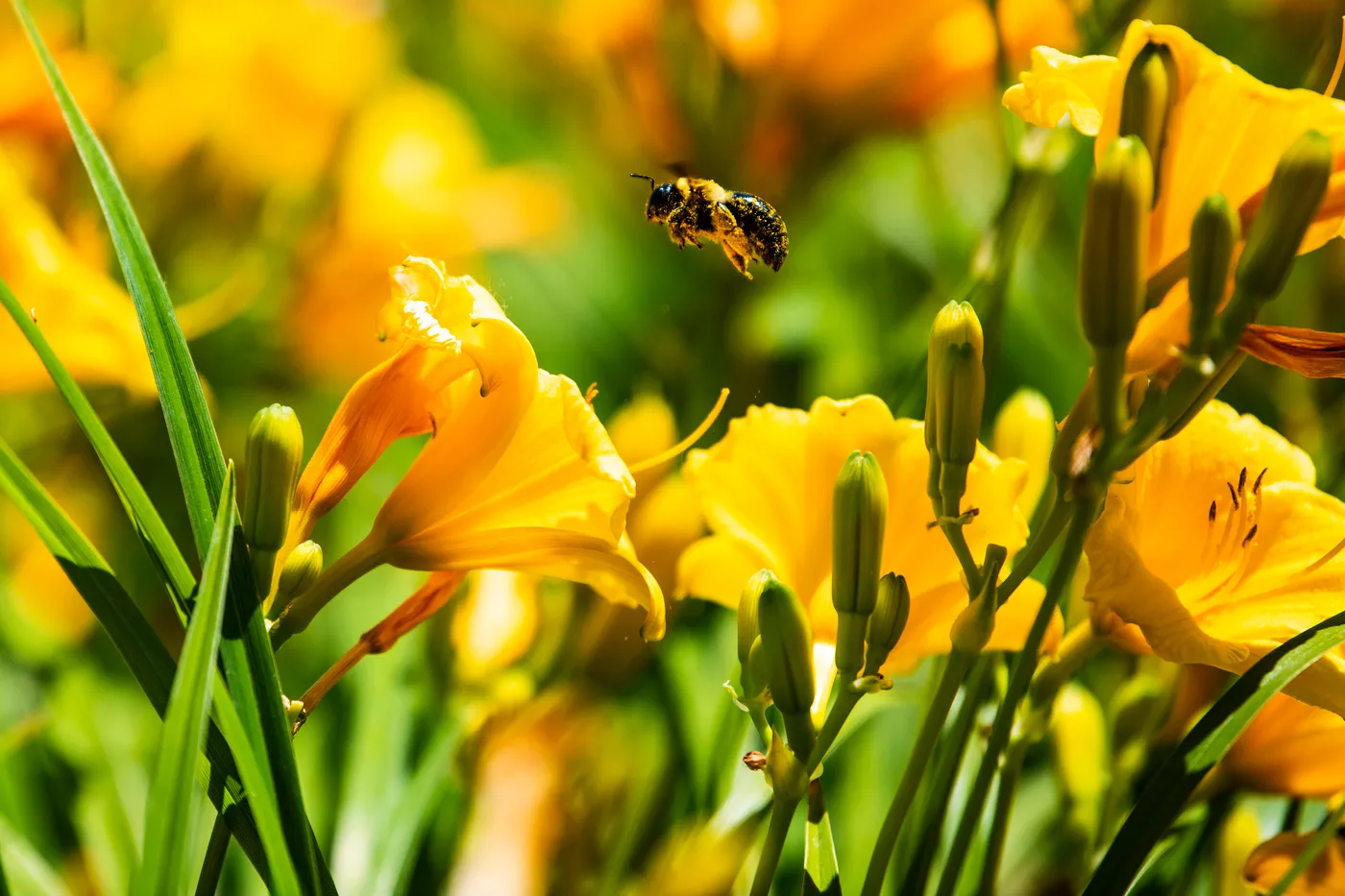
Honeybees are key to biodiversity. Researchers say ecosystems collapsing because of climate change have bee-like species that can be reintroduced
There are very few animals as important to our world as honeybees. There is, of course, the delicious honey they produce, but they are also essential in maintaining food security and the biodiversity that is threatened by climate change and fast-becoming our strongest natural defense against it.
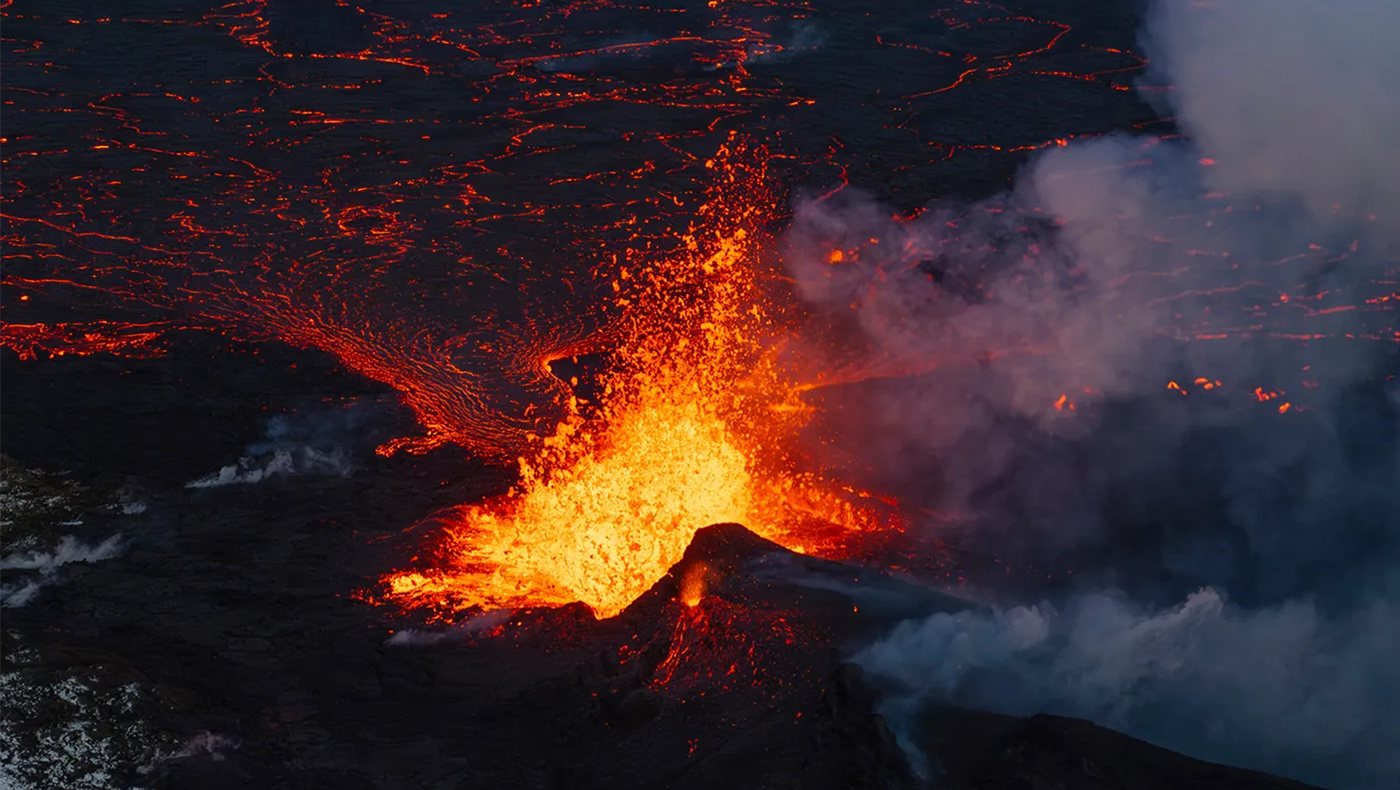
How long will the volcanic eruption in Iceland last? It depends how much magma needs to come out, expert says
The signs started appearing in early November, and people waited anxiously as earthquakes and ground swells indicated a volcanic eruption near Grindavik, Iceland, was imminent.
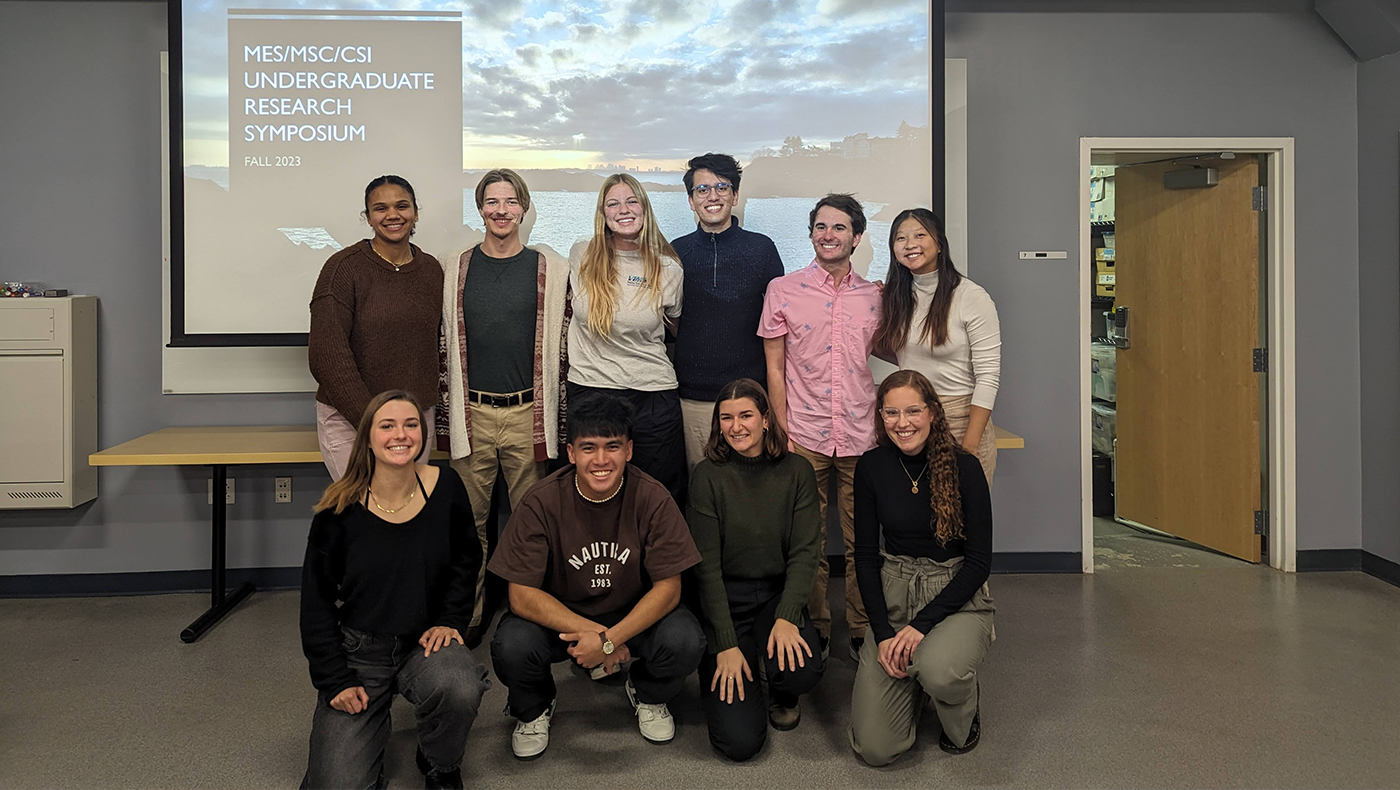
Wrapping up the MES Fall 2023 Undergraduate research experience in style!
Our undergraduate scholars presented their findings while engaging in Q&A dialogue with the audience. Each student provided in-depth analysis of data obtained throughout the course of their research at Northeastern University.
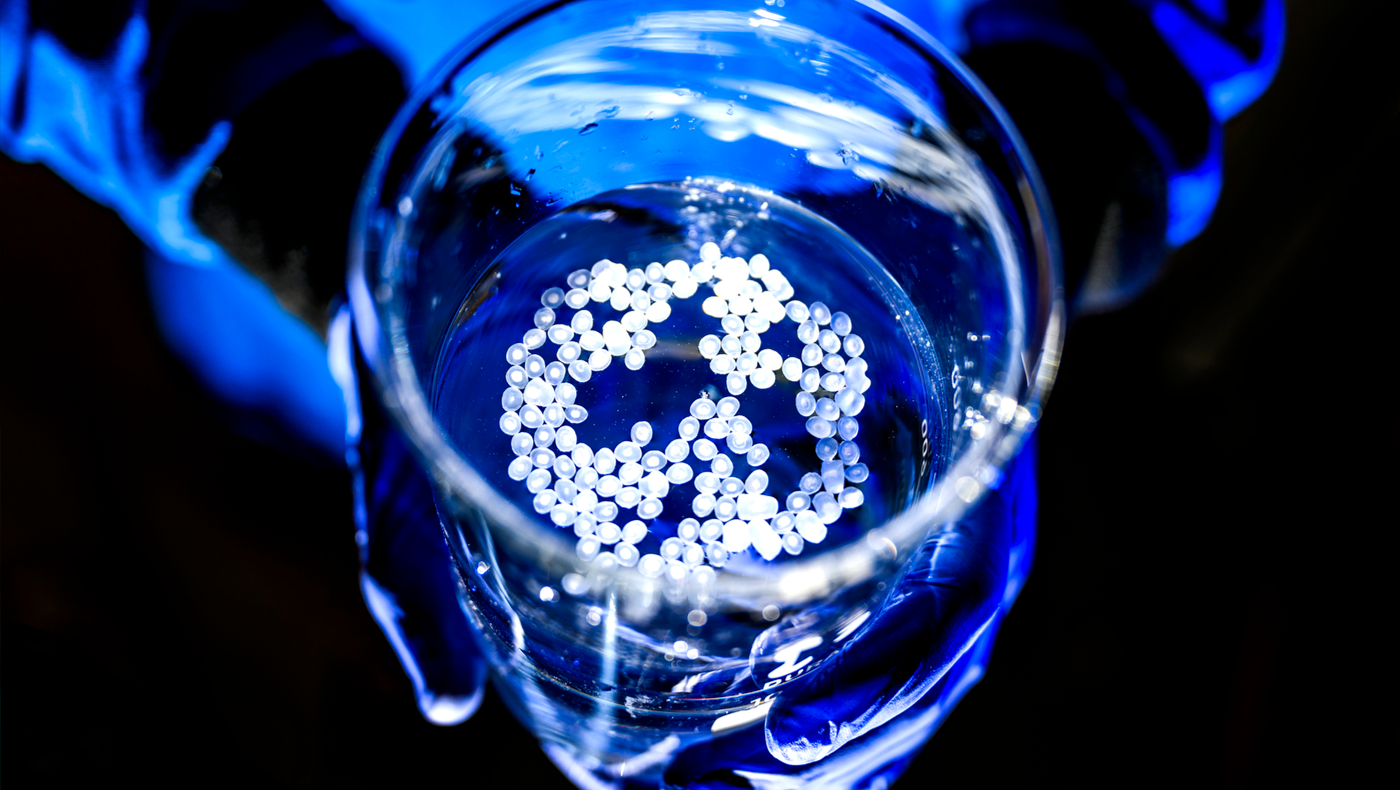
What happens when sunlight breaks down plastics in the ocean? Potentially harmful chemical byproducts are left behind, research finds
Northeastern researchers found in 2021 that an estimated 4 million to 10 million tons of plastic carbon enter the ocean each year.
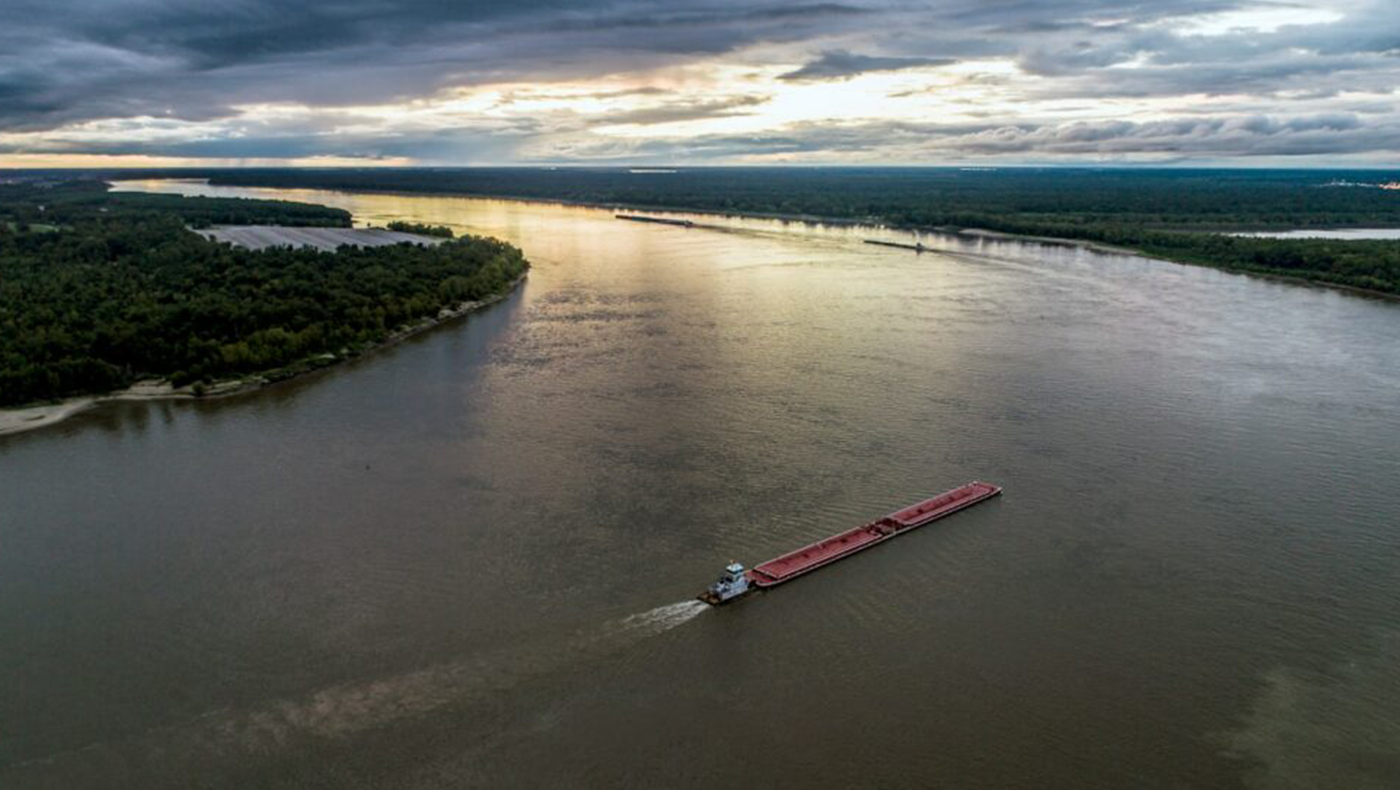
Climate modelers can’t agree on the Mississippi River’s future. Northeastern professor Samuel Muñoz is settling the debate.
The Mississippi River, an ecological, cultural and economic hub of activity, is dangerously misunderstood — at least, by climate modelers.