COS News
Research

“The basic premise is that AI can help us do better physics, and something that is less expected is that physics can also help us understand AI better,” said Northeastern professor James Halverson.
AI and physics have more in common than you might think.
Research
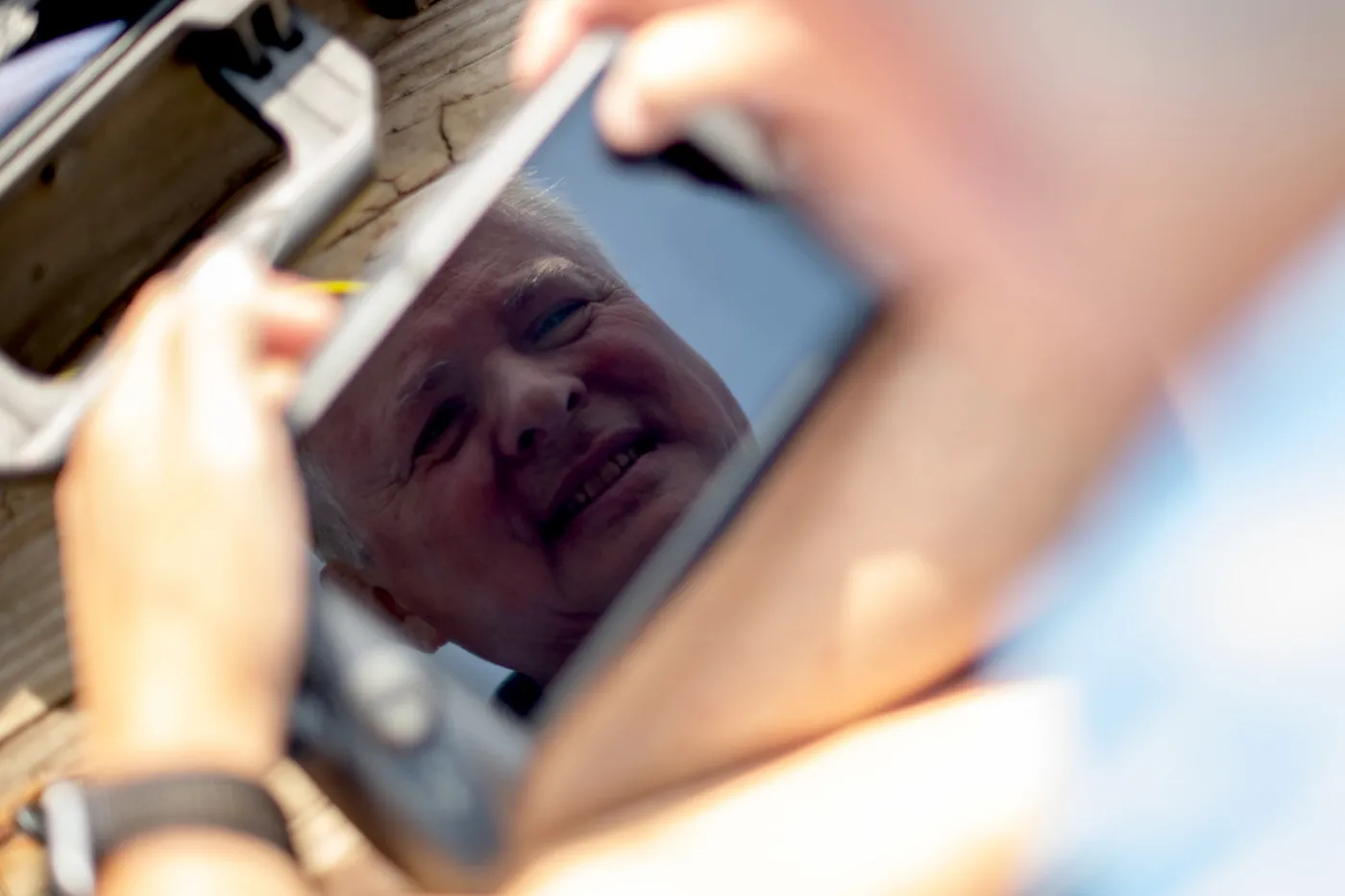
Formed by superheated glacial water from the last ice age, the hydrothermal vents Professor Mark Patterson studies have been bubbling beneath the fjord for centuries.
Professor receives Fulbright to explore one of the world’s most unique hydrothermal vents
Showing all results
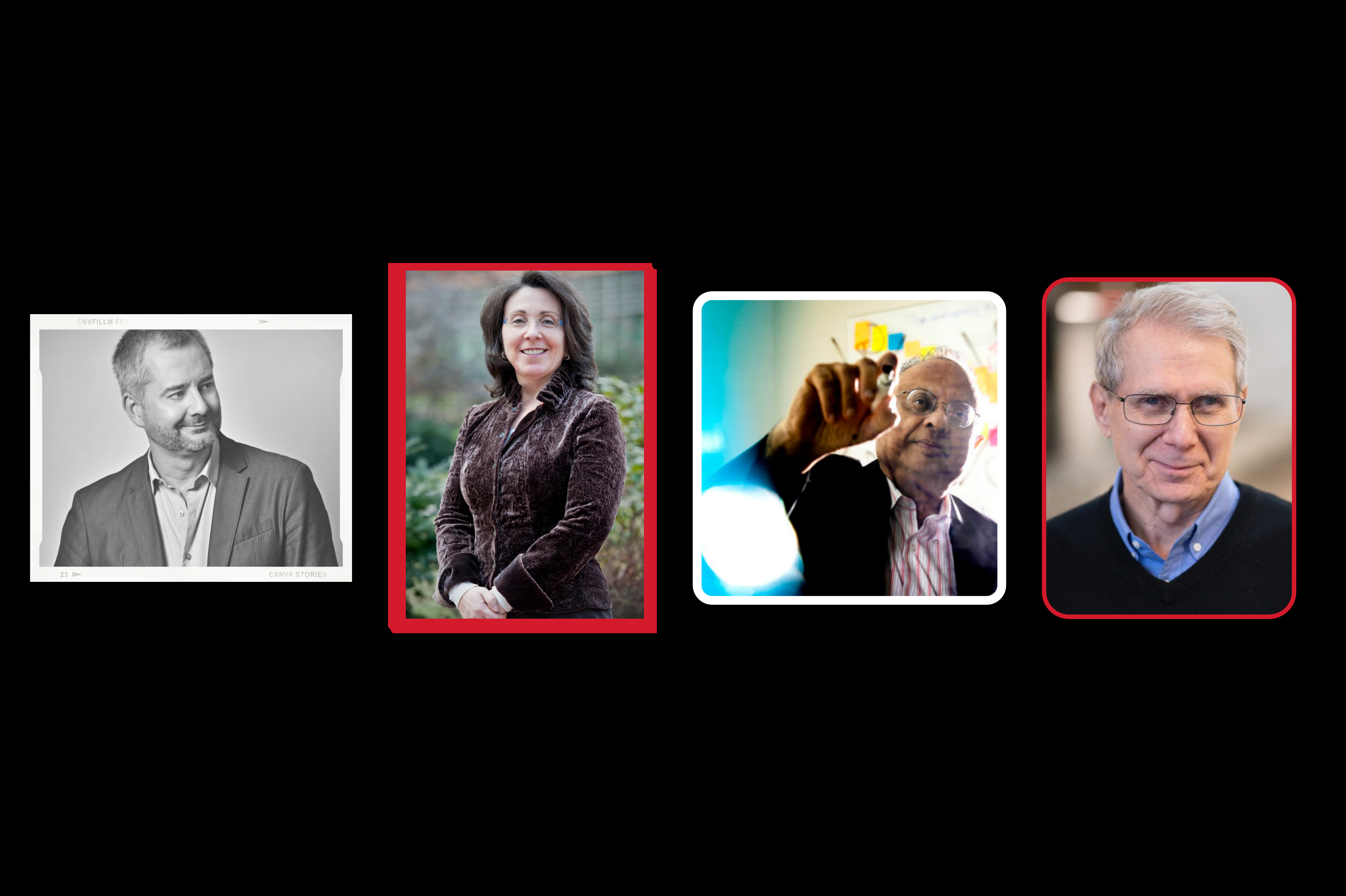
Four Northeastern Professors Earn Their Place on 2021’s List of “Highly Cited Researchers”
Recognizing the groundbreaking research of four faculty members who have been named on 2021's list of "Highly Cited Researchers."
Q&A with Ellen Smith: CaNCURE Spring Cohort
Biochemistry major Ellen Smith shares her co-op experience at CaNCURE.
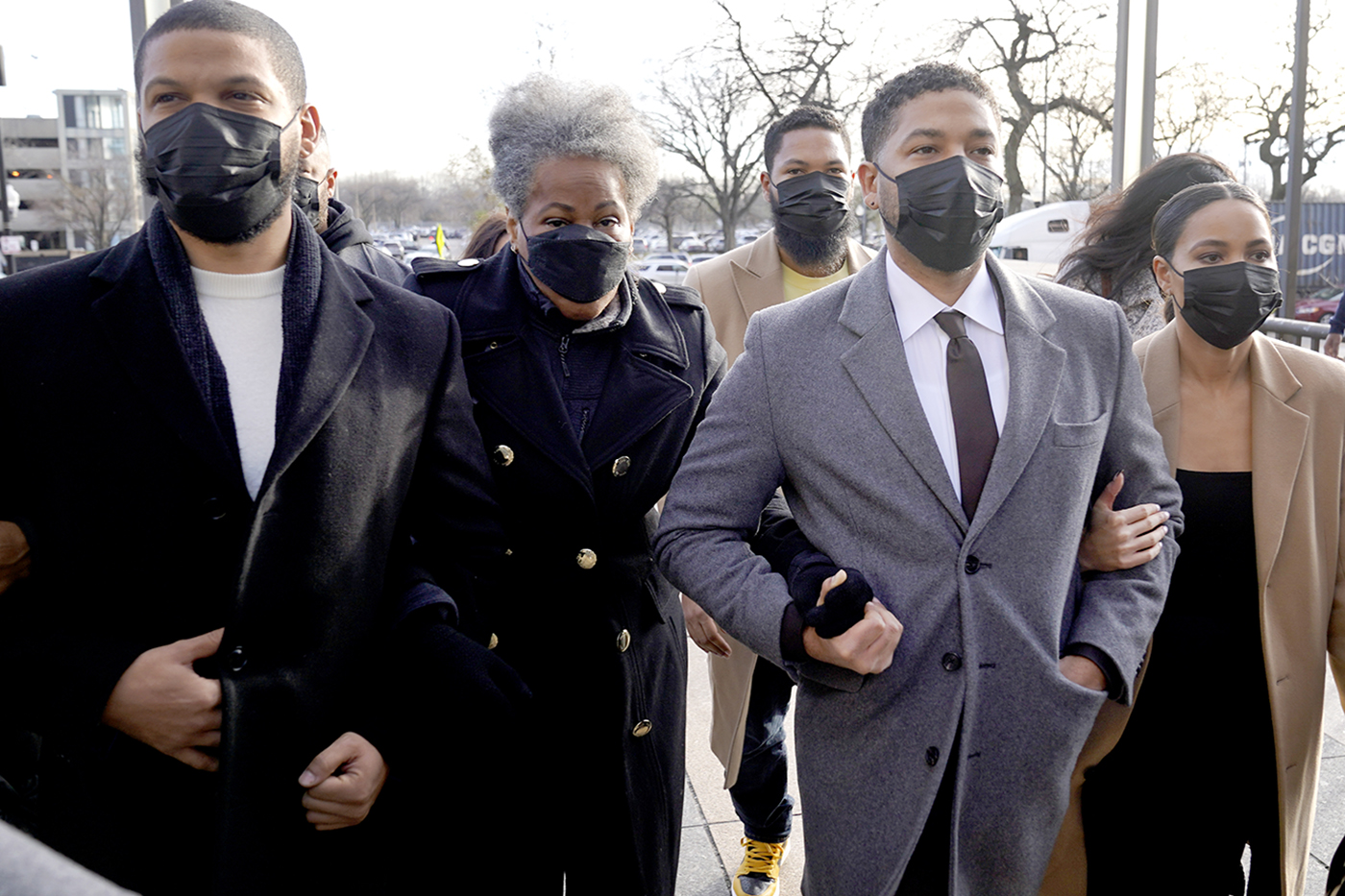
Why would someone fake a hate crime?
Hilmar von Strunck examines the psychology behind the recent case of actor Jussie Smollett.
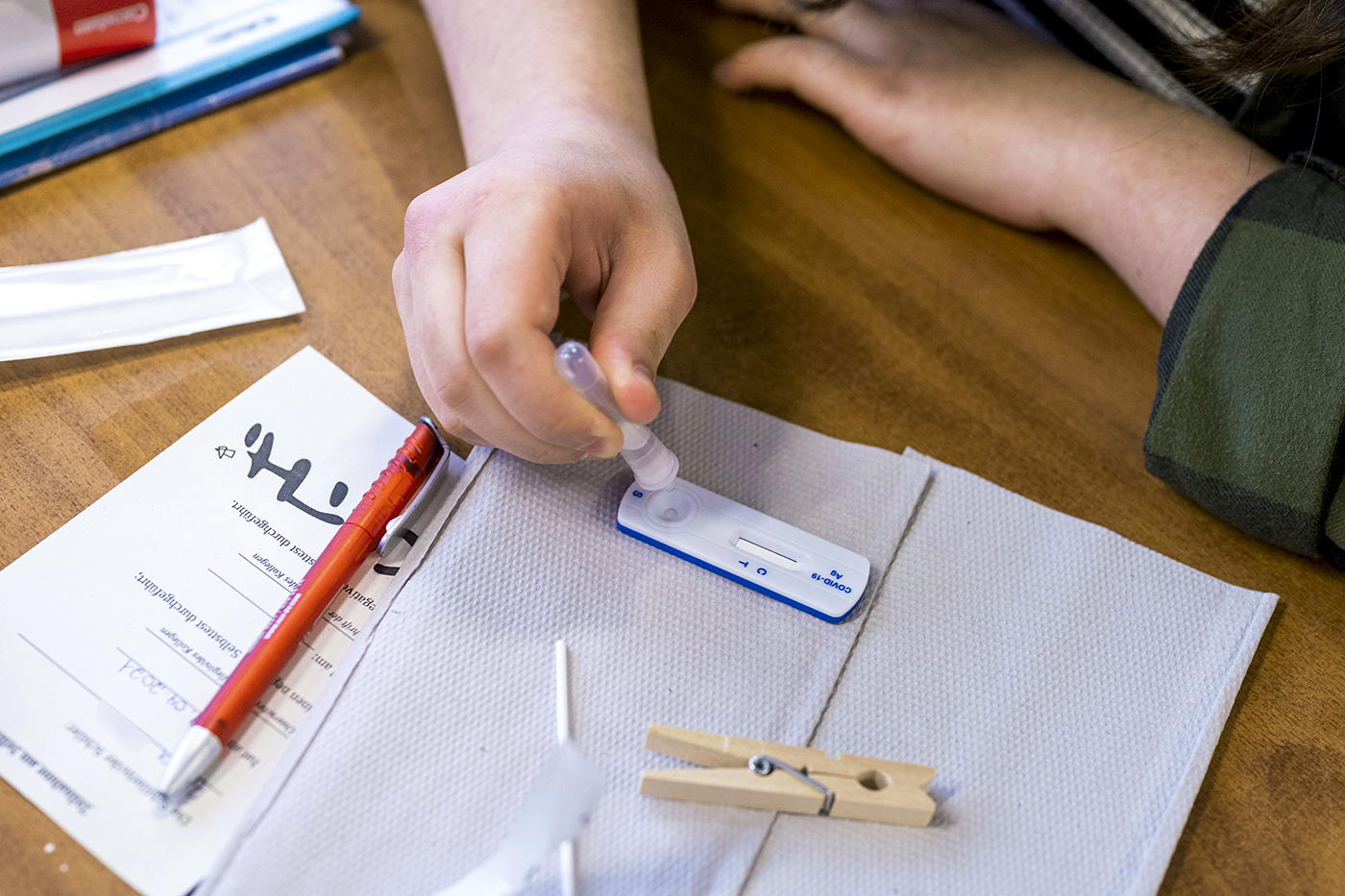
Which COVID-19 test should I take before the holidays?
This holiday season has collided with a surge in COVID-19 cases. Many people have added another task to their travel and party planning to-do lists: Get tested. Jared Auclair comments on holiday vaccinations for News at Northeastern.
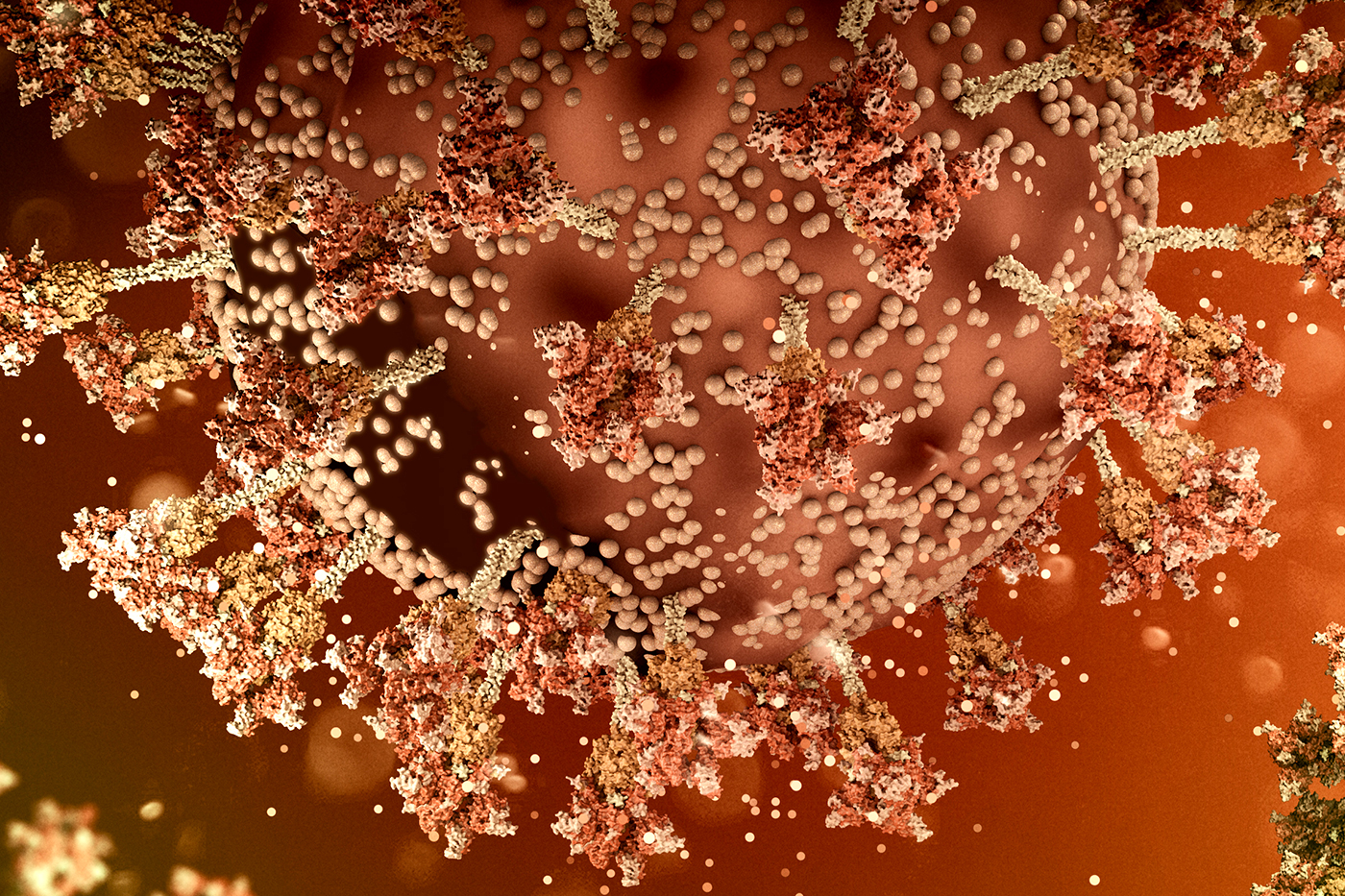
Omicron moves fast. Here’s what that means for the next few weeks.
A virus that moves as quickly around the globe as the omicron variant could spell disaster just as people are traveling and gathering for holiday and New Year celebrations. But the devil’s in the details when it comes to COVID-19—and that could be a good thing.
Even in winter, campus gardens grow fresh produce–and a new community
Evan Fear, a third-year science major, wanted to create a raised bed on the roof of his apartment. What he built instead is a flourishing campus community focused on sharing fresh vegetables. Read more on News@Northeastern. Photo by Mary Knox Merrill / Northeastern University.
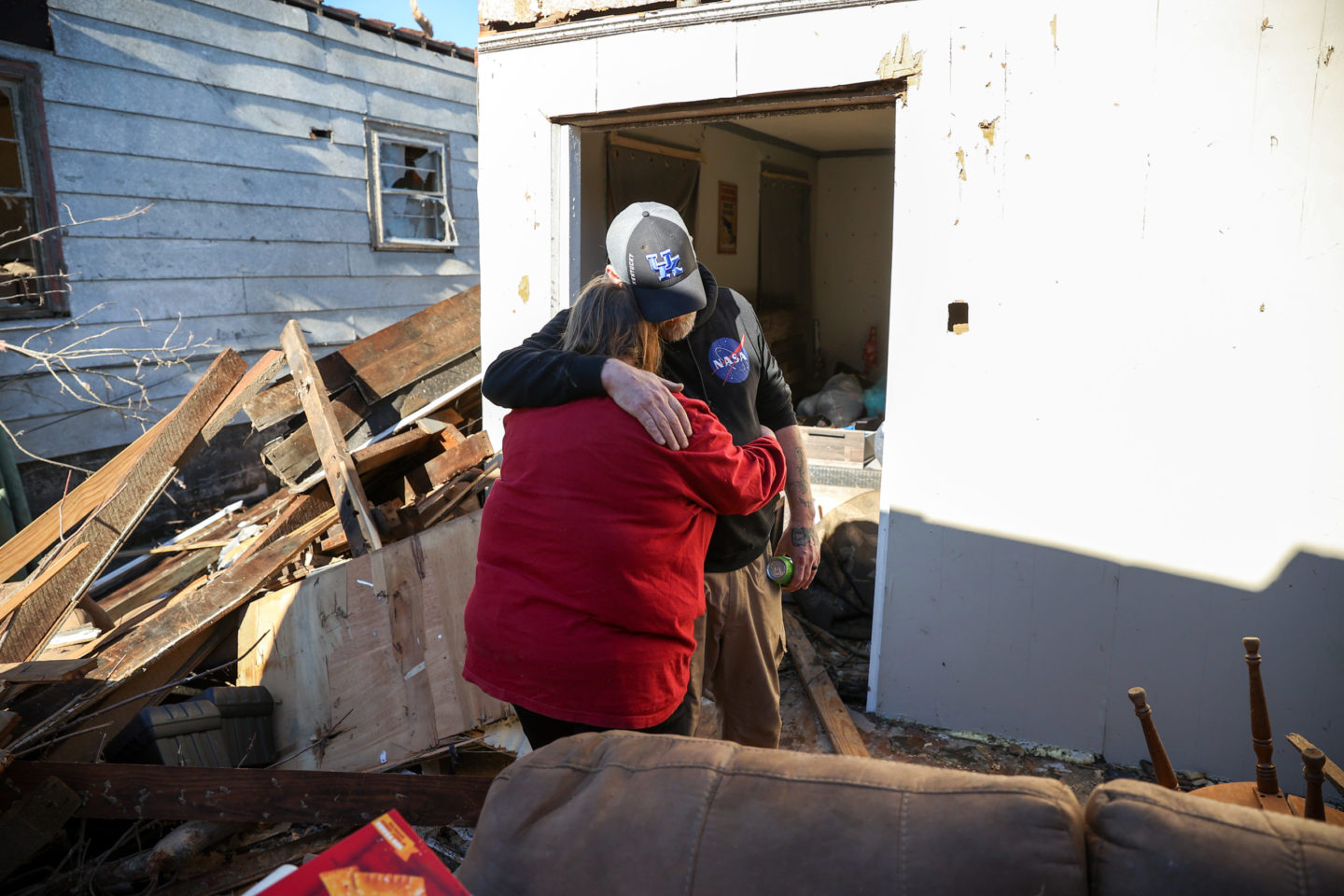
The best way to get back to normal after devastating tornadoes? Just start somewhere.
As residents in America’s heartland grapple with grief and devastation following Friday’s tornado outbreak, shaken survivors may find small steps to recovery come from a return to simple routine, such as a visit to the dog park or a chance to bring the kids ice skating, says Daniel Aldrich, a Northeastern professor who studies post-disaster...
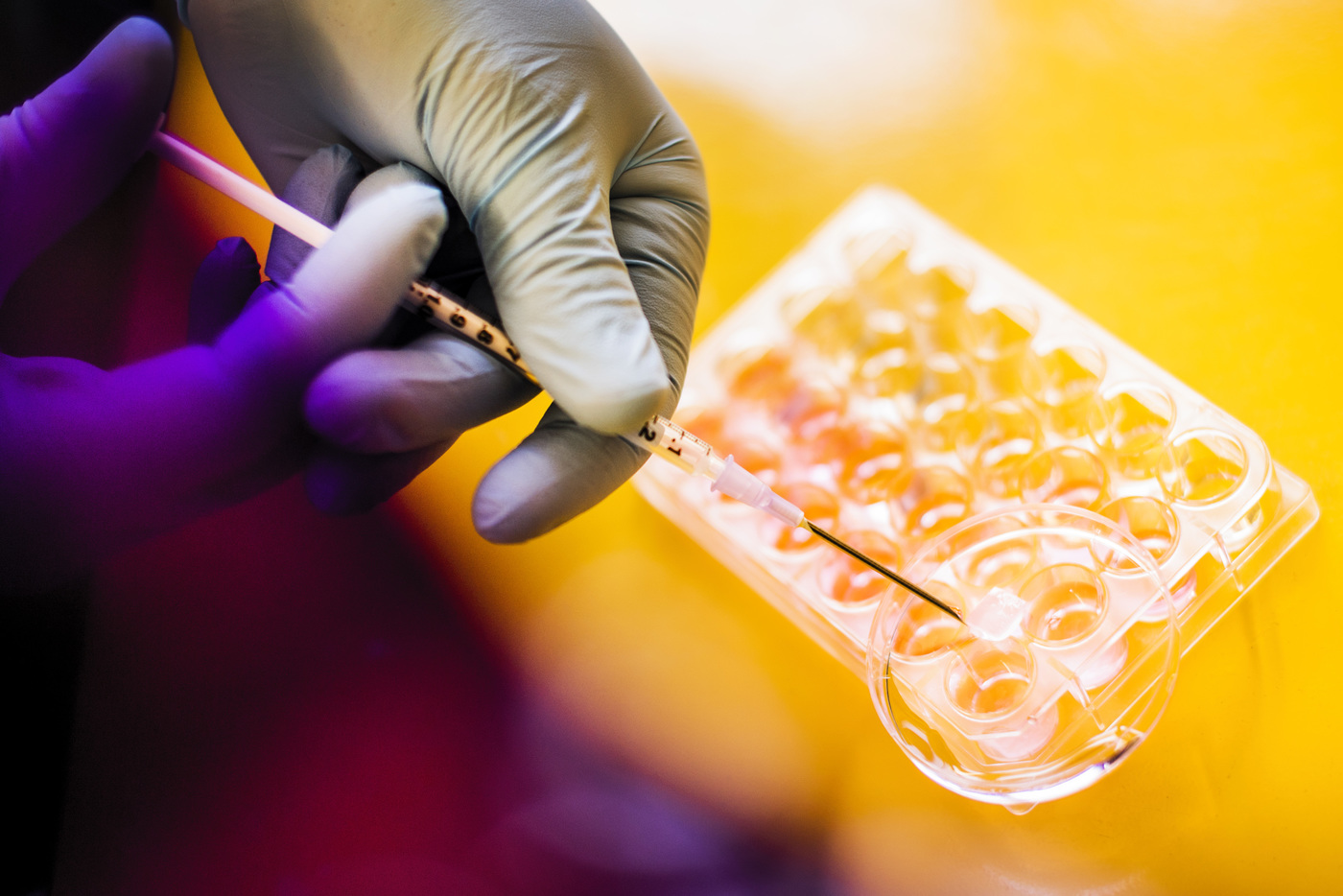
Northeastern University wins competitive federal grant to help broaden job opportunities in biotech across New England
Jared Auclair, associate dean of professional program and graduate affairs in the College of Science at Northeastern, is awarded a federal grant to expand biomanufacturing in New England.
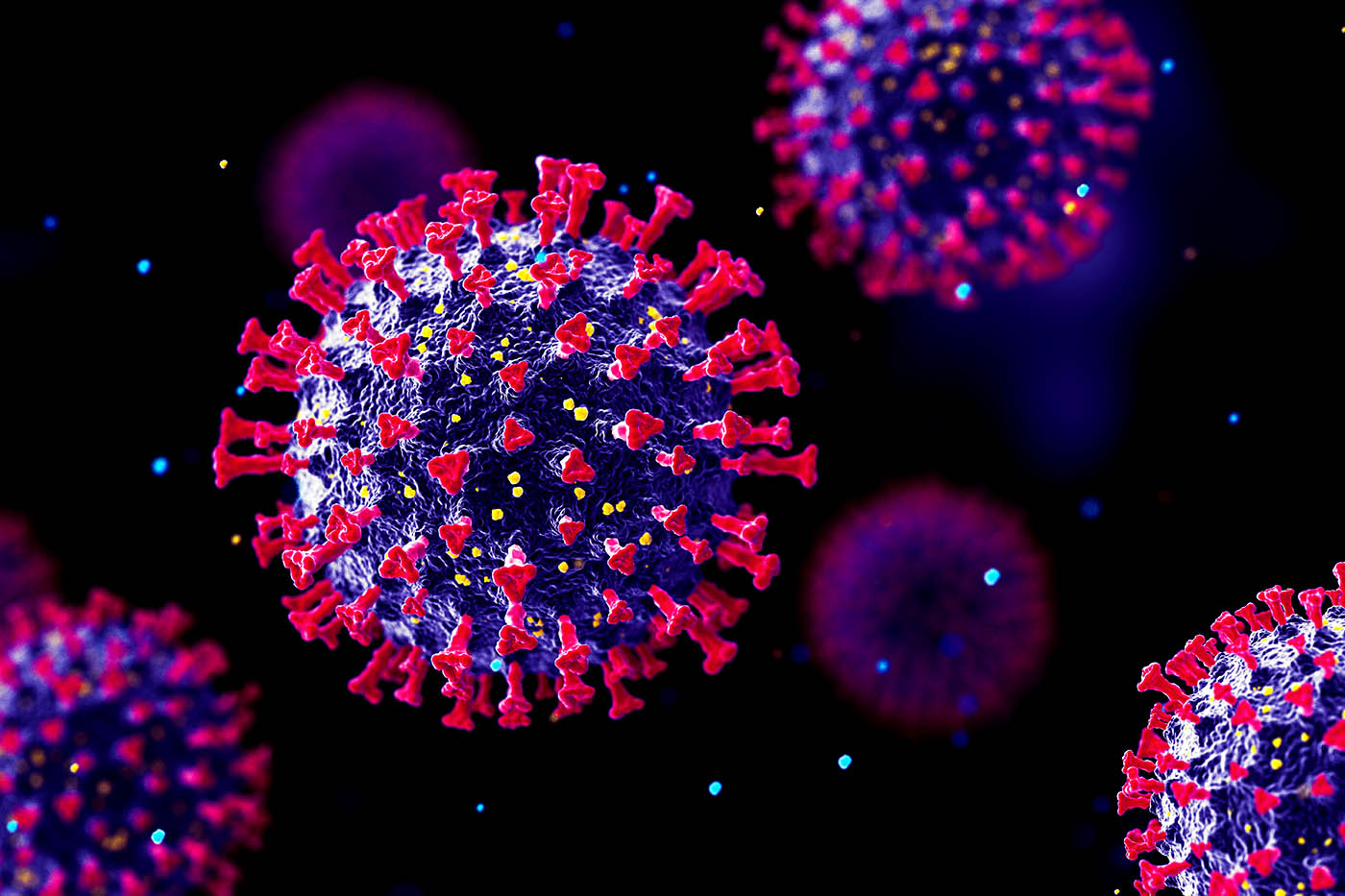
Do viruses such as the coronavirus become less deadly?
Jared Auclair explains virus mutations, and what this means for Covid-19.
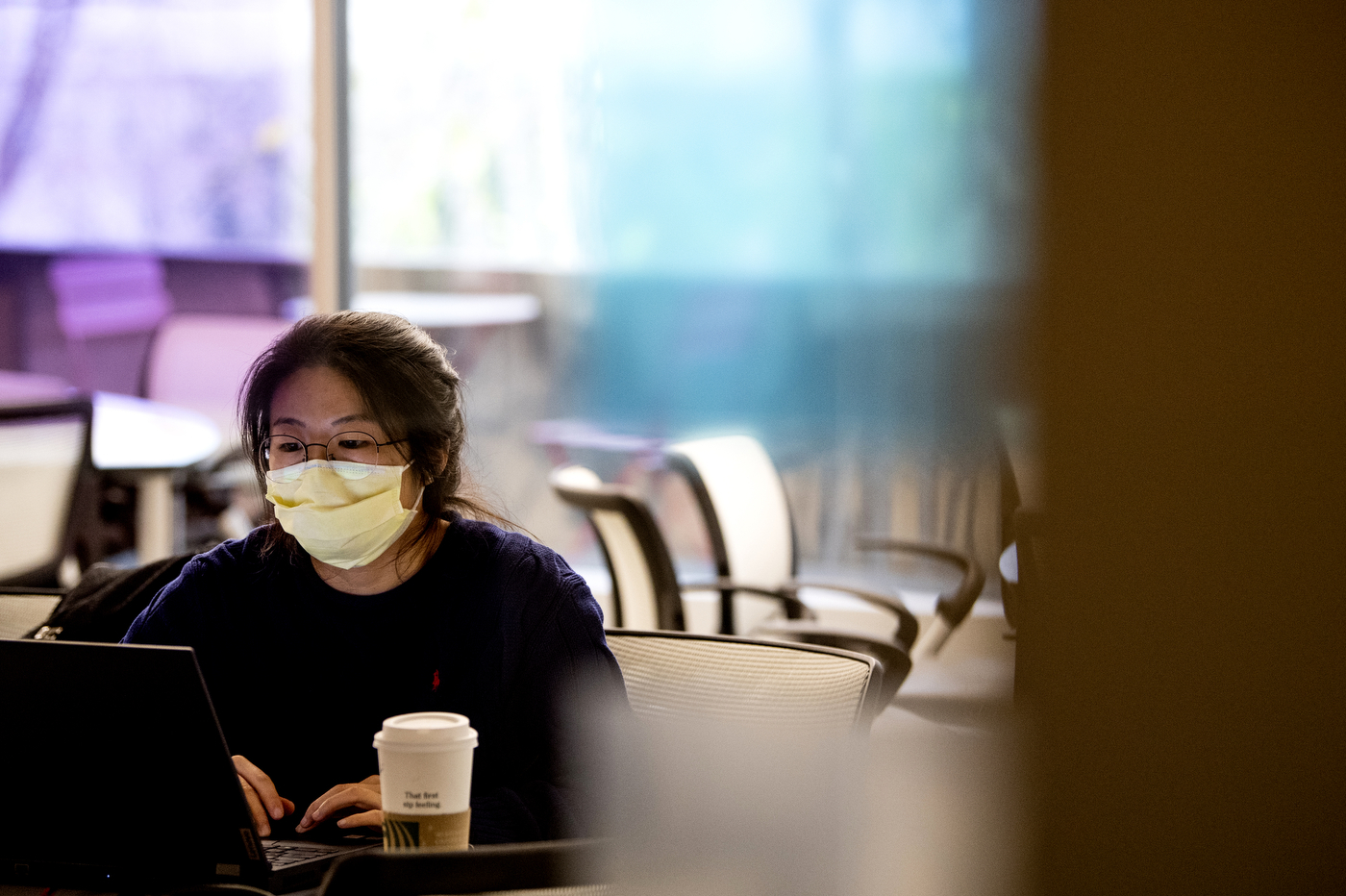
Stress tips during finals week
Northeastern shares tips with the student community on how to relieve stress during finals.
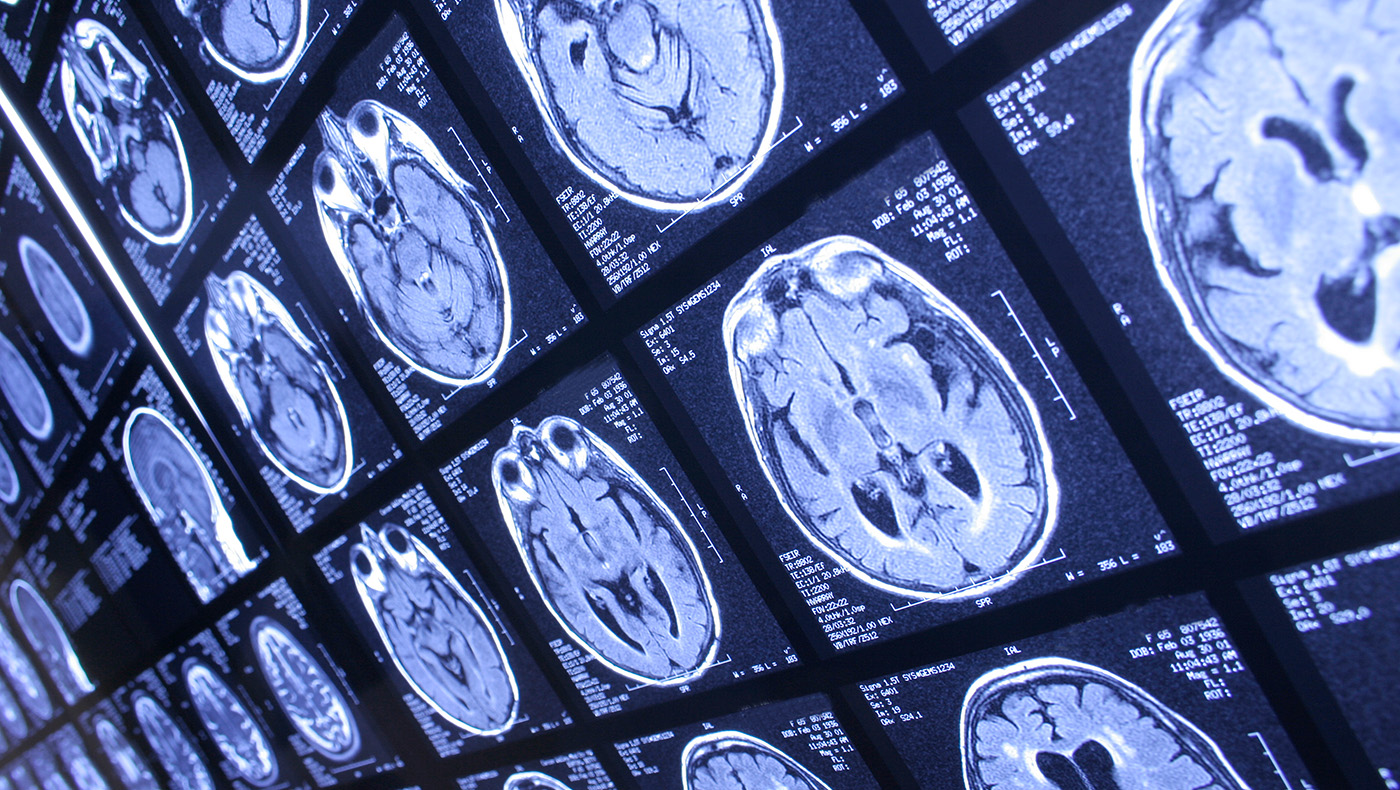
Student Profile: Nicole Occidental, Behavioral Neuroscience Major
Nicole Occidental shares her COS experience.

COS Connects: What are quantum materials anyways?
Hear from Professor Paul Stevenson and colleagues to learn about how physicists are researching ways to further understand quantum materials and their potential benefits. Our researchers will help deconstruct the complexity of quantum science and explain the potential advancements and impact on daily lives.