COS News
Research

“The basic premise is that AI can help us do better physics, and something that is less expected is that physics can also help us understand AI better,” said Northeastern professor James Halverson.
AI and physics have more in common than you might think.
News

Mark Williams, Professor and Chair of the Department of Physics, will assume the role of Dean of the College of Science, effective July 1, 2026.
Mark C. Williams named Dean of the College of Science
Showing 243 results in Physics
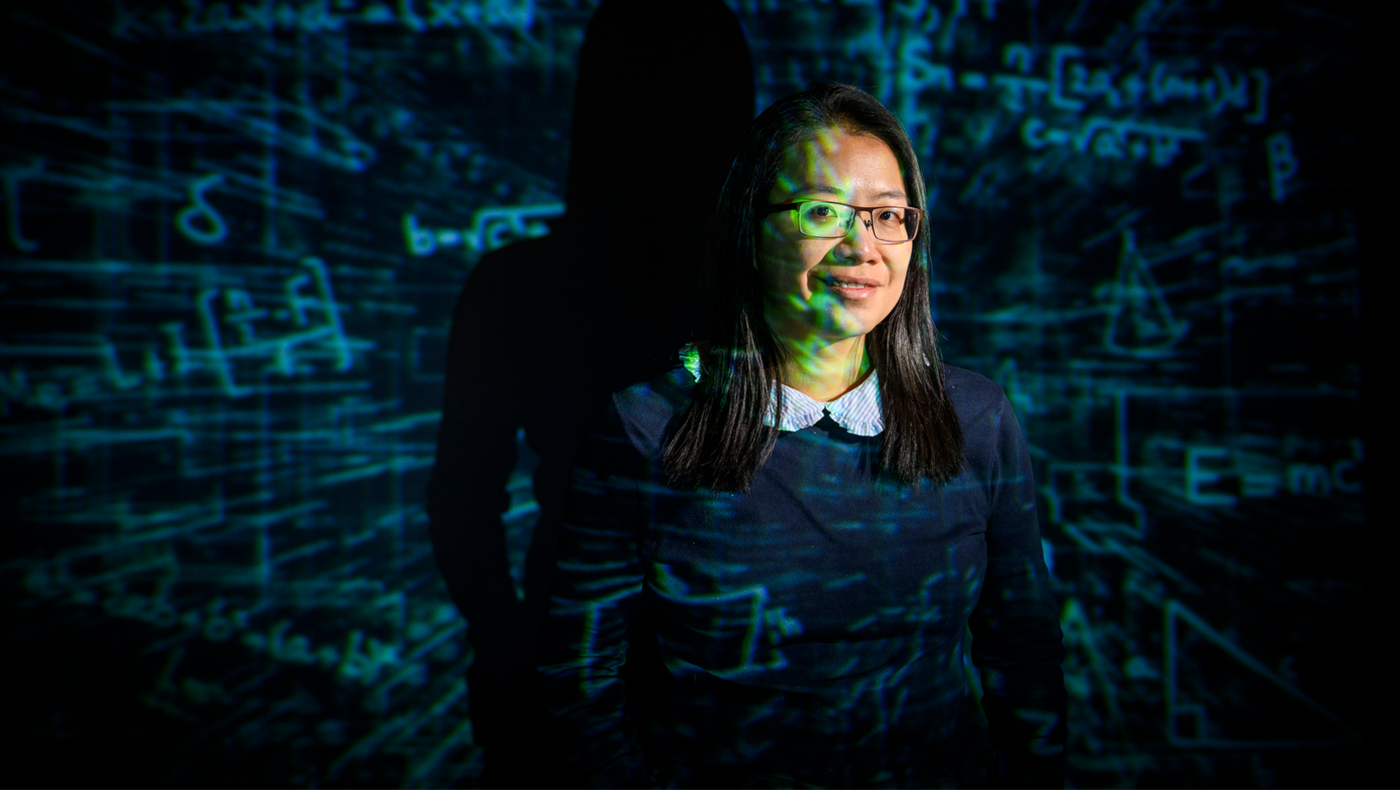
How Yizhi You’s quantum research could revolutionize computing and STEM education
Yihzi You, assistant professor of physics, received a prestigious CAREER award from the National Sciences Foundation to study specific interactions between subatomic particles.
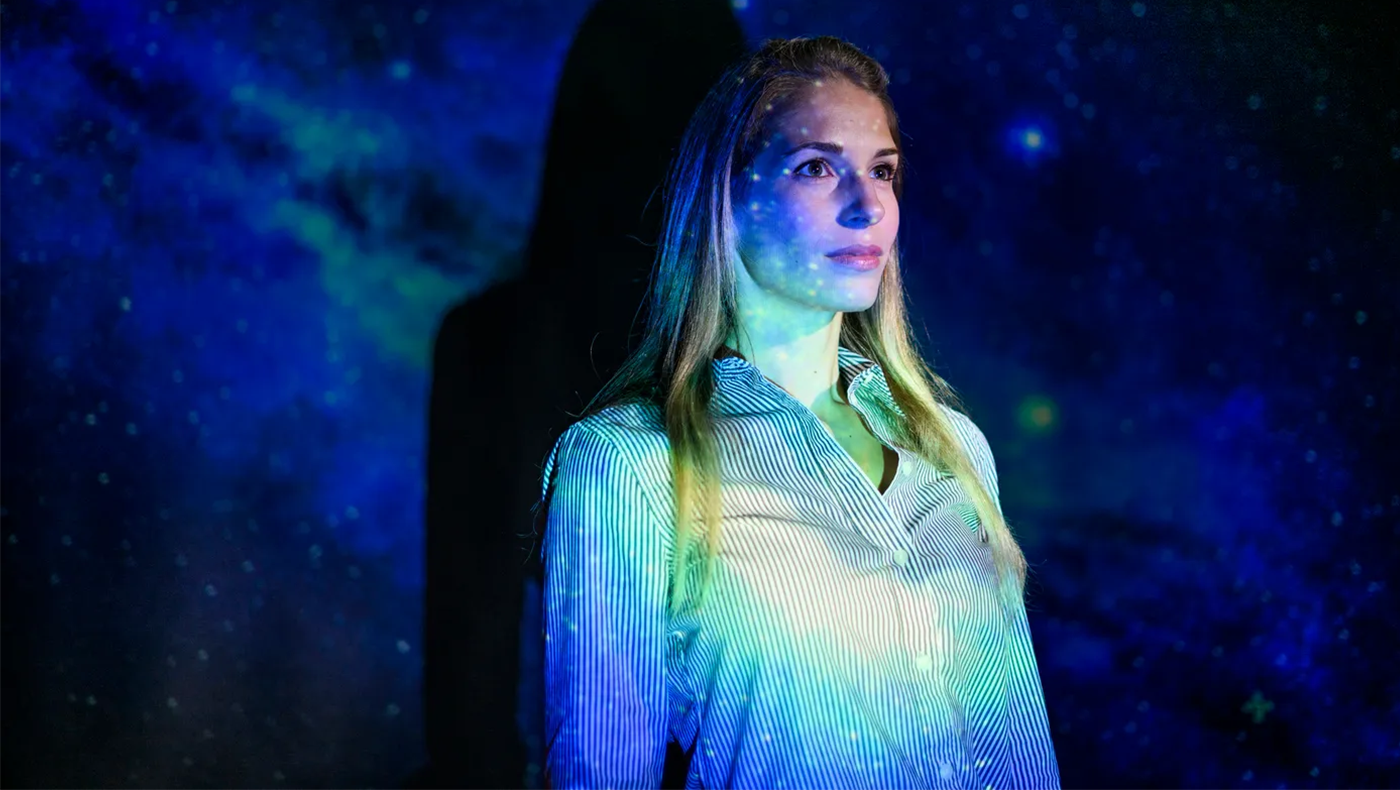
Astronomers discovered 44 ancient stars using gravitational lensing. An astrophysicist explains how they did it
Jacqueline McCleary, assistant professor of physics, helps explain the implications of the historical discovery of 44 stars by a group of astronomers.

Remote work affects urban economies far beyond downtown hubs, Northeastern research finds
Esteban Moro, professor of physics, and colleagues across the country analyzed how remote work impacted commerce.
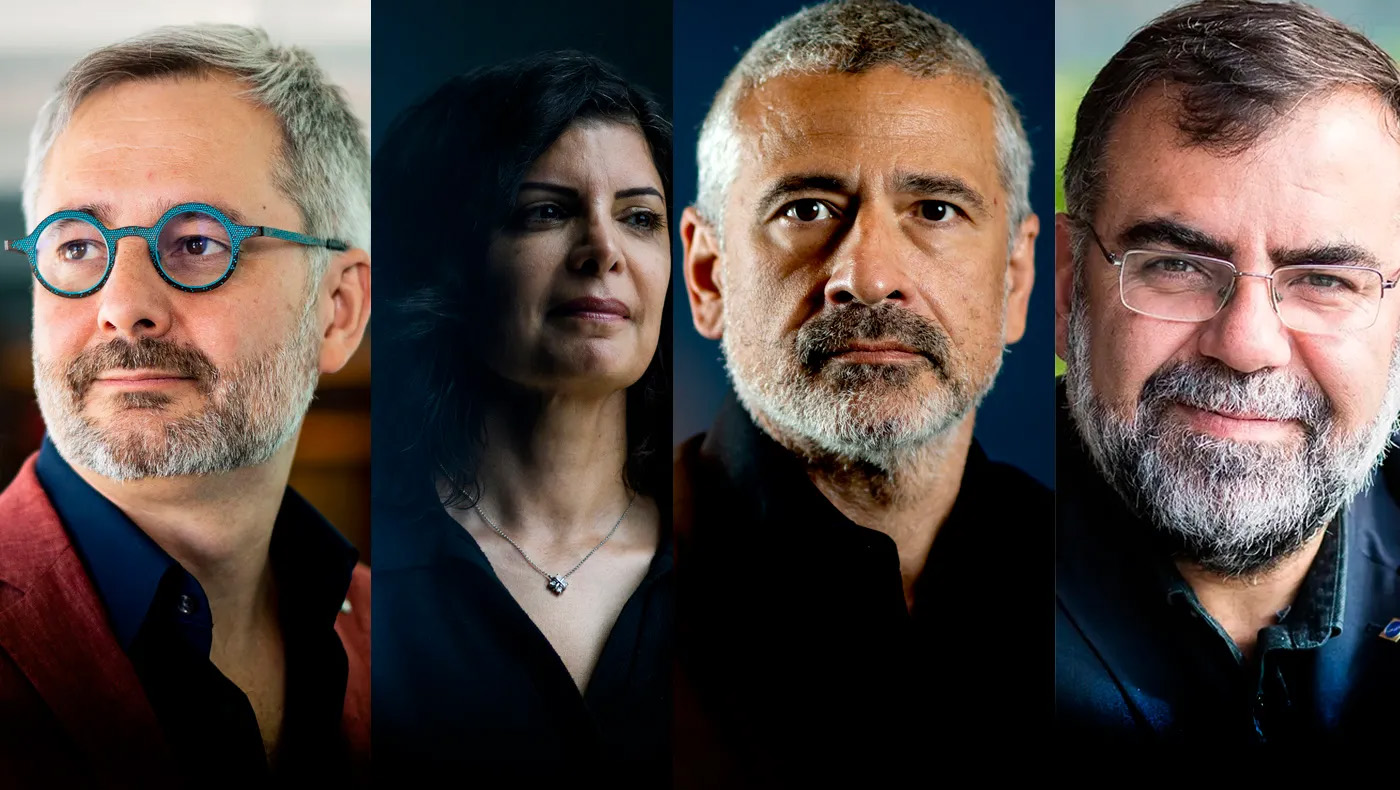
The interaction between humans and artificial intelligence demands a new field of study, Northeastern researchers say
Eliassi-Rad is one of several Northeastern researchers who have proposed a new area of study they are calling “Human AI Coevolution” to better understand and analyze these feedback loops. Other researchers on the project include Northeastern professors Ricardo Baeza-Yates, Albert-László Barabási and Alessandro Vespignani.

How can physics models help prevent deadly stampedes at mass gatherings?
Northeastern professor Max Bi explains how crowd dynamics lead to stampedes, offering insights for safer venues and survival strategies.
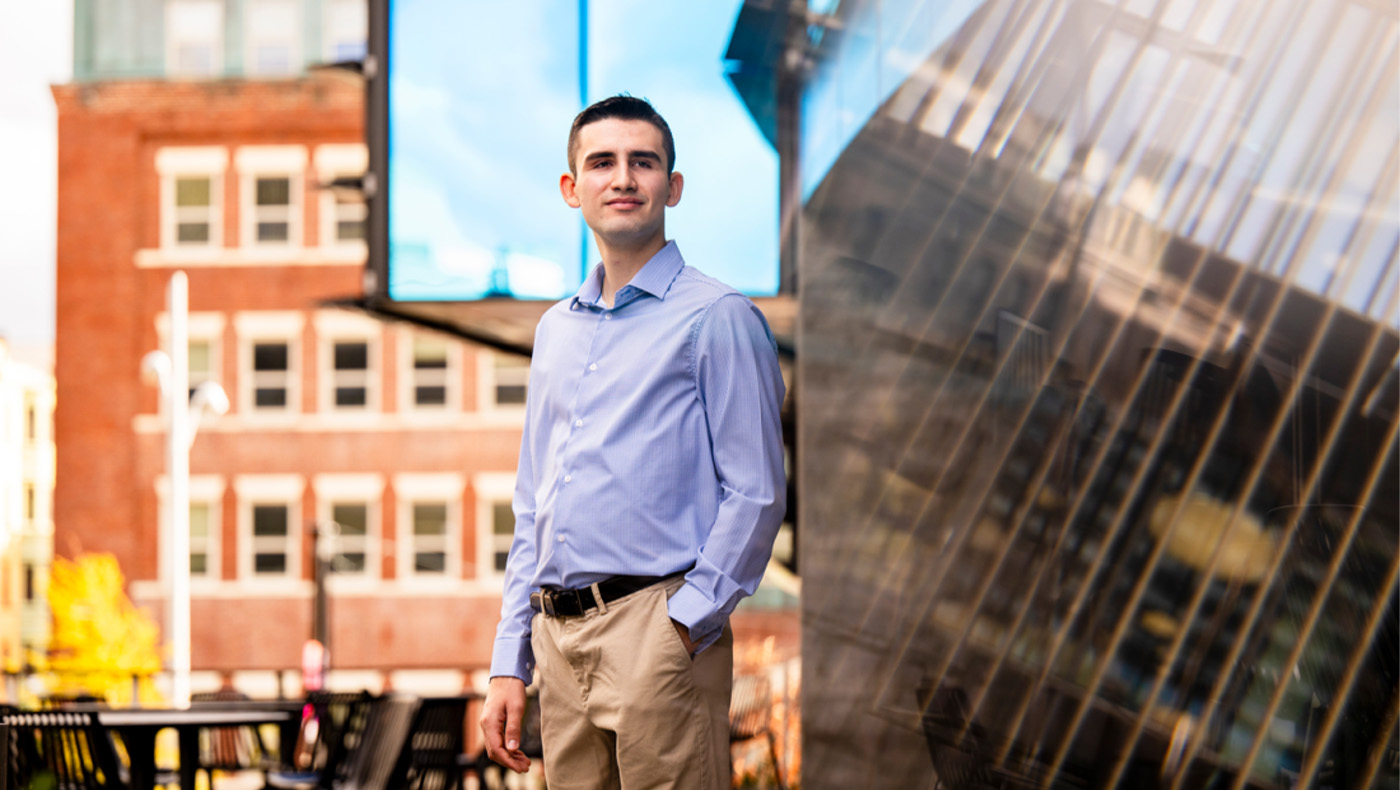
This Northeastern co-op helped develop algorithms for high-performance “brain-inspired” computing hardware
Tedeschi worked in The Peter Grünberg Institute, which is one of 14 institutes within Forschungszentrum Jülich. The institute focuses its research on a few specific subjects: quantum materials, quantum computing, software systems and the area Tedeschi worked on — neuromorphic computing.
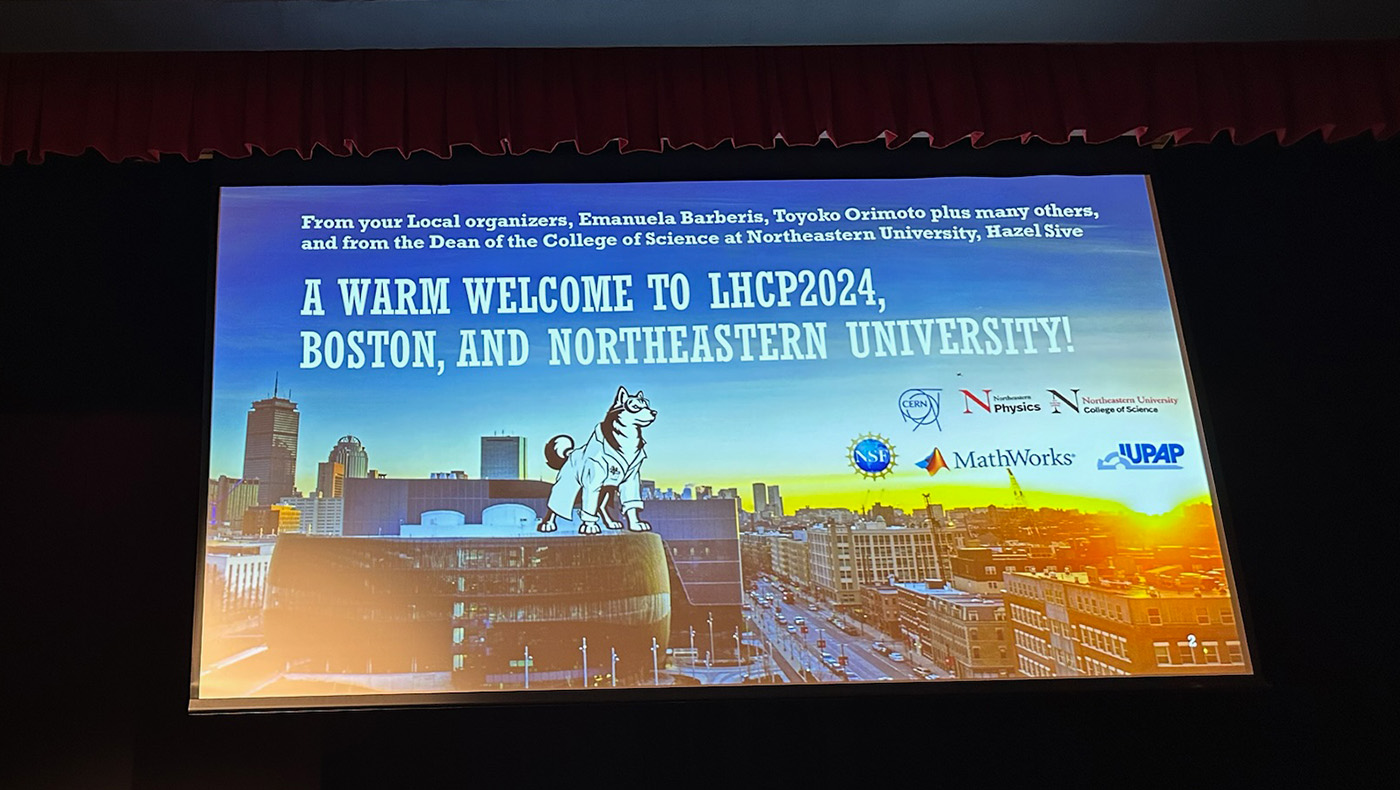
Northeastern University physics faculty bring a major international conference to the Boston campus
On June 3-7 2024, the Physics department and the College of Science hosted the 2024 edition of the Large Hadron Collider Physics conference (LHCP) on our Boston campus. This is one of the major international conferences in particle physics at colliders (the Large Hadron Collider and beyond). This conference is held annually on alternating continents,...

Celebrating LGBTQ+ STEM Day: A Conversation on STEM, Identity, and Community
November 18, marks the fifth year of celebrating LGBTQ+ STEM Day. With the first two years being celebrated in July, this holiday moved to November 18 as an internationally recognized day to highlight and celebrate the work of LGBTQIA+ people in STEM. Madeline Eppley (they/them), PhD candidate in Marine and Environmental Science, and Johan Bonilla...

A geomagnetic storm is hitting the northern part of the U.S. Here’s how the solar event may impact you
Jonathan Blazek, assistant professor of physics, said the geometric storm won’t have a severe impact on technology.

Scientists recreate genome of 52,000-year-old freeze-dried woolly mammoth
Frozen in Siberia, this mammoth was remarkably preserved at the microscopic level, Northeastern researchers discovered. Its DNA had remained the same for thousands of years, frozen as “chromoglass.”

What is the “mini moon” that is now orbiting Earth? Astrophysicist explains small cosmic guest — and the bigger one that’s on the horizon
For two months, a small asteroid will join Earth’s orbit, a common yet little known occurrence. However, a Northeastern astrophysicist has her eyes on another asteroid that will be a much closer call for the planet.

Plan to reopen Three Mile Island plant could be ‘rebirth’ of nuclear energy, Northeastern experts say
A plan to reopen a reactor at the Three Mile Island nuclear power plant could rejuvenate the nuclear energy sector in the United States.