COS News
Research

“The basic premise is that AI can help us do better physics, and something that is less expected is that physics can also help us understand AI better,” said Northeastern professor James Halverson.
AI and physics have more in common than you might think.
News

Mark Williams, Professor and Chair of the Department of Physics, will assume the role of Dean of the College of Science, effective July 1, 2026.
Mark C. Williams named Dean of the College of Science
Showing all results
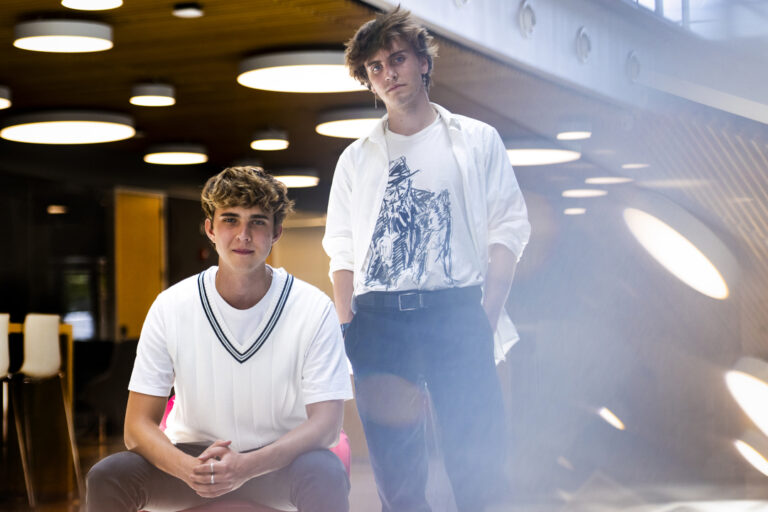
Northeastern entrepreneurs make fashion statement by connecting unique designer brands with consumers
Northeastern students Lukas Dudzik and Alder Whiteford discuss their online fashion platform Sewn Boutique and how it strives to “break down these walls and bridge the gap between small fashion and consumers.”

What are crowdsourced photos taken along hiking trails telling us about the climate?
Northeastern graduate Graceanne Piselli's uses crowdsourced data on local plants along New England National Scenic Trail to help identify signs of climate change.

Webb Telescope will alter view of cosmos, thanks to a Northeastern graduate
The stars were out to shine on Tuesday as NASA revealed the first full-color images taken by the James Webb Space Telescope, the largest and most powerful telescope ever sent into space.
The five images revealed Tuesday show the vastness of space with an unprecedented level of detail. And one Northeastern alum is partly to thank for that.

Want to experience creative flow? Here’s how to change your perspective.
Writers, athletes, gamers—they’re all hoping to experience “the zone” where hard work comes easily and the most satisfying results are flowing.
That often mythical goal is the subject of a study by David Melnikoff, a Northeastern visiting research scholar in psychology, who has assembled a formula that can help people establish a sense of flow and achieve goals of all kinds.
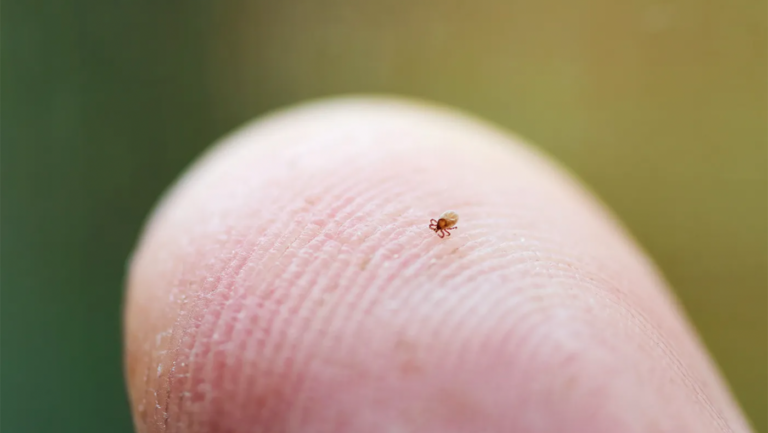
The teeny, tiny ticks that cause the most Lyme disease are out
Summer is here, meaning it’s time to break out the tick protection along with the sunscreen.
Although the deer ticks that transmit Lyme disease are active whenever it’s above freezing, they are not only out now, they are so tiny—the size of a pencil tip or poppy seed—they are practically invisible.
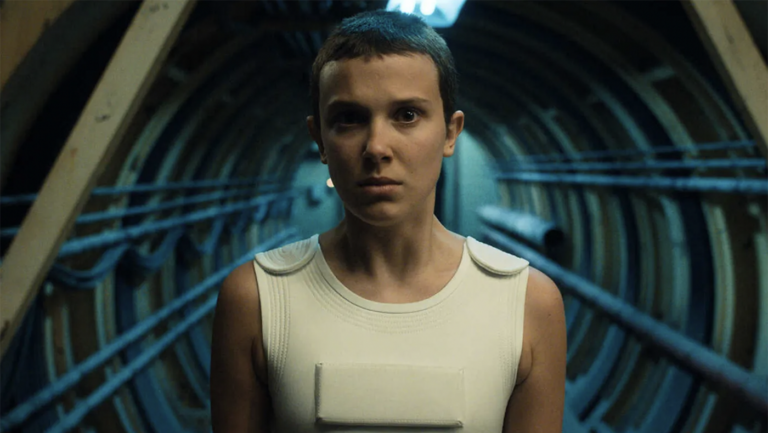
Why is Netflix’s ‘Stranger Things’ so popular? It starts with Sigmund Freud.
Why have people fallen head-over-heels for “Stranger Things”? William Sharp, an associate teaching professor of psychology at Northeastern, has an idea–and it starts with Sigmund Freud.
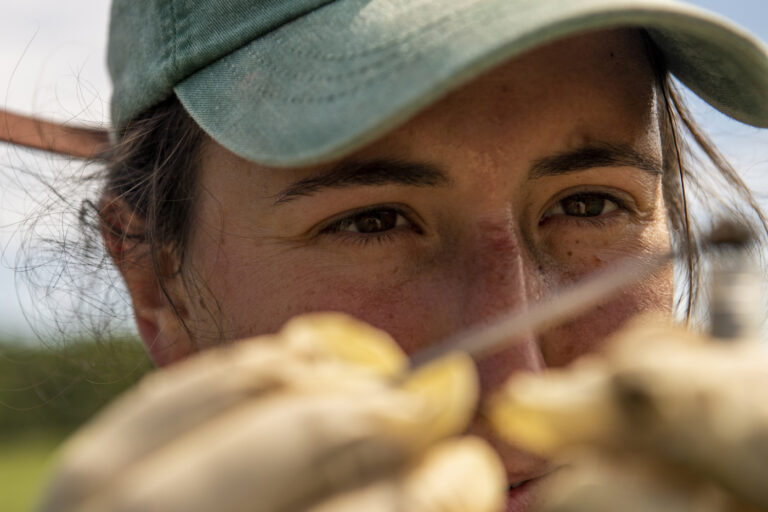
Northeastern Student Probes Environmental Changes in Spartina Grass, Salt Marsh Hero
Johanna L'Heureux's study on microbes seeks to answer questions about climate change and rising sea levels as part of her national Margaret A. Davidson Graduate Fellowship, under the auspices of the National Oceanic and Atmospheric Administration. Over the past year she has set up an experimental station at the North Inlet-Winyah Bay National Estuarine Research Reserve “right smack dab in the middle between Myrtle Beach and Charleston” in South Carolina.

Instagram takeover: Ocean Genome Legacy Center
Kira Becker and Lee Fenuccio recently completed a co-op at the Ocean Genome Legacy Center (OGL). They are taking over our Instagram the week of June 27 to reflect on their experience. Follow along!
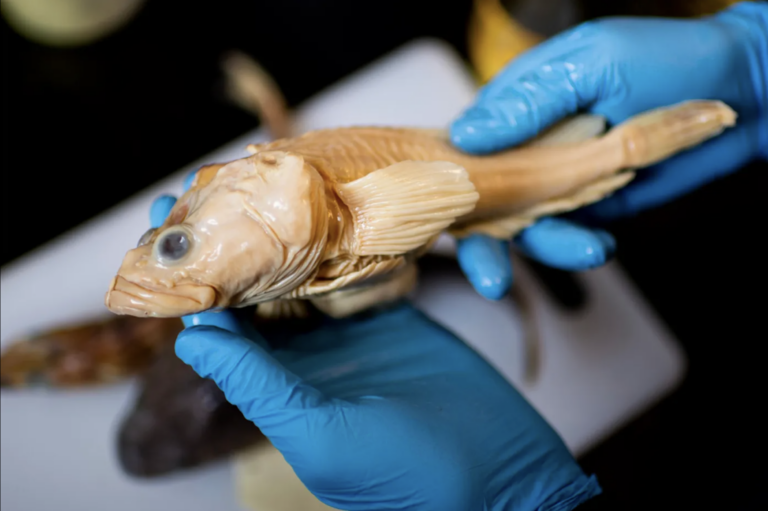
These fish live in sub-freezing waters. Why are so many getting sick?
H. William Detrich and his 2018 Antarctic field research team discovered a new disease that afflicted a substantial number of fish belonging to two different species, reported in a paper published in the journal iScience.

Q&A with Nishaila Porter, MS in Environmental Science and Policy
Nishaila Porter shares her experience in the College of Science Master's of Science in Environmental Science and Policy program.

Math students achieve excellence at 2021 Putnam Competition
In December of 2021, ten Northeastern students competed at the William Lowell Putnam Mathematical Competition, a university-level mathematics competition held annually on campuses across the US and Canada.
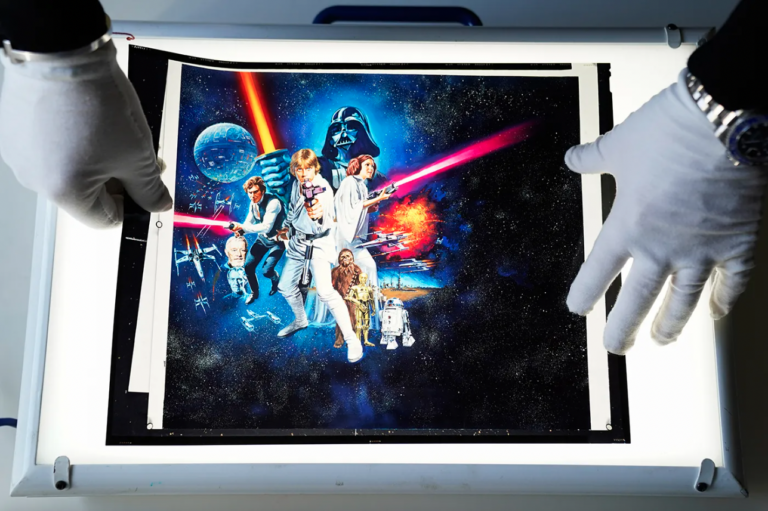
The Science of Nostalgia: Why Audiences Can’t Get Enough of Star Wars, Top Gun and Stranger Things
Pop culture is full of instantly recognizable iconography, images and sounds that reach into our brains and pull us back in time. Hollywood has been mining the past for cinematic gold, increasingly relying on reboots, remakes and sequels. The latest Star Wars show, “Obi-Wan Kenobi,” the super-sized fourth season of ‘80s homage “Stranger Things,” and “Top...