COS News
Research
“The basic premise is that AI can help us do better physics, and something that is less expected is that physics can also help us understand AI better,” said Northeastern professor James Halverson.
AI and physics have more in common than you might think.
News
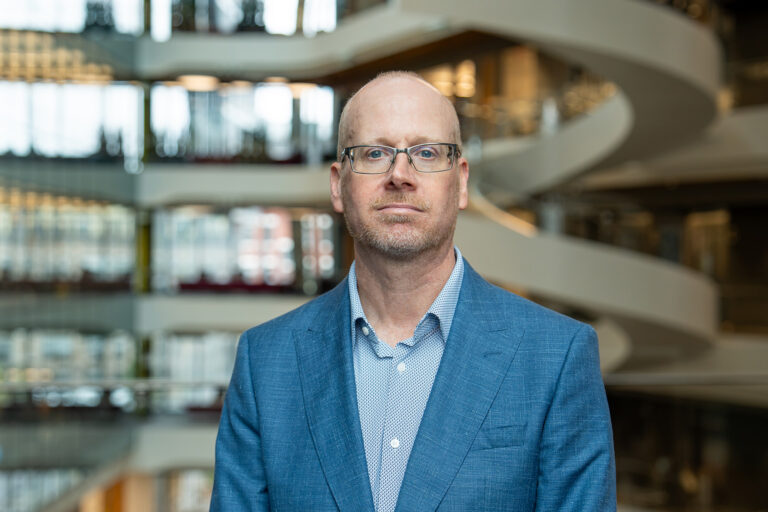
Mark Williams, Professor and Chair of the Department of Physics, will assume the role of Dean of the College of Science, effective July 1, 2026.
Mark C. Williams named Dean of the College of Science
Showing 250 results in Physics
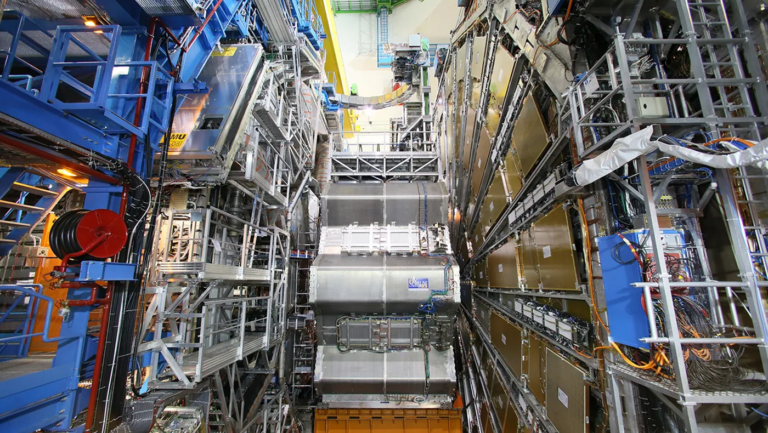
Northeastern physicists honored with Breakthrough Prize in Fundamental Physics for unveiling secrets of the universe
Several Northeastern physics professor, PhD student, and researchers, where recognized in the 2025 Breakthrough Prize in Fundamental Physics for their research into the fundamental nature of matter at CERN’s Large Hadron Collider.
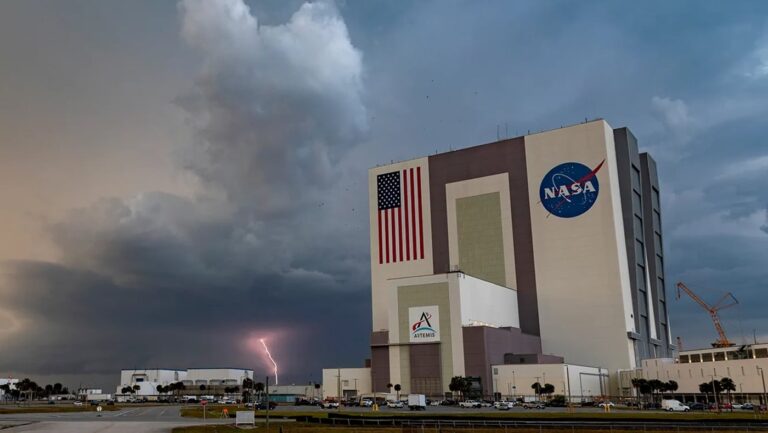
The proposed NASA budget cuts would decimate American science, an expert says
Trump is calling for a 25% slash to NASA's budget and according to Jacqueline McCleary, assistant professor of physics, the cuts will have a larger impact then proposed, including hurting America’s ability to maintain its position as a leader in tech and space exploration.
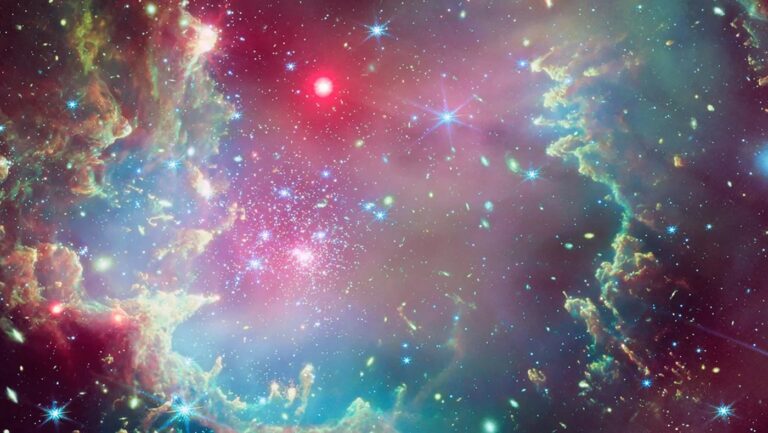
COSMOS-Web offers best glimpse of the deep universe yet, Northeastern researchers say
The COSMOS2025, an ongoing survey that makes use of NASA’s ultra-powerful James Webb Space Telescope, was released recently with work from two Northeastern researchers.
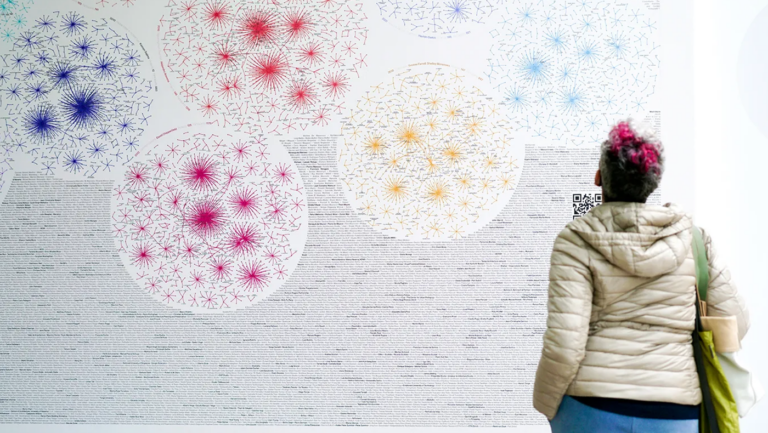
Northeastern researchers visualize the past and present of the Venice Biennale
Northeastern University has three projects on display at the Venice Biennale. All three projects tell the story about our changing relationship with data and information.
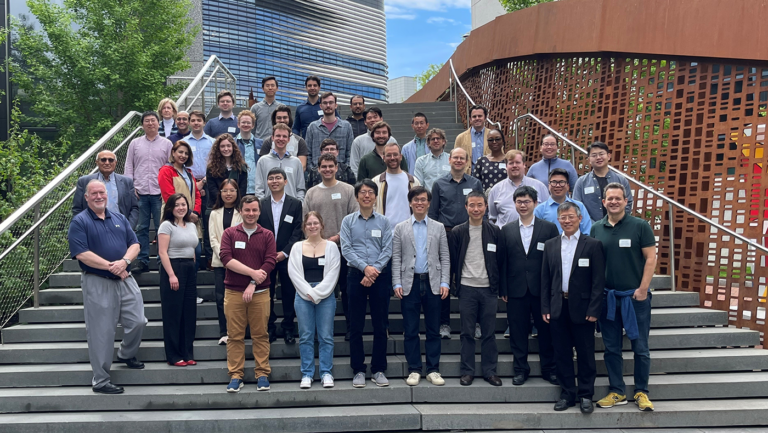
Northeastern’s Boston Campus Hosts Inaugural Magnetics Workshop
Northeastern University hosted the inaugural NU Cross-College Magnetics Center Workshop last week.
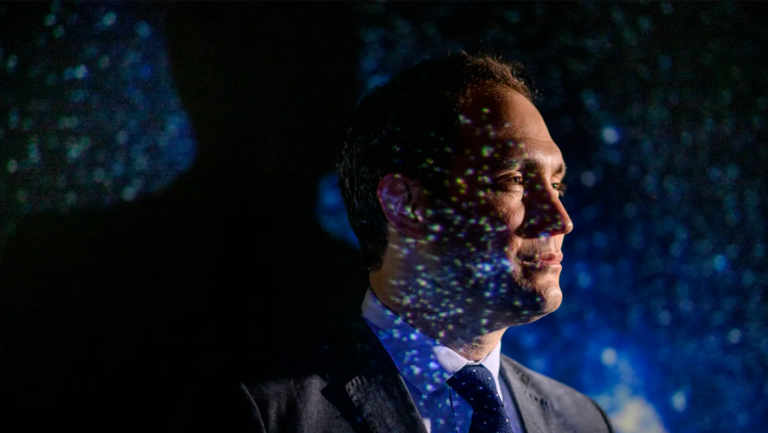
How a Northeastern astrophysicist fills in the blanks of the universe
Jonathan Blazek, assistant professor of physics and astrophysicist, is developing new ways to map and predict galaxies.
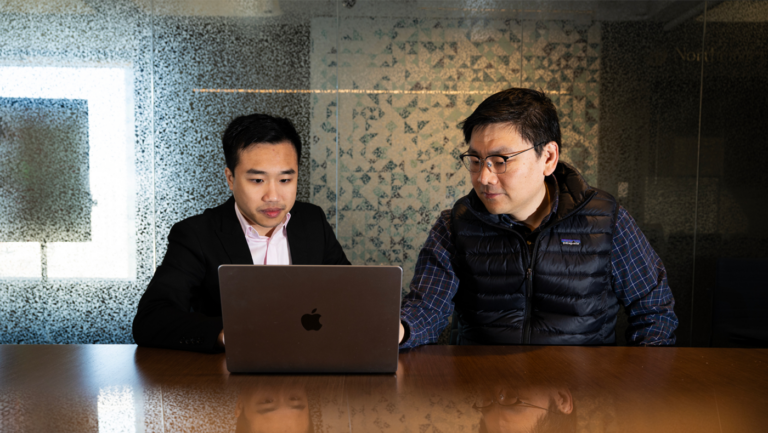
Living tissues may form like avalanches, Northeastern researchers say — a discovery that could aid new treatments
Anh Nguyen, Ph. D student, and Max Bi, associate professor of physics, have observed that when subjected to sufficient stress, tissues can “suddenly and dramatically rearrange themselves,” similar to how avalanches are formed in the wild.
Northeastern scientists help detect axion quasiparticles, offering new clues to dark matter
Arun Bansil, professor of physics, and two other Northeastern researchers, worked with an international group of scientist to successfully created laboratory conditions that allowed them to observe axion quasiparticles for the first time, bringing researchers closer to understanding dark matter.
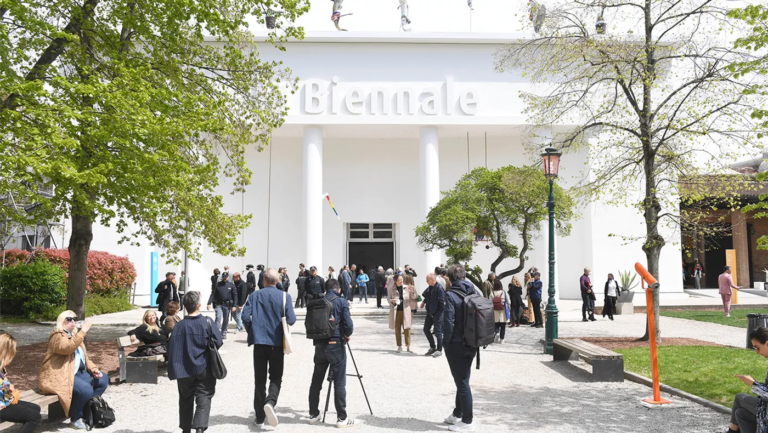
Northeastern University professors creating the largest and ‘most visible’ art project for 2025 Venice Biennale
Two northeastern labs, Barabási Lab and Paolo Ciuccarelli’s team, are working on a huge art installation for the Venice Biennale Archittetura 2025.
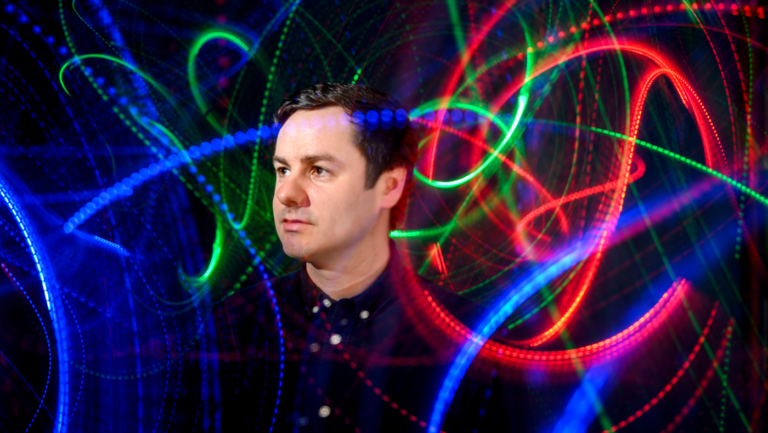
Could biology hold the key to the future of computing? This Northeastern physicist is on a mission to find out
Paul Stevenson, assistant physics professor, is studying "spin" to see how it is naturally occurring, a process that up until recently was thought to only be something that scientist could engineer.

How a Northeastern student spearheaded a new exhibit on network science at the Museum of Science in Boston
Adina Gitomer, a doctoral student in network science, brought networks to the Museum of Science in Boston and now visitors can listen to her narrate a video explaining networks!
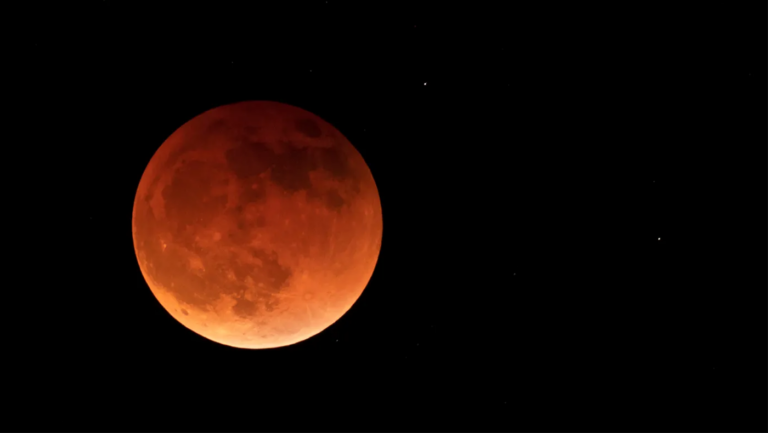
What is a total lunar eclipse and how can you see the ‘Blood Worm Moon’? An astrophysicist explains
Northeastern assistant physics professor, Jacqueline McCleary, explains what an eclipse is and how to see that Blood Worm Moon this week.