COS News
Research
“The basic premise is that AI can help us do better physics, and something that is less expected is that physics can also help us understand AI better,” said Northeastern professor James Halverson.
AI and physics have more in common than you might think.
News
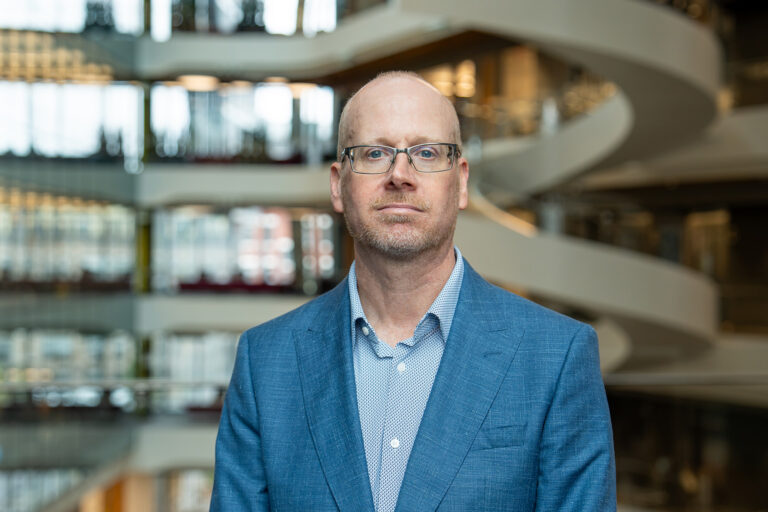
Mark Williams, Professor and Chair of the Department of Physics, will assume the role of Dean of the College of Science, effective July 1, 2026.
Mark C. Williams named Dean of the College of Science
Showing 669 results in General
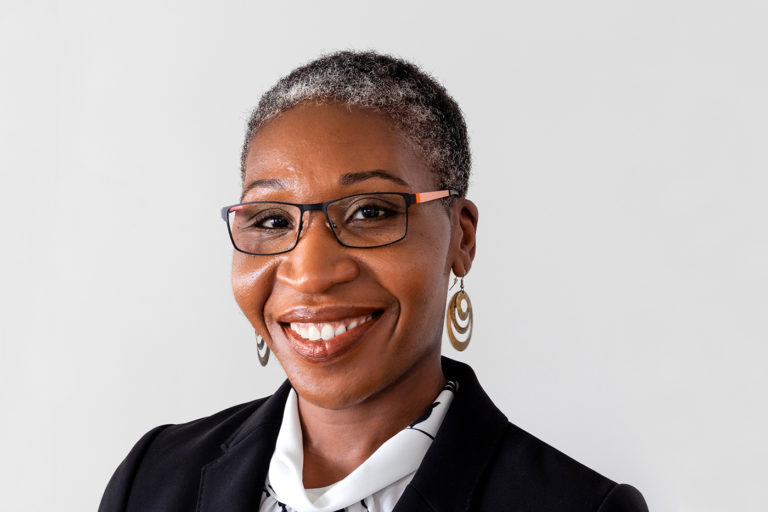
How Teaching Organic Chemistry Can Be Like Teaching a Foreign Language
Oyinda Oyelaran is a teaching professor of chemistry and chemical biology in the College of Science
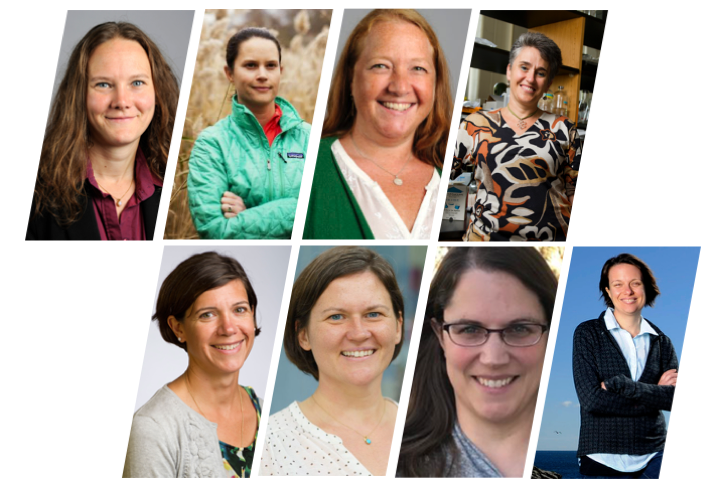
Women in Science: Sentinels for Biodiversity
Part 1: The Marine Science Center is highlighting faculty who are advancing scientific knowledge and removing barriers for the next generation of women in STEM.
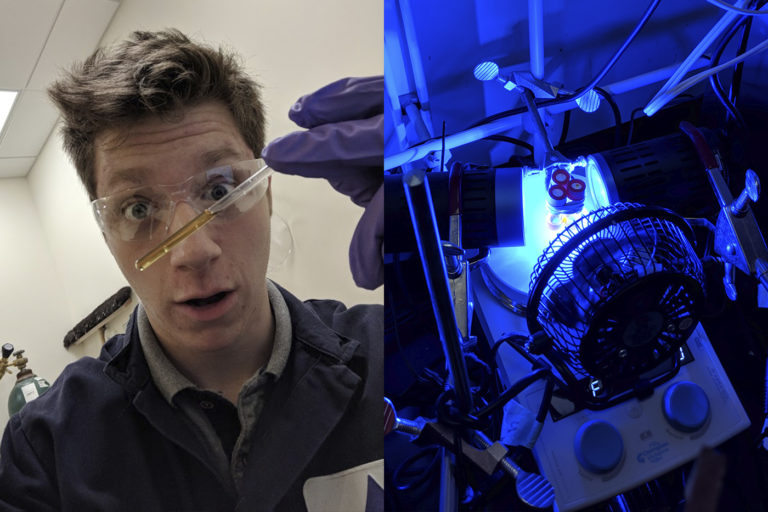
A Chemistry Co-op’s Field Guide to Mentorship
As an undergrad, co-op Noah Bissonnette never thought he'd get published or run independent experiments. Then he met the right mentors.
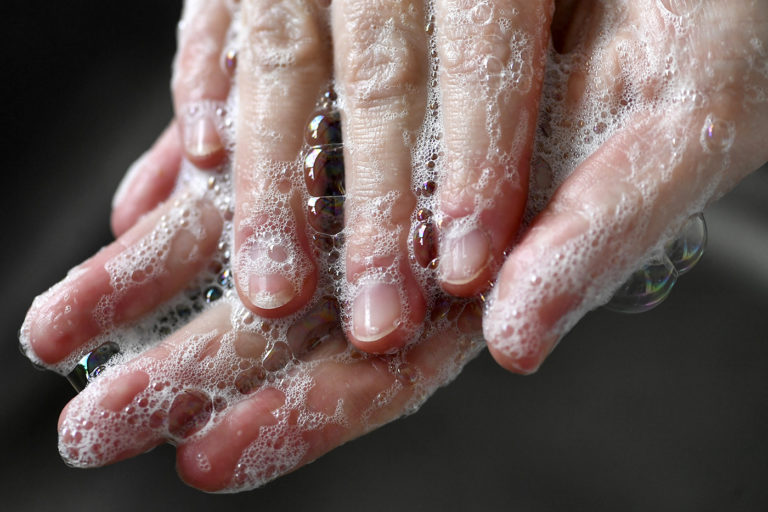
Here’s Why Washing Your Hands With Soap for 20 Seconds Protects You From Covid-19
In soap lather, a combination of molecules assemble into bubble-like structures that trap viral matter and other biomaterials—grease, oil, dirt—and rinse them down the drain, says Thomas Gilbert, associate professor of chemistry and chemical biology at Northeastern.
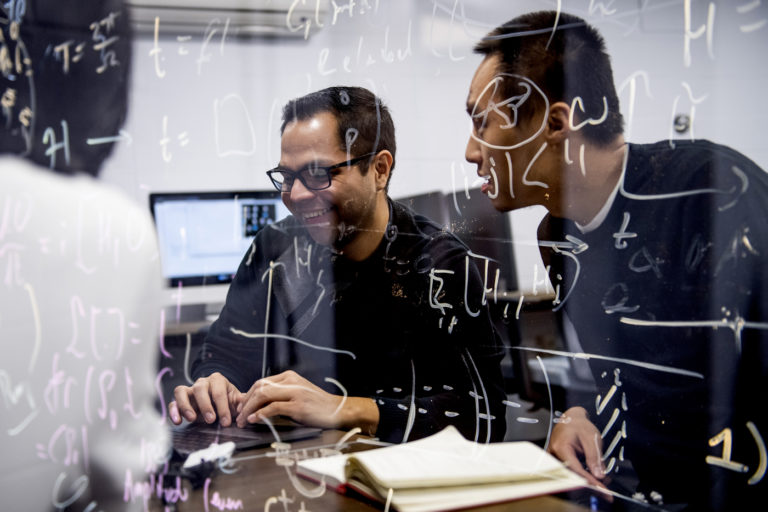
Scientists Are Baffled by This Magnet. Shooting It With Lasers Might Help.
Faster electronics, better communication devices, more efficient ways to store data are just some of the outcomes that the researchers can think of - if magnetite’s puzzle of hidden powers could be figured out. Eventually, it lead to new ways to manipulate materials and improving electronics by harnessing the behavior of their electrons.
Recipients of the 2020 College of Science Excellence in Teaching Awards
Congratulations to Oyinda Oyelaran and Prasanth George, who have been named the 2020 COS Teaching Awards Recipients!
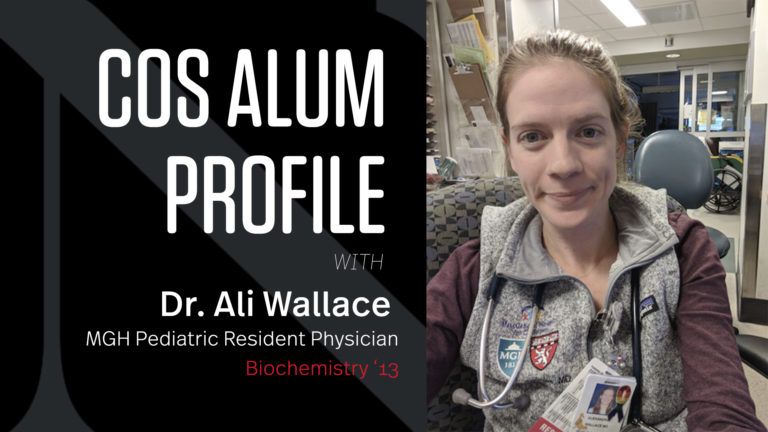
On the Front Lines of COVID-19 with COS Alumna Dr. Ali Wallace
The Biochemistry '13 alumna took time out of her busy schedule to give us an on-the-ground look at COVID-19 preparations at MGH and to discuss her formative experience here at Northeastern.
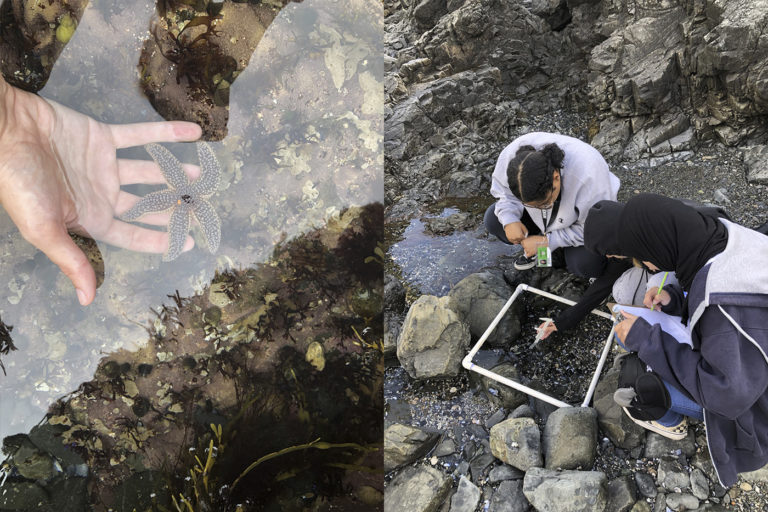
From “Eww” to “Whoa”: Reflections on our School to Sea Programs
As part of the School to Sea program, students from Lynn Public Schools had a chance to visit the Marine Science Center for some interactive learning, from touch tanks to Moon Snails.
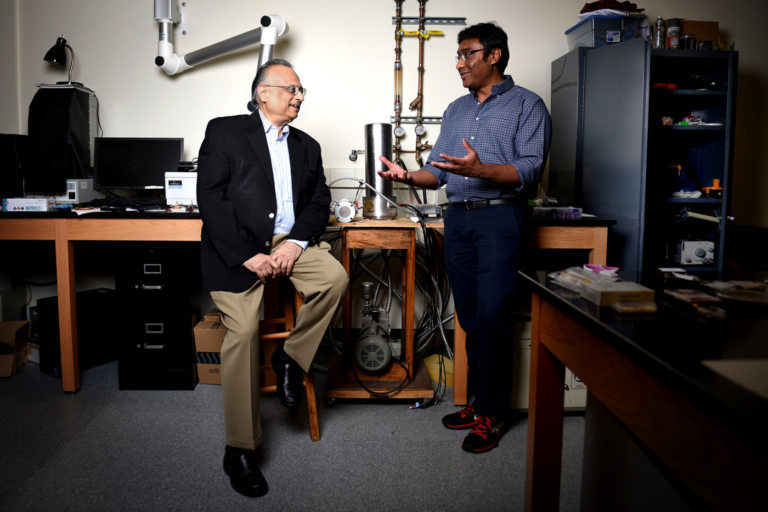
Physicists May Have Accidentally Discovered a New State of Matter. The Possibilities Are Endless.
“Imagination is the limit,” says Swastik Kar, an associate professor of physics. “It could change the way we can detect and communicate signals. It could change the way we can sense things and the storage of information, and possibilities that we may not have even thought of yet.”
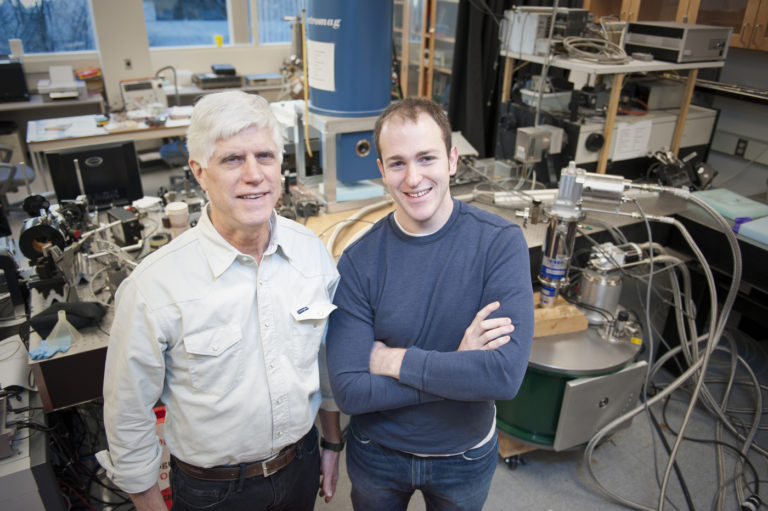
Both Insulator and Conductor, This Material Will Help Revolutionize Quantum Computing
Quantum computers represent an incredible leap in computing, but it's still in its infancy. Harnessing the power of spintronics, Professor Don Heiman is creating special materials to help make these computers more efficient, more accurate, and help usher them into the mainstream.
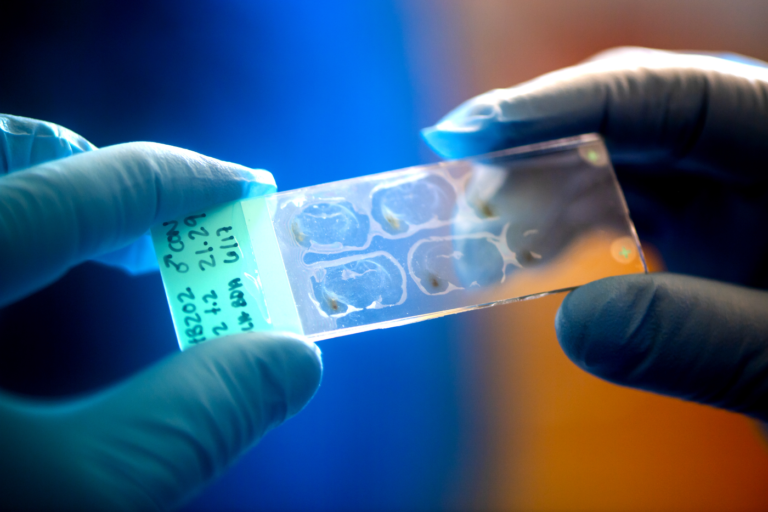
Childhood Trauma Changes Your Brain. But It Doesn’t Have to Be Permanent.
Neuroscientists at Northeastern are using rats to understand how trauma in infancy makes children, but especially girls, more likely to develop anxiety and other similar disorders later in life.
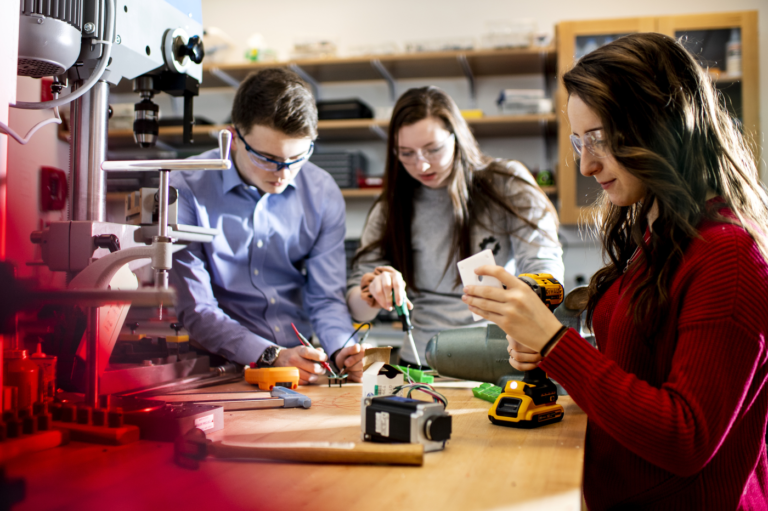
NASA Is Going Back to the Moon. Northeastern University Students Are Designing Robots to Explore the Terrain.
Some parts of the moon never see the light, but they are full of resources that NASA could mine to settle on the lunar surface and venture beyond. The agency selected a team of Northeastern students to develop robotic systems to help survey the darkest areas of the moon.