COS News
Research

“The basic premise is that AI can help us do better physics, and something that is less expected is that physics can also help us understand AI better,” said Northeastern professor James Halverson.
AI and physics have more in common than you might think.
News
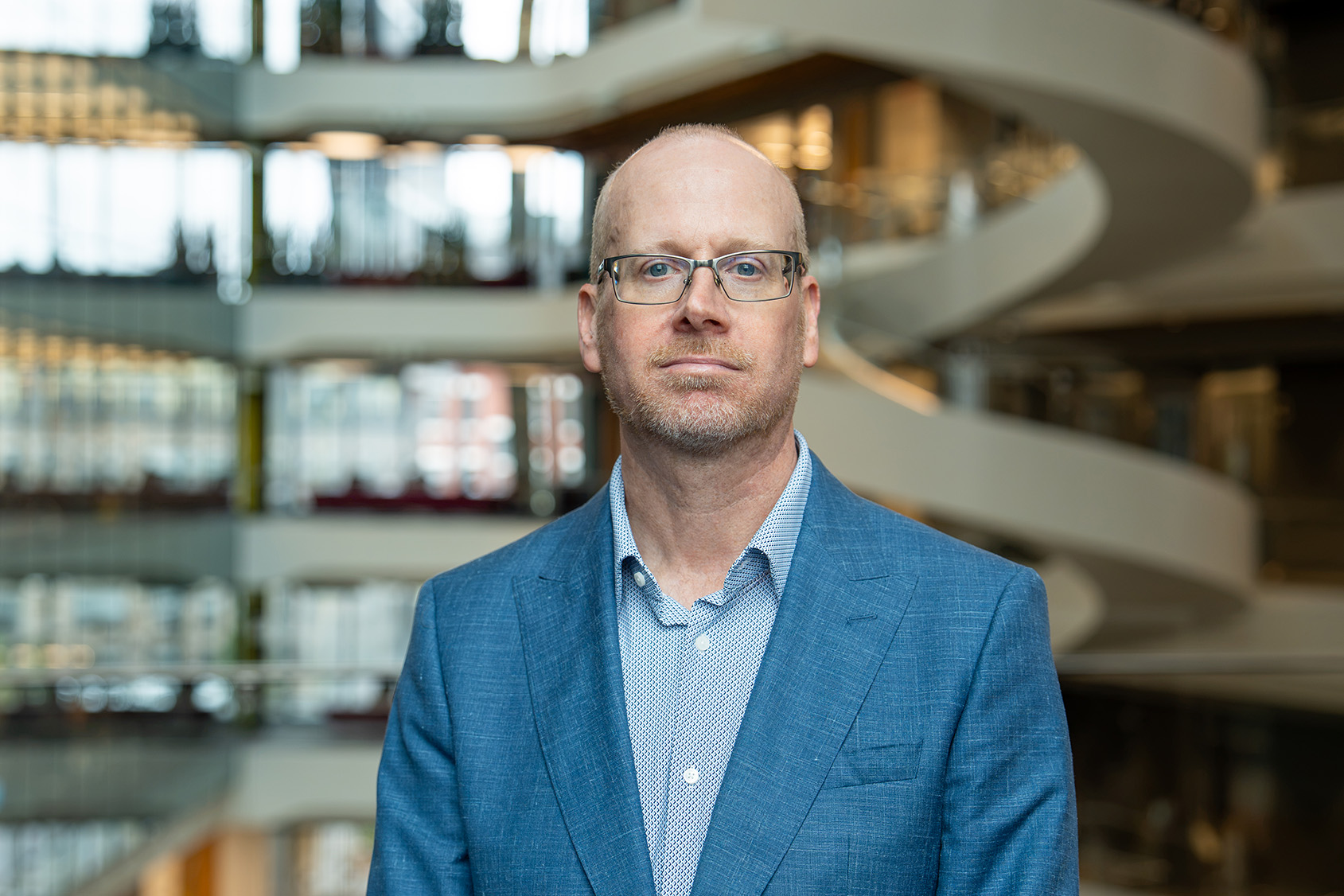
Mark Williams, Professor and Chair of the Department of Physics, will assume the role of Dean of the College of Science, effective July 1, 2026.
Mark C. Williams named Dean of the College of Science
Showing all results

The Mental Toll Behind A Sports Injury: Q&A with Dr. Grayson Kimball
Between 2007 and December 2019, there was a mean of 62.49 injuries per 100 players per season in all professional sports, study shows.
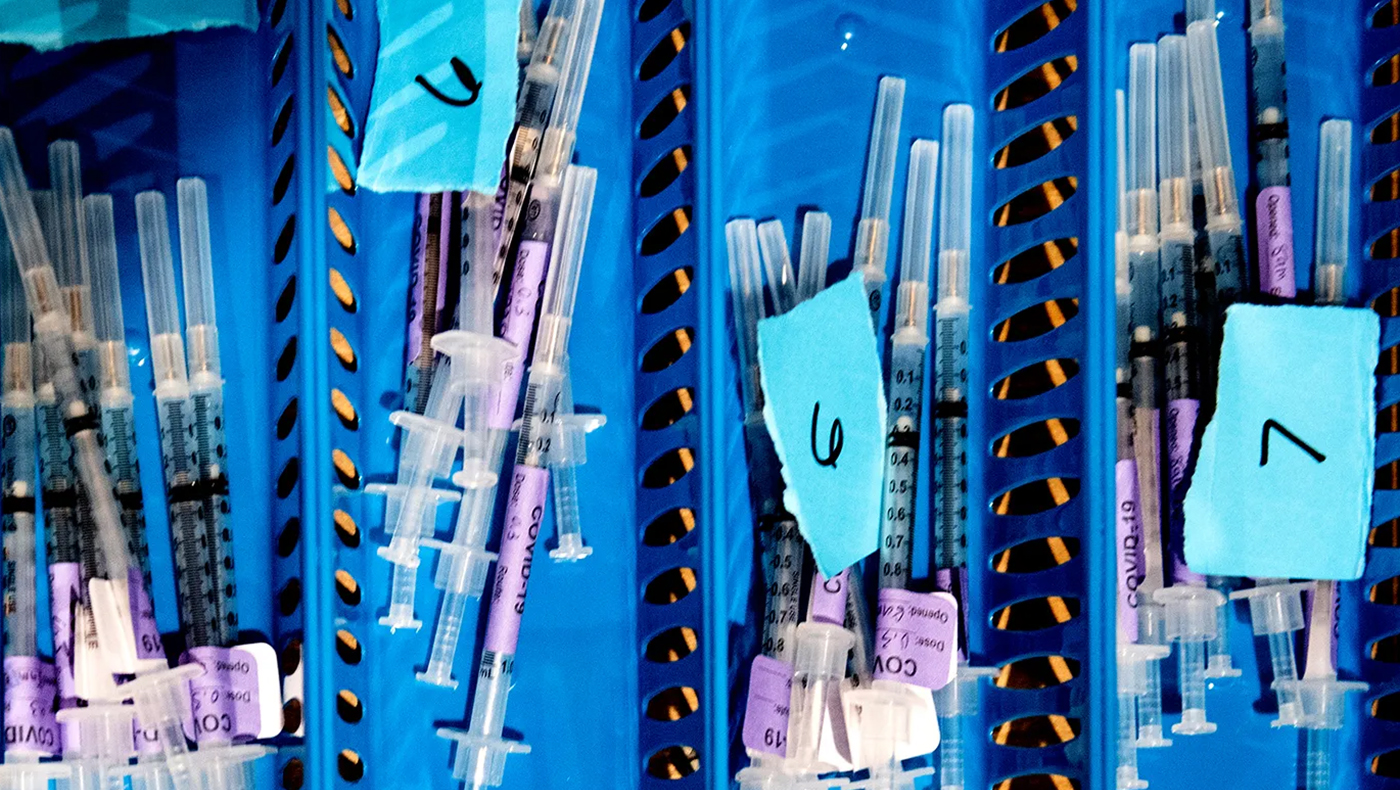
More Than 50% of COVID-19 Deaths Could Have Been Prevented
Better access to vaccines could have prevented more than 50% of COVID-19 deaths in 20 lower income countries, according to a new paper in Nature Communications co-authored by Northeastern professor Alessandro Vespignani.
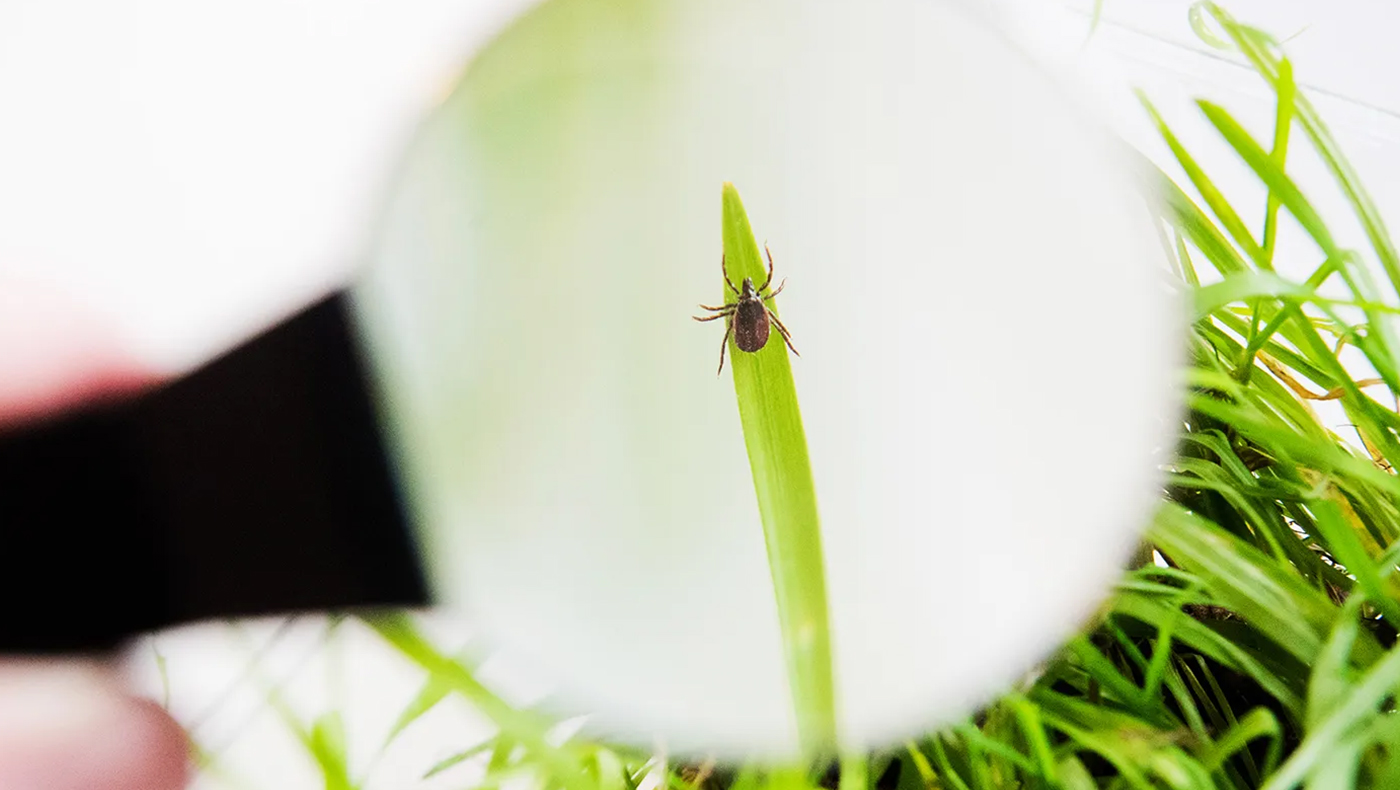
Will the new vaccines prevent Lyme disease?
Cases of Lyme disease are exploding across the United States, but don’t expect a magic bullet against the tick-borne illness to arrive any time soon.
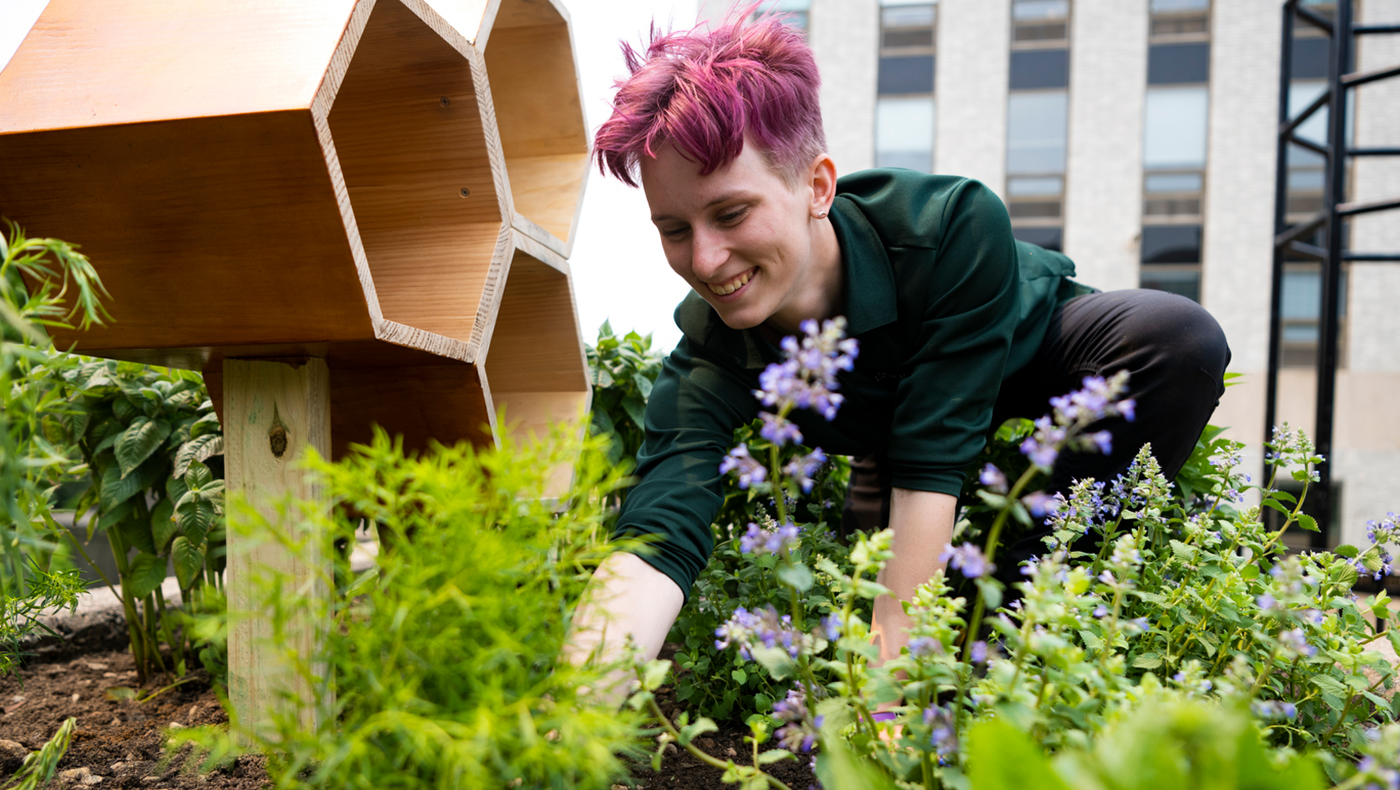
40,000 Honey Bees make Campus an Urban Bee Haven
Northeastern is a university with a lot of “buzz.” With more than 96,000 undergraduate applications, and new campuses opening across North America, the place is a beehive of activity.

Take A Look Inside Northeastern’s New EXP Building
The display screens are getting mounted. A laser-cut metal ceiling is installed. The filtered fume hoods await students’ chemistry experiments.
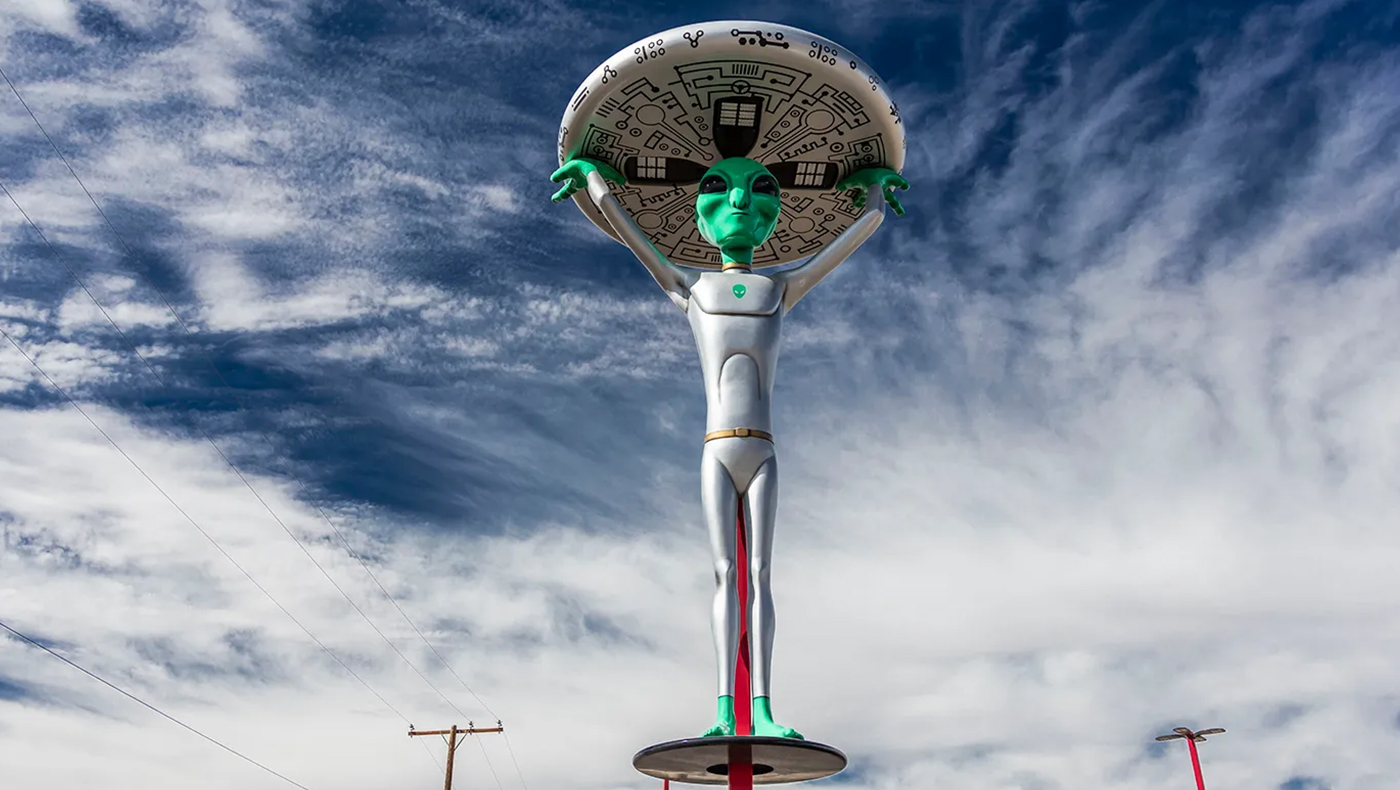
Will NASA’s UFO Panel Reveal Any Extraterrestrial Secrets?
Northeastern University physics professors Jacqueline McCleary and Jonathan Blazek doubt a NASA panel studying UFO sightings will reveal evidence of extraterrestrial life in its final report this summer.

What is the psychology behind Spider-Man?
One of the best running jokes in “Spider-Man: Into the Spider-Verse,” the 2018 Oscar-winning animated film, is the introduction of each new version of Marvel’s webslinger.

Want to know how processed your food is?
Northeastern researchers have been busy trying to better understand the links between “ultra-processed foods” and human health through the university-sponsored Foodome project.

Northeastern students mentoring young women in Cambodia
Leading a women’s college dormitory in Phnom Penh, Cambodia, may not be the typical place you’d find a third-year neuroscience and pre-med student like Northeastern’s Yueting Lu.
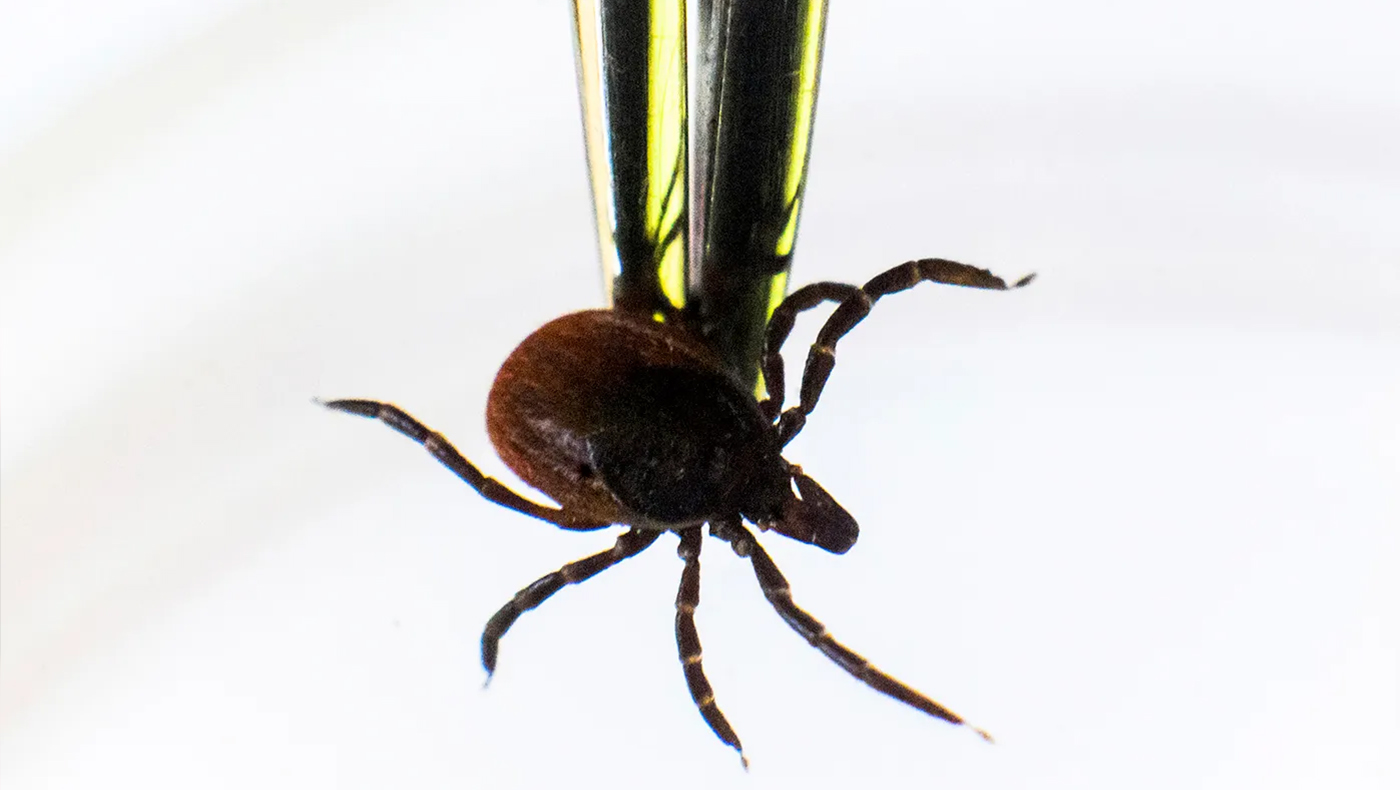
Could ‘new’ antibiotic treatment prevent chronic Lyme disease?
Every year, tens of thousands of new Lyme disease patients find that their symptoms persist even after the standard course of antibiotic treatment.
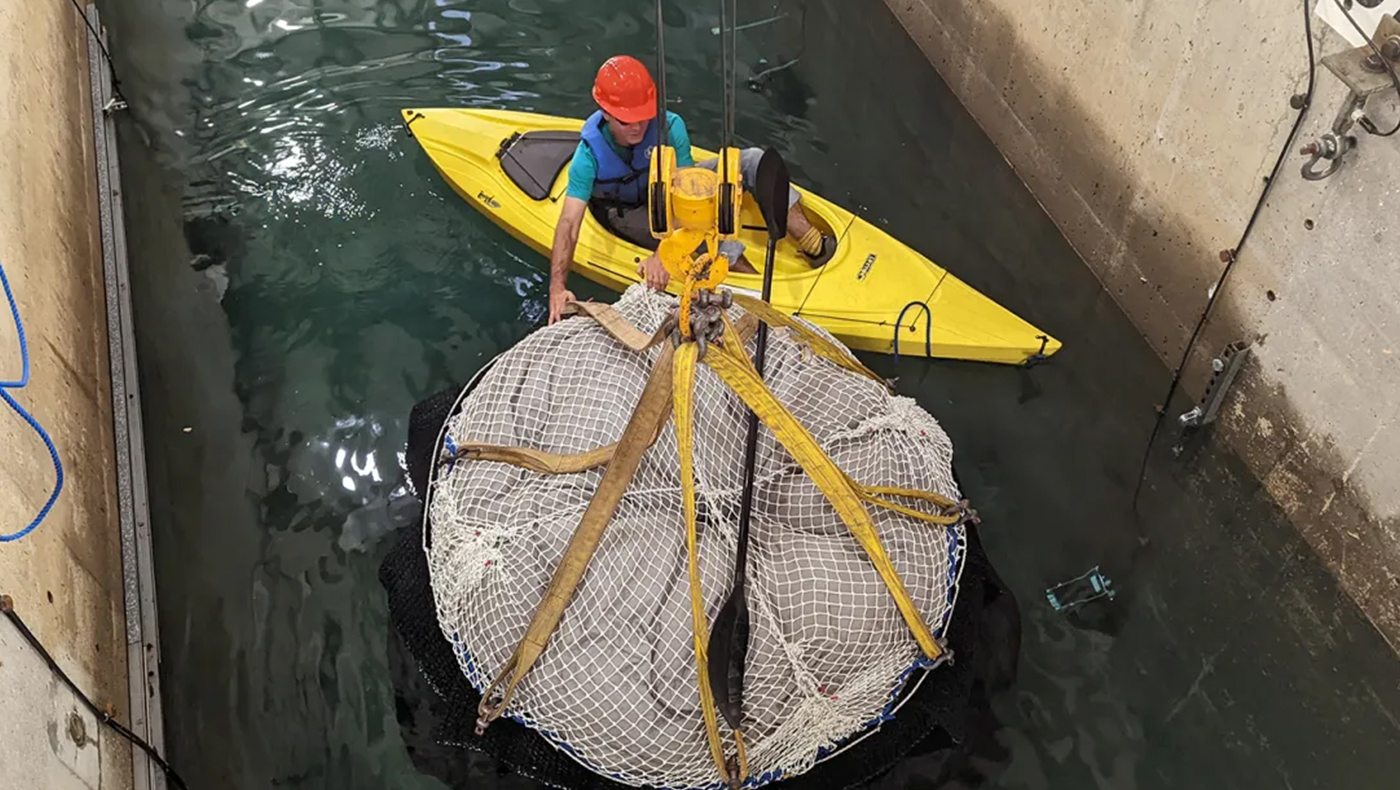
Using nature to fight rising seas
Picture Boston Harbor, a few years from now. The East Boston Greenway, a leafy urban trail, no longer stops a block from the pier, but extends into the ocean. A floating semi-circular trail arcs across the water; cyclists buzz and pedestrians stroll along it.
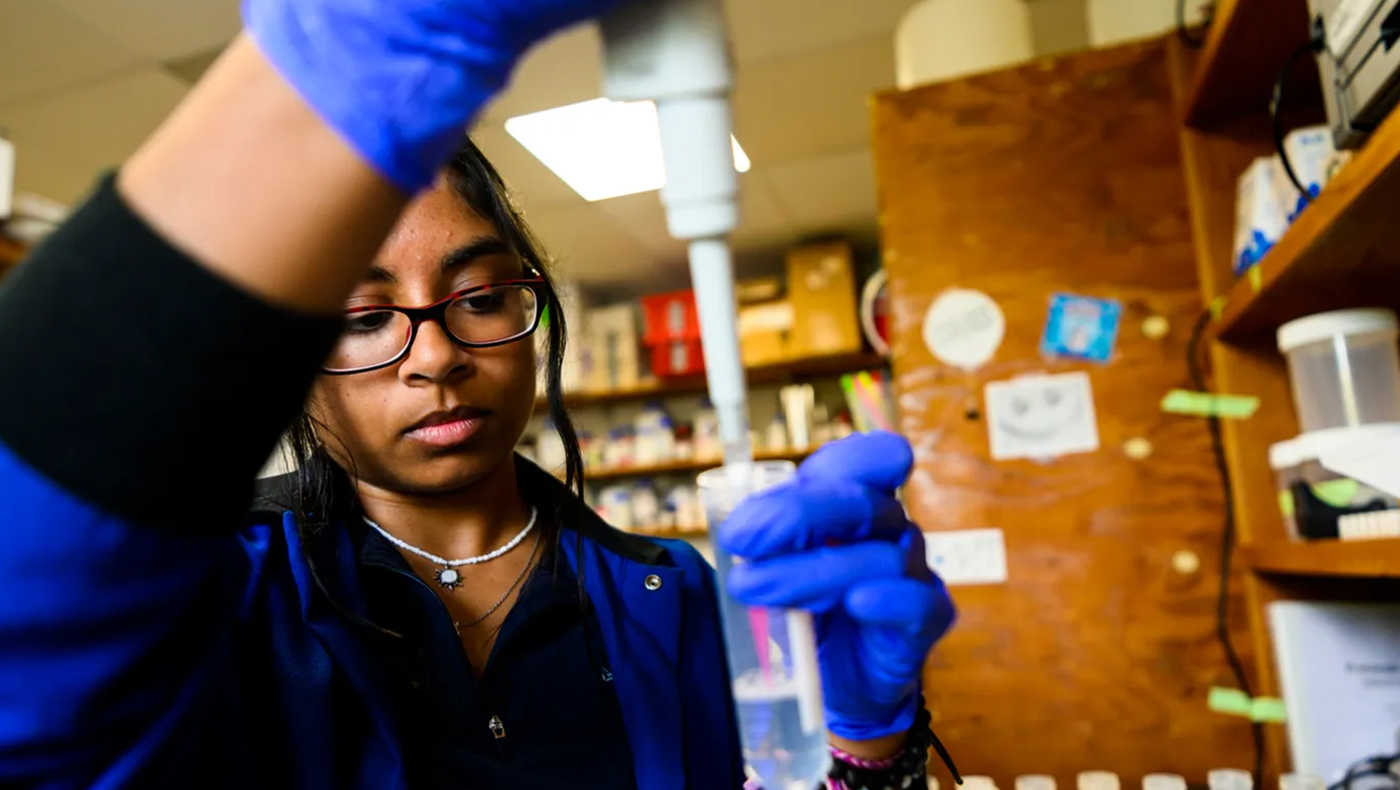
What’s behind the toxic algae producing killer shellfish in Alaska?
Most people probably associate algal blooms with red tides in Florida that can lead to skin irritation, burning eyes and rashes in exposed individuals.