COS News
News

A new report from a group of Northeastern researchers explores across disciplines how biotech can ensure safe, sustainable life beyond Earth.
The key to international space cooperation is developments in biotechnology, Northeastern researchers say
News

The NeuroPRISM lab, led by assistant psychology professor Stephanie Noble, makes tools that pave the way for reliable and reproducible neuroimaging of the brain.
Precise maps of the brain’s deepest corners are made possible through tools developed by these Northeastern researchers
Showing 213 results in Physics

The ‘dark matter’ of nutrition: How AI and network science are transforming our understanding of food and health
Albert-László Barabási, physics professor, is advocating for a mass project combining AI, mass spectrometry and network medicine to map the chemical makeup of the foods we consume.

Are we safe from the “city-killer” asteroid headed toward Earth in 2032?
Jacqueline McCleary, assistant professor of physics, weighs in on the so-called city-killer asteroid that seemed to be likely to hit Earth in 2032. McCleary explains that the increased odds are a normal part of the data process and not to worry!

Physicist explains what may have caused Delta Flight 4819 to flip over
A Delta Airlines plane crashed-landed on Monday in Toronto. Northeastern distinguished physics professor Arun Bansil weighs in on how it happened.

How monitoring wastewater from international flights can serve as an early warning system for the next pandemic
Alessandro Vespignani, director of Northeastern’s Network Science Institute, Guillaume St-Onge, a physicist at Northeastern, and colleagues have researched how monitoring wastewater from international flights can help scientists anticipate the next pandemic.

Are you tired of being zapped? These 10 tips can help you combat static electricity
Have you noticed that static electricity feels worse in winter? You reach for a door handle — zap! Hang your coat on a metal hook — zap! These small shocks can be both annoying and slightly painful. Static electricity is also why your hair might stand on end when you take off a hat or […]

Undergraduate Student Experience Spotlight: Eddie Berman
I presented my abstract On Differentiable Correlation Functions at the American Astronomical Society Winter Session Meeting in Baltimore, MD. My work is important because it enables gradient-based optimization, enabling cosmologists to relate correlations to astrophysical model parameters. In my current extensions to this work, I have shown that it enables a new class of uncertainty quantification and alternatively […]
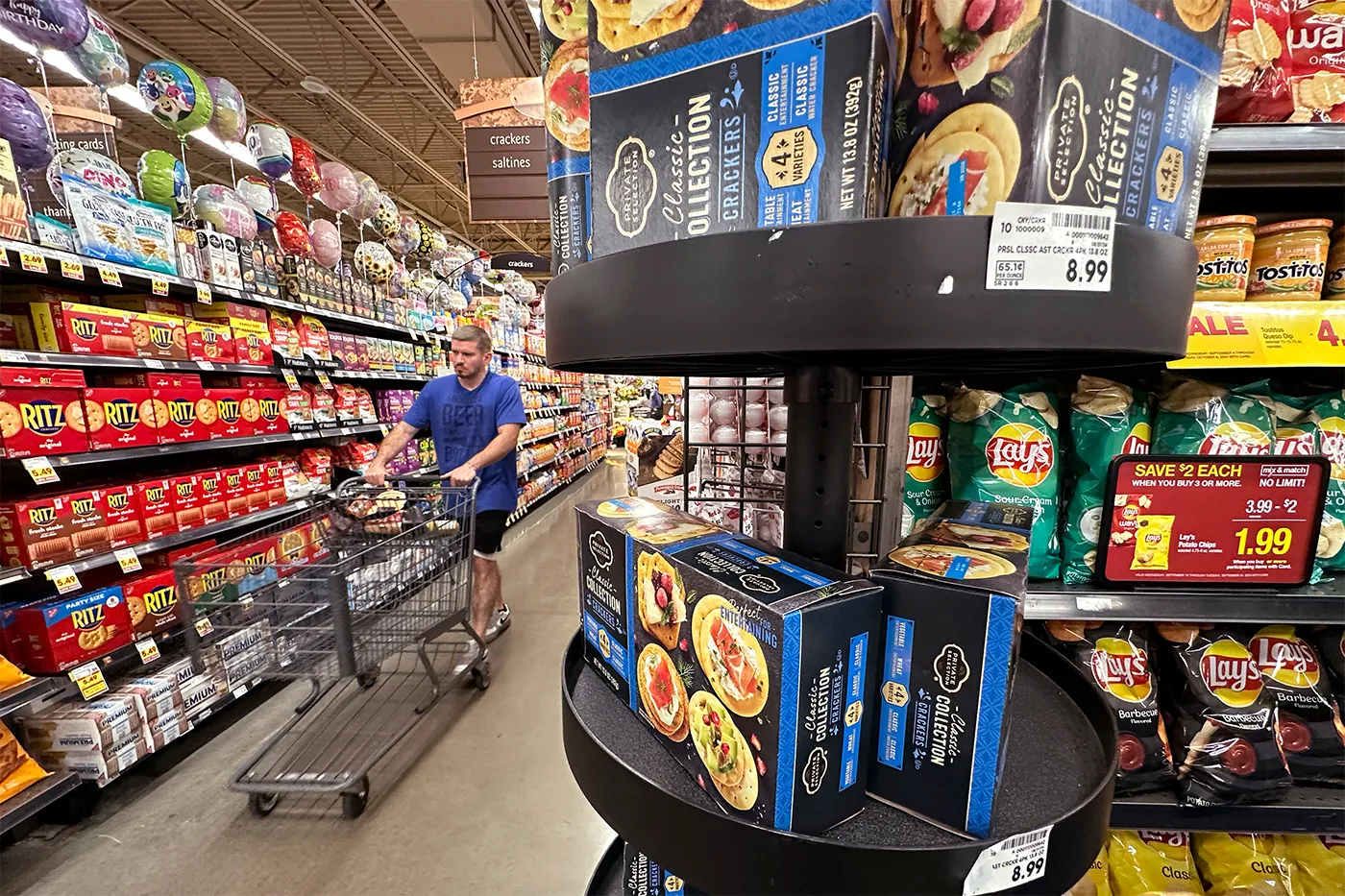
Whole Foods vs. Walmart: New research reveals hidden realities of ultra-processed foods in stores
New research from Professor Albert-Laszlo Barabasi, and colleagues looks at the amount of processed food available in American grocery stores and its health implications.
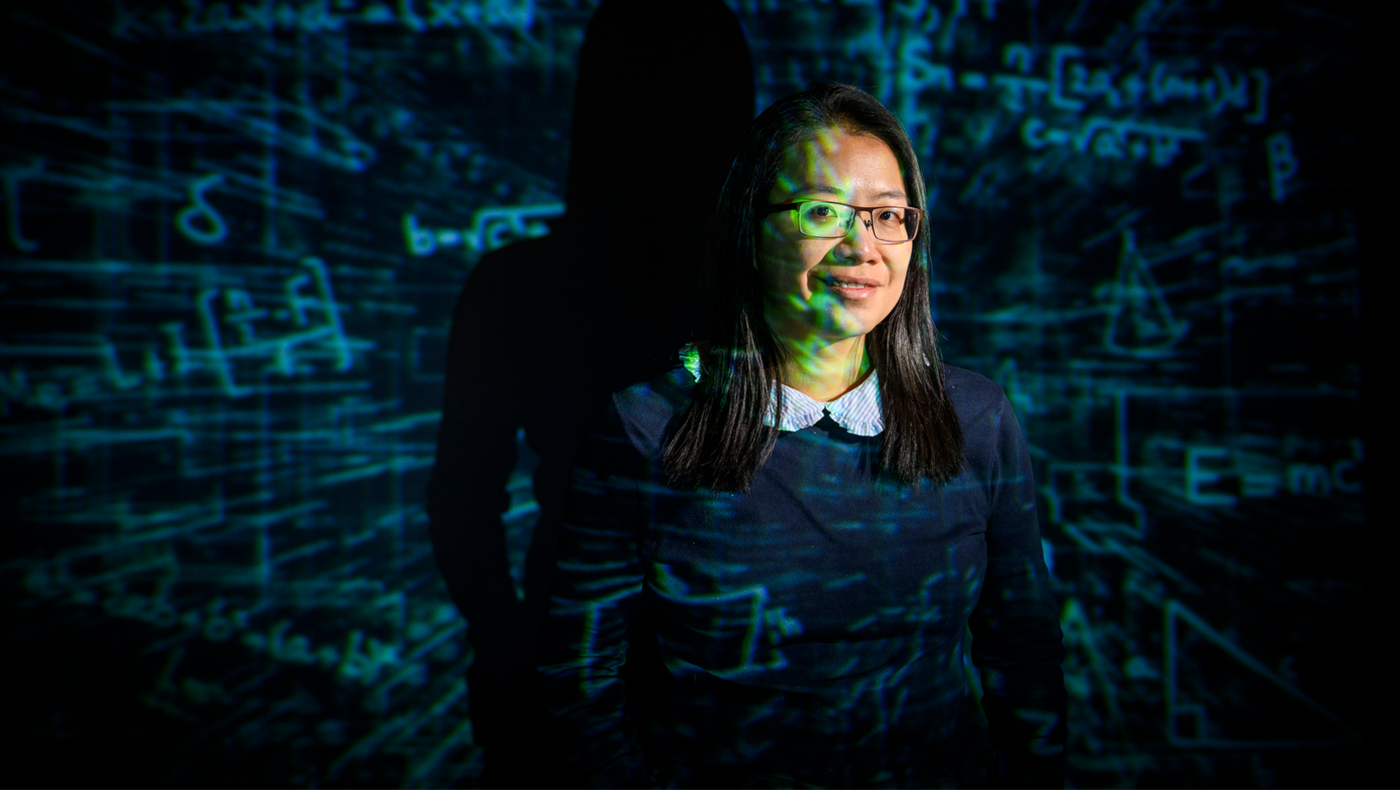
How Yizhi You’s quantum research could revolutionize computing and STEM education
Yihzi You, assistant professor of physics, received a prestigious CAREER award from the National Sciences Foundation to study specific interactions between subatomic particles.
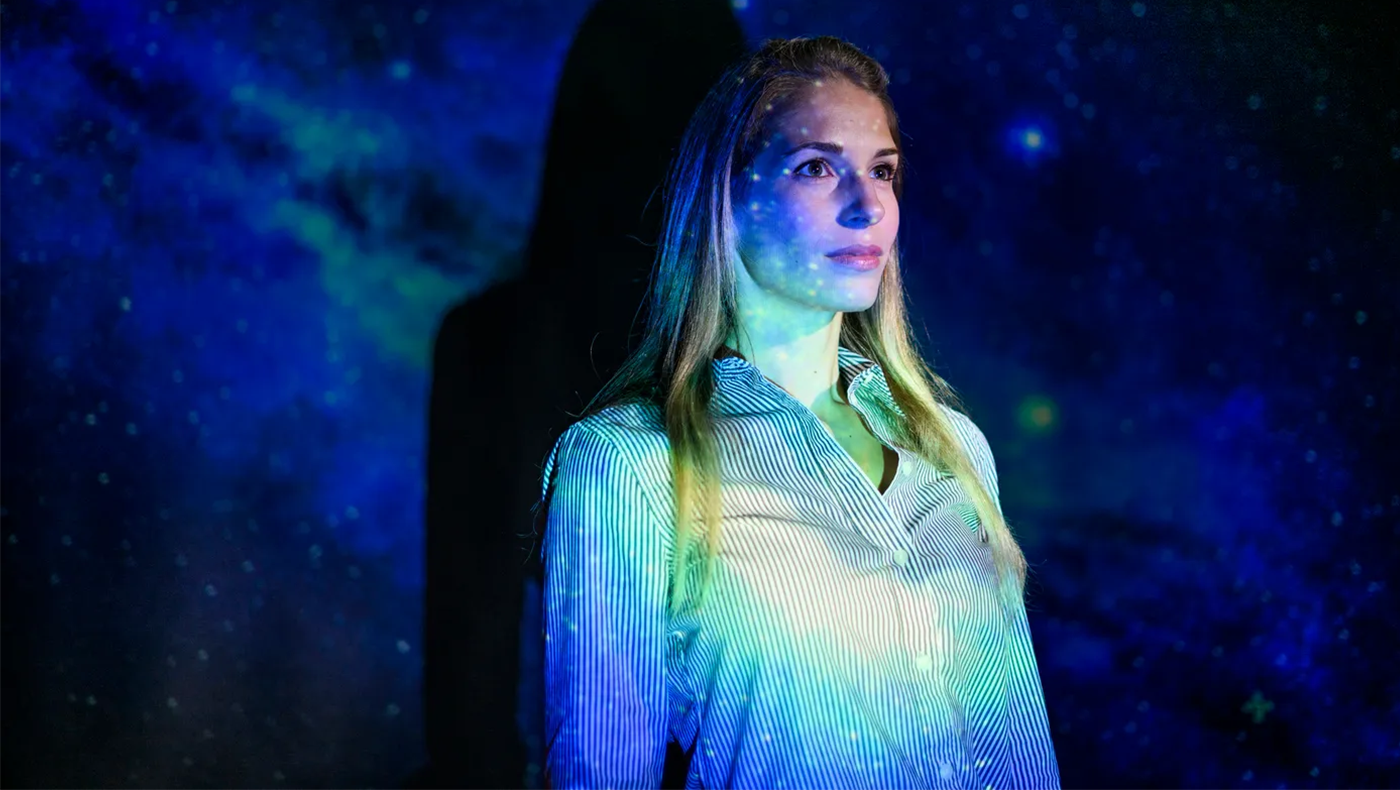
Astronomers discovered 44 ancient stars using gravitational lensing. An astrophysicist explains how they did it
Jacqueline McCleary, assistant professor of physics, helps explain the implications of the historical discovery of 44 stars by a group of astronomers.

Remote work affects urban economies far beyond downtown hubs, Northeastern research finds
Esteban Moro, professor of physics, and colleagues across the country analyzed how remote work impacted commerce.
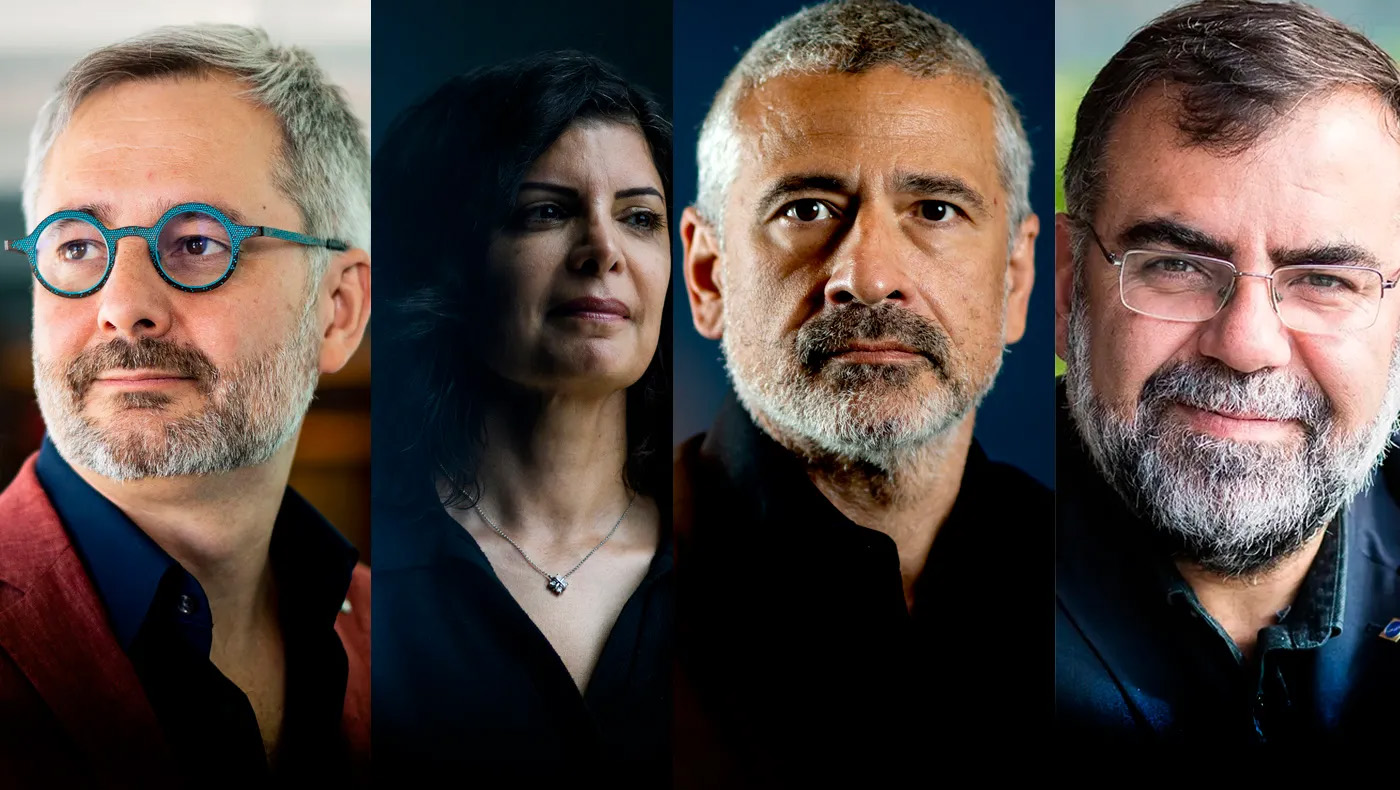
The interaction between humans and artificial intelligence demands a new field of study, Northeastern researchers say
Eliassi-Rad is one of several Northeastern researchers who have proposed a new area of study they are calling “Human AI Coevolution” to better understand and analyze these feedback loops. Other researchers on the project include Northeastern professors Ricardo Baeza-Yates, Albert-László Barabási and Alessandro Vespignani.

How can physics models help prevent deadly stampedes at mass gatherings?
Northeastern professor Max Bi explains how crowd dynamics lead to stampedes, offering insights for safer venues and survival strategies.