COS News
Research

“The basic premise is that AI can help us do better physics, and something that is less expected is that physics can also help us understand AI better,” said Northeastern professor James Halverson.
AI and physics have more in common than you might think.
News

Mark Williams, Professor and Chair of the Department of Physics, will assume the role of Dean of the College of Science, effective July 1, 2026.
Mark C. Williams named Dean of the College of Science
Showing all results

What is La Niña? A Northeastern expert explains how the weather pattern may impact your winter plans
The La Niña event forecast for this winter may deliver more snow than usual to the Northwestern U.S. and dry, warm weather to the South.
Afraid of spiders? Heights? Public speaking? They activate different parts of the brain, Northeastern research finds
A new paper from Northeastern University psychology professor Ajay Satpute’s lab upends previous understandings of how fear works in the mind.

A geomagnetic storm is hitting the northern part of the U.S. Here’s how the solar event may impact you
Jonathan Blazek, assistant professor of physics, said the geometric storm won’t have a severe impact on technology.
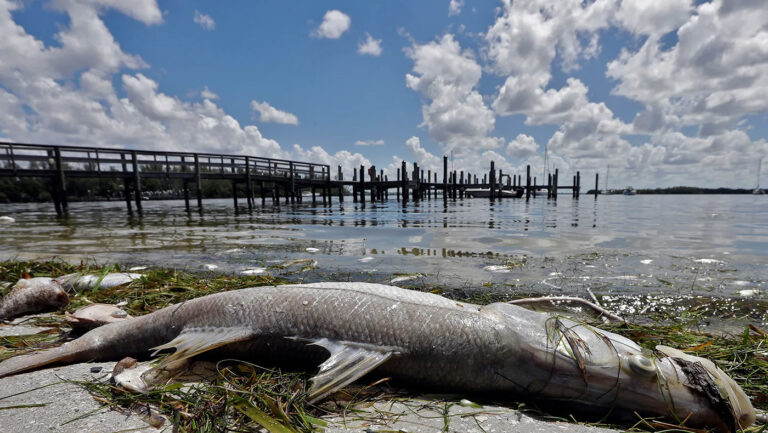
What happens to sea life during hurricanes? Can they move to calmer waters? A marine scientist explains
Some marine animals will escape by going farther out to sea; however, others could perish along the beaches, says Mark Patterson, a professor at Northeastern’s Marine Science Center.
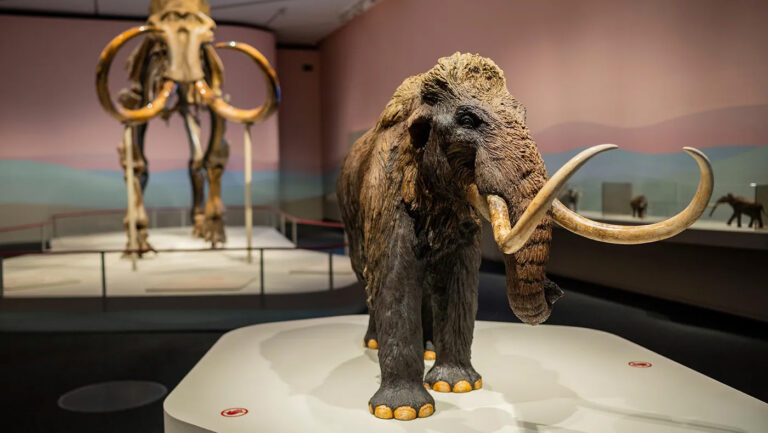
Scientists recreate genome of 52,000-year-old freeze-dried woolly mammoth
Frozen in Siberia, this mammoth was remarkably preserved at the microscopic level, Northeastern researchers discovered. Its DNA had remained the same for thousands of years, frozen as “chromoglass.”

Is Tampa prepared for the devastating impact of Hurricane Milton?
As Hurricane Milton barrels toward central Florida, Northeastern University disaster recovery experts say residents should expect extensive destruction from the storm and its surge — particularly if Tampa is hit directly.
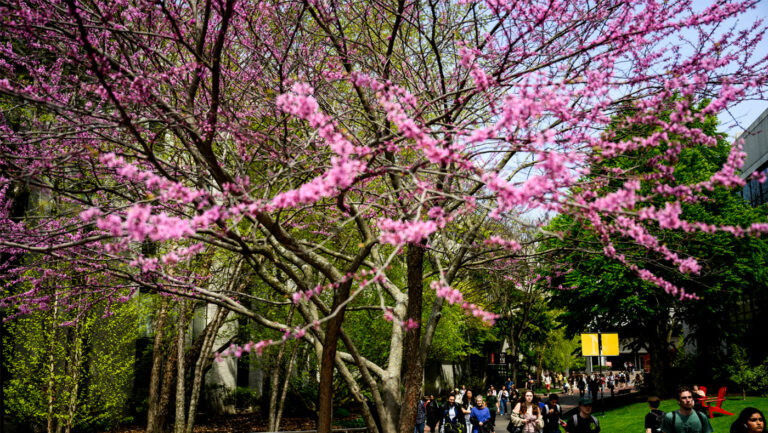
Meet the 2024 Advancing Women in Science Scholars
The Advancing Women in Science Scholarship (AWS) demonstrates the commitment of the College of Science to increase the representation and advancement of women in science majors and careers. Eligible candidates include full-time undergraduate women enrolled in the college. As part of the Advancing Women in Science community, scholarship recipients participate in quarterly meetings with a cohort of fellow awardees focused on professional development and mentoring skills.

What is the “mini moon” that is now orbiting Earth? Astrophysicist explains small cosmic guest — and the bigger one that’s on the horizon
For two months, a small asteroid will join Earth’s orbit, a common yet little known occurrence. However, a Northeastern astrophysicist has her eyes on another asteroid that will be a much closer call for the planet.
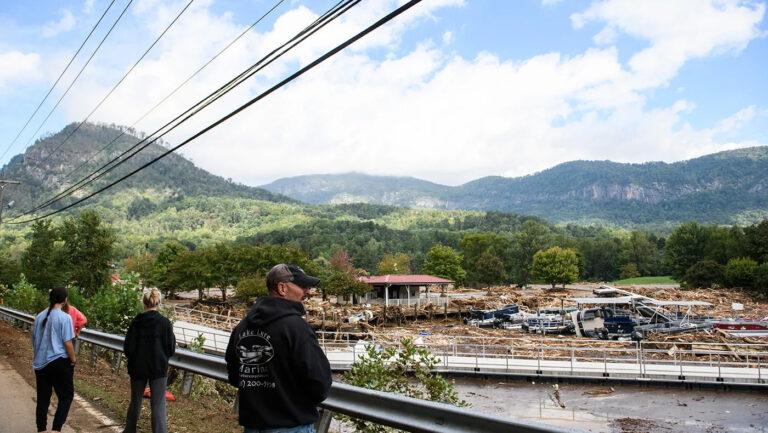
From ‘climate haven’ to disaster zone: How Hurricane Helene became the perfect storm to devastate western North Carolina
Heavy rain caused by Hurricane Helene transformed western North Carolina from a reputed ‘climate haven’ to a disaster area, as shown here near Lake Lure.

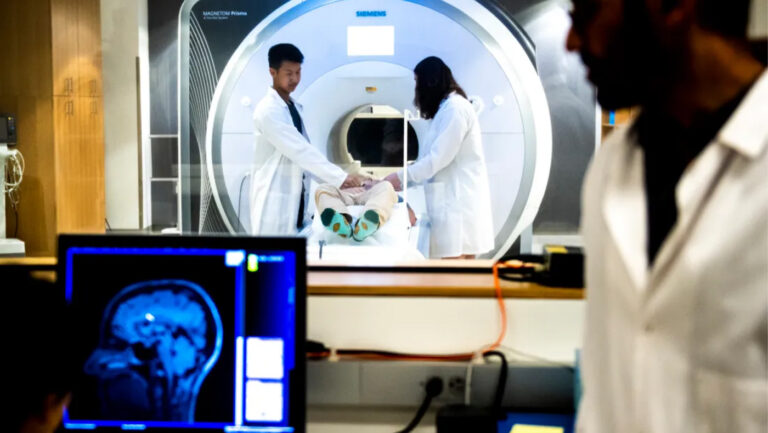
Northeastern’s neuroimaging lab empowers students with real-world brain research and innovative drug studies
Professor of psychology and pharmaceutical sciences Craig Ferris and principal research engineer Praveen Kulkarni work with the MRI machine.
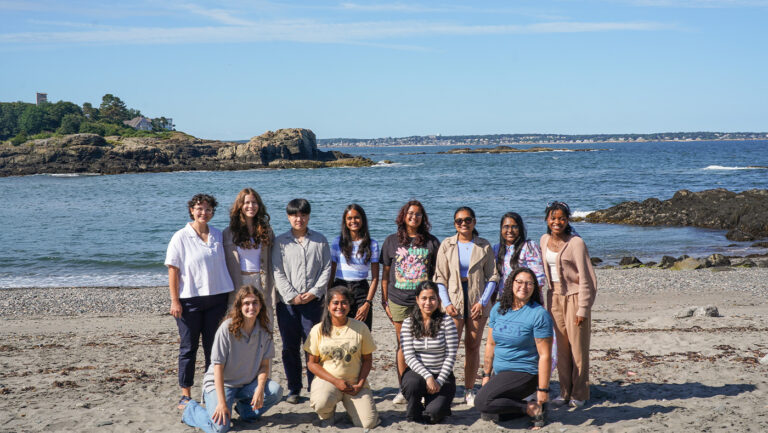
BIMODAL Workshop: Empowering Underrepresented Scientists in the Digital Age
In today's digital landscape, where effective science communication is essential, three graduate students from the College of Science launched the inaugural BIMODAL (Belonging in Media: Opportunities in Digital Academic Landscapes) workshop, held on August 27th and 29th, at Northeastern University, with participants from an array of majors across the College of Science.
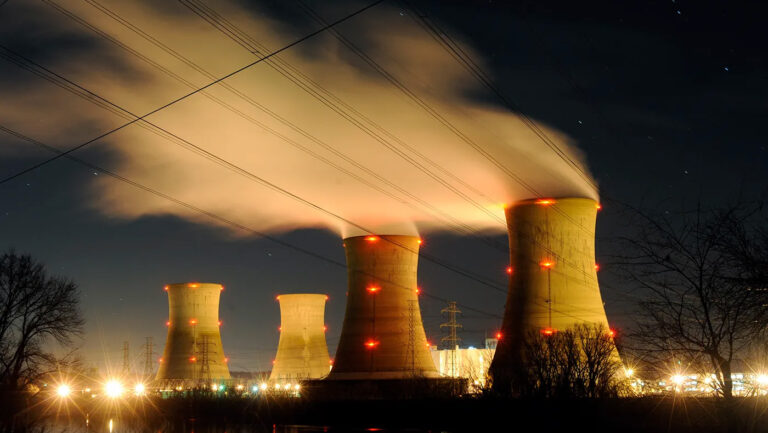
Plan to reopen Three Mile Island plant could be ‘rebirth’ of nuclear energy, Northeastern experts say
A plan to reopen a reactor at the Three Mile Island nuclear power plant could rejuvenate the nuclear energy sector in the United States.