COS News
News

A new report from a group of Northeastern researchers explores across disciplines how biotech can ensure safe, sustainable life beyond Earth.
The key to international space cooperation is developments in biotechnology, Northeastern researchers say
News

The NeuroPRISM lab, led by assistant psychology professor Stephanie Noble, makes tools that pave the way for reliable and reproducible neuroimaging of the brain.
Precise maps of the brain’s deepest corners are made possible through tools developed by these Northeastern researchers
Showing 280 results in News
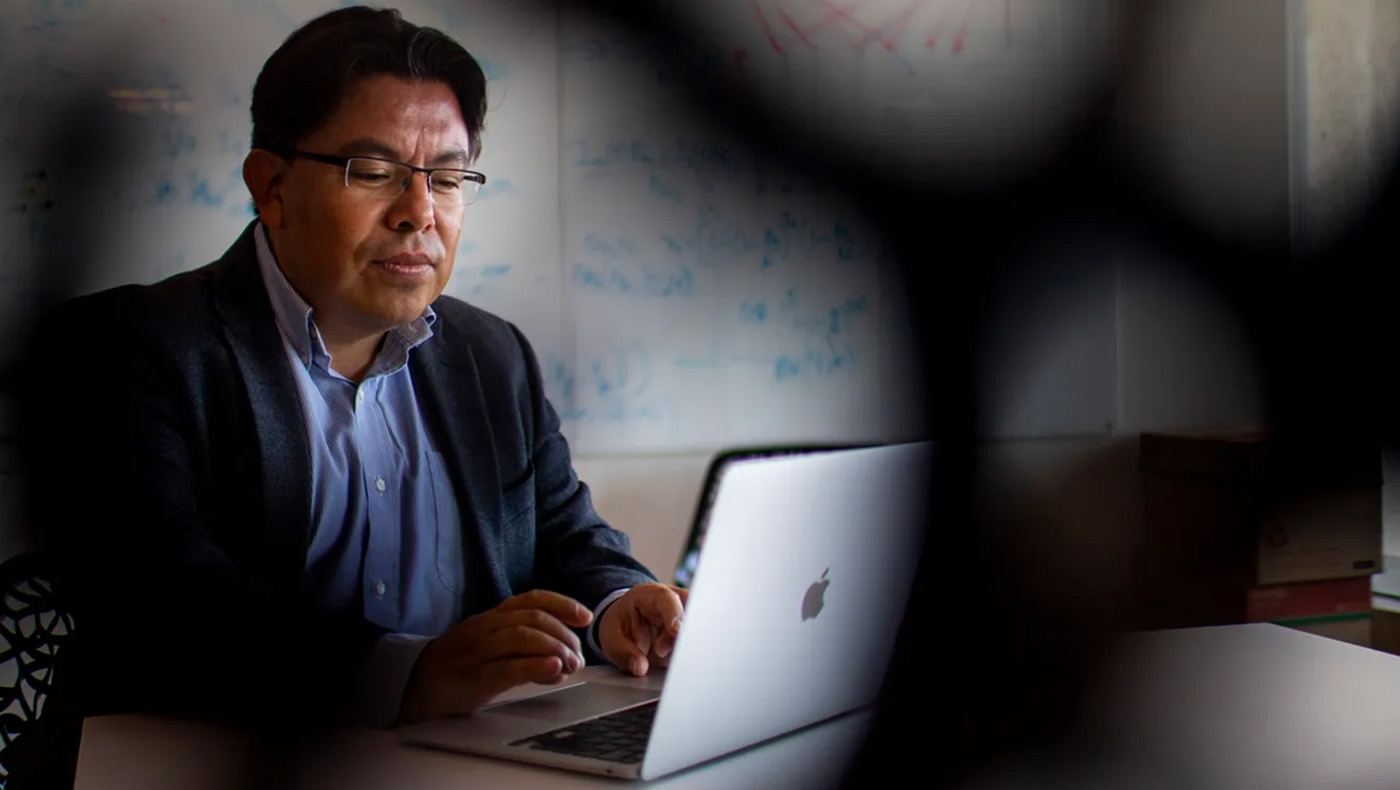
Is the US ready for another pandemic?
Is the U.S. ready for another pandemic?
It’s a question members of Congress convened last week to tackle. And one of Northeastern’s own machine learning experts, Mauricio Santillana, a professor of physics and network science, was on Capitol Hill to help shed light on U.S. preparedness from the standpoint of how to levy big data to create better predictive models.
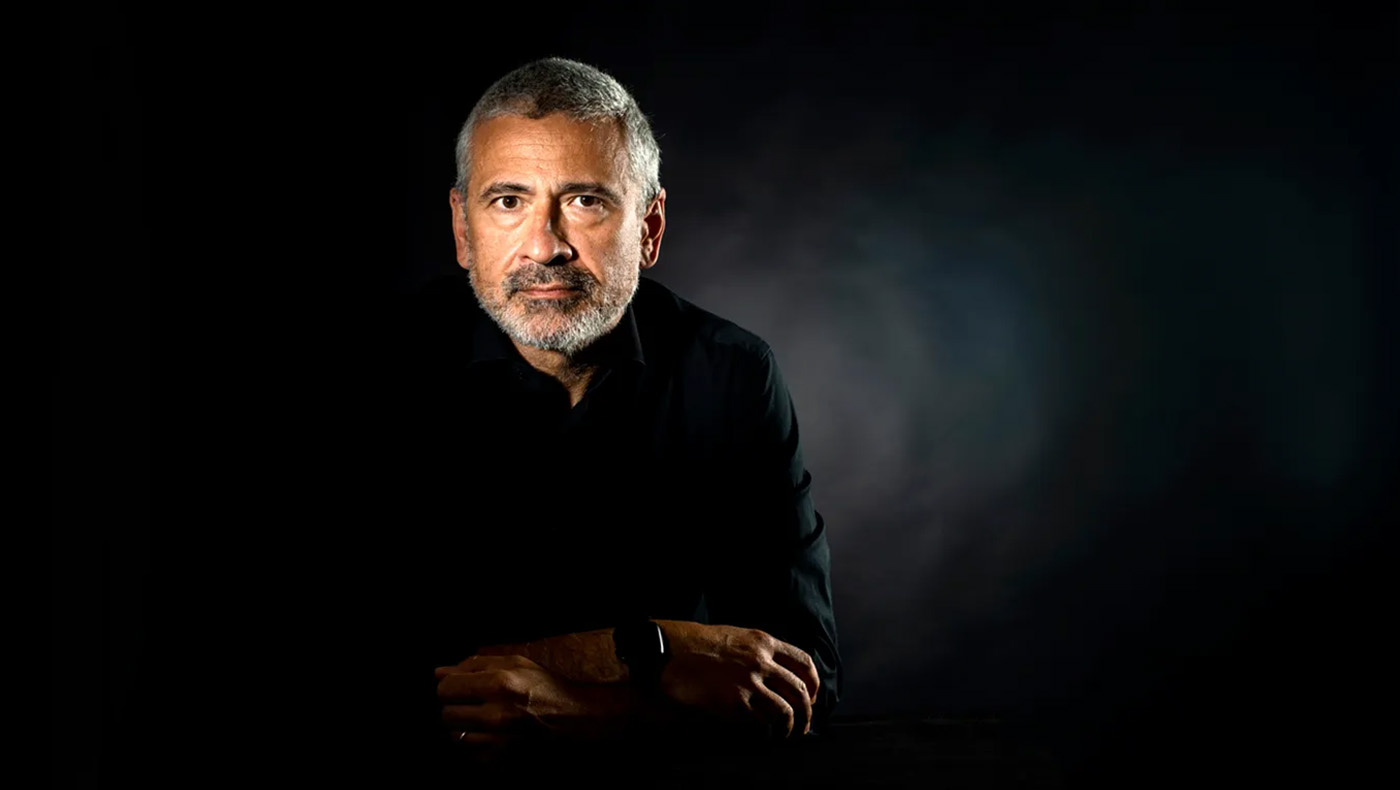
Northeastern professors Kevin Fu, Alessandro Vespignani and Yun Raymond Fu honored by American Association for the Advancement of Science
Alessandro Vespignani, director of the Network Science Institute and Sternberg Family Distinguished Professor at Northeastern, has been elected as a Fellow to the American Association for the Advancement of Science.
Can ‘digital traces’ from internet searches and social media predict outbreaks of COVID-19?
Your Google searches and Twitter accounts alert marketers about what items you might like to purchase—could they also serve as an early warning system when COVID-19 levels are about to take off?
A team of scientists including Northeastern University machine learning expert Mauricio Santillana says internet users’ “digital traces” can be adopted to alert public health officials to sharp increases in COVID-19 at the county level one to six weeks ahead of a major outbreak.

Republicans had higher COVID-19 death rates in the first year of the pandemic, new research says
Northeastern researchers uncovered statistics that suggests that politics played a significant role in who was dying early in the pandemic.
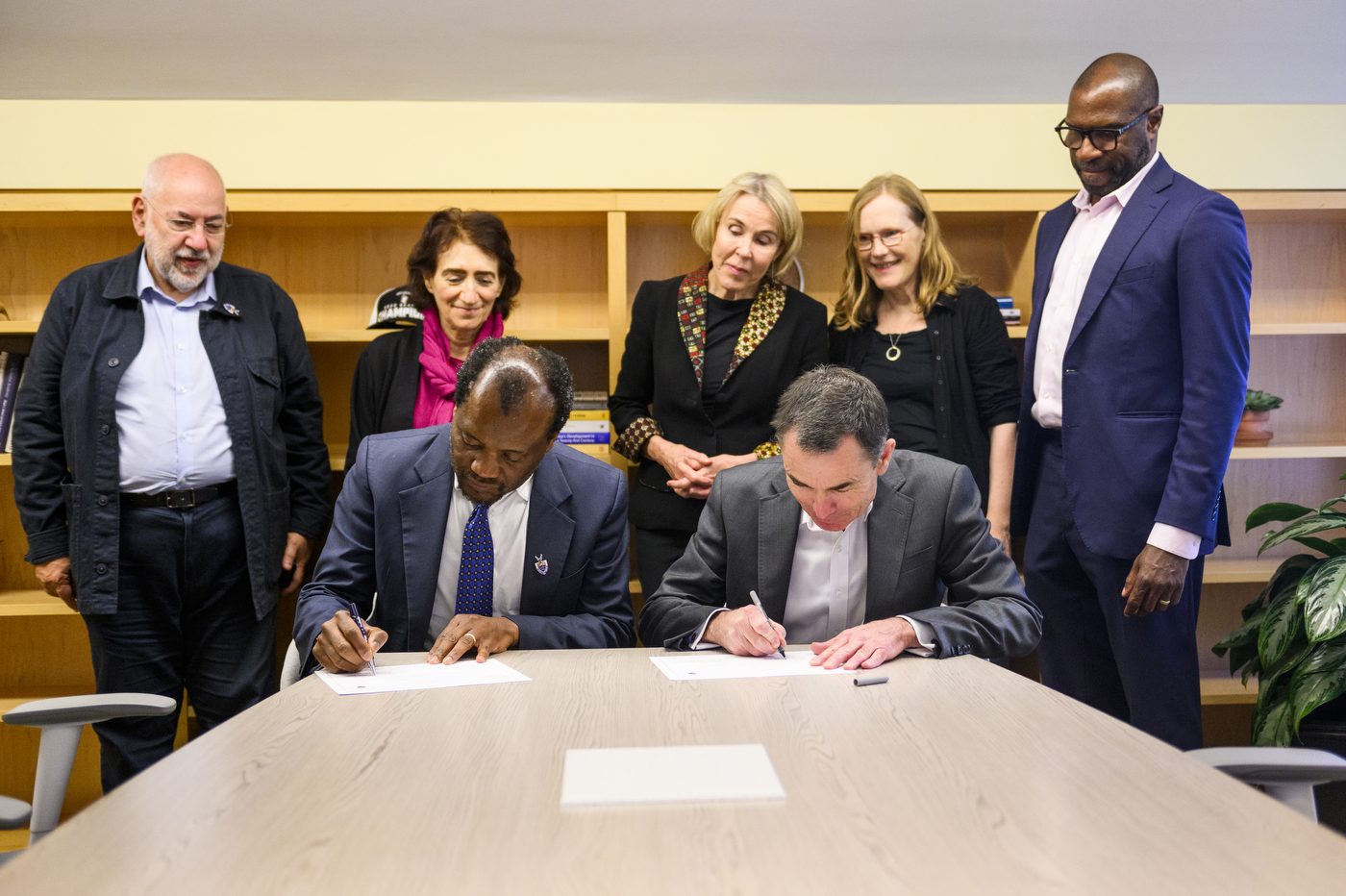
Northeastern expands global reach with Africa partnership
Northeastern Provost and Senior Vice President for Academic Affairs David Madigan and Zeblon Zenzele Vilakazi, vice chancellor of University of Witwatersrand in Johannesburg, South Africa, have signed a memorandum of understanding expressing a mutual desire to work together and find areas of collaboration and opportunity.
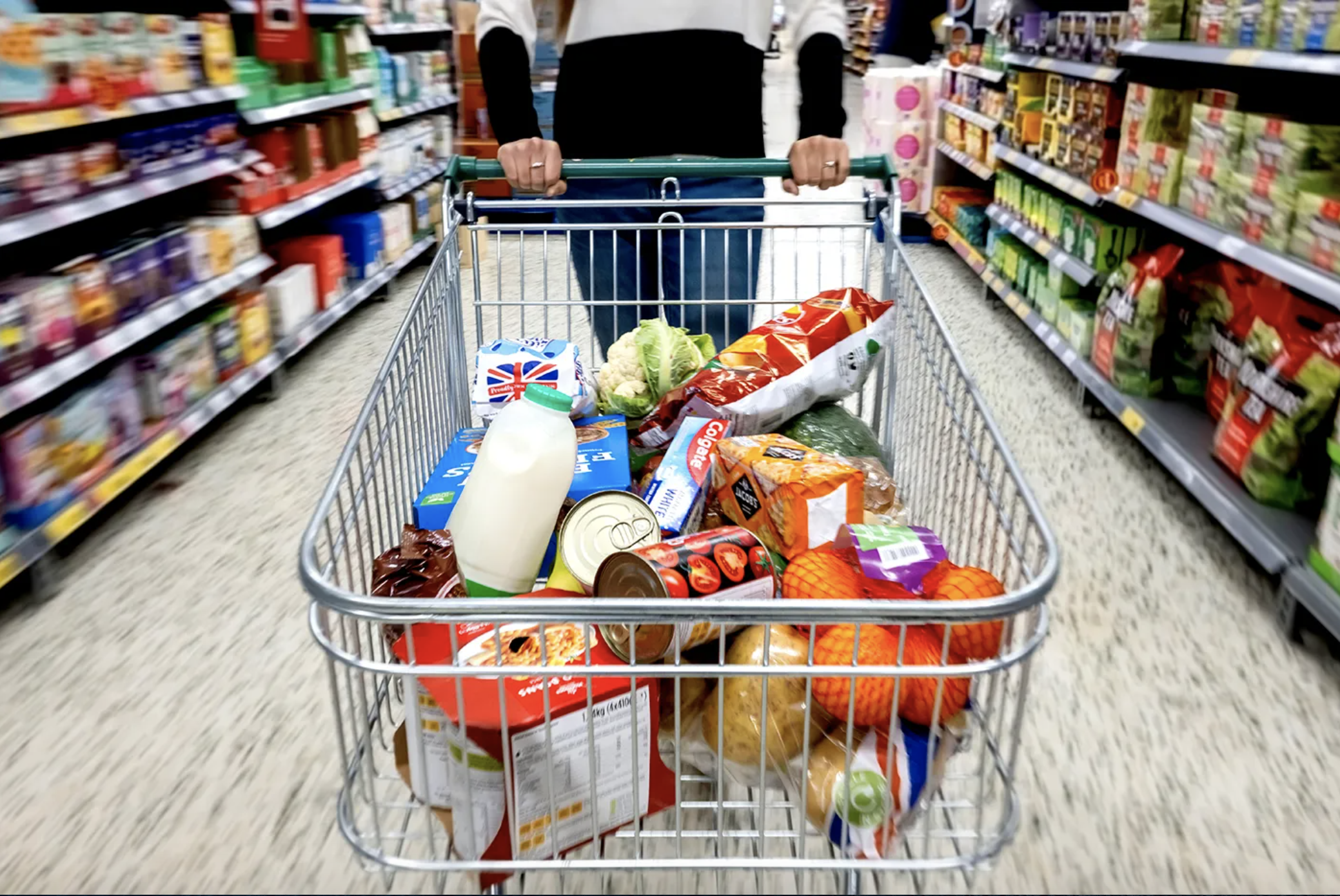
Has your food been chemically altered? New database of 50,000 products provides answers.
Northeastern researchers have discovered a way to outline the components of any given food, cluing us in to what our food is really made of—and what it took to get to your plate.
Your Google searches and tweets might help forecast the next disease outbreak
People leave a trail of breadcrumbs when they navigate the digital world, offering clues about what is happening in their lives—including their health. Northeastern’s Mauricio Santillana is using machine learning algorithms to turn those clues into an early warning system for disease outbreaks.
Master of Science in Biotechnology set to launch at Toronto campus
As a new masters program, Masters of Science in Biotechnology, comes to Northeastern this fall, Jared Auclair and Hazel Sive discuss what this program means for students and the future of biotech.
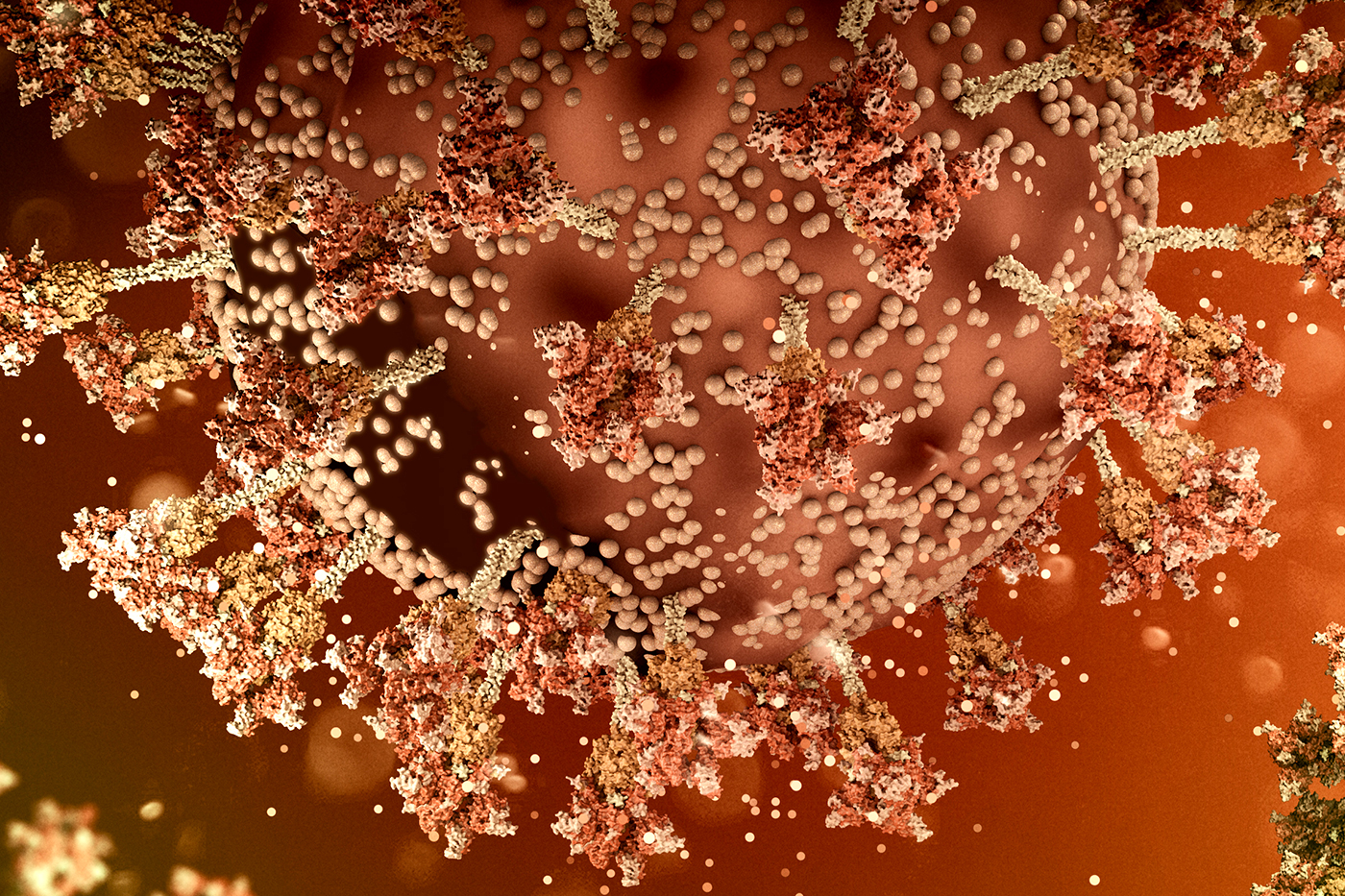
Omicron moves fast. Here’s what that means for the next few weeks.
A virus that moves as quickly around the globe as the omicron variant could spell disaster just as people are traveling and gathering for holiday and New Year celebrations. But the devil’s in the details when it comes to COVID-19—and that could be a good thing.
When will we know more about the omicron variant?
A new Covid-19 variant, Omicron has been detected in South Africa.
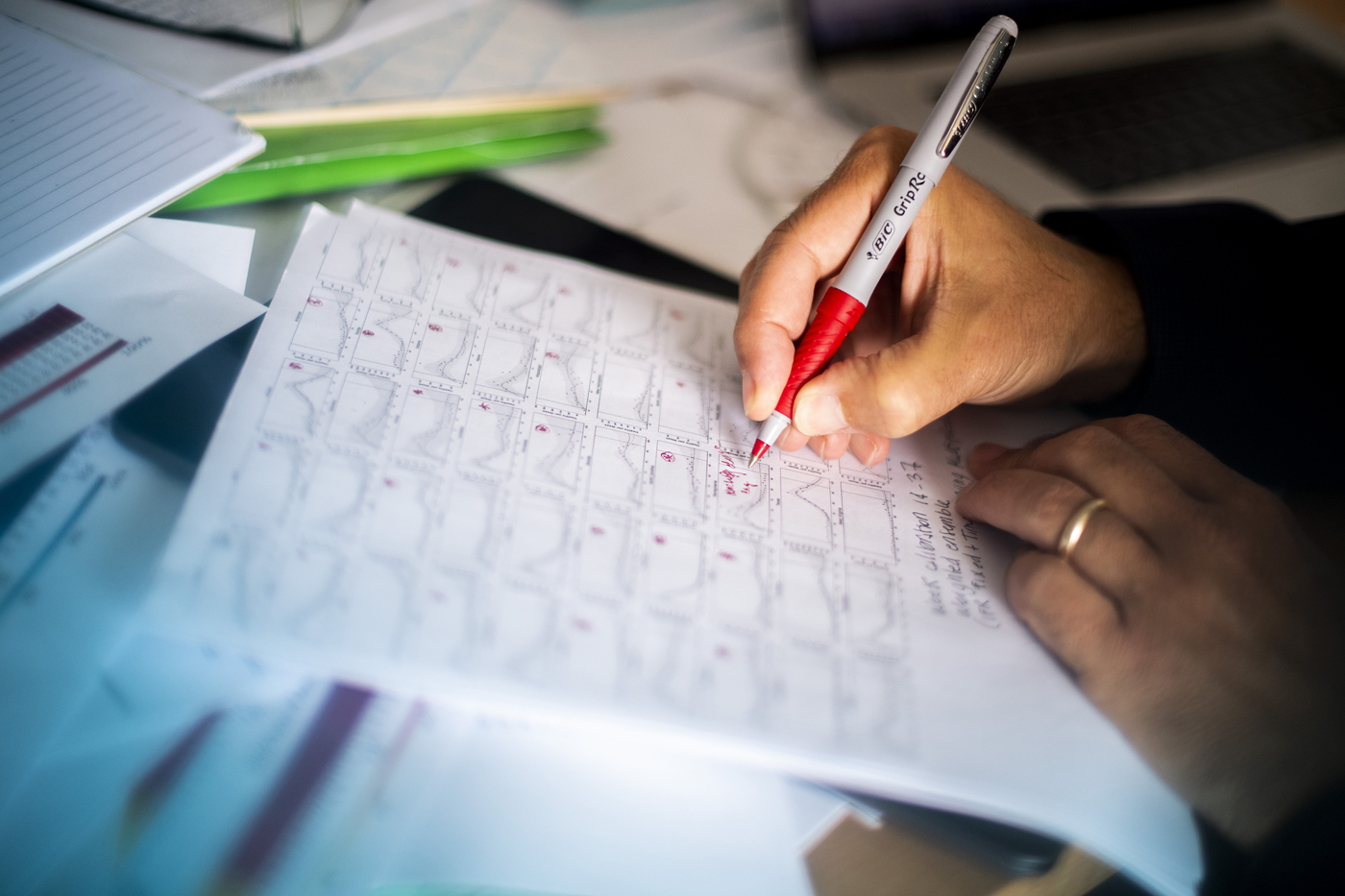
Covid-19 isn’t a ghost just yet. But it may be getting there.
The specter of the coronavirus loomed large at this time last year. Cases were beginning to rise heading into the winter, and a massive surge was still ahead. With no vaccines yet available to provide immunity to the virus, Halloween was a subdued affair, making COVID-19 the only ghoul in town. But this year, Halloween […]
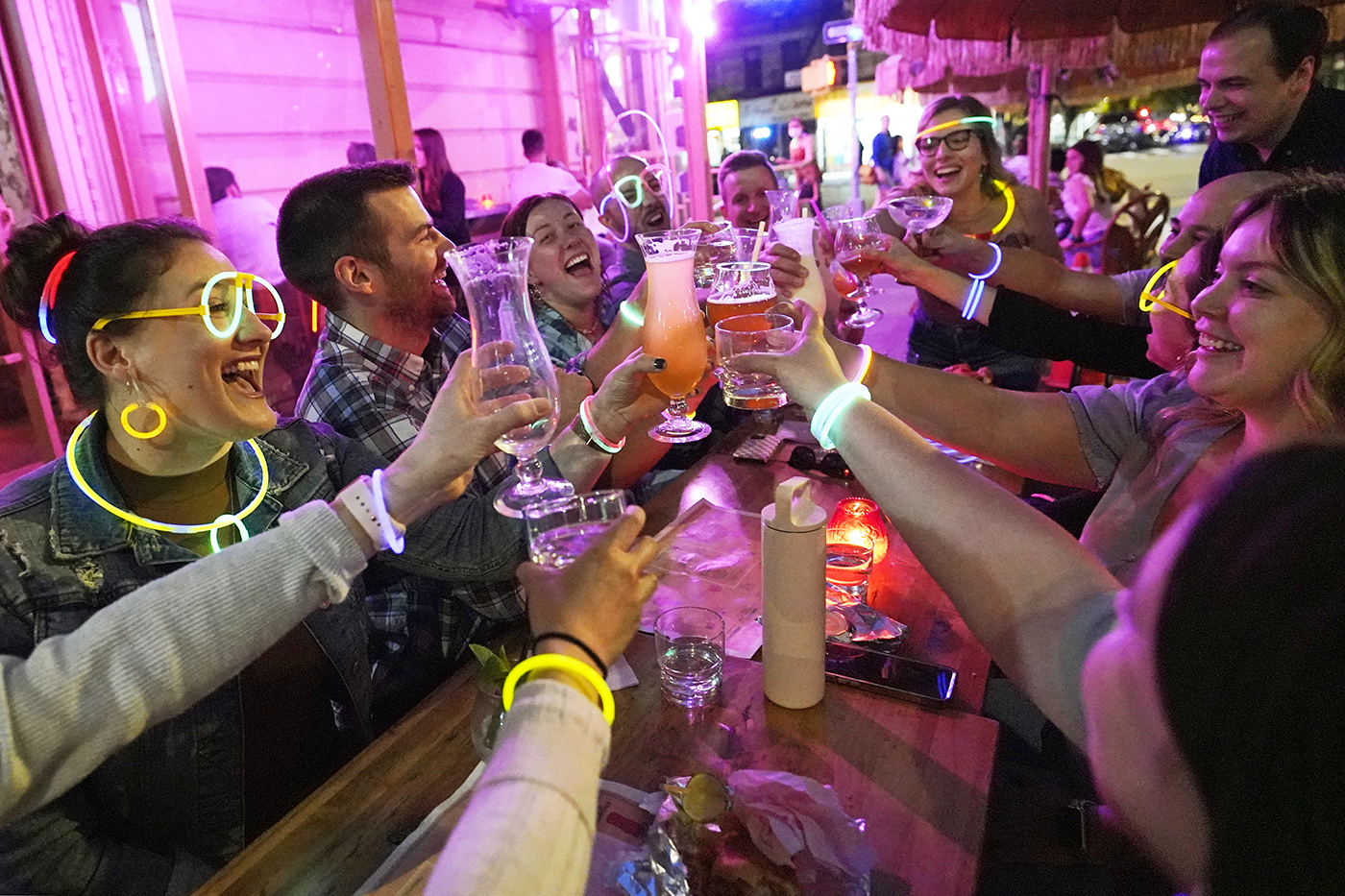
When can we say that the COVID-19 pandemic is over?
The rapid decline in coronavirus infection rates in the U.S. might make it feel like the end of the pandemic is upon us. It’s not yet. But the point at which we do consider it over may be confusing—and personal. AP Photo/Kathy Willens