COS News
Research
“The basic premise is that AI can help us do better physics, and something that is less expected is that physics can also help us understand AI better,” said Northeastern professor James Halverson.
AI and physics have more in common than you might think.
Research
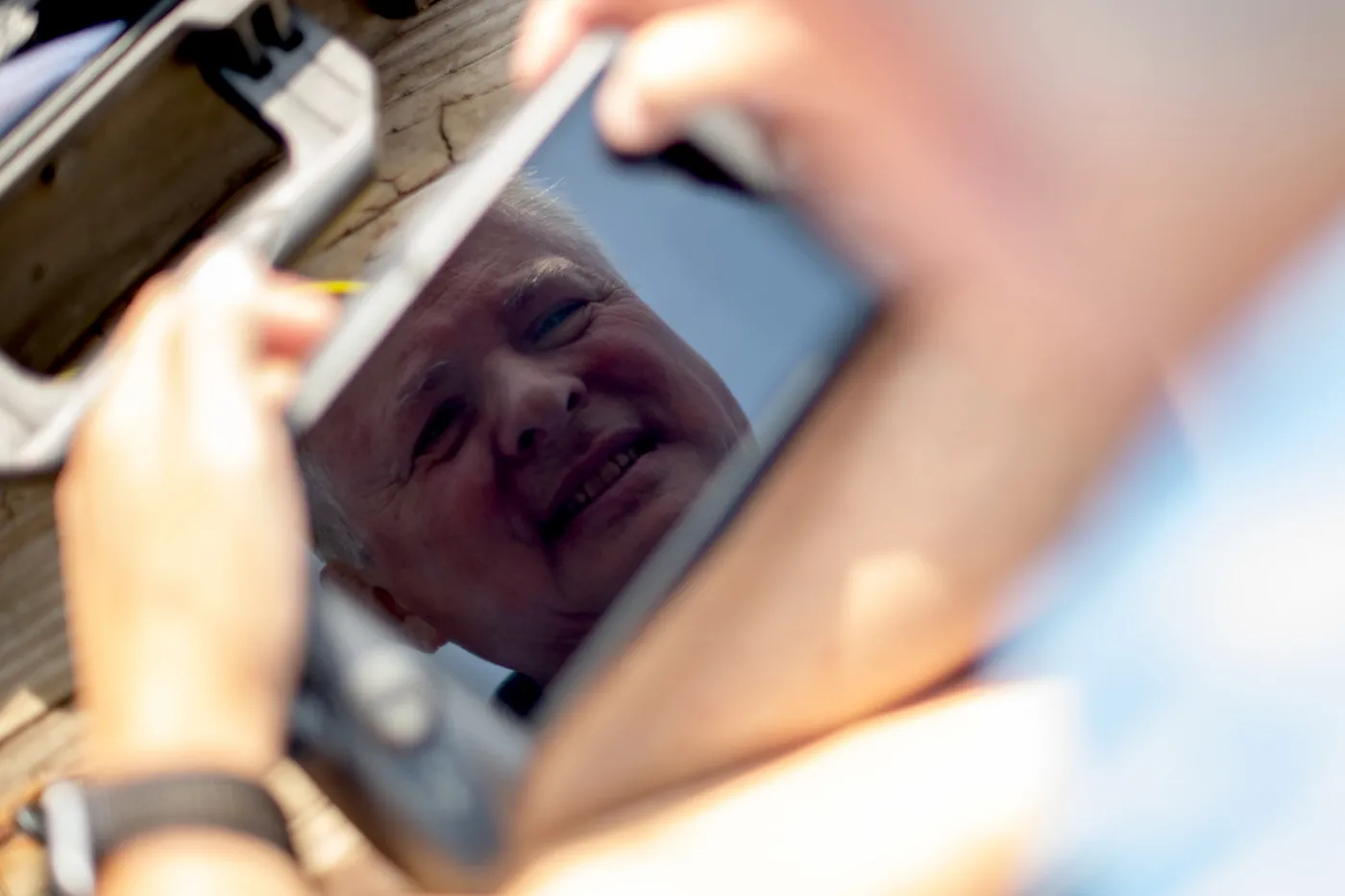
Formed by superheated glacial water from the last ice age, the hydrothermal vents Professor Mark Patterson studies have been bubbling beneath the fjord for centuries.
Professor receives Fulbright to explore one of the world’s most unique hydrothermal vents
Showing all results
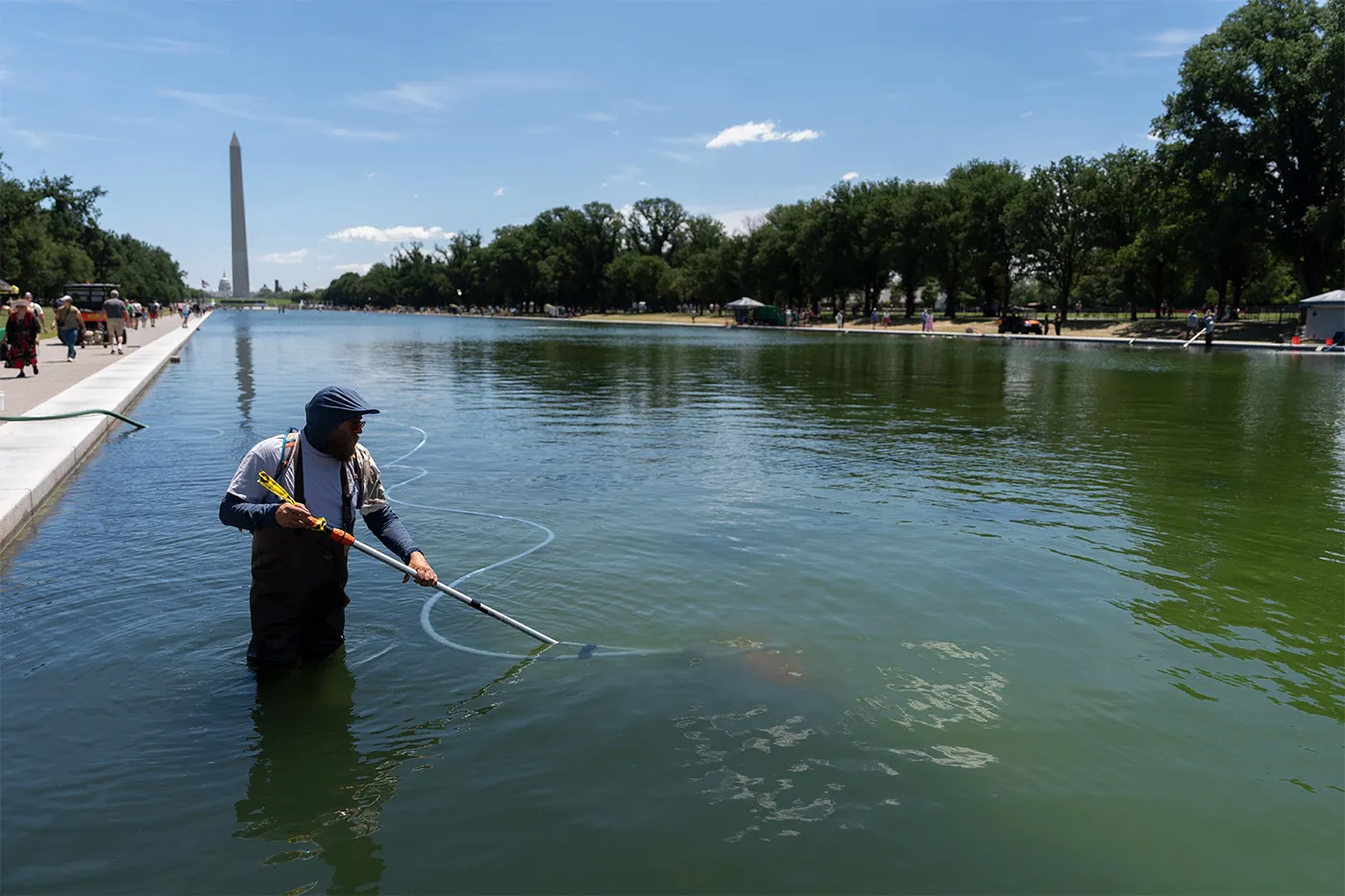
Reflections on algae in the Lincoln Memorial Pool (and elsewhere)
Lianyong Wang, assistant professor of biology, explains what algal blooms are all about and what is — and isn’t — cause for concern.
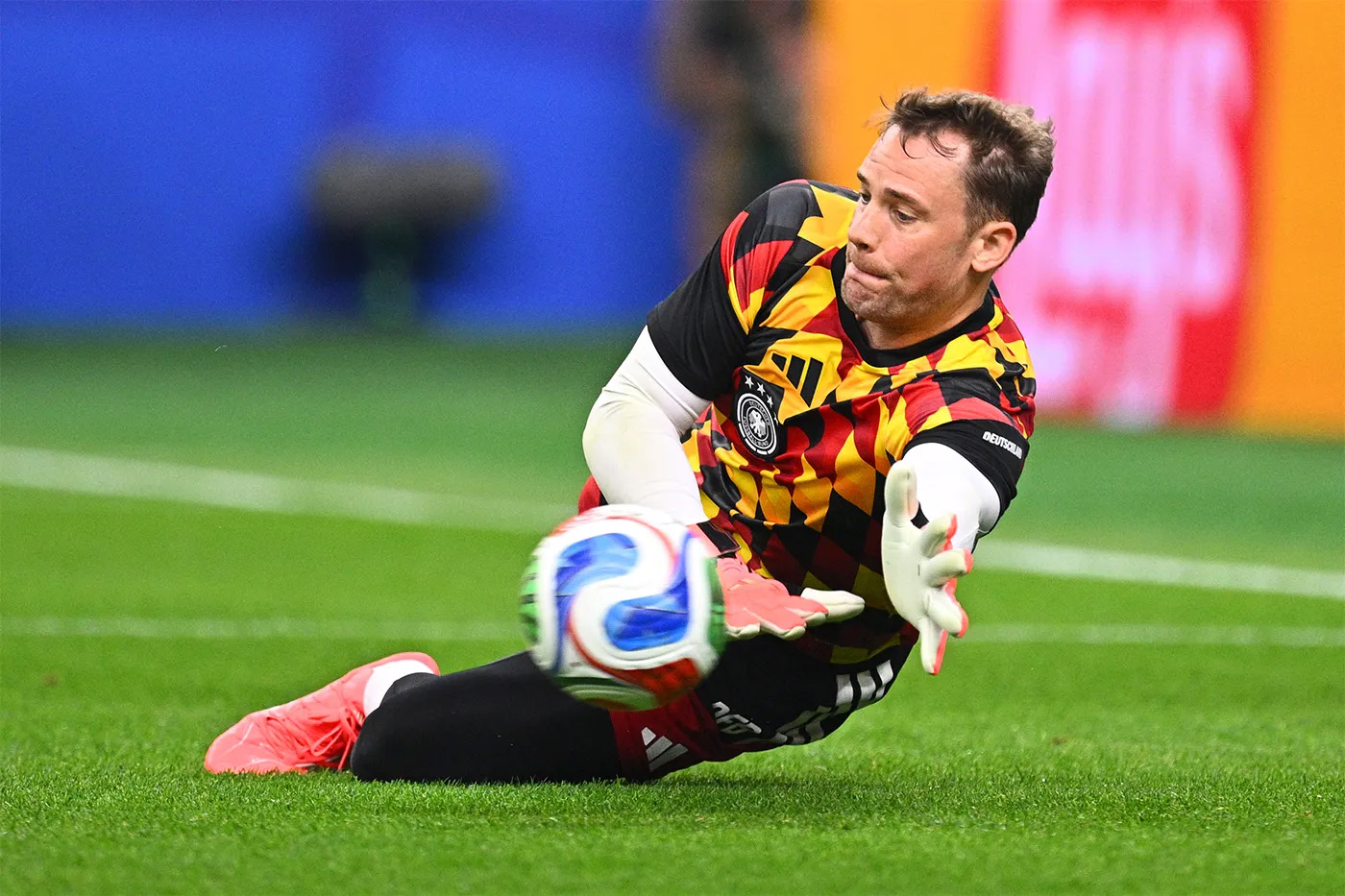
How World Cup goalies can find success using ‘short memory’
Playing the most isolating position in all of sport can be a heavy mental burden for goalkeepers, but certain psychological tricks can help.
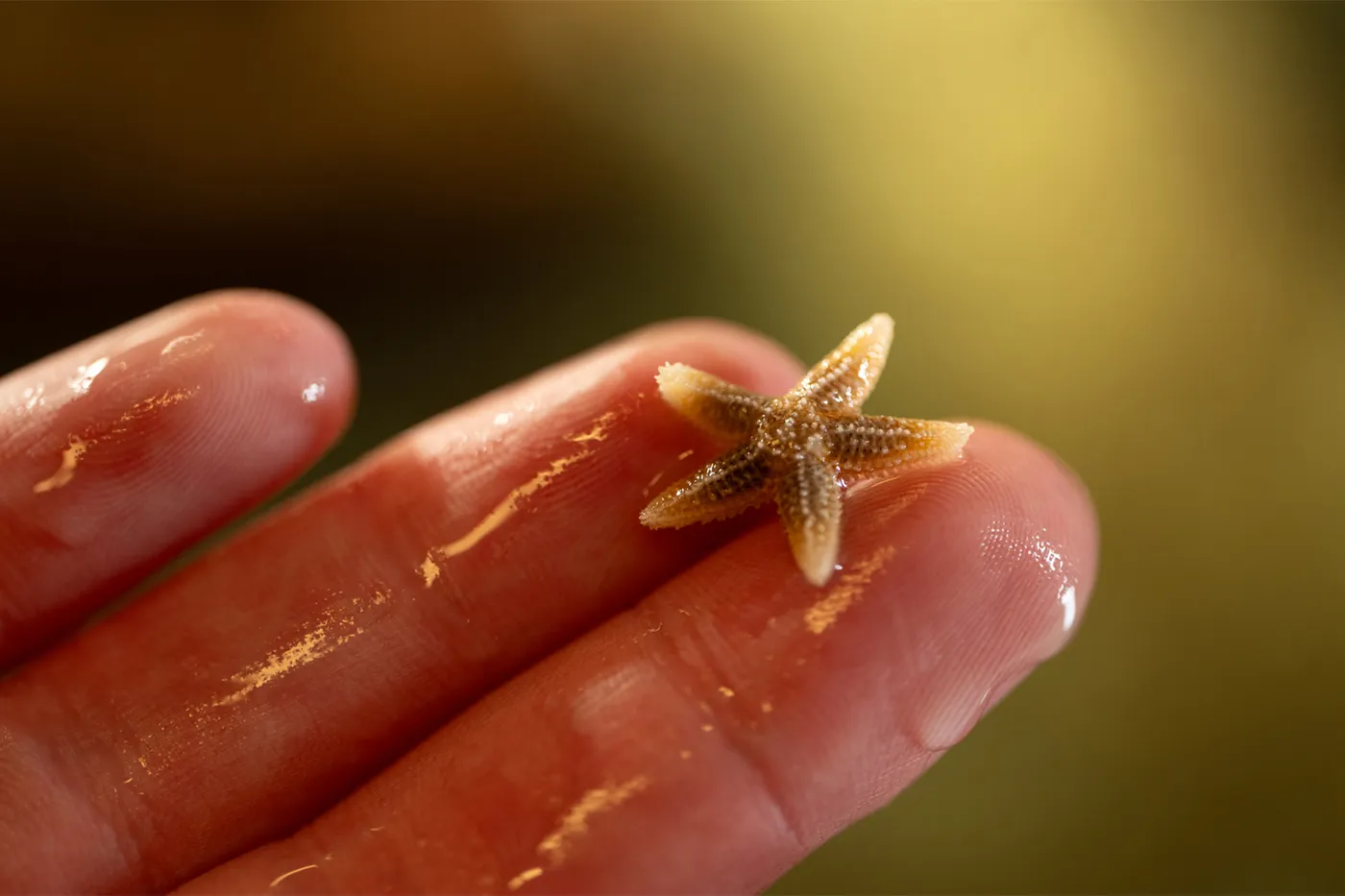
After a decade of death, why are sea stars having a baby boom?
The deadly sea star wasting disease caused a mass die-off of sea stars along the West Coast. But recent signs of a resurgence have given researchers like Angela Jones cautious hope for recovery.
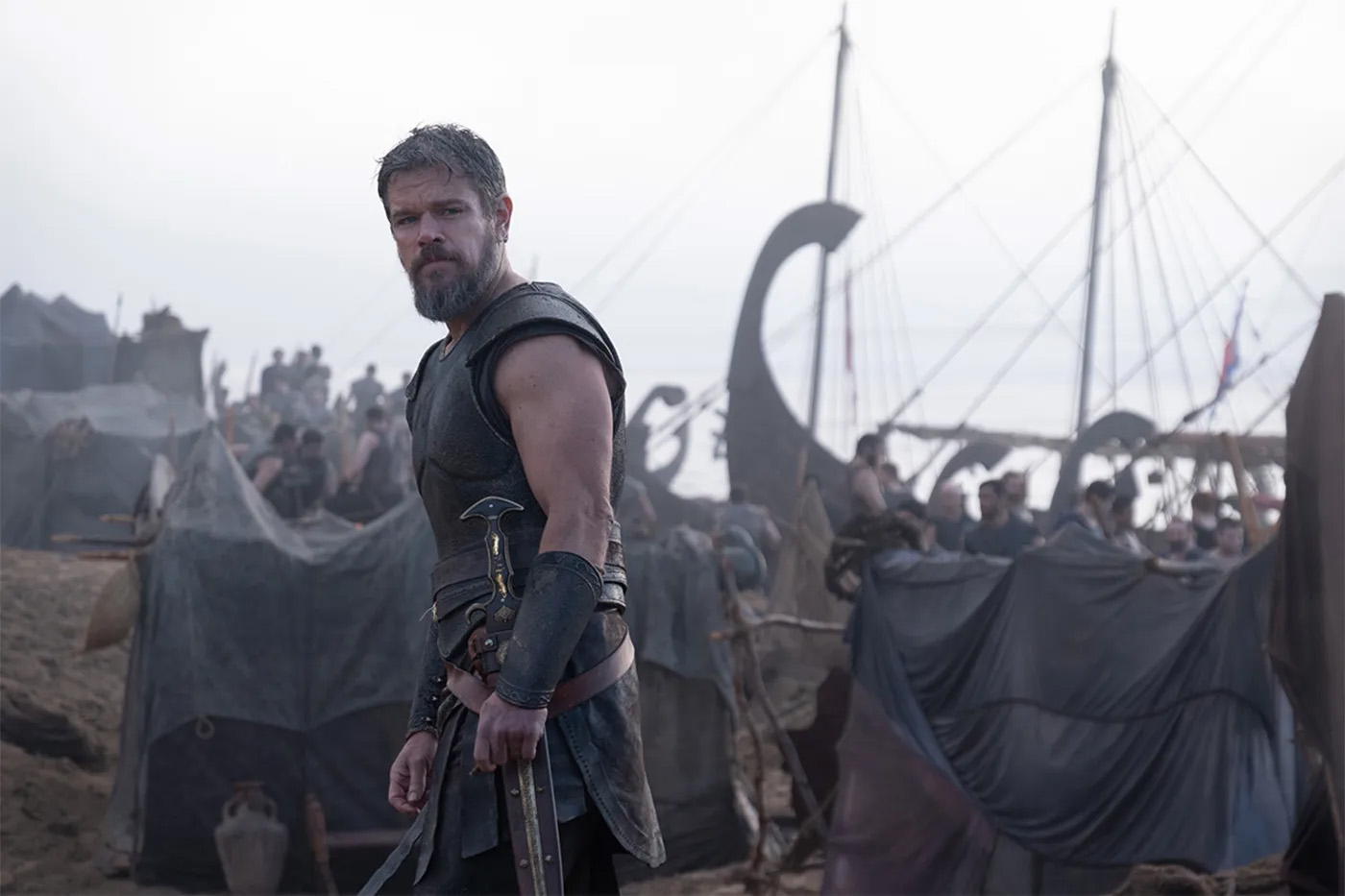
Why is Tom Holland saying ‘dad’ in ‘The Odyssey’? Experts weigh in on Christopher Nolan’s new adaptation
The choice to have characters speak in contemporary American English in “The Odyssey” has rubbed some people the wrong way. But there’s a logic behind it, experts said.
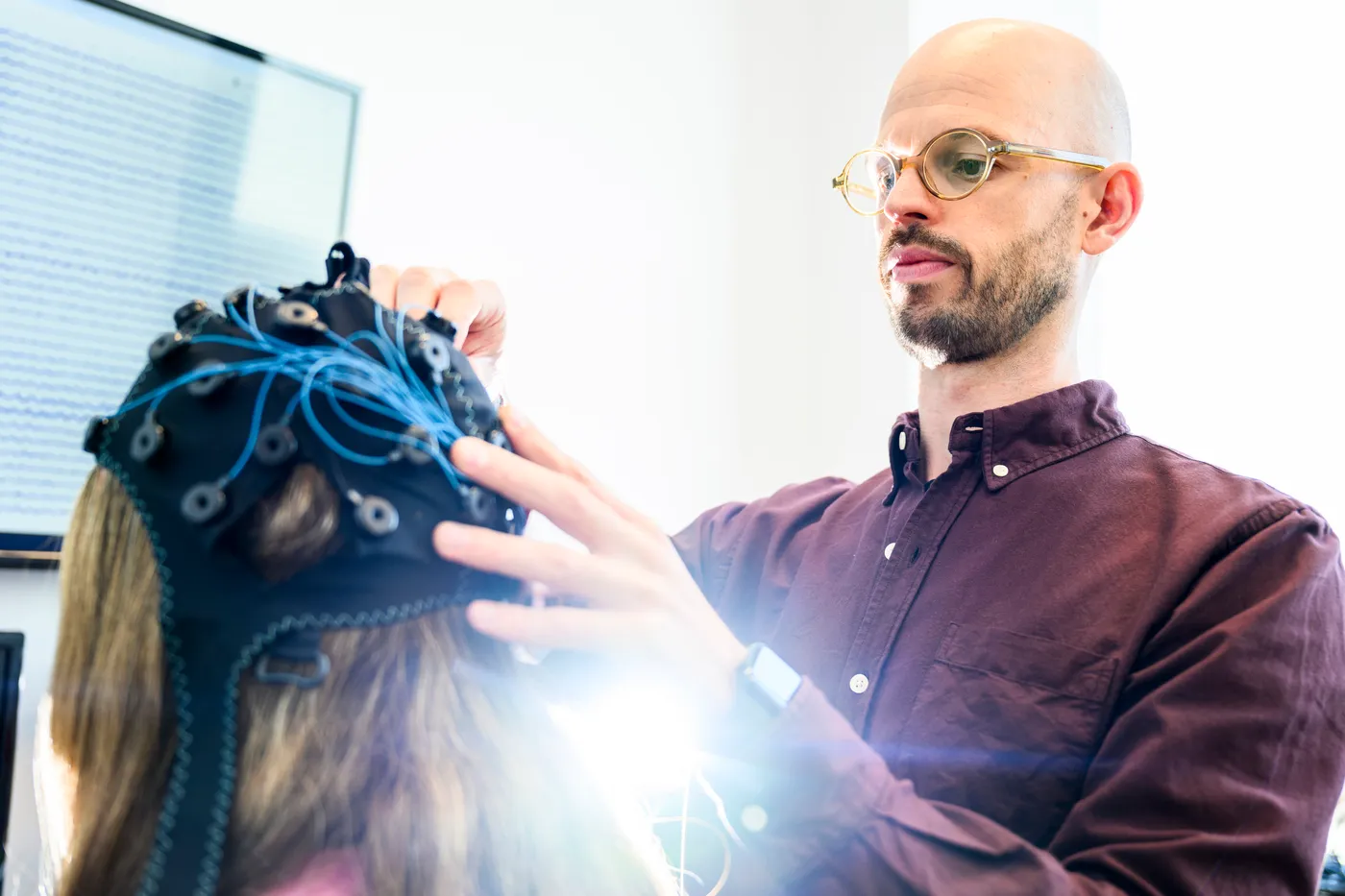
Being inactive isn’t good for anyone. This research got people with a traumatic brain injury moving
The effects of a traumatic brain injury can worsen with physical inactivity. Professor Charles Hillman has studied how to change this.
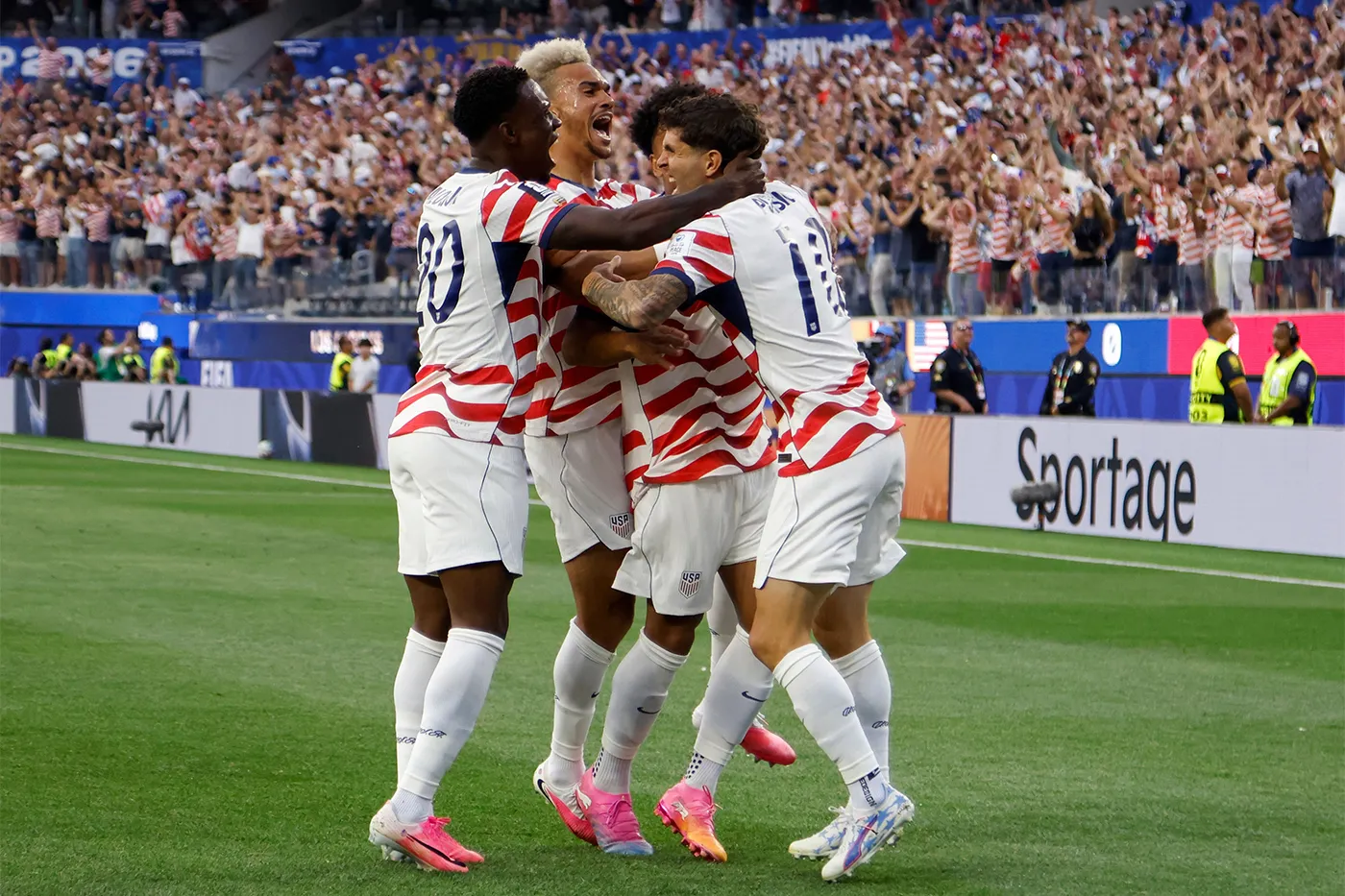
Key takeaways from the data of host countries’ first World Cup games
The U.S. and Mexico grabbed wins in their World Cup openers, while Canada played to a draw. Northeastern’s Brennan Klein breaks down what the data revealed.
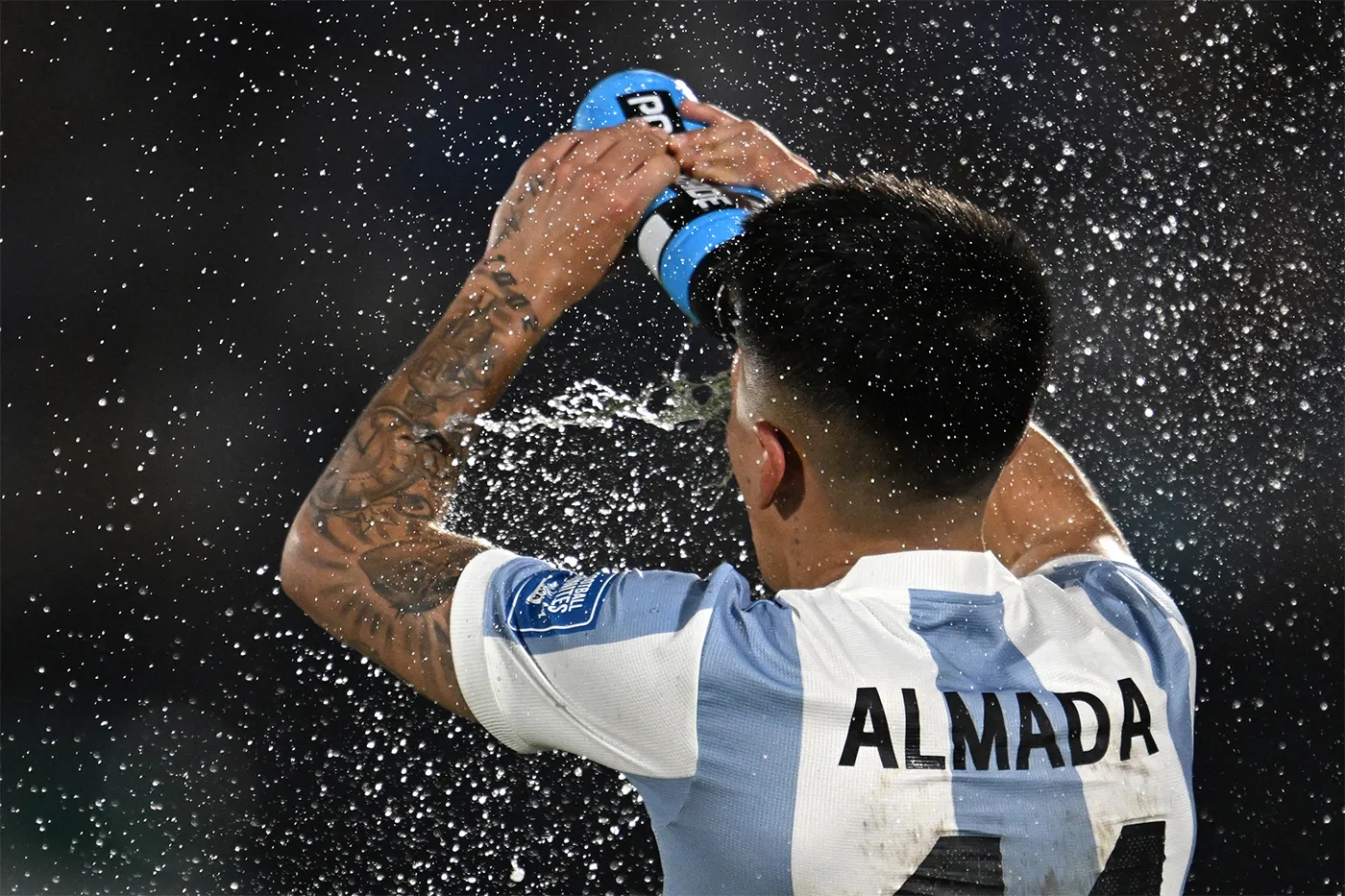
Will World Cup water breaks have a big impact on team tactics?
FIFA’s hydration breaks at the World Cup are more than a safety measure. Assistant Teaching Professor Brennan Klein say they could shape team tactics.
Could the World Cup trigger the next pandemic? Scientists have mapped the risks
The World Cup brings together 48 teams from across the globe, but it also provides an opportunity for disease to spread. Professor Alessandro Vespignani developed a tool to help American cities prepare.
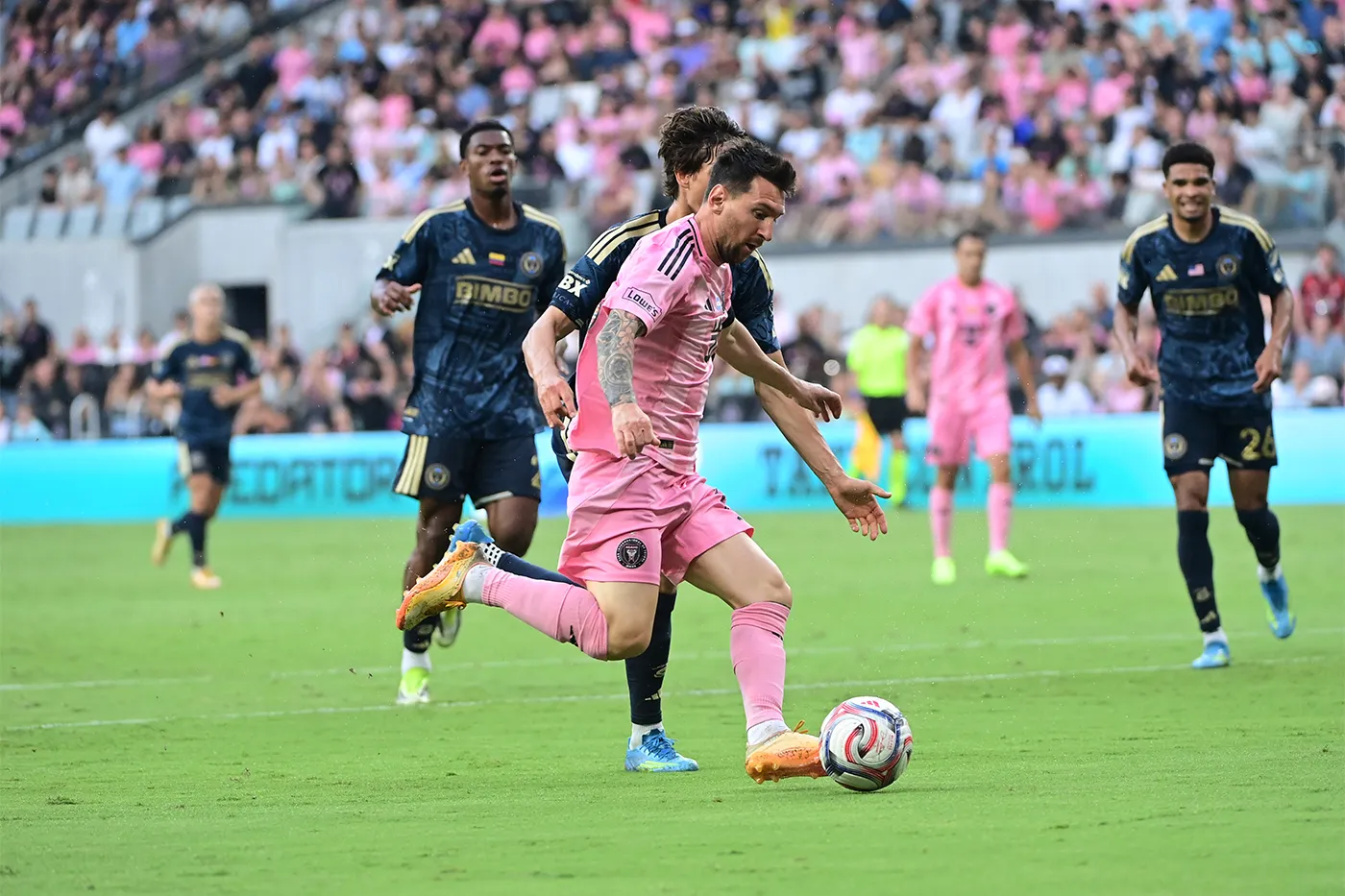
12 players to watch in the FIFA World Cup 2026, according to the data
Assistant teaching professor Brennan Klein analyzed a comprehensive dataset and compiled a list of key players.
AI and physics have more in common than you might think.
“The basic premise is that AI can help us do better physics, and something that is less expected is that physics can also help us understand AI better,” said Northeastern professor James Halverson.
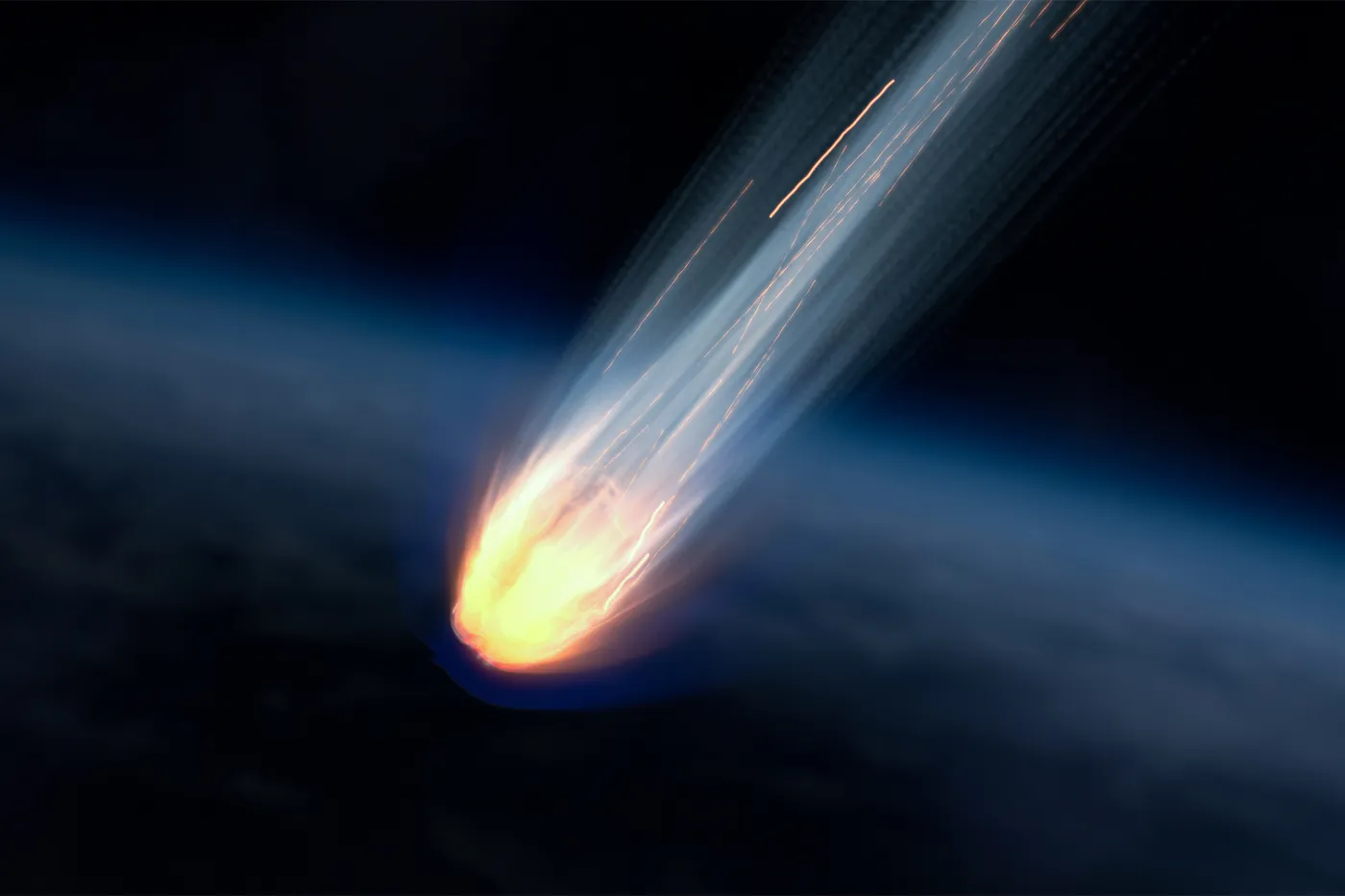
Meteors are ‘extremely common.’ What makes the one over New England ‘rare’?
Meteors happen all the time, but some are far rarer than others. Assistant Professor Jacqueline McCleary breaks down what happens when space rocks reach Earth.
What network science can tell us about the 2026 World Cup
Assistant Teaching Professor Brennan Klein offers a network science perspective on the 2026 FIFA World Cup.