COS News
Research

“The basic premise is that AI can help us do better physics, and something that is less expected is that physics can also help us understand AI better,” said Northeastern professor James Halverson.
AI and physics have more in common than you might think.
News

Mark Williams, Professor and Chair of the Department of Physics, will assume the role of Dean of the College of Science, effective July 1, 2026.
Mark C. Williams named Dean of the College of Science
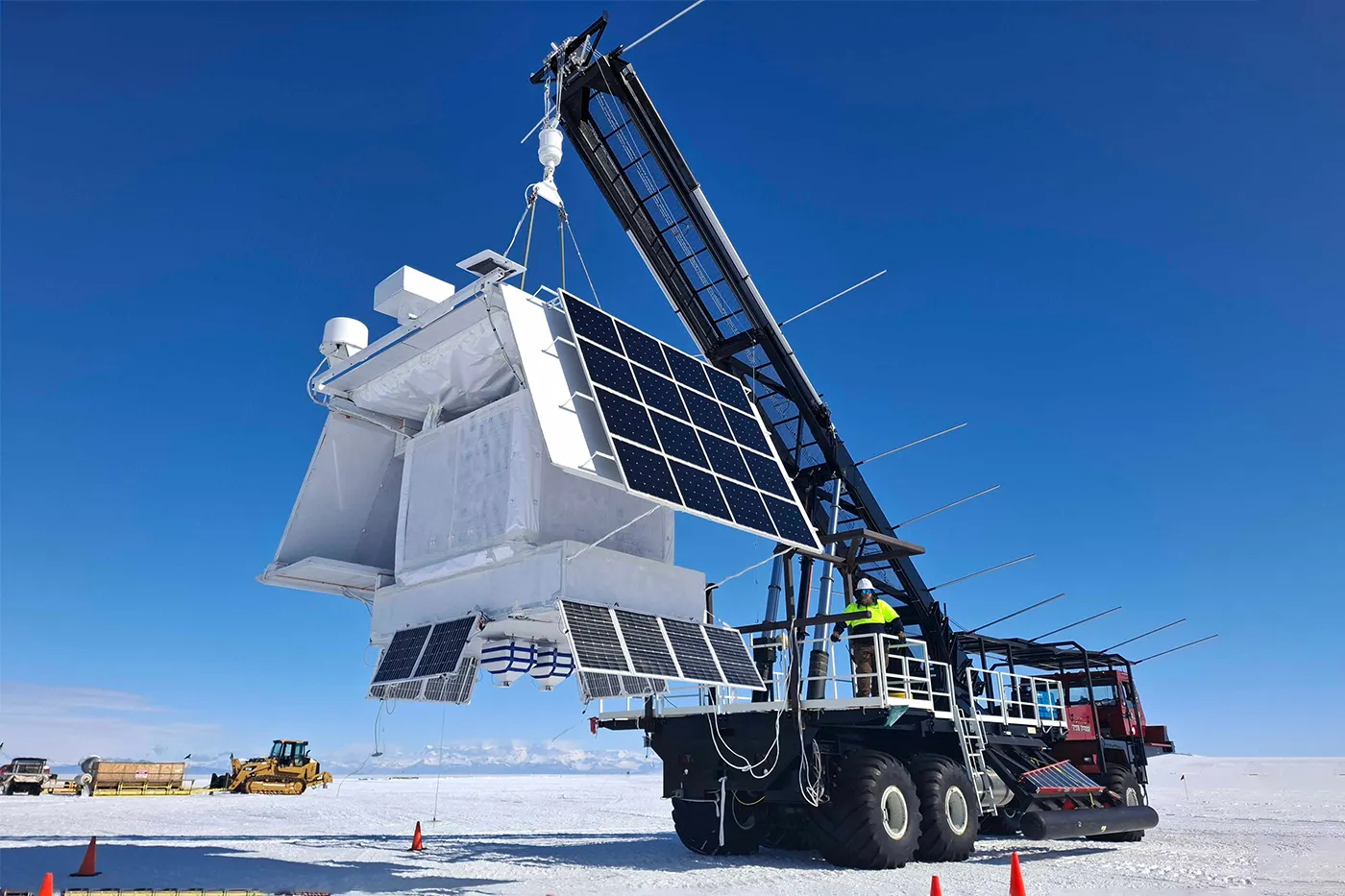
These researchers flew a particle detector above Antarctica, hoping to find evidence of mysterious matter
Assistant Professor Tsuguo Aramaki has spent 20 years developing a weather balloon-borne particle detector to record indirect traces of dark matter. It recently launched in Antarctica.
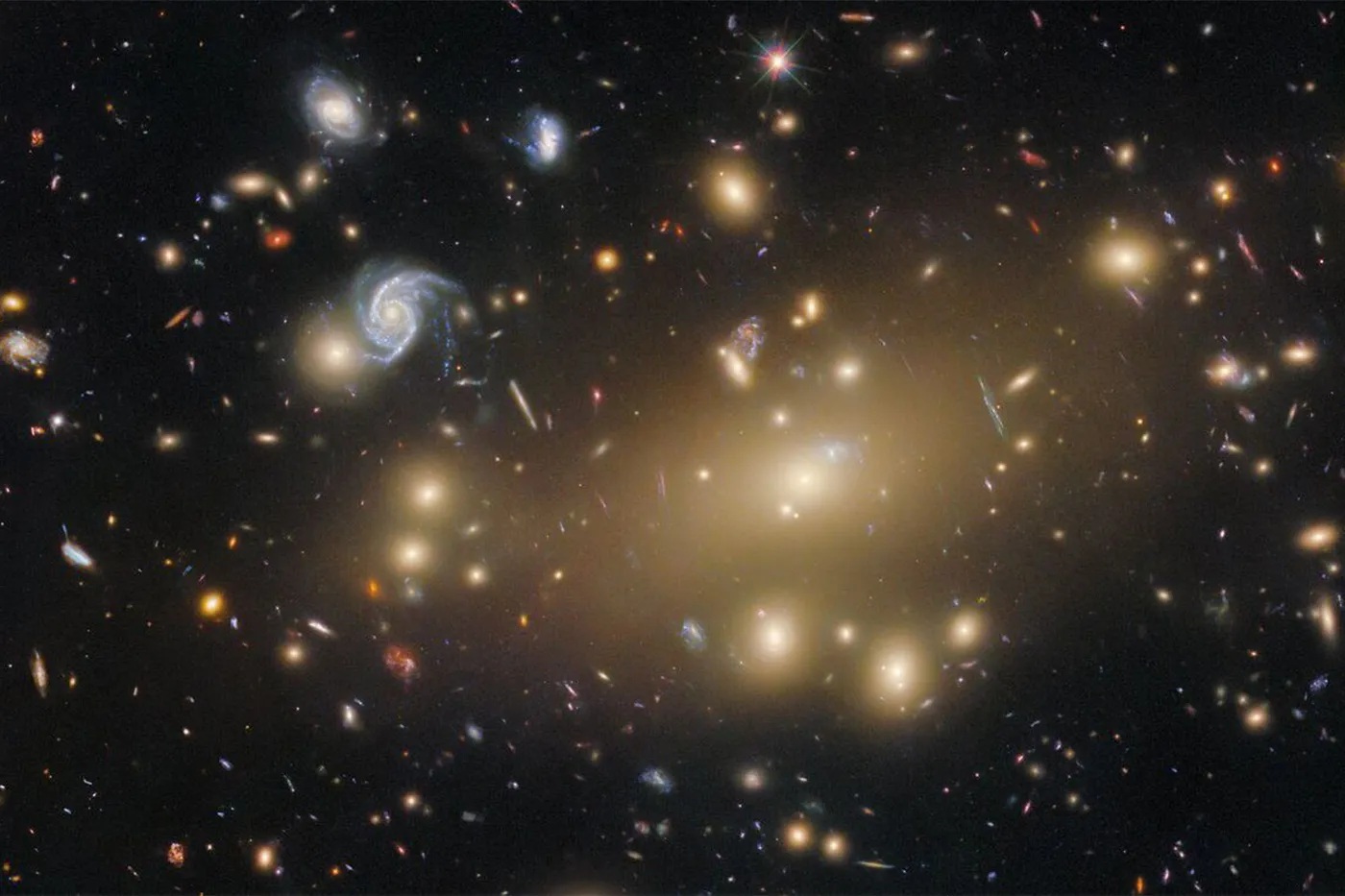
A ‘stunning’ new map of dark matter reveals insights into this mystery of the universe
Using NASA’s James Webb Space Telescope, researchers including Professor Jacqueline McCleary, created the highest-resolution map yet of dark matter, the virtually invisible material that makes up about 80% of the universe’s matter.

What is dark energy? Scientists shine new light on outer space’s biggest, invisible question
The final results from the six-year Dark Energy Survey show there are still more questions than answers but will impact astrophysics for decades, Northeastern’s Jonathan Blazek said.
European Physical Society honors professor’s groundbreaking contributions to the physics of complex networks
Northeastern professor Alessandro Vespignani earns the European Physical Society’s top award for helping to lay the foundation for physics models of contagion.
In treating soccer like a language, these researchers can predict the next word
Brennan Klein, with the NetSI Sport research group, uses network science to treat sports and games like conversations.
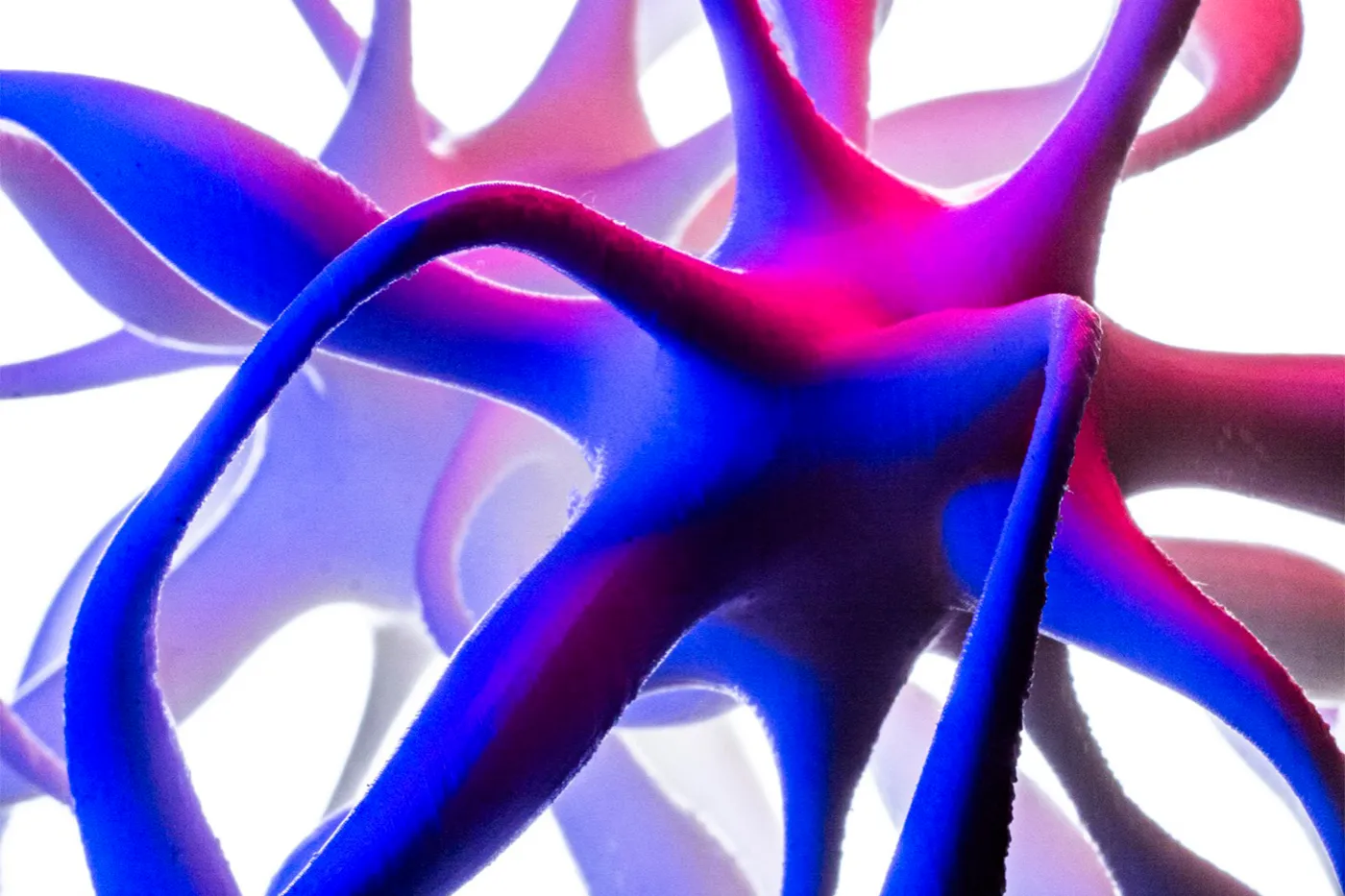
How string theory helped solve a mystery of the brain’s architecture
Scientists long thought neurons minimized connection lengths, but neuronal maps told a different story. New research by Albert László Barabási uses string theory mathematics to explain why.

Cross-College Magnetics Center Hosts Second Workshop at Northeastern University
The second annual Cross-College Magnetics Center Workshop showcased cutting-edge research in magnetics while fostering crucial academic partnerships across continents.

Want to eradicate malaria-bearing mosquitoes? Try fungus, this researcher says
Binod Pant, a Northeastern postdoc, has created a mathematical model that demonstrates how a fungal solution could control malarial mosquito populations.

Comet or alien spaceship? An astrophysicist explains what we know about interstellar traveler 3I/Atlas
Confirmed as a comet, 3I/Atlas is one of only three interstellar objects we’ve detected entering our solar system. Northeastern’s Jacqueline McCleary breaks down what makes it special and what we can learn from it.
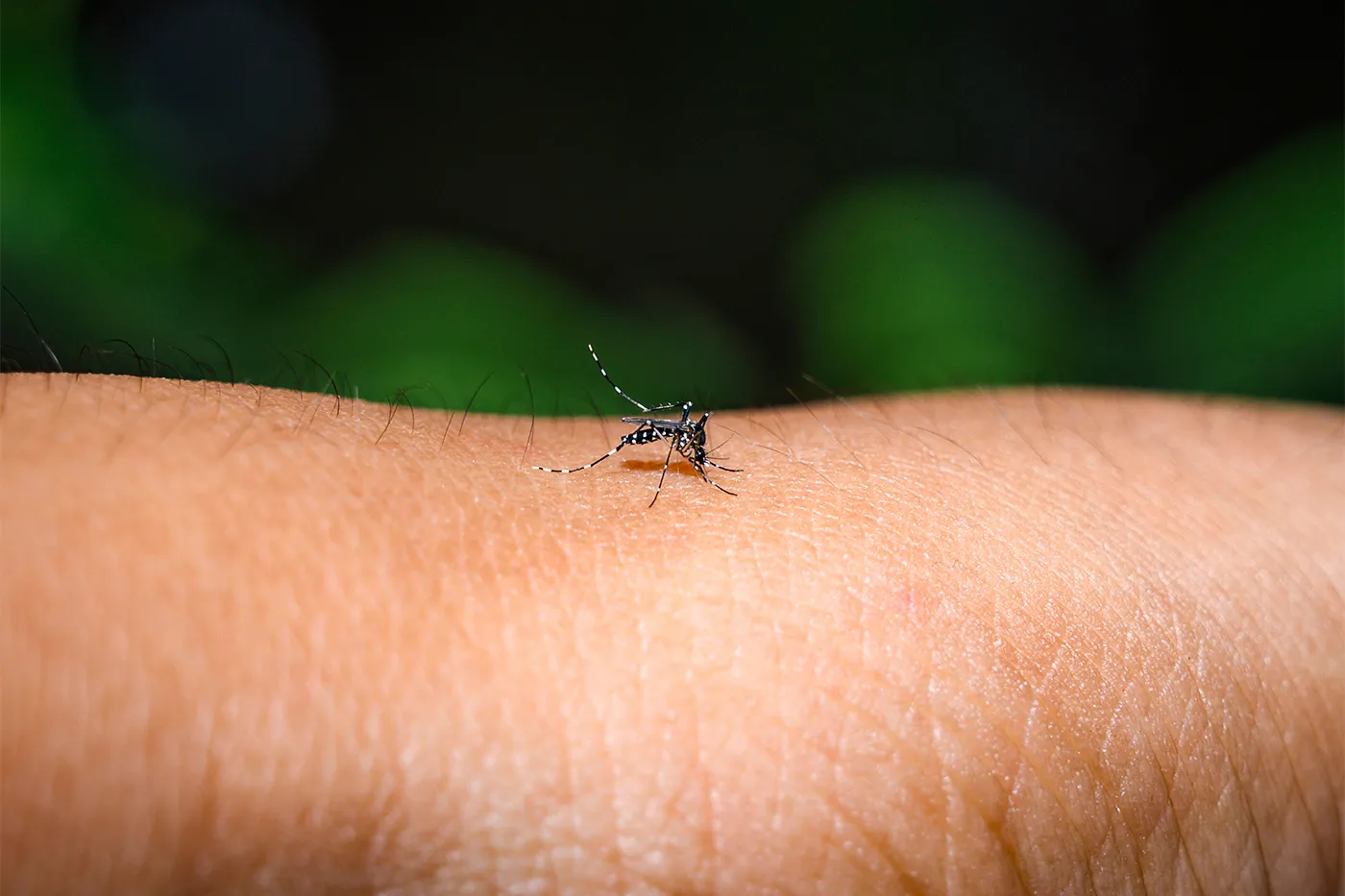
Researchers use machine learning to predict dengue fever with 80% accuracy
Northeastern University breakthrough gives public health officials a step up in preparing careworkers to handle spikes in the disease.

COVID data revolutionized disease projection models. Northeastern researchers explain what’s next
Scientists sometimes compare predicting the course of epidemics to forecasting the weather. But there’s a major difference — the impact of human behavior — says Alessandro Vespignani, director of Northeastern University’s Network Science Institute. Consider what happens during a downpour, he says. “If we all open an umbrella, it will rain anyway.” “In epidemics, if we...

Northeastern expert says Rubin Observatory is a game-changer in detecting near-Earth asteroids and assisting in the planet’s defense
Northeastern University astrophysicist Jonathan C. Blazek knew to expect stunning views of galaxies when the new Vera C. Rubin Observatory in Chile released its first images of the night sky on June 23. And the sights were extraordinary. With a telescope as wide as a tennis court and the world’s largest digital camera, the observatory captured more than 10...