COS News
Research

“The basic premise is that AI can help us do better physics, and something that is less expected is that physics can also help us understand AI better,” said Northeastern professor James Halverson.
AI and physics have more in common than you might think.
News
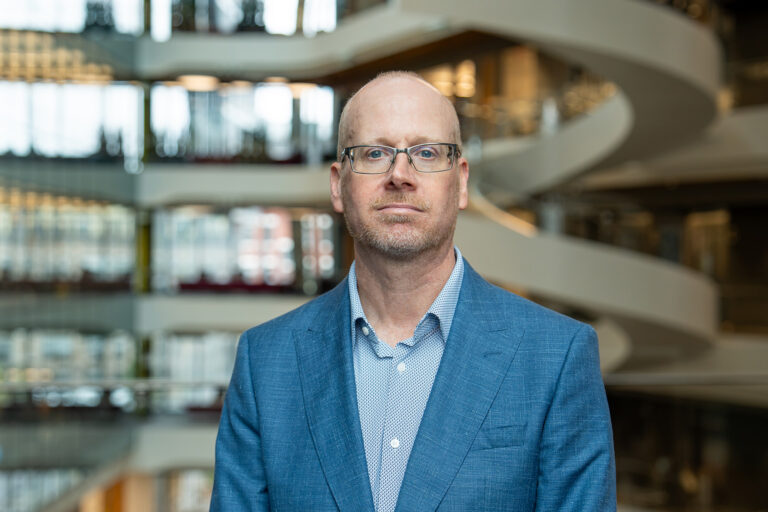
Mark Williams, Professor and Chair of the Department of Physics, will assume the role of Dean of the College of Science, effective July 1, 2026.
Mark C. Williams named Dean of the College of Science
Showing 37 results in Marine and Environmental Sciences , Research
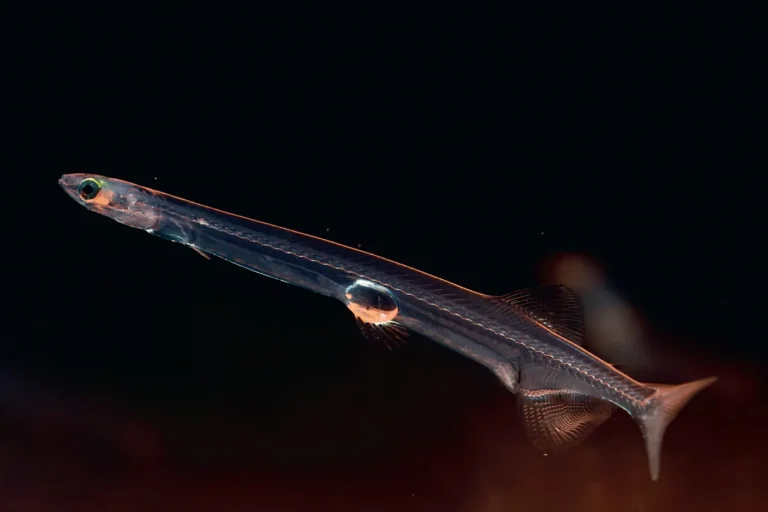
No red blood cells? No problem. Icefish, meet the Asian noodlefish
Professor Detrich thought he’d solved the mystery of the white-blooded icefishes that swim in Antarctic waters. Then he met the Asian noodlefish.
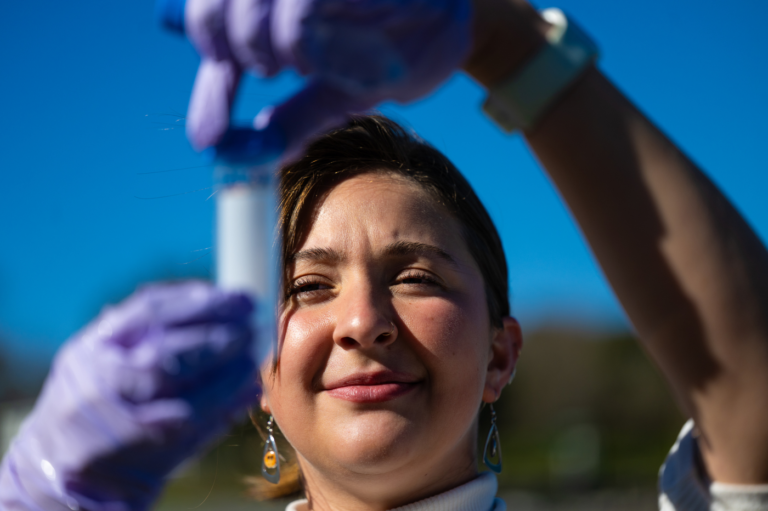
Playing pollution detective off Nahant Beach, a search for clues leads to a stunning bacterial count
A Northeastern University graduate student tested beaches near the Nahant campus to find local sources of pollution.
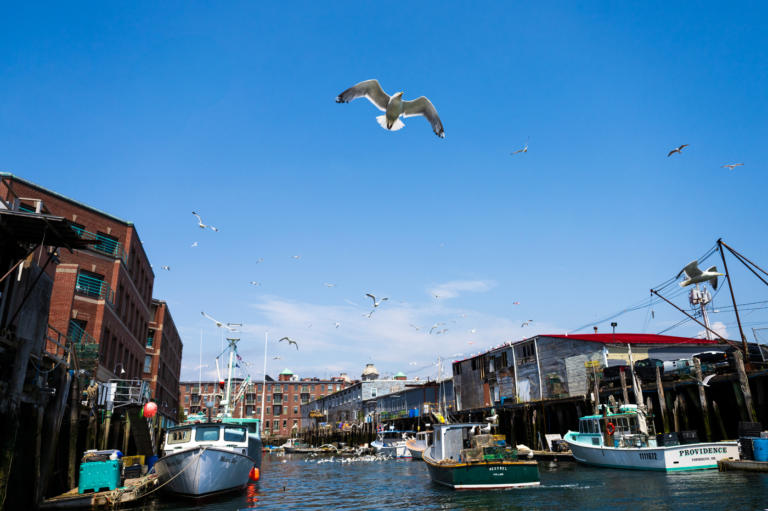
How local lobstermen could help save our coastal habitats
As fishery management practices struggle to keep up with warming waters, the insights of local lobstermen provide an invaluable understanding of changing dynamics, new research shows.
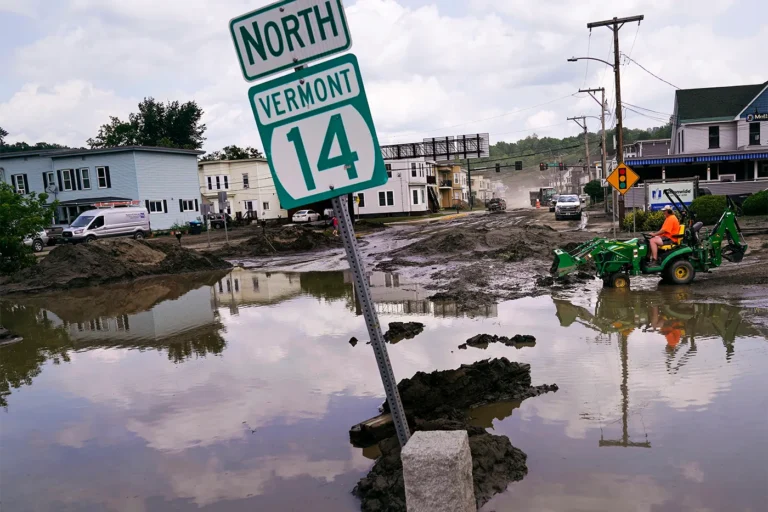
Breakthrough research uses machine learning to better predict New England floods
Researchers at Northeastern University used machine learning to aggregate nearly five decades of weather data to better understand the factors that lead to New England flooding.
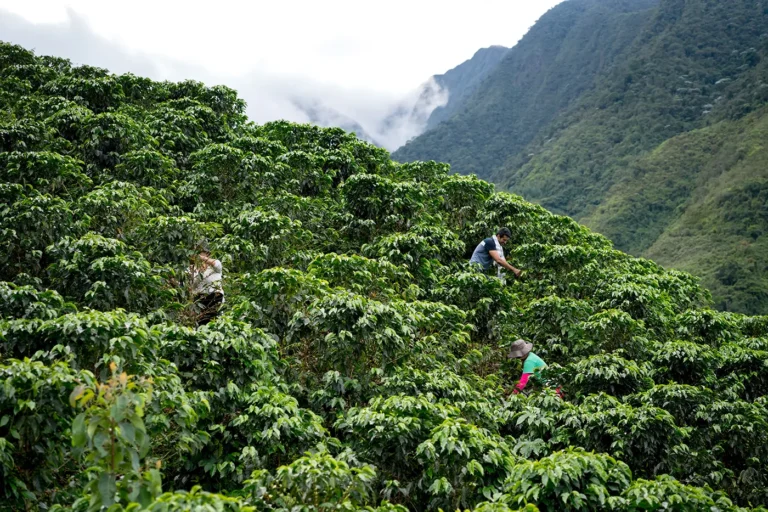
Sociology, meet ecology: How the variability of coffee harvests can teach us about sustainable farming
New research from Gabriela Garcia and Laura Kuhl looks at farmers’ responses to variable crop yields to make better recommendations for resilient practices.
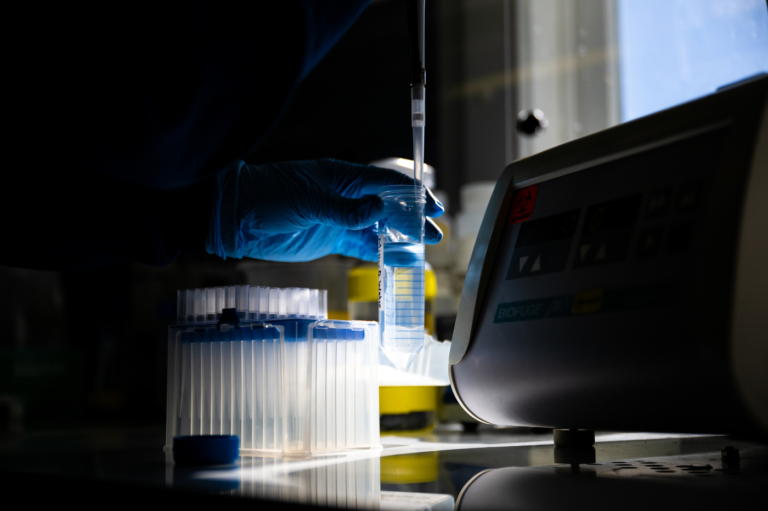
Preserving biological specimens for DNA analysis just got easier
How a Northeastern professor and undergraduate students discovered a safe, inexpensive method to preserve DNA in the lab
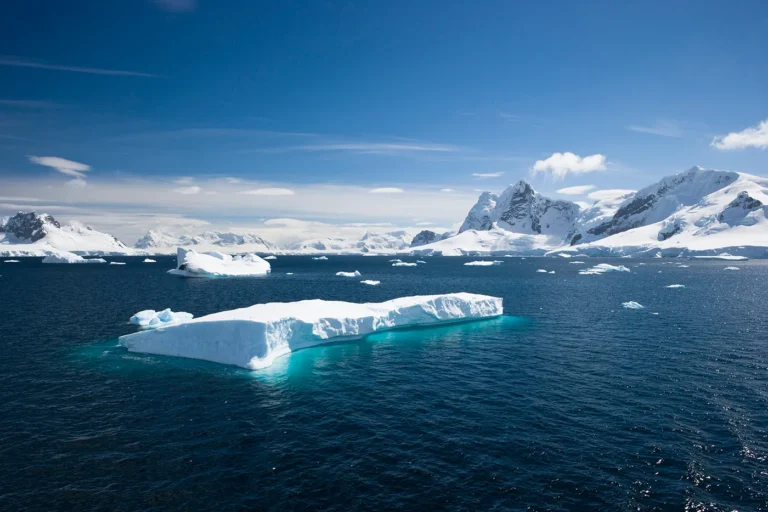
The Antarctic Ocean of the last ice age has stories to tell about a warming planet
New research describes how a critical process of carbon dioxide storage in the Southern Ocean slowed during the last deglaciation, and how it could be happening again.

Scientists explore stakeholder-informed spatial modeling for hydrologic sciences
MES researchers convened an NSF-supported workshop exploring the role of stakeholders in hydrological studies and futures
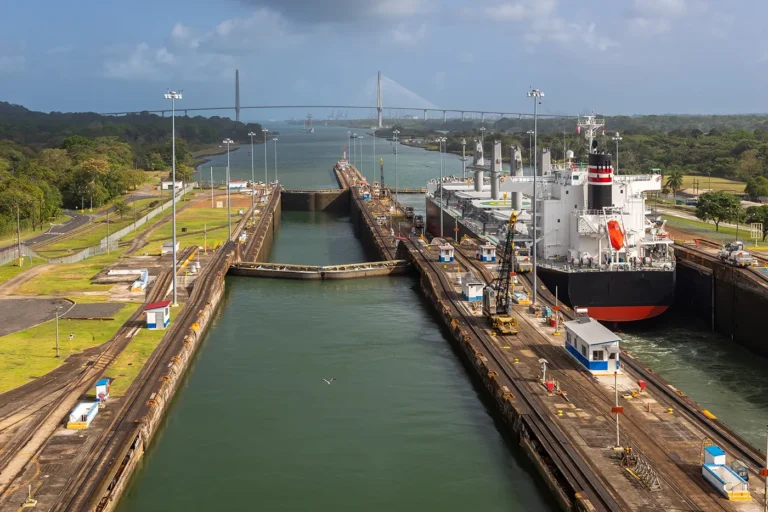
Drought and low water levels could slow global trade at the Panama Canal
New research by professor Samuel Muñoz reports that the risk of shipping disruptions will grow in a warming climate unless steps are taken to reduce greenhouse gas emissions or to adapt to drier conditions.
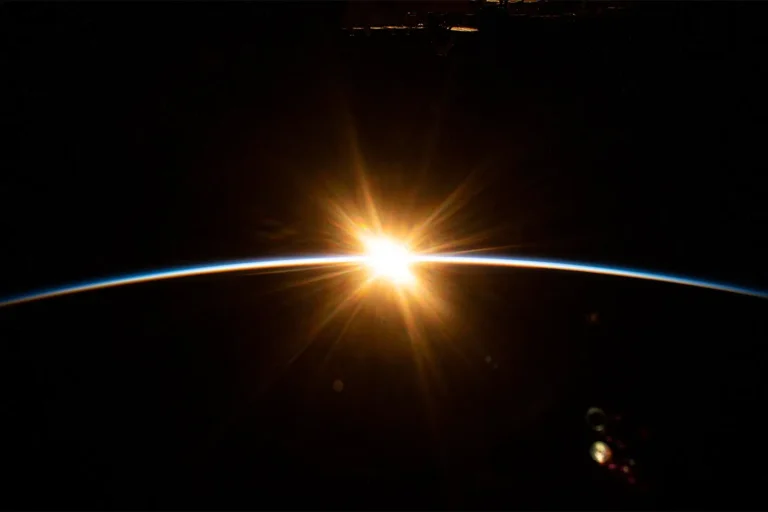
The key to international space cooperation is developments in biotechnology, Northeastern researchers say
A new report from a group of Northeastern researchers explores across disciplines how biotech can ensure safe, sustainable life beyond Earth.
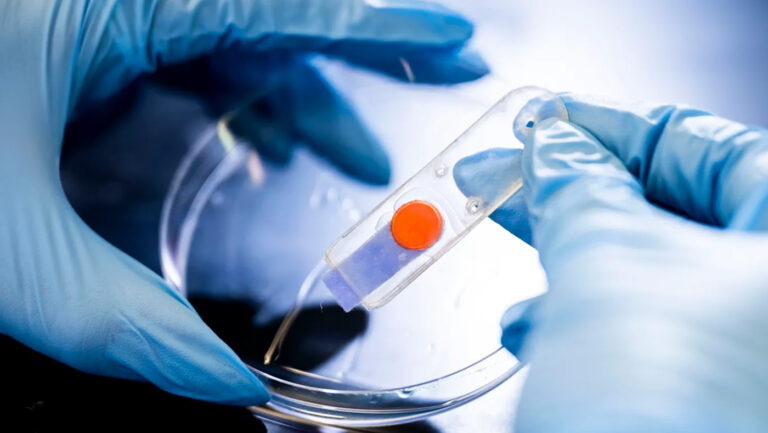
What if sensors could spot plant stress in real time? These Northeastern researchers made it happen
Researchers at the Kostas Research Institute in Burlington developed sensors that will change color to indicate issues with a plant’s health.
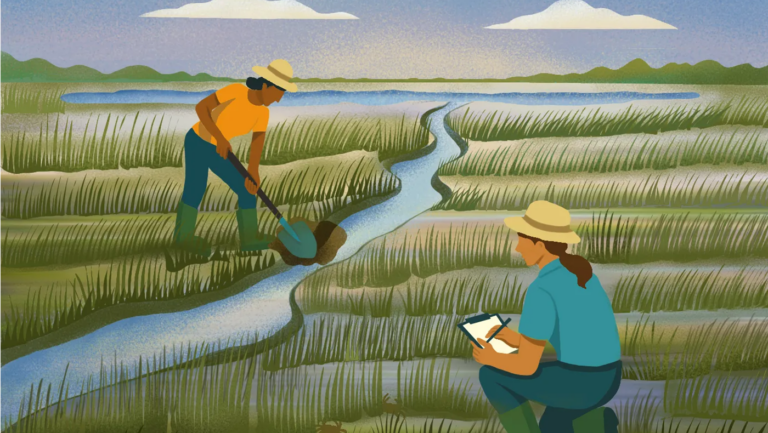
What are runnels, the man-made channels that help restore salt marshes?
Runnels, shallow man made channels, help keep salt marshes healthy according to Jennifer Bowen, professor of marine and environmental sciences, a task that is becoming harder as sea levels continue to rise.