COS News
Research

“The basic premise is that AI can help us do better physics, and something that is less expected is that physics can also help us understand AI better,” said Northeastern professor James Halverson.
AI and physics have more in common than you might think.
News
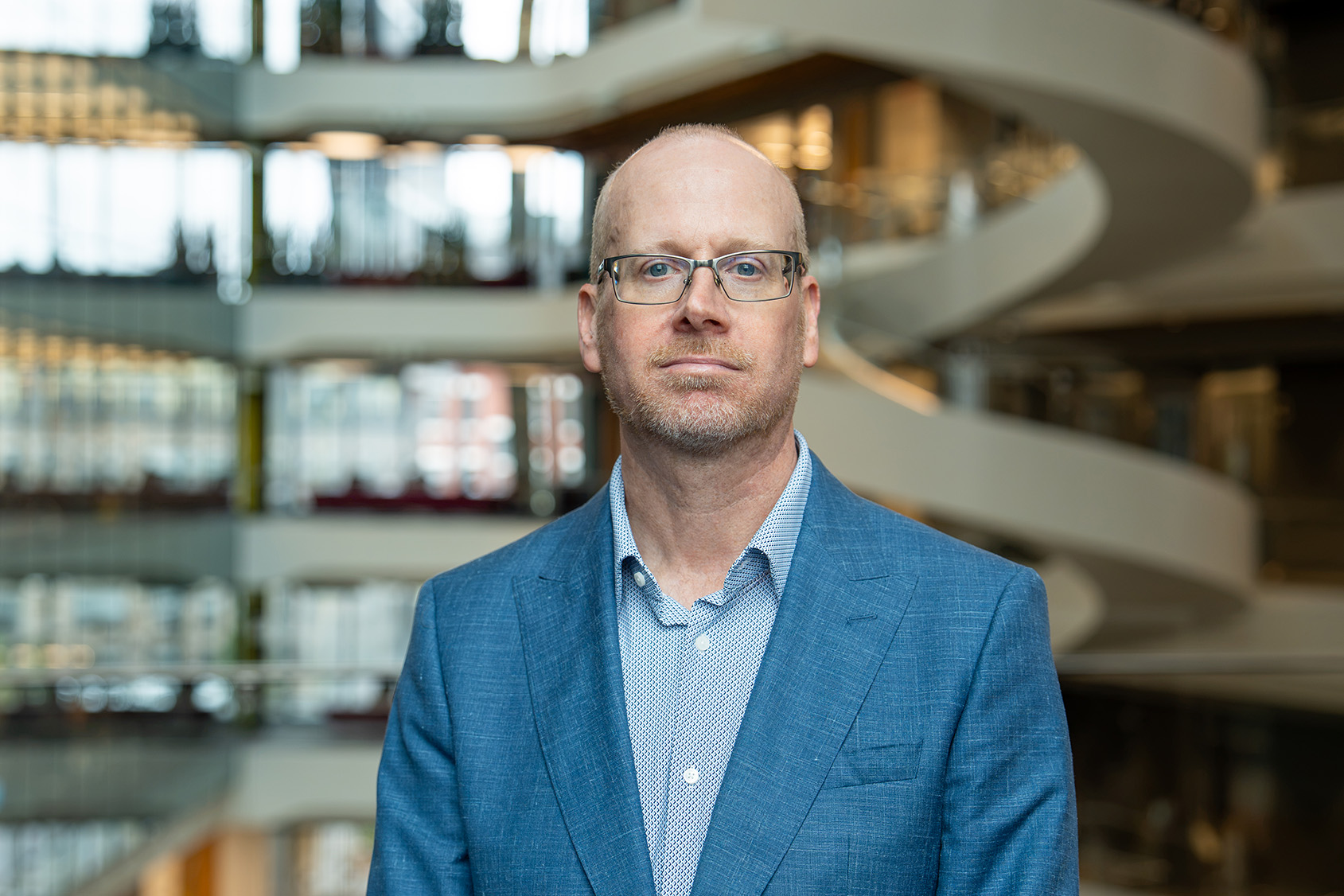
Mark Williams, Professor and Chair of the Department of Physics, will assume the role of Dean of the College of Science, effective July 1, 2026.
Mark C. Williams named Dean of the College of Science
Showing 227 results in Marine and Environmental Sciences
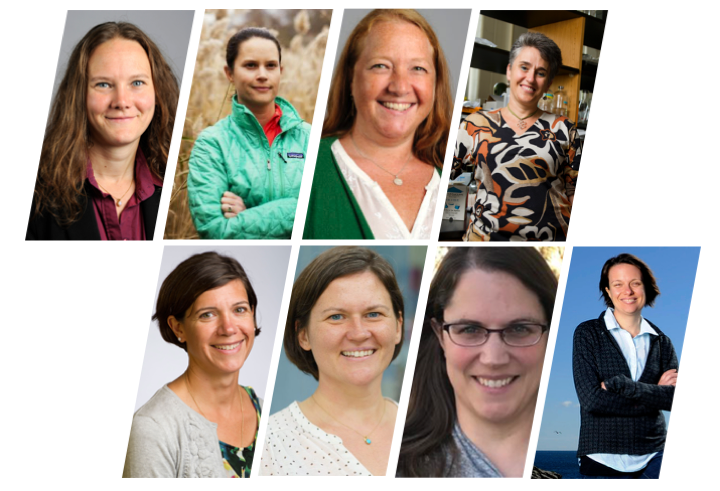
Women in Science: Water Stewards
Part 3: The Marine Science Center is highlighting faculty who are advancing scientific knowledge and removing barriers for the next generation of women in STEM.
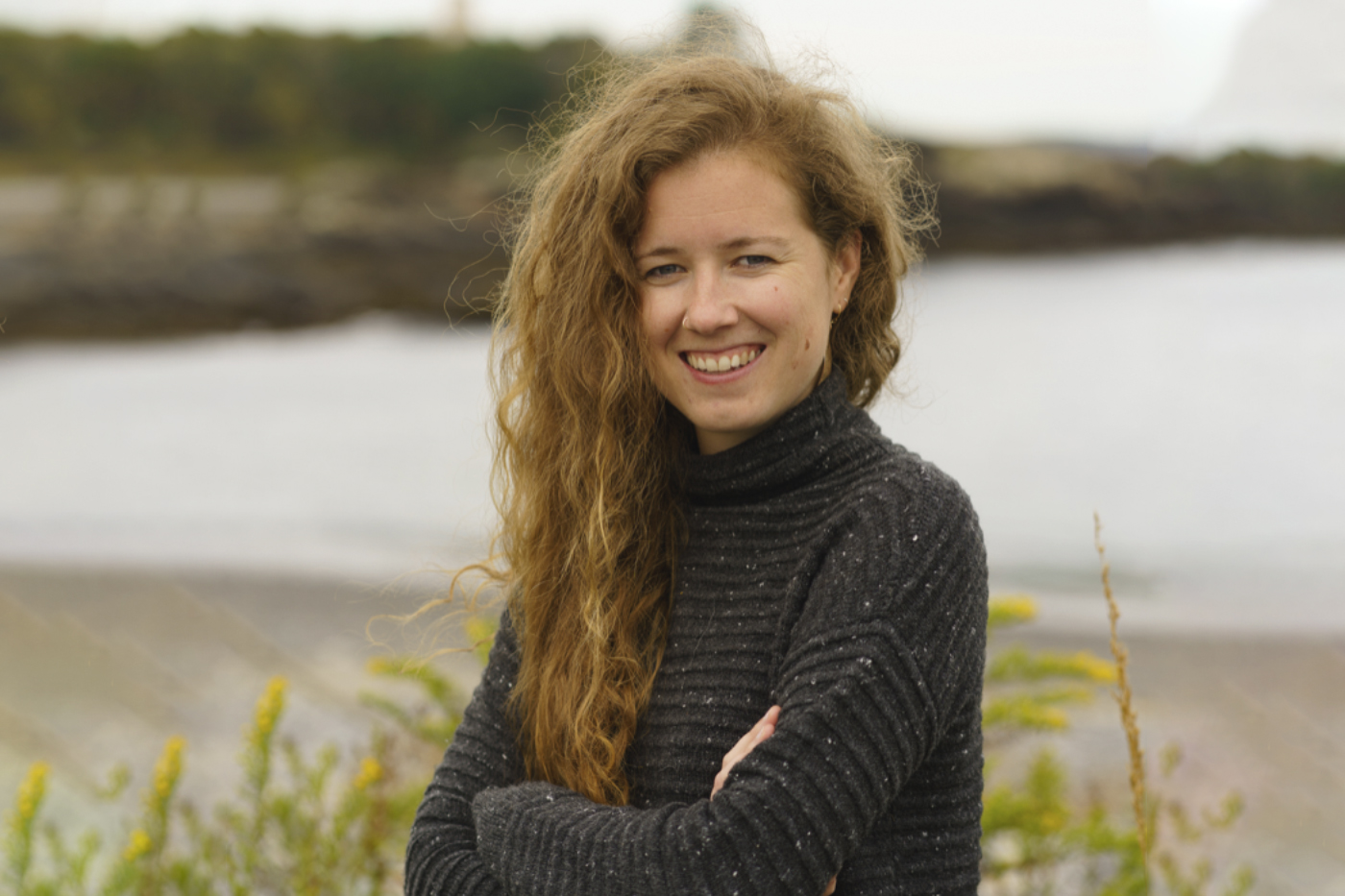
Sara Schaal Wins the Dean’s Award for Graduate Student Excellence in Teaching
Providing an innovative educational experience for our community of learners is a central focus of the Department of Marine and Environmental Sciences, so we are proud to congratulate this year’s College of Science Dean’s Award for Graduate Student Excellence in Teaching, Sara Schaal.
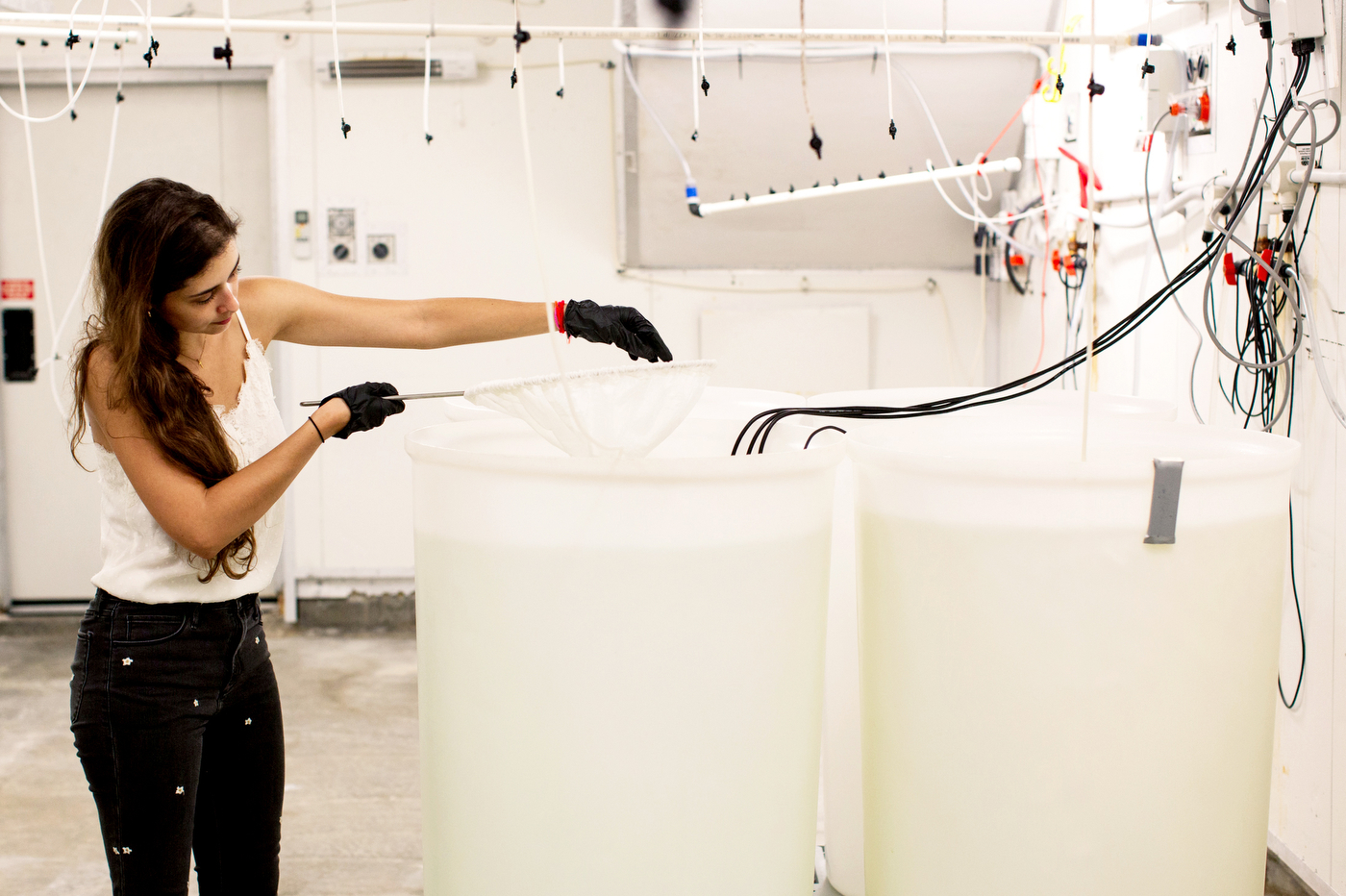
A 10,000-mile Journey for Microbes
MELBOURNE, Australia—Andrea Unzueta-Martinez, a doctoral candidate at Northeastern’s Marine Science Center, moved to the United States to be a dancer but chose science instead. She spent three months at the Port Stephens Fisheries Institute in Australia raising oyster larvae.
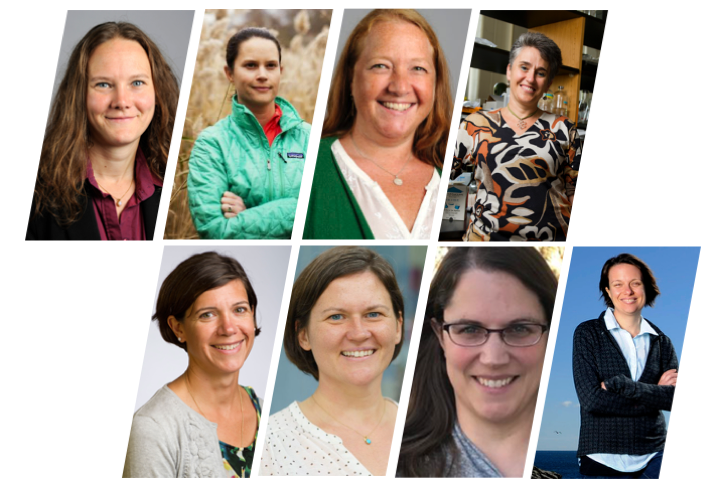
Women in Science: Communicating our Impacts on Marine Communities
Part 2: The Marine Science Center is highlighting faculty who are advancing scientific knowledge and removing barriers for the next generation of women in STEM.
Women in Science: Sentinels for Biodiversity
Part 1: The Marine Science Center is highlighting faculty who are advancing scientific knowledge and removing barriers for the next generation of women in STEM.
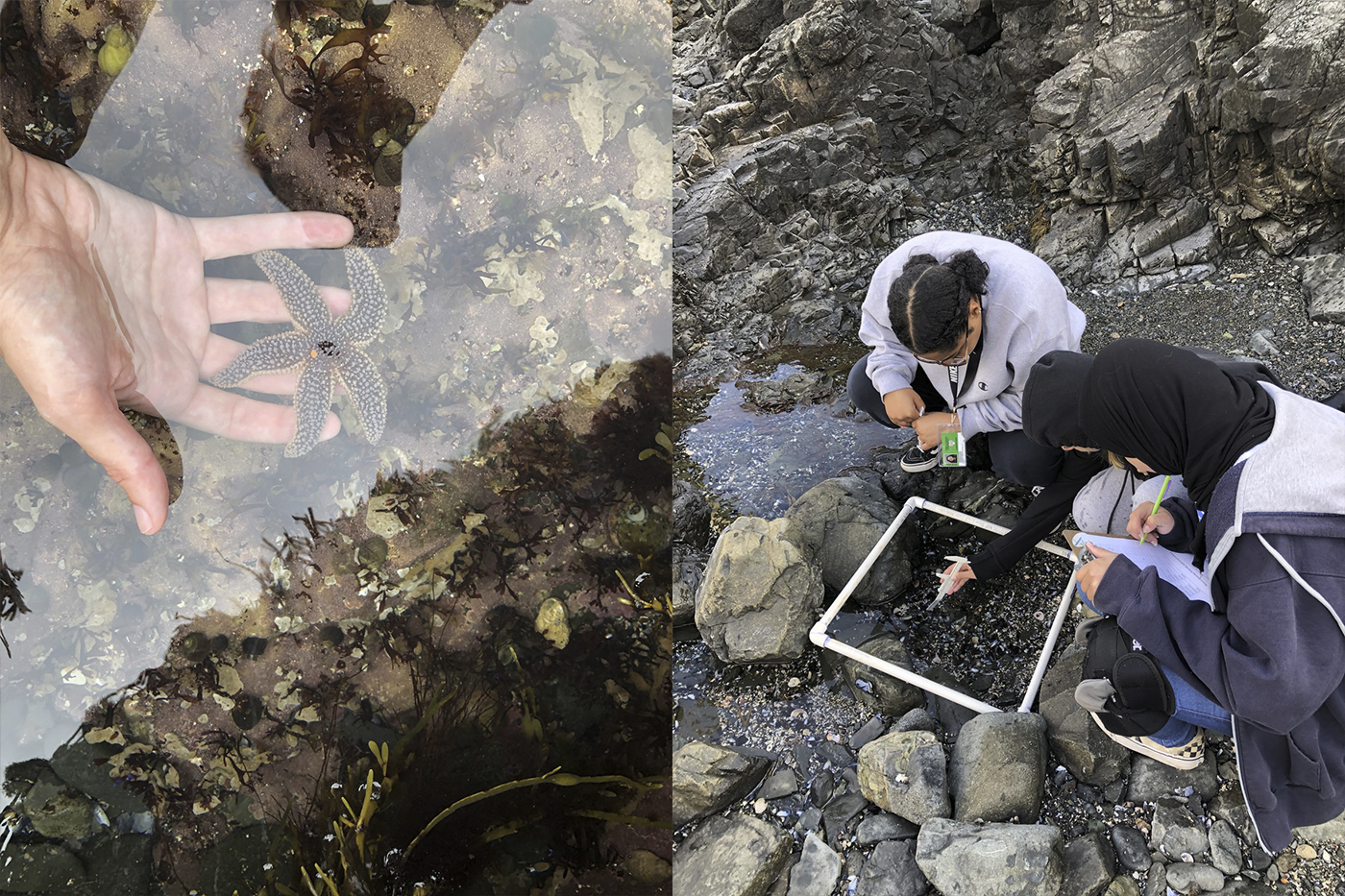
From “Eww” to “Whoa”: Reflections on our School to Sea Programs
As part of the School to Sea program, students from Lynn Public Schools had a chance to visit the Marine Science Center for some interactive learning, from touch tanks to Moon Snails.
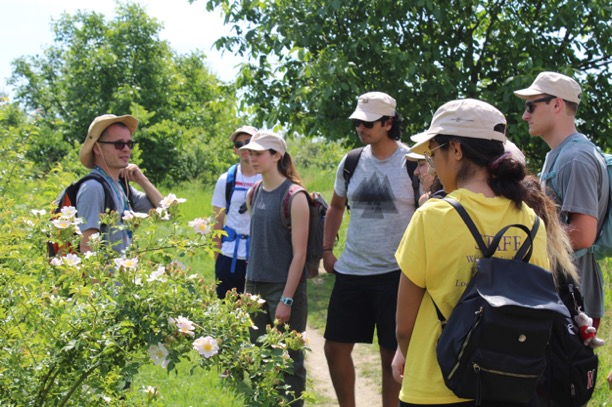
Food, Forests and Fisheries: A Journey In Conservation and Food
Student Caitlyn Ark journals about her dialogue of civilizations experience in Romania and Crete.
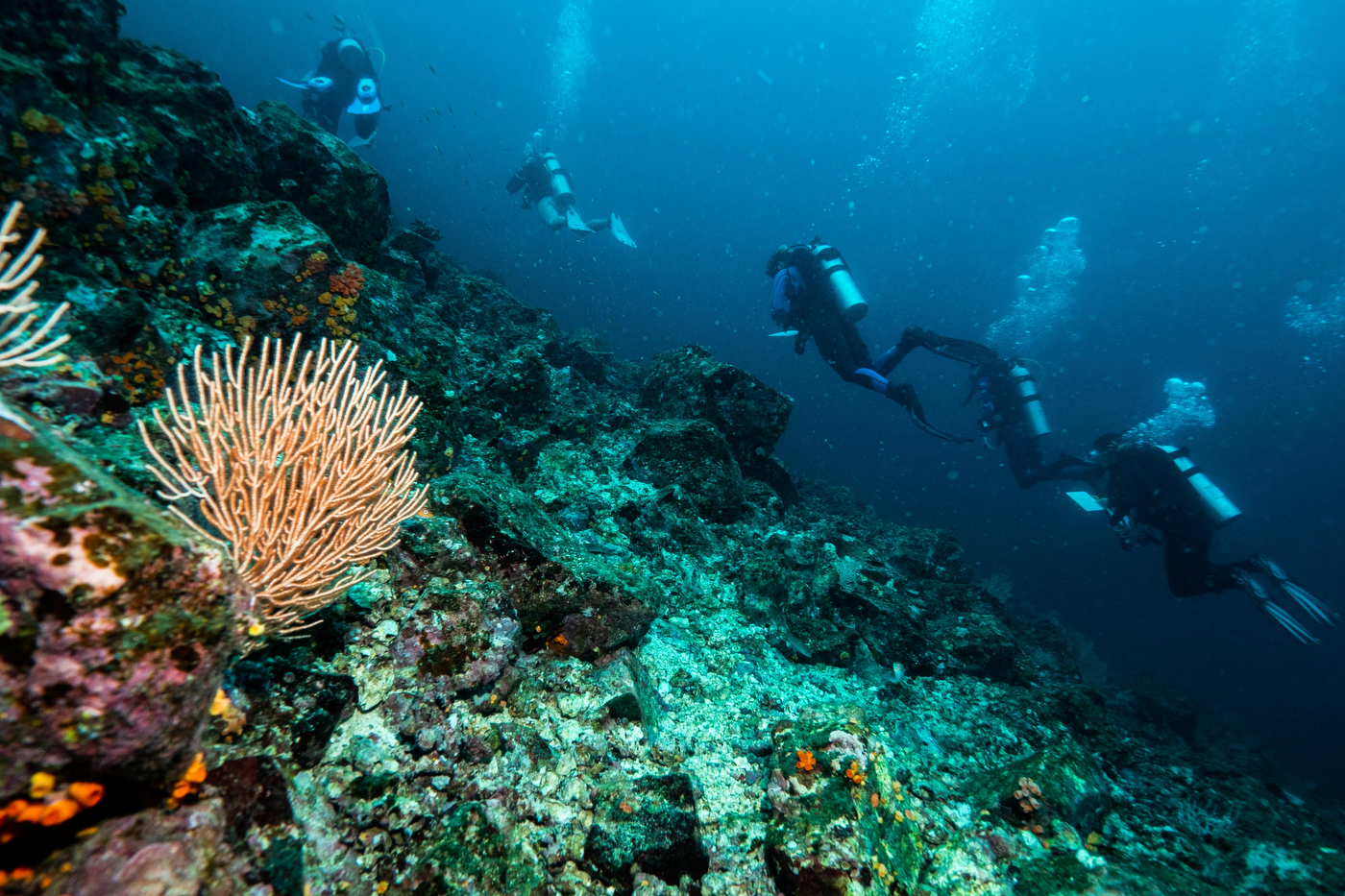
A Close-up Look at the Mysterious Plague Sweeping Through Caribbean Reefs
Northeastern students are surveying a coral reef off the coast of Panama for signs of stony coral tissue loss disease, which threatens twenty species that comprise the heart of the Caribbean’s coral reefs.
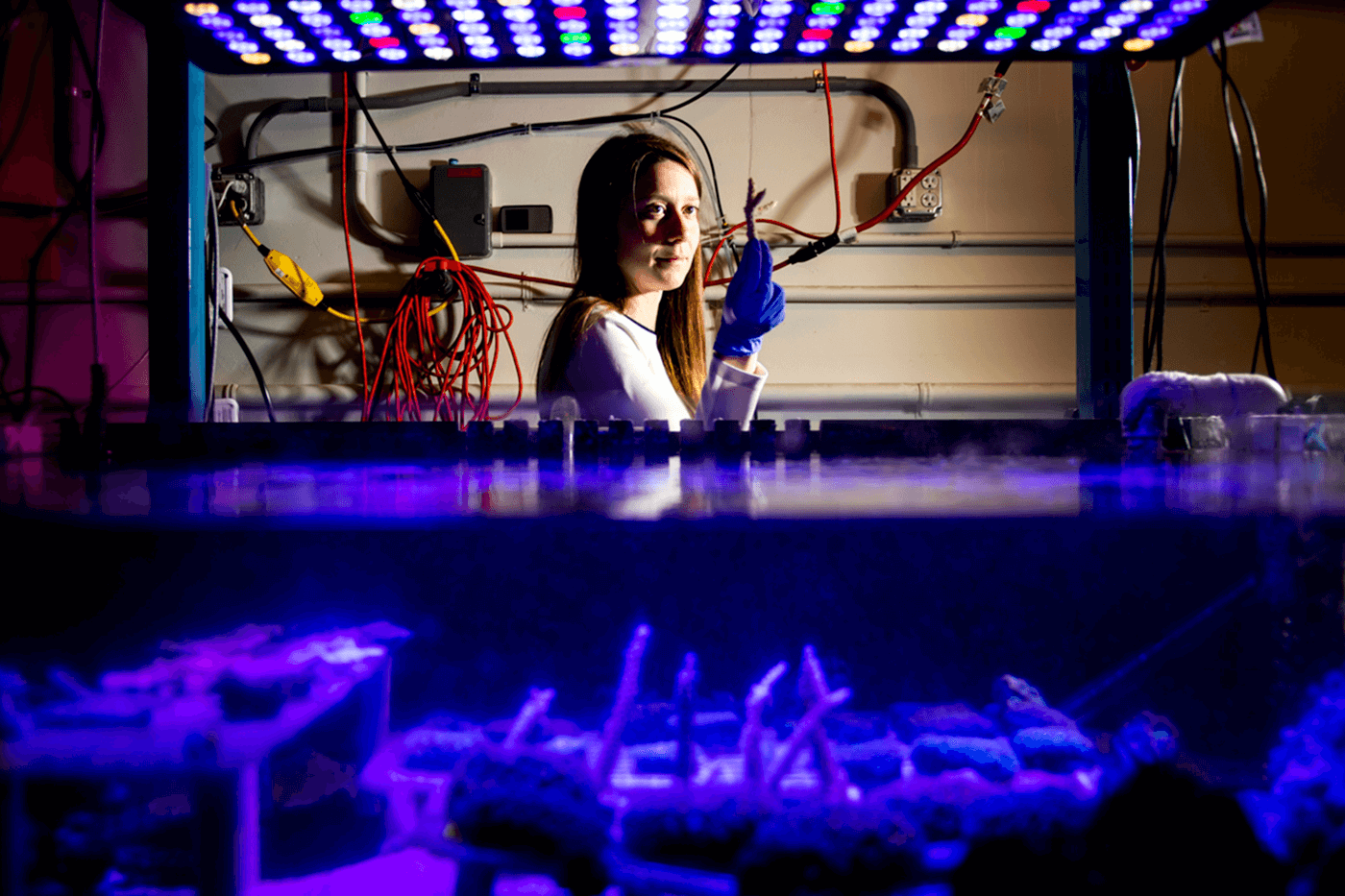
Billions Of Tons Of Plastic Are Choking The Ocean. She’s Here To Clean It Up.
Northeastern graduate Amanda Dwyer did her doctoral research on how corals survive changing ocean conditions. Her next task is to help reduce the impact of billions of tons of plastic in the world’s oceans.
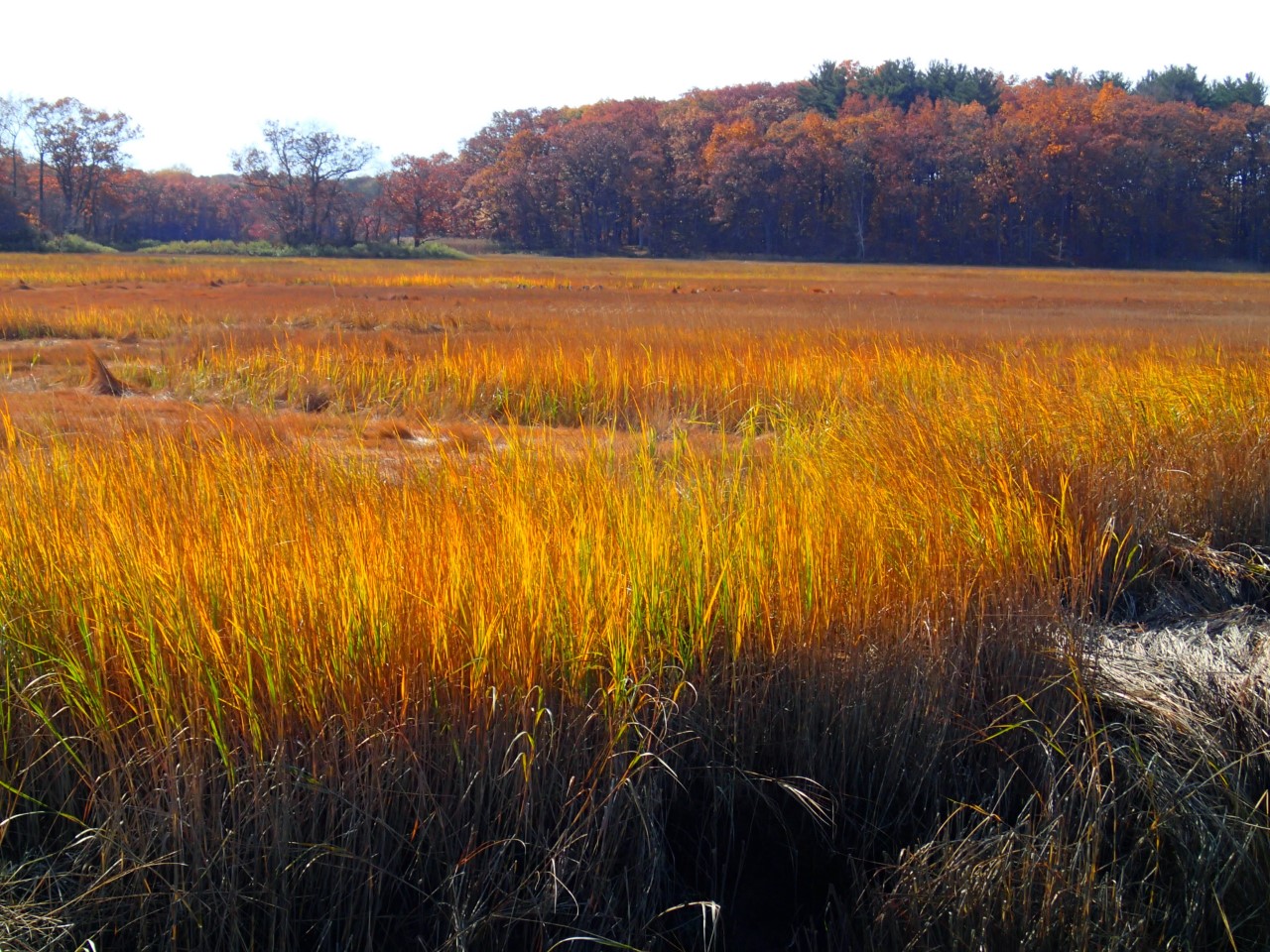
All in the mud: nutrients and microbes aid understanding of marsh resilience
Researchers in the Bowen Lab at Northeastern University’s Marine Science Center are working to expand our understanding of salt marsh resilience to the threats of sea level rise.
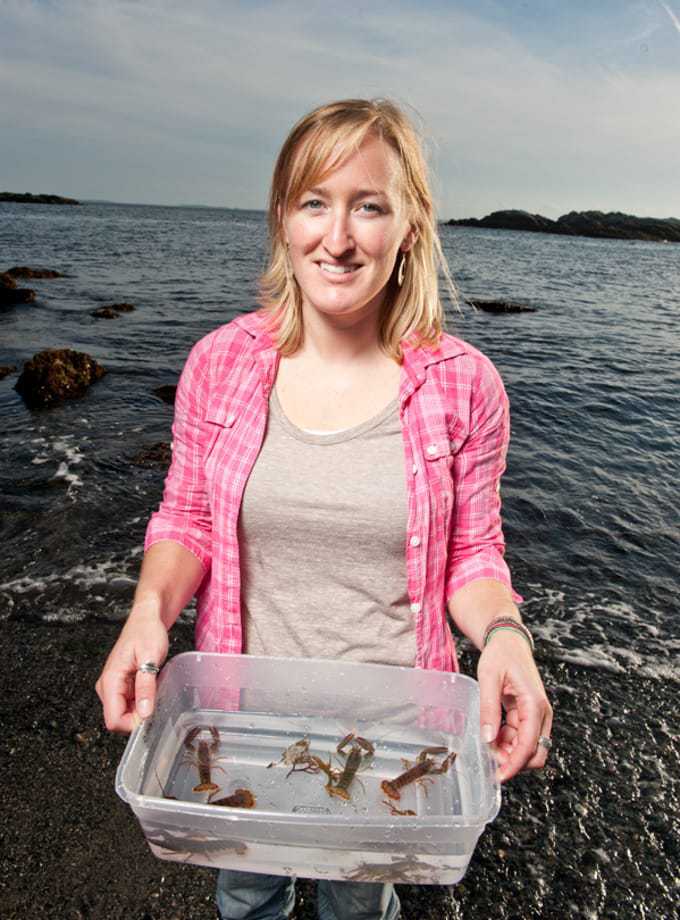
As black seabass move north, lobsters face greater predation risk
As ocean temperatures warm, some marine species are moving north which can result in novel species interactions.