COS News
News

A new report from a group of Northeastern researchers explores across disciplines how biotech can ensure safe, sustainable life beyond Earth.
The key to international space cooperation is developments in biotechnology, Northeastern researchers say
News

The NeuroPRISM lab, led by assistant psychology professor Stephanie Noble, makes tools that pave the way for reliable and reproducible neuroimaging of the brain.
Precise maps of the brain’s deepest corners are made possible through tools developed by these Northeastern researchers
Showing 213 results in Physics
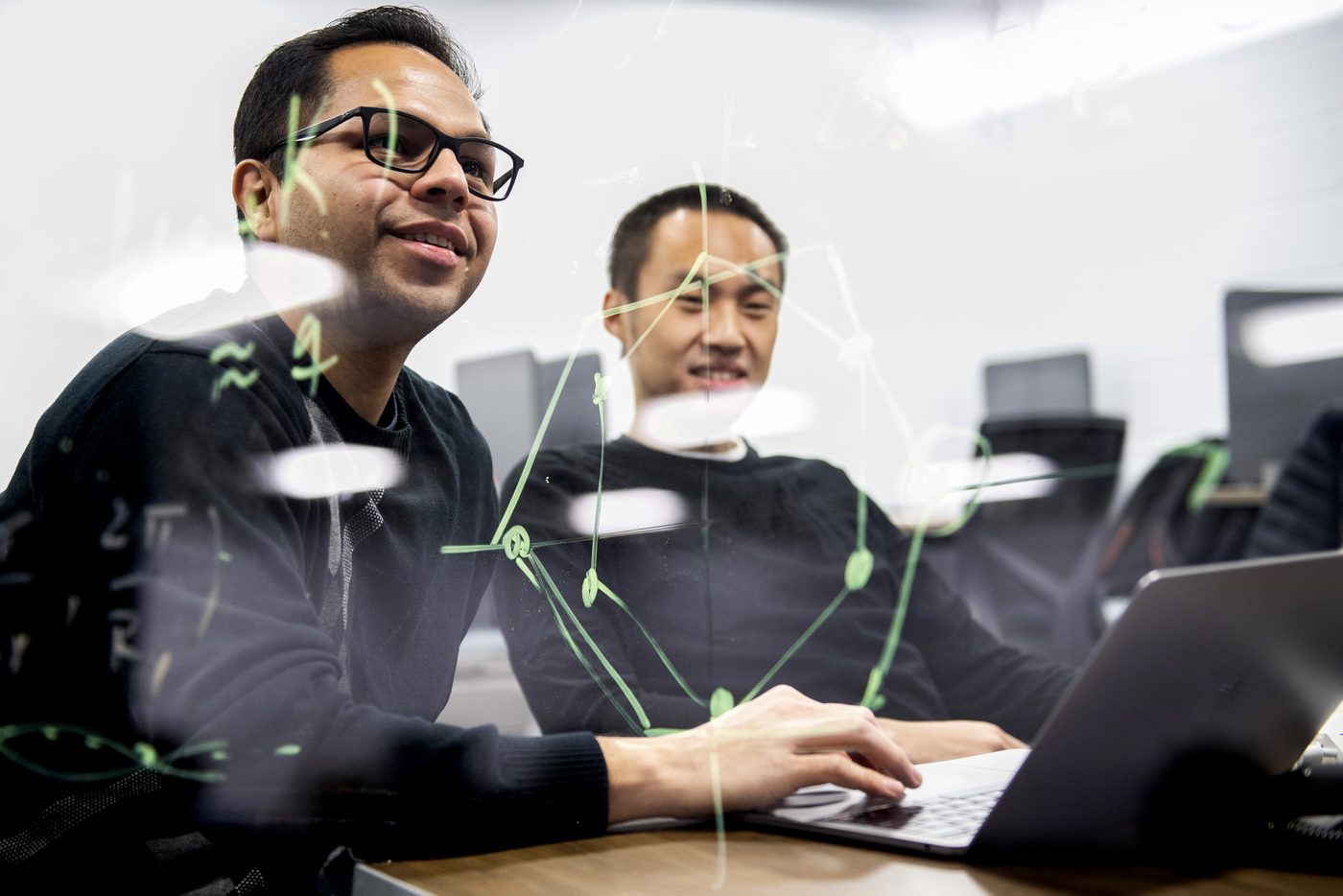
Is Math Really the Language of Nature? This Physicist is on a Quest to Find Out.
Growing up in a small Mexican town, Martin Rodriguez-Vega, a postdoctoral research associate in physics, felt disconnected from anything scientific. Now, as he studies the exotic properties of quantum materials, Rodriguez Vega finds that one of the most important parts of being a physicist is the bonds he’s formed with budding and accomplished scientists alike.
Flu season is coming and COVID-19 is still here. Can disease forecasts tell them apart?
Flu season can be difficult for regular people, and those like Alessandro Vespignani who try to predict it. Adding in COVID could make it a nightmare.
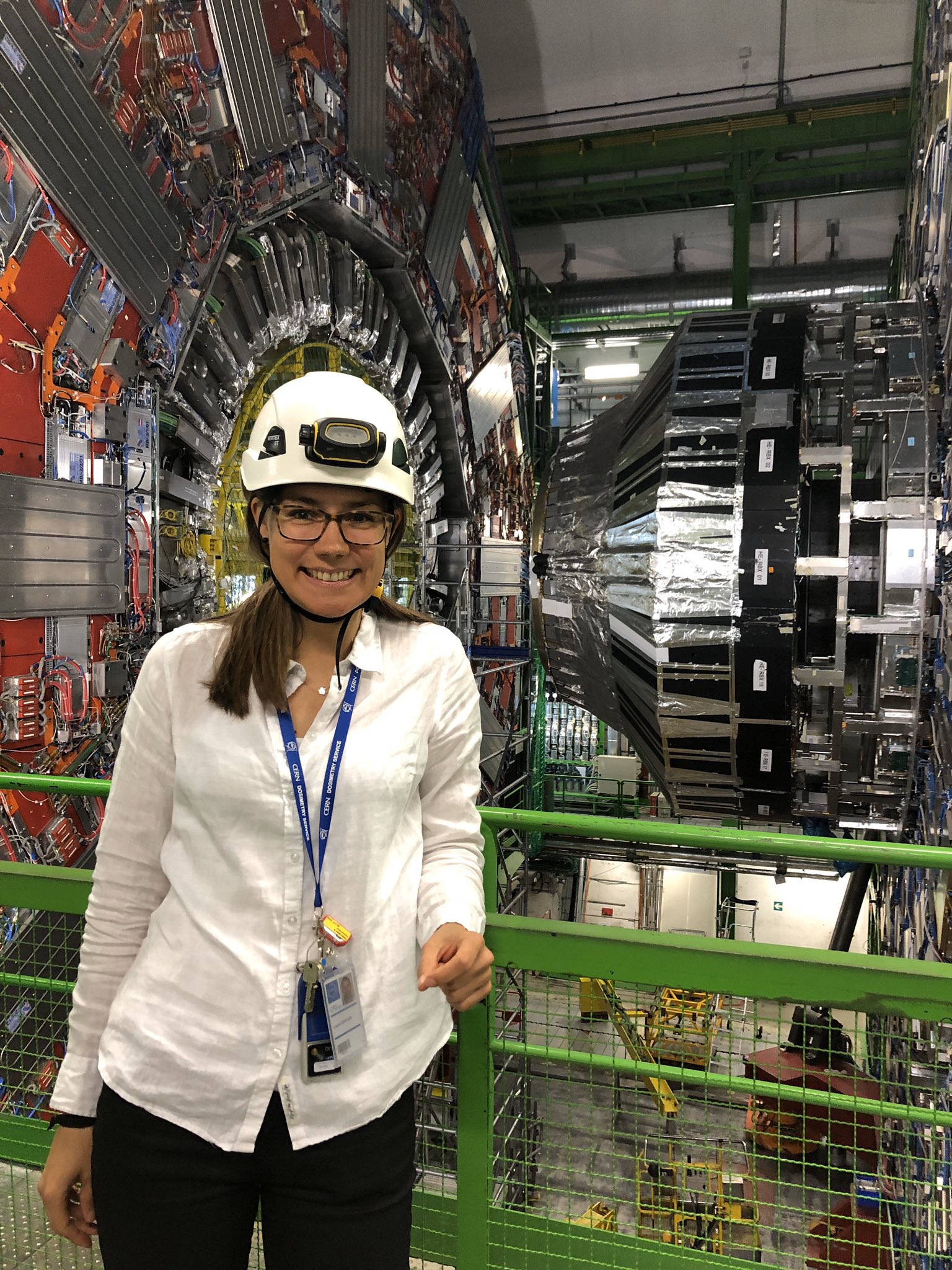
Louise Skinnari Wins Department of Energy Physics Grant
Physics Professor Louise Skinnari and her lab were recently awarded a multi-year grant from the United States Department of Energy. We caught up with her to discuss her experience at CERN, the transformative affect of funding on research, and her time at Northeastern. You have just received a DOE grant awarded in the field of “high […]
NSF’s Physics Frontier Center, The Center for Theoretical Biological Physics, expands to Northeastern
Northeastern will become the newest expansion for the Physics Frontiers Center program, under the direction of University Distinguished Professor of Physics and Bioengineering, Dr. Herbert Levine.

Finding the needle in the data stack: Advice from a Facebook data scientist
During her time at Northeastern, Delia Mocanu developed a passion for network science. Now at Facebook, she finds herself working on one of the largest data experiments in history — the News Feed.
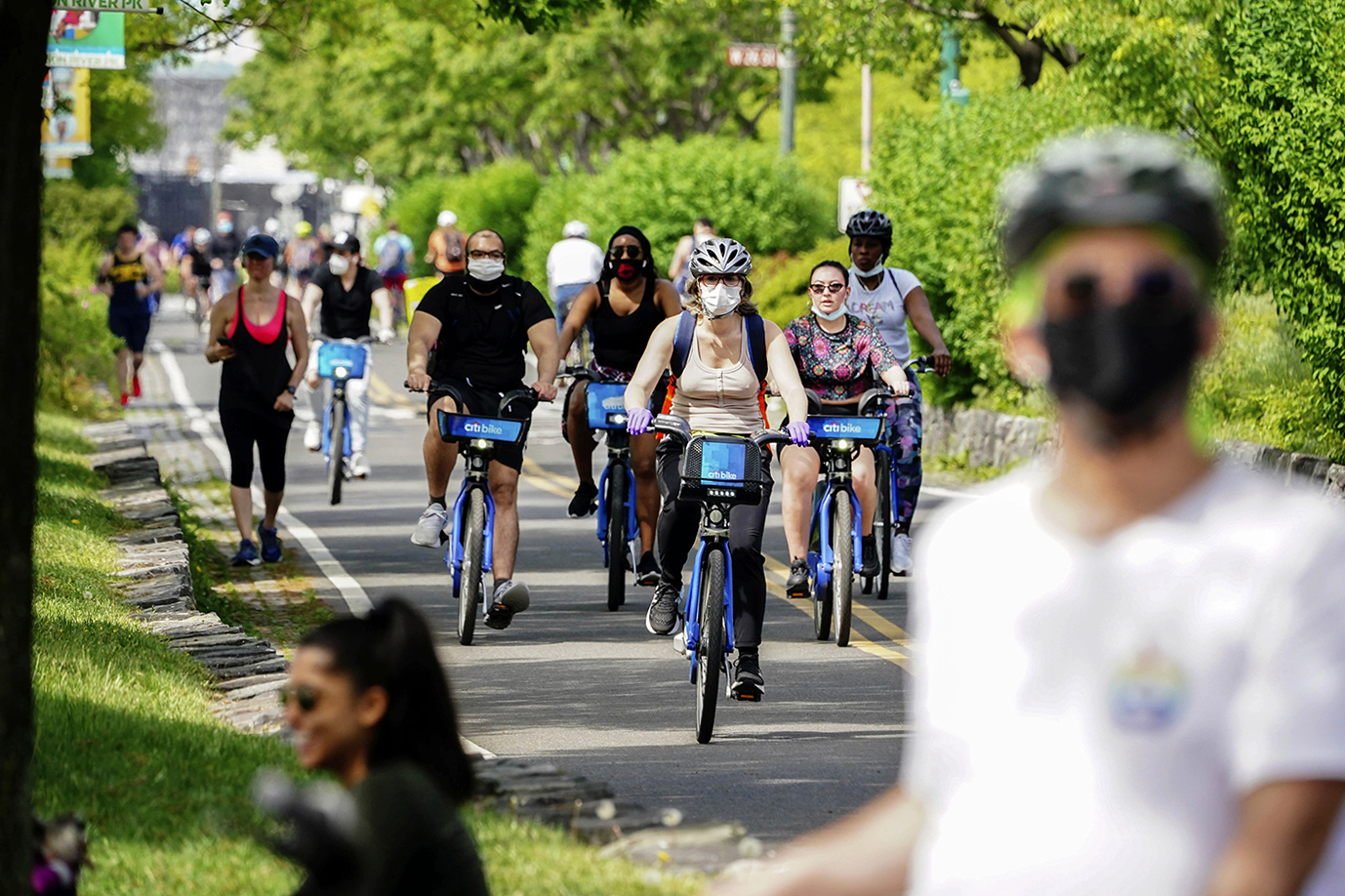
People in the U.S. started moving around more before stay-at-home measures were lifted
Even before the vast majority of states were loosening the measures intended to keep people physically distant and slow the spread of the coronavirus, people were starting to travel further and see each other more, according to research from Northeastern’s Network Science Institute.
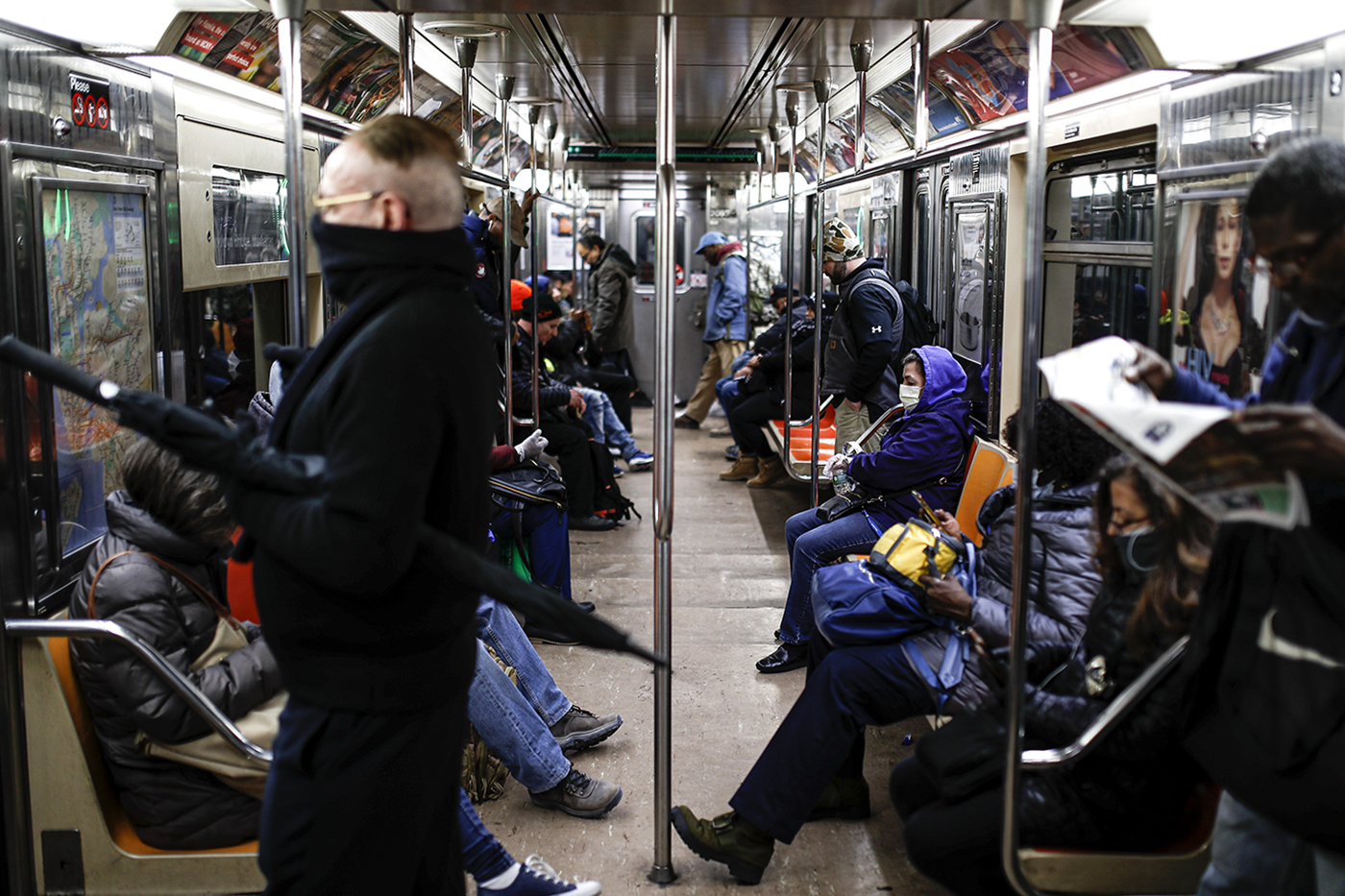
The coronavirus was in the US in January. We need to understand how we missed it.
SARS-CoV-2, the coronavirus that causes COVID-19, was circulating in major U.S. cities as early as January, says Alessandro Vespignani, director of Northeastern’s Network Science Institute. And if we want to keep our communities safe going forward, we need to understand how we missed a virus that was right under our noses.
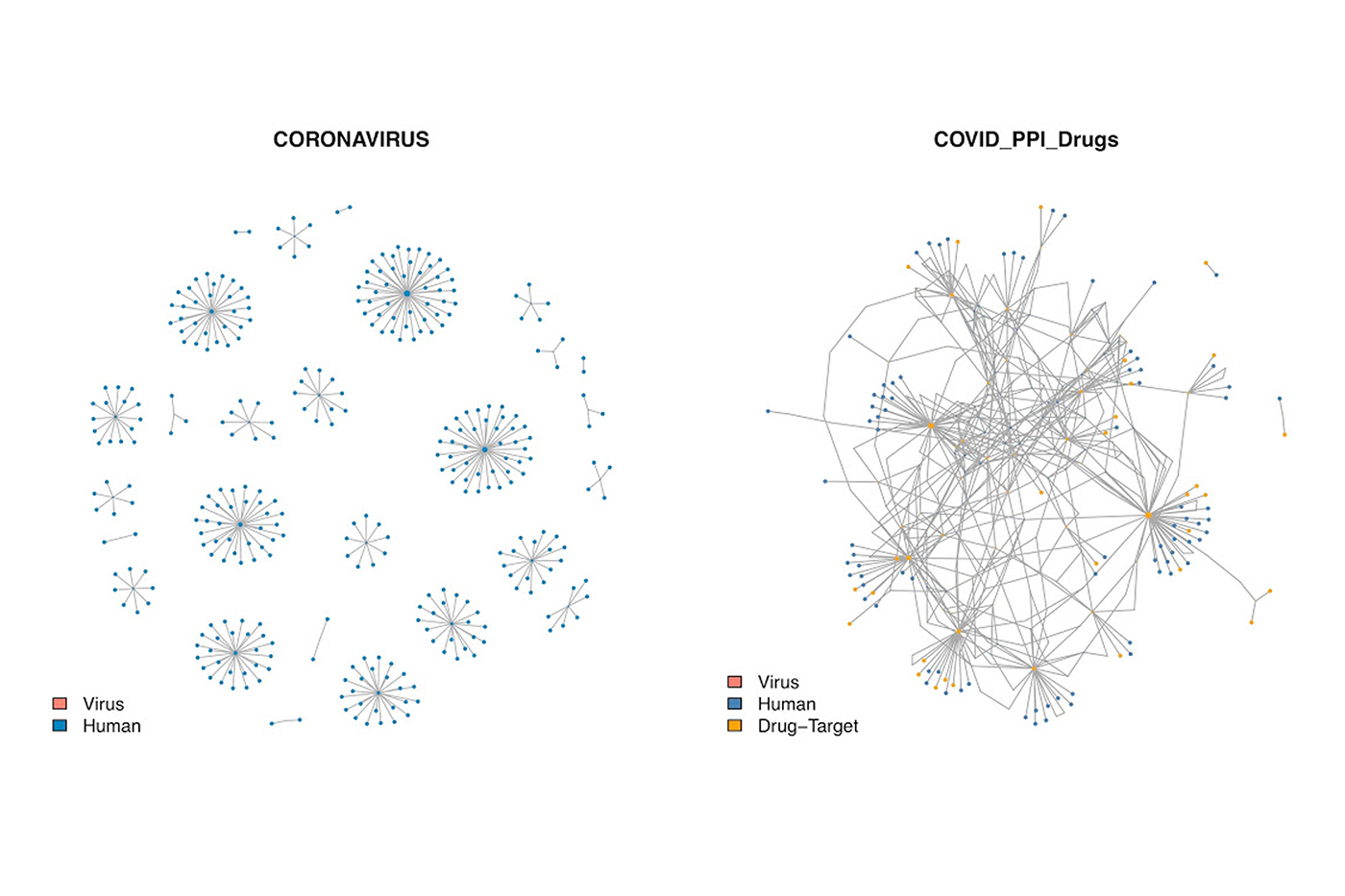
Network scientists identify 40 new drugs to test against COVID-19
Researchers at Northeastern mapped the way proteins within human cells behave after the cells are hijacked by the virus to identify drugs that might be able to fight it. The team is now working with other experimental researchers to begin testing those drugs.
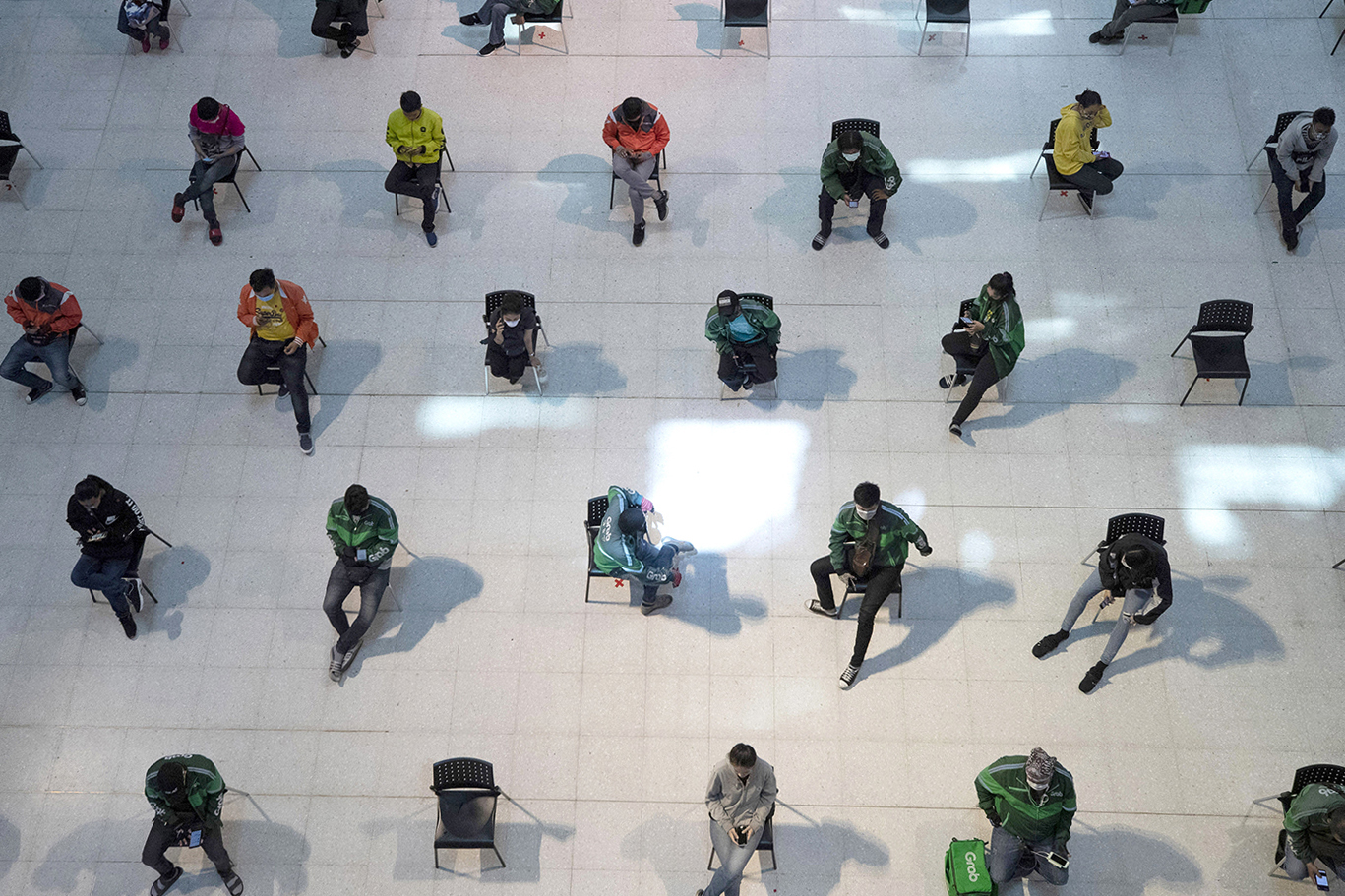
‘Social distancing’ is only the first step toward stopping the COVID-19 pandemic
After days of closures and requests—or orders—to stay home, many people caught in the heart of the COVID-19 pandemic are wondering if these efforts will be enough. Network scientist Alessandro Vespignani says the answer depends on the ways that local, regional, and federal governments use the time.
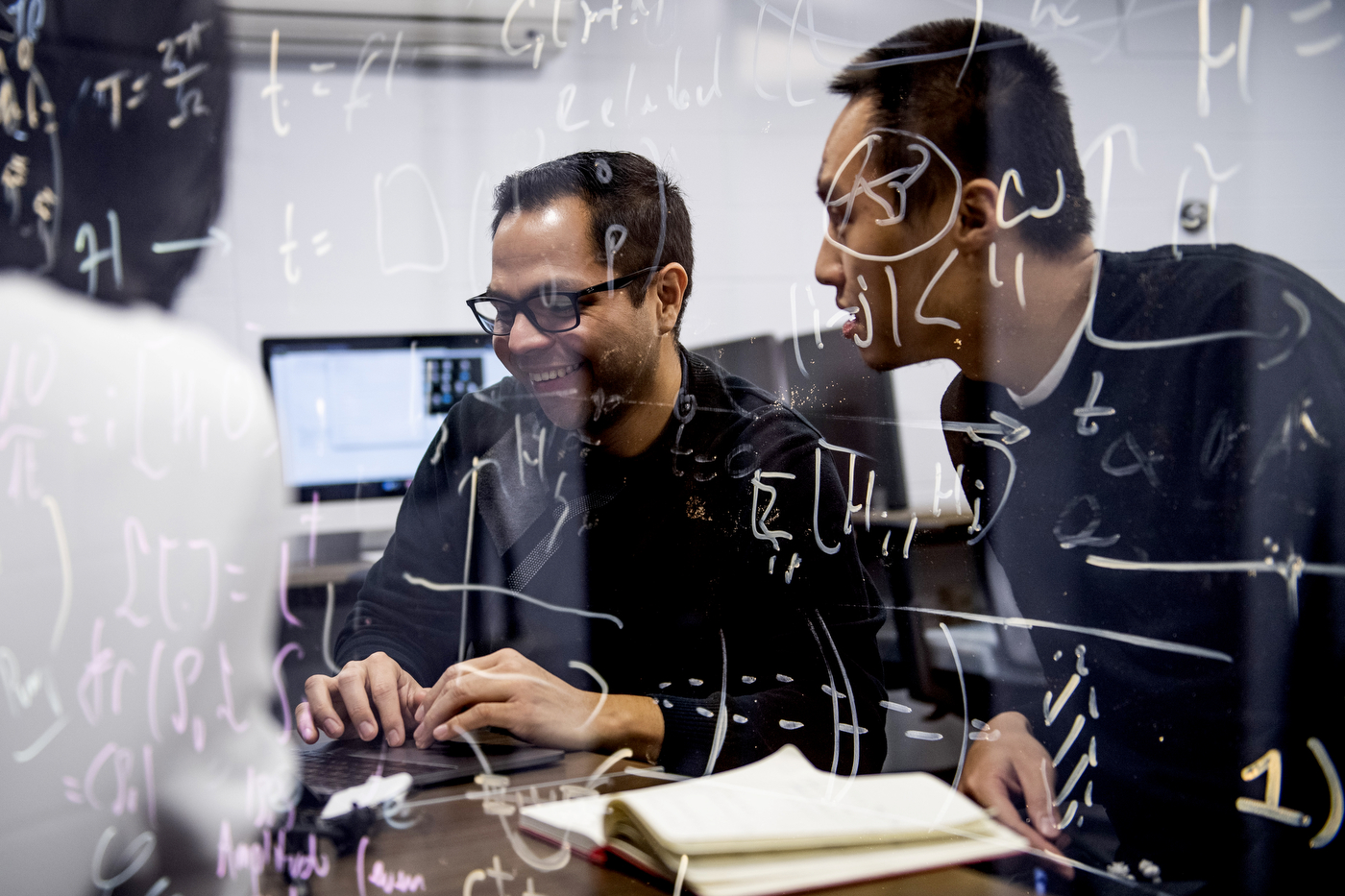
Scientists Are Baffled by This Magnet. Shooting It With Lasers Might Help.
Faster electronics, better communication devices, more efficient ways to store data are just some of the outcomes that the researchers can think of - if magnetite’s puzzle of hidden powers could be figured out. Eventually, it lead to new ways to manipulate materials and improving electronics by harnessing the behavior of their electrons.
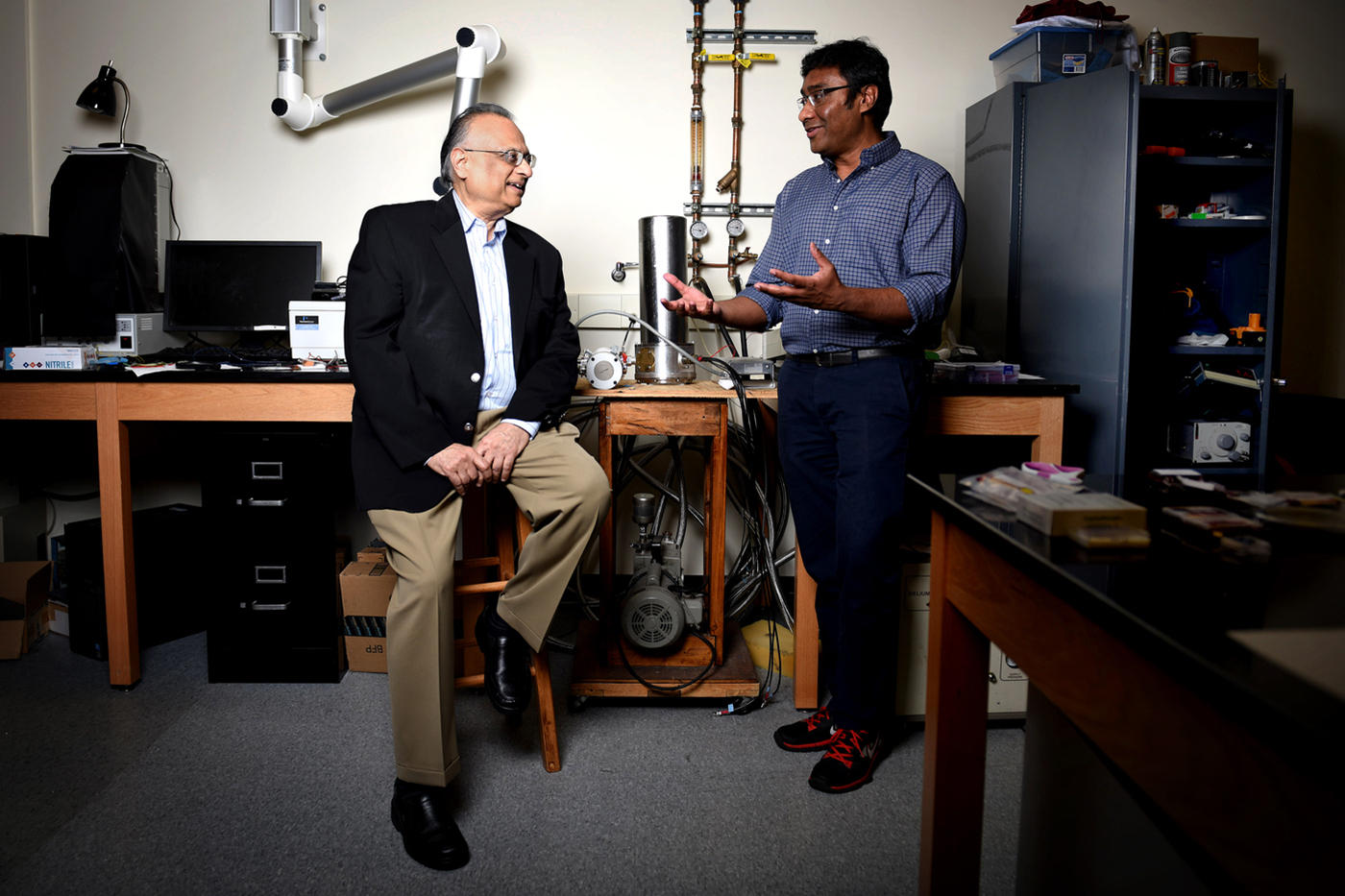
Physicists May Have Accidentally Discovered a New State of Matter. The Possibilities Are Endless.
“Imagination is the limit,” says Swastik Kar, an associate professor of physics. “It could change the way we can detect and communicate signals. It could change the way we can sense things and the storage of information, and possibilities that we may not have even thought of yet.”
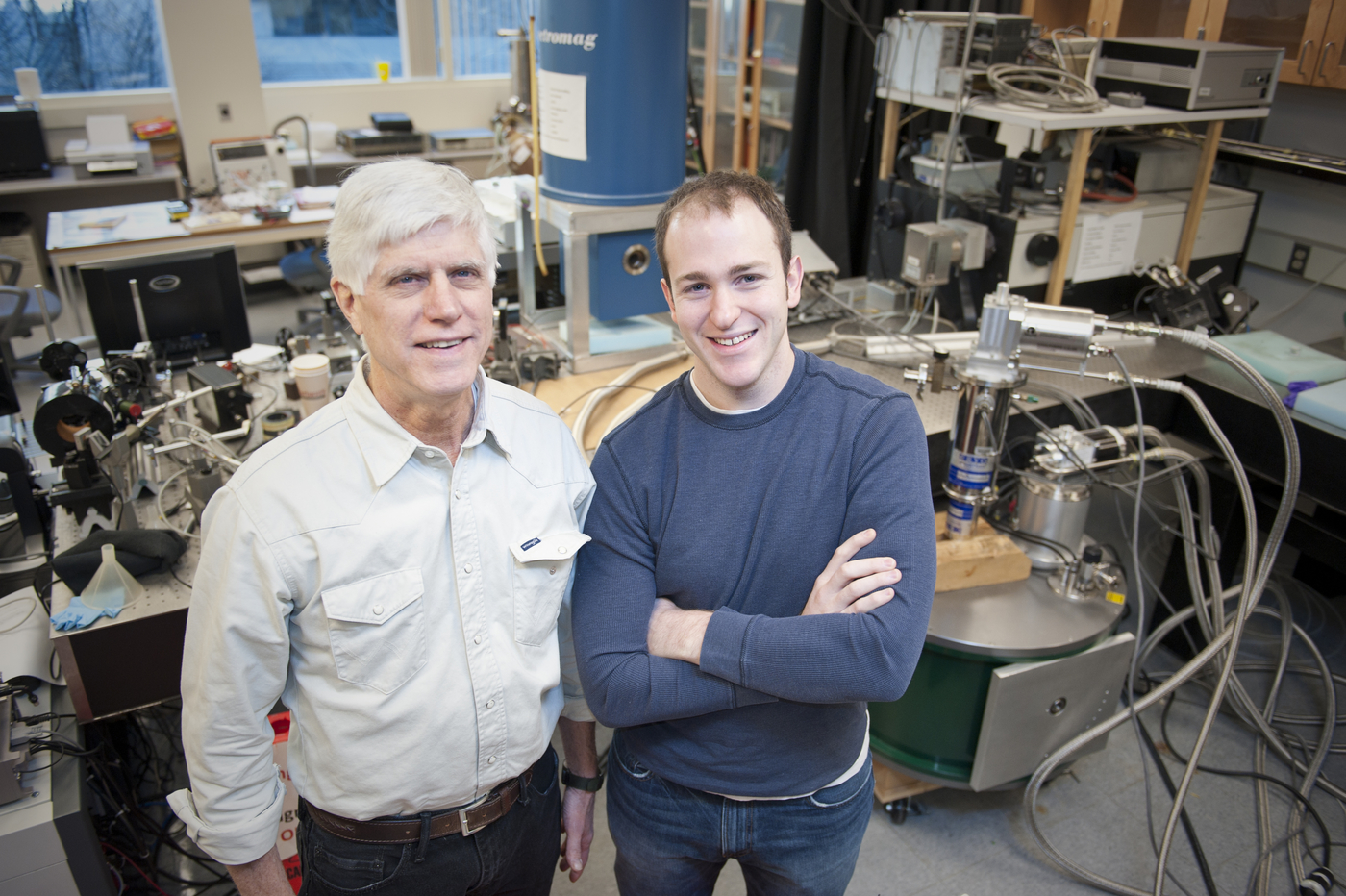
Both Insulator and Conductor, This Material Will Help Revolutionize Quantum Computing
Quantum computers represent an incredible leap in computing, but it's still in its infancy. Harnessing the power of spintronics, Professor Don Heiman is creating special materials to help make these computers more efficient, more accurate, and help usher them into the mainstream.