COS News
Research

“The basic premise is that AI can help us do better physics, and something that is less expected is that physics can also help us understand AI better,” said Northeastern professor James Halverson.
AI and physics have more in common than you might think.
Research
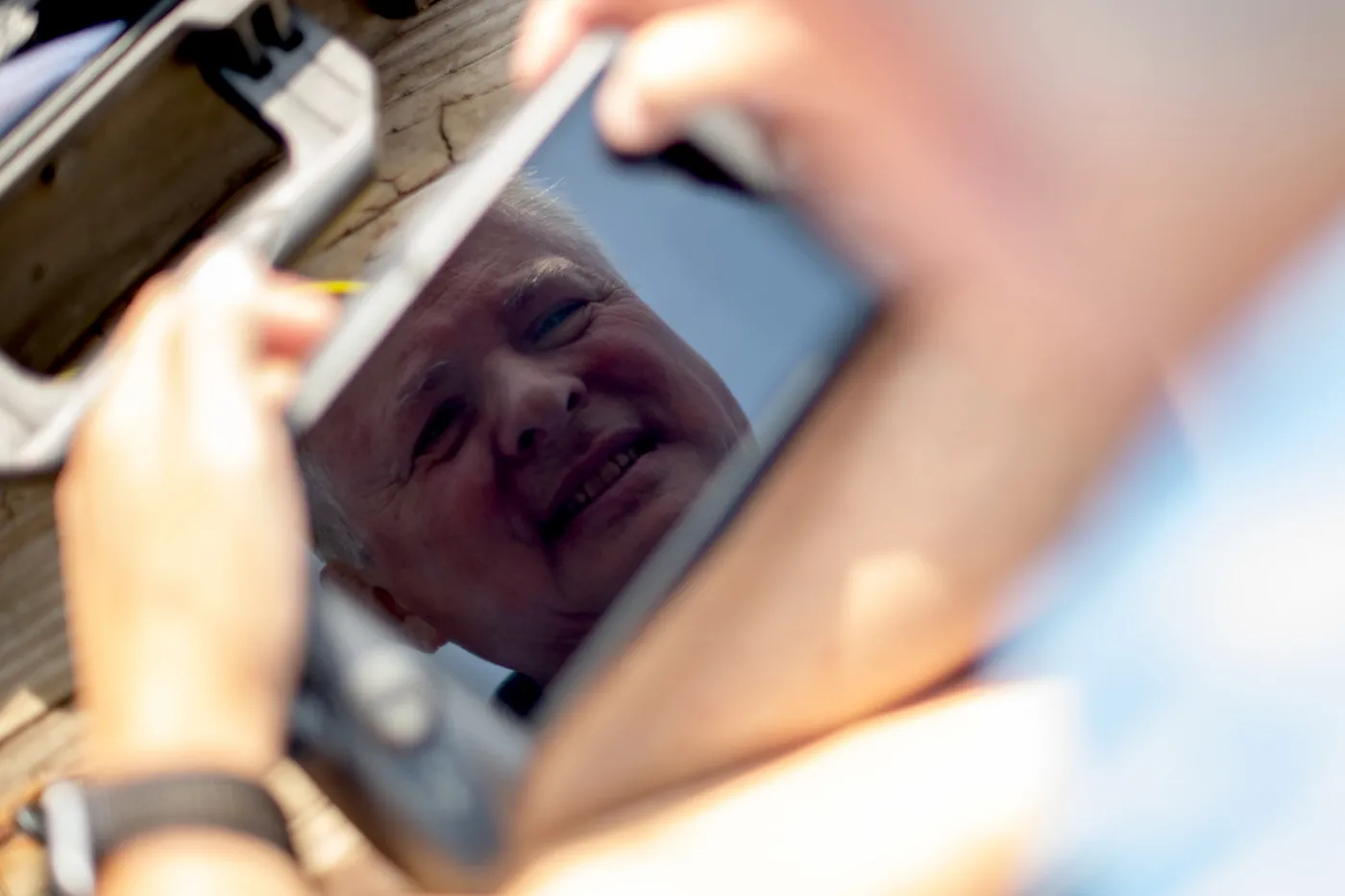
Formed by superheated glacial water from the last ice age, the hydrothermal vents Professor Mark Patterson studies have been bubbling beneath the fjord for centuries.
Professor receives Fulbright to explore one of the world’s most unique hydrothermal vents
Showing 224 results in Marine and Environmental Sciences
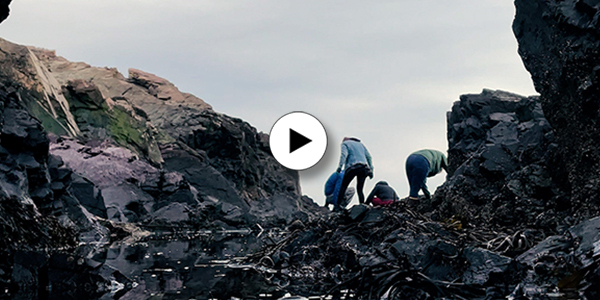
Classroom on the coast: Three Seas offers new setting to study tidal environments
The semester-long program at the Marine Science Center in Nahant, Massachusetts provides students with hands-on learning opportunities. “To be able to come into the field and get our feet wet and learn in the environment is really fantastic, says Lizzie Soranno, a marine biology student in the Three Seas program. Read the full story at...
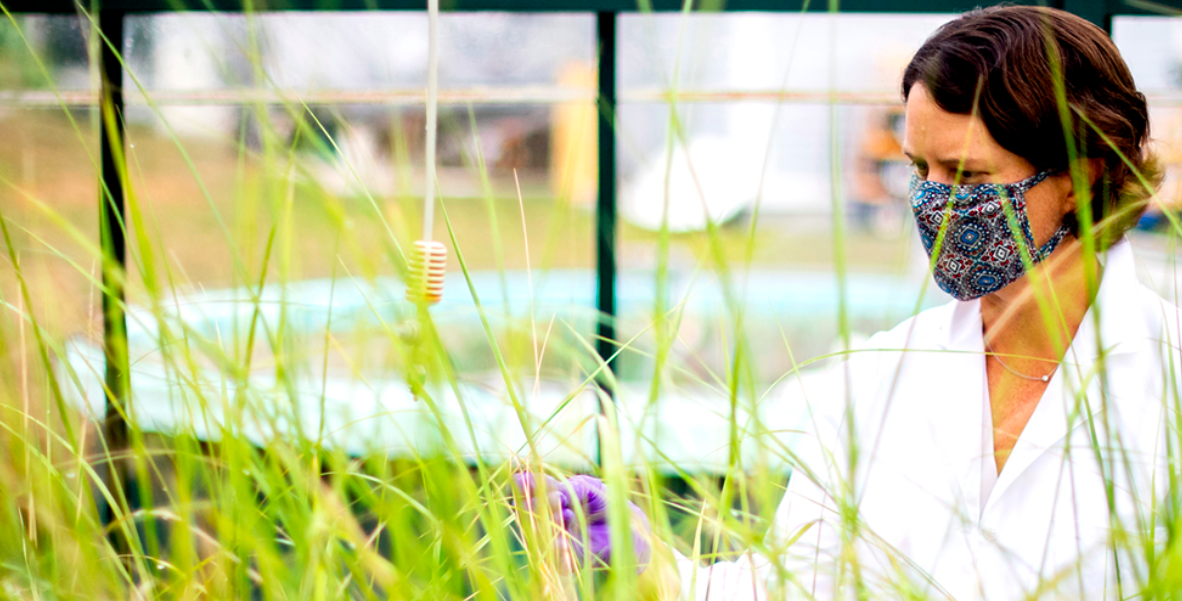
College of Science Connects: Research at the Frontier of Marine & Estuarine Systems
Listen to Hazel Sive, Dean of the College of Science, as she talks to Randall Hughes, Associate Dean for Equity and Associate Professor of Marine & Environmental Sciences as part of the Women Who Empower International Women's Day Celebration.
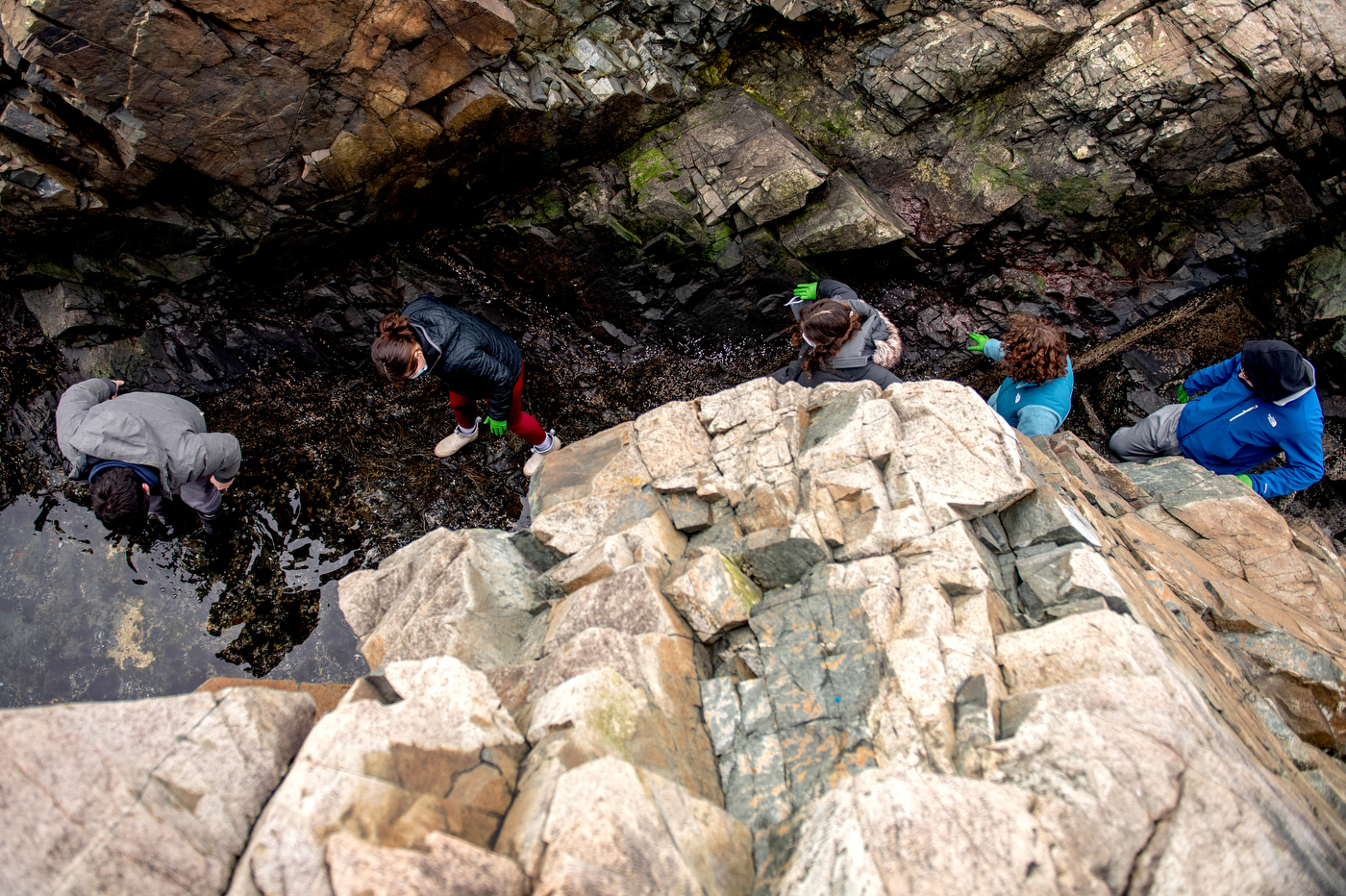
A day in the tidal pools with the Three Seas Program
Tara Duffy looked on as a handful of her students waded through tidal pools at the Marine Science Center in Nahant, Massachusetts, searching for algae and invertebrate creatures. It was a sunny day in February, with the kind of weather that arrives in New England to remind you to keep the faith, spring is just...
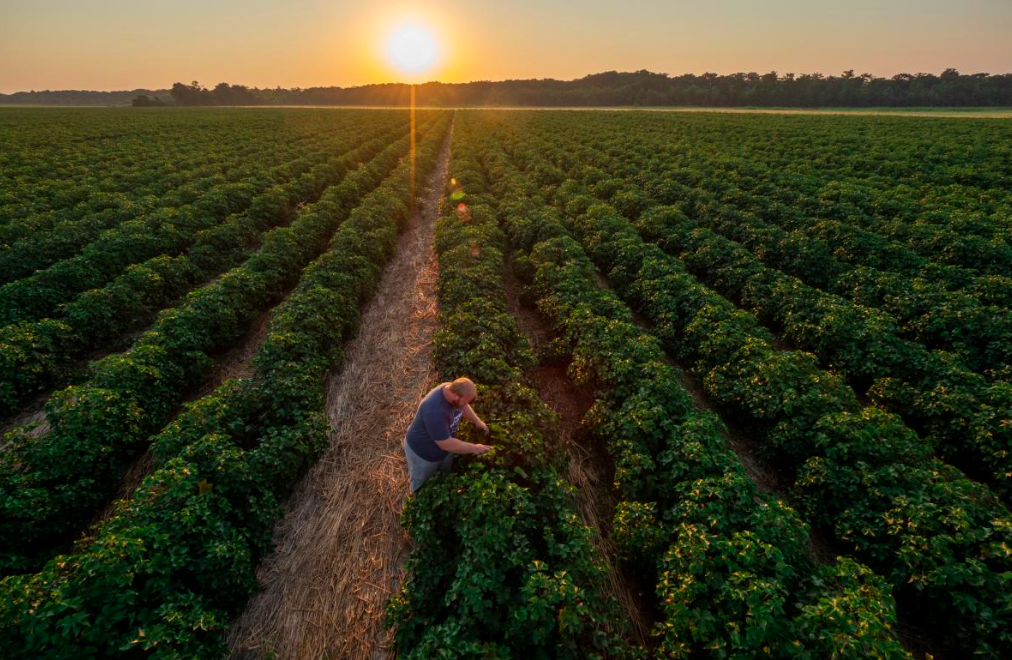
Co-op and COVID: Working at Indigo Agriculture
Mira Rauch is a fourth-year undergraduate student studying Environmental Science with a concentration in conservation science and a minor in East Asian Studies. In Spring of 2020, she began a co-op at Indigo Agriculture. We reached out to hear about her experience. Could you tell us about your co-op journey? “I’m currently on my third...
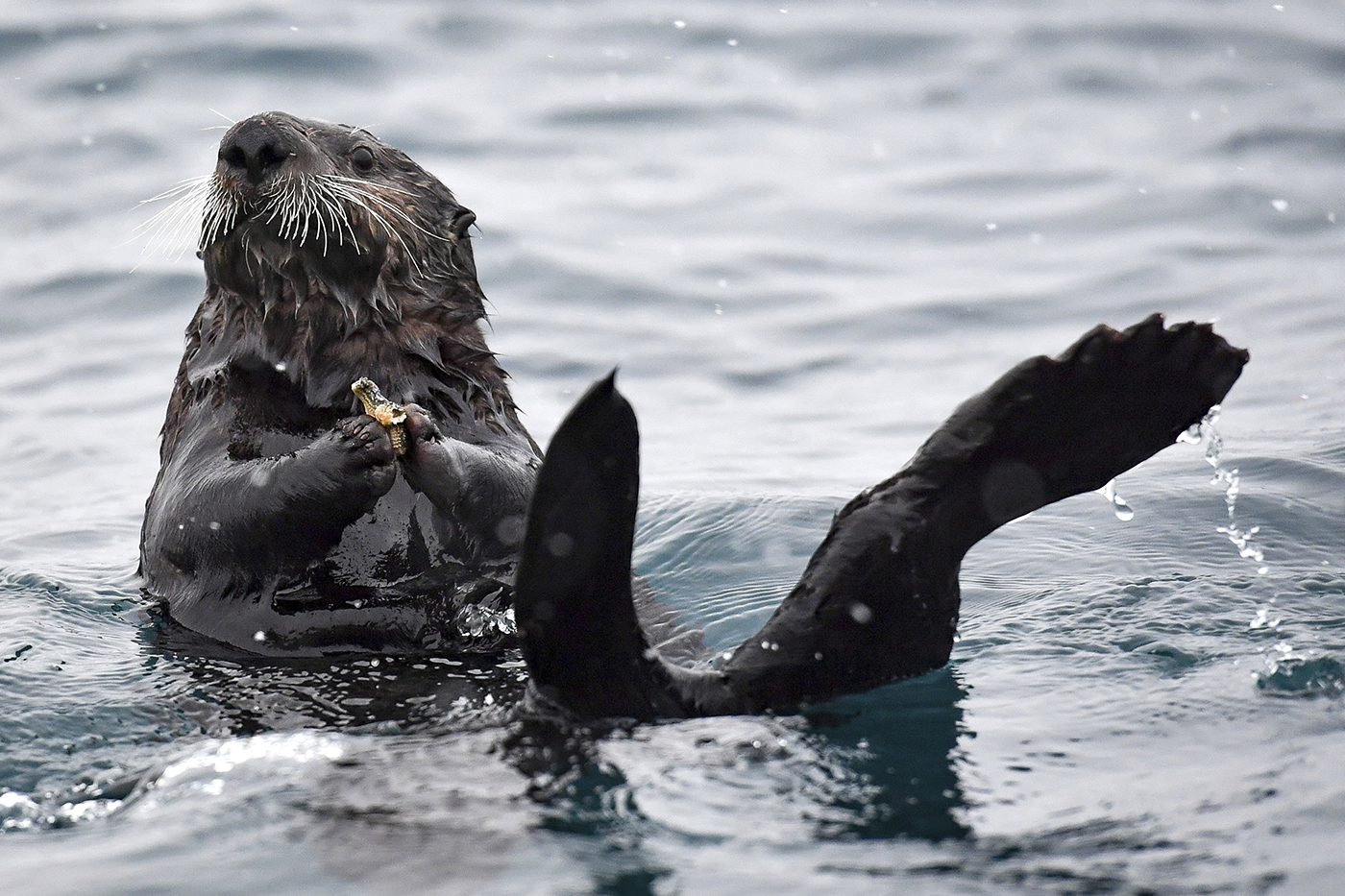
Sea otters are a lifeline for reefs in a changing ocean
With their round, furry faces and tendency to hold hands while they sleep, sea otters seem almost perfectly built to appeal to our sense of the adorable. But they also play a vital role in protecting their ecosystem from the effects of climate change. Sea otters are what scientists refer to as a keystone species—their...
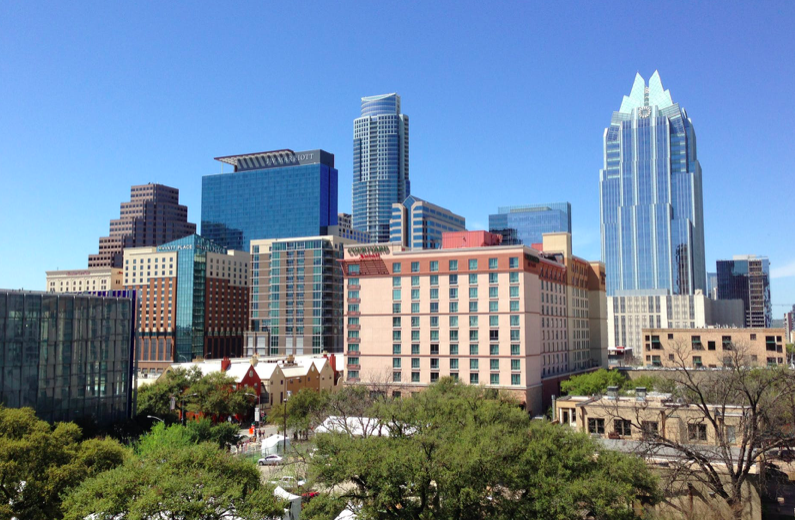
Alum Q&A: Katie Merry ’16
Katelyn “Katie” Merry works as a Community Planner for the US Air Force in Texas. Katie was an Environmental Studies Major, Class of 2016 What made you interested in studying Environmental Studies at Northeastern? “I started out at Northeastern as an undeclared major and then I took a class with Professor Faber on climate change,...
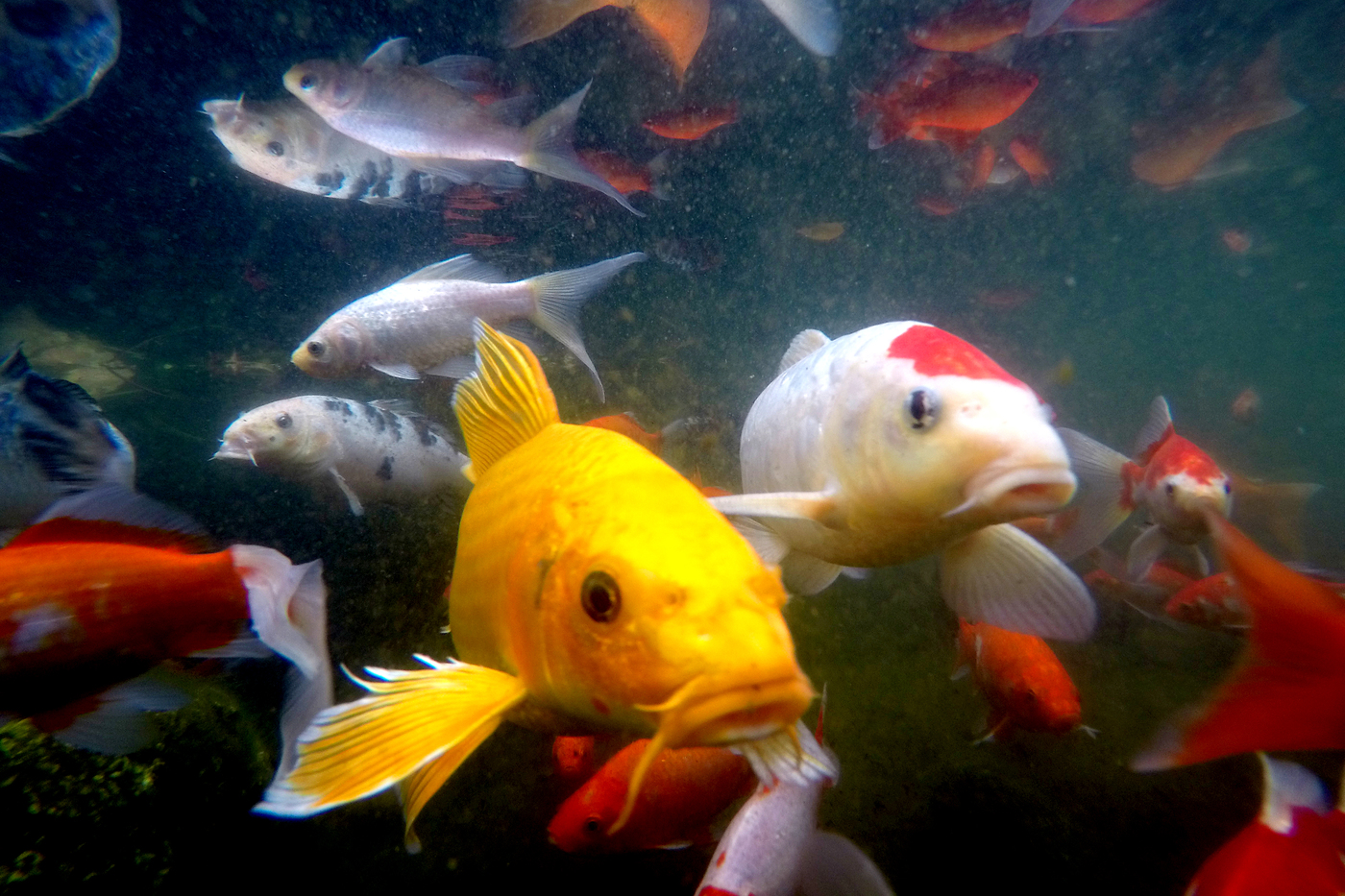
Don’t worry about the koi fish on campus this winter–they’re just chilling
Tucked into the heart of Northeastern’s Boston campus is a tiny oasis from the hustle and bustle of city life. A koi pond, located between the Curry Student Center and Robinson Hall, sparkles in the sun and gurgles as a small waterfall splashes into it. Vibrant, nearly fluorescent koi flash just under the surface. But...
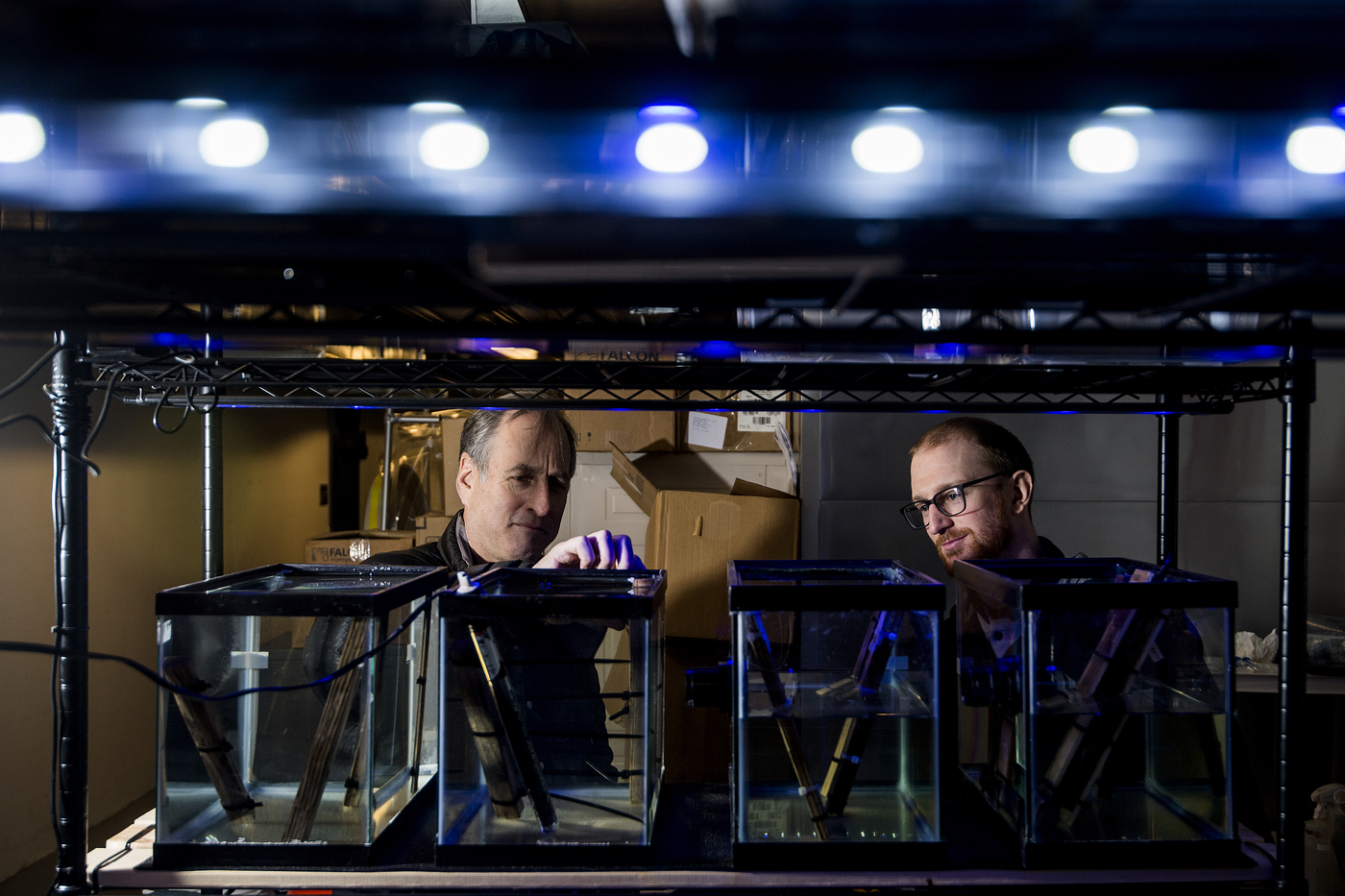
Researchers Observe the Bizarre Sexual Behavior of Shipworms for the First Time
New sexual behavior is observed for the first time in shipworms by Northeastern scientists.
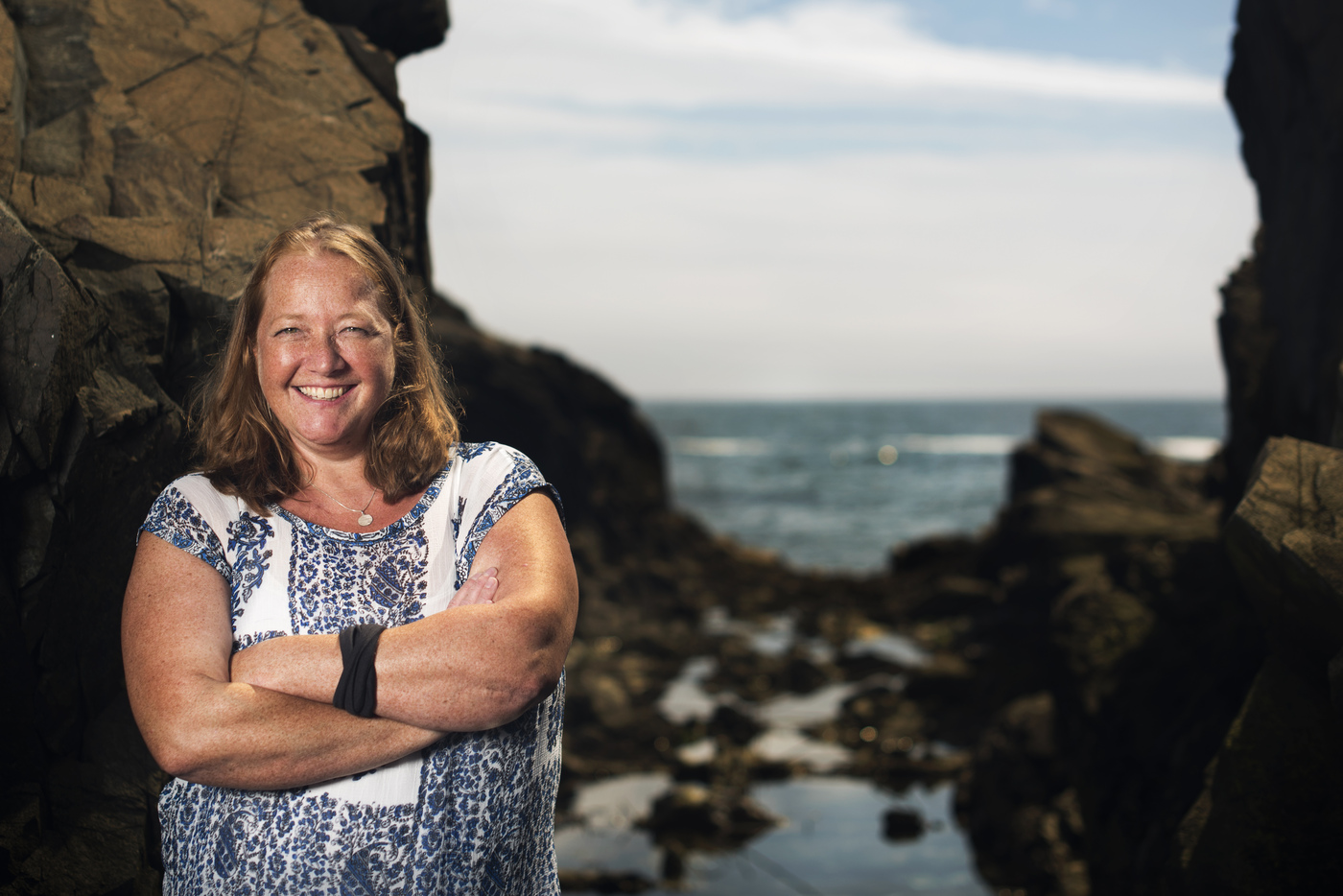
Understanding Nitrogen’s Impact on Coastal Zones
A new study led by Jennifer Bowen aims to understand the human impact of nitrogen in coastal zones.
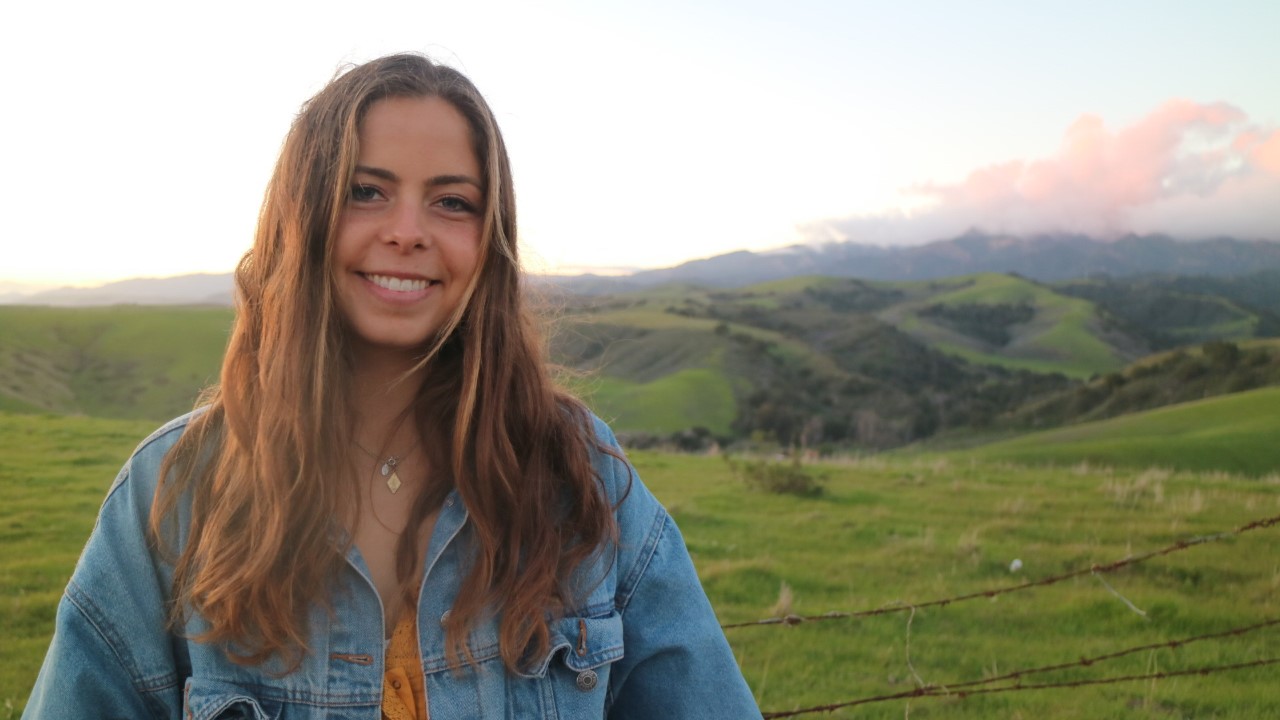
At the Intersection of Finance and Sustainability: Grad Co-op Profile
Northeastern graduate student Tori Yanco shares her recent co-op experience at Liberty Mutual's Sustainability, Strategy, & Planning department.
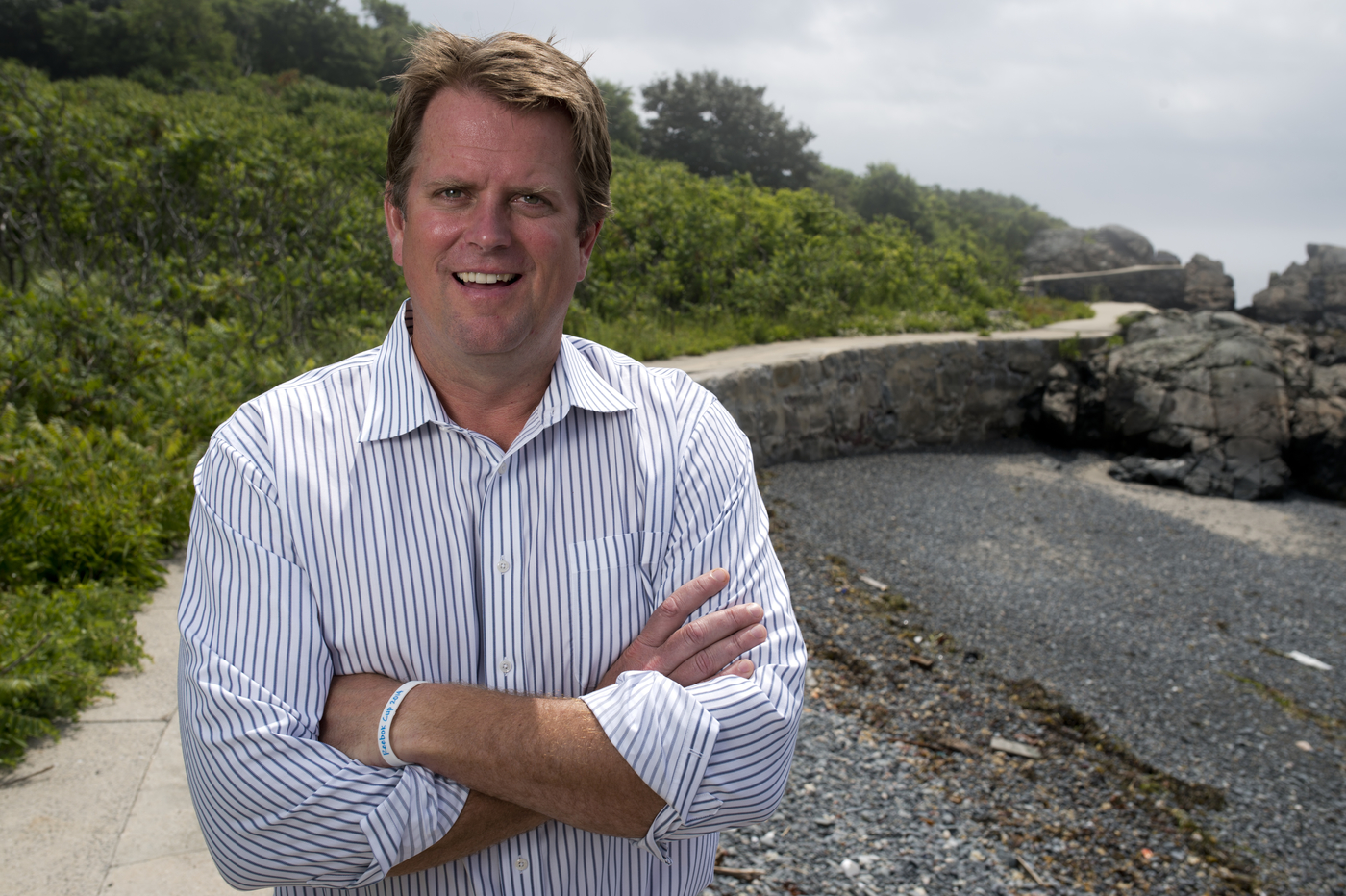
Geoffrey Trussell Honored as AAAS Fellow
Geoffrey Trussell is a director, chair, and professor at Northeastern who was recently named as a fellow to the American Association for the Advancement of Science.

Two Northeastern Leaders Receive Lifetime Fellowships for Exceptional Contributions to Their Fields
Geoffrey Trussell joins university president and COS colleagues in AAAS fellowship honor.