COS News
Research
“The basic premise is that AI can help us do better physics, and something that is less expected is that physics can also help us understand AI better,” said Northeastern professor James Halverson.
AI and physics have more in common than you might think.
News
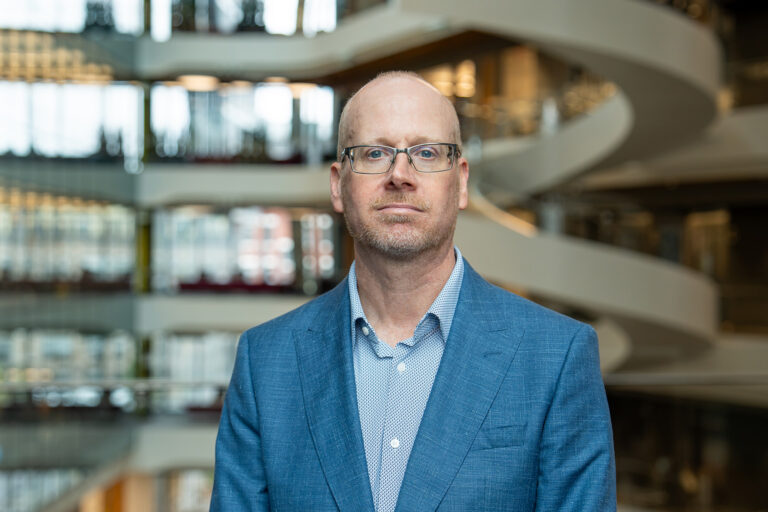
Mark Williams, Professor and Chair of the Department of Physics, will assume the role of Dean of the College of Science, effective July 1, 2026.
Mark C. Williams named Dean of the College of Science
Showing 250 results in Physics
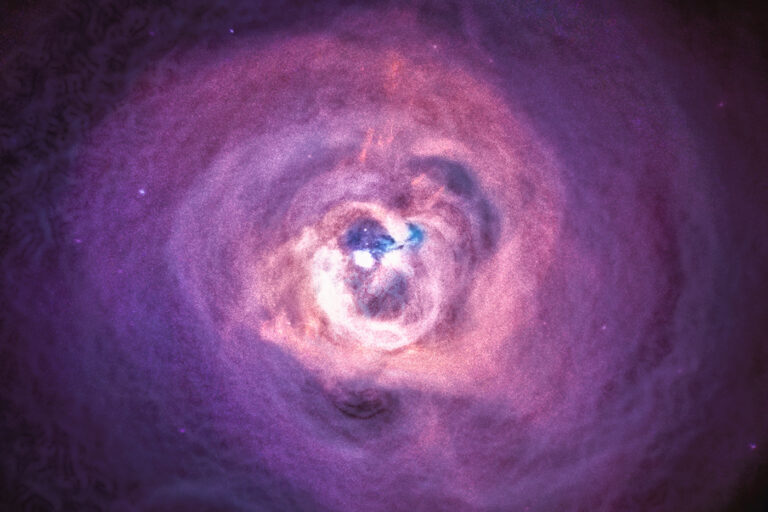
Why are people freaking out about the sound of a black hole?
A 34-second clip of the sound a black hole makes was released in May but picked up steam online this week. Northeastern assistant professor of physics Jonathan Blazek explains this fascinating viral video.
Researchers discover promising new catalysts for hydrogen fuel cells
Northeastern professors Sanjeev Mukerjee and Arun Bansil discuss their breakthrough research on catalysts for hydrogen fuel cells.

Has your food been chemically altered? New database of 50,000 products provides answers.
Northeastern researchers have discovered a way to outline the components of any given food, cluing us in to what our food is really made of—and what it took to get to your plate.
Advancing Women in Science 2022 Scholars
Congratulations to the five undergraduate students who have been named 2022 Advancing Women in Science Scholars!
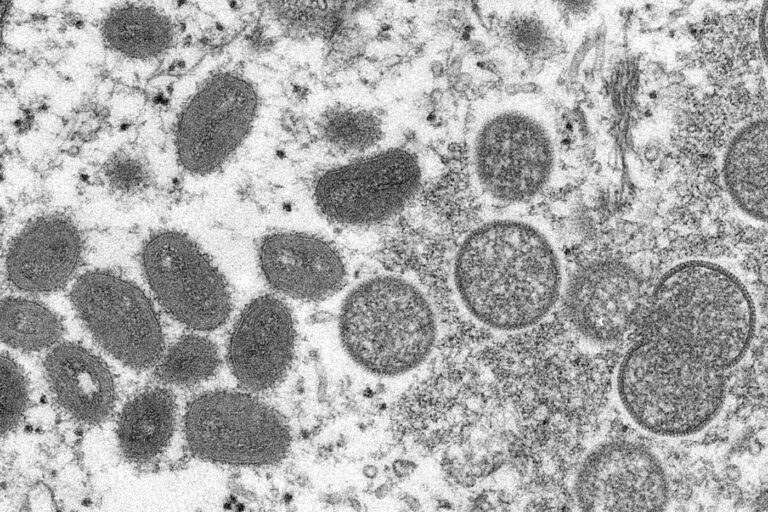
Experts weigh-in: is Monkeypox the next COVID-19? Here’s what we know.
Cases of monkeypox, a rare viral disease, are being investigated in a growing number of countries, including the United States.
Researchers discover new “unexpected” phenomenon in quantum physics of materials
Researchers at Northeastern have discovered a new quantum phenomenon in a specific class of materials, called antiferromagnetic insulators, that could yield new ways of powering “spintronic” and other technological devices of the future.
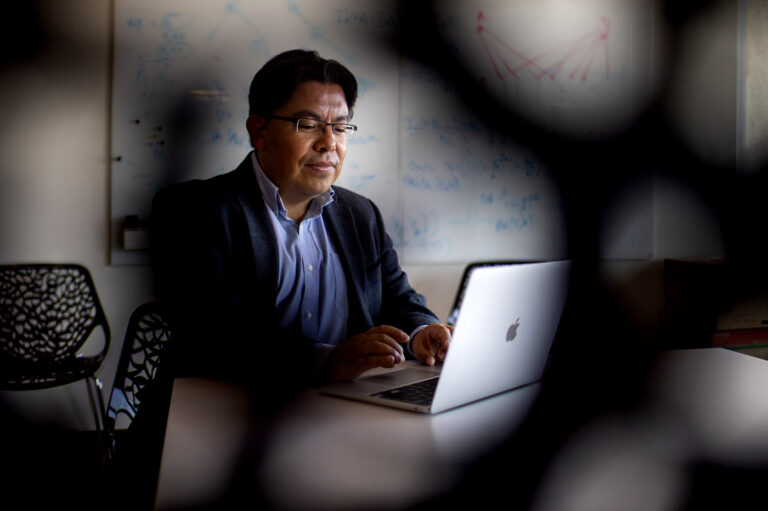
Your Google searches and tweets might help forecast the next disease outbreak
People leave a trail of breadcrumbs when they navigate the digital world, offering clues about what is happening in their lives—including their health. Northeastern’s Mauricio Santillana is using machine learning algorithms to turn those clues into an early warning system for disease outbreaks.
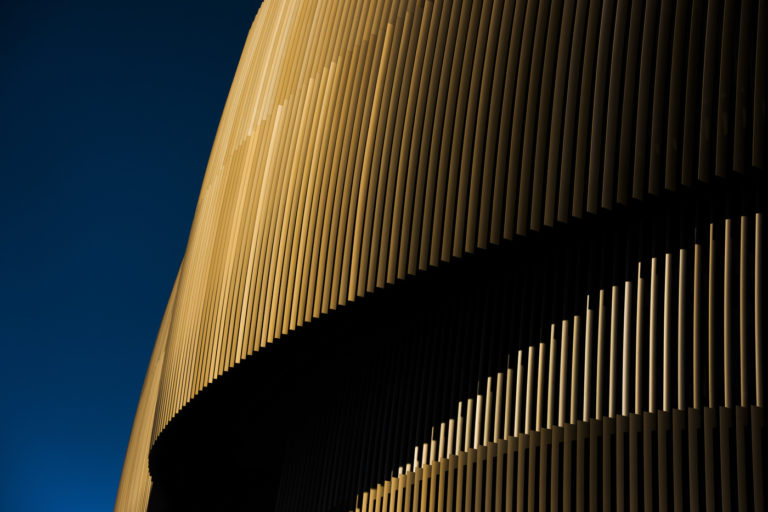
Celebrating our COS 2023 TIER1 Awardees
11 are faculty members of the College of Science are 2023 TIER1 Awardees. The TIER 1 Seed Grant/Proof of Concept Program awards are supported by the colleges and the Senior Vice Provost for Research.
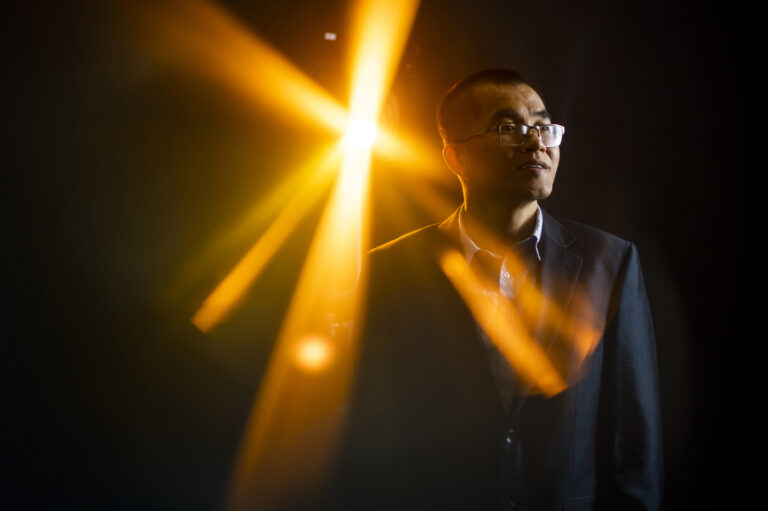
His out-of-this-world discovery: signals from billions of light years away
Dacheng Lin, a Northeastern research associate professor of physics, has identified a new class of high-energy signals that were created billions of light years from Earth.
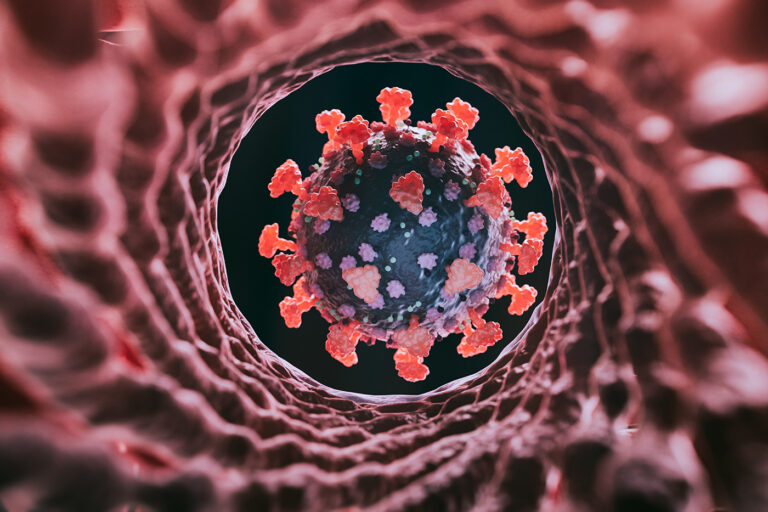
How worried should you be about BA.2?
Alessandro Vespignani and Jared Auclair discuss what the new COVID-19 variant implies for our future.
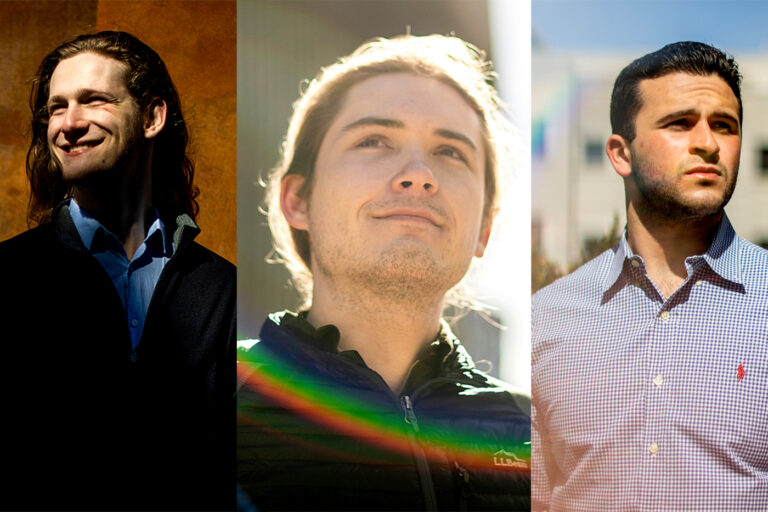
Three Northeastern students awarded Goldwater Scholarships
B. Parazin, BS in Physics, recently received the Barry Goldwater Scholarship, one of the nation’s most prestigious, merit-based awards for undergraduate students who plan to pursue research careers in natural sciences, engineering, and mathematics.

Breakthrough in quantum sensing provides new material to make ‘qubits’
In recent research physics professor Arun Bansil has been tackling the topic of quantum bits in recent research, something that may be the key to "unleashing the potential of the quantum revolution."