COS News
News

A new report from a group of Northeastern researchers explores across disciplines how biotech can ensure safe, sustainable life beyond Earth.
The key to international space cooperation is developments in biotechnology, Northeastern researchers say
News

The NeuroPRISM lab, led by assistant psychology professor Stephanie Noble, makes tools that pave the way for reliable and reproducible neuroimaging of the brain.
Precise maps of the brain’s deepest corners are made possible through tools developed by these Northeastern researchers
Showing 213 results in Marine and Environmental Sciences
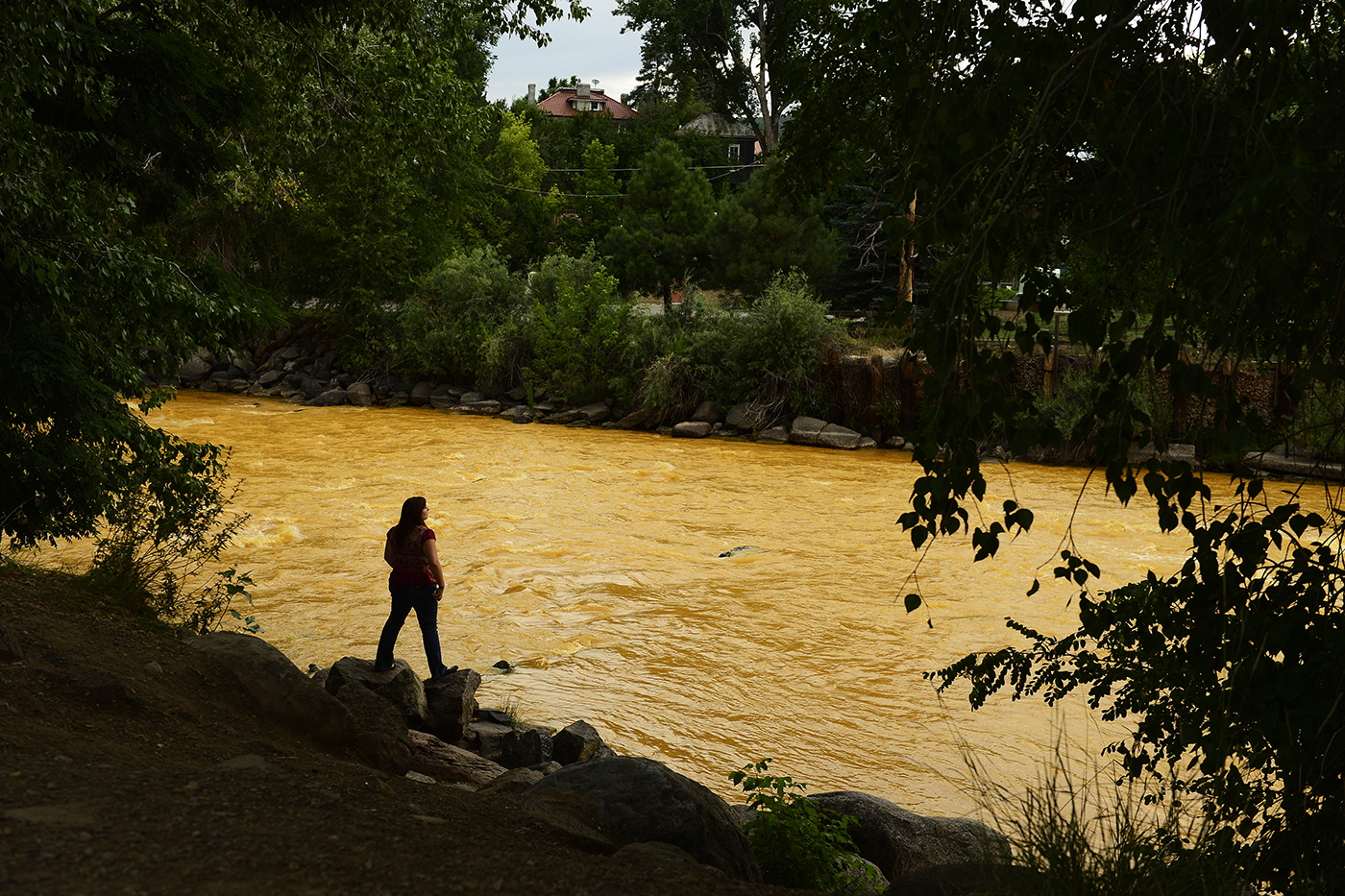
Are we part of nature, or separate from it? How you answer matters.
Recent research by John Coley reveals that decreasing the psychological distance between a person and the environment increases their likeliness to want to take care of it.
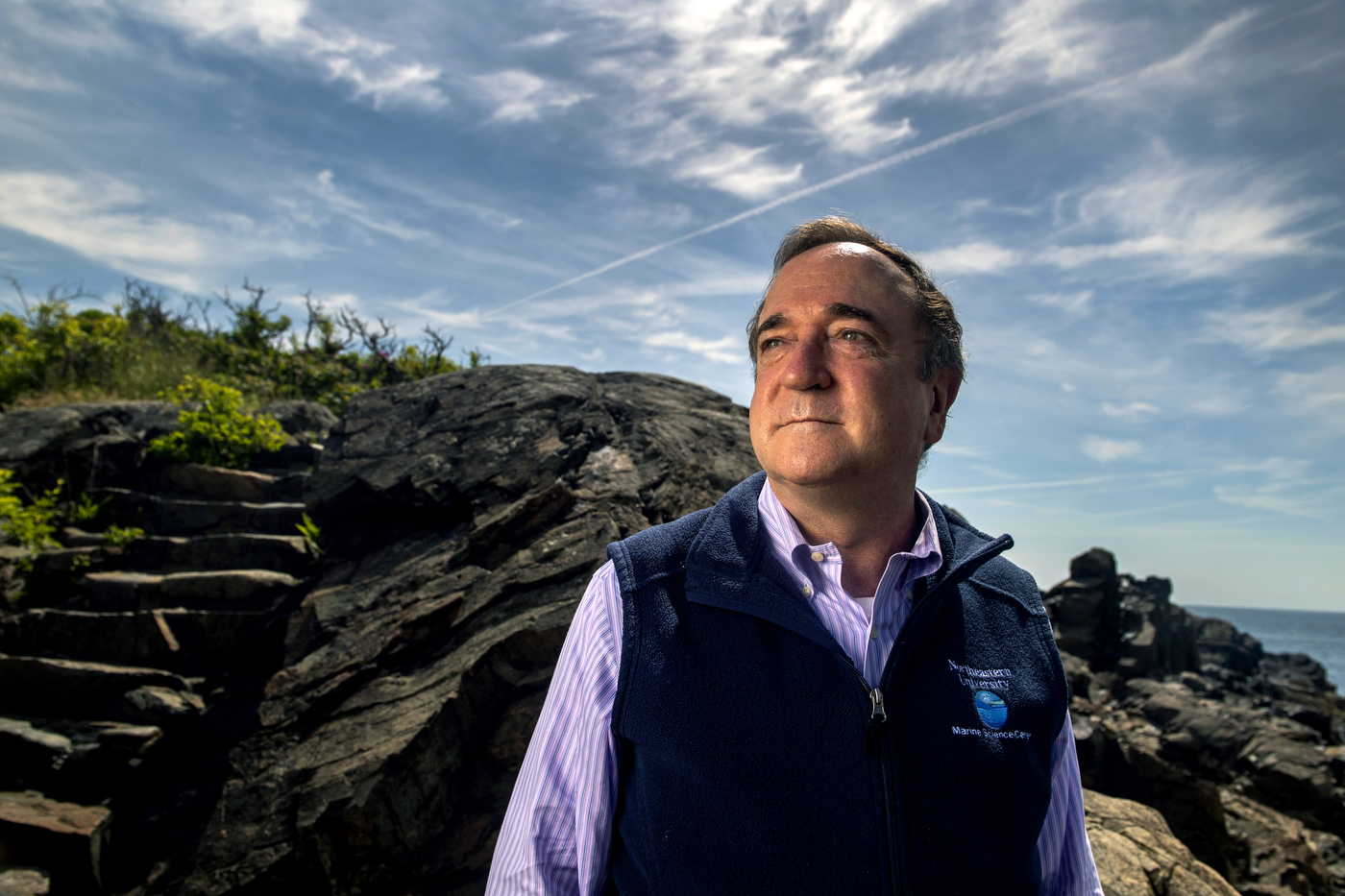
Legacy of retired H. William Detrich is rising with the Antarctic Tide
H. William Detrich, the world-renowned professor of marine and environmental sciences, launched Northeastern's co-op program in Antarctica.
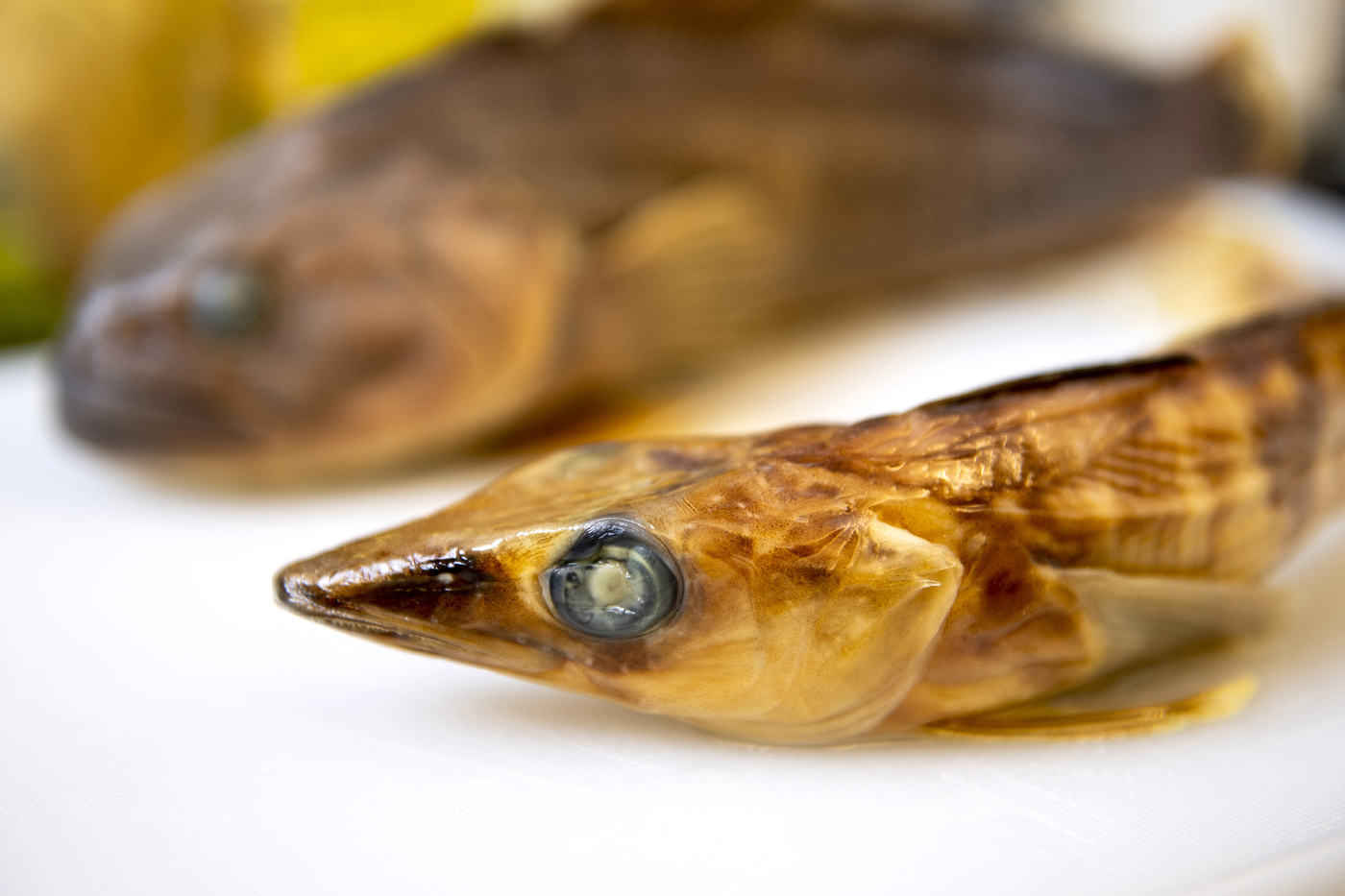
What happens to decades of deep-sea specimens when a scientist retires? They might not end up in the trash–anymore.
Over the course of their careers, scientists can amass a lot of valuable specimens. But when they retire, where does their collection go?
Clara Winguth’s Environmental Science Experience
Clara Winguth, a third-year environmental science major, shares her educational experience from her time in the College of Science. She will be taking over our Instagram on Tuesday, March 22.
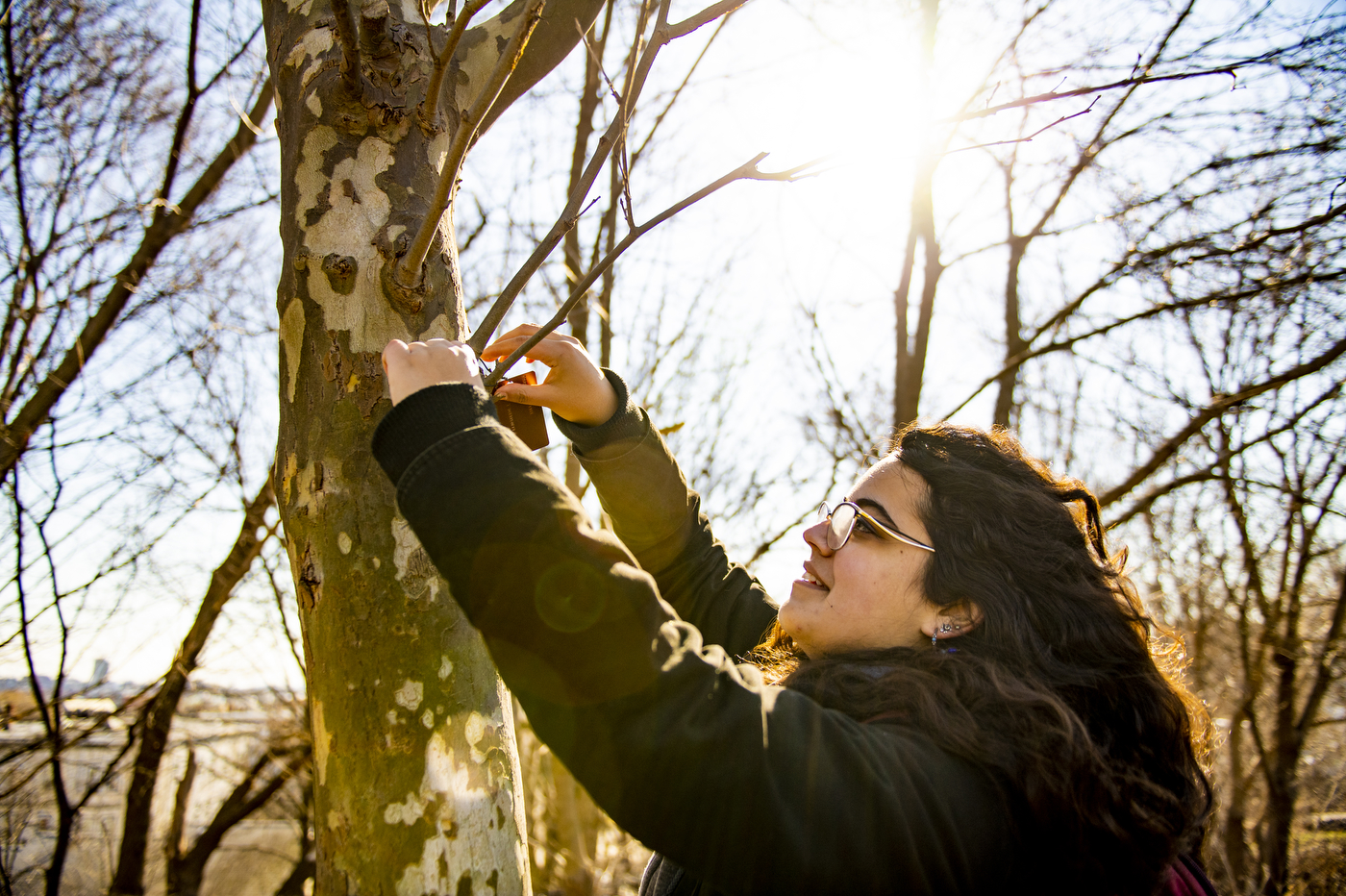
How do you turn a community park into an arboretum? Ask these Northeastern students.
Indira Holdsworth, an ecology and evolutionary biology major, co-ops alongside fellow students to turn Mission Hill's Kevin W. Fitzgerald park into an arboretum.
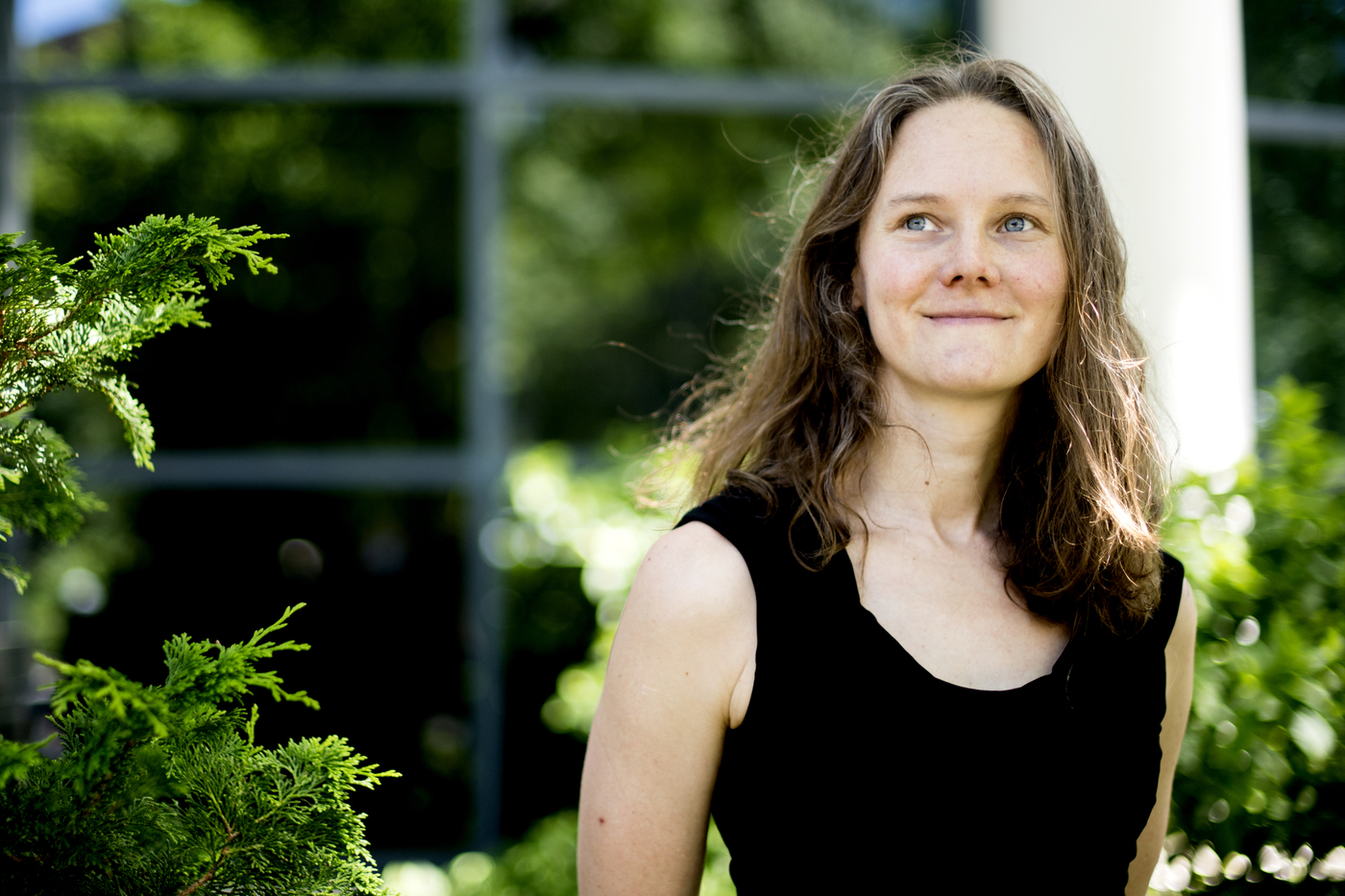
What’s in our water? Amy Mueller is finding new tools to answer that question.
Amy Mueller, Assistant Professor in Marine and Environmental Sciences and Civil and Environmental Engineering, has been awarded a $50,000 seed grant to investigate a new, ultra-low-cost method of monitoring urban water systems
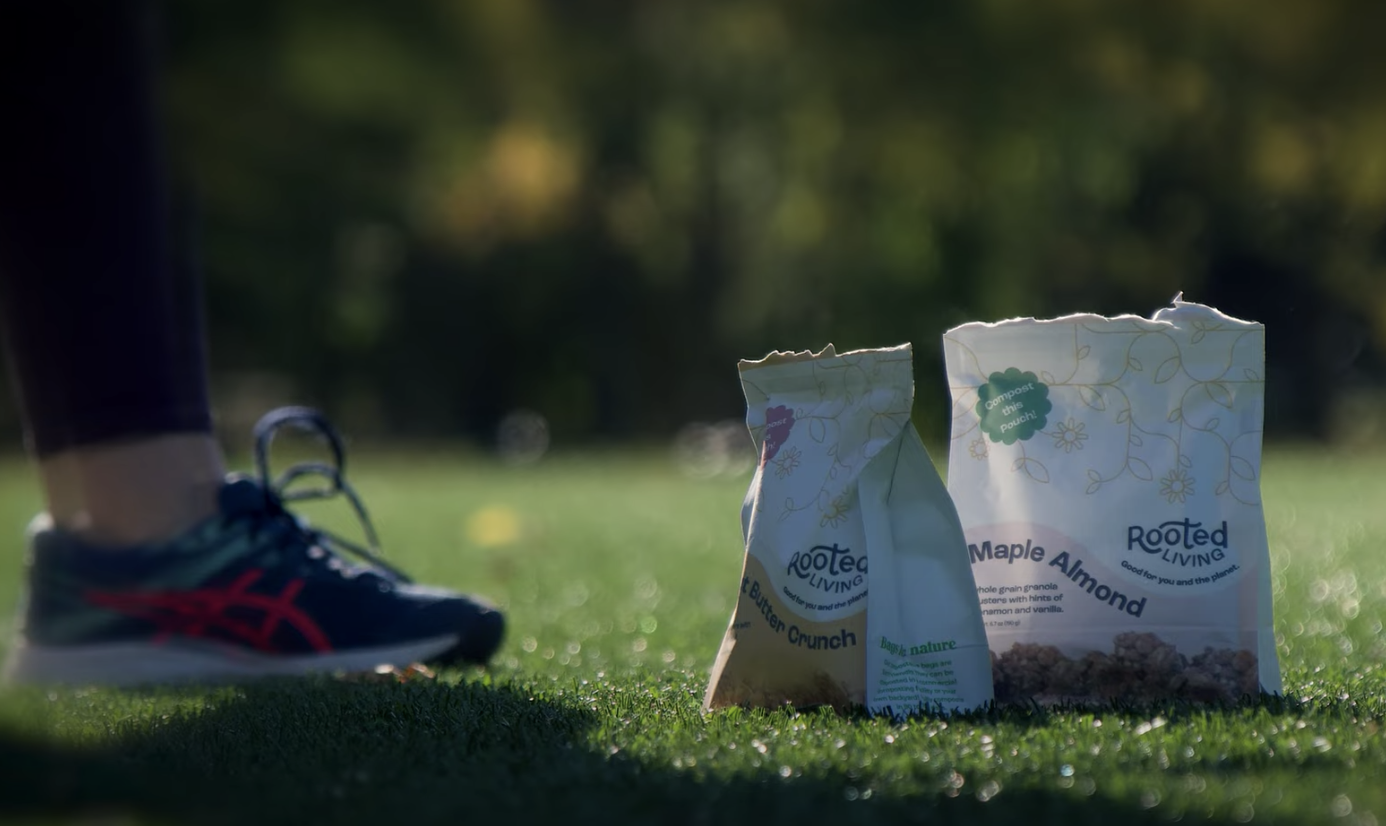
Building an eco-friendly snack company from the ground up
Rachel Domb, '24, is the founder of Rooted Living, a plant-based snack company with compostable packaging. She walks us through how she was able to build this eco-friendly company and run it out of her apartment.
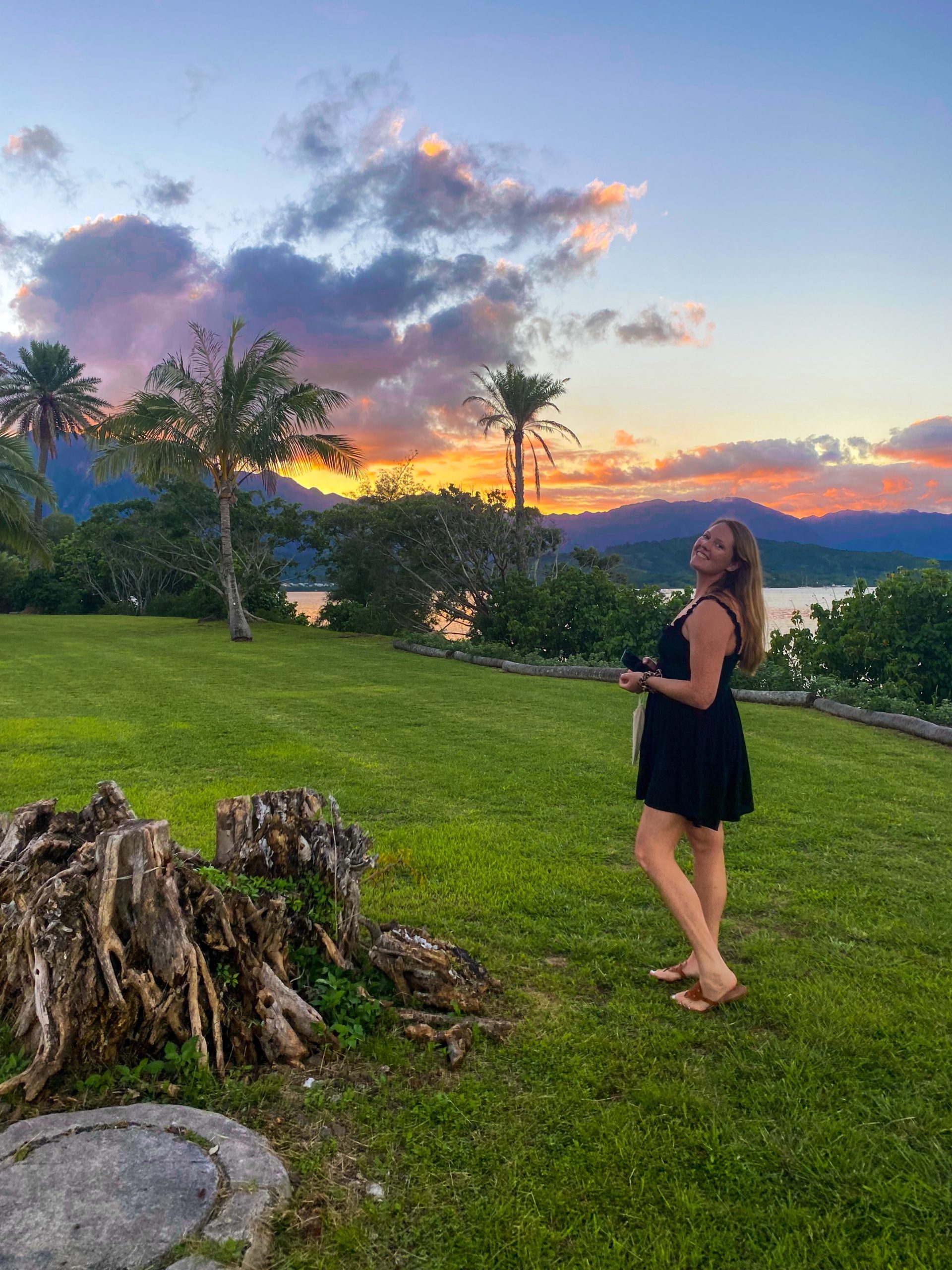
A day in the Three Seas Program with Loren Ayres
Loren Ayres will be taking over our Instagram account on Wednesday, March 2, to share her experience in the College of Science Three Seas Program. Follow along for an inside look at her time in Hawaii!
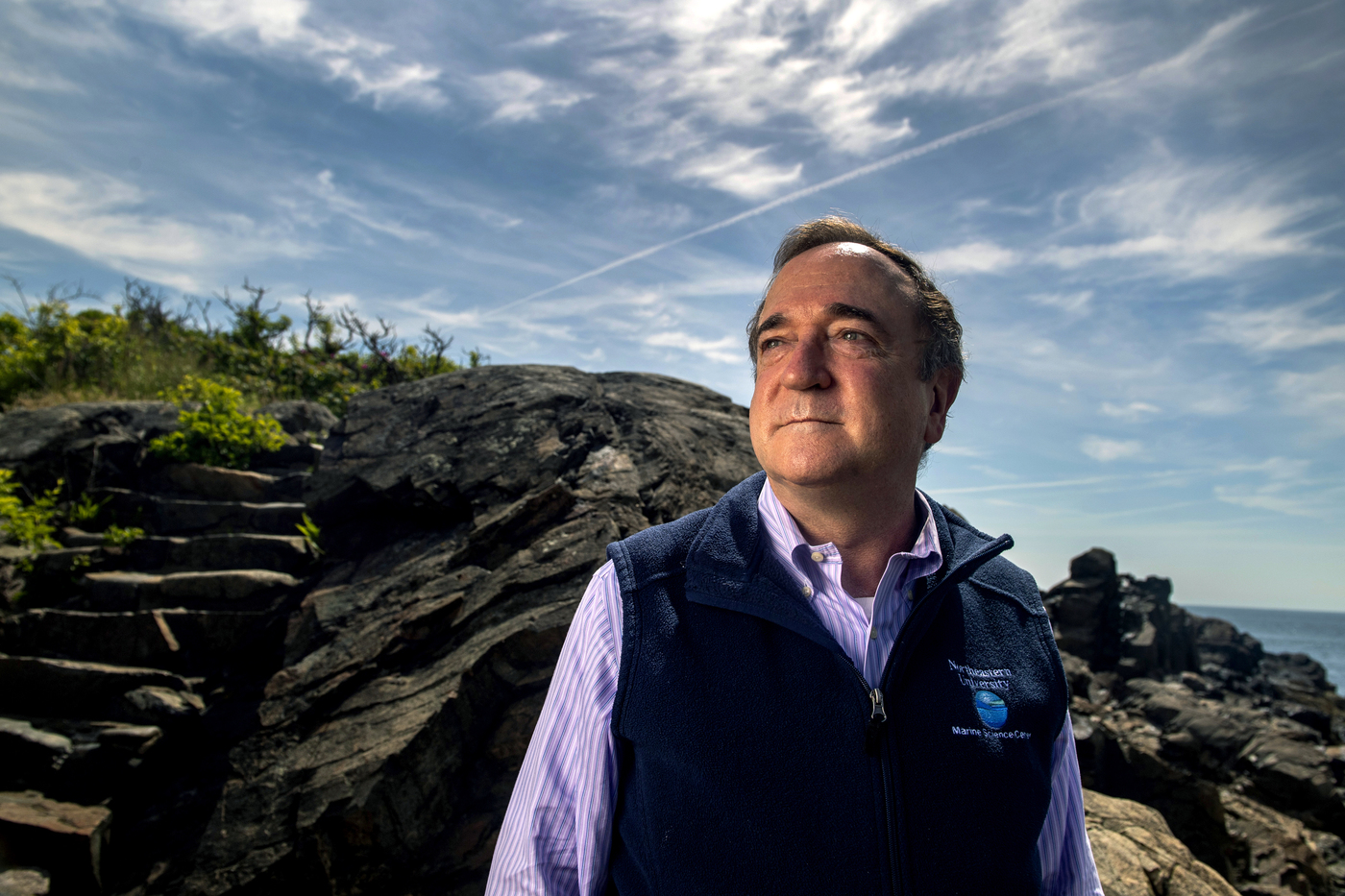
Announcing the Retirement of Professor Bill Detrich
Dr. H. William Detrich III, Professor in Marine and Environmental Sciences, has retired after a distinguished 34-year career at Northeastern.
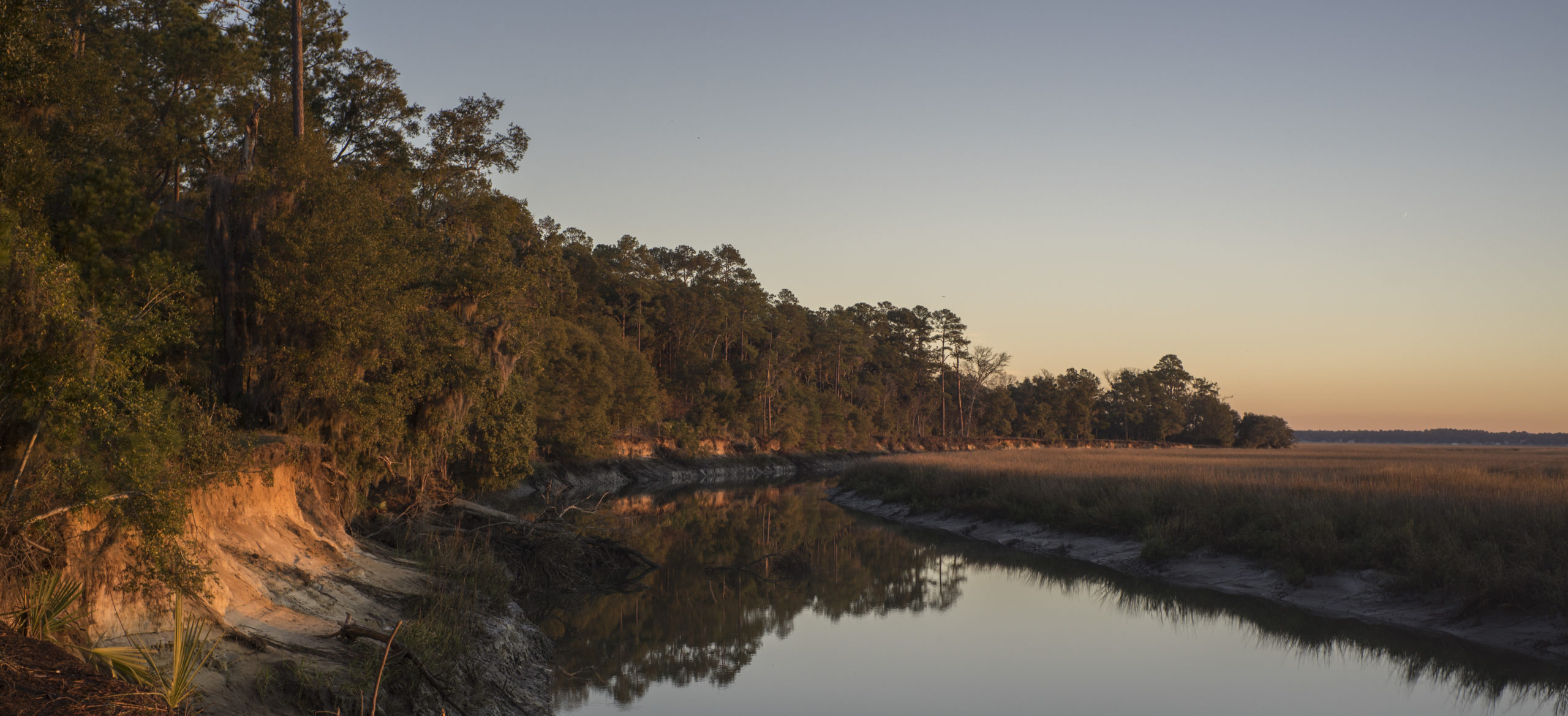
Following the trail of blue carbon in a Georgia salt marsh
Examining the rate of dissolved organic carbon outwelling in a salt marsh – the amount and speed carbon is moving out of the system – is important for understanding the extent and impact this outwelling has on broader coastal carbon cycles. A recent paper by Christina Codden and Aron Stubbins of Northeastern’s Stubbins Lab tackles this question, looking at this carbon outwelling patterns at Groves Creek in Georgia.
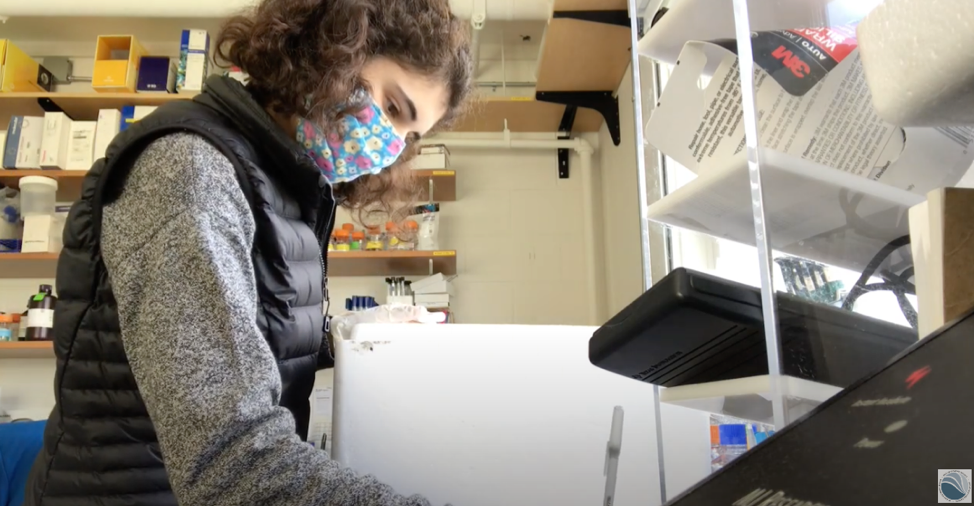
Co-op Close-up: Giving Antarctic Research Samples New Life
In a recent video by Nicole Kutenplon, the Ocean Genome Legacy Center co-op introduces us to her work as a Collections Assistant. Nicole, a 4th year Environmental Science student at Northeastern, utilized her experience as a curatorial assistant at a geological museum to accession over 1500 tissue samples from more than 30 species of Antarctic fish that are a part of Dr. William Detrich’s collection.
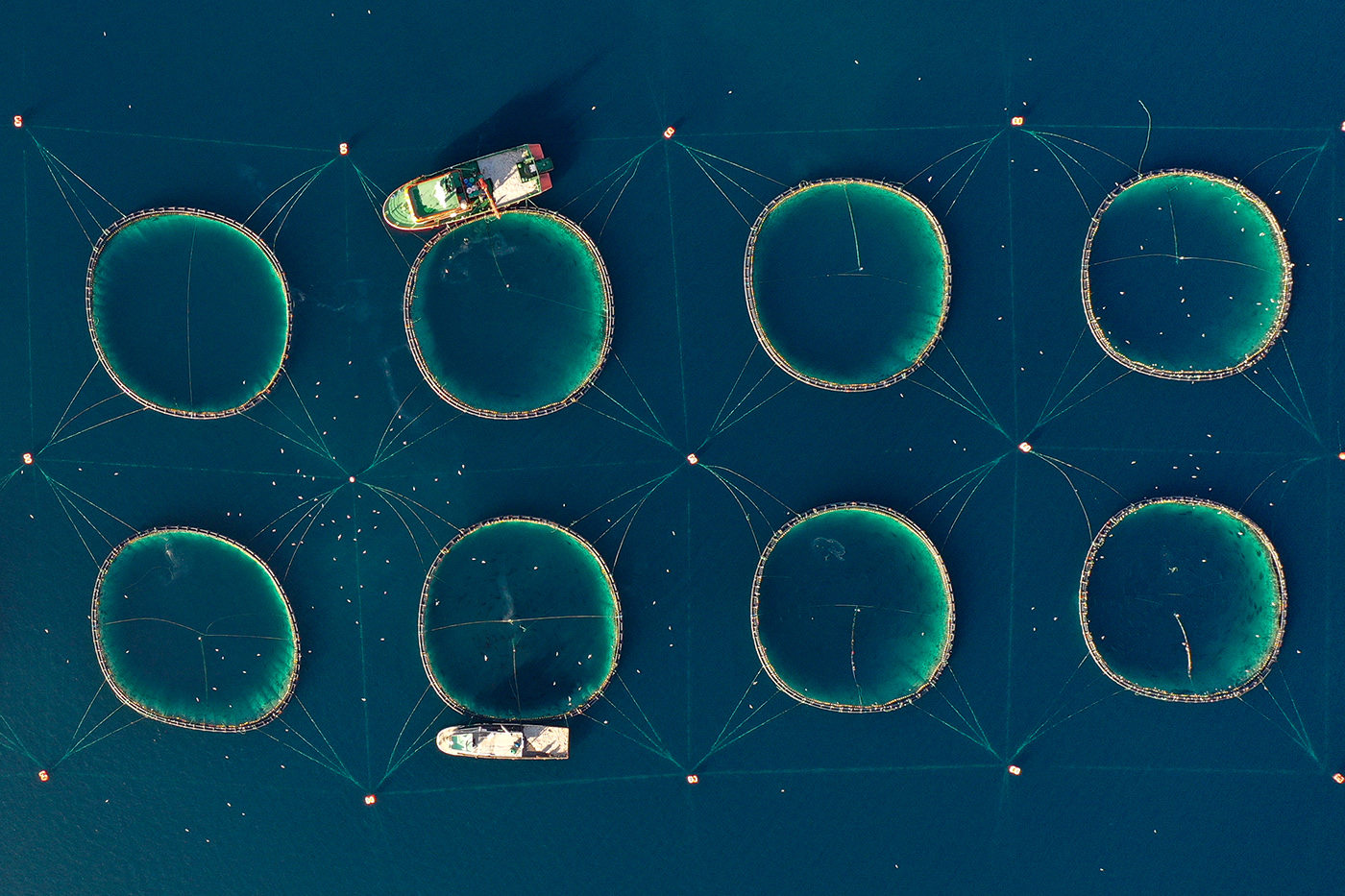
What COVID-19 can teach fish farmers
While most people are focused on the COVID-19 pandemic and the scope of its damage, one study on fish farms finds that the most harmful pandemic upon us is climate change.