COS News
Research
“The basic premise is that AI can help us do better physics, and something that is less expected is that physics can also help us understand AI better,” said Northeastern professor James Halverson.
AI and physics have more in common than you might think.
News
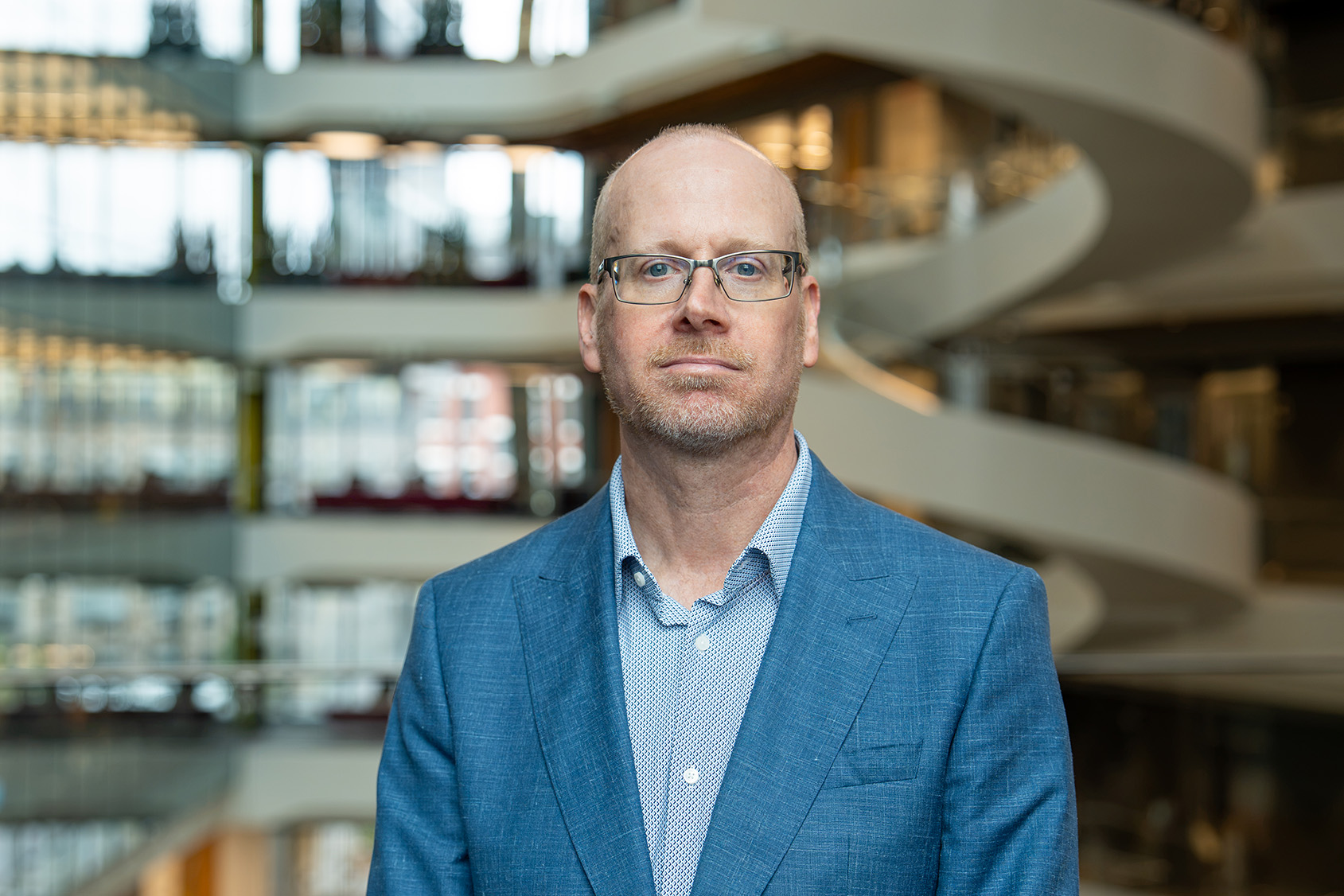
Mark Williams, Professor and Chair of the Department of Physics, will assume the role of Dean of the College of Science, effective July 1, 2026.
Mark C. Williams named Dean of the College of Science
Showing all results
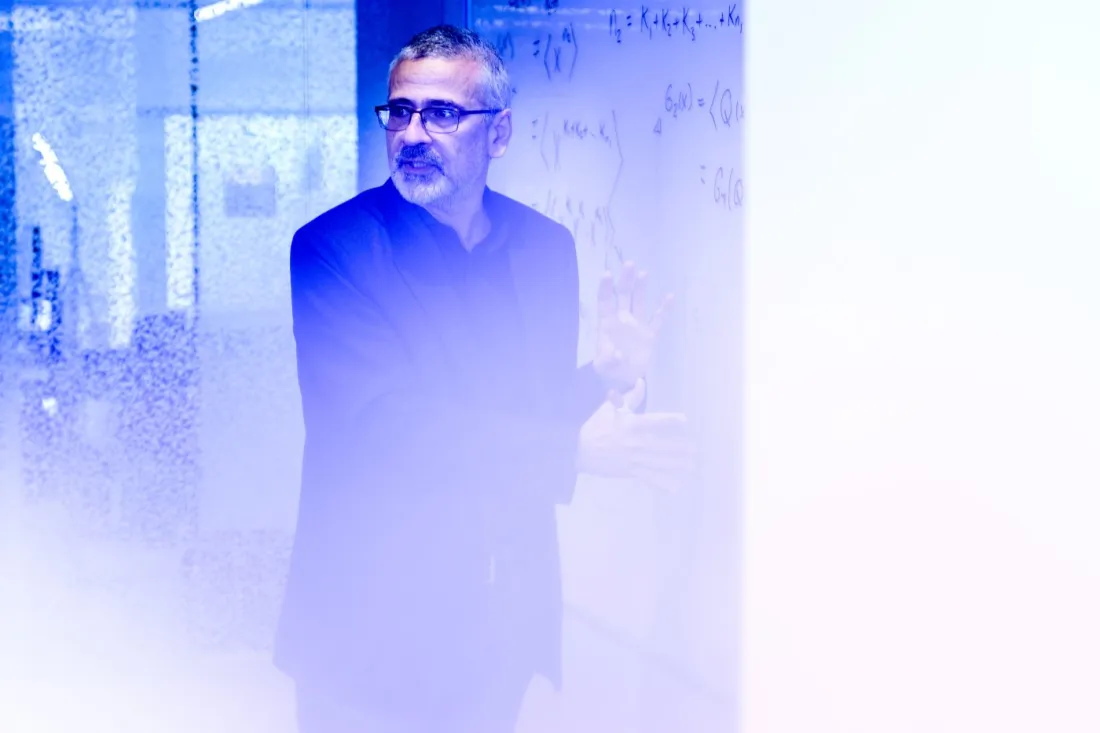
European Physical Society honors professor’s groundbreaking contributions to the physics of complex networks
Northeastern professor Alessandro Vespignani earns the European Physical Society’s top award for helping to lay the foundation for physics models of contagion.
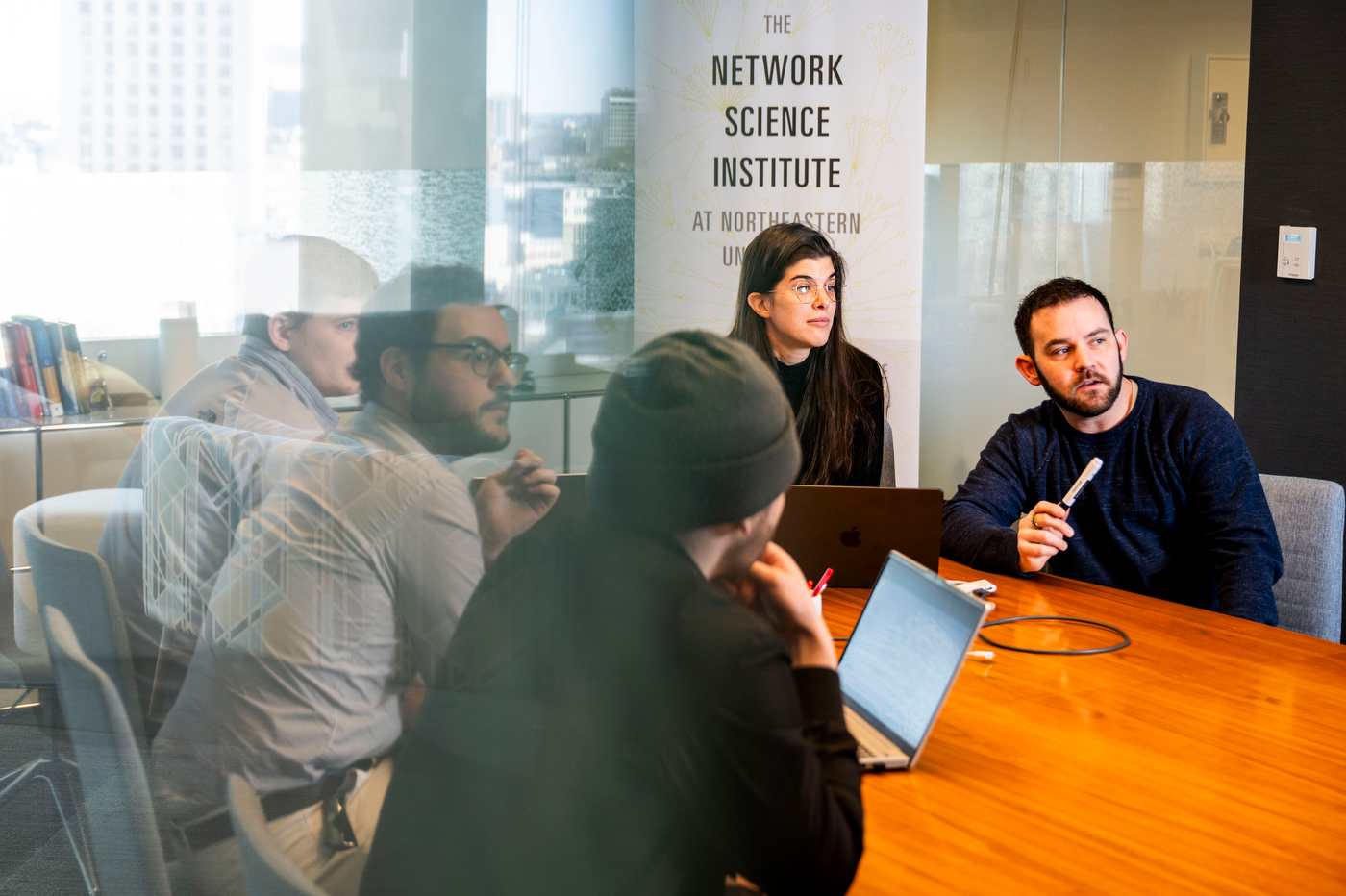
In treating soccer like a language, these researchers can predict the next word
Brennan Klein, with the NetSI Sport research group, uses network science to treat sports and games like conversations.
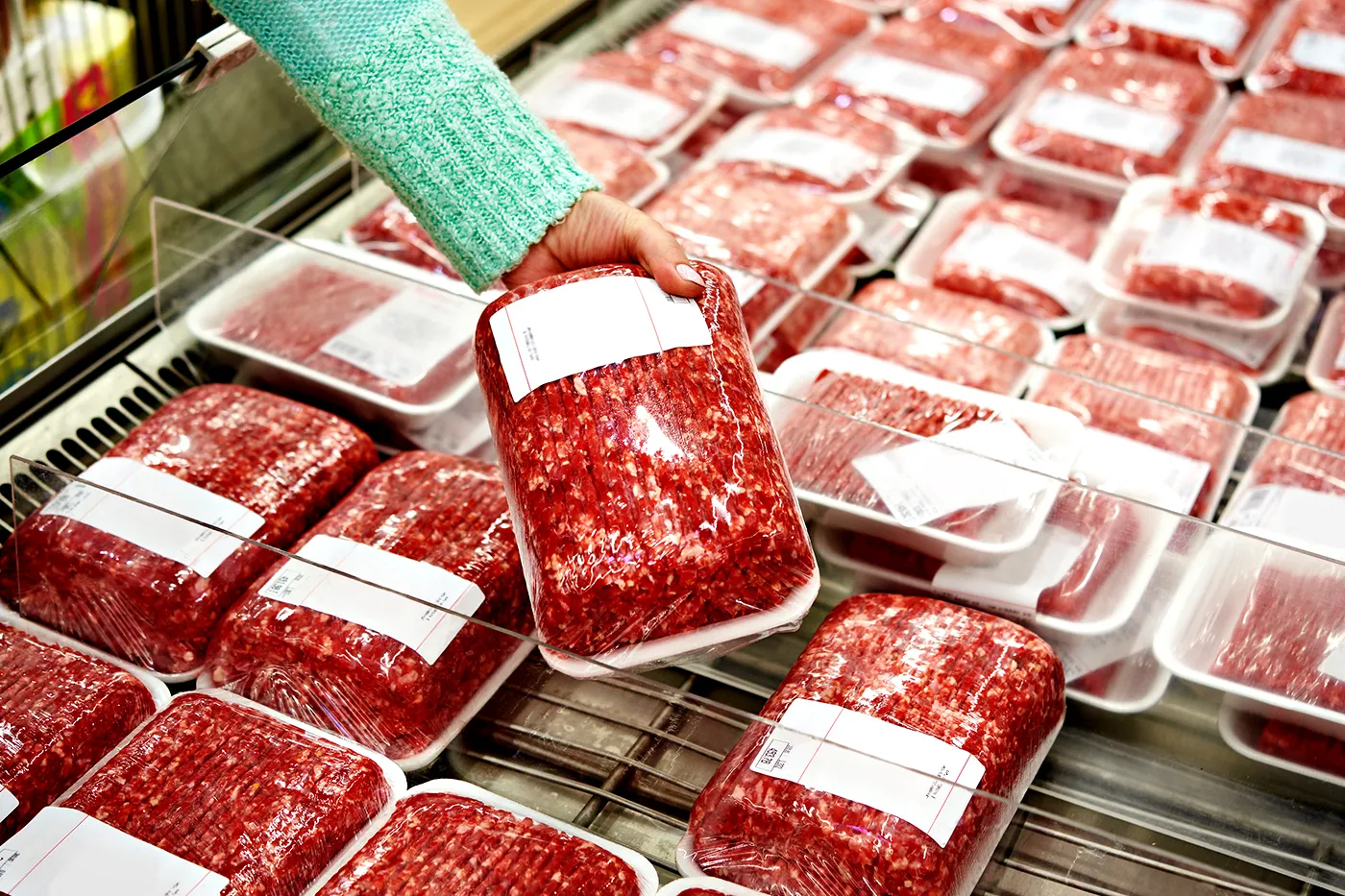
The FDA unveils a new food pyramid that promotes red meat and protein
The new guidelines emphasize healthy fats and proteins while advising limits on saturated fats, plant biochemist and professor Jing-Ke Weng notes.

The rubber in artificial turf decays into a potentially dangerous chemical cocktail, new research shows
New research by Zhenyu Tian, an assistant professor of chemistry and chemical biology, examines the complex and potentially dangerous miasma of chemicals released by crumb rubber, a fill material used in many artificial turf fields.
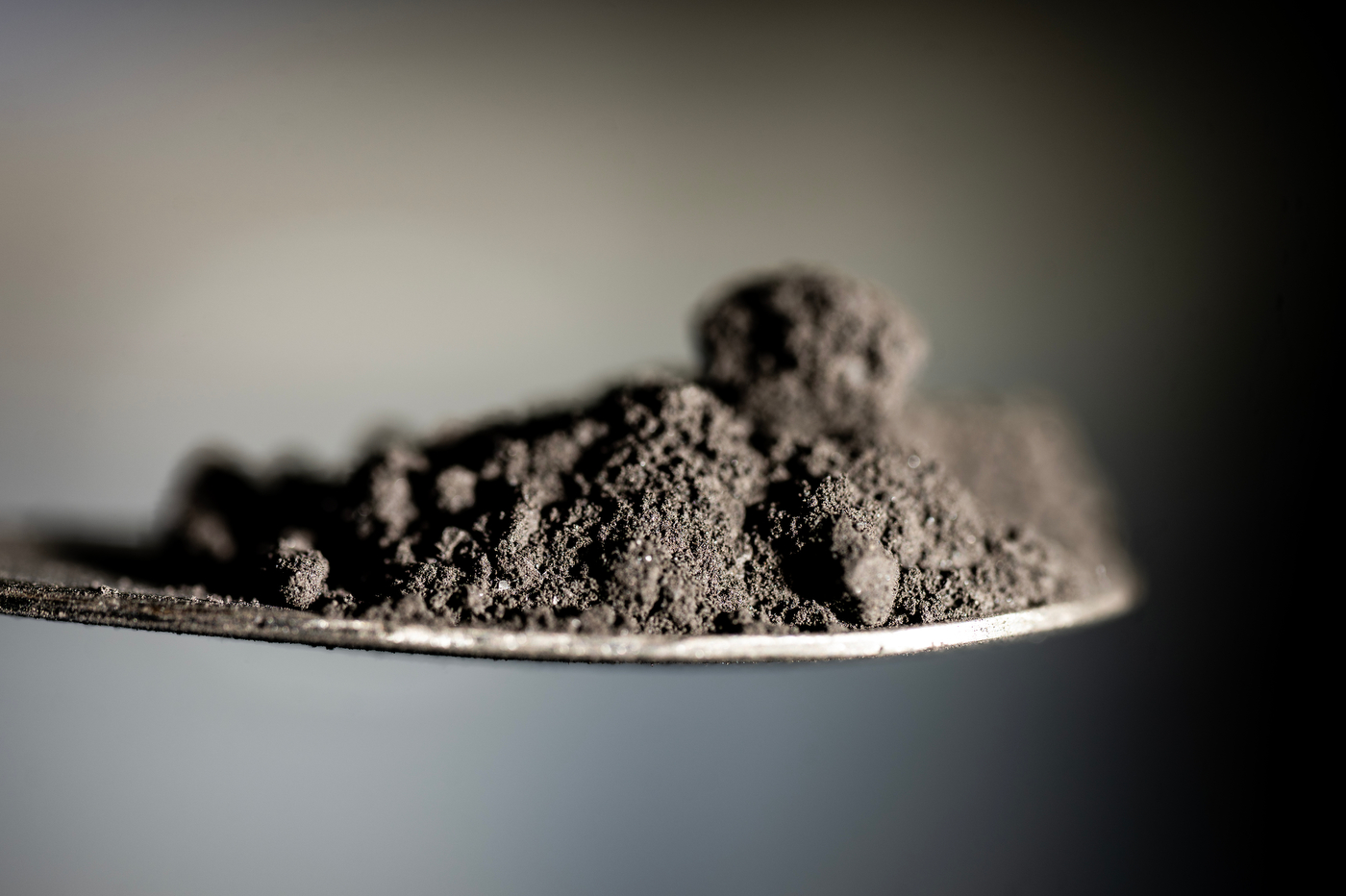
Rare earth element extraction can be doubled with this new technique
New research led by Damilola Daramola has identified a method of extracting rare earth elements from mining waste that is two to three times more efficient than previous approaches.
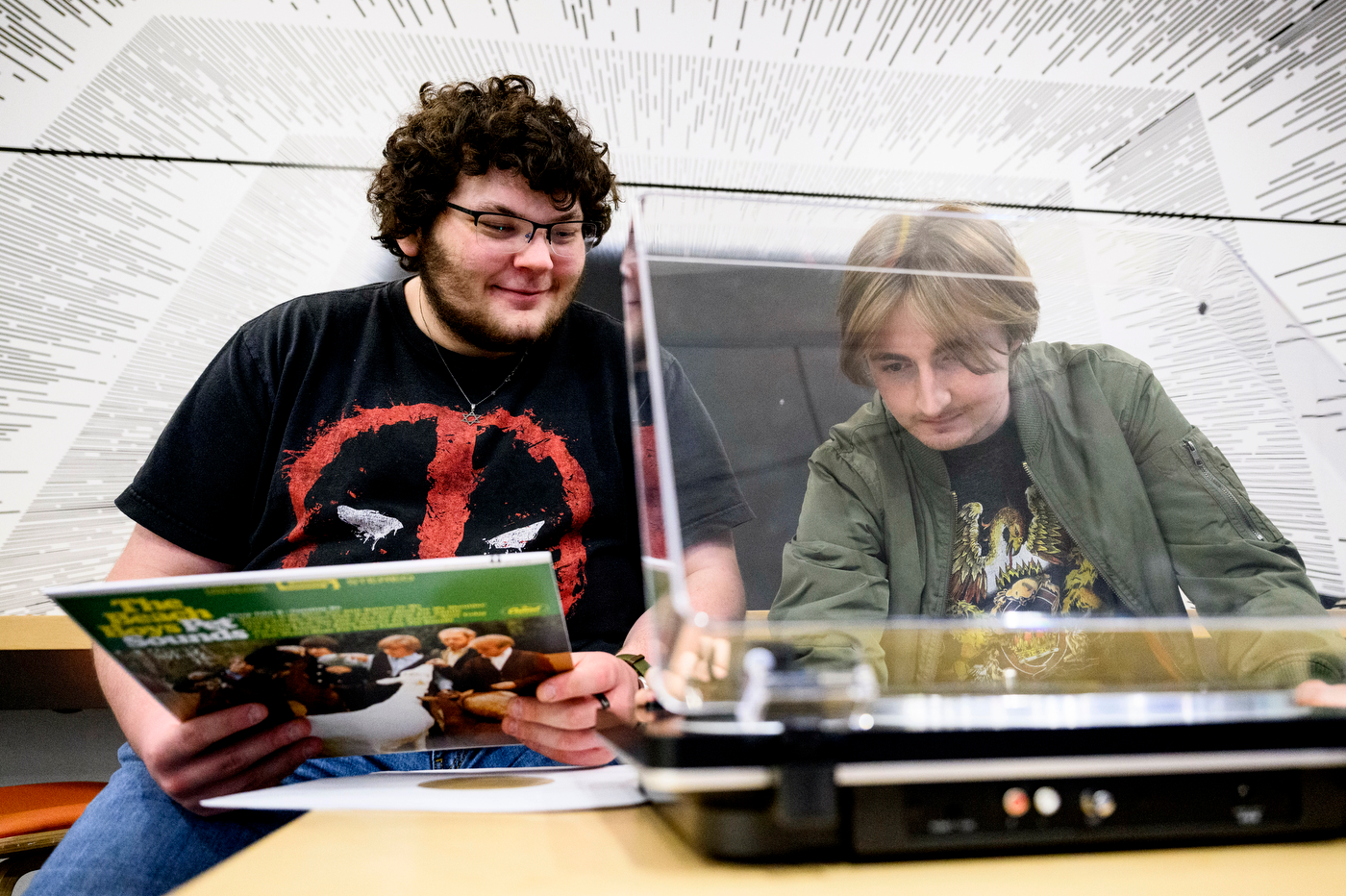
Why we remain attached to the music of our youth
Juliet Davidow, assistant psychology professor, argues that the social rewards when listening and experiencing music in our younger days helps ‘encode’ it onto our memories.
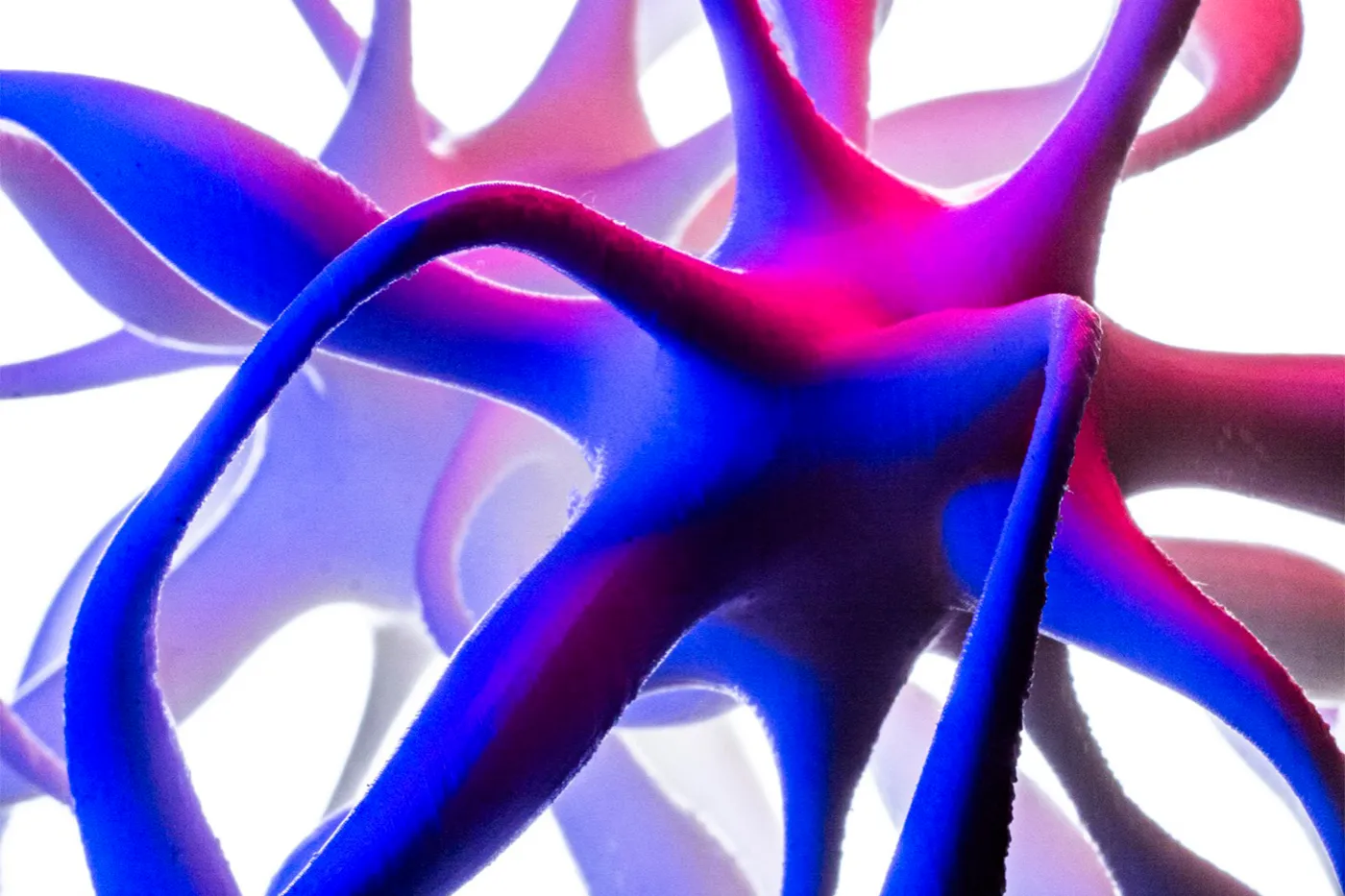
How string theory helped solve a mystery of the brain’s architecture
Scientists long thought neurons minimized connection lengths, but neuronal maps told a different story. New research by Albert László Barabási uses string theory mathematics to explain why.
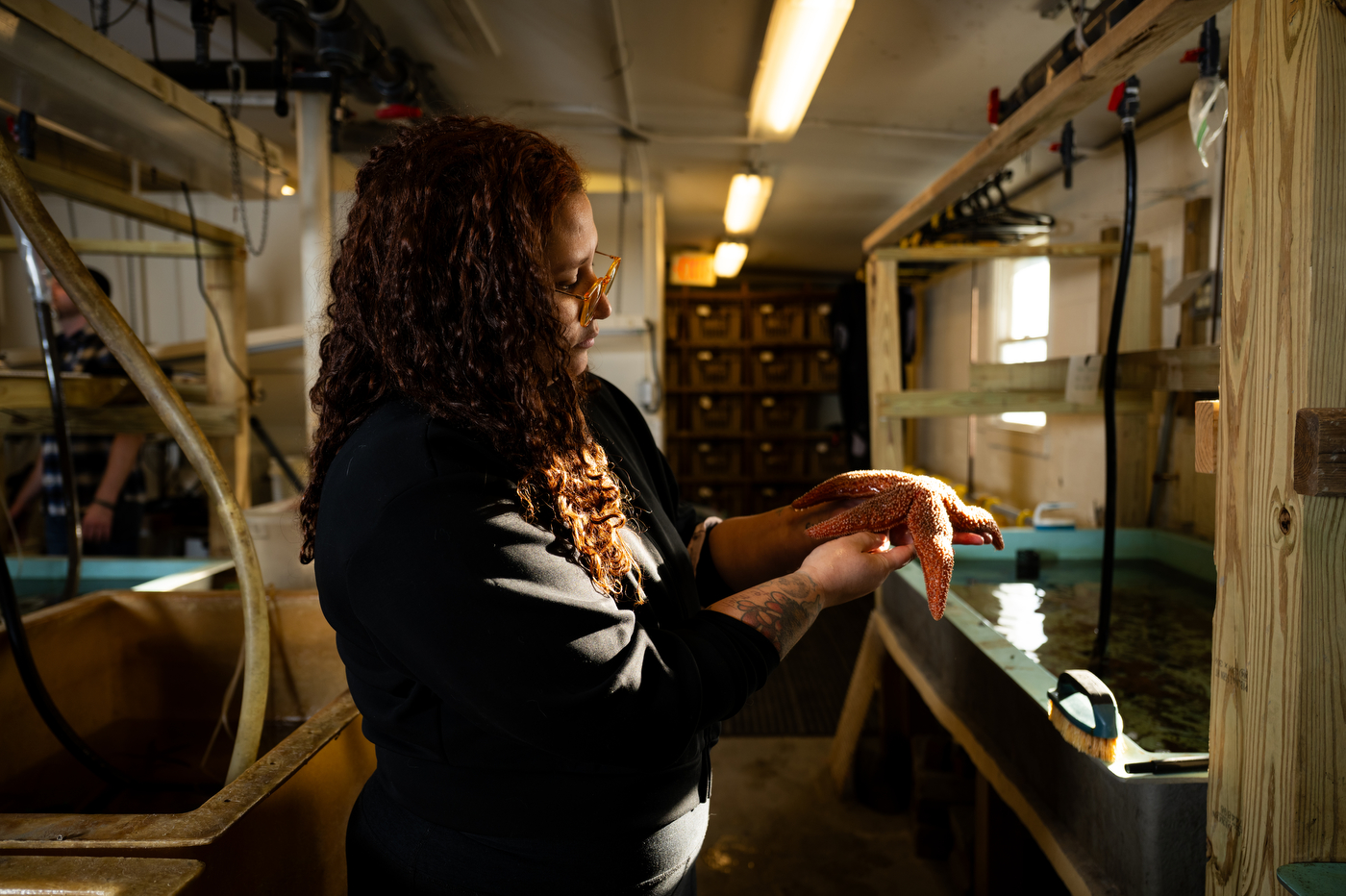
Starfish are dying from a mysterious disease. She hunts for answers
Angela Jones, a PhD candidate at Northeastern, is studying the devastating yet mysterious sea star wasting disease.
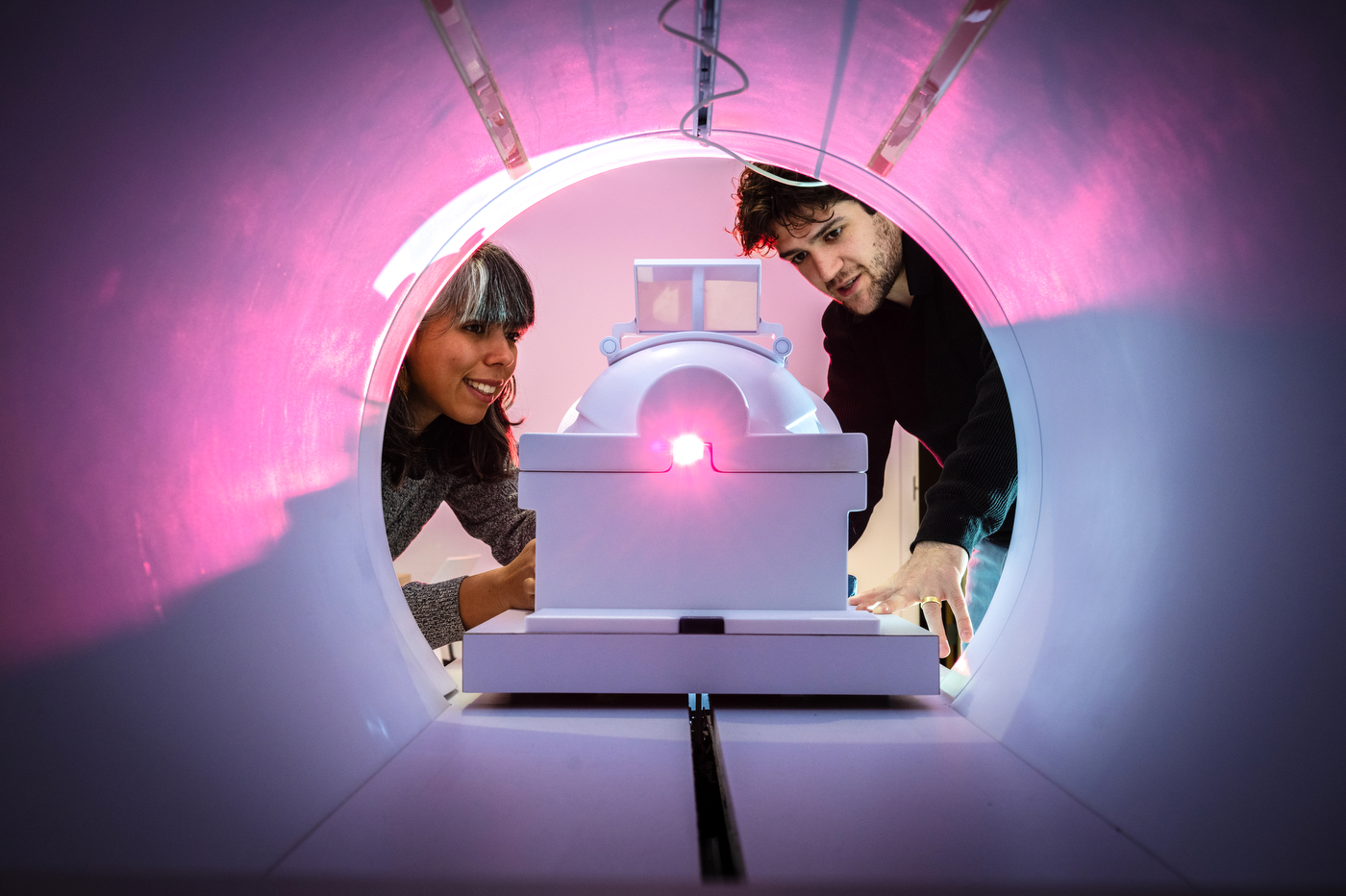
How a ‘caricature’ of a brain scan could lead to better treatment outcomes
New research by Stephanie Noble removes task based information from resting state MRI scans, improving individual diagnoses and predictions.
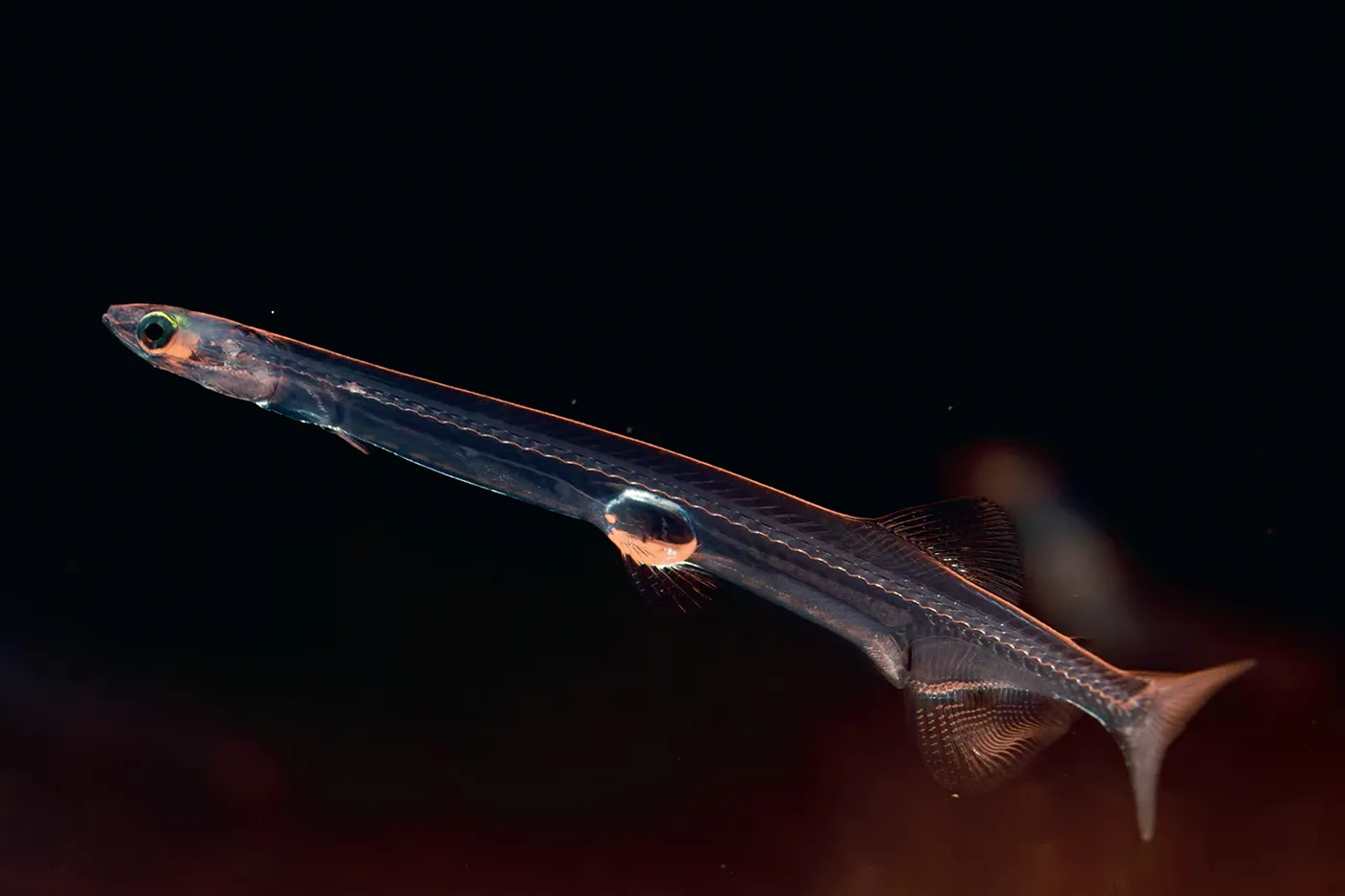
No red blood cells? No problem. Icefish, meet the Asian noodlefish
Professor Detrich thought he’d solved the mystery of the white-blooded icefishes that swim in Antarctic waters. Then he met the Asian noodlefish.

Design your own experiments in Northeastern’s Wet Lab Makerspace
Independent research shines at Northeastern’s Wet Lab Makerspace, where assistant professor Katia Zolotovsky points to hands-on seminars in microbial art, foundational lab skills, and the chance for students to design their own experiments.

Feel like your brain is a little sluggish? Try 10 minutes of exercise
New research demonstrates that just 10 minutes of exercise before starting class can improve executive function, making problem-solving and learning easier.