COS News
Research
“The basic premise is that AI can help us do better physics, and something that is less expected is that physics can also help us understand AI better,” said Northeastern professor James Halverson.
AI and physics have more in common than you might think.
Research
Formed by superheated glacial water from the last ice age, the hydrothermal vents Professor Mark Patterson studies have been bubbling beneath the fjord for centuries.
Professor receives Fulbright to explore one of the world’s most unique hydrothermal vents
Showing 241 results in Physics
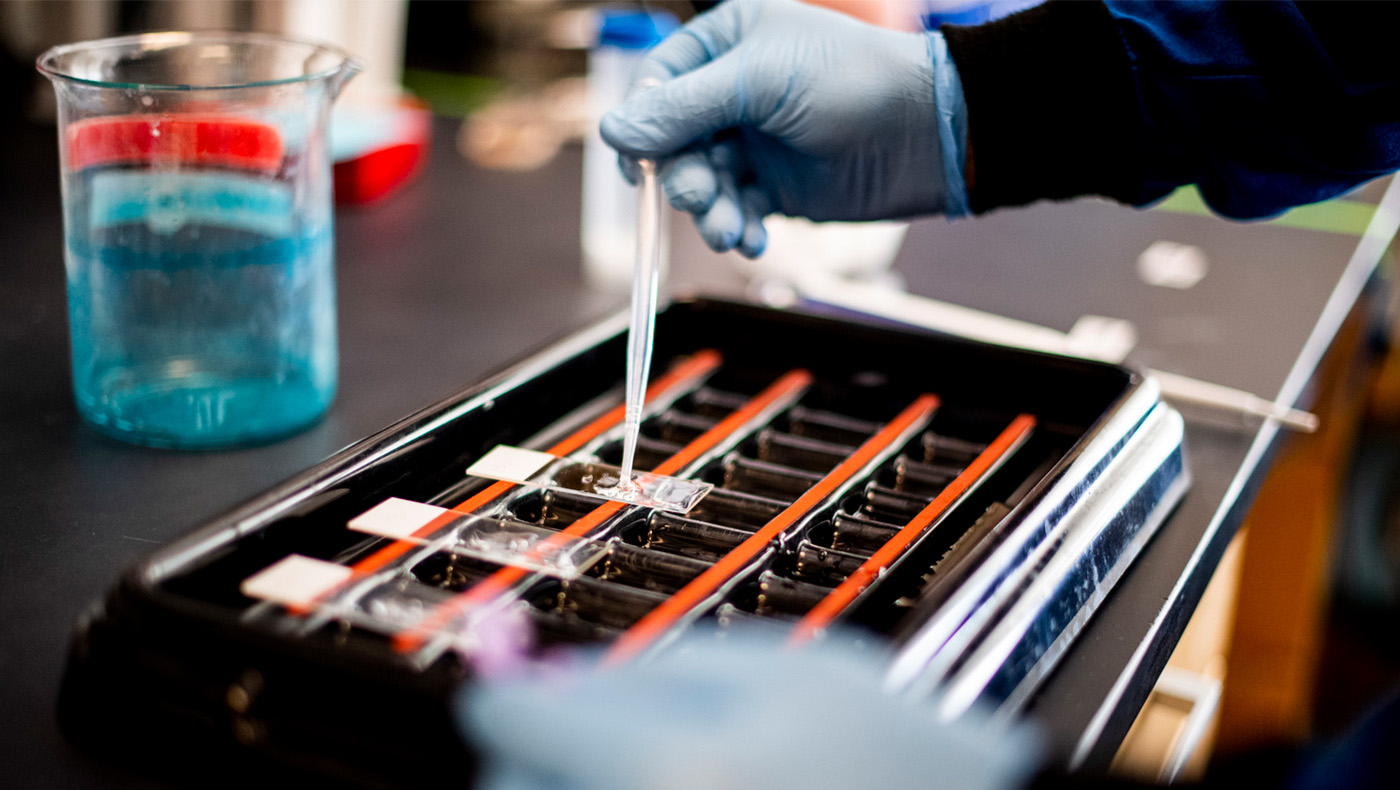
Varun Kompalli ’26, MS Nanomedicine
What inspired you to pursue your current field of study/research? During my Doctor of Pharmacy (PharmD) program, I spent a significant amount of time reviewing scientific literature for academic projects and research assignments. While exploring drug delivery technologies, I came across nanomedicine and was immediately fascinated by its potential and how this field has caused a significant impact on COVID vaccine delivery. This...
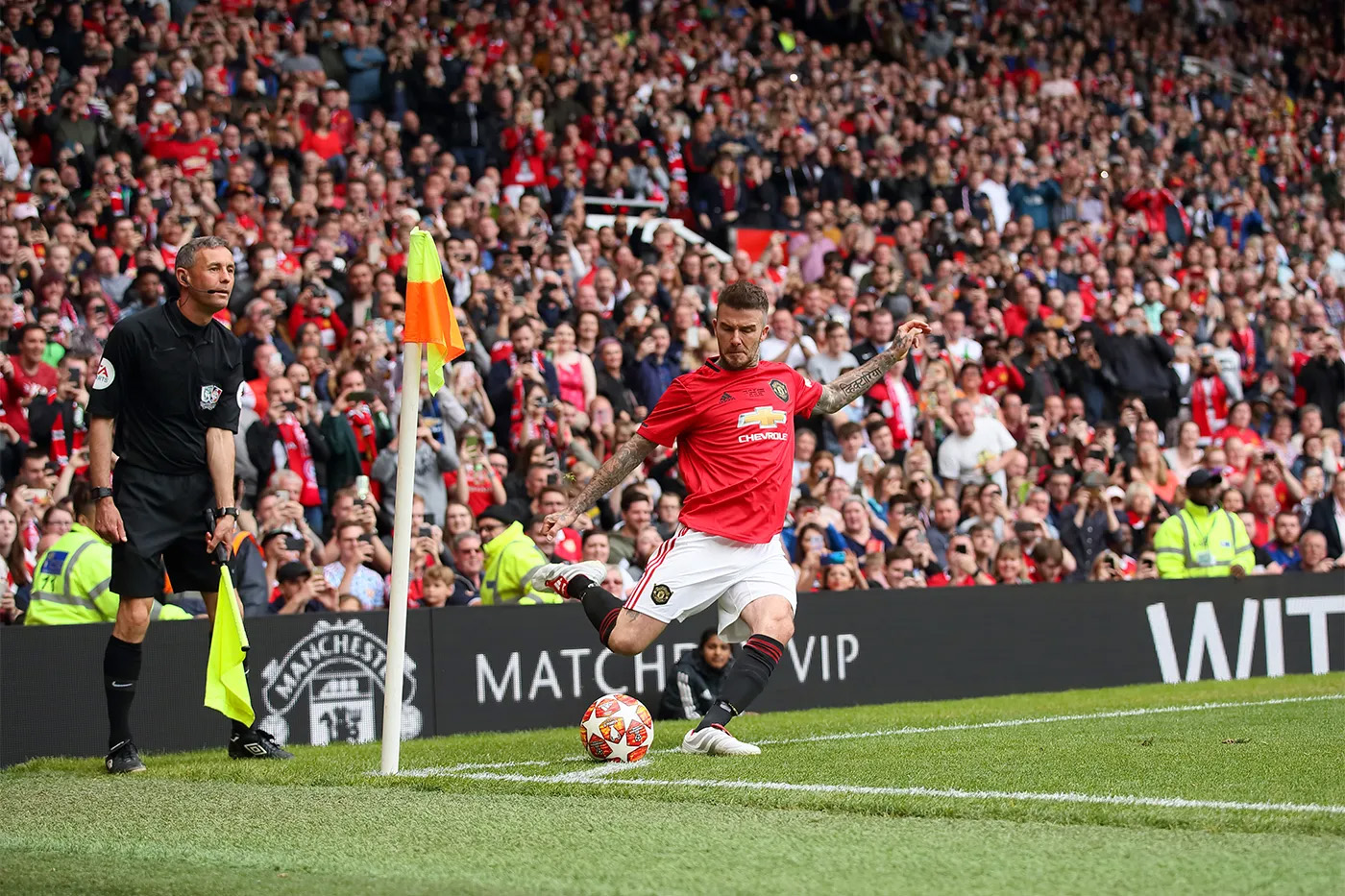
Physicist explains how to ‘bend it like Beckham’
Professor Arun Bansil said the “absolute key” to bending is the Magnus force or effect.
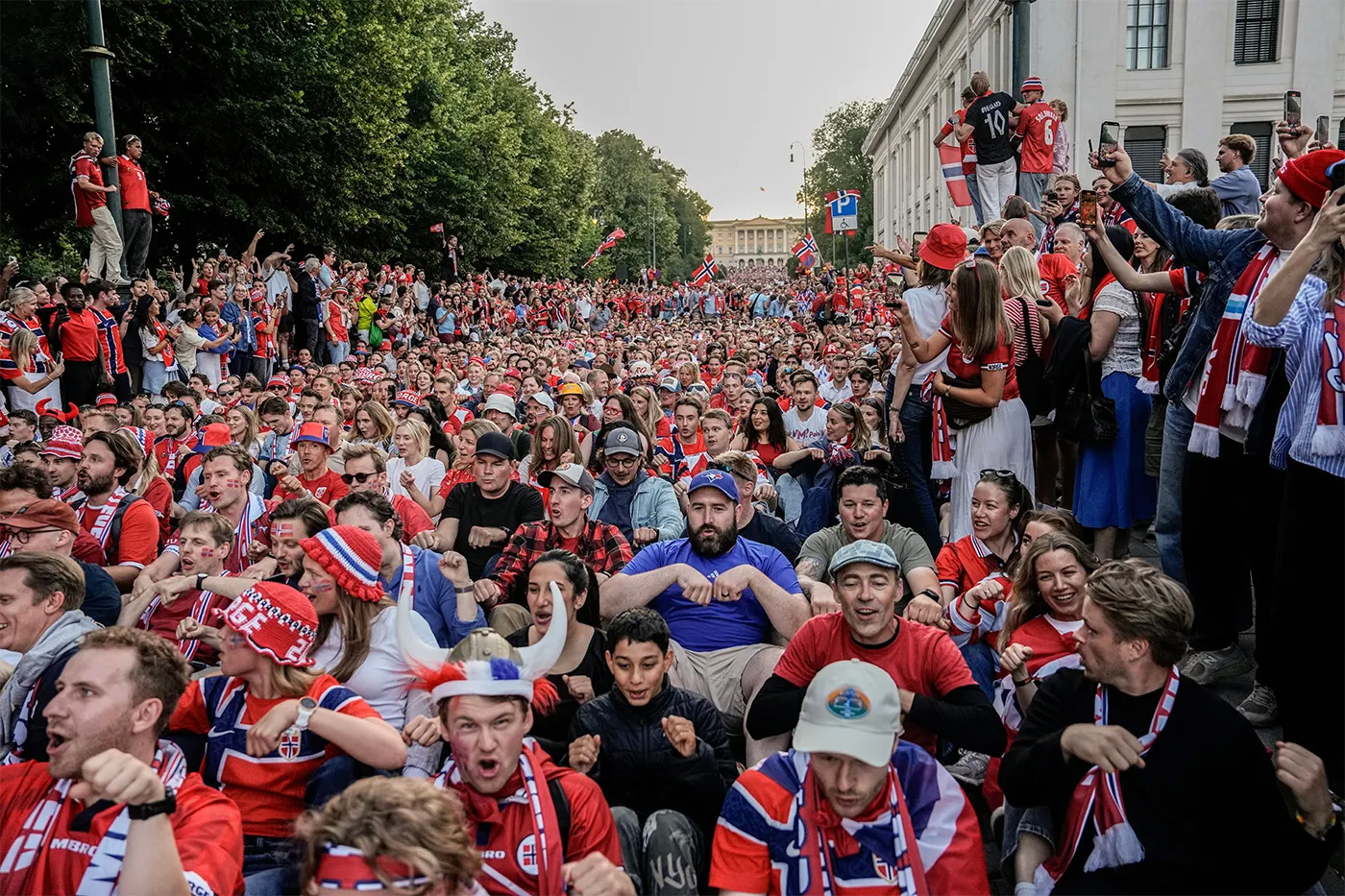
How do World Cup crowds get synchronized so quickly? Researchers explain
Some World Cup crowds are more in sync than others, but all have some common features, Northeastern experts say.

New revelations about interstellar comet 3I/Atlas shed light on ‘alien chemistry’
Assistant Professor Jacqueline McCleary breaks down how recently released details point to the comet’s ancient origins and distant, alien chemical composition.
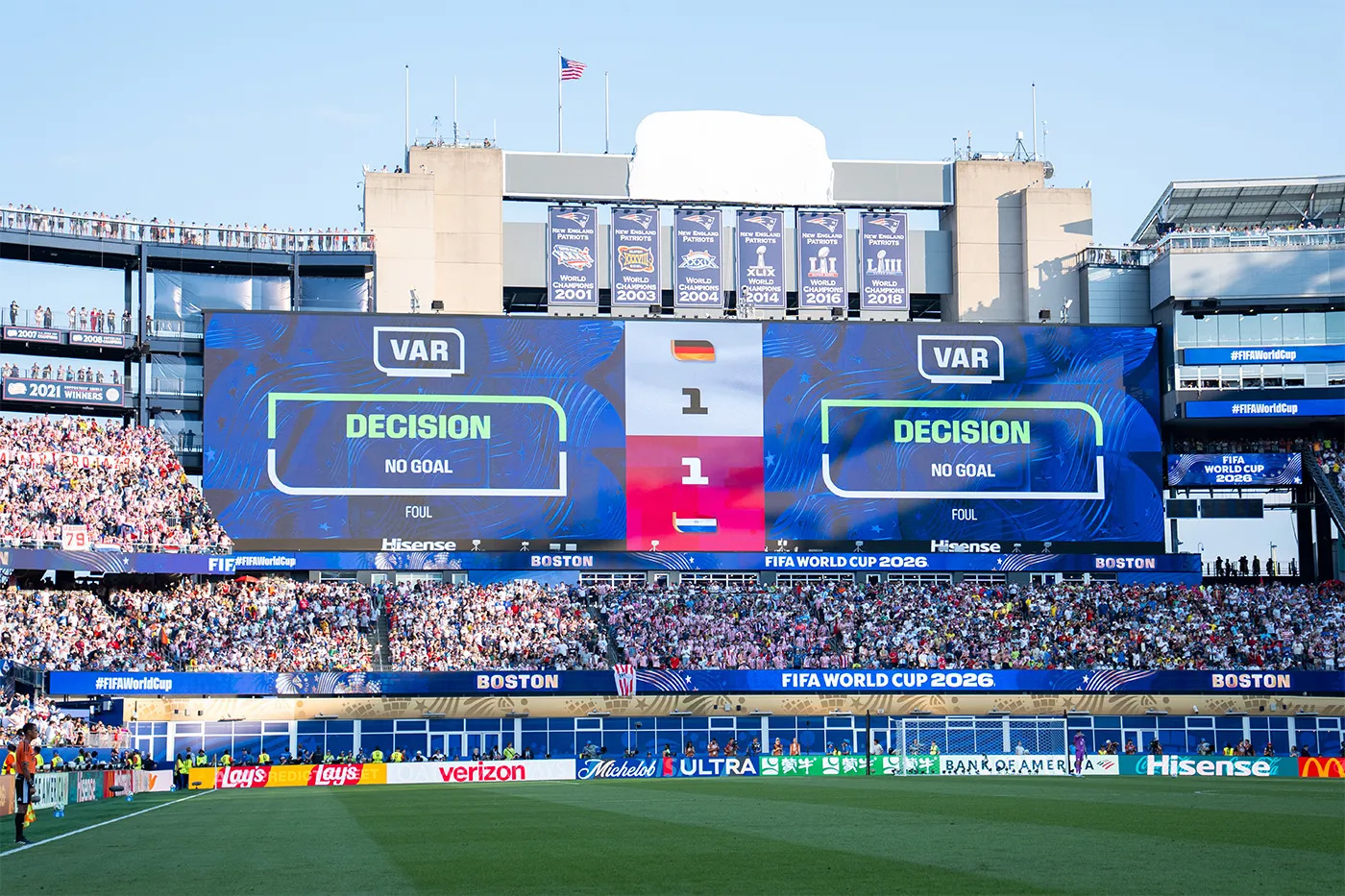
Is technology ‘ruining’ soccer? How advancements have changed the sport
The 2026 World Cup may be the most technologically advanced yet. From player avatars made with AI to video replays to confirm or challenge calls, soccer continues to see advances in technology that have changed the game.
Researchers say Anthropic’s release of Claude Science will help speed up drug discovery
Northeastern scientists weigh in on Anthropic’s answer to GPT-Rosalind.

Study finds existing drugs could be repurposed for longevity by tapping network of aging-related genes
A study led by Northeastern researchers found that aging-related genes sit in a network associated with the “hallmarks of aging.” That network can be used to find existing drugs that reverse or speed up aging.
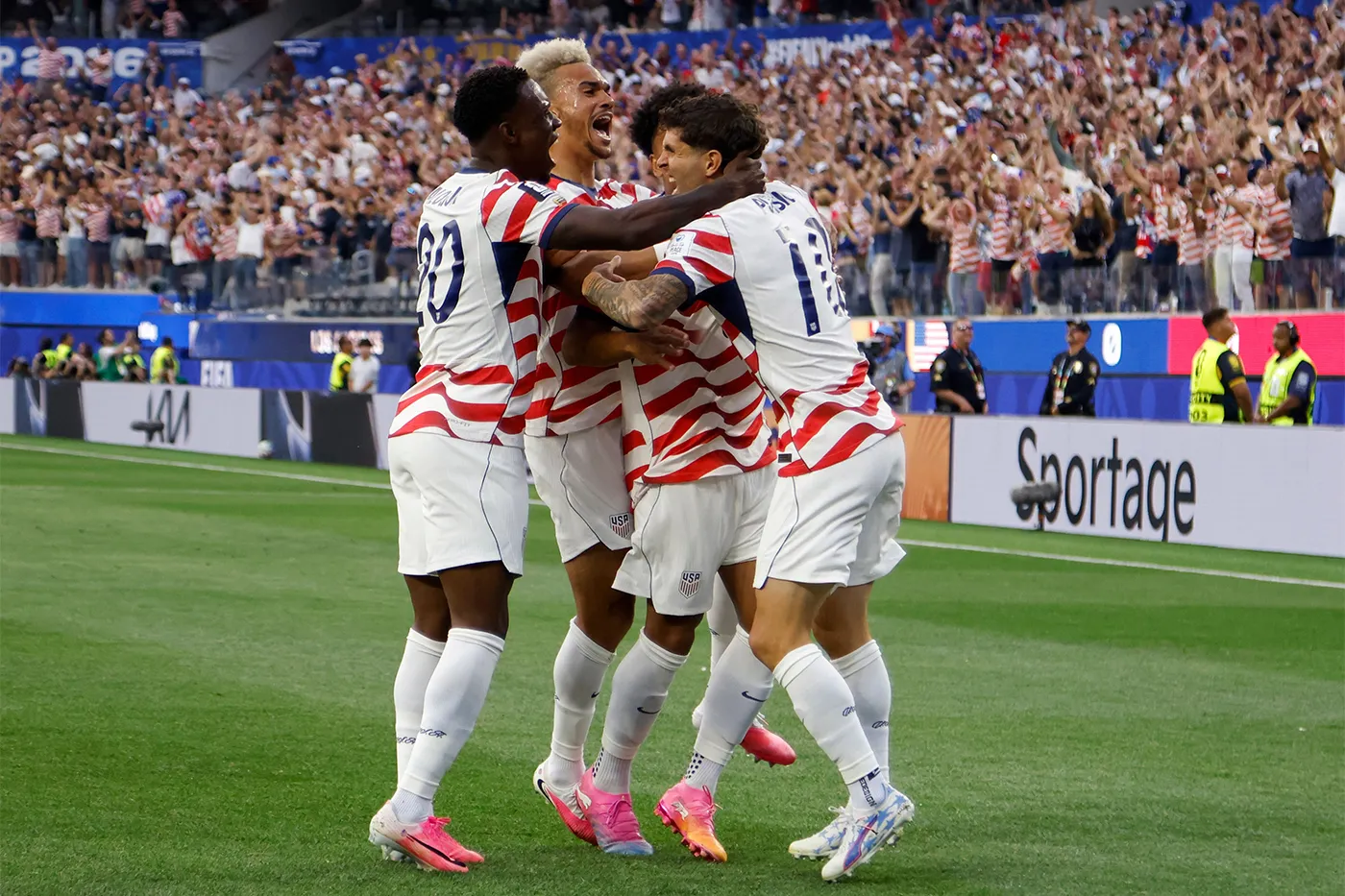
Key takeaways from the data of host countries’ first World Cup games
The U.S. and Mexico grabbed wins in their World Cup openers, while Canada played to a draw. Northeastern’s Brennan Klein breaks down what the data revealed.
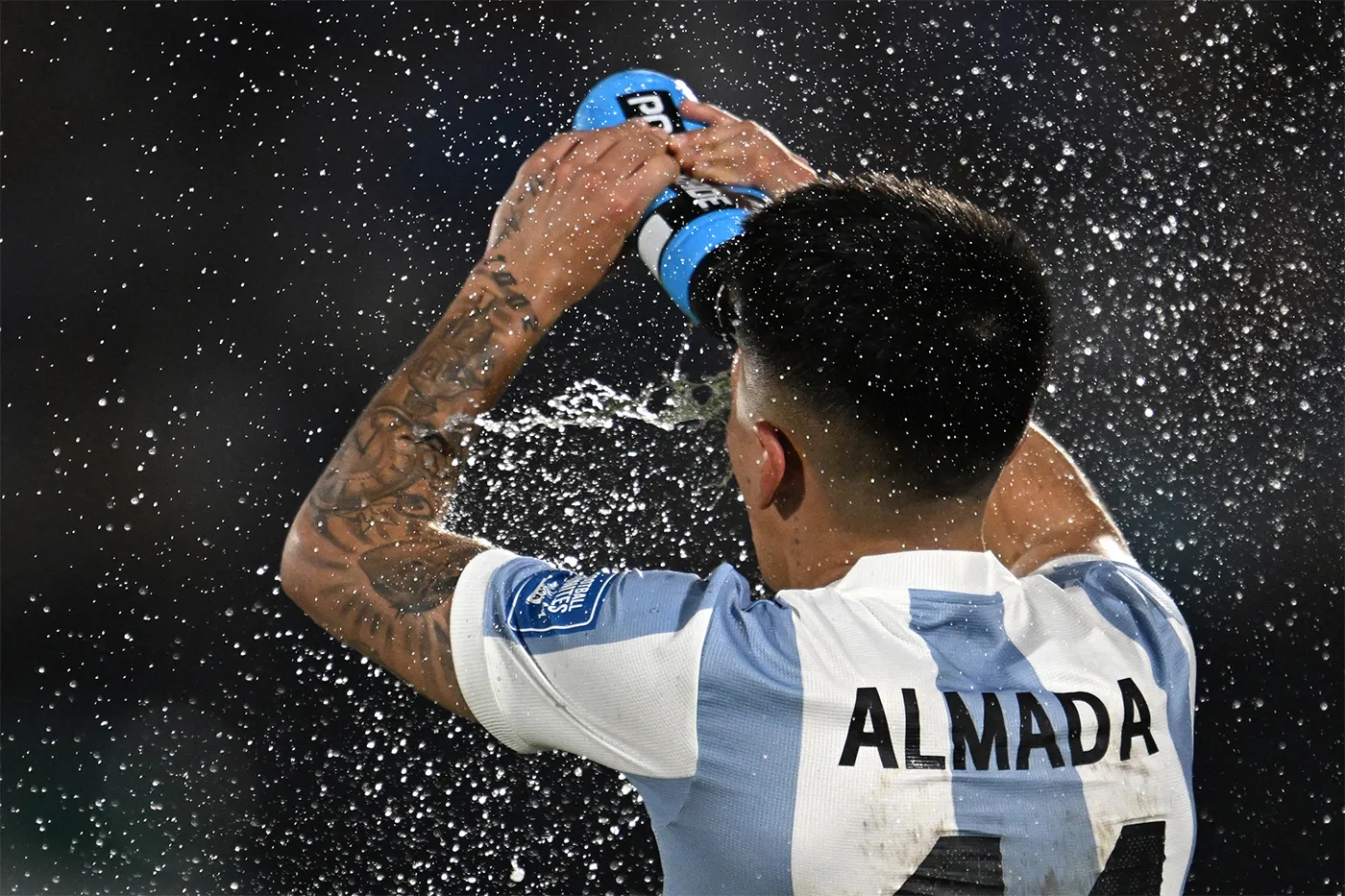
Will World Cup water breaks have a big impact on team tactics?
FIFA’s hydration breaks at the World Cup are more than a safety measure. Assistant Teaching Professor Brennan Klein say they could shape team tactics.
Could the World Cup trigger the next pandemic? Scientists have mapped the risks
The World Cup brings together 48 teams from across the globe, but it also provides an opportunity for disease to spread. Professor Alessandro Vespignani developed a tool to help American cities prepare.
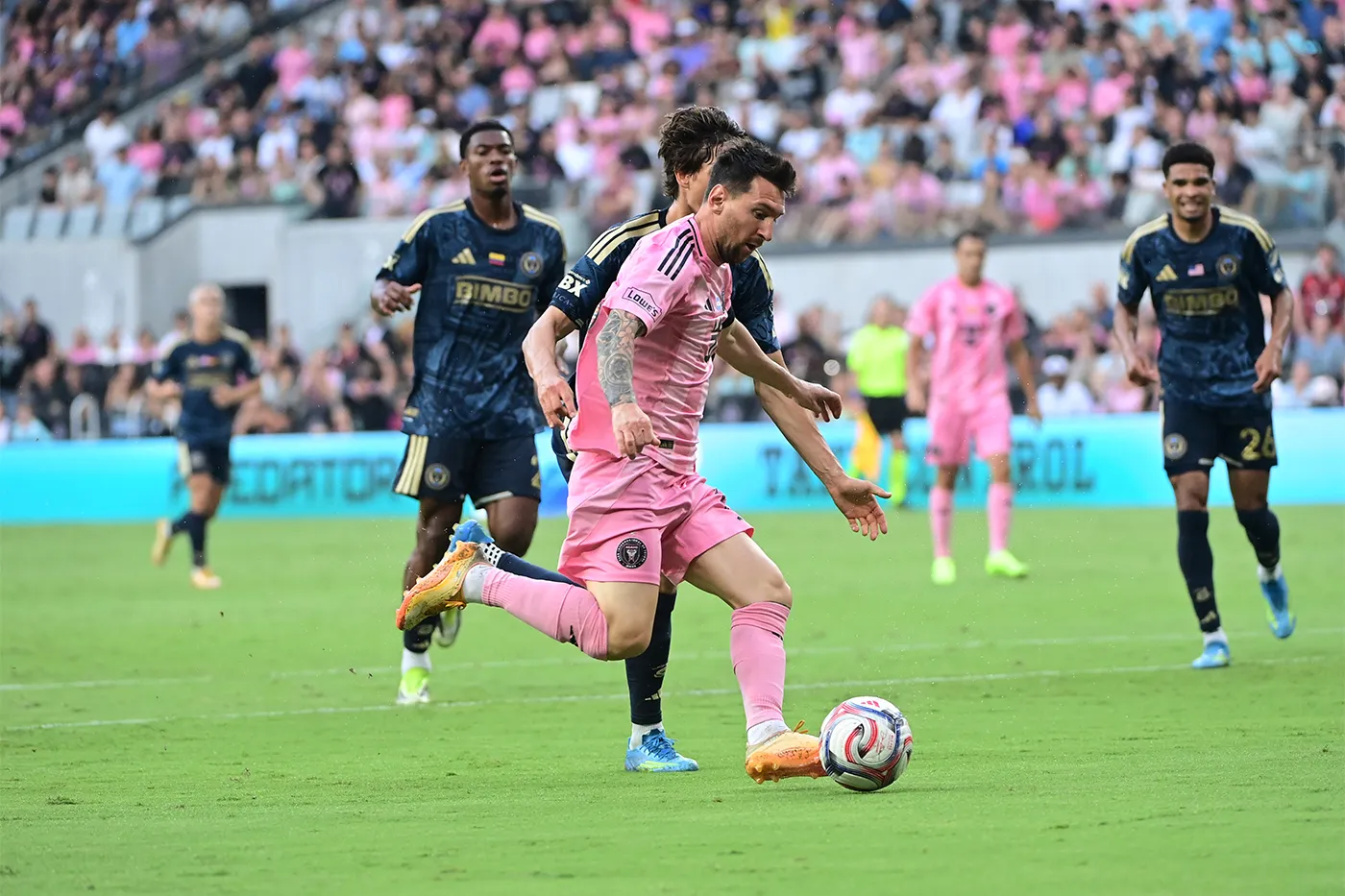
12 players to watch in the FIFA World Cup 2026, according to the data
Assistant teaching professor Brennan Klein analyzed a comprehensive dataset and compiled a list of key players.
AI and physics have more in common than you might think.
“The basic premise is that AI can help us do better physics, and something that is less expected is that physics can also help us understand AI better,” said Northeastern professor James Halverson.