COS News
News

A new report from a group of Northeastern researchers explores across disciplines how biotech can ensure safe, sustainable life beyond Earth.
The key to international space cooperation is developments in biotechnology, Northeastern researchers say
News

The NeuroPRISM lab, led by assistant psychology professor Stephanie Noble, makes tools that pave the way for reliable and reproducible neuroimaging of the brain.
Precise maps of the brain’s deepest corners are made possible through tools developed by these Northeastern researchers
Showing 26 results in Psychology , Research
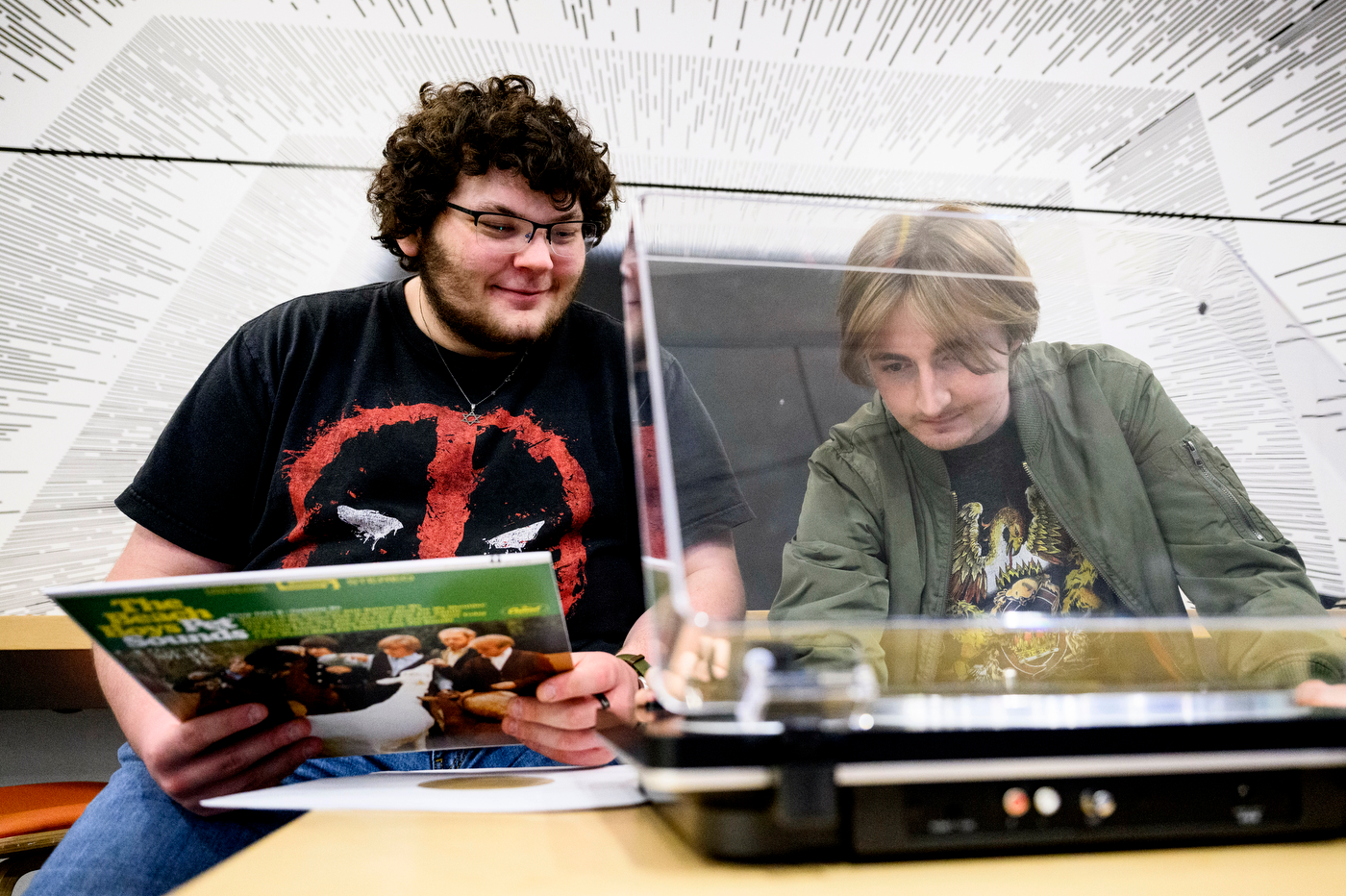
Why we remain attached to the music of our youth
Juliet Davidow, assistant psychology professor, argues that the social rewards when listening and experiencing music in our younger days helps ‘encode’ it onto our memories.
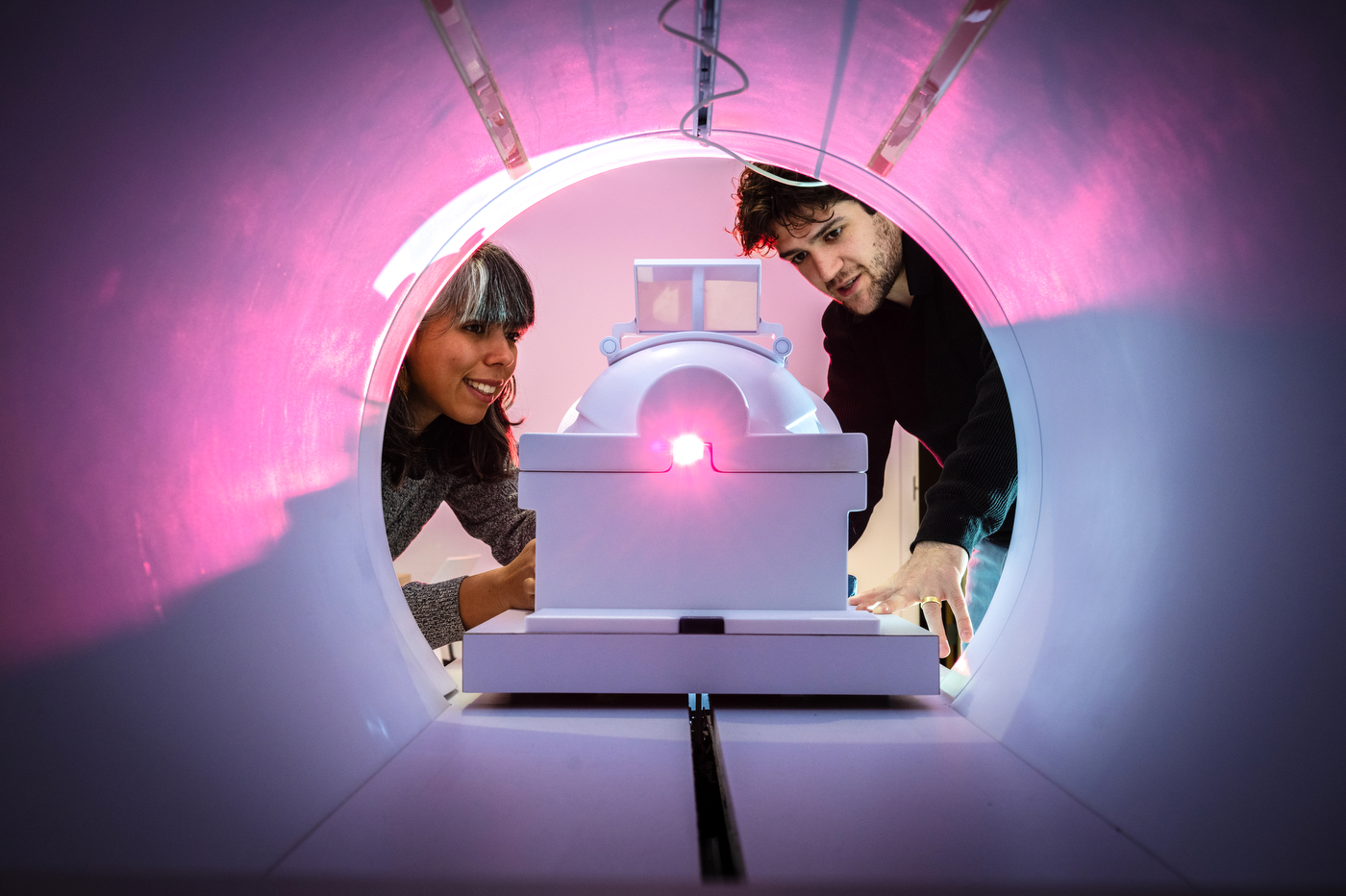
How a ‘caricature’ of a brain scan could lead to better treatment outcomes
New research by Stephanie Noble removes task based information from resting state MRI scans, improving individual diagnoses and predictions.

Feel like your brain is a little sluggish? Try 10 minutes of exercise
New research demonstrates that just 10 minutes of exercise before starting class can improve executive function, making problem-solving and learning easier.
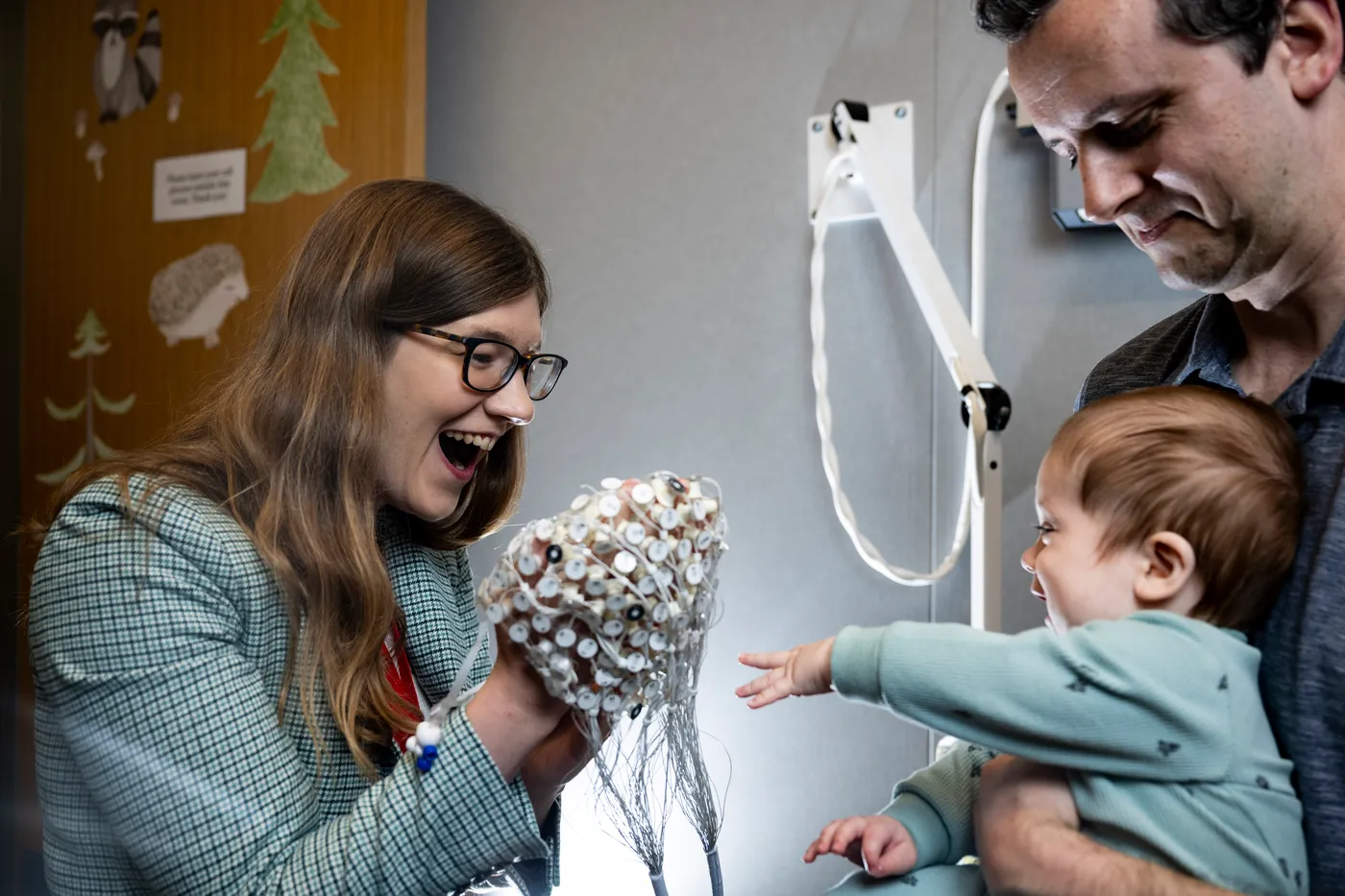
What can babies teach us about brain development?
Laurel Gabard-Durnam’s latest research used EEG to better understand how babies’ brains develop.

Next gen scanner could unlock new treatments for brain injuries
The Center for Translational Neuroimaging recently obtained a Mediso nanoScan 7T PET/MRI scanner, the first of its kind in the United States.

Northeastern research finds aerobic fitness and lower body fat are associated with better mental health outcomes in children
Northeastern researchers looked at the link in children ages 8 to 11 in one of the first studies looking at these relationships in this population.
Precise maps of the brain’s deepest corners are made possible through tools developed by these Northeastern researchers
The NeuroPRISM lab, led by assistant psychology professor Stephanie Noble, makes tools that pave the way for reliable and reproducible neuroimaging of the brain.
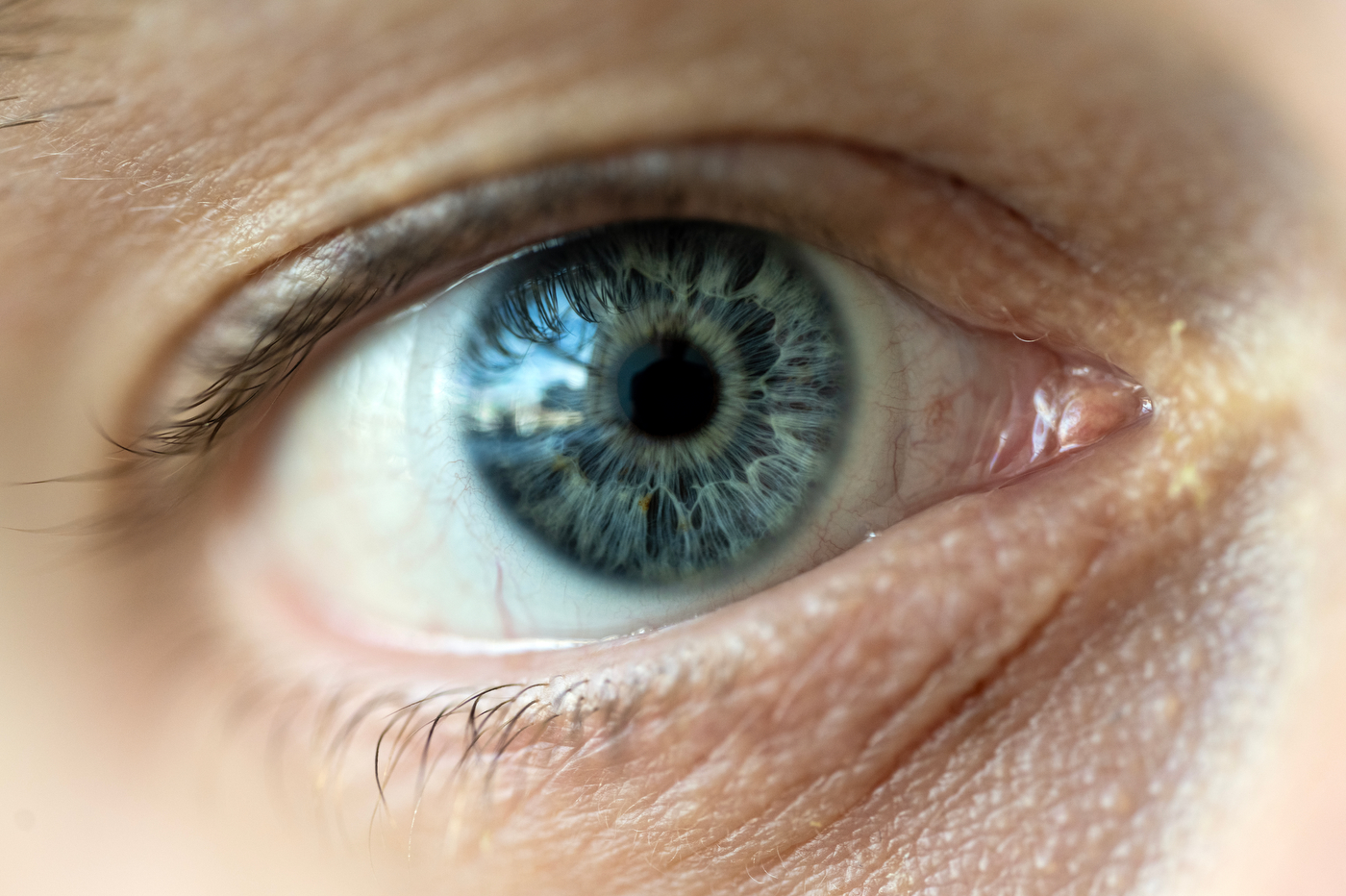
Millions of people have macular degeneration. Could this training model help restore their sight?
Psychology professor Aaron Seitz says training people on how to use their peripheral vision can compensate for central vision problems.
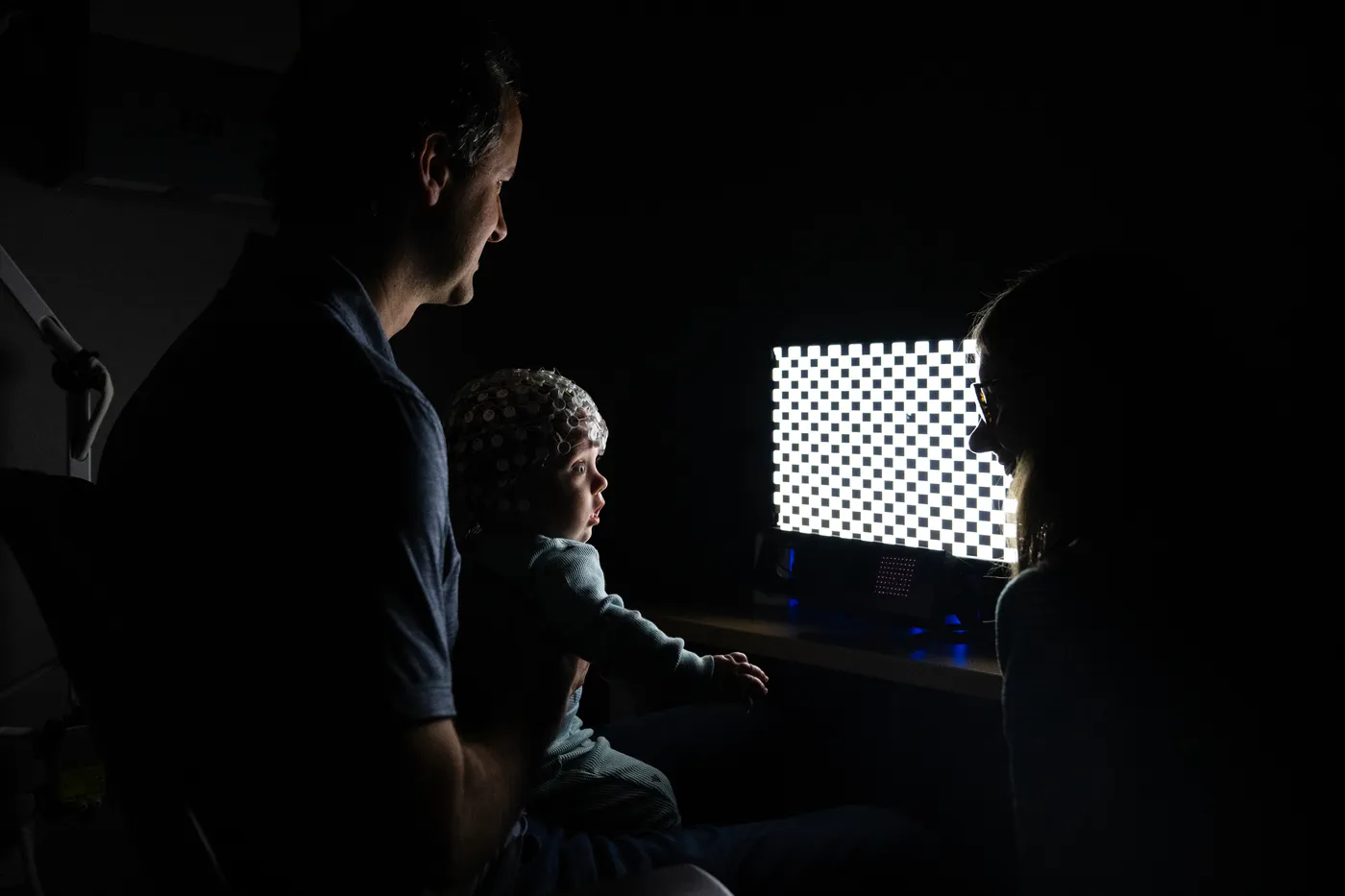
Northeastern research finds infant anesthesia may speed up brain development
Northeastern research from Assistant Professor Laurel Gabard-Durnam finds babies exposed to general anesthesia in very early infancy showed accelerated brain development.

Is all learning ‘incidental’? Northeastern professor says that we ‘trick’ our brains into learning
When was the last time you sat down and tried to learn something? How did you approach it? Did you make flashcards for hard-to-remember terms and concepts, ask a friend to quiz you on the subject or simply jump into the deep end with a new project? New research from Northeastern University psychology professor Aaron Seitz suggests that […]
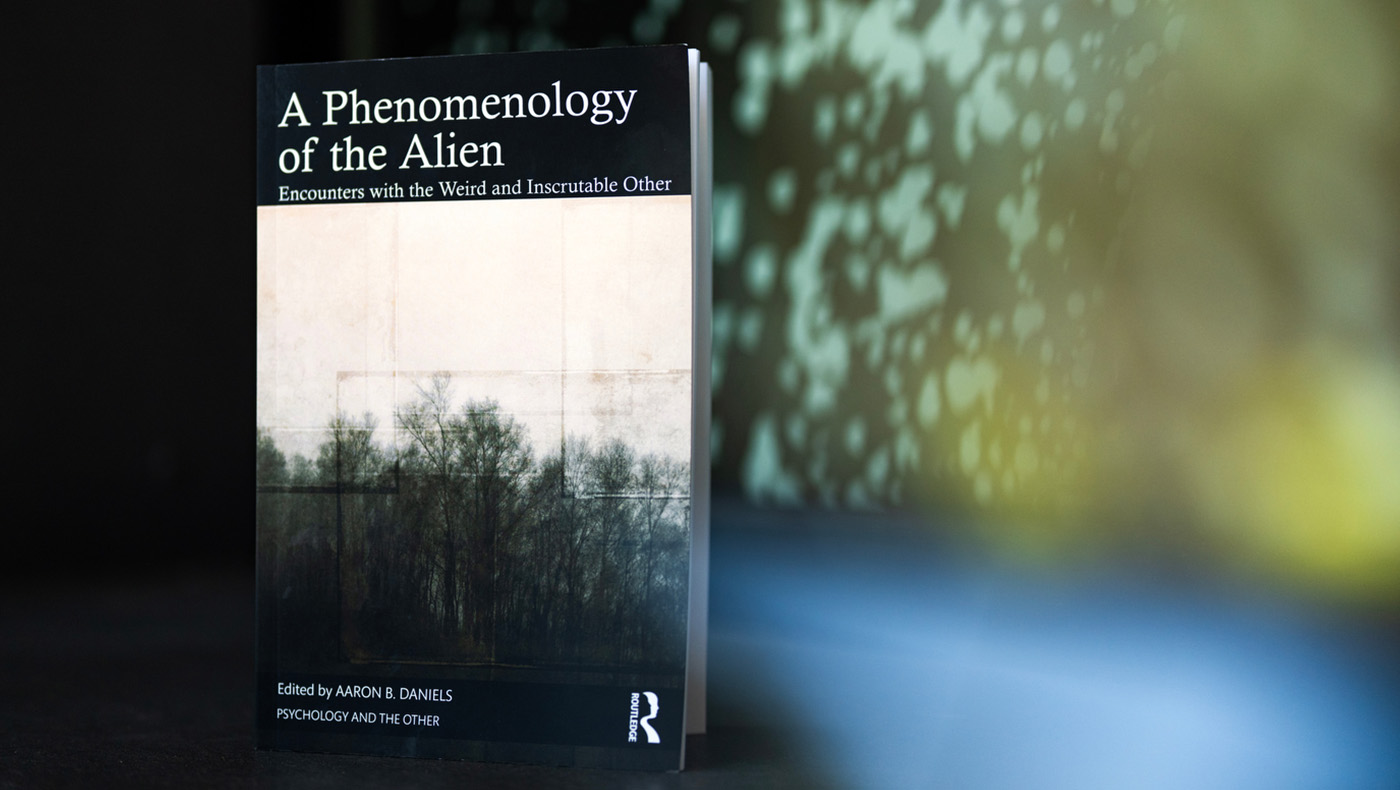
This psychologist says we need to be more comfortable with not knowing the answer in therapy
People often turn to therapy for answers about themselves, their lives or their relationships, but one psychologist says we need to get more comfortable with saying, “I don’t know” –– and that includes therapists too. Aaron B. Daniels, an associate teaching professor at Northeastern University with a decade plus of experience as a practicing therapist, […]
Northeastern professor leads global study on why some people hear better in noisy spaces
Jonathan Peelle, associate professor of psychology, worked with other researchers on a study that shows that people’s ability to detect background sounds varies from person to person, and is influenced by the noise that came before the sounds.