COS News
Research
“The basic premise is that AI can help us do better physics, and something that is less expected is that physics can also help us understand AI better,” said Northeastern professor James Halverson.
AI and physics have more in common than you might think.
News
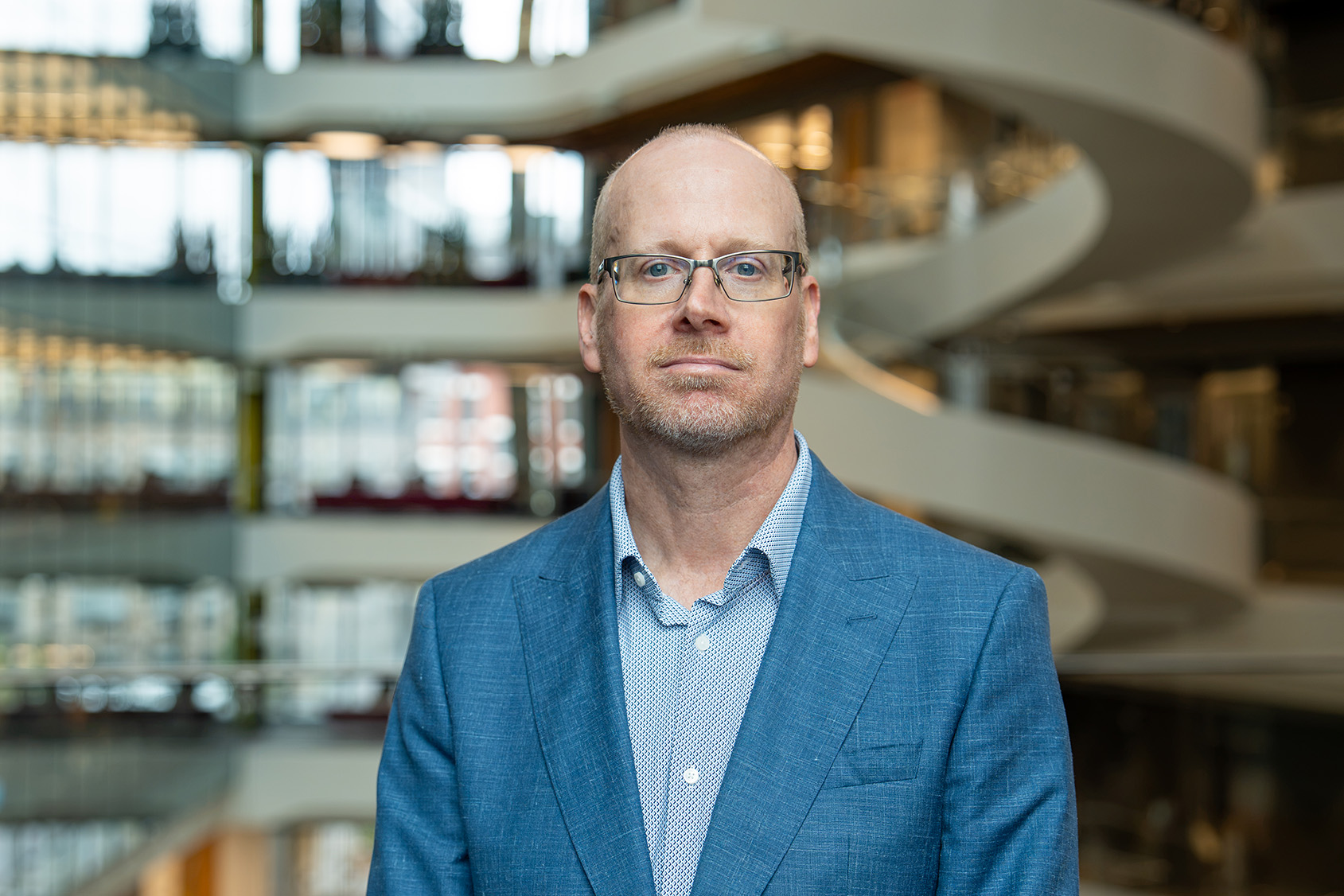
Mark Williams, Professor and Chair of the Department of Physics, will assume the role of Dean of the College of Science, effective July 1, 2026.
Mark C. Williams named Dean of the College of Science
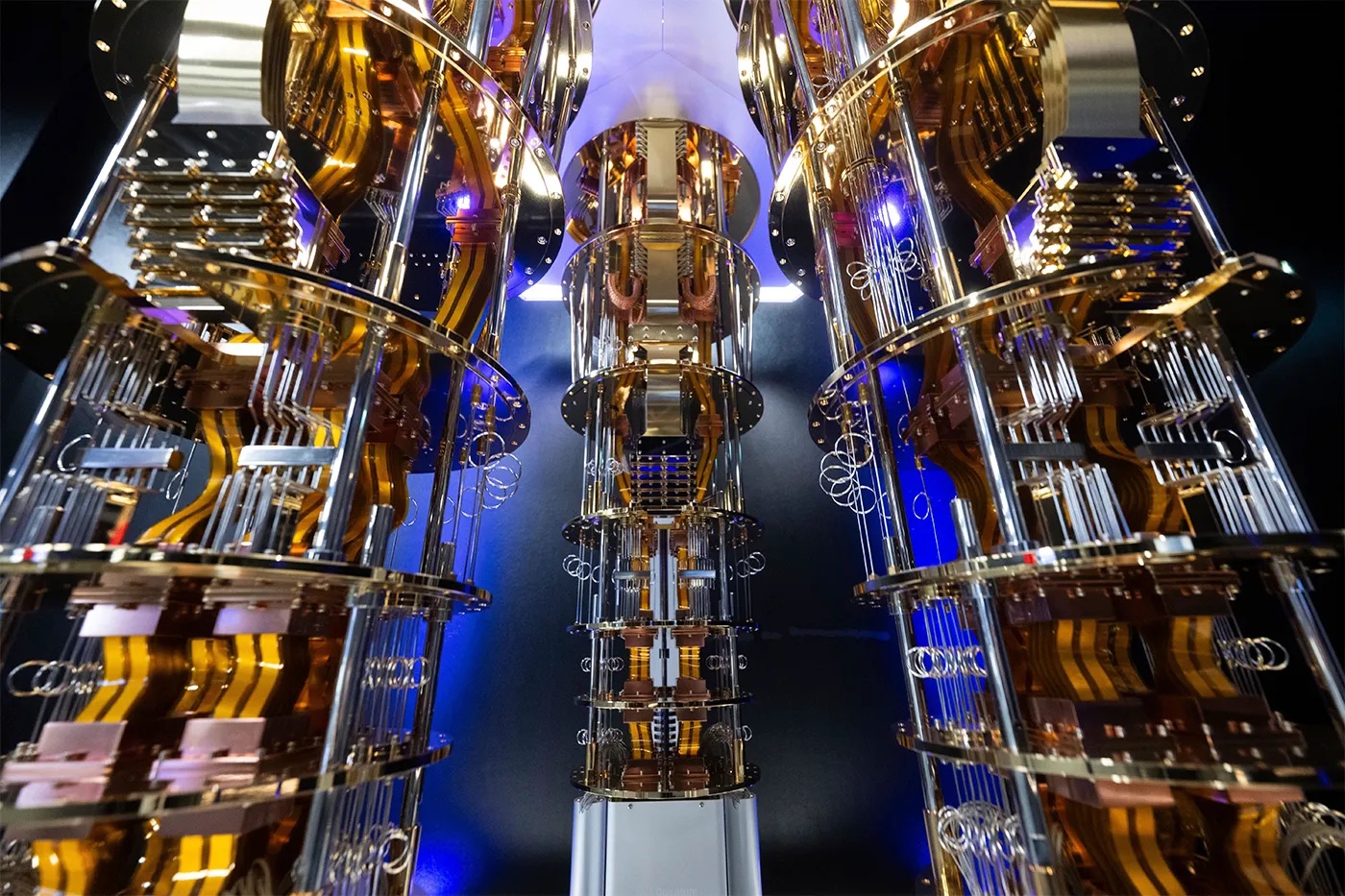
These researchers seek to quiet ‘the noise’ in quantum computing
These Northeastern University researchers are working to make quantum computers more efficient.
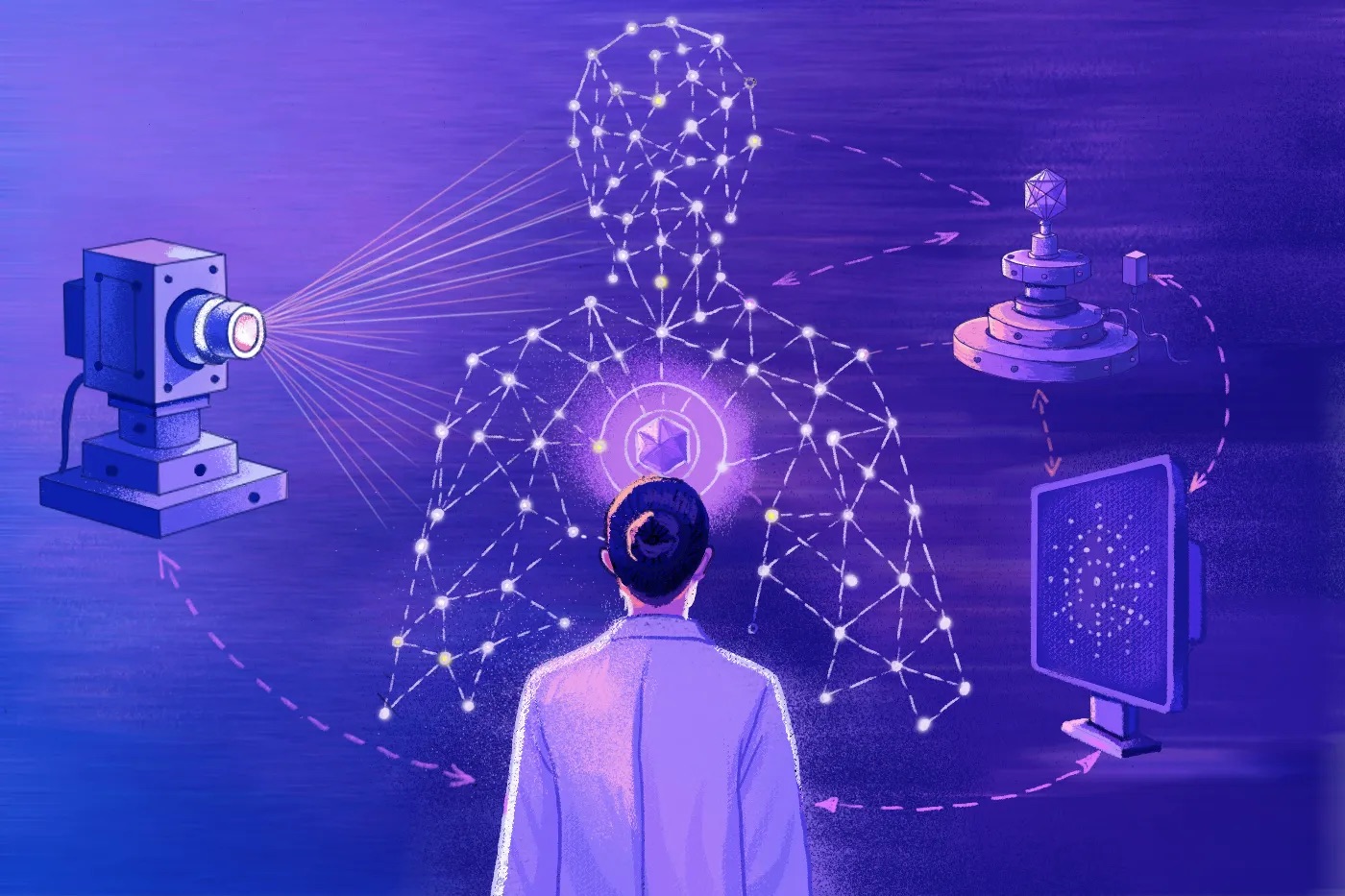
This AI scientist can run an X-ray experiment. Self-driving labs may come next.
Northeastern researchers helped develop an AI scientist that can run X-ray experiments autonomously, adjusting when needed. The discovery paves the way for self-driving labs of the future.

The Legacy Survey of Space and Time officially launches, as scientists begin filming ‘greatest cosmic movie ever made’
The Legacy Survey of Space and Time just kicked off one of the largest and most detailed observations of the sky, with the help of the largest digital camera on Earth.
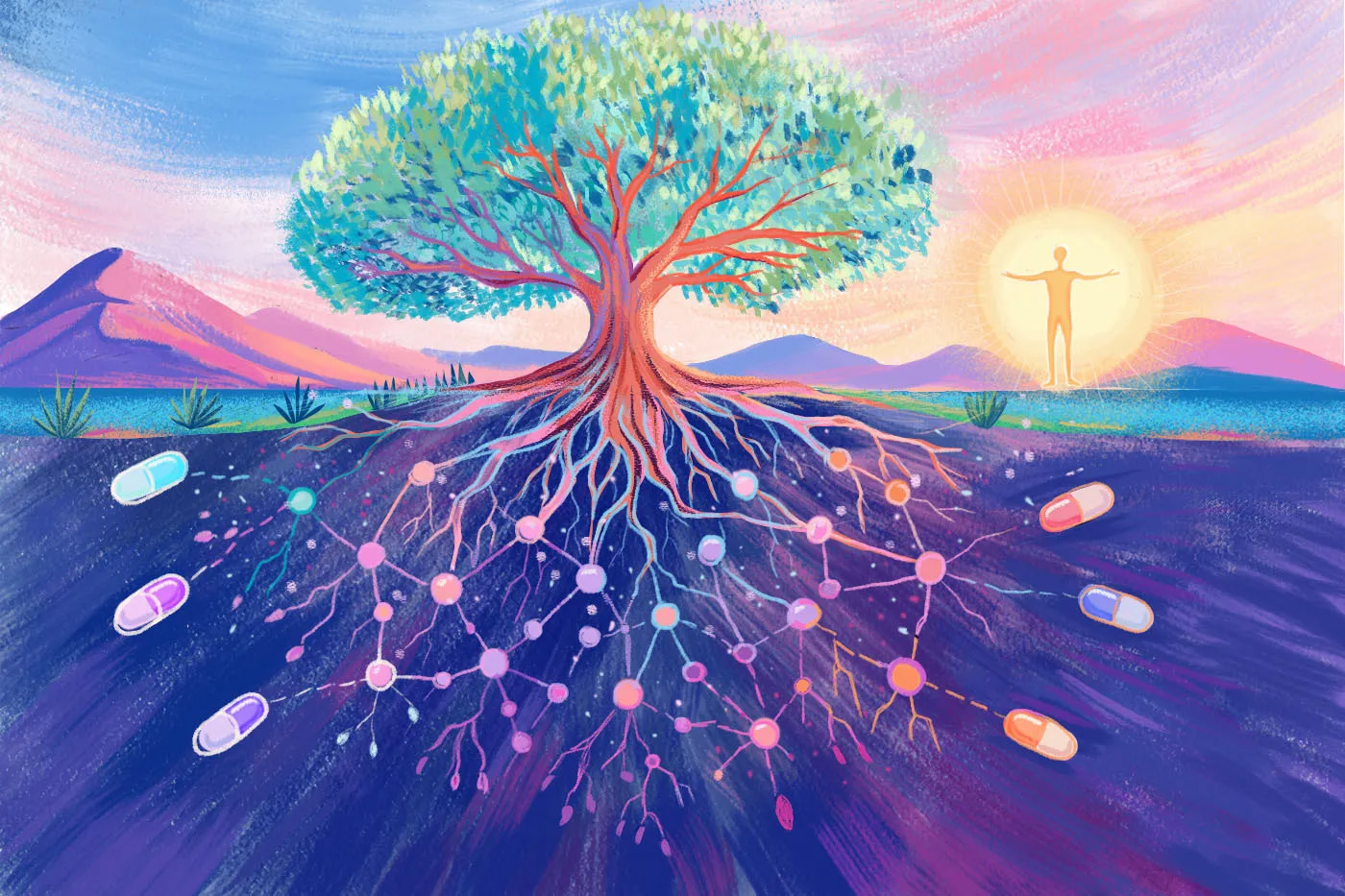
Study finds existing drugs could be repurposed for longevity by tapping network of aging-related genes
A study led by Northeastern researchers found that aging-related genes sit in a network associated with the “hallmarks of aging.” That network can be used to find existing drugs that reverse or speed up aging.
Could the World Cup trigger the next pandemic? Scientists have mapped the risks
The World Cup brings together 48 teams from across the globe, but it also provides an opportunity for disease to spread. Professor Alessandro Vespignani developed a tool to help American cities prepare.
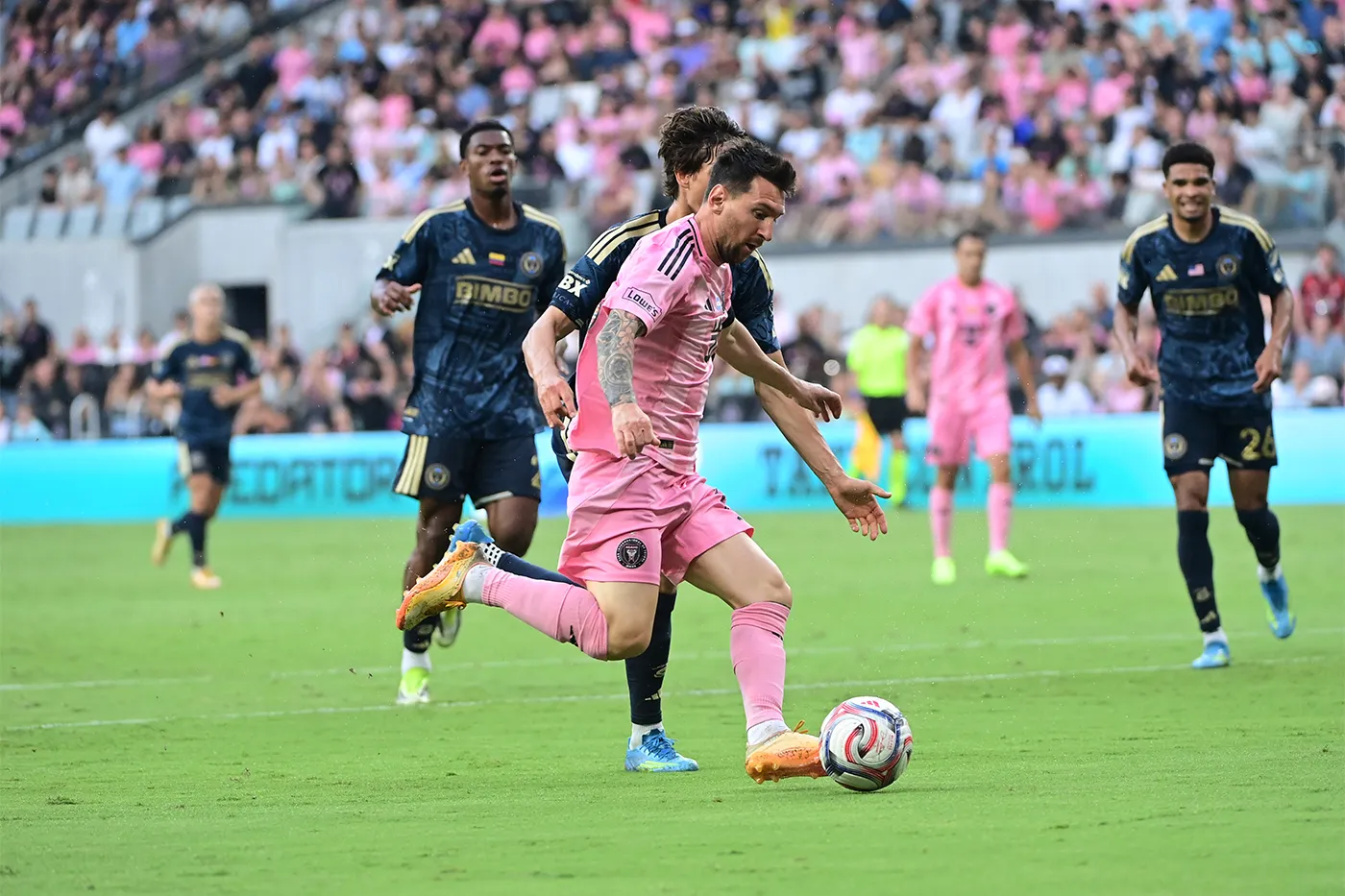
12 players to watch in the FIFA World Cup 2026, according to the data
Assistant teaching professor Brennan Klein analyzed a comprehensive dataset and compiled a list of key players.
AI and physics have more in common than you might think.
“The basic premise is that AI can help us do better physics, and something that is less expected is that physics can also help us understand AI better,” said Northeastern professor James Halverson.
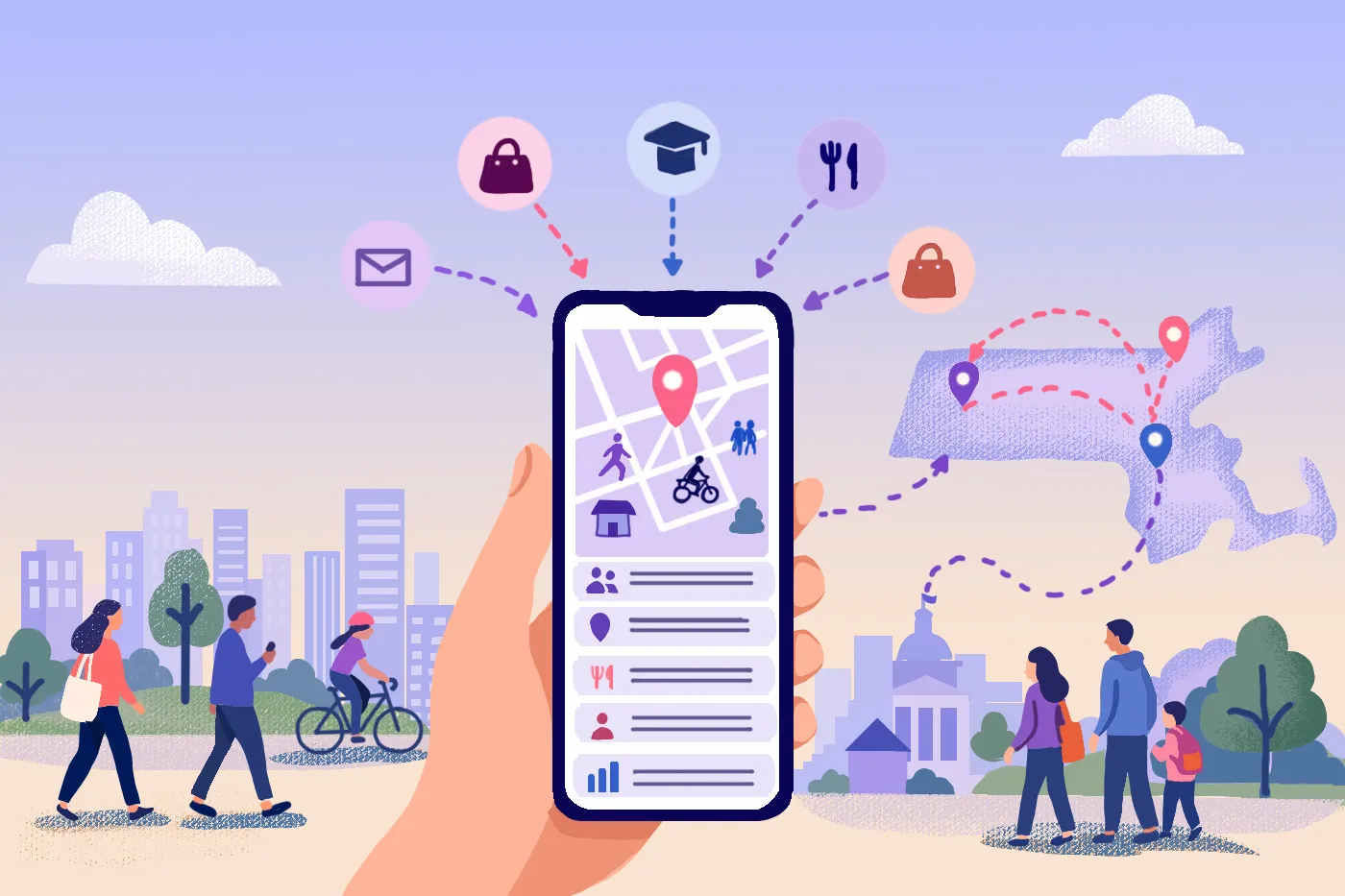
‘Giving back’ cellphone data so communities can plan
The goal of Professor Esteban
Moro's new research is to help communities better allocate resources, plan for events and more.
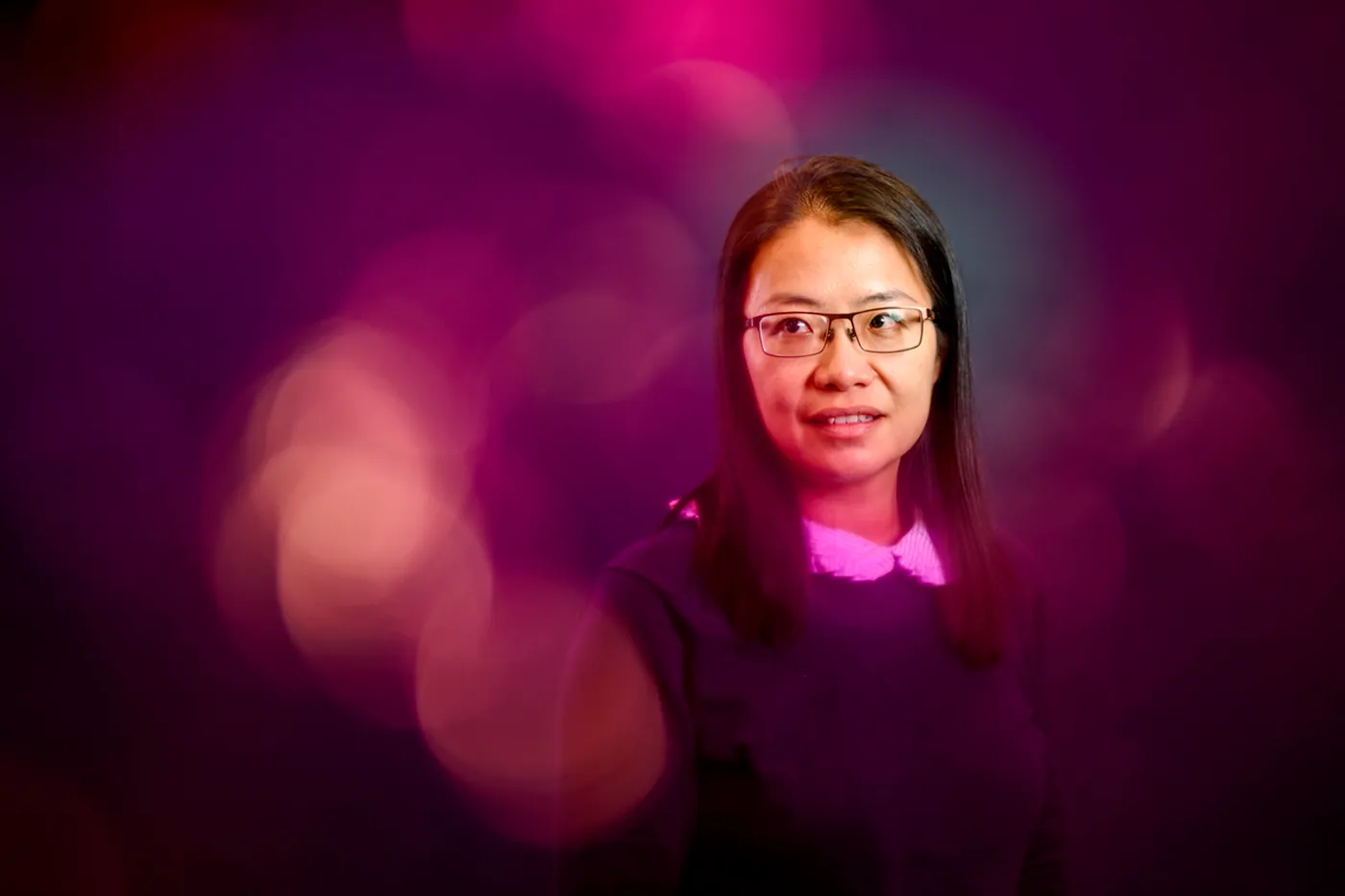
Quantum computing research earns professor prestigious Cottrell Scholar Award
Yizhi You, an assistant physics professor, was named a Cottrell Scholar, which is bestowed on promising early-career academics studying chemistry, physics or astronomy.
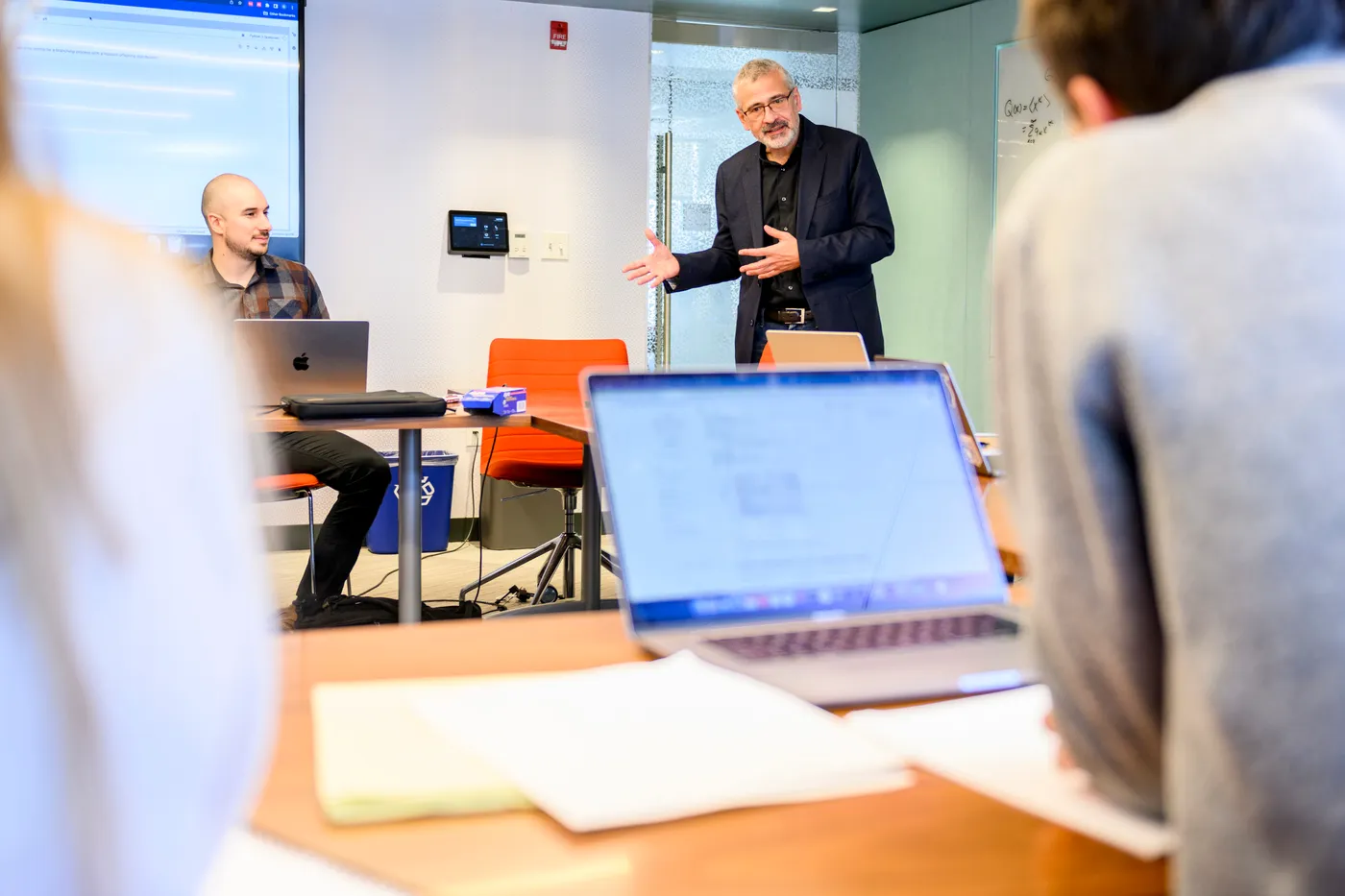
The pandemic is over but health threats remain. How network scientists are making epidemic modeling more accessible
Professor Alessandro Vespignani reveals new data on how Americans move and mingle post-COVID.
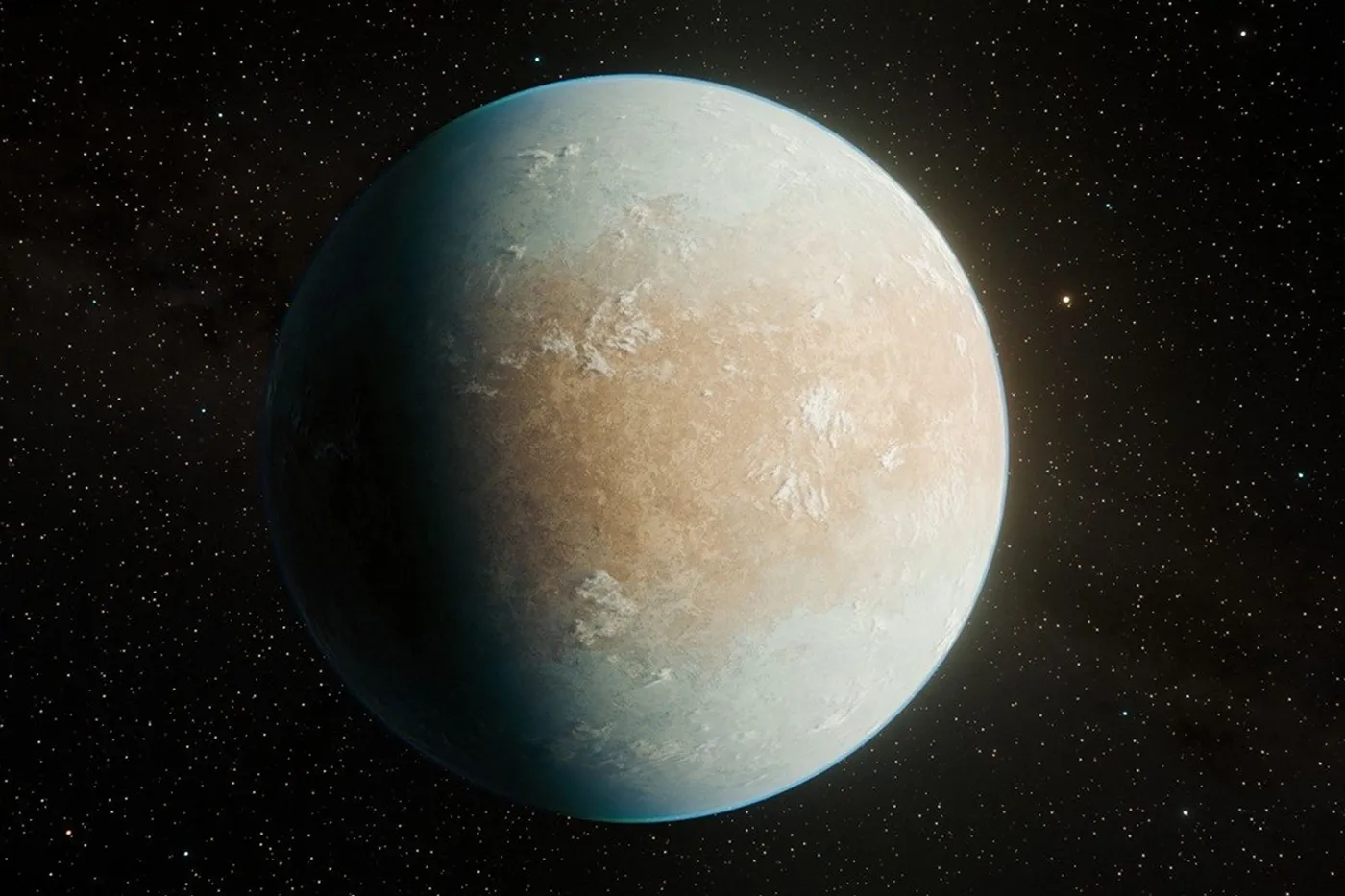
What is an exoplanet? An astrophysicist explains why they are vital for finding alien life
The discovery of a more Earth-like planet beyond our solar system reveals how these objects can help us “understand where we came from and whether we’re also alone,” astrophysicist Jonathan Blazek said.
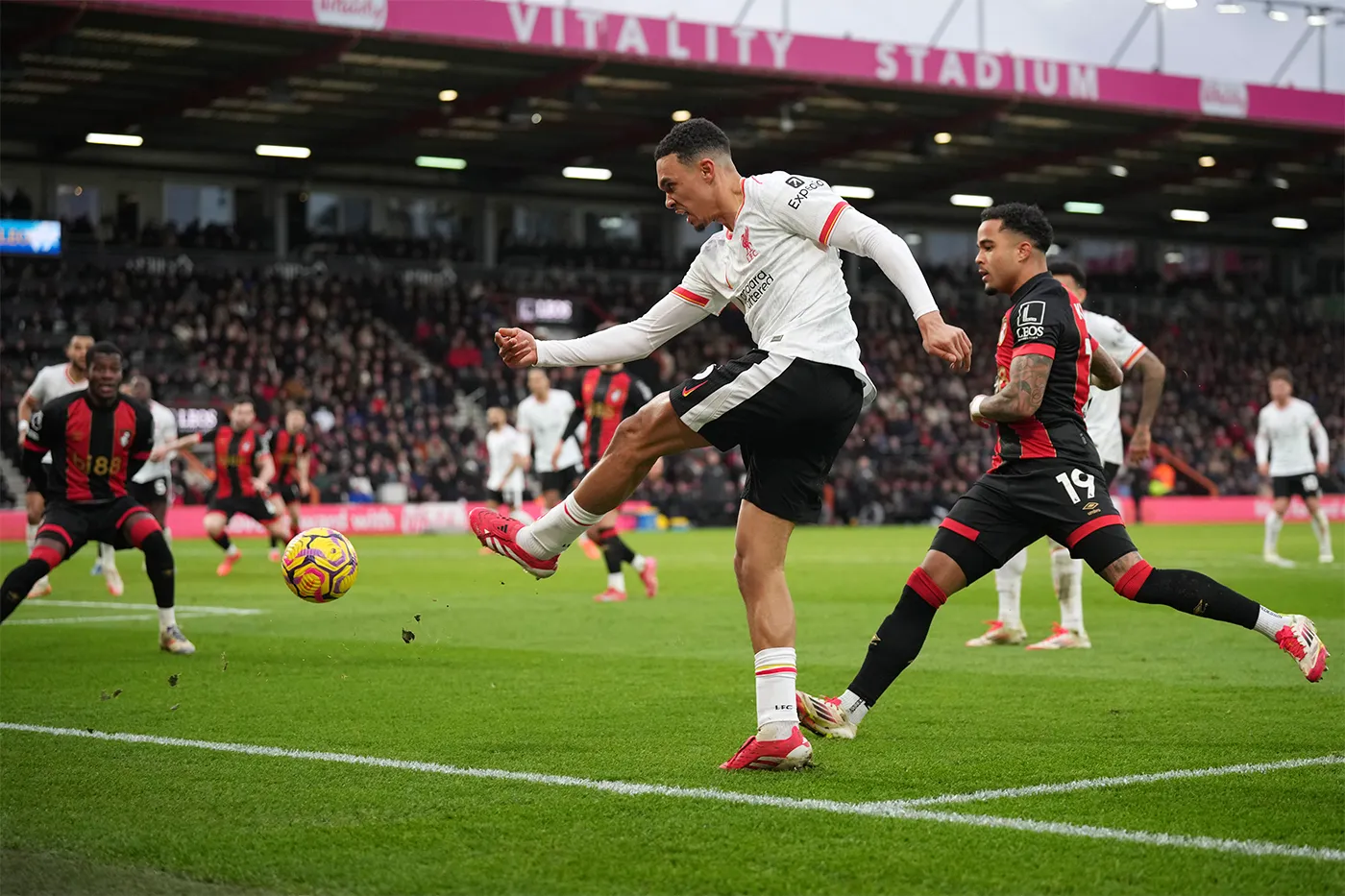
Soccer passing is harder, shorter and sharper across pro leagues, new research finds
Assistant teaching professors Brennan Klein's new research group, NetSi Sport, released research analyzing how professional soccer gameplay has evolved over the last five years.