Coastal Ocean Science Academy
The Coastal Ocean Science Academy (COSA) is a marine and environmental science summer day program that connects young people to local coastal habitats and ecology. Based at Northeastern’s Marine Science Center in Nahant, we use the incredible natural classroom around us, hands-on learning, and plenty of fun to engage young people in coastal science and inspire lifelong natural and scientific curiosity.
2026 Program Dates
(FULL) Monday, July 20 – Friday, July 24 (FULL)
COSA Littorina – Middle School Program
To be added to the Waitlist for COSA Littorina, please email [email protected] with the following information: student name, grade entering in Fall 2026, parent/contact name and email, and applicant type (non-scholarship, Scholarship Type 1, or Scholarship Type 2; see designations below).
Monday, August 3 – Friday, August 7
COSA Chondrus – High School Program
Limited Spots Still Available
Registration
NOTE: MIDDLE SCHOOL COSA (July 20 – 24) IS NOW FULL.
HIGH SCHOOL COSA (August 3-7) has some spots remaining; register ASAP!
To register:
- Complete the online application form
- Pay 50% deposit ($300)
After registering, participants will receive a confirmation and instructions for completing waiver and medical forms, scholarship instructions if applicable.
Location and Schedule
COSA takes place at Northeastern’s Marine Science Center at 430 Nahant Road, Nahant, MA 01908.
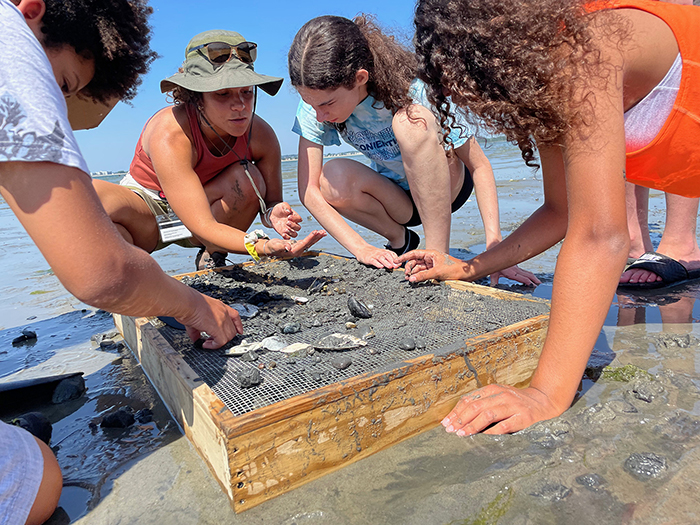
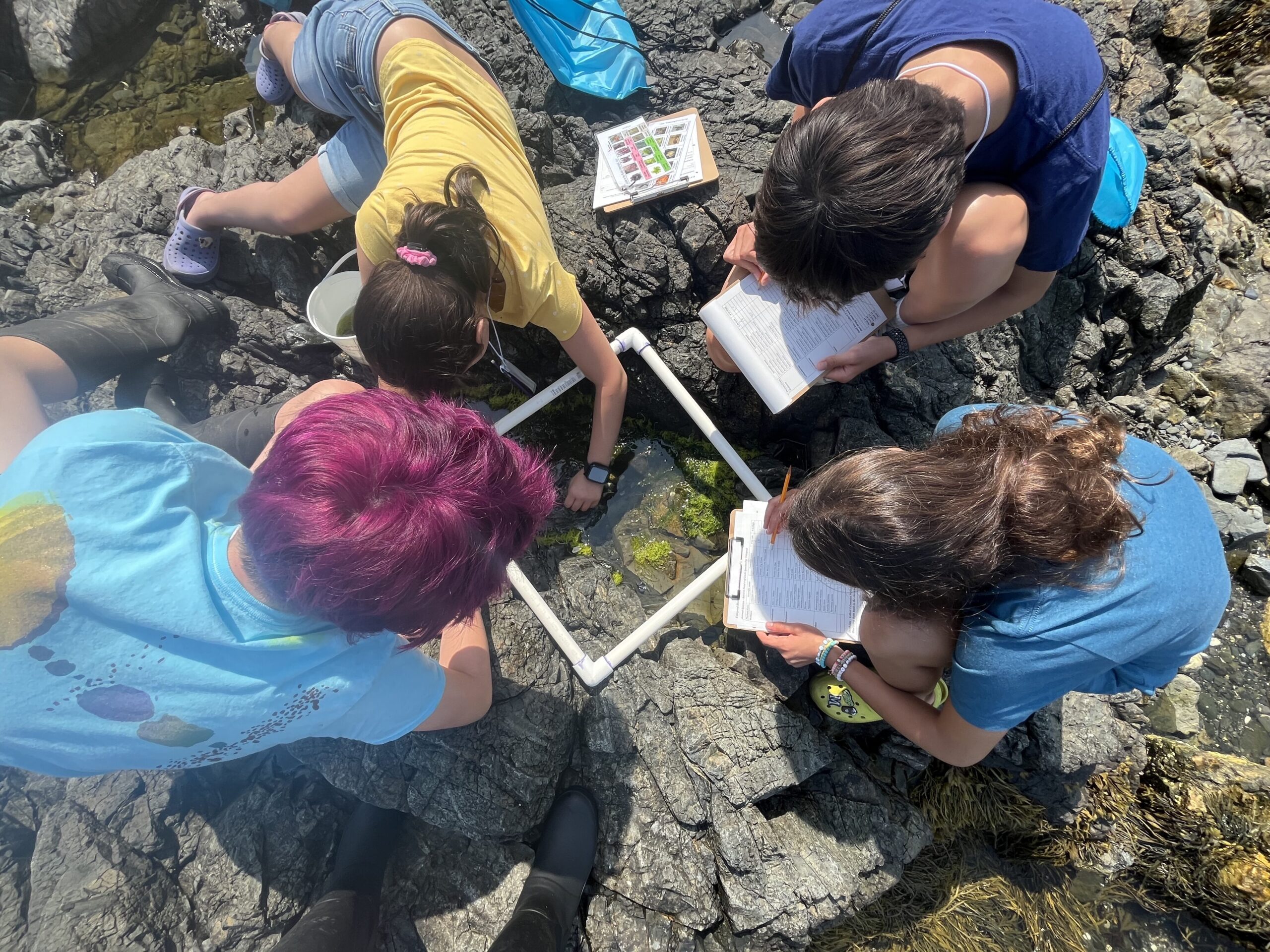
Participants explore the rocky shoreline and tidepools, meet scientists and students, and tour science labs with our dedicated team of educators, then visit coastal habitat field sites nearby.
Programs run from 9:00 a.m. to 4:00 p.m. each day.
This is a drop-off program; participants should be dropped off at the check-in table inside the entrance gate to the MSC each morning (as early as 8:30am), and picked up at 4:00 p.m. each day.
Programs
COSA Littorina
Monday, July 20 — Friday, July 24, 2026
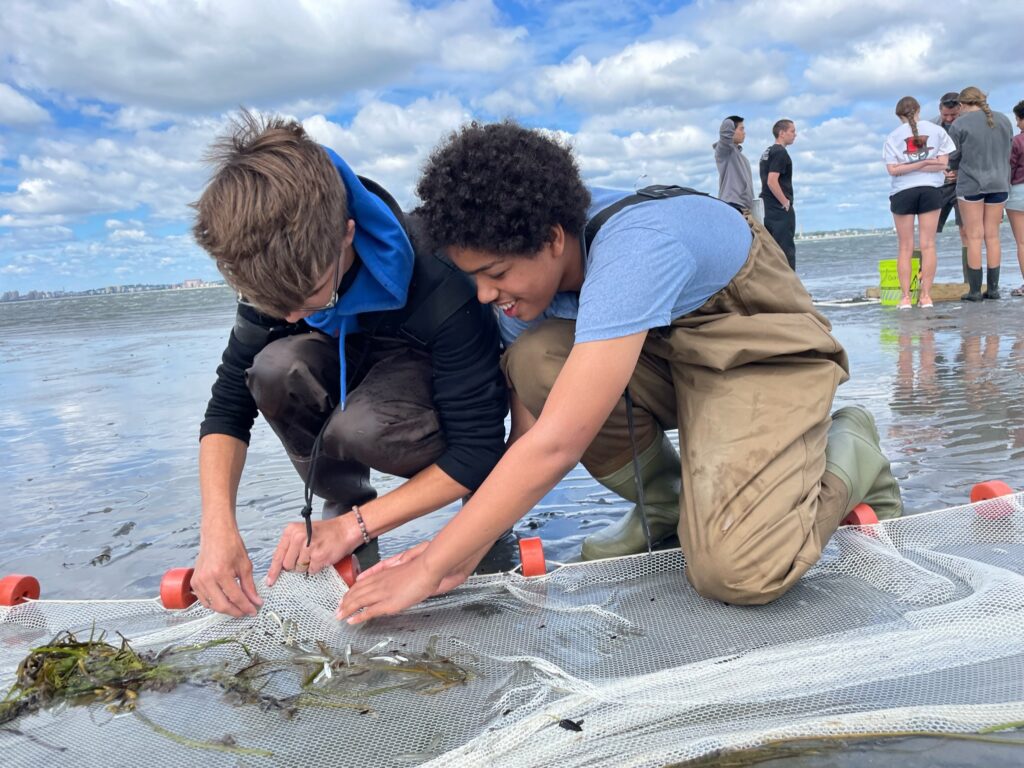
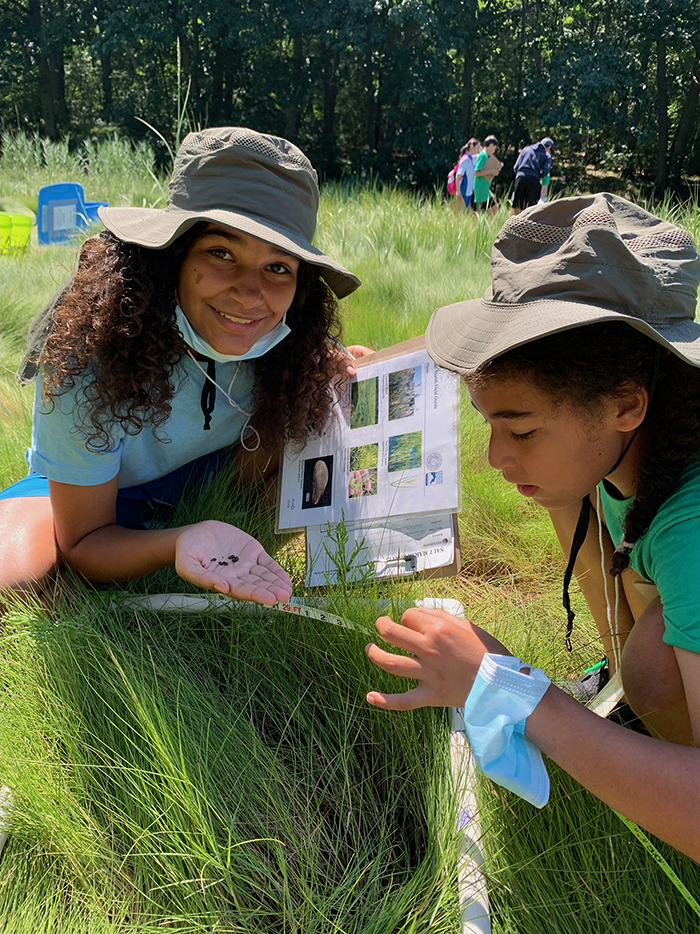
Littorina is open to students entering 6th, 7th, and 8th grade and introduces students to local coastal and marine habitats, including the sandy beach, rocky shore, open water/harbor, and coastal wetlands.
In this one-week, field-based day program, students will learn how to keep a field notebook and take basic measurements of weather, water quality, and biodiversity all while exploring the relationship between these parameters. Participants will tour research labs and meet environmental scientists who can share what inspired their work and how they got started in science. Capped at 20 students.
COSA Chondrus
Monday, August 3 – Friday, August 7, 2026
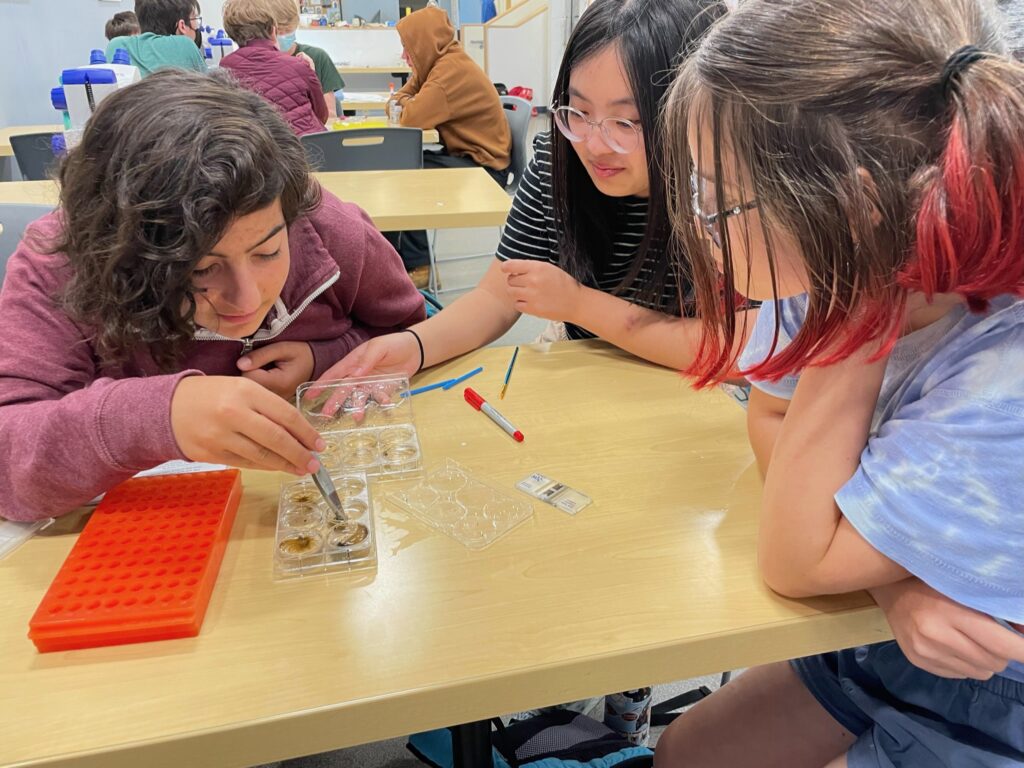
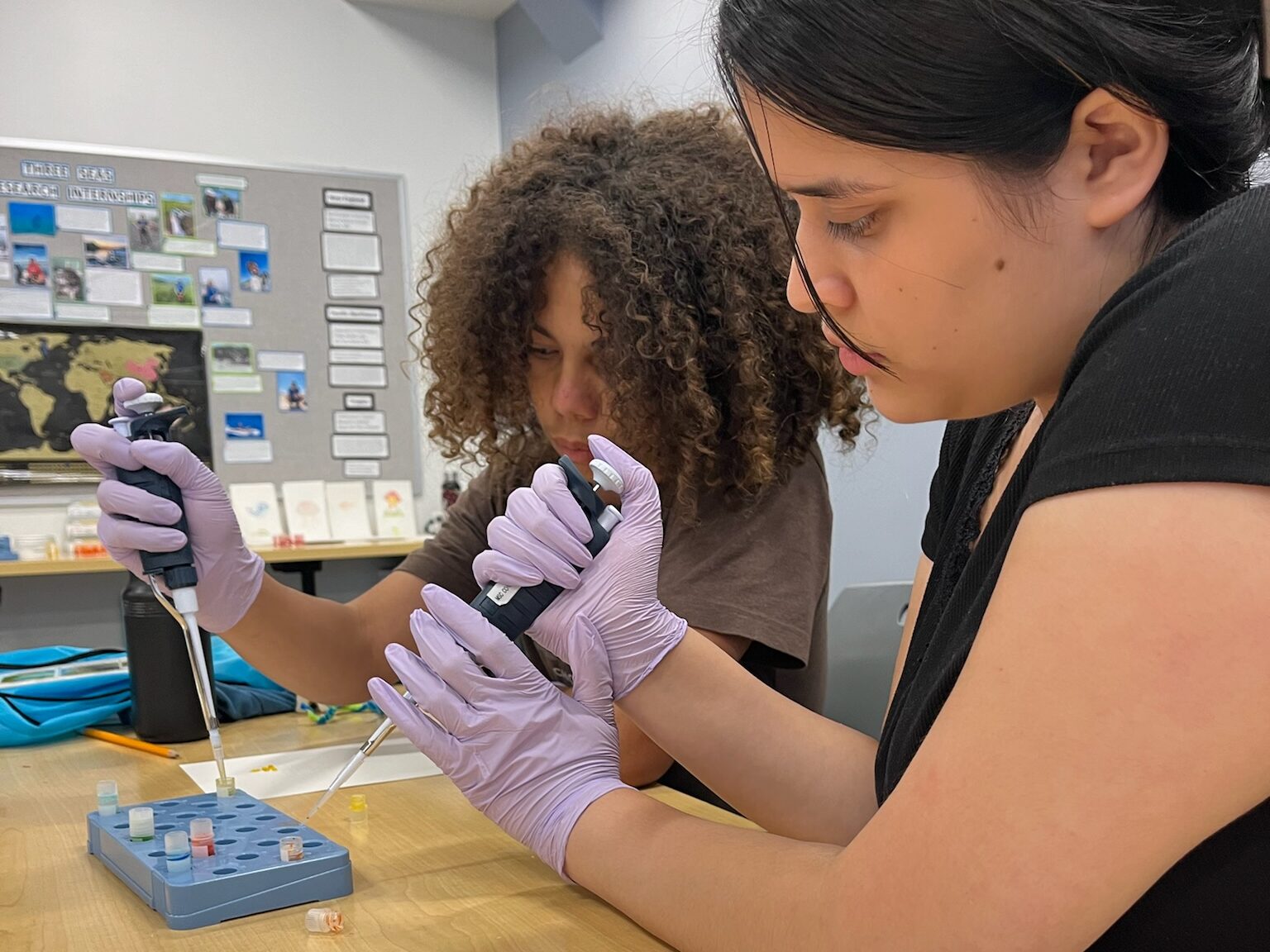
In Chondrus, students entering 9th – 12th grade can explore coastal and marine habitats hands-on, develop basic field and lab research skills, and to meet environmental scientists at multiple career and educational stages.
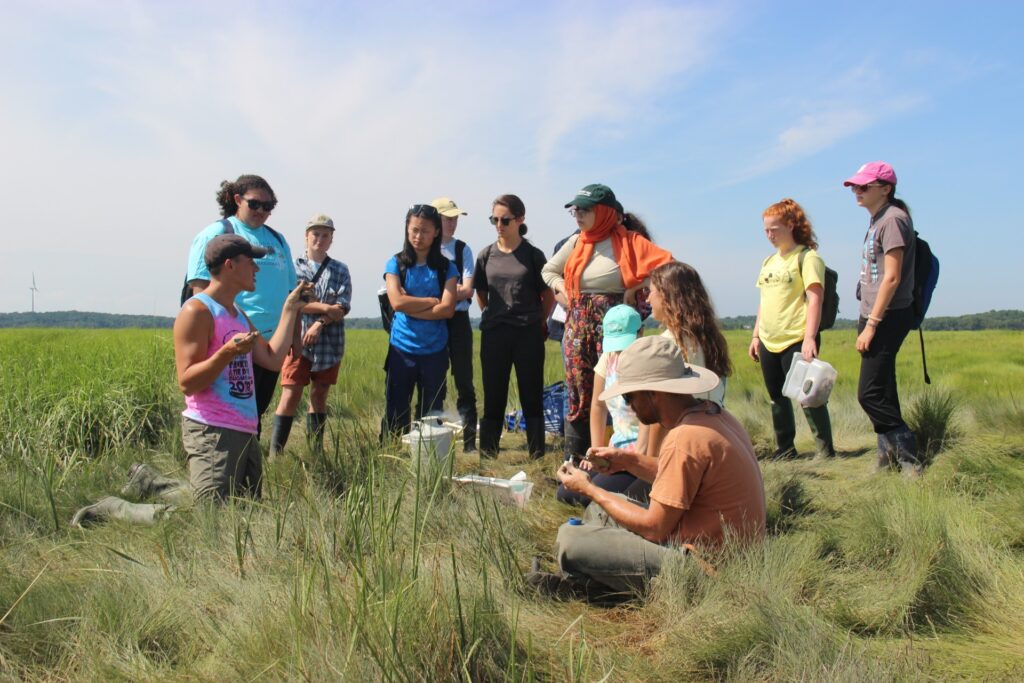
Topics covered include marine organism identification and classification, water quality monitoring, species biodiversity surveying and analysis, measuring species richness and diversity, and survey analysis. Students will also explore threats to coastal and marine resources. COSA instructors lead small-group field studies in several coastal environments including the salt marsh, sandy beach, and rocky shore.
Fees
$600 for the 5-day program
Program fees include all instruction, equipment, student materials, transportation to offsite field locations, entry for all fee-based field experiences, morning and afternoon snacks, and a COSA t-shirt.
A 50% deposit ($300) is due at time of registration; the remaining fees will be due 2 weeks before program start date.
We offer two types of scholarships and fee reductions; see Scholarship tab for details.
Refund Policy
Deposits are fully refundable for cancellations before June 1st. Refunds are not available for cancellations made after June 1st, participant dismissal, failure to attend or program absences.
Scholarships
Thanks to the support of generous donors, we are pleased to offer a limited number of full and partial scholarships to students interested in participating in the program. Our program goals are aligned with national efforts to broaden participation in academics and careers related to Science, Technology, Engineering, and Math.
Scholarship Type 1: Income-Based (5 spots available per COSA week)
Full scholarships are available to students whose households fall within the Federal Income Eligibility Guidelines for Free and Reduced Lunch (full guidelines here). If funds permit, partial scholarships may be awarded to other students expressing need. Please note that application to Scholarship Type 1 does not guarantee a space at COSA.
Scholarship applicants will be asked to submit a recommendation from a teacher, guidance counselor, school administrator, community member, or other adult (not a family member) who has known you/the applicant for at least one year; recommendations are due March 20th and are completed via Google Form (instructions will be sent via email).
Scholarship Type 2: Nahant Community Partnership Scholarships
Nahant residents are automatically eligible for a 50% reduction in COSA fees. Please indicate your residential address on the registration form, and pay the registration deposit ($300); no further fees will be charged.
“Our daughter, who has a real passion for marine biology, has participated in COSA in middle school and now high school and has loved both experiences. If the program lasted the whole summer, she’d sign up in a heartbeat for it. The hands-on nature of the program and the very supportive and knowledgeable instructors make this program a must for anyone interested in marine science.”
“My son had such a wonderful experience at COSA! Having the chance to do real science, including field work and lab work comparing different environments was transformative. We knew he was generally interested in science, now he knows with certitude he wants to pursue a career in biological sciences.”

Support Opportunities
Please consider making a gift to the COSA Scholarship Fund today – donations can be made directly to the fund online here or contact Outreach Program Coordinator Sierra Muñoz at [email protected] or 617.373.2825 to learn more.
FAQs
Can students attend multiple years of COSA?
Yes! Some of our field sites and topics repeat year-to-year, but there are always new activities, field sites, and guest scientists. Returning students often have opportunities to act as mentors during fieldwork and other activities.
How quickly does registration fill up?
COSA fills up fast! Registration opens in February each year and is first-come, first-served, with the exception of several spots reserved for scholarship applicants. A waitlist will be created once capacity is reached; we are often able to offer 1 or 2 spots to waitlisted applicants each year.
Do students travel offsite during the program?
During the program, COSA students will visit nearby field sites (may include but not limited to: Dog Beach in Nahant, Forest River Conservation area in Salem, Fishermans Beach in Swampscott); driven in passenger vans by authorized. COSA staff escort students at all times when moving between activities. Field trips take place during the program day, so student drop-off and pickup will always be at the MSC.
Is transportation available to Nahant for COSA participants?
Unfortunately, we are unable to offer transportation to the Center, and public transportation is limited to our remote campus.
What are the health and safety protocols?
Participants will be supervised by trained COSA instructors who are First Aid/CPR certified at all times during the program, while at the MSC and at all field sites. COSA is a science day program for minors operated by Northeastern University; it does not meet the legal definition of a Recreational Camp for Children under Massachusetts law (M.G.L. c. 111, §127A and 105 CMR 430.000). COSA instructors are not licensed to carry or administer medication. COSA is operated in compliance with the Northeastern University Policy for Programs Involving Minors, including all required CORI background checks, trainings, and safety protocols. Full program policies and protocols will be shared with registrants in advance of the program.
What’s with the program names?!
We encounter a lot of local coastal species during COSA – snails, sea stars, crabs, seaweeds, and birds – and we’ve borrowed the scientific names of two of them for our program!
Littorina: middle school COSA, and the Genus name of Littorina obtusata, a mollusk also known as the Smooth Periwinkle Snail, frequently spotted on algae throughout the intertidal. We’ll see them everywhere!
Chondrus: high school COSA program, and the Genus name of Chondrus crispus, a red alga also known as Irish Moss, found growing in the subtidal and low intertidal. This is COSA Program Director Sierra’s favorite local seaweed species!
What does a typical day at COSA look like?
See below; fieldwork and activity timing does vary based on weather, tides, and lab schedules. A detailed daily schedule will be provided before the program start date.
9:00: Arrive; morning briefing in the classroom
9:15: Habitat/Species overview
9:30: Fieldwork/data collection/habitat visits
12:30: Lunch
1:00: Marine Center Activities: touch tanks, guest speakers, labs
2:30: Meet the Scientist/Lab Tours
3:45: Daily Debrief, Prepare for the Next Day
4:00: Depart