In the age-old debate of nature versus nurture, the question is which aspects of our mental and physical traits are written into our genetic code, and which are a product of the environment around us.
When it comes to our health, we tend to focus on genetics, says Albert-László Barabási, Robert Gray Dodge Professor of Network Science and University Distinguished Professor of physics at Northeastern. But environmental factors drive as much as 70 to 80 percent of our risk for various non-communicable diseases, such as heart disease.
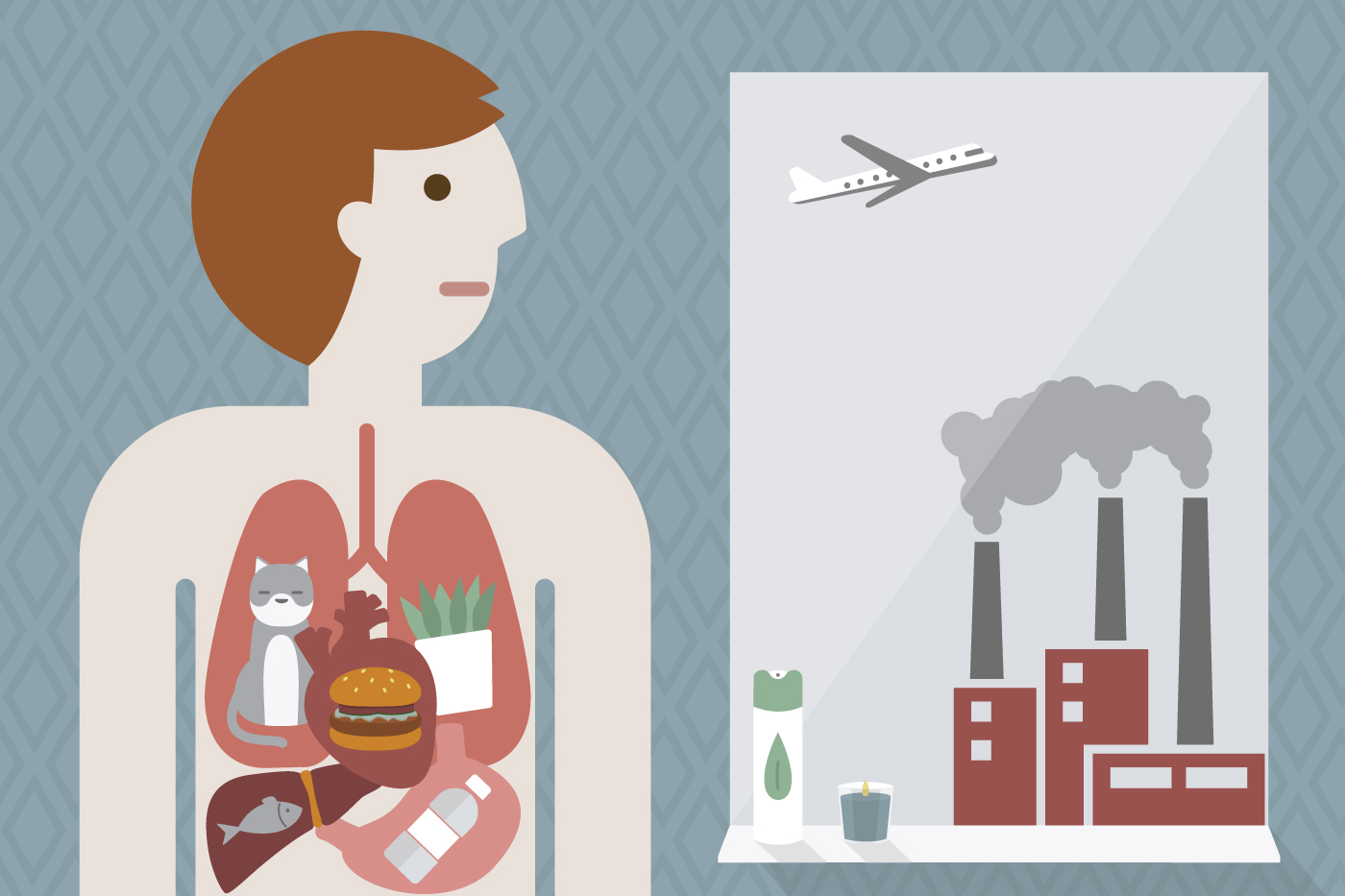
To understand how and why people get sick, researchers need to take a deep dive into the molecules around us.
“We are actually exposed to over 20,000 different molecules every time we eat, through the food’s composition,” Barabási says. “And there’s quite a number of other chemicals that we are exposed to through air, as well as simply by contact.”
In a paper to be published on Friday in Science, Barabási and colleagues at Columbia University, Utrecht University, and the University of Luxembourg lay out the case for increased study of all these environmental factors, which researchers call ‘the exposome.’
“Our genes are not our destiny, nor do they provide a complete picture of our risk for disease,” says Gary Miller, a senior author on the paper and professor of environmental health sciences at Columbia. “Our health is also shaped by what we eat and do, our experiences, and where we live and work.”
Read more at Northeastern Global News
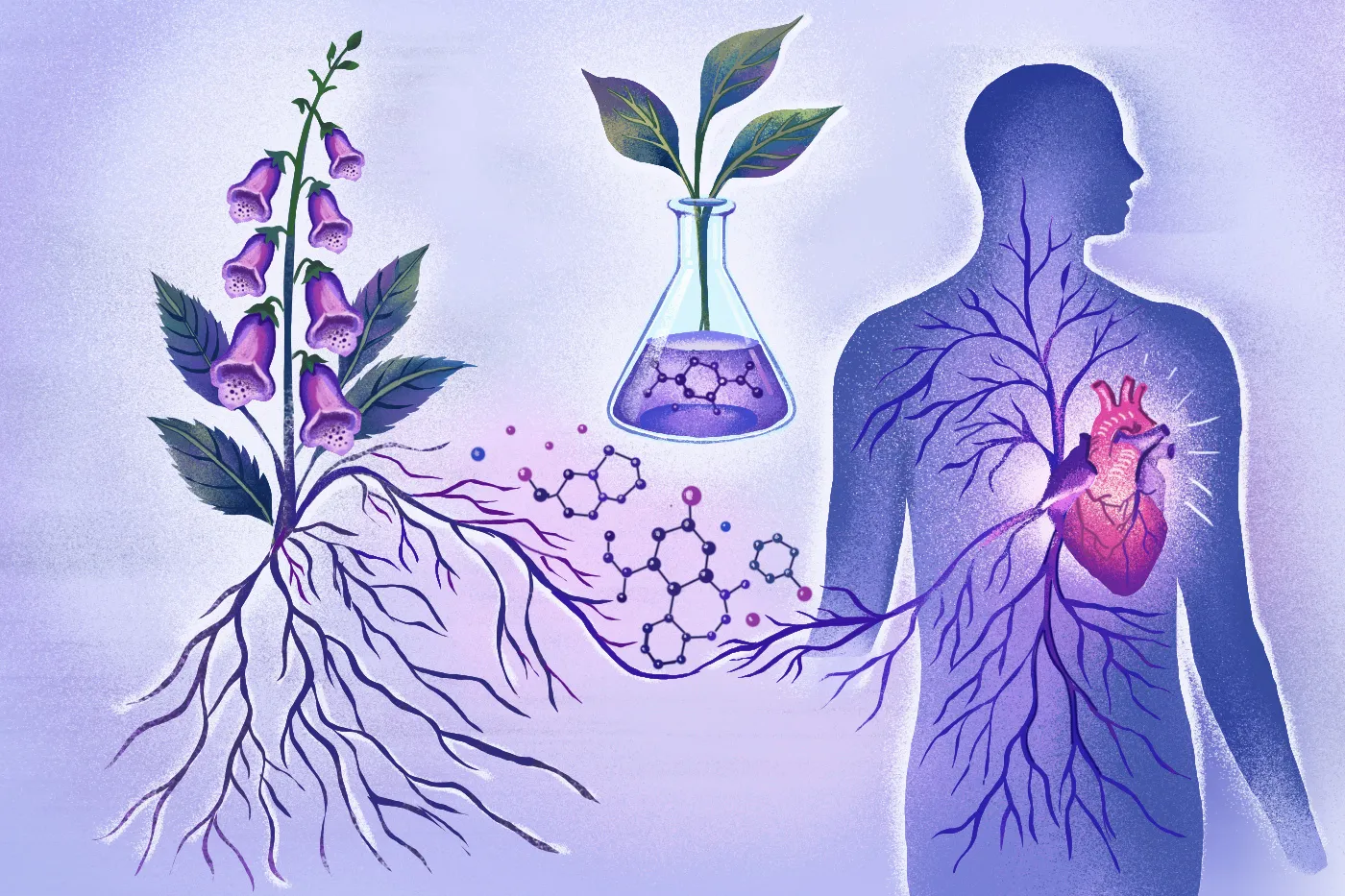
Illustration by Hannah Moore/Northeastern University