
Three Seas
The Three Seas Program is an immersive, field-intensive marine biology program focused on research, sustainability, conservation, and restoration. Students live and work at world-renowned research facilities across three distinct environments: the Northwest Atlantic, tropics, and North Pacific.
Overview
The Three Seas program offers an inquiry-based curriculum that is centered around three major learning objectives:
- Acquire the fundamental knowledge to understand the forces that shape different marine ecosystems.
- Develop scientific rigor through the design, execution, and analysis of cutting-edge experiments.
- Create a portfolio of quantitative skills that promote success in the field of marine science.

Student SCUBA divers receive a Scientific Diving certification through the American Academy of Underwater Sciences and complete an average of sixty dives among the three locations. Students are guided and challenged by a faculty team of renowned marine researchers from around the world both on land and in the water.
Graduates of the program are employed in environmental consulting, non-profit work, state and federal government, outreach and education, and scientific research support. For those who want to pursue higher education, our alumni are routinely accepted into the top marine and ocean science doctoral and veterinary programs across the country.
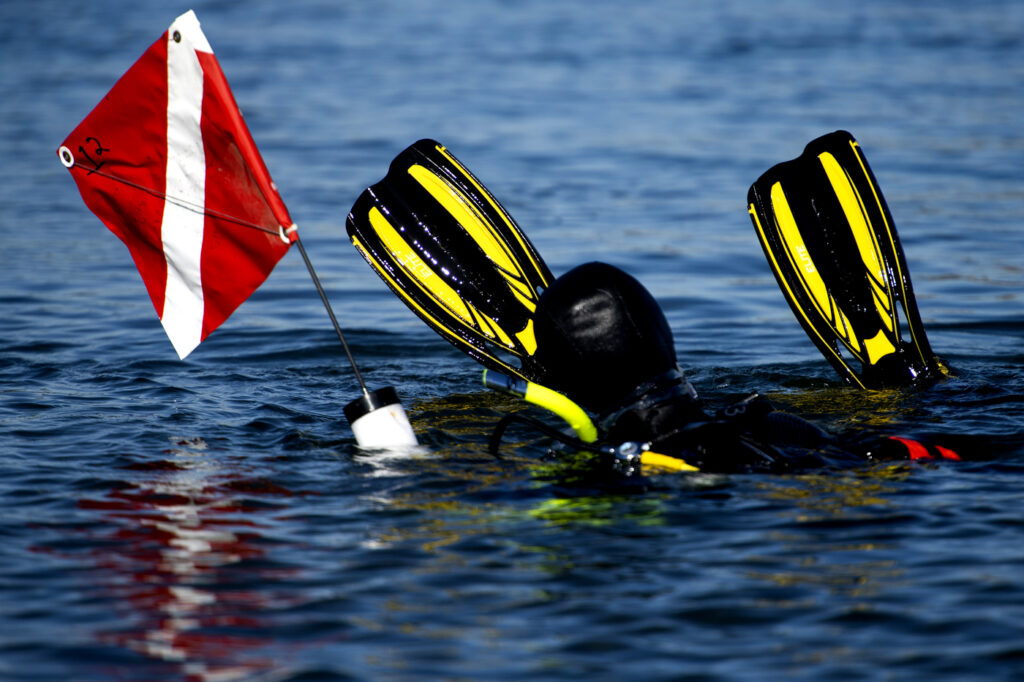

Program Destinations
In its 40 year history, the Three Seas Program has included exciting locations such as Jamaica, The Channel Islands and French Polynesia. Abroad instruction locations may change to reflect the best opportunities for students.
Nahant, MA
Students begin the Three Seas Program at Northeastern University’s Marine Science Center/Coastal Sustainability Institute located in the Gulf of Maine, where they actively study in coastal habitats that include the rocky intertidal, salt marshes, eelgrass beds, shrub kelp, and rocky reefs. Here, students have the option of earning their scientific research diver certification.
The Marine Science Center (MSC) sits on 20 acres at the tip of Nahant, a rocky peninsula extending into the Atlantic Ocean with views of Boston’s skyline. Despite being just 12 miles from Boston Harbor, prevailing coastal currents provide clean, stable seawater, while the 10-foot tidal range and rocky shoreline create diverse intertidal and subtidal communities perfect for underwater research. The MSC is the only year-round Atlantic coast laboratory with exposed rocky ocean frontage, proximity to Boston-area institutions, and access to a diverse array of field sites. Facilities include a flow-through seawater system, wet lab, research laboratories, offices, dive locker, classroom, and experimental greenhouse.
During the Nahant semester, master’s students can elect to live in Willis Hall at Northeastern’s main campus in Boston. Undergraduate students should continue to secure housing through the Northeastern housing lottery system. Students are also welcome to live off-campus in Boston or closer to Nahant to suit their needs. A free daily shuttle runs between the Boston campus and Nahant for all Three Seas Program students, including those not living on the main campus.
Panama
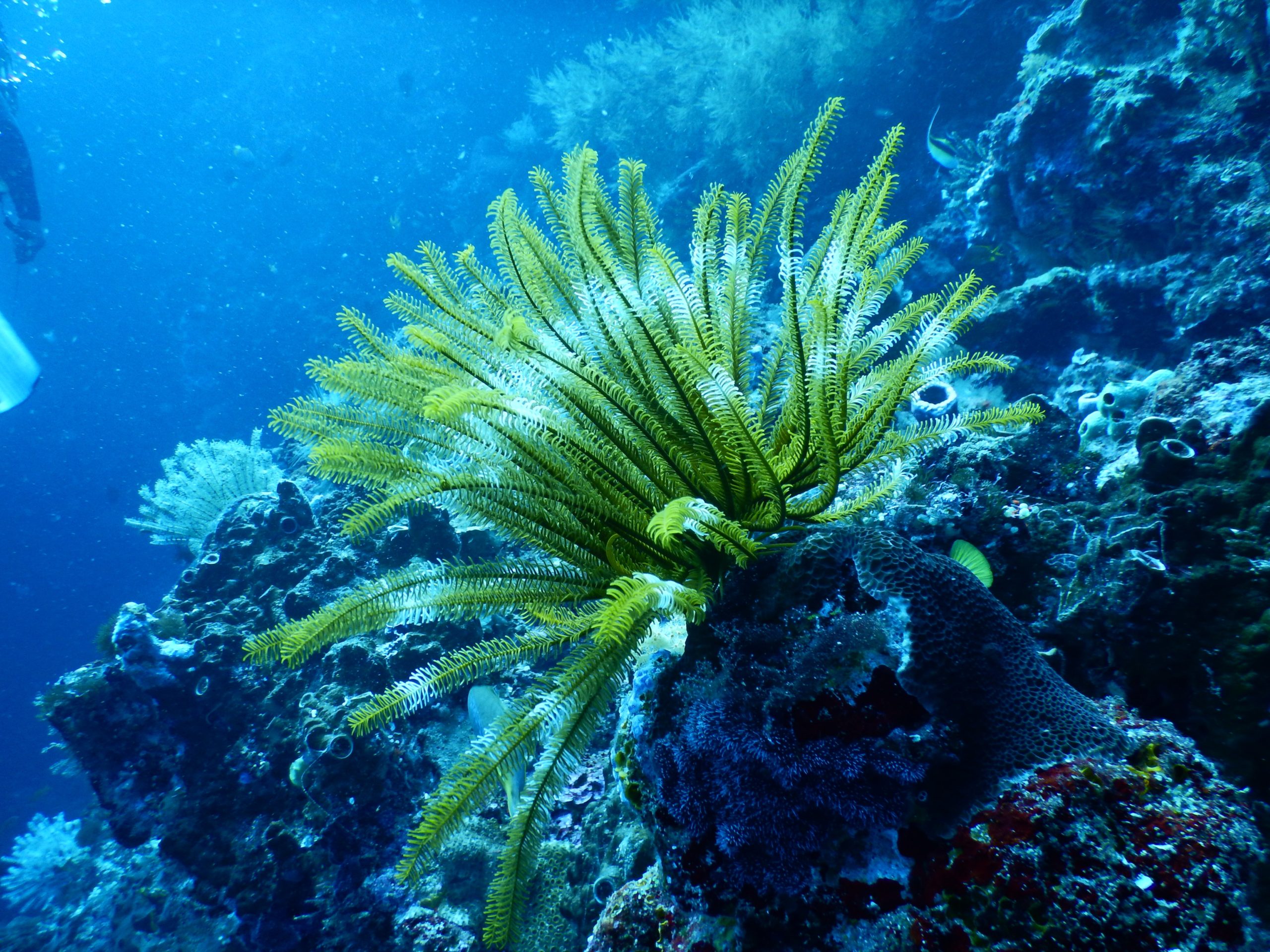
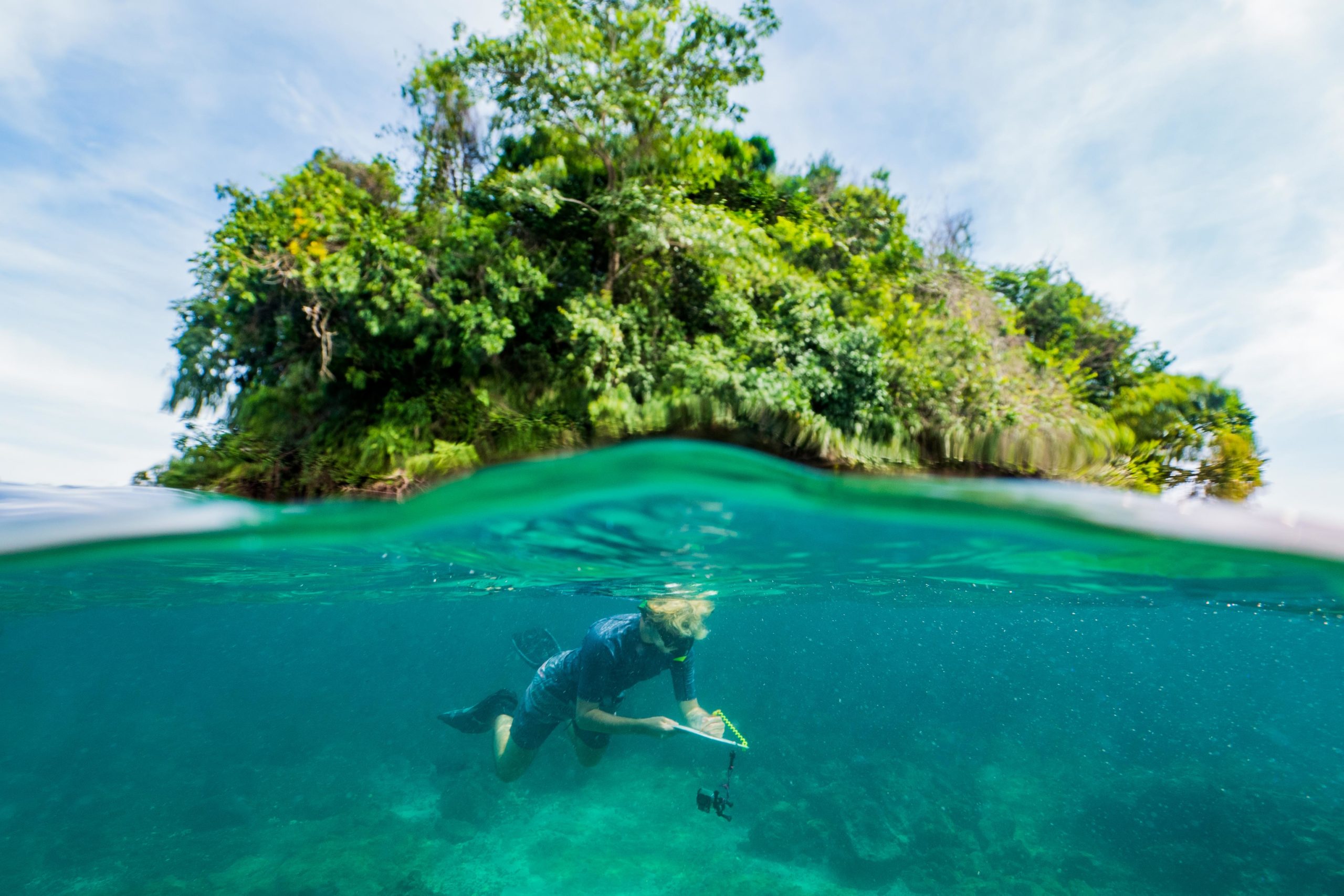
Explore tropical ecology and reef processes in Panama on the Caribbean Sea to study tropical marine sciences at the Smithsonian Tropical Research Institute’s (STRI) Bocas del Toro Research Station. The program fully immerses students in Panama’s diverse tropical ecosystems and unique geographical location. STRI is within walking and swimming distance of lagoon, coral reef, seagrass, and mangrove habitats. Nearby fringing coral reefs provide superb diving and snorkeling opportunities. Students complete coursework in the biology of corals, fishes, ocean and coastal processes, and tropical marine ecology utilizing Smithsonian’s classrooms, wet and dry laboratories, dive locker, and research vessels.
Housing is provided on the STRI campus in shared rooms. Dorms are connected to a small dining hall where all meals will be cooked and provided by Smithsonian chefs. Students spend approximately nine weeks at the Smithsonian Tropical Research Institute followed by a one-week trip across the country to Coiba National Park, a marine preserve off the Pacific coast of Panama.
Friday Harbor (WA)
Friday Harbor Laboratories, the University of Washington’s marine research and education facility, offers students the opportunity to conduct field-intensive coursework that explores the biodiverse rocky intertidal habitats, kelp forests, and the unique geography of the San Juan Islands. Located in Puget Sound, local waters are cold and productive, while the marine flora and fauna are exceptionally diverse. Habitats include rocky shores, mudflats, sandy beaches, and a wide range of subtidal environments including large kelp communities. The labs are located on a 484-acre forested biological preserve on San Juan Island with a mix of exposed, rocky headlands, sandy beaches, and tidal estuaries.
Traditional dorm-style housing (two students per room) is provided on the Friday Harbor campus. Meals are prepared by Friday Harbor Laboratory chefs in the communal dining hall. Students spend approximately eight weeks at the facility.
Room and Board Abroad
Housing abroad is arranged by the Three Seas Program. Room and board costs for Panama and Washington are not included in tuition. Costs are comparable to mid-level apartment accommodations and a full meal plan at Northeastern.
The demanding requirements and accelerated timeline of the program preclude opportunities for teaching or research assistantships. As a result, students must pay their own tuition.
-
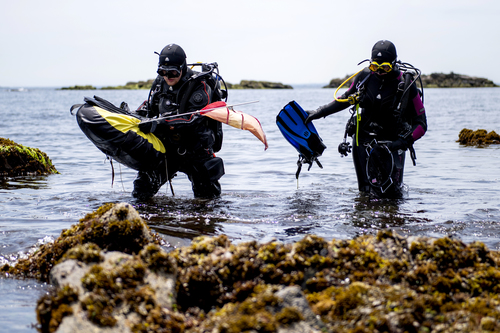
06/10/19 – NAHANT, MA. – Students Jaxon Derow and Sahana Simonetti exit the water after collecting mussels for a research project at the Marine Science Center on June 10, 2019. Photo by Matthew Modoono/Northeastern University -
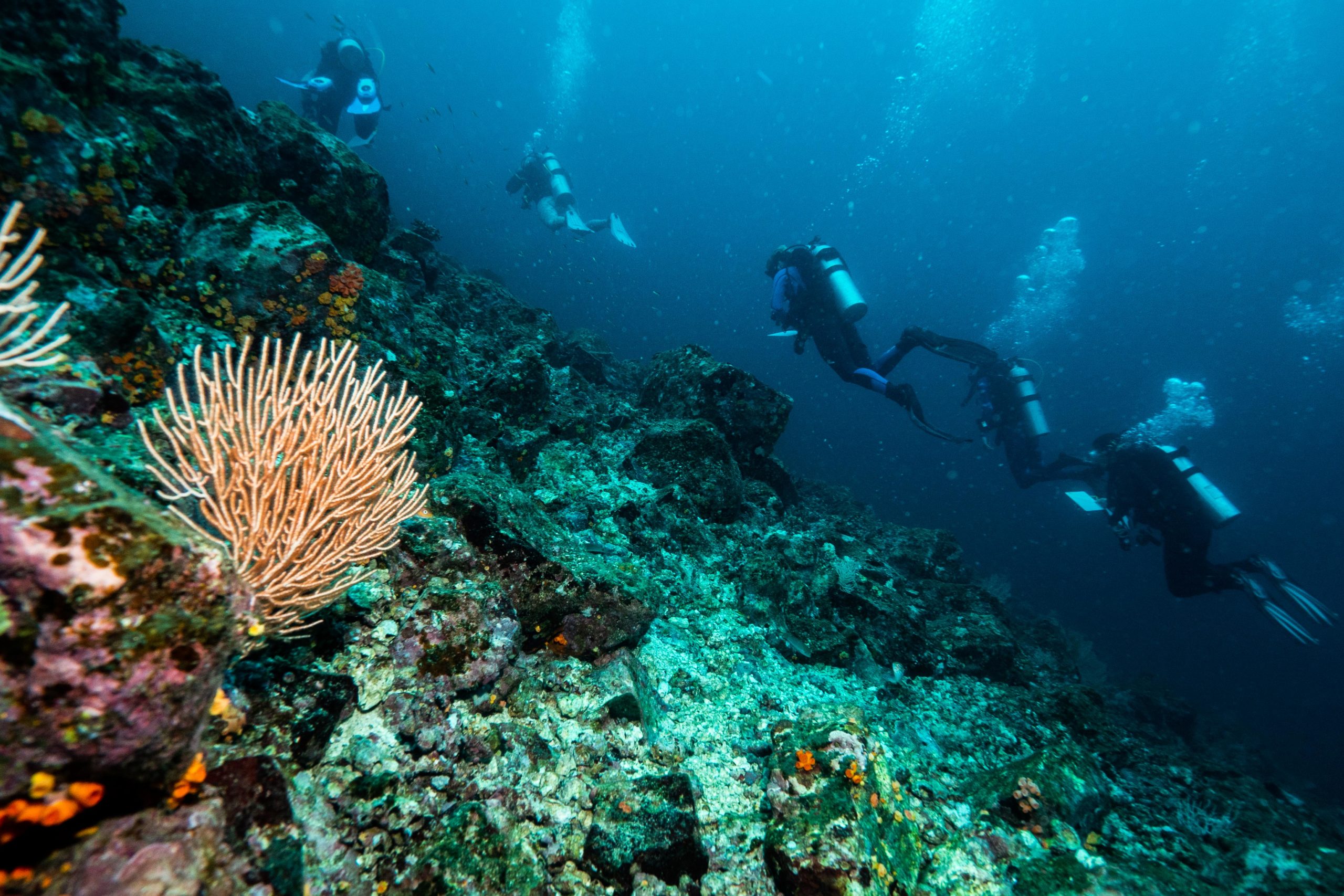
OLYMPUS DIGITAL CAMERA -
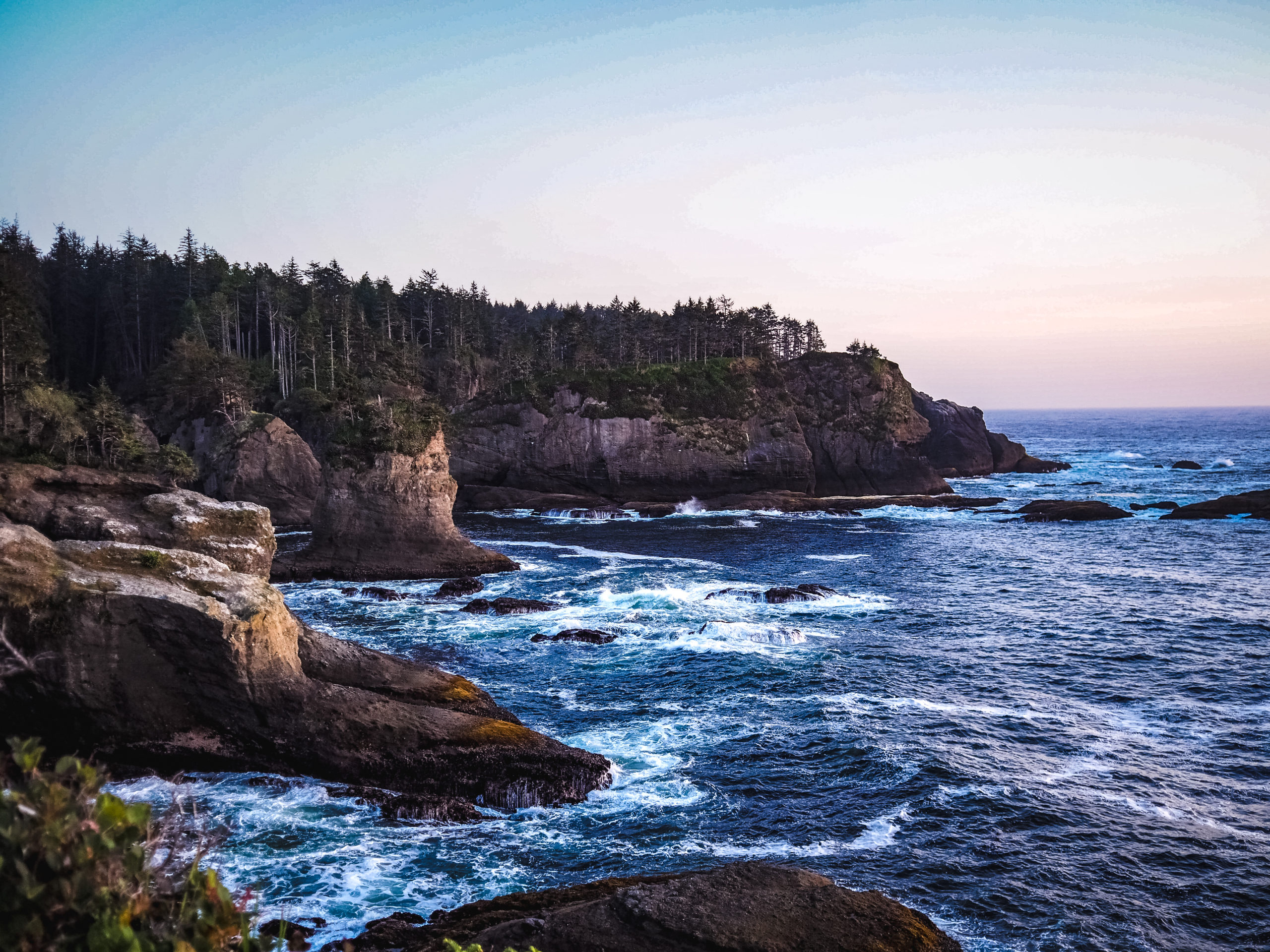
Photo by Angela Fan -
-
Curriculum
Fall Path – 40 semester hours of graduate coursework
Fall Semester (Year 1)
Nahant, MA
- Marine Spatial Planning
- Sustainability of the Land-Sea Interface
- Experimental Design Marine Ecology
- Marine Biology Careers Seminar
- Dive Research Methods
- New England Marine Biomes
Spring Semester (Year 1)
Abroad
Smithsonian Tropical Research Institute, Panama (9 weeks)
- Biology of Corals
- Ocean and Coastal Processes
- Tropical Marine Ecology
- Biology and Ecology of Fishes
Friday Harbor Laboratories, Washington (8 weeks)
- Changing Global Oceans
- Marine Birds and Mammals
- Conservation and Restoration of Marine Systems
Summer & Fall Semesters (Year 2)
- 6-month graduate research project
- Graduate in December
-
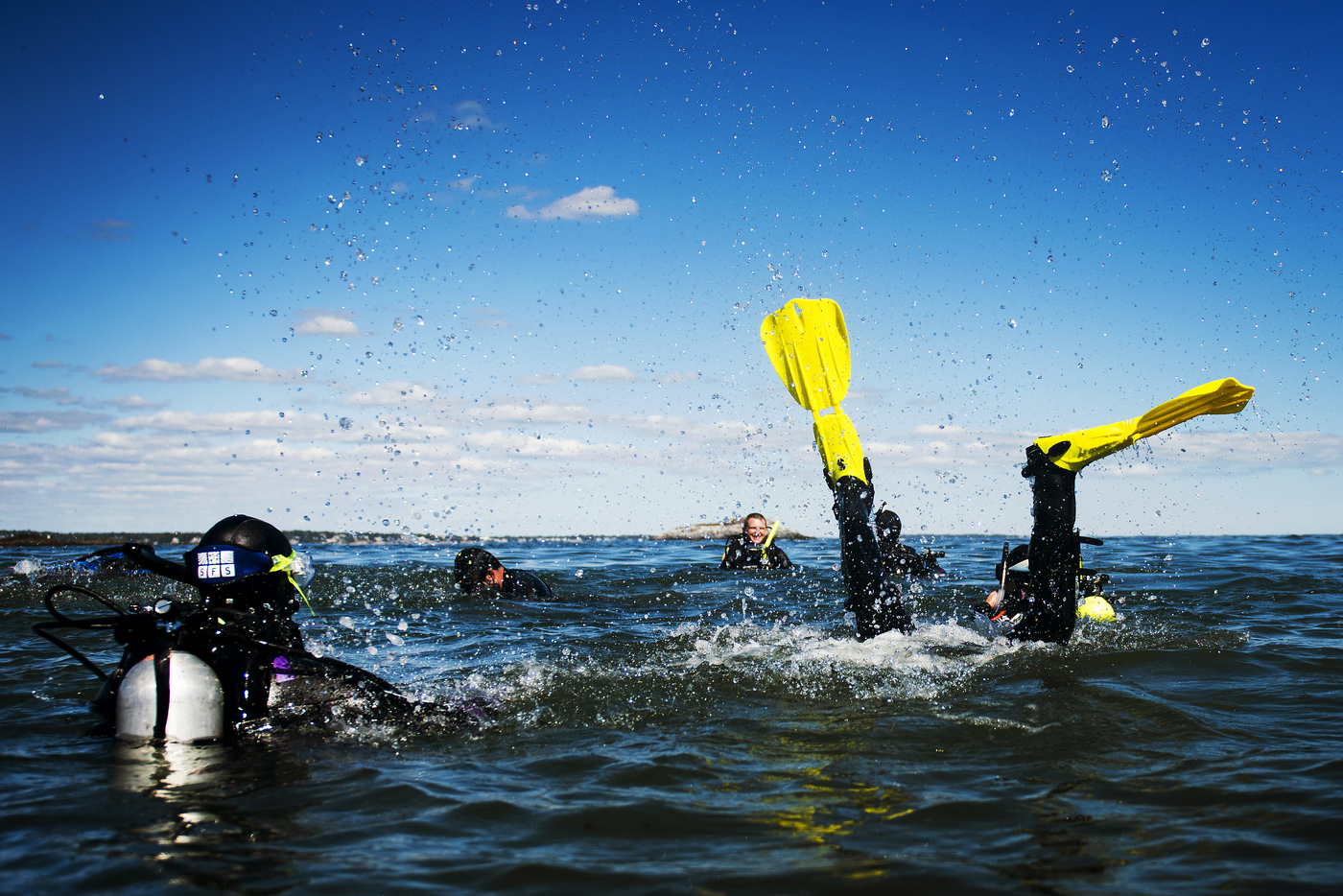
09/29/17 – NAHANT, MA. – Students in Northeastern’s Three Seas program go for a dive at the Marine Science Center in Nahant, MA on Sept. 29, 2017. Photo by Adam Glanzman/Northeastern University -
-
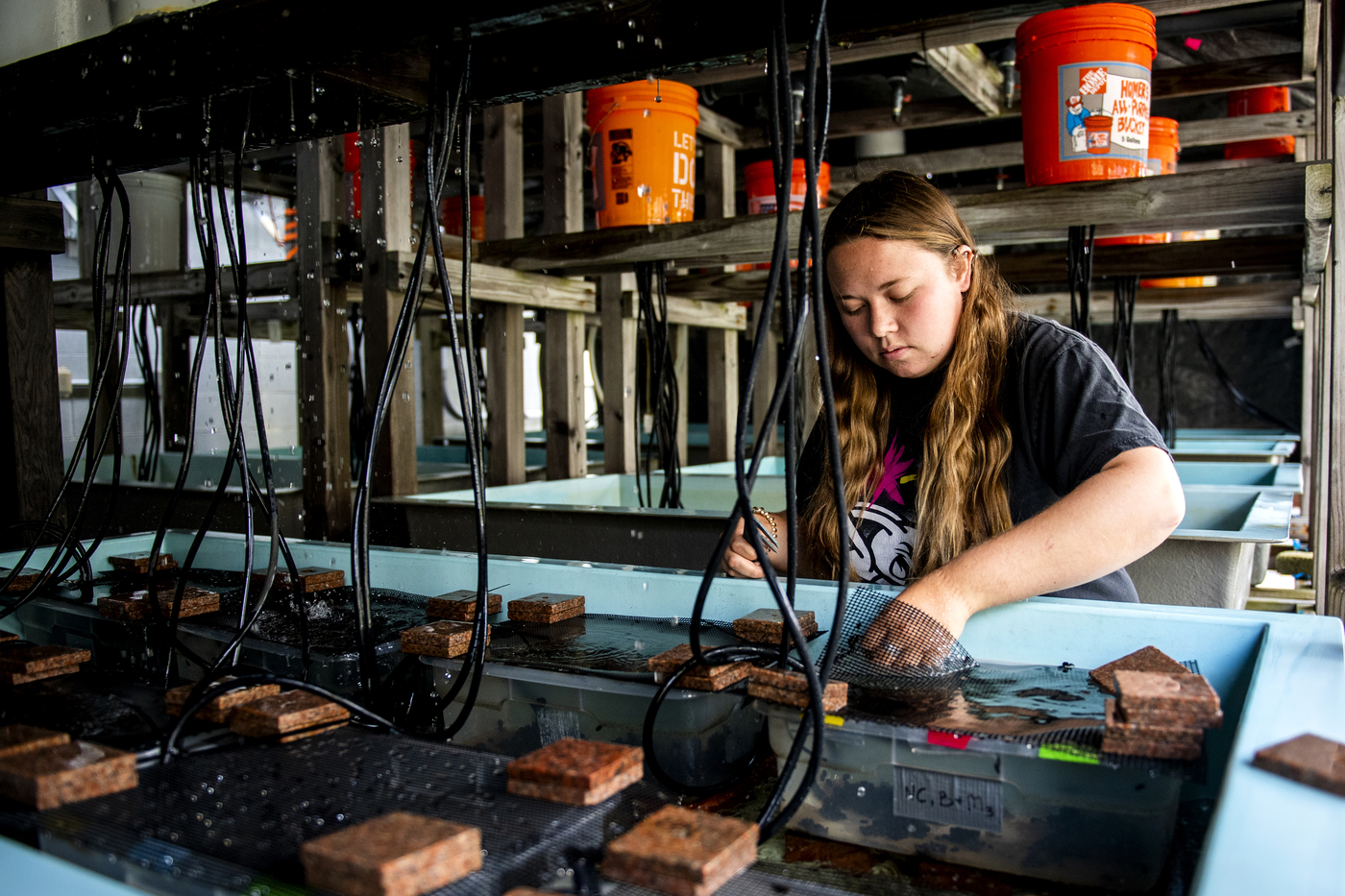
08/07/19 – NAHANT, MA. – Student Danielle Whalen measures a Littorina obtusata snail for a project researching the evolution of the snail’s defenses when the green crab is introduced in its environment at the Marine Science Center in Nahant on August 07, 2019. Photo by Ruby Wallau/Northeastern University
Graduate Option
The Master of Science in Marine Biology (Three Seas) is a 40 credit graduate program for anyone seeking to deepen their knowledge of marine biology and develop skills for successful employment in marine science. Northeastern University graduates are eligible for the Double Husky discount.
Requirements
The deadline for priority admission is January 1. Applications received after January 1 are reviewed on a rolling basis. 20 students are accepted into the fall path cohort.
- Bachelor’s degree from an accredited college or university
- 3.00 GPA
- Prerequisite coursework: Biostats, Marine Biology, Ecology
- Taking all three courses (or their equivalent)is highly recommended but not mandatory. Three Seas is an accelerated research and empirically-intensive program, and these prerequisites better prepare students for success.
- English proficiency can be fulfilled with one of the following
- Degree earned or in progress at a U.S. institution
- Degree earned or in progress at an institution where English is the only medium of instruction
- Official exam scores from either the TOEFL iBT, IELTS, Duolingo or PTE exam
Given the intense field-oriented curriculum, complex logistics, and high cost of the program, an informational visit to the Marine Science Center in Nahant is advised (preferably during the summer).
Undergraduate/PlusOne Option
Northeastern University undergraduate students are eligible to participate in Three Seas and complete a PlusOne bachelor’s/master’s degree program.
Northeastern undergraduate students interested in pursuing the undergraduate path (NOT PlusOne) must apply here.
How does it work?
The PlusOne option allows students to accelerate the attainment of their master’s degree by applying 16 semester hours from Three Seas curriculum completed as an undergraduate toward their master’s degree. Degrees are earned sequentially with bachelor’s degree completion immediately followed by a PlusOne year to complete the master’s degree.
Students interested in the PlusOne option will enter Three Seas as a senior completing their last two undergraduate semesters in the program students then graduate with their BS and transition into the master’s program. Undergraduate students from any major may still participate in Three Seas after completing prerequisite coursework. We do accept students to the program who are not enrolled at Northeastern University.
If you are interested in participating in Three Seas, please email your academic advisor and Three Seas Program Manager Marissa Varade to review your degree audit and develop an academic plan.
Requirements
The deadline for priority admission is September 1. Applications received after September 1 are reviewed on a rolling basis. Undergraduate students must contact the Three Seas team at least one year prior to the start of the program. 20 students are accepted into the fall path cohort and applications are competitive.
- Currently enrolled Northeastern undergraduate student
- 3.00 GPA
- Prerequisite coursework: Biostats, Marine Biology, and Ecology
- PlusOne
- Must be in one of the following majors at Northeastern University:
- Marine Biology
- Ecology and Evolutionary Biology
- Environmental and Sustainability Sciences (Earth, Oceans, and Environmental Change or Conservation, Restoration, and Management concentrations)
- Must apply online and submit application materials
- Must be in one of the following majors at Northeastern University:
Application Materials
- Official undergraduate institution transcripts
- Resumé
- Personal statement
- Writing sample (e.g., lab report, capstone manuscript, science communication article)
- Three letters of recommendation
The GRE is NOT required and is not considered in the admission process for this program.
Scientific Diving
All students are encouraged to participate in the program using SCUBA. Completion of the program while snorkeling is also possible. If you are interested in participating in scientific diving during the Three Seas program, please review the requirements to participate.
Ready to apply?
All applicants must apply online and submit the required application materials.
Our Team
-
Marissa Varade
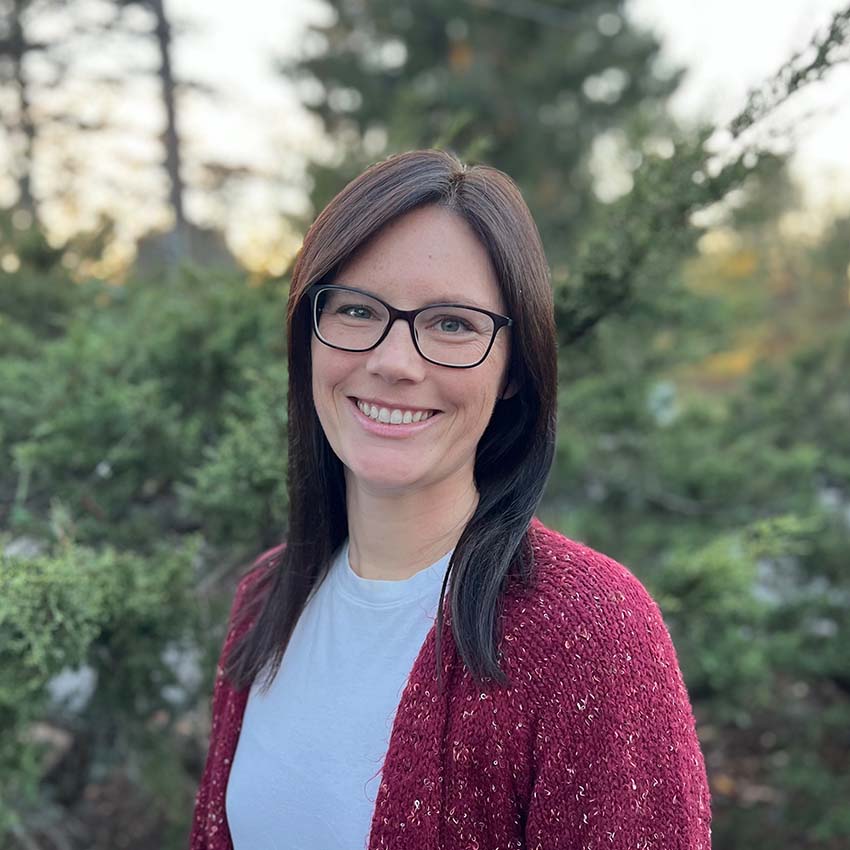
Marissa Varade oversees operations of the Three Seas Program and Northeastern University’s scientific diving program at the Marine Science Center in Nahant, MA. She earned her MS in marine biology from Northeastern University’s Three Seas program in 2018. After graduating, she worked as a marine animal care technician at the Marine Biological Laboratory (MBL) in […] -
Kerry Bresnahan
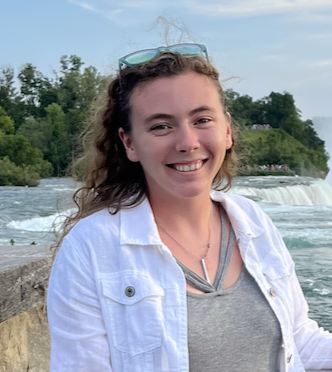
Kerry Bresnahan manages diving and logistical operations abroad for the Three Seas Program and assists with the scientific diving program at the Marine Science Center. She earned her MS in marine biology from Northeastern University’s Three Seas program in 2023. After graduating, she continued her connection to Three Seas as the Program Assistant abroad. She […]
Get to know our students and alumni
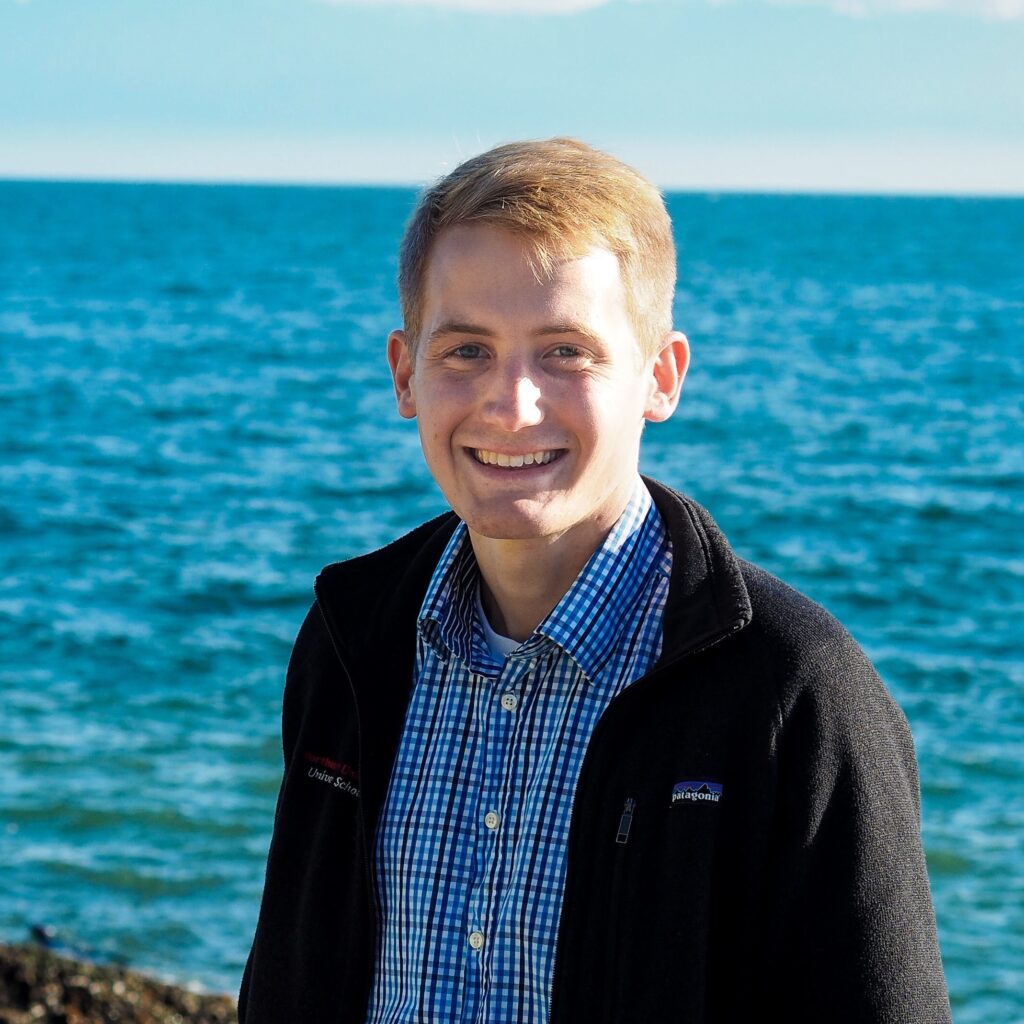
Three Seas was an ideal way to get hands-on experience across as many ecosystems as possible. In the course of just one year, I did field work in the rocky intertidal, salt marshes, kelp forests, coral reefs in both the Atlantic and Pacific, and the shores of Puget Sound. Each of those experiences was wrapped up in advanced coursework that pushed us to develop our natural history knowledge and scientific independence.
Ben Moran, Three Seas Cohort 32
A community of belonging
The Three Seas Program is dedicated to supporting a diversity of students, staff, and faculty.
Three Seas Stories
-
News
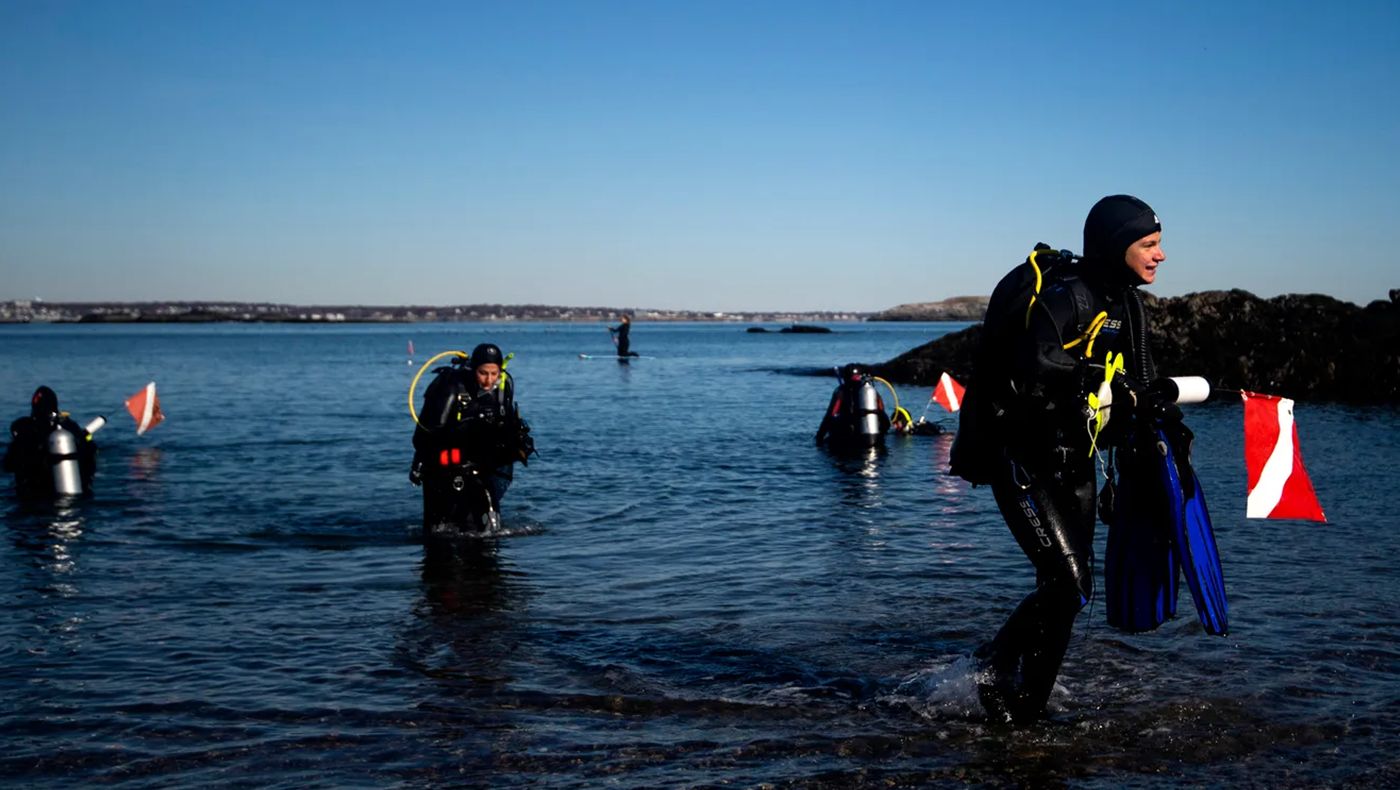
Three Seas at 40: How Northeastern’s immersive marine biology program transforms students into scientists
Dive deeper into the Three Seas program offered by the Marine Sciences Center at Northeastern University! -
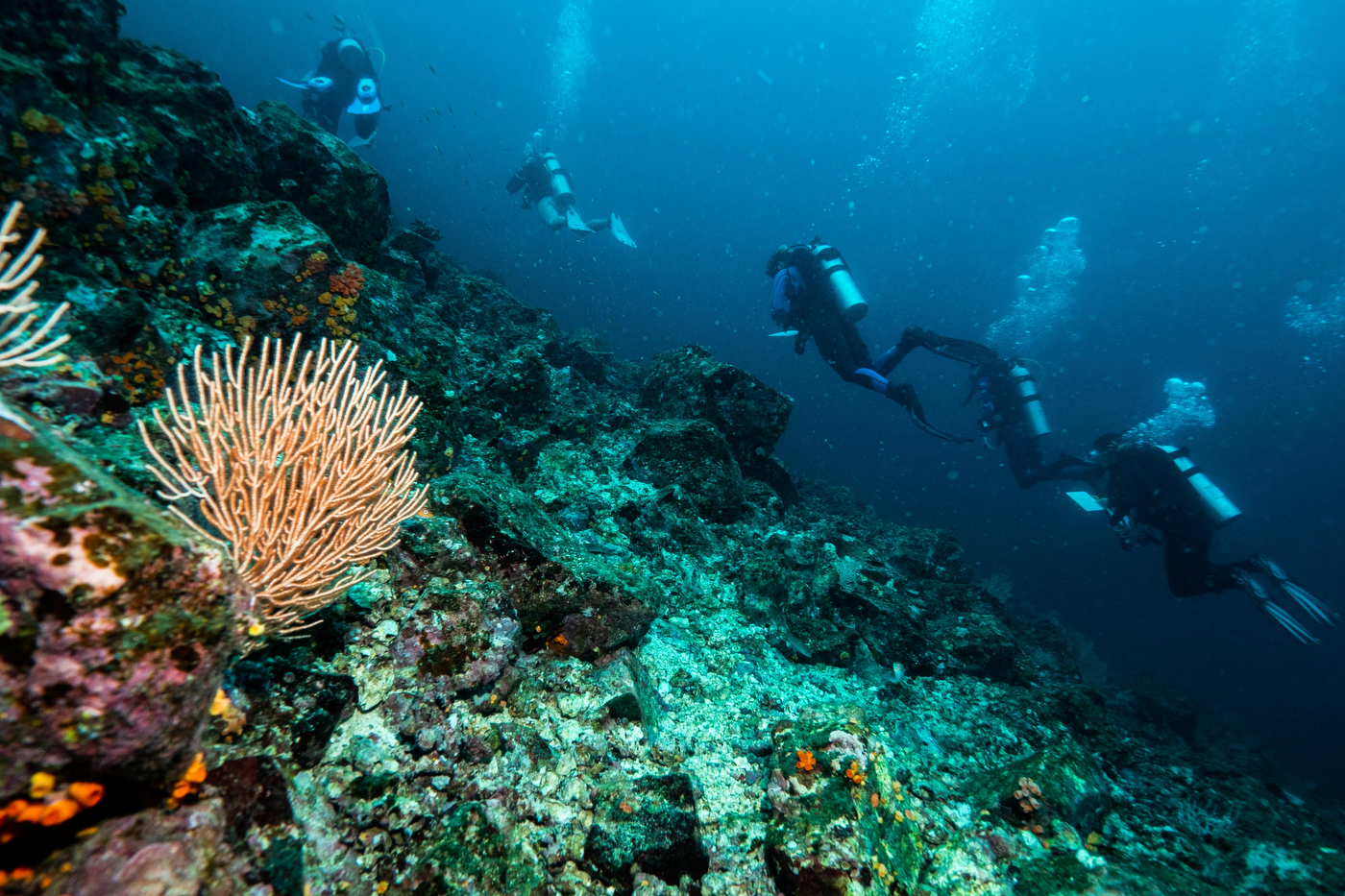
Take a deep dive into the Three Seas Program
The immersive and field-intensive program in marine biology allows students to live and work in three distinct environments. You’re invited to swim along! -
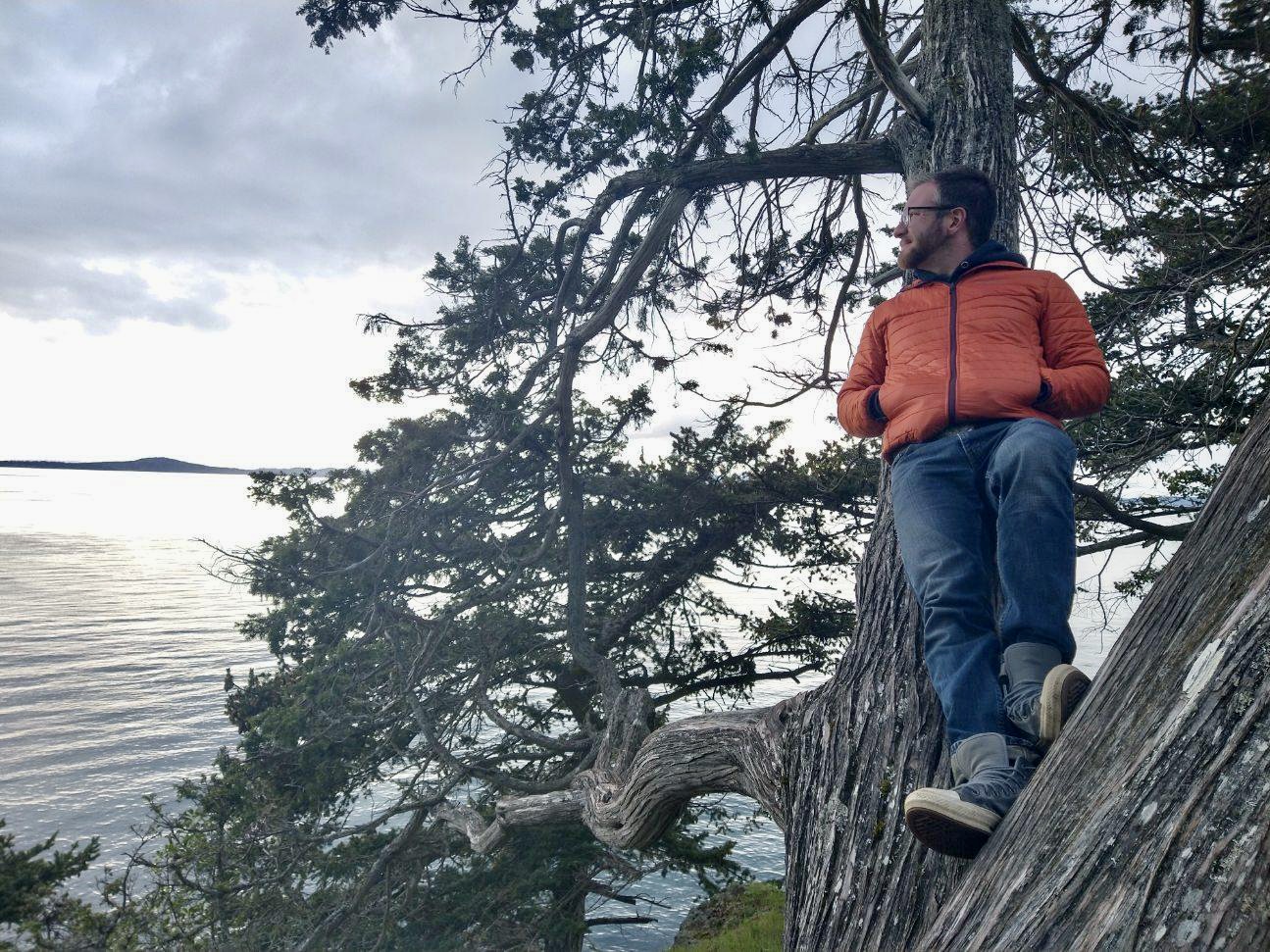
A day in the Three Seas Program with Fritz McGirr
Fritz McGirr will be taking over our Instagram account on April 22 to share his experience in the College of Science Three Seas Program. Follow along for an inside look at his time in Washington! -
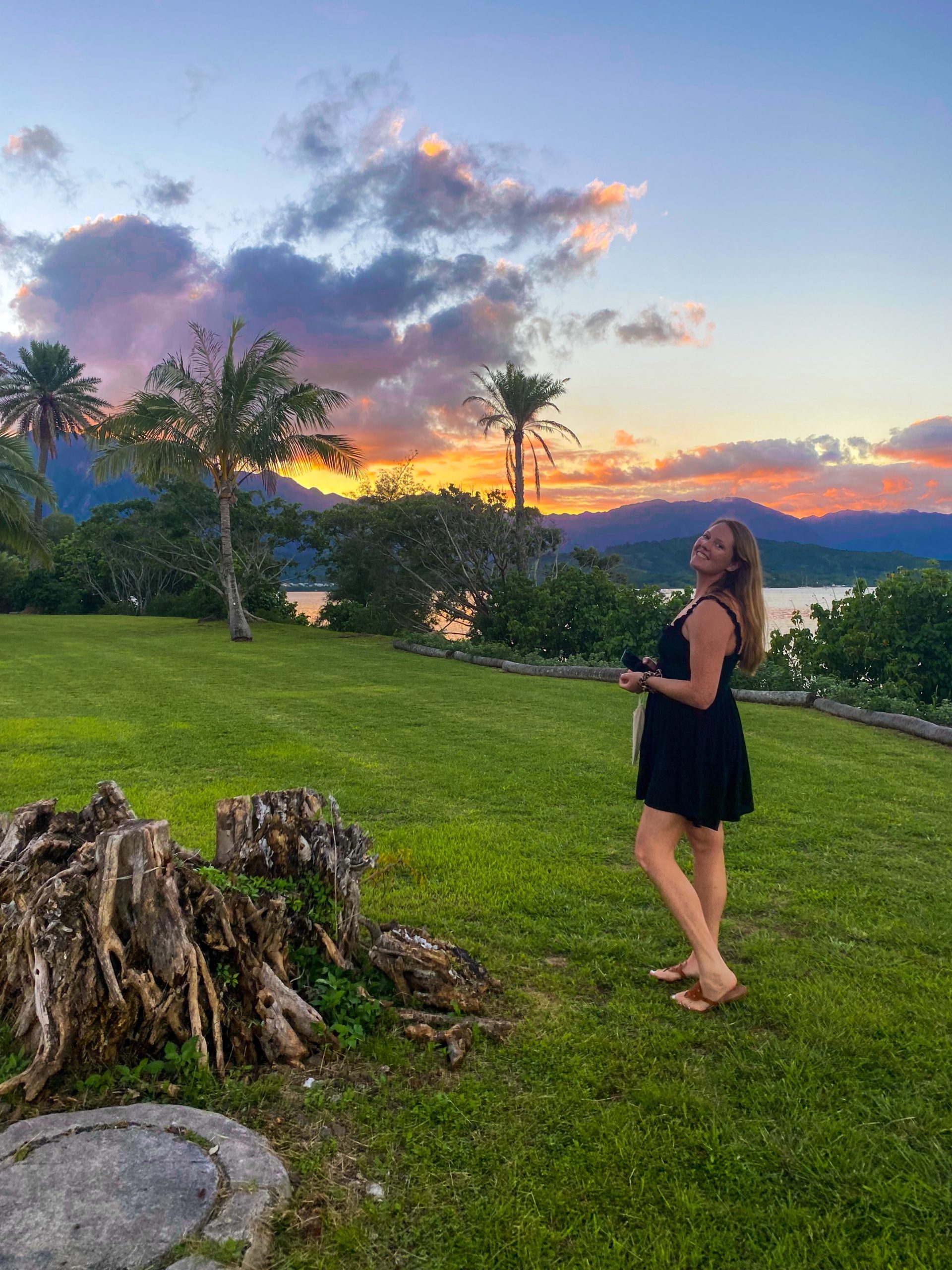
A day in the Three Seas Program with Loren Ayres
Loren Ayres will be taking over our Instagram account on Wednesday, March 2, to share her experience in the College of Science Three Seas Program. Follow along for an inside look at her time in Hawaii! -
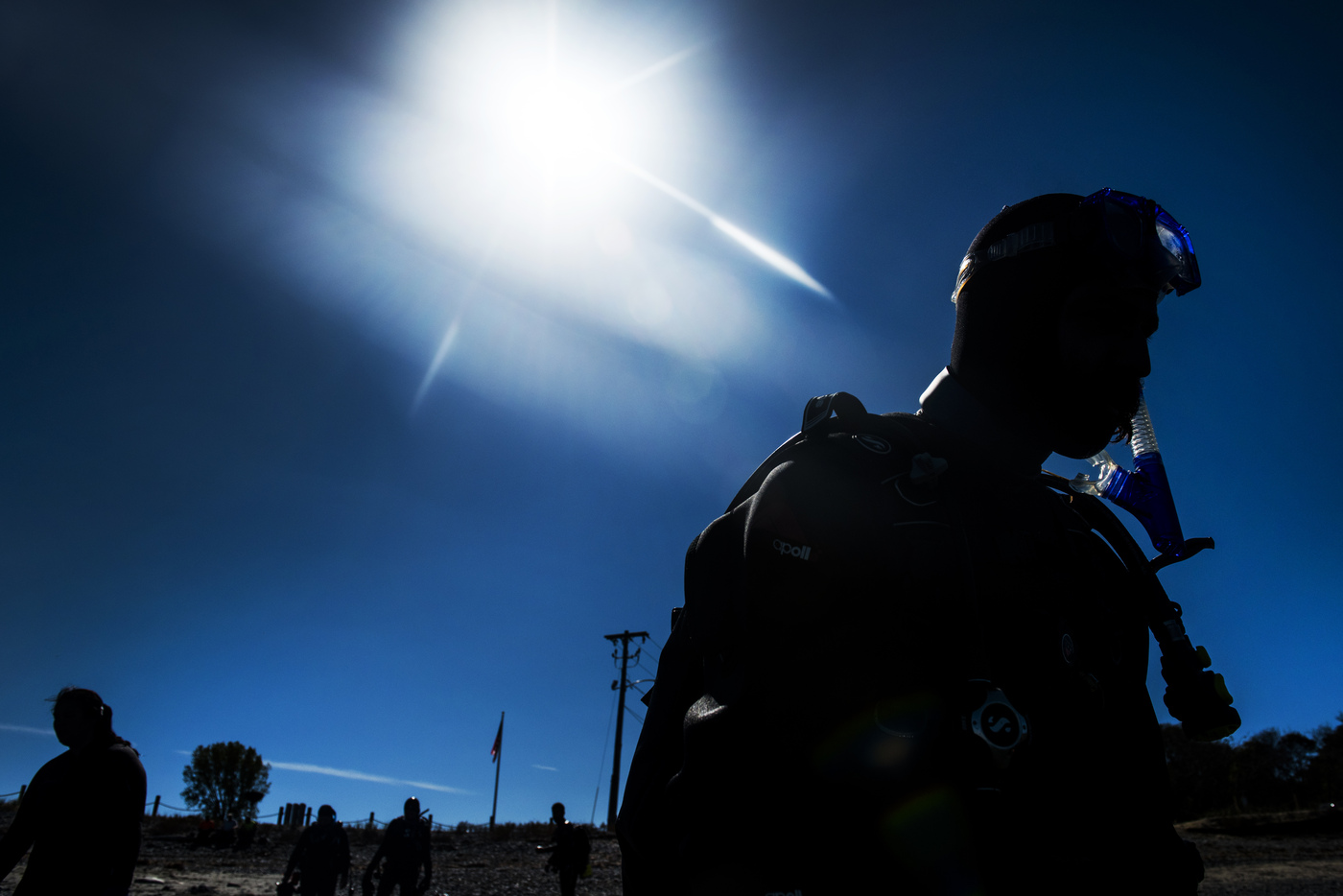
Meet the Three Seas alumni making waves in their fields
Graduates of Three Seas pursue various careers in environmental consulting, non-profit work, state and federal government, outreach and education, and scientific research support. -
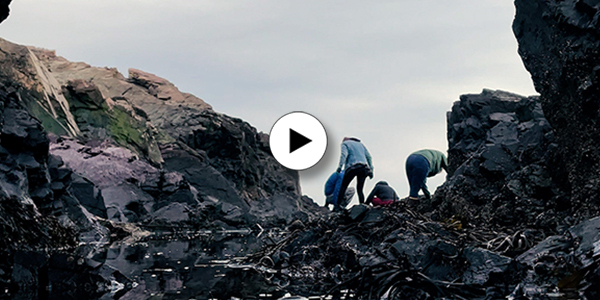
Classroom on the coast: Three Seas offers new setting to study tidal environments
The semester-long program at the Marine Science Center in Nahant, Massachusetts provides students with hands-on learning opportunities. “To be able to come into the field and get our feet wet and learn in the environment is really fantastic, says Lizzie Soranno, a marine biology student in the Three Seas program. Read the full story at […] -
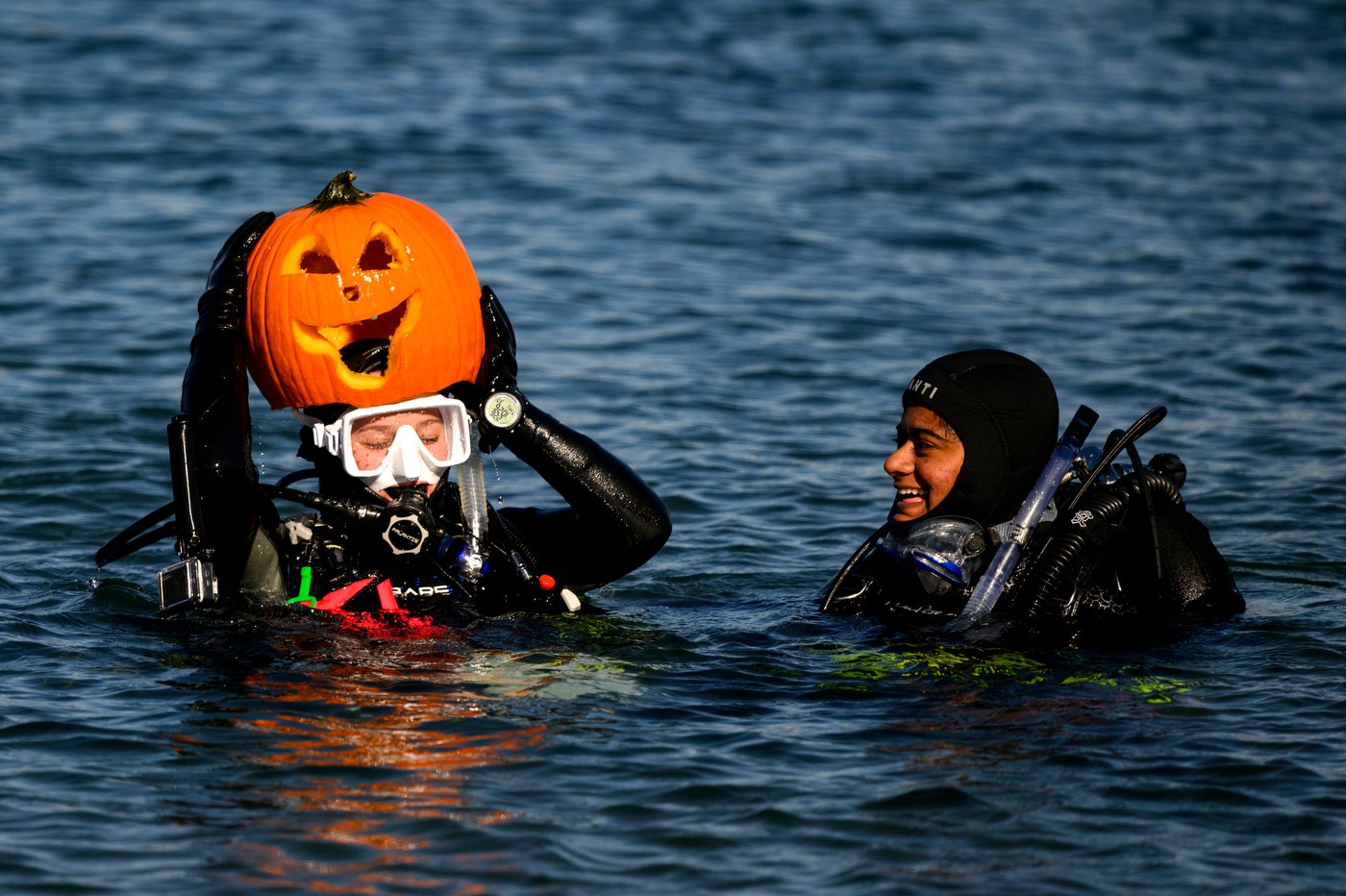
Northeastern marine science students bring Halloween spirit to the bottom of the Atlantic Ocean
Students participate in the Underwater pumpkin carving contests that have been happening among participants of the Three Seas Program. This tradition was established about three decades ago. -
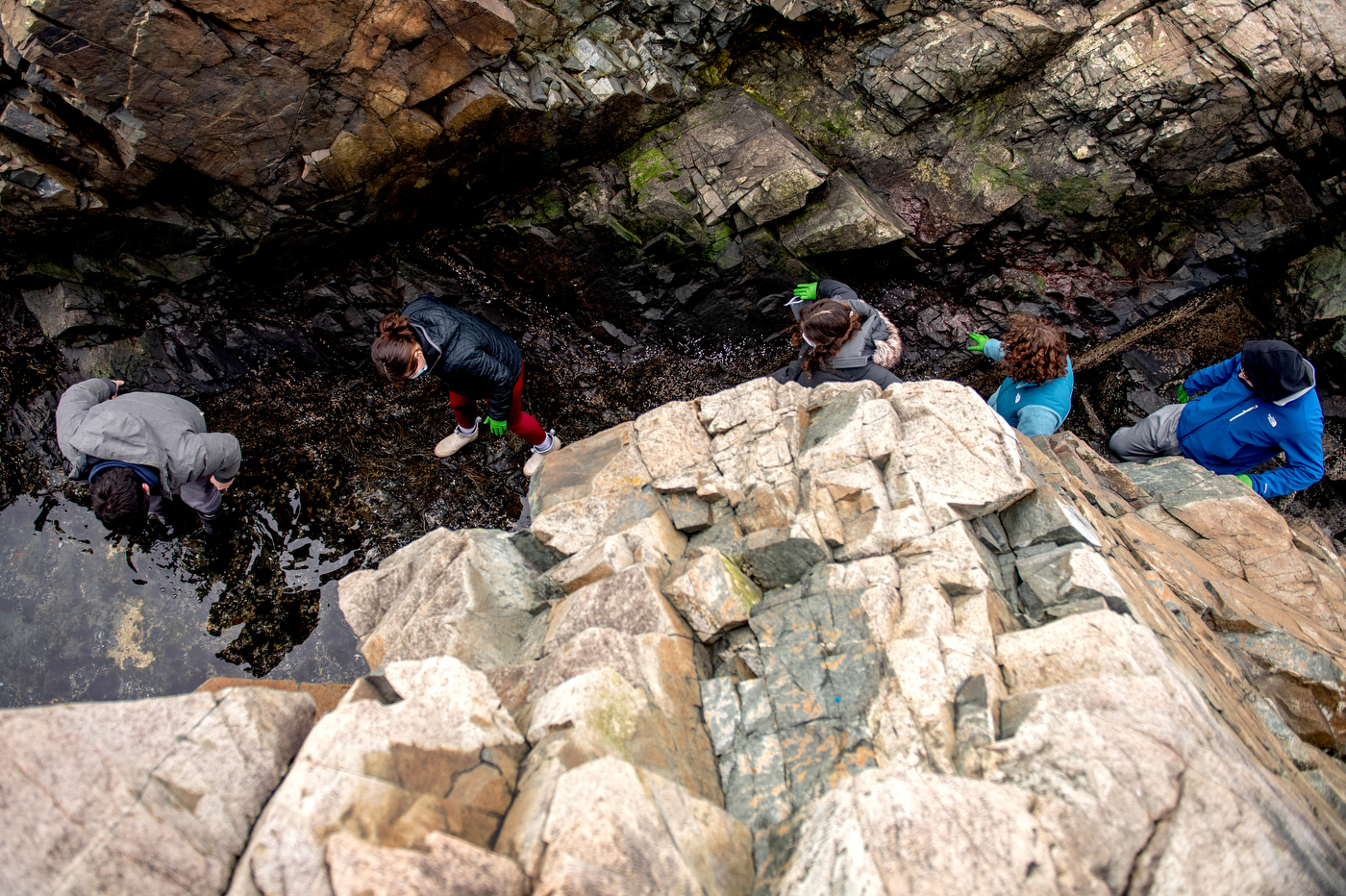
A day in the tidal pools with the Three Seas Program
Tara Duffy looked on as a handful of her students waded through tidal pools at the Marine Science Center in Nahant, Massachusetts, searching for algae and invertebrate creatures. It was a sunny day in February, with the kind of weather that arrives in New England to remind you to keep the faith, spring is just […] -
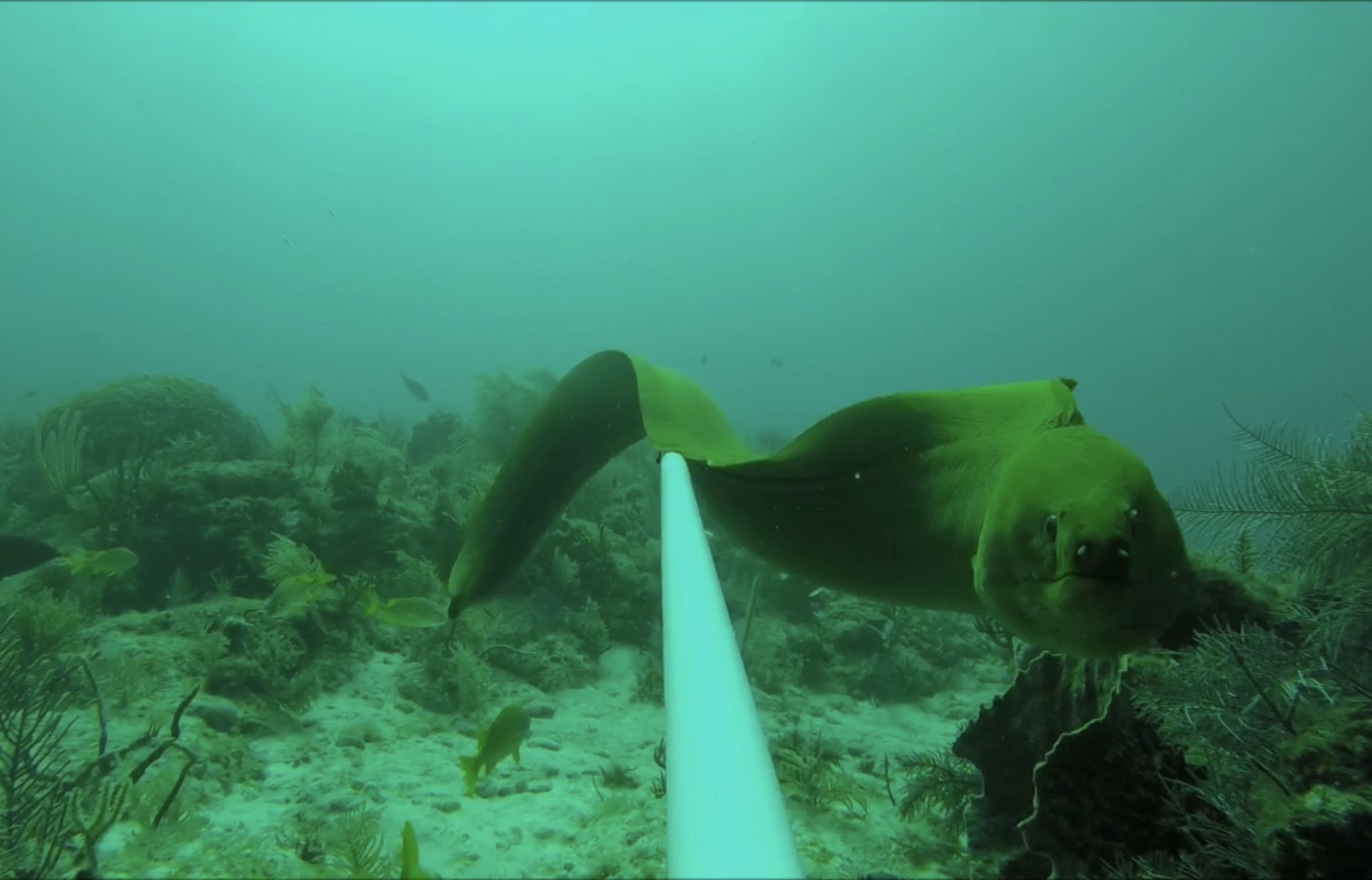
Three Seas students take a closer look at marine predators and their prey
A Three Seas Program alumni takes a closer look at fear and its effect on ocean prey.