The Importance of Research, our topic today, is always timely and always necessary. As a member of the College of Science, you may be asked something like: What exactly is research for and is it worth my tax dollars? And why don’t we have a cure for a specific disease? You can answer with something true and snappy. Research helps you! Every medicine you, your family or friends have ever taken, every therapy you have had for a disorder comes from research. Everything. And research will cure all those thousands of disorders you or your loved ones may be grappling with, where there is not yet a therapy.
You can go further if you like and explain that all the technology you use, the energy that powers these, every new type of transportation, every new strategy to heal our beautiful planet, all comes from research. So yes, your tax dollars that support research are totally worth it and repay you directly and personally. And moreover, research funding is only a mini part of your tax dollars: the NIH budget this year is $48 billion, the US military budget is $850 billion.
The last question (why is it so hard to find a cure for some diseases?) needs a longer answer, maybe a short story. One time, at the New York Yacht Club, I opened a fundraiser for cancer therapies, and had to decide how best to reach prospective donors, not trained in science. I had five minutes. I started with a slide that said simply BRAIN CANCER. The next slide said BRAIN and I explained the millions of research hours it took to understand this term. All the way back to the discovery of cells that build the brain, and the trillions of connections between cells that empower the brain. My next slide said CANCER and I again explained the millions of hours of research it had taken to understand that cancer arises when cells reproduce unchecked, when cells lose their identities and connections, to invade and disrupt brain function. Last I came back to BRAIN CANCER and explained why the wonderful advances in treating some kinds of cancer are not yet as effective for aggressive, hidden brain tumors. There is much work going on, but still so much research (and funding) needed for cures.
This week, there is the added misunderstanding by government officials as to the actual costs of doing lifesaving, valuable research and how bookkeeping around these costs is often organized. Specifically, and please feel free to explain this also: research money is divided into two essential parts: the first part is called direct costs, it buys the test tubes, chemicals, cultured cells and centrifuges for an experiment; the second part is called indirect costs and this pays for the room where you do the work, lights so you can see what you are doing, electricity to run the centrifuge, and water to rinse the test tubes; as one cannot simply perform scientific experiments out in a parking lot. The monies should be considered summated, making up the whole, true cost of performing the research. Take away either part and you cannot do your experiment. Neither part is an opportunity to save a buck.
Please look at Northeastern University FAQ for guidance on this and other points related to the political landscape. It’s encouraging that thoughtful members of the government, university groups and professional societies are trying to explain to officials how research costs actually work, and that the law is holding all as previously for the moment. You are of course, welcome to share your insights about science funding with your elected representatives. We will keep calm, plan strategically and await clarity. Thank you for your ongoing contributions to our brilliant research in the Northeastern University College of Science. Thank you for continuing to build the Good Power of Science.
The Importance of Research

Recent Events
-
Jan 30
-
Mar 5
-
Mar 5
-
Mar 10Marine and Environmental Sciences
MES Seminar: Dr. Alina Spera, Woods Hole Oceanographic Institution
March 10, 2026, 1:00 pm
Recent Articles
-
Student Spotlight

Dalia Zizumbo ’28, BS Data Science and Behavioral Neuroscience
What inspired you to pursue your current field of study/research? My inspiration to pursue data science and behavioral science stemmed from lived experiences growing up in Chicago, IL, where I witnessed firsthand the language barrier and information gap between patients and their healthcare providers. At just 9 years old, I found myself becoming my mother’s […] -
Student Spotlight

Lauren Kong ’27, BS Behavioral Neuroscience
What inspired you to pursue your current field of study/research? My fascination with the brain and with interdisciplinary thinking led me to pursue Behavioral Neuroscience. I was drawn to the field because it doesn’t isolate biology from behavior. Instead, it asks us to understand complexity: how molecular mechanisms, psychology, and the environment intersect to shape […] -
News

What is an exoplanet? An astrophysicist explains why they are vital for finding alien life
The discovery of a more Earth-like planet beyond our solar system reveals how these objects can help us “understand where we came from and whether we’re also alone,” astrophysicist Jonathan Blazek said. -
News
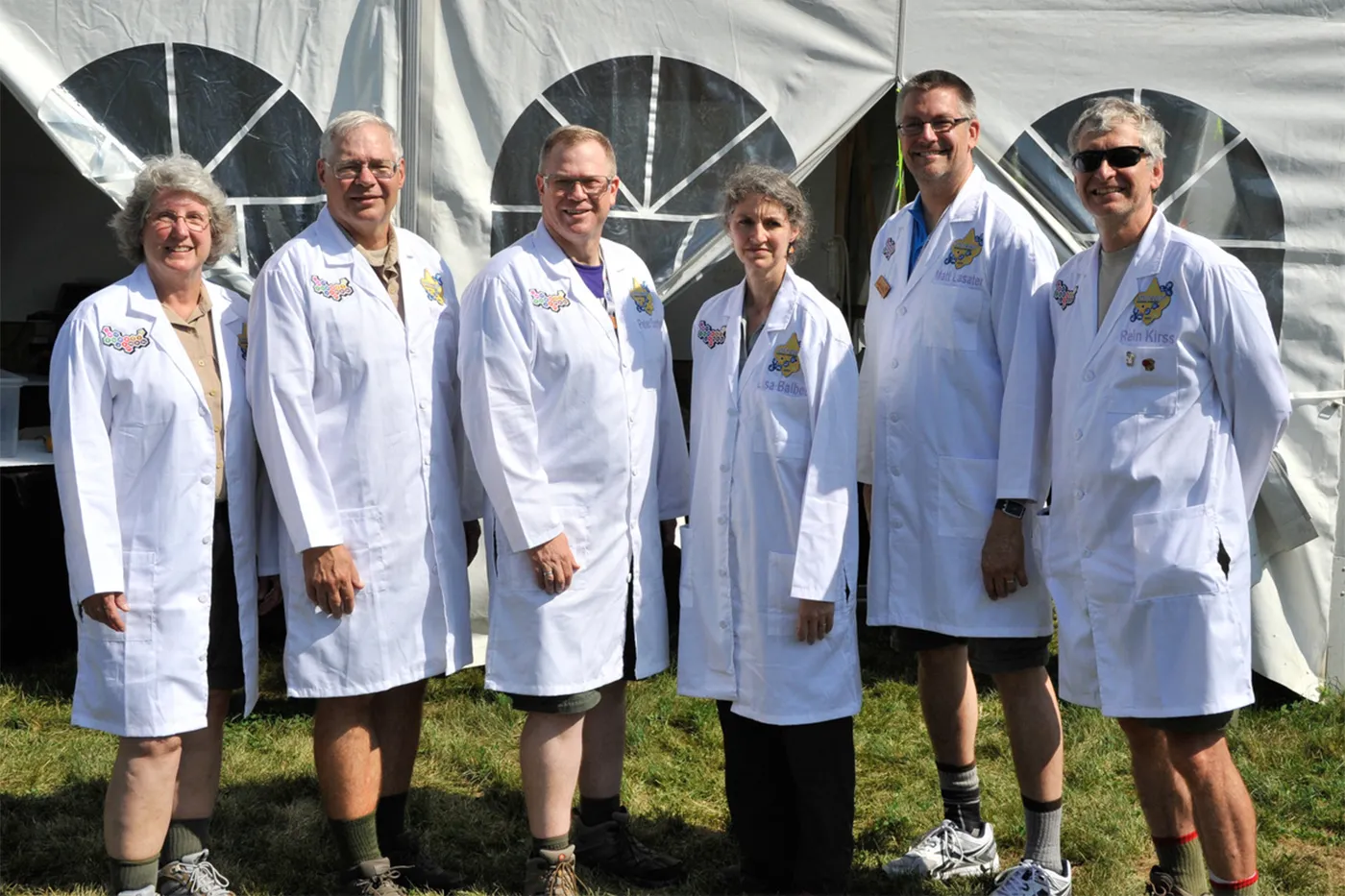
Lifelong Scouts Brian D’Amico and Rein Kirss bring chemistry to the campfire
Brian D’Amico and Rein Kirss share a love for Scouting, mentoring youth and inspiring curiosity in STEM at the National Jamboree. -
Student Spotlight

Health care co-ops don’t get snow days
Experiential learning is an essential part of the Northeastern education, and Anya Tandon is learning that medical services must be provided no matter what the weather brings. -
News

How Ilia Malinin and Mikaela Shiffrin fared against the ‘Olympic Dragon’
Psychology professor Grayson Kimball says the athletes’ different results demonstrate how the mental pressure of the Games can cut both ways. -
Research
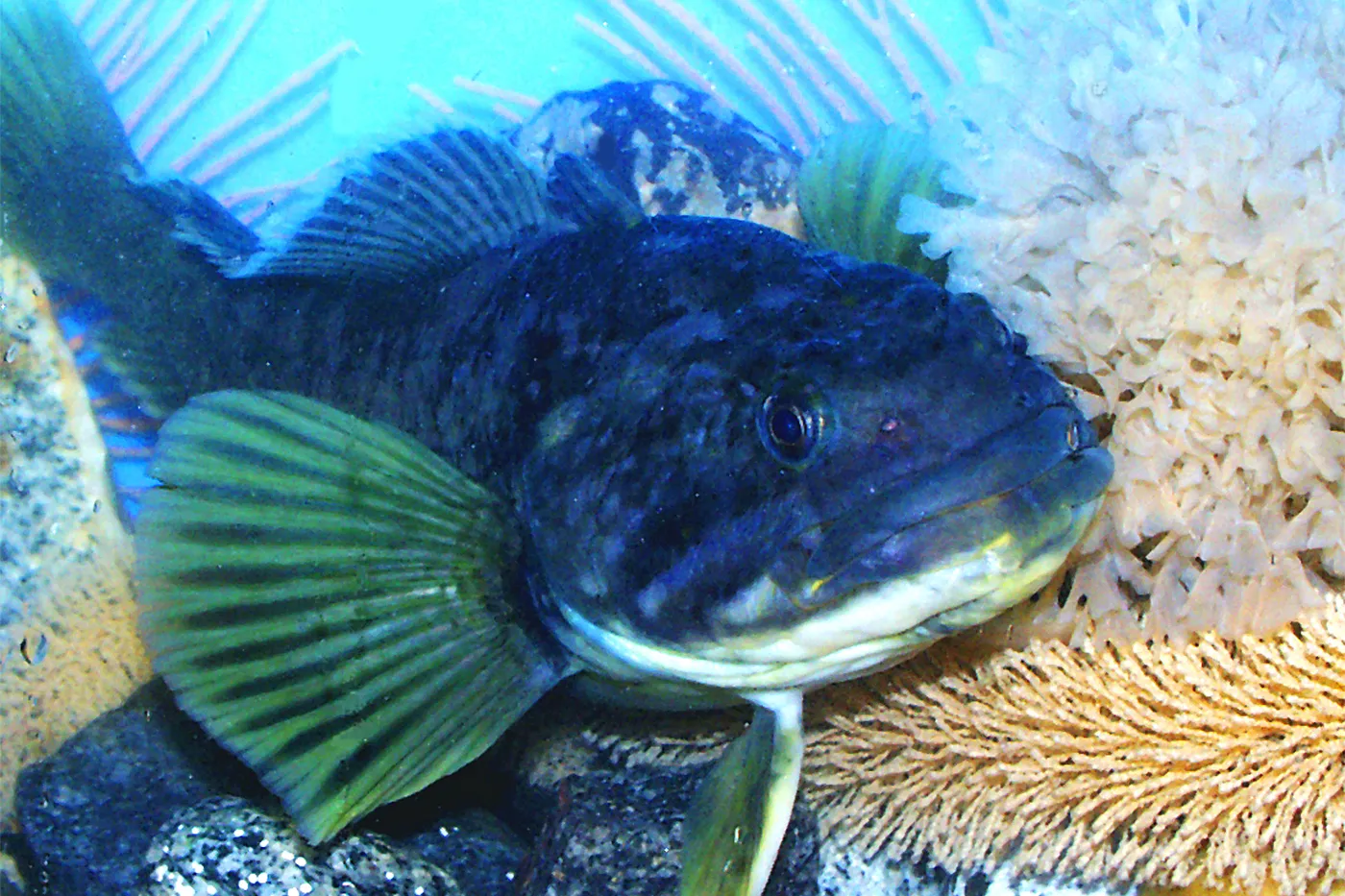
Warming Antarctic waters come with a cost for the normally ‘robust’ rockcod
Researcher H. William Detrich investigated the potential impact of warming waters in the Southern Ocean on a common species of fish. What he found could be catastrophic for fish populations in the region. -
Research

Our preference for certain foods may be impacted by early life stress, research shows
Researcher Brie Reid finds a correlation between acute stress in infancy and an increased preference for inflammatory foods in subjects’ late teens and 20s. -
News

With ‘Shrinking,’ therapy is more mainstream than ever. Is that a good thing? Therapists aren’t so sure
Teaching Professor William Sharp says therapy, once taboo, has now become fashionable thanks to social media and entertainment like Apple TV’s sitcom, but destigmatizing therapy has also distorted it in unexpected ways.
Sign up for CONNECTS.
The College of Science newsletter delivered straight to your inbox.
"*" indicates required fields