COS News
Research

“The basic premise is that AI can help us do better physics, and something that is less expected is that physics can also help us understand AI better,” said Northeastern professor James Halverson.
AI and physics have more in common than you might think.
News

Mark Williams, Professor and Chair of the Department of Physics, will assume the role of Dean of the College of Science, effective July 1, 2026.
Mark C. Williams named Dean of the College of Science
Showing 250 results in Physics
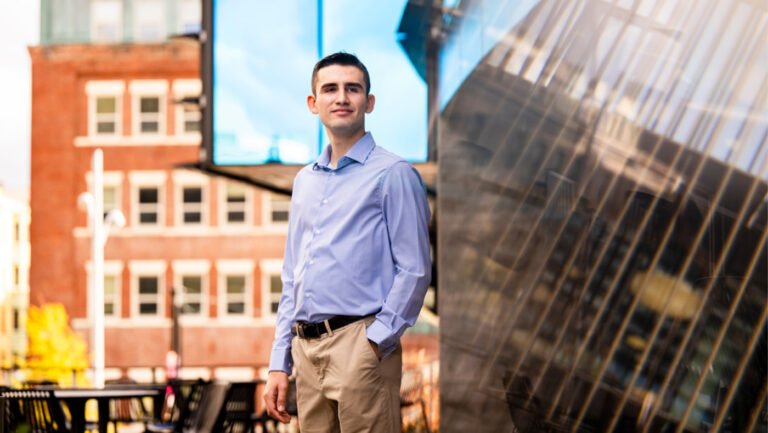
This Northeastern co-op helped develop algorithms for high-performance “brain-inspired” computing hardware
Tedeschi worked in The Peter Grünberg Institute, which is one of 14 institutes within Forschungszentrum Jülich. The institute focuses its research on a few specific subjects: quantum materials, quantum computing, software systems and the area Tedeschi worked on — neuromorphic computing.
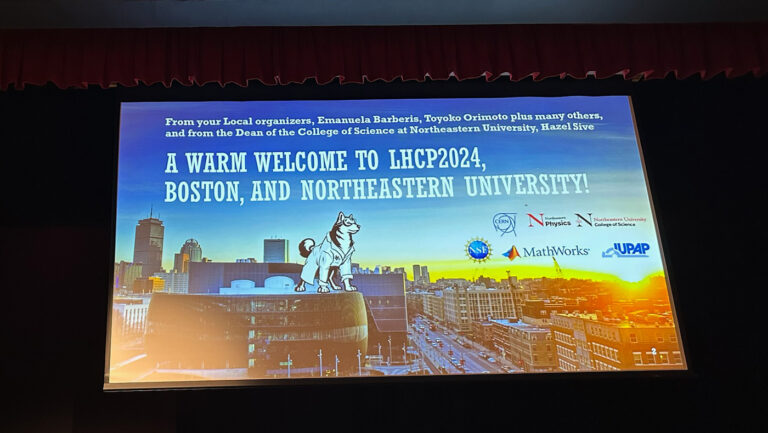
Northeastern University physics faculty bring a major international conference to the Boston campus
On June 3-7 2024, the Physics department and the College of Science hosted the 2024 edition of the Large Hadron Collider Physics conference (LHCP) on our Boston campus. This is one of the major international conferences in particle physics at colliders (the Large Hadron Collider and beyond). This conference is held annually on alternating continents,...

Celebrating LGBTQ+ STEM Day: A Conversation on STEM, Identity, and Community
November 18, marks the fifth year of celebrating LGBTQ+ STEM Day. With the first two years being celebrated in July, this holiday moved to November 18 as an internationally recognized day to highlight and celebrate the work of LGBTQIA+ people in STEM. Madeline Eppley (they/them), PhD candidate in Marine and Environmental Science, and Johan Bonilla...
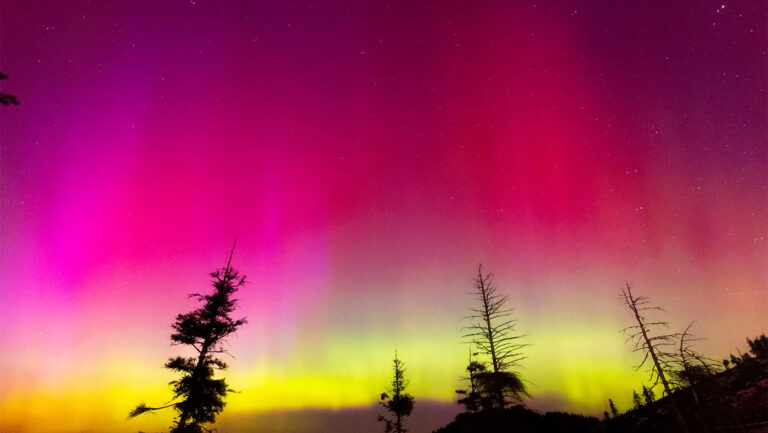
A geomagnetic storm is hitting the northern part of the U.S. Here’s how the solar event may impact you
Jonathan Blazek, assistant professor of physics, said the geometric storm won’t have a severe impact on technology.
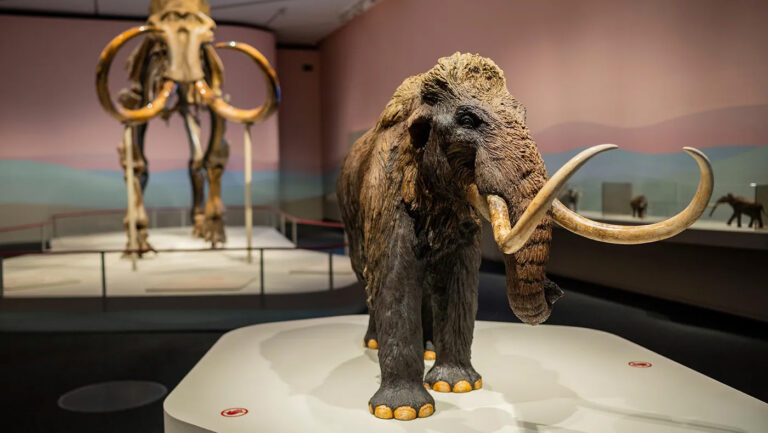
Scientists recreate genome of 52,000-year-old freeze-dried woolly mammoth
Frozen in Siberia, this mammoth was remarkably preserved at the microscopic level, Northeastern researchers discovered. Its DNA had remained the same for thousands of years, frozen as “chromoglass.”

What is the “mini moon” that is now orbiting Earth? Astrophysicist explains small cosmic guest — and the bigger one that’s on the horizon
For two months, a small asteroid will join Earth’s orbit, a common yet little known occurrence. However, a Northeastern astrophysicist has her eyes on another asteroid that will be a much closer call for the planet.
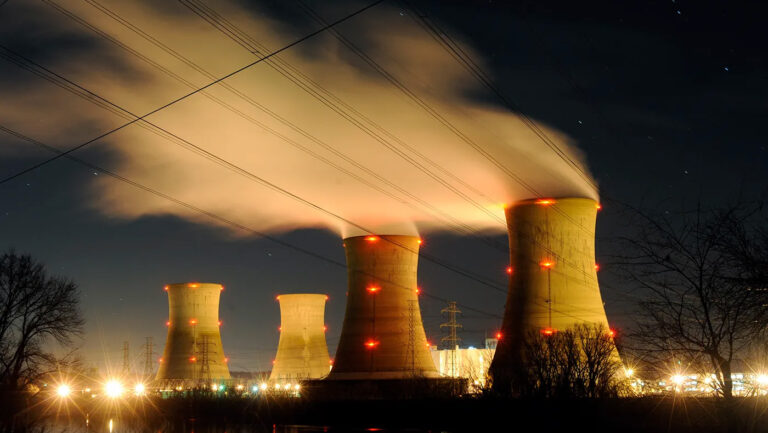
Plan to reopen Three Mile Island plant could be ‘rebirth’ of nuclear energy, Northeastern experts say
A plan to reopen a reactor at the Three Mile Island nuclear power plant could rejuvenate the nuclear energy sector in the United States.

Welcome to the new College of Science Faculty!
We are delighted to welcome new faculty members with primary appointments in the College of Science whose teaching and research builds the Good Power of Science, trains the next generation of science professionals, and solves crucial research challenges.
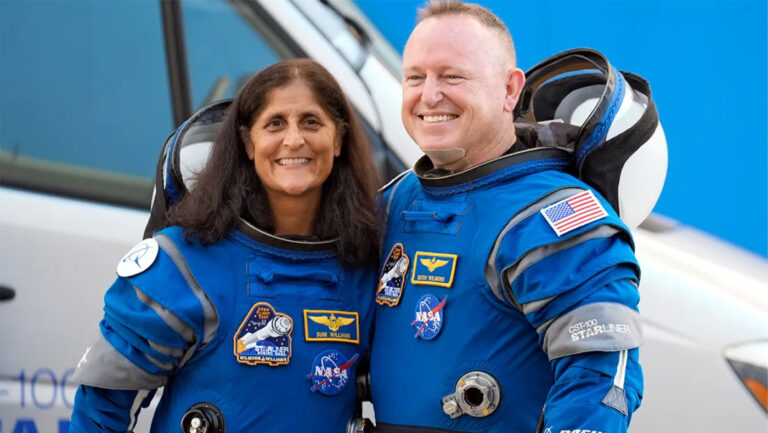
What happens to a person when they’re stuck in space?
Experts said the astronauts’ physical and mental health may be impacted by their time in space.
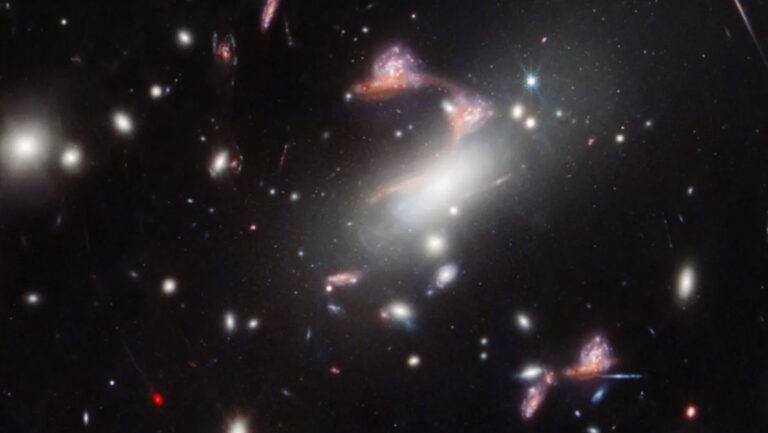
Giant cosmic question answered. Northeastern astrophysicist explains the science behind the image captured by the Webb telescope
Jacqueline McCleary says the image will provide new insights into the universe’s adolescence and possibly the answer to an age-old question that remains a mystery: How do galaxies get created?
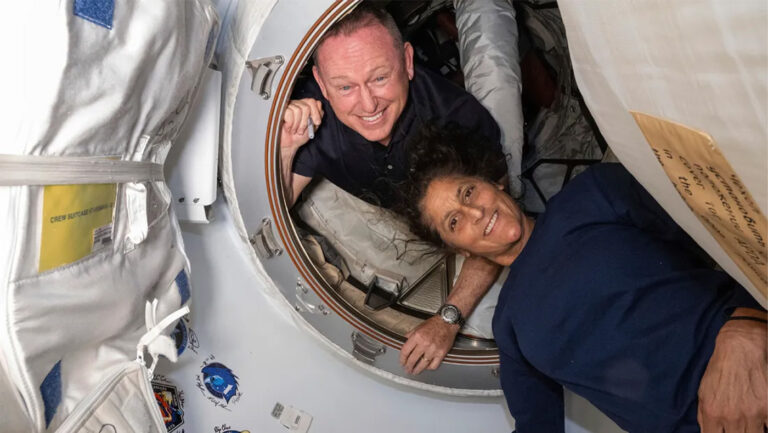
Astronauts stranded in space: Unexpected eight-month stay highlights the risks of space exploration, experts say
“This is one bump in the road on mankind’s inevitable path to the stars,” said Northeastern cosmology expert Jacqueline McCleary.
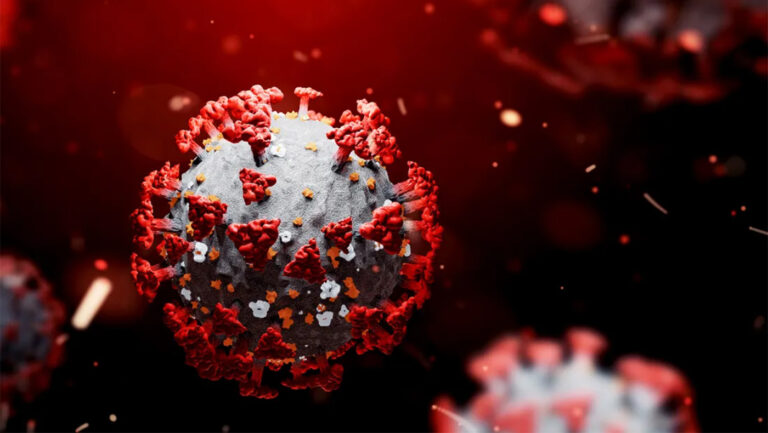
New insight into antibody shows how it could offer sweeping protection against evolving SARS-CoV-2 virus
The results suggest that the neutralizing antibody could hold the key to manufacturing a vaccine that protects against a rapidly evolving virus.