COS News
News

A new report from a group of Northeastern researchers explores across disciplines how biotech can ensure safe, sustainable life beyond Earth.
The key to international space cooperation is developments in biotechnology, Northeastern researchers say
News

The NeuroPRISM lab, led by assistant psychology professor Stephanie Noble, makes tools that pave the way for reliable and reproducible neuroimaging of the brain.
Precise maps of the brain’s deepest corners are made possible through tools developed by these Northeastern researchers
Showing 221 results in Marine and Environmental Sciences
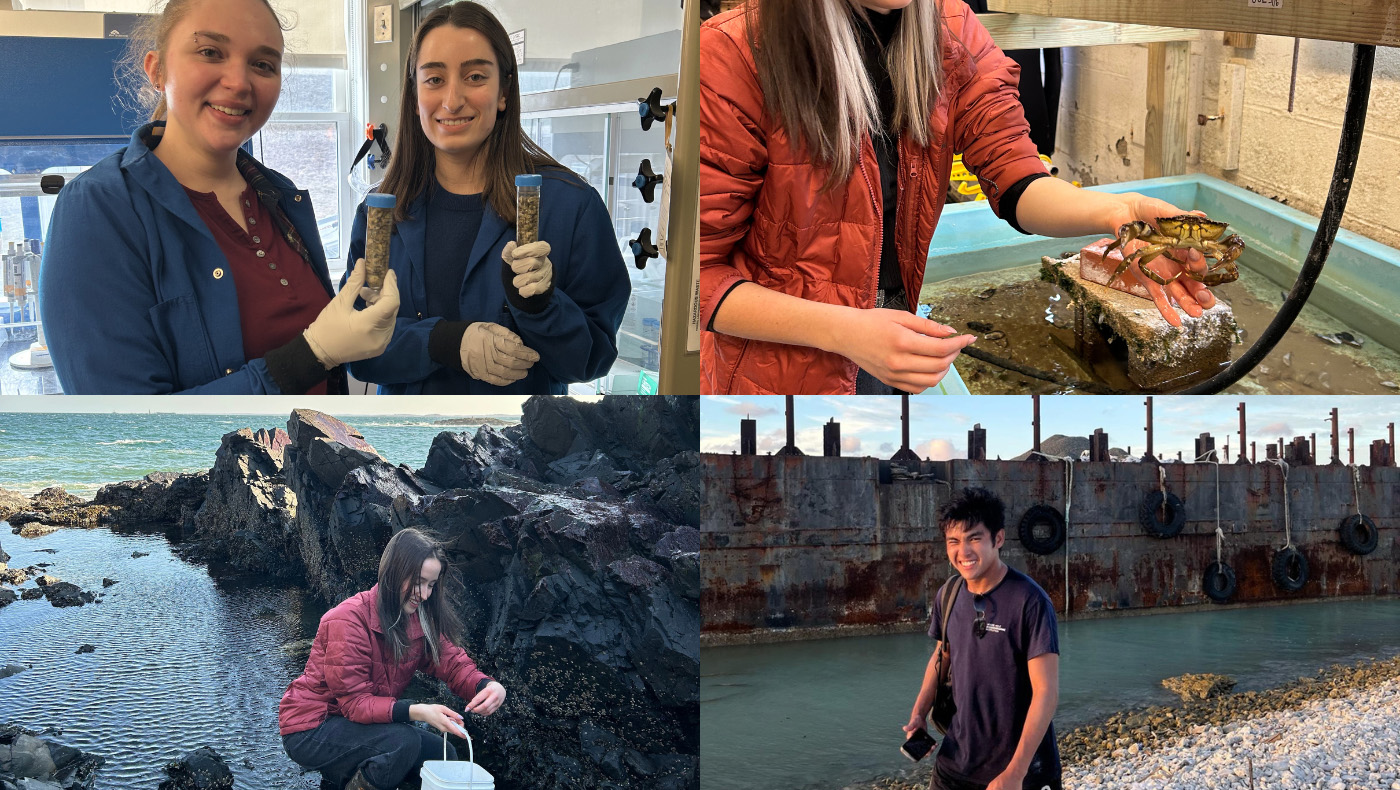
Predatory Crabs, Morphing Oysters, and Ocean Electrolysis: MES Undergrads lauded with PEAK awards to support their research
A record number of Northeastern undergraduates are pursuing PEAK project experiences this spring, including several motivated students within the Marine and Environmental Sciences department, including Grace Marnon, Kiran Bajaj, Nicole Mongillo, and Mark Teh. We caught up with each of these talented young scientists to learn more about their research! Grace Marnon received a Summit...
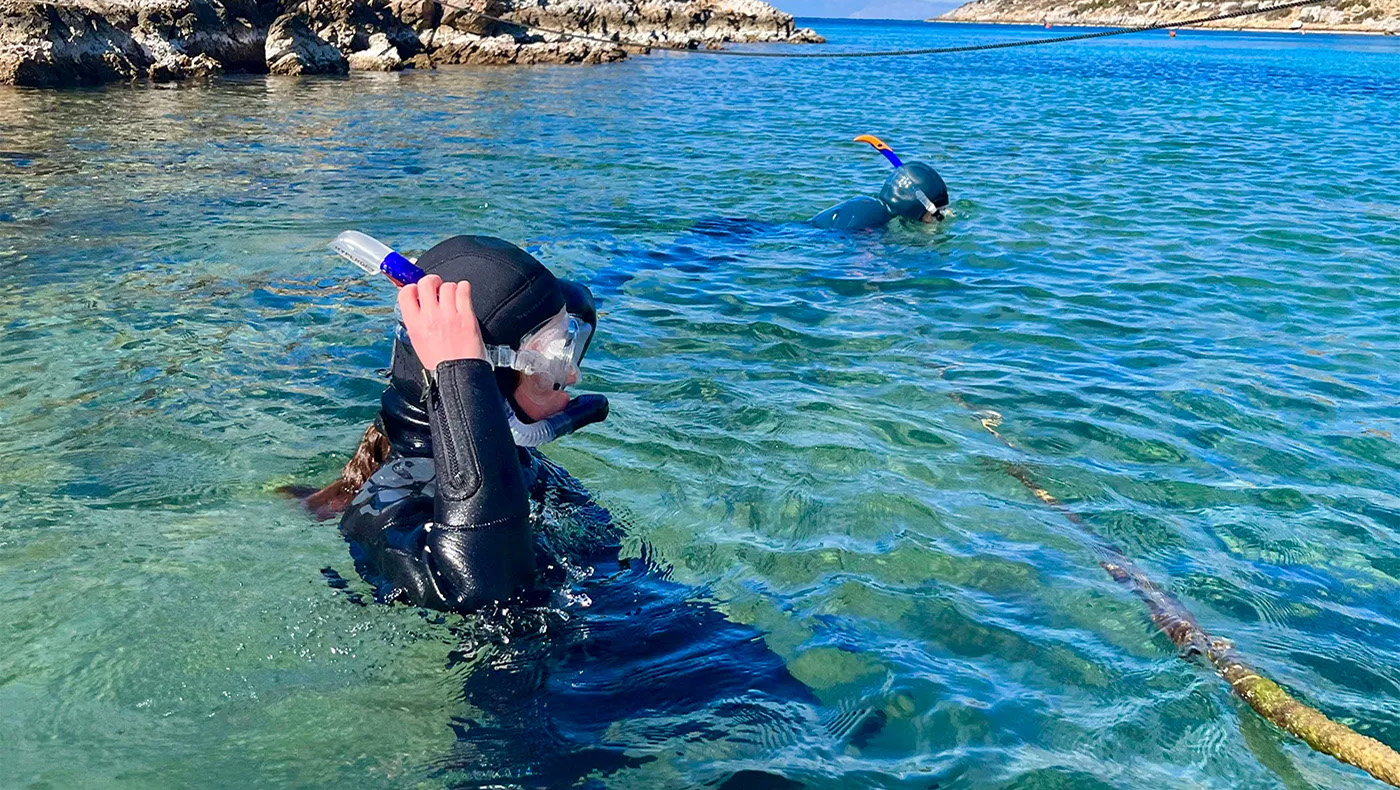
Northeastern student researches dolphin behavior for a Greek marine conservation nonprofit during Mediterranean Sea co-op
Whether it was kayaking to small inlets in the northeastern part of the Mediterranean Sea or spending overnight on a boat all in the pursuit of tracking the local dolphin population, Northeastern University marine biology major Francesca Russell was living — and working — the dream. Russell, now a fourth-year student, spent last spring on...
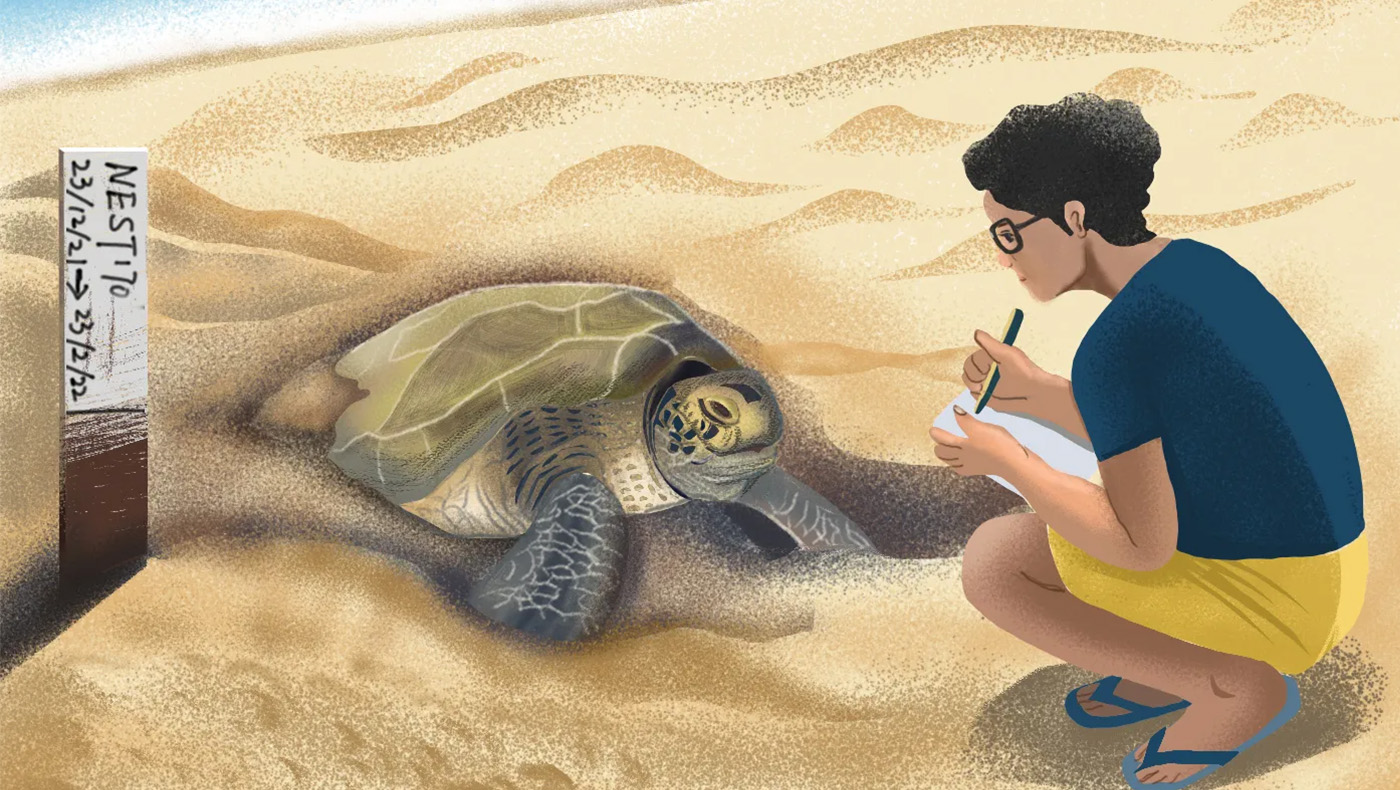
This student spent co-op on an island helping protect sea turtles and other endangered species
A semester on an island in the Indian Ocean sounds glamorous. But Hans Van Der Sande’s co-op in the Republic of Seychelles, an archipelago nation over a thousand miles off the coast of Africa, was a lesson in conservation. Van Der Sande, a senior ecology and evolutionary biology major, has been interested in conservation work...
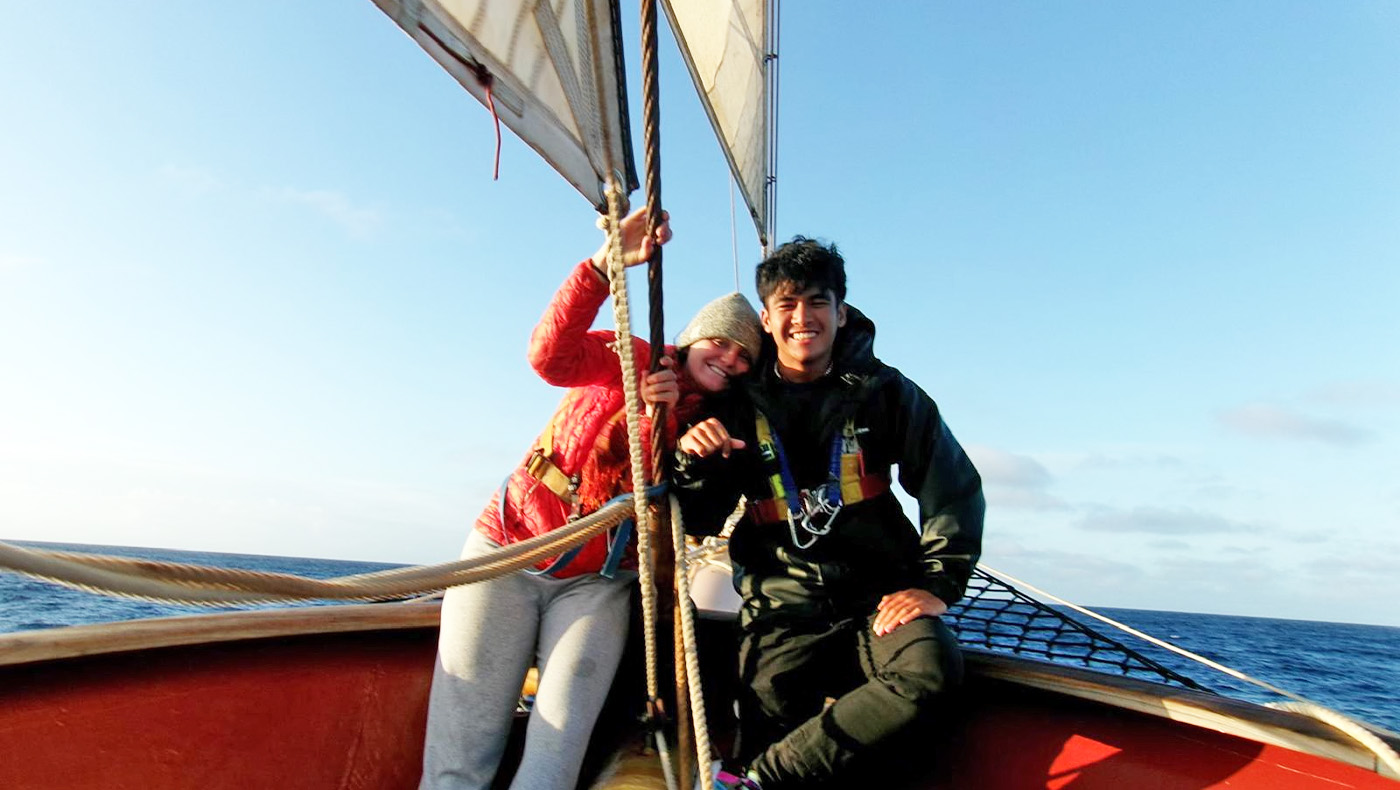
Undergraduate Student, Mark Teh, is Bridging Biochemistry and Environmental Sciences
Undergraduate researchers are an integral part of the Marine and Environmental Sciences department and significant contributors to our labs’ scientific advancement. We caught up with undergraduate student Mark Teh to chat about his exciting research endeavors both within the MES department and with external partners. Q: Can you tell me a little bit about yourself,...
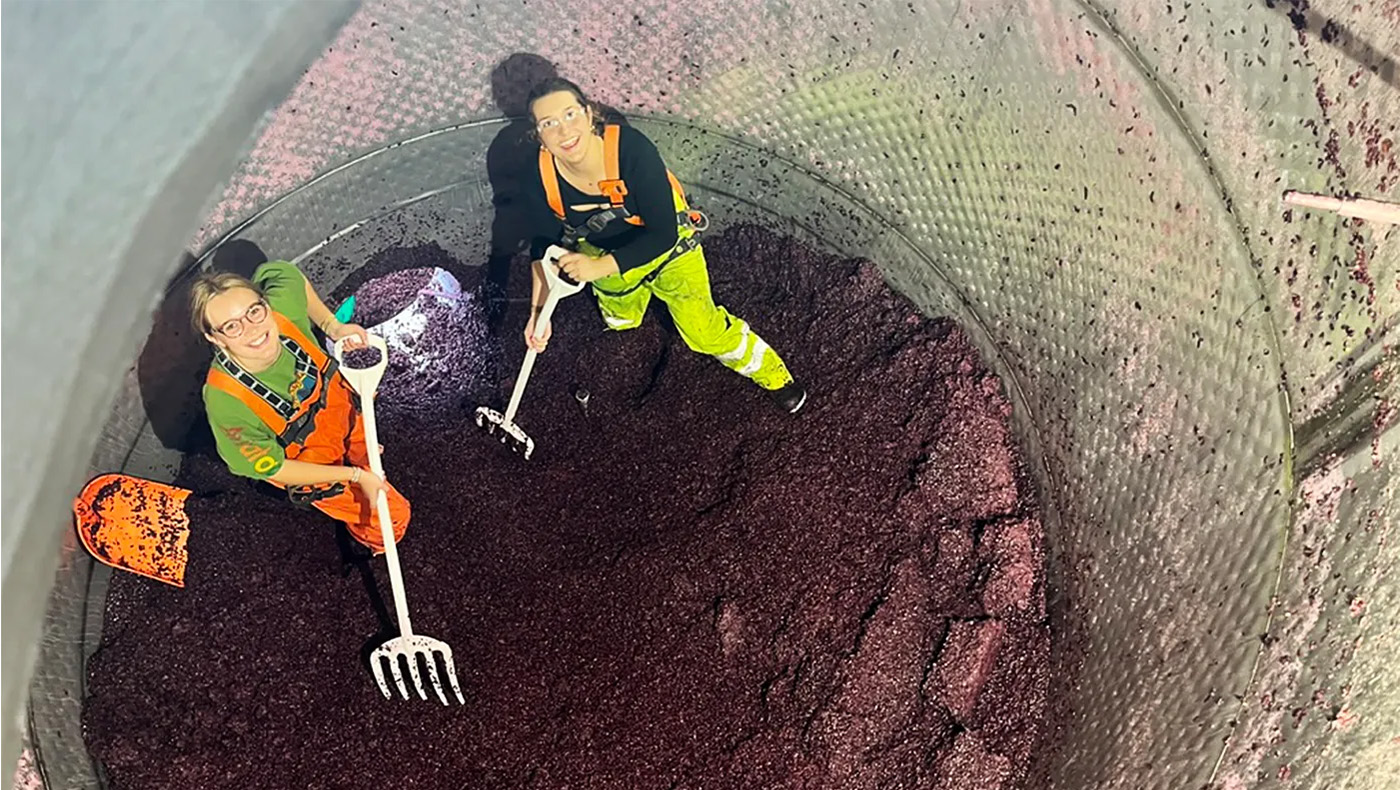
This co-op at a Napa Valley winery teaches students about wine ‘from grape to bottle’
Grace Arents, a fourth-year environmental and sustainability sciences student, had never had a glass of wine before when she saw a posting for a co-op at a winery on NUWorks. Still, her interest was piqued and she applied to spend a semester learning enology — the process of making wine — in Napa Valley. Before...
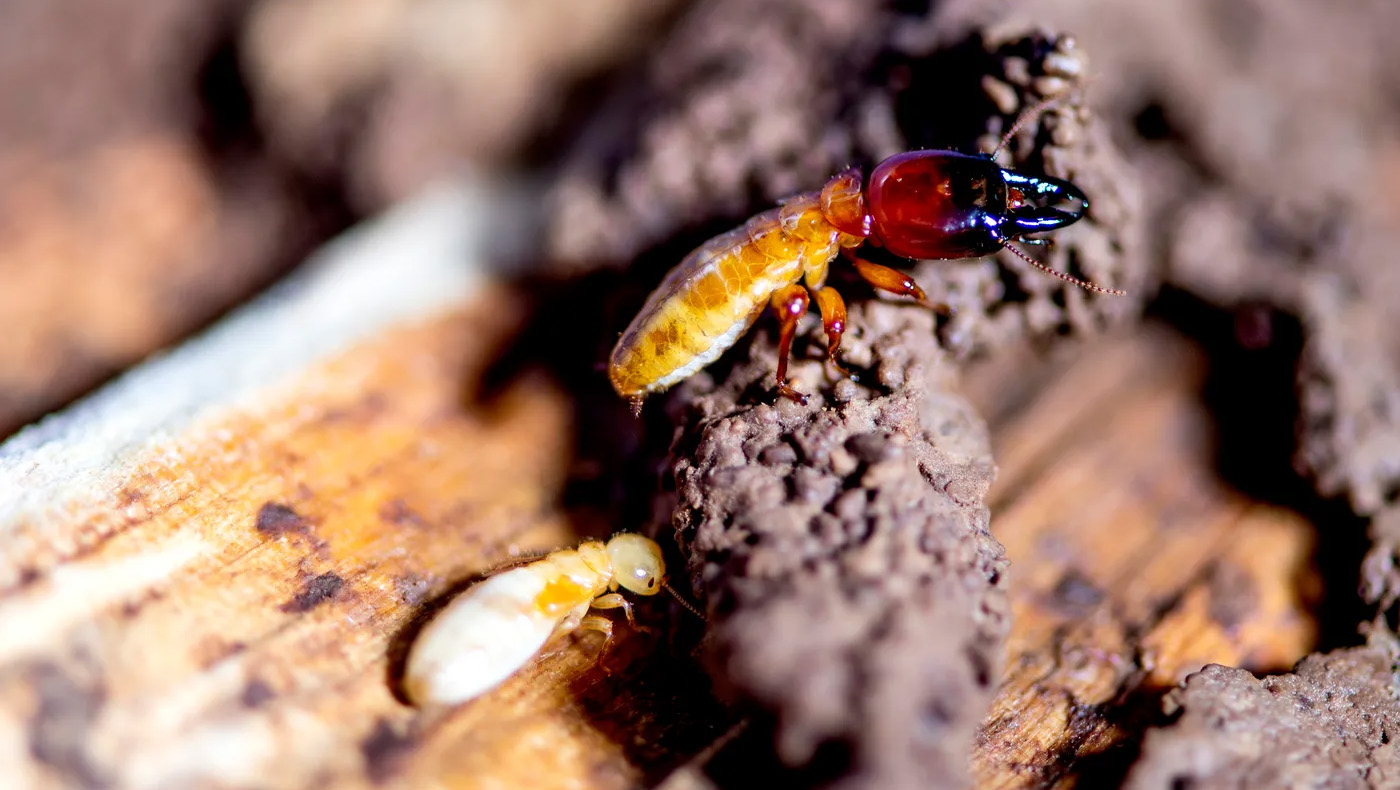
Being queen is all in this termite’s head. Really.
In the world of termites studied by Northeastern professor Rebeca Rosengaus, worker termites spend their few short months on Earth cleaning and feeding their enormous long-lived queen mother and tending to her eggs and their young siblings. Since termite workers and queens both possess a network of genes called the Queen Central Module, it has...
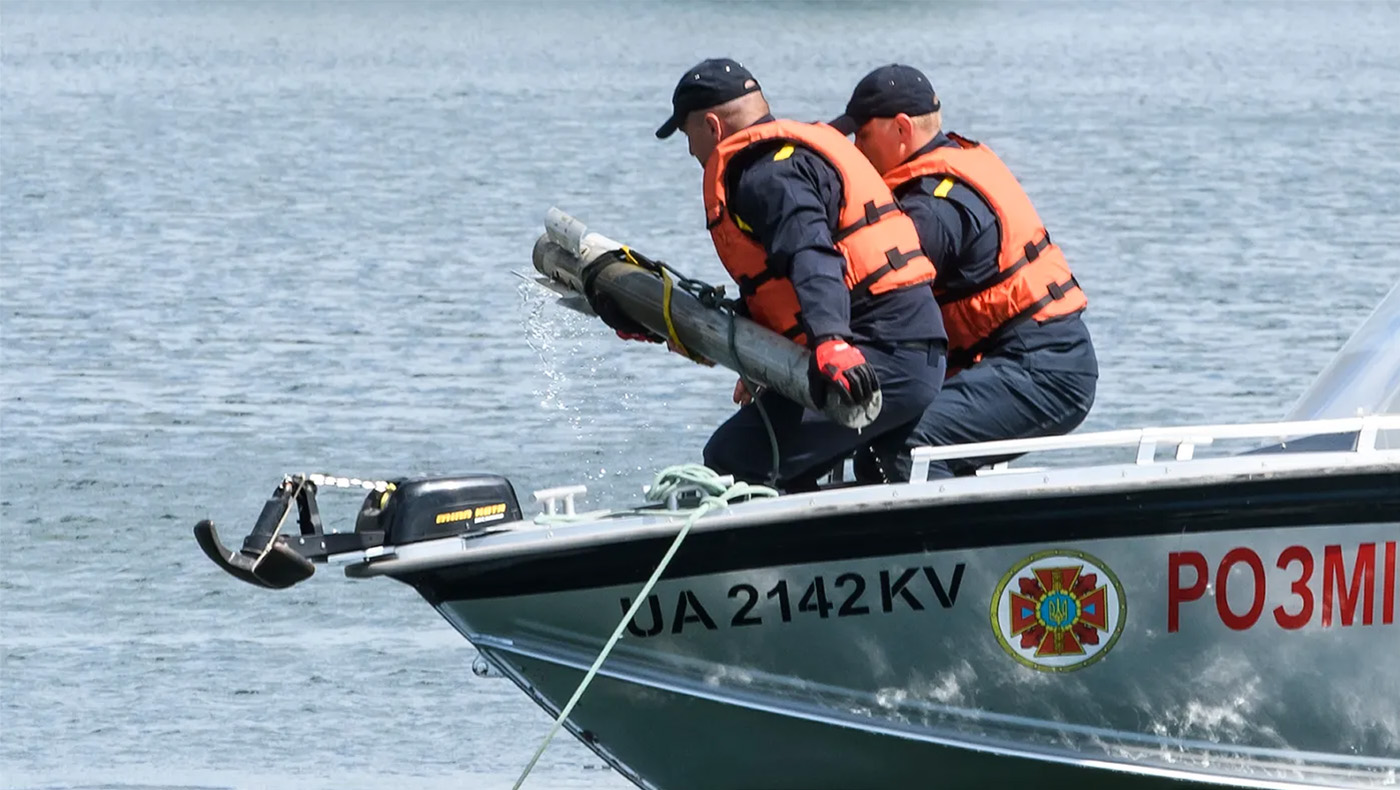
Why unexploded ordnances pose physical — and environmental — risks
Two unexploded ordnance were fished out of the Charles River in Needham, Massachusetts, this week. A sweep of the river by the state police bomb squad and a marine dive team didn’t turn up any more munitions. Beyond the obvious safety risks, the old weapons and ammunition left underwater also present environmental risks, a Northeastern...
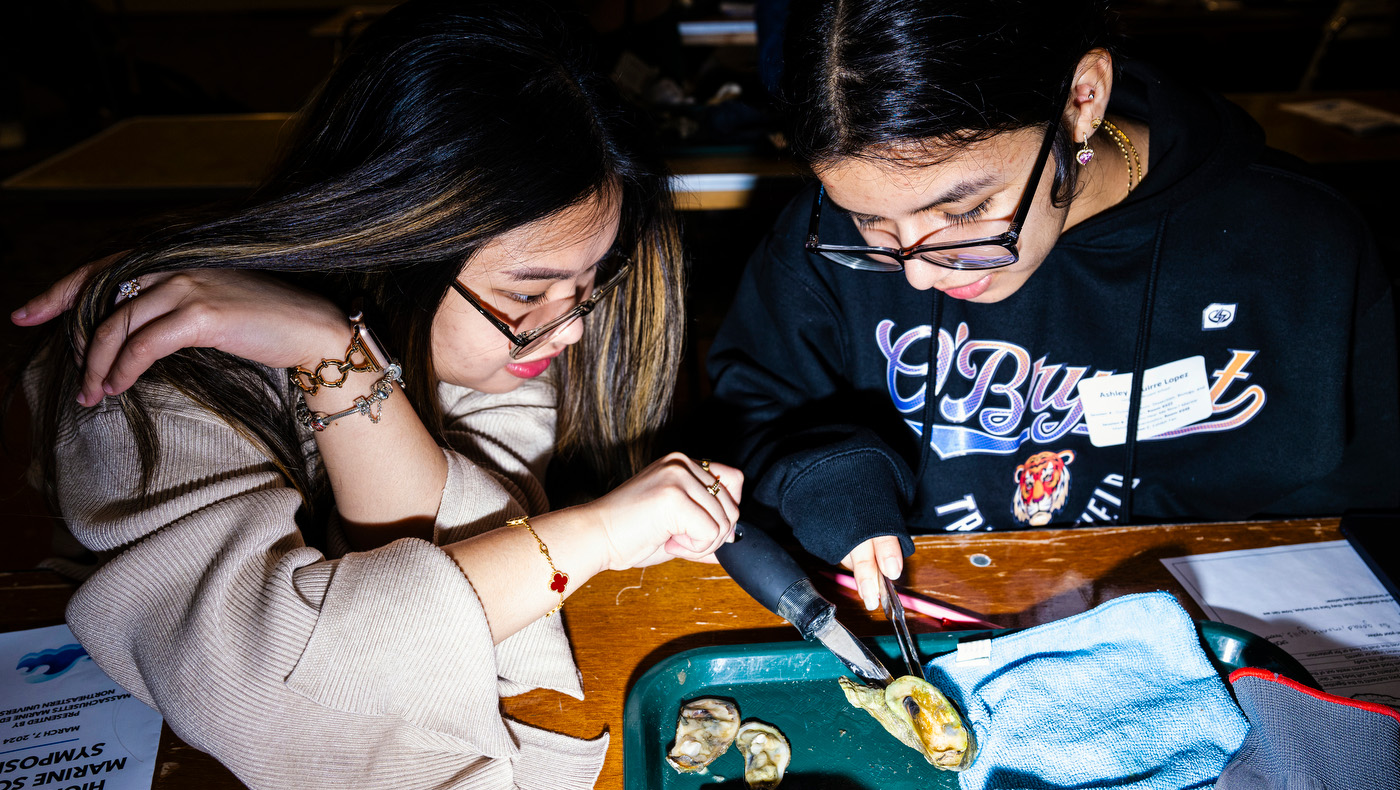
Students dissect oysters and squid, learn about coastal ecology during the annual high school symposium at Northeastern
Students from a dozen area schools measured oysters, dissected squid and learned why plastic is called “ocean smog” during the annual High School Marine Science Symposium at Curry Student Center on Northeastern’s Boston campus. The 250 students got a chance to talk with fledgling and experienced scientists during the event, which was sponsored by Northeastern...
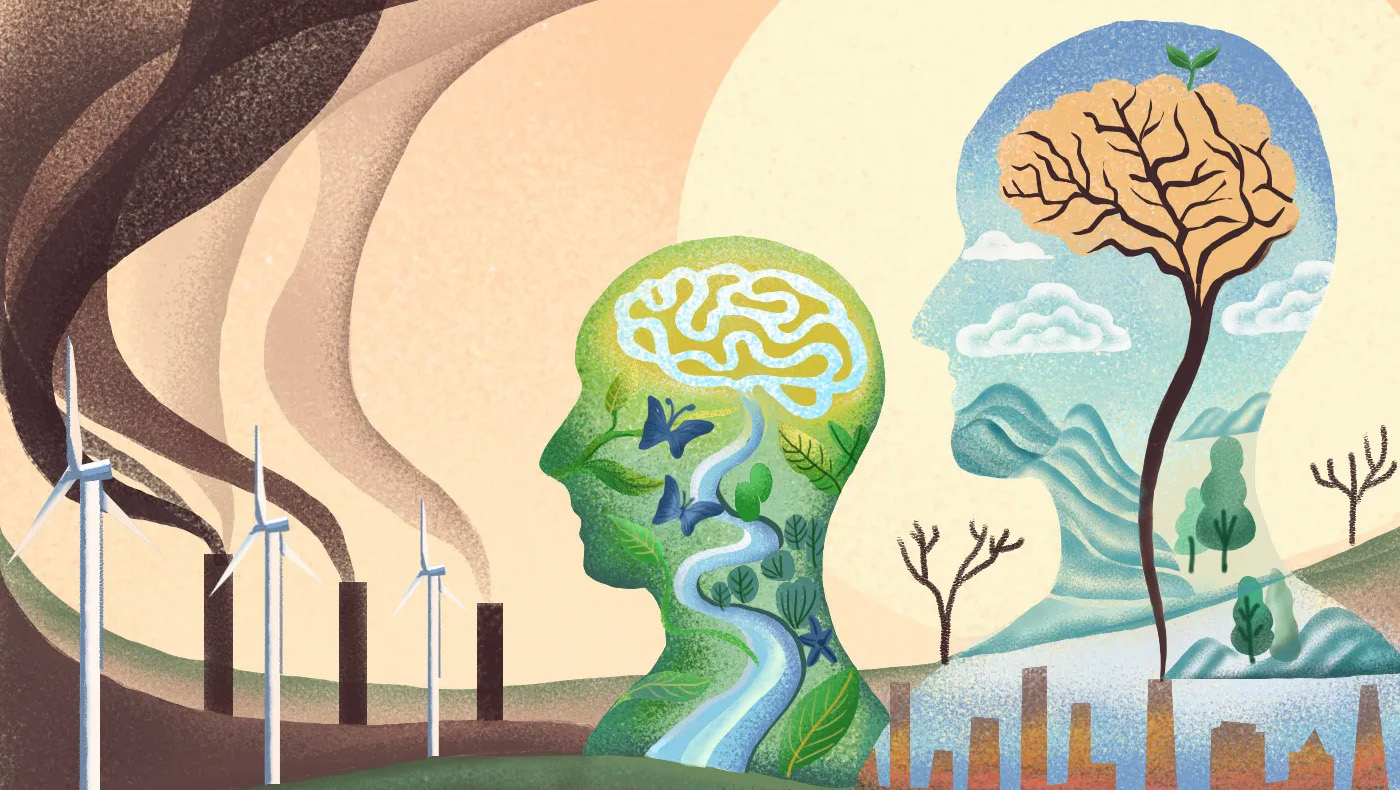
We can’t combat climate change without changing minds. This psychology class explores how.
A new offering for the spring 2024 semester, PSYC-4660 is a seminar in cognition, a subset of psychology that covers how people encode, represent and process information from the environment in the brain, according to Coley, a psychology professor with a dual appointment in environmental science. Humans & Nature zeros in on how those things...
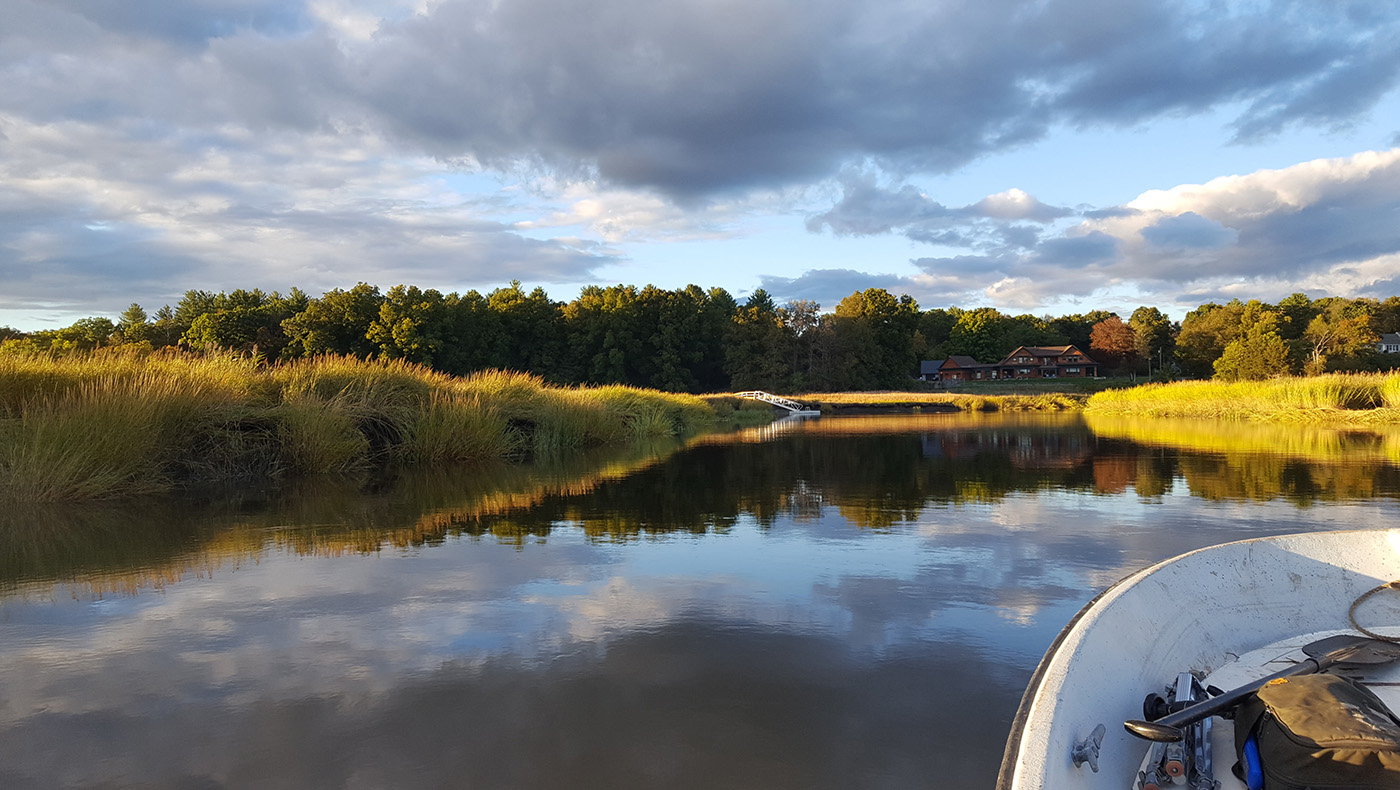
Bowen to explore microbial activities in new $8.4M coastal marsh project
Dr. Bowen's work in this collaborative project focuses on using tools from molecular biology to understand how the diverse metabolisms of microbes affect the ecosystem services provided by marshes.
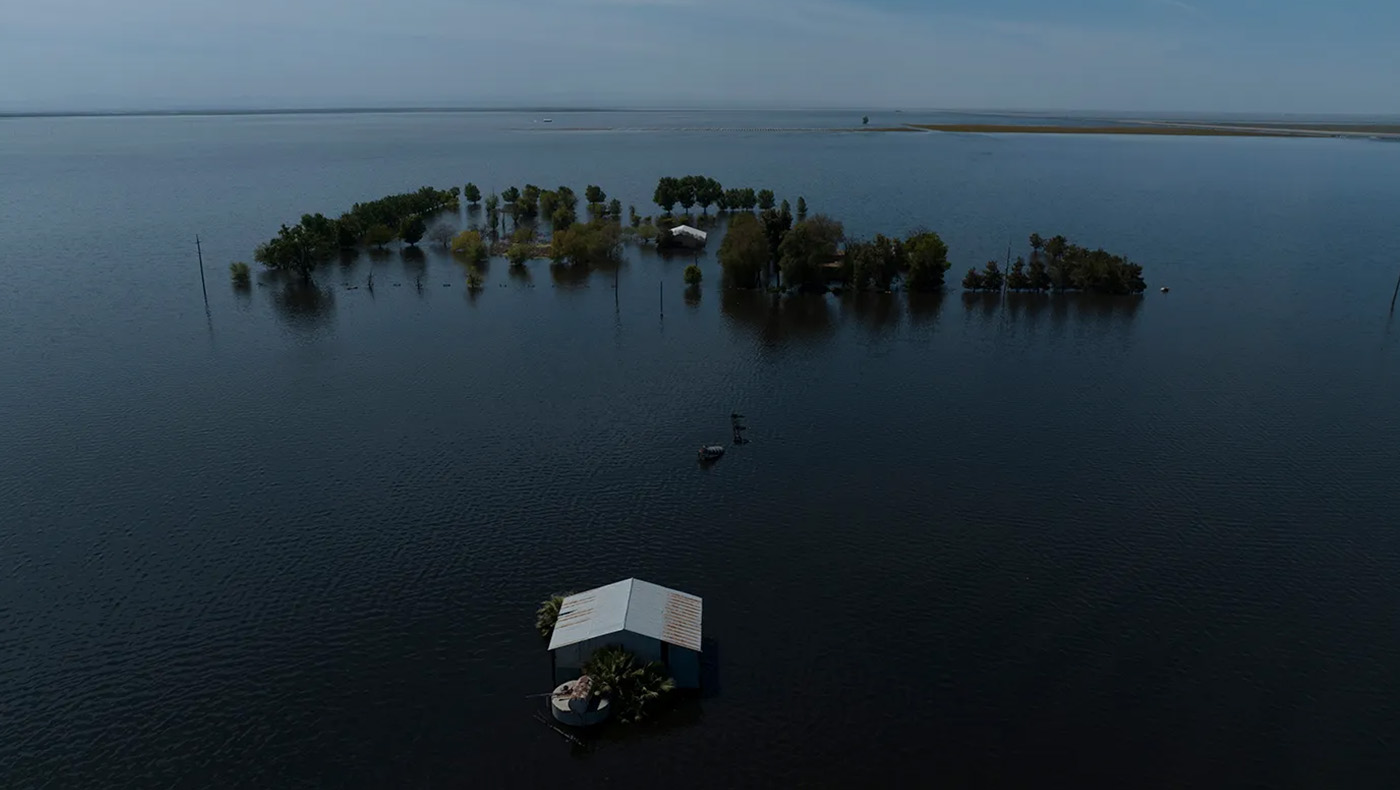
The largest body of water west of the Mississippi disappeared 130 years ago — now it’s back
The San Joaquin Valley of California, despite supplying a significant percentage of the country’s food, is nevertheless a dry, arid place. Fresno, at the heart of the valley, receives just over 10 inches of rain a year on average, according to the National Weather Service, and sometimes as little as 3. And yet, until the...
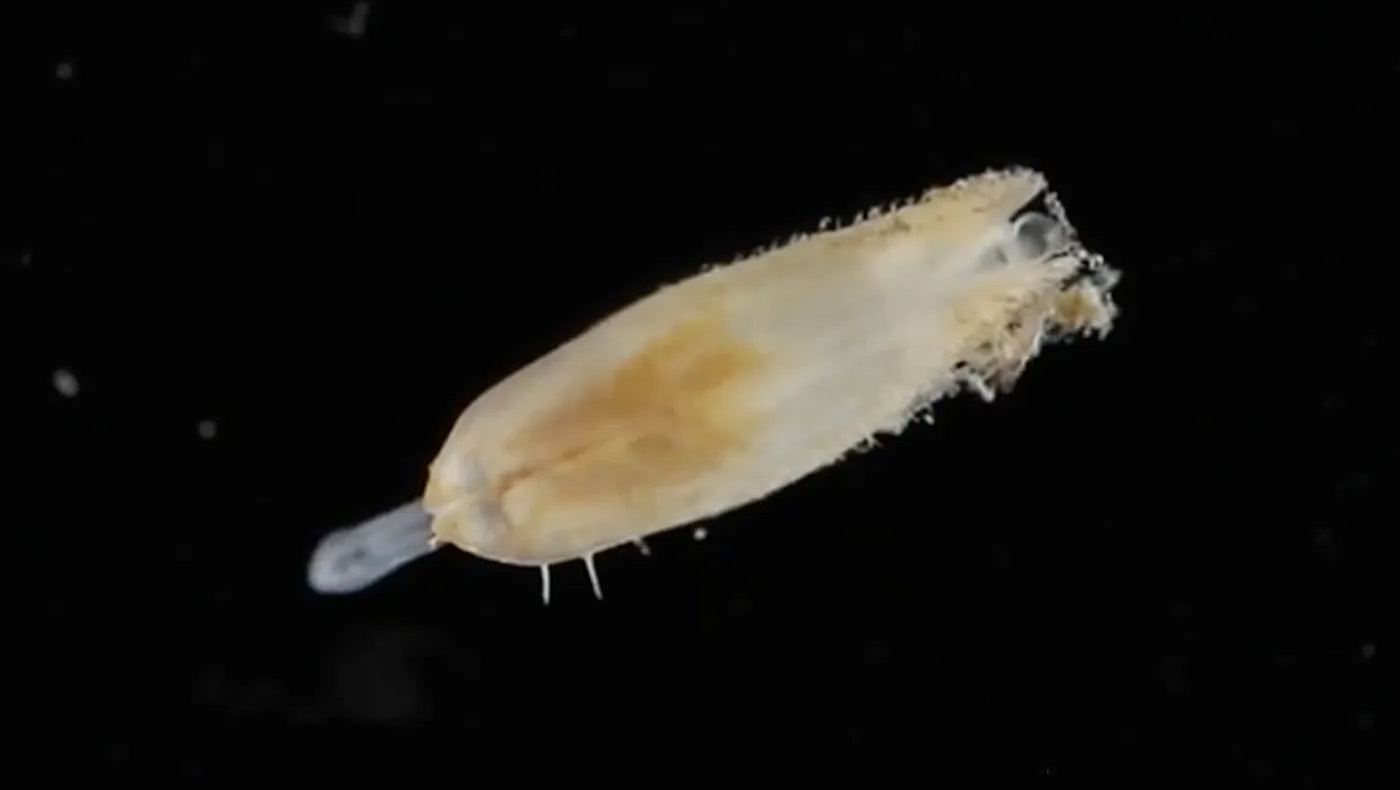
New species of mussel that lives in an ancient undersea forest discovered by Northeastern marine scientist
A Northeastern marine scientist has discovered a new species of tiny mollusk that lives in an ancient, submerged cypress grove called the Alabama Undersea Forest. Dan Distel, research professor at Northeastern’s Marine Science Center, says the bivalve written up in the journal Deep Sea Research represents a new genus and species of mussel and offers...