COS News
Research

“The basic premise is that AI can help us do better physics, and something that is less expected is that physics can also help us understand AI better,” said Northeastern professor James Halverson.
AI and physics have more in common than you might think.
Research
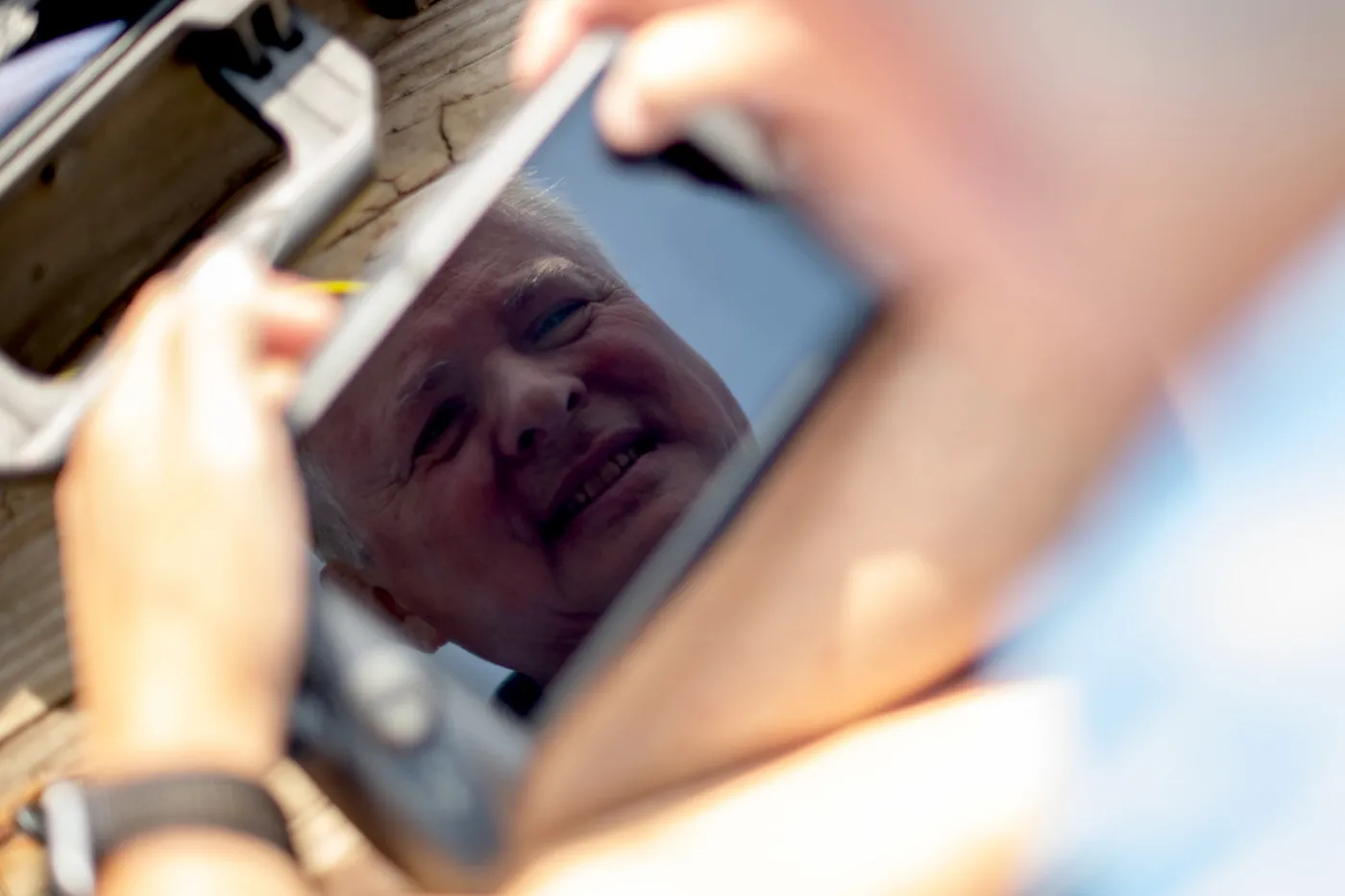
Formed by superheated glacial water from the last ice age, the hydrothermal vents Professor Mark Patterson studies have been bubbling beneath the fjord for centuries.
Professor receives Fulbright to explore one of the world’s most unique hydrothermal vents
Showing all results

Health care co-ops don’t get snow days
Experiential learning is an essential part of the Northeastern education, and Anya Tandon is learning that medical services must be provided no matter what the weather brings.
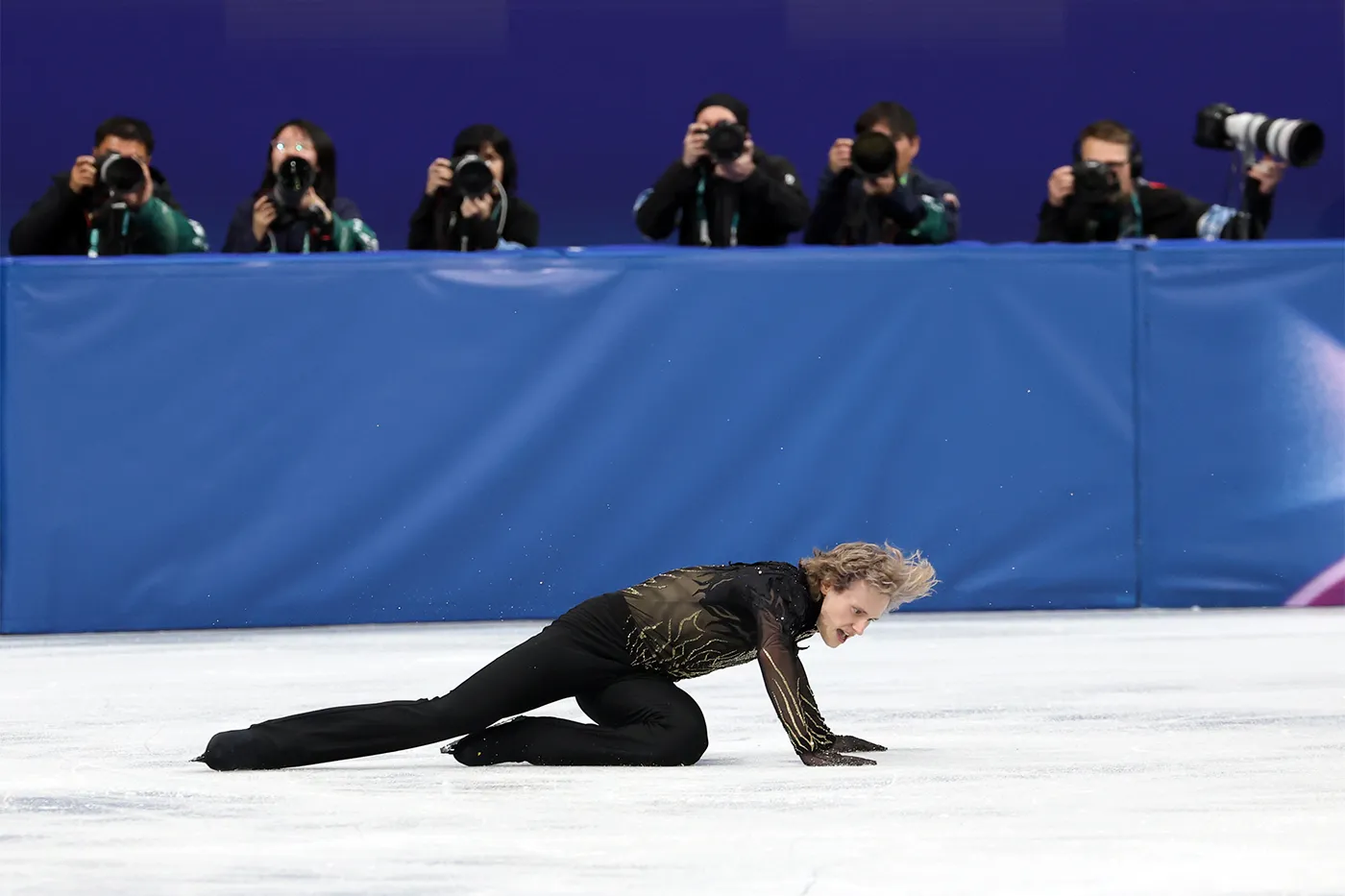
How Ilia Malinin and Mikaela Shiffrin fared against the ‘Olympic Dragon’
Psychology professor Grayson Kimball says the athletes’ different results demonstrate how the mental pressure of the Games can cut both ways.
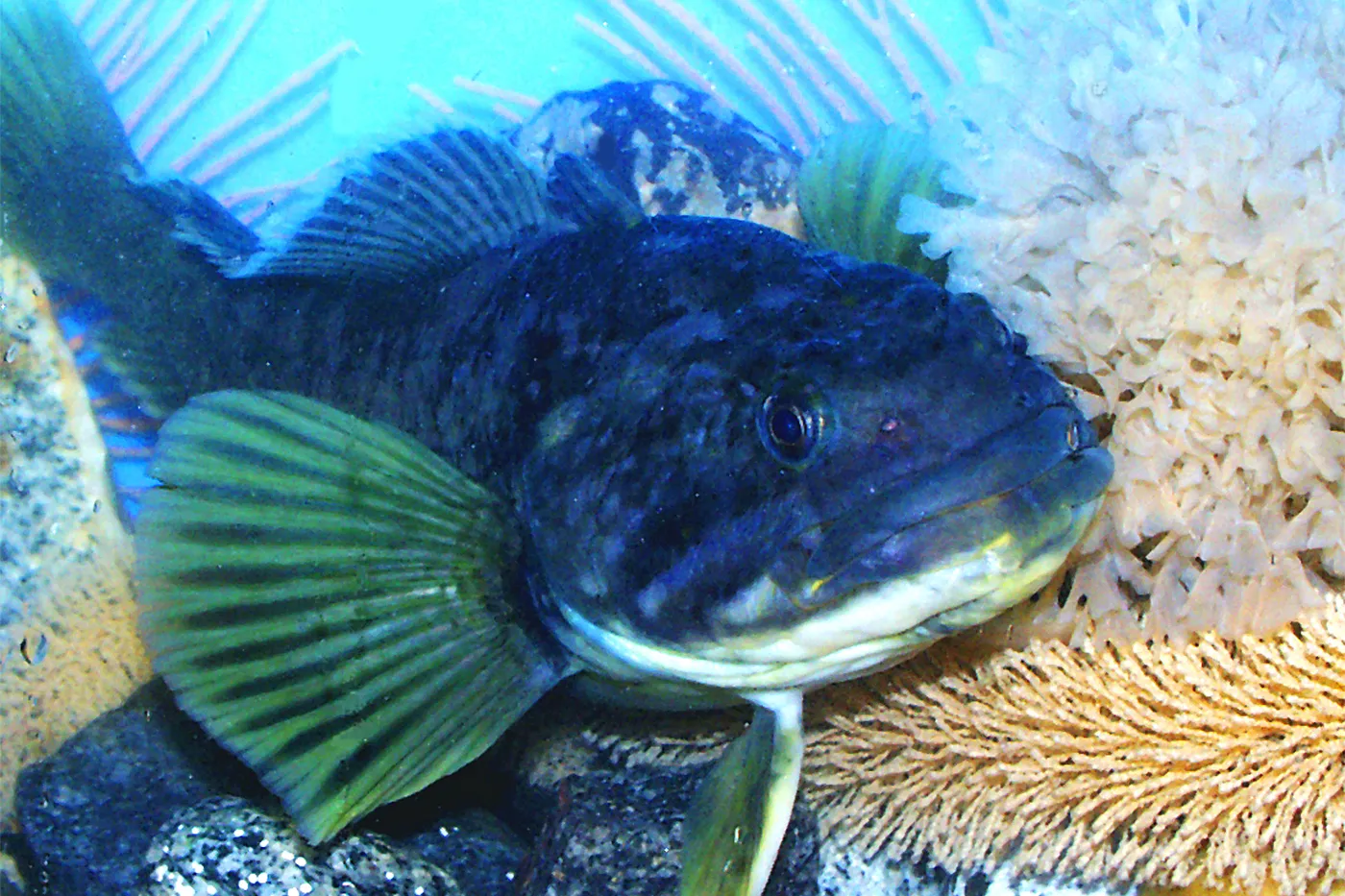
Warming Antarctic waters come with a cost for the normally ‘robust’ rockcod
Researcher H. William Detrich investigated the potential impact of warming waters in the Southern Ocean on a common species of fish. What he found could be catastrophic for fish populations in the region.
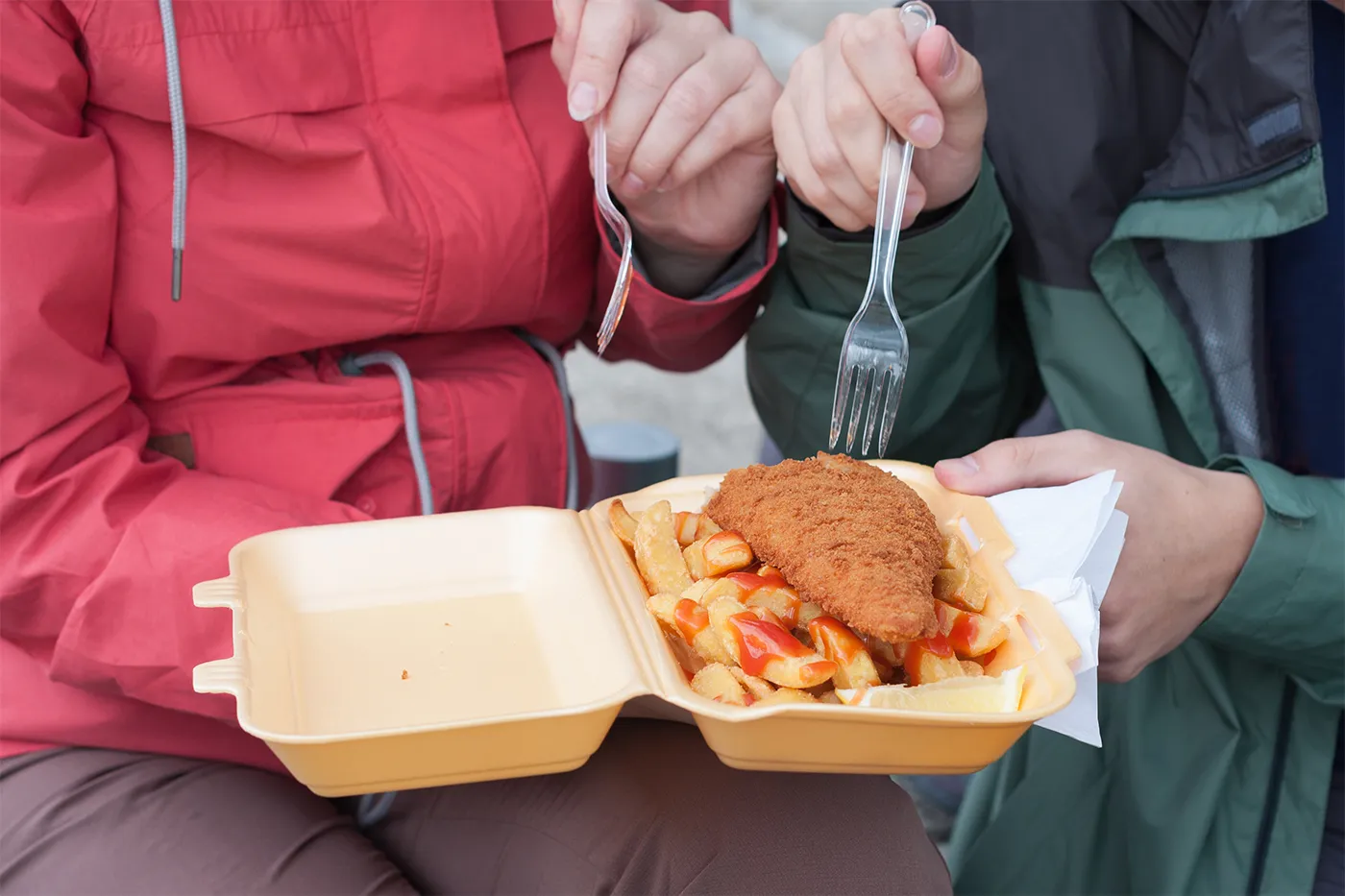
Our preference for certain foods may be impacted by early life stress, research shows
Researcher Brie Reid finds a correlation between acute stress in infancy and an increased preference for inflammatory foods in subjects’ late teens and 20s.

With ‘Shrinking,’ therapy is more mainstream than ever. Is that a good thing? Therapists aren’t so sure
Teaching Professor William Sharp says therapy, once taboo, has now become fashionable thanks to social media and entertainment like Apple TV’s sitcom, but destigmatizing therapy has also distorted it in unexpected ways.
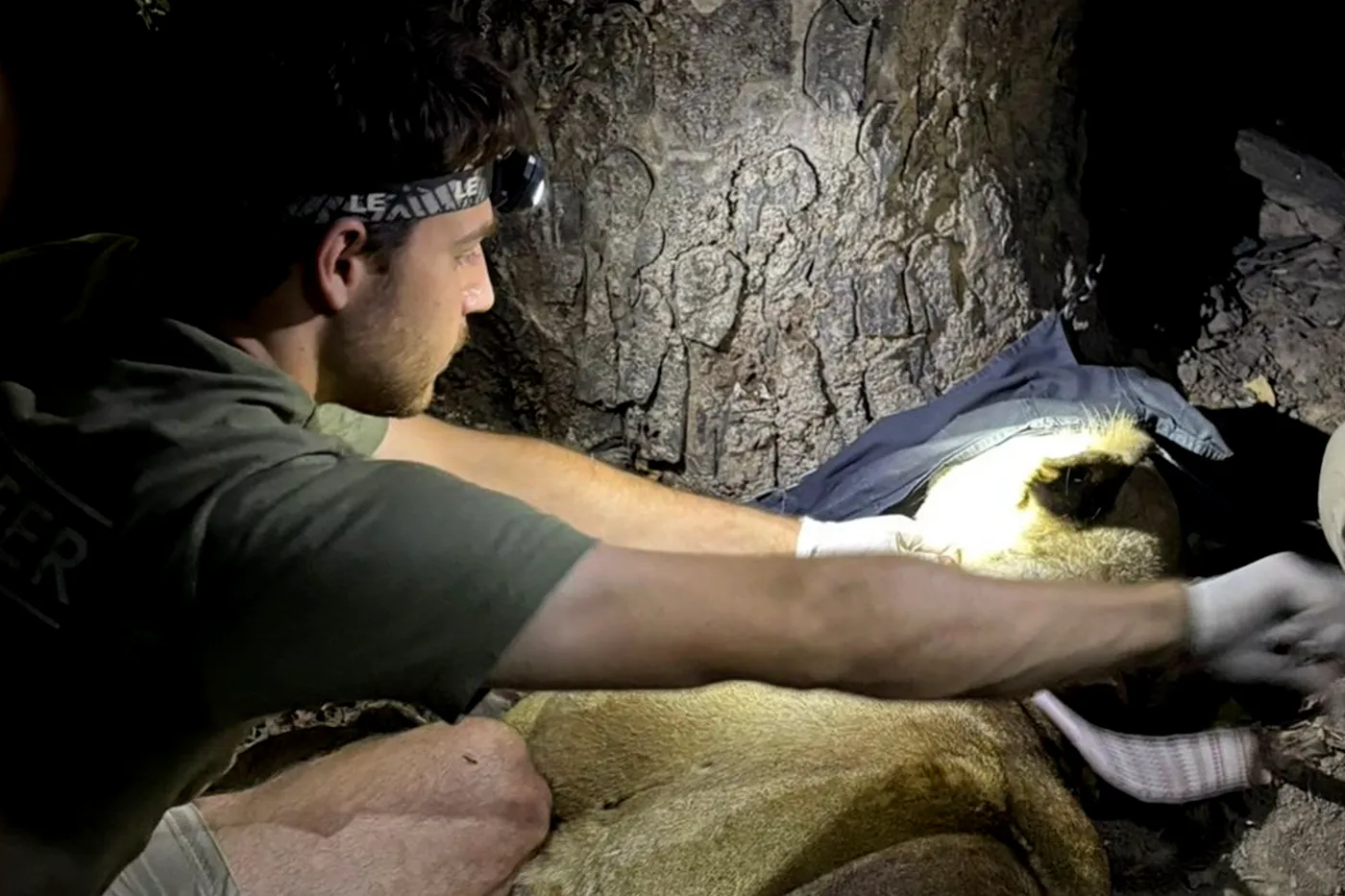
Co-op brings student up close and personal with a lioness
Ryan Sewell completed a co-op at Lilongwe Wildlife Trust, which works to protect Malawi’s wildlife from threats such as deforestation, poaching and the pet trade.
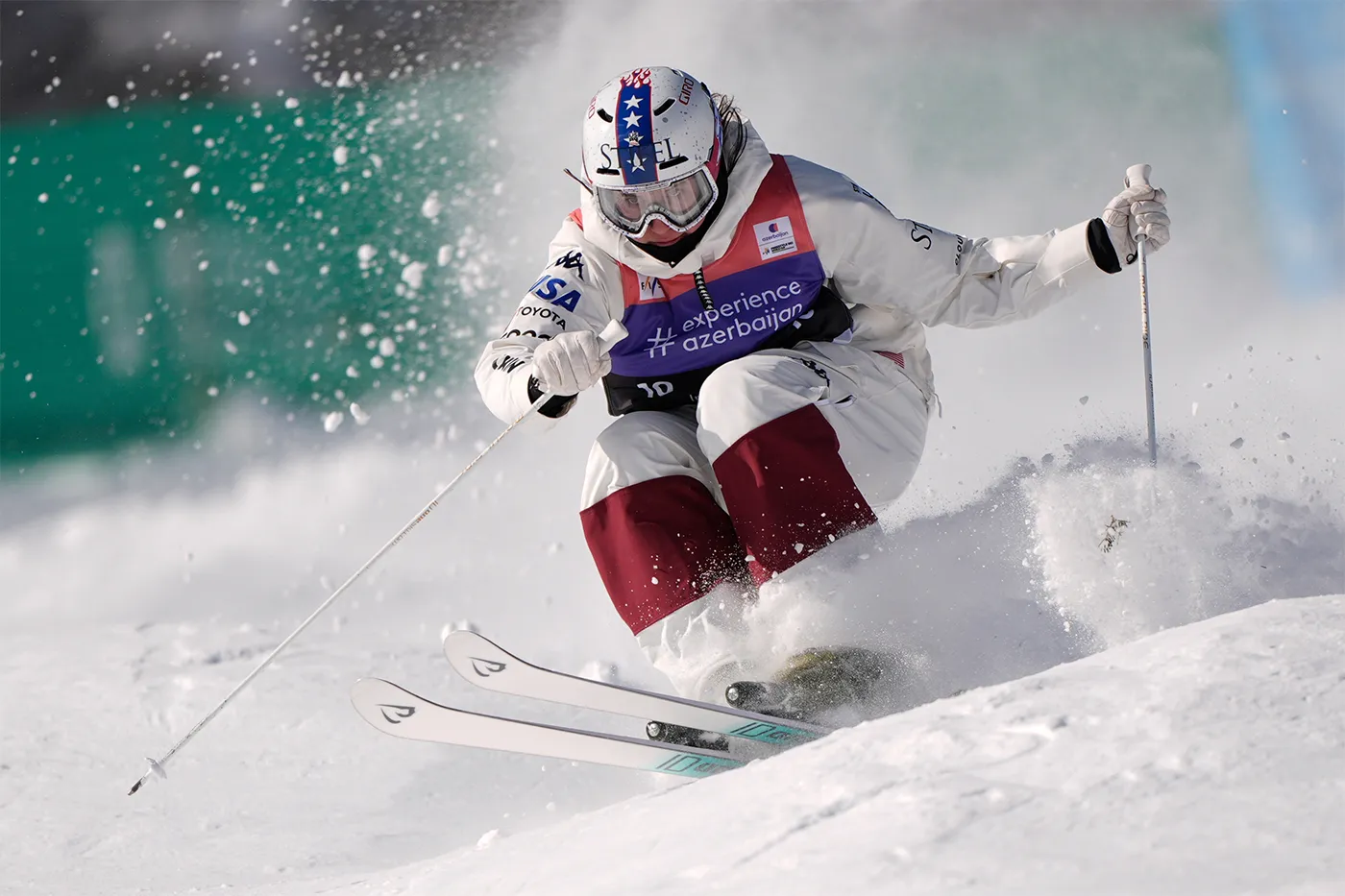
What different shaped skis do and do not influence
Physicist Stefan Kautsch said ski shape is all about providing a stable platform to best maneuver over the snow.
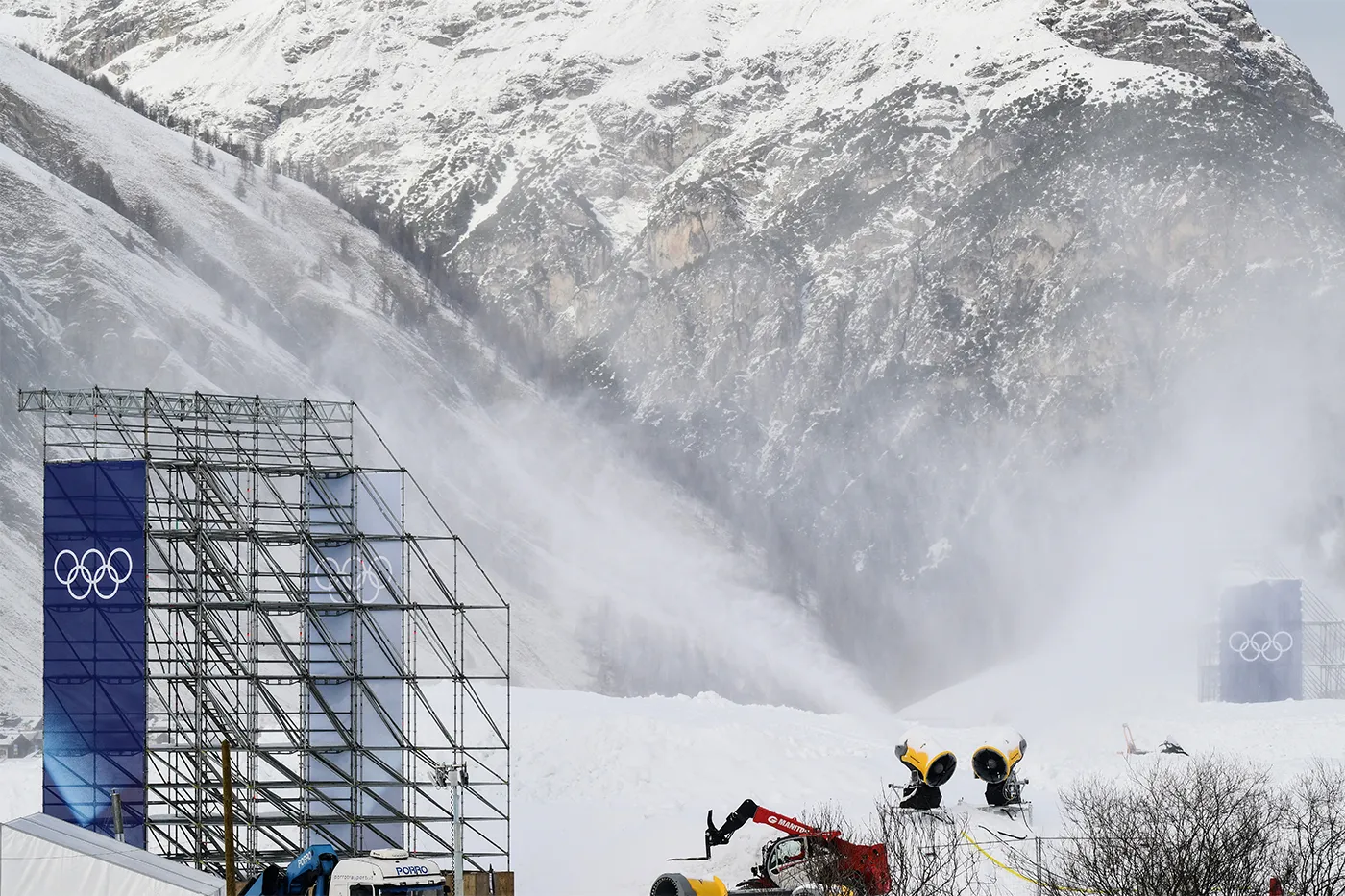
Will the Winter Olympics run out of snow?
Because of climate change, organizers will have to be careful about future venues and host events at locations of various altitudes, professor Samuel Muñoz say.

Soccer passing is harder, shorter and sharper across pro leagues, new research finds
Assistant teaching professors Brennan Klein's new research group, NetSi Sport, released research analyzing how professional soccer gameplay has evolved over the last five years.
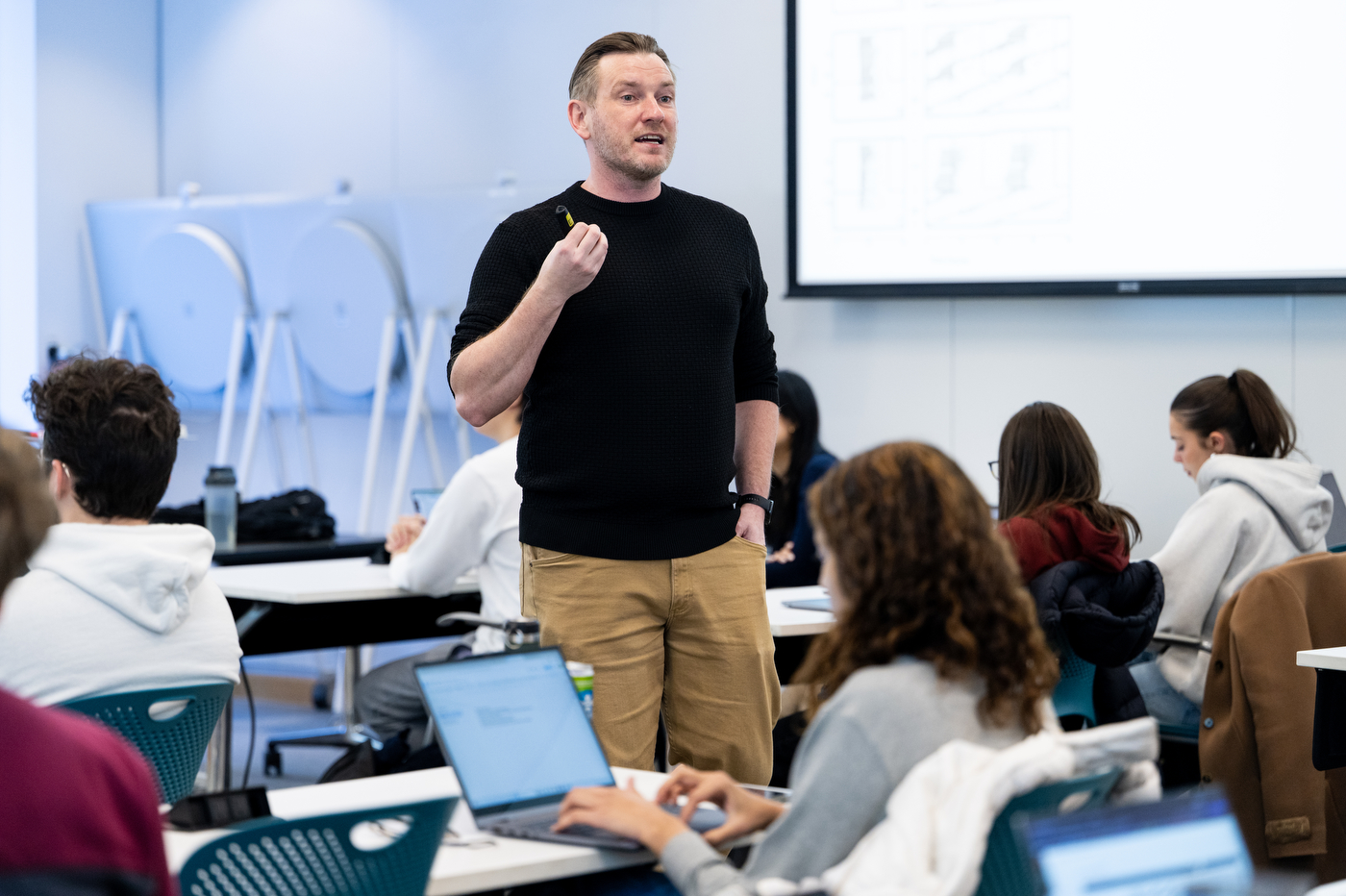
This class at Northeastern guides students through the mystery of the circadian rhythm
Associate teaching professor Matthias Schlichting invites upper-level students to investigate a biological mystery: How does the circadian rhythm function?
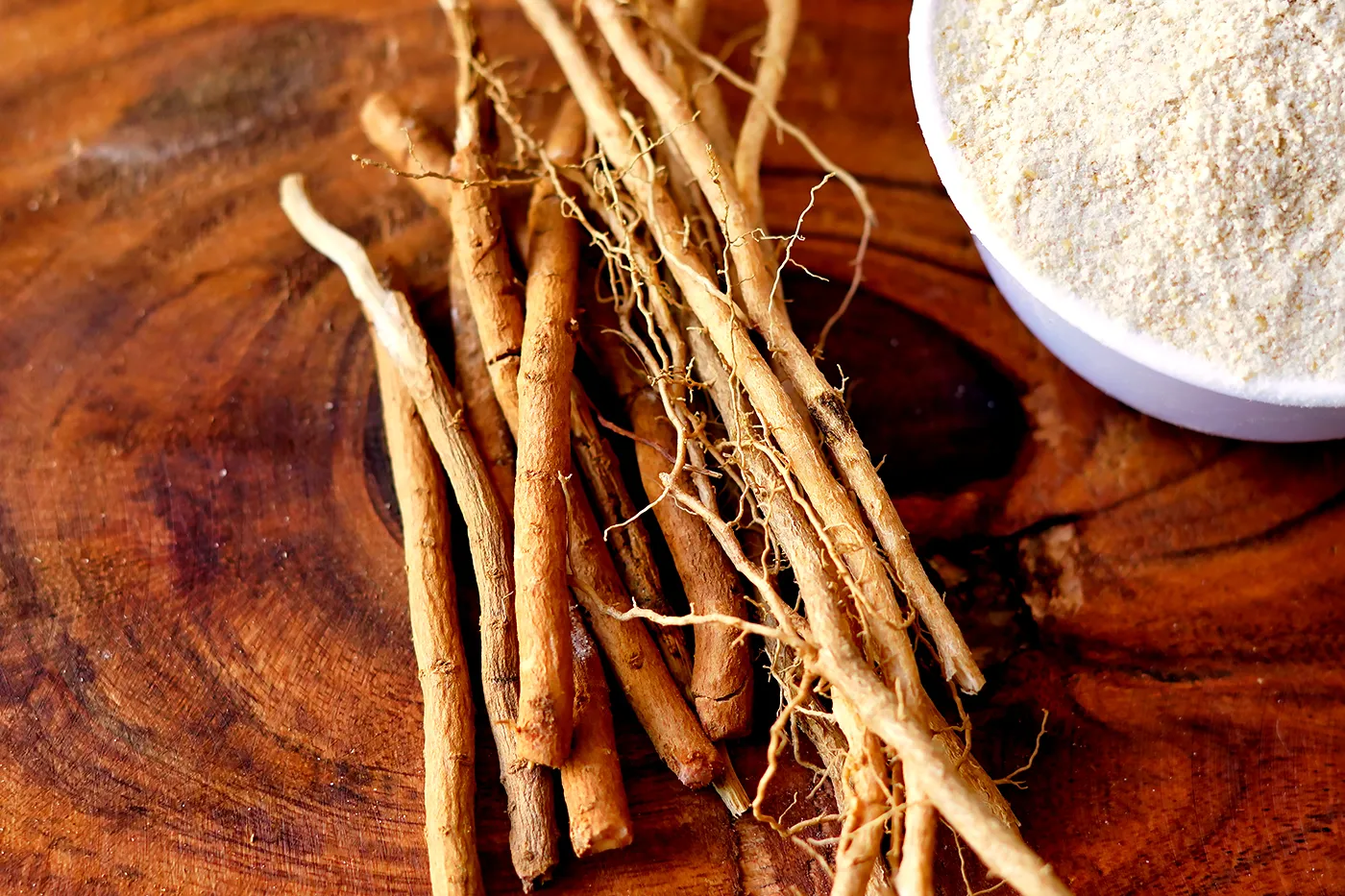
Ashwagandha is having a moment. These researchers opened the door to more life-altering benefits
Ashwagandha, a popular supplement, is known for its effect on stress and sleep. Professor Jing-Ke Weng recreated its compounds in yeast, making a potential factory for its many benefits.

How living and working under the sea fills aquanauts with wonder and awe. The phenomenon is called the “underview effect.”
Professor Brian Helmuth studies how living underwater can create a mind-blowing effect similar to what astronauts experience in space.